
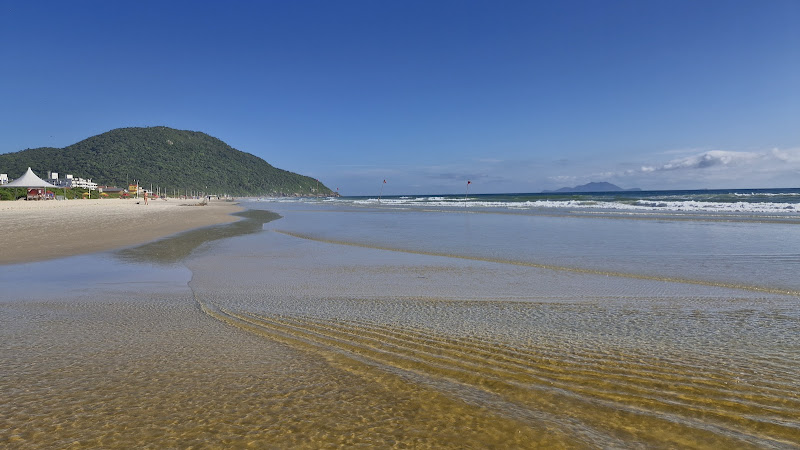
Praia dos Ingleses
About Praia dos Ingleses
Description
Praia dos Ingleses stands as one of Florianópolis' most expansive beach destinations, stretching over five kilometers of Atlantic coastline in northern Santa Catarina, Brazil. The beach earned its name—which translates to "English Beach"—from a shipwreck involving an English vessel back in the 1700s, though you'd never guess that tragic history looking at the lively shores today. What strikes most visitors first is the sheer size of this place. Unlike those cramped beach strips where you're practically sitting on your neighbor's towel, Praia dos Ingleses gives you room to breathe. The sand here is fine and pale, the kind that squeaks under your feet when it's dry and doesn't stick too badly when wet. And those waves—they're what really define this beach's character. The surf at Ingleses tends toward the enthusiastic side, making it a magnet for surfers and bodyboarders who thrive on decent swells. But don't let that scare you off if you're not a wave rider. The beach has different personalities depending on where you plant yourself, with calmer sections that work perfectly fine for families and swimmers who prefer their ocean time without the adrenaline rush. I remember talking to a local shop owner who'd watched this beach transform over the decades from a quiet fishing village into a proper tourist destination. Yet somehow Ingleses has managed to retain a more relaxed, less commercialized feel compared to some of its southern neighbors. Sure, you'll find development here—hotels, restaurants, beach bars serving cold caipirinhas—but it hasn't completely overtaken the landscape like in other parts of Florianópolis. The beach faces east, which means gorgeous sunrise views if you're an early riser. There's something almost meditative about watching the sun climb out of the Atlantic while the rest of the world is still asleep, with only the sound of waves and maybe a few dedicated fishermen for company.Key Features
- Over five kilometers of continuous sandy beach offering plenty of space for beachgoers to spread out comfortably
- Consistent wave action that creates ideal conditions for surfing, bodyboarding, and other water sports throughout most of the year
- Restroom facilities available along the beach, making extended stays more practical for families and day-trippers
- Acceptance of both credit and debit cards at most establishments, though carrying some cash is still smart
- Family-friendly environment with areas suitable for children to play and swim safely under supervision
- Eastern exposure providing spectacular sunrise views and natural light throughout morning hours
- Wide range of beach services including chair and umbrella rentals, beach sports equipment, and surf lessons
- Multiple access points along the beach allowing visitors to choose their preferred section based on wave conditions and crowd levels
- Well-developed tourism infrastructure with accommodations ranging from budget pousadas to upscale resorts
- Local seafood restaurants and beach kiosks serving traditional Brazilian coastal cuisine
Best Time to Visit
The peak summer season runs from December through March, when Brazilian families flock to the coast during their summer holidays. Temperatures hover in the high 20s to low 30s Celsius (that's low to mid-80s Fahrenheit), and the beach absolutely buzzes with energy. If you love that holiday atmosphere with beach volleyball games, impromptu soccer matches, and plenty of people-watching opportunities, summer is your time. But here's where I'll share what many guidebooks won't tell you straight—peak season also means peak prices and peak crowds. Hotel rates can double or even triple compared to off-season pricing. Finding a good spot on the sand before 9 AM becomes competitive. The traffic getting in and out of the area can test anyone's patience. April and May offer a sweet spot that many seasoned travelers prefer. The weather remains pleasant—still warm enough for swimming without the intense summer heat. The crowds thin considerably, prices drop, and you'll actually have conversations with locals rather than just tourists. The water temperature stays comfortable through April especially. September through November presents another excellent window. Spring brings wildflowers to the dunes, temperatures climb back into comfortable territory, and the ocean warms up nicely. You'll catch the tail end of whale migration season too, with Southern Right Whales sometimes visible from shore between July and November. Winter months from June through August see temperatures dropping to the 15-20°C range (roughly 60-68°F). Too cold for most people's beach swimming preferences, though surfers don't seem to mind much with a wetsuit. The advantage? You'll practically have the beach to yourself, accommodation costs bottom out, and there's something beautifully dramatic about the rougher winter seas. The surf tends to be most consistent from April through October, which explains why dedicated surfers often prefer the shoulder and winter seasons despite cooler conditions.How to Get There
Most visitors start their journey at Florianópolis International Airport, located about 35 kilometers south of Praia dos Ingleses. The drive takes roughly 45 minutes to an hour depending on traffic, which can get thick during peak season or weekday rush hours. Rental cars provide the most flexibility, especially if you're planning to explore multiple beaches around the island. The route is straightforward—take SC-403 north, then connect to SC-406 which leads directly to Ingleses. Parking can be found along the beachfront roads, though during summer you might need to arrive early or park a few blocks back from the sand. Ride-sharing services like Uber and 99 operate throughout Florianópolis and offer reasonable rates from the airport. Expect to pay somewhere in the neighborhood of 80-120 Brazilian reais depending on demand and your exact destination within the Ingleses area. Just make sure you've got internet access to call a ride. Public buses run regularly between downtown Florianópolis and Ingleses, though they take considerably longer—sometimes up to two hours with stops. The TICAN bus system operates these routes, and while it's budget-friendly (just a few reais per trip), it requires patience and a tolerance for crowded conditions during busy periods. Many hotels and pousadas offer airport shuttle services, either included in your booking or for a reasonable fee. This can be worth it for the convenience, especially if you're arriving with lots of luggage or after a long international flight when the last thing you want is navigating unfamiliar roads. If you're already staying elsewhere on the island, Ingleses is easily accessible from other beach communities. From Florianópolis city center, head north across the bridge. From southern beaches like Campeche or Joaquina, you're looking at about a 40-minute drive cutting across the island.Tips for Visiting
Sun protection here isn't optional—it's mandatory. The Brazilian sun doesn't mess around, and the ocean breeze can fool you into thinking you're not getting fried. Bring high-SPF sunscreen and reapply it more often than you think necessary. I've seen too many tourists turn lobster-red on their first day and spend the rest of their vacation miserable and peeling. The northern end of the beach generally sees calmer waters, making it better suited for families with young children or those who prefer gentler swimming conditions. The central and southern sections pick up more wave action, attracting the surf crowd. Take a walk along the beach when you first arrive to scout out your ideal spot. And speaking of walking—this beach's length is both a blessing and a potential exhaustion factor. Five kilometers is a serious hike in soft sand under the sun. Wear appropriate footwear or plan your activities to minimize unnecessary trudging back and forth. Bring cash despite the widespread card acceptance. Smaller vendors, beach chair rentals, and some food kiosks still operate cash-only. ATMs exist in the area but can run out during peak weekends, leaving you in a bind. The beach kiosks and restaurants along Ingleses serve excellent fresh seafood, but prices increase the closer you are to the sand. Walk a block or two inland and you'll often find better value at local spots where residents actually eat. The quality doesn't drop—sometimes it's even better. Watch your belongings. While Ingleses isn't particularly dangerous, petty theft happens anywhere tourists gather. Don't leave valuables unattended on your beach towel while you swim. Many regular visitors use waterproof pouches to keep phones and cash with them in the water. If you're interested in surf lessons, several schools operate along the beach offering instruction for beginners through advanced riders. Morning sessions typically offer the best conditions before winds pick up in the afternoon. Don't be intimidated if you've never surfed before—the instructors here are patient and the wave variety means there's usually something suitable for learners. The shoulder seasons (April-May and September-November) also bring occasional rain, but it's usually brief afternoon showers rather than all-day washouts. Pack a light rain jacket and have a backup plan like visiting one of the nearby shopping areas or restaurants. For those traveling with children, the restroom facilities are helpful but basic. Bring wipes and hand sanitizer to supplement what's available. The "good for kids" designation holds true, but supervision remains essential—those waves can surprise you, and riptides do occur. Local buses connect Ingleses to other beaches if you want to explore without driving. The island-hopping approach lets you compare different beach personalities—maybe calm Ponta das Canas one day, party-focused Jurerê Internacional another, traditional fishing village Santo Antônio de Lisboa the next. Try the local fish dish called "sequência de camarão" at one of the beachfront restaurants—it's essentially a parade of shrimp prepared every way imaginable. Pair it with a caipirinha or ice-cold beer and you've captured the essence of Brazilian beach dining. Finally, adjust your expectations about timing. Brazil operates on a more relaxed schedule than many visitors expect. Restaurants might take awhile to bring your food. Beach vendors stroll by at their own pace. Sunset doesn't come with countdown clocks and organized viewing events. Embrace it. That's half the charm of places like Ingleses—they remind you that life doesn't always need to rush forward at maximum speed.Key Features
- Long 5 km stretch of sand with varied zones (calm southern waters, surf to the north)
- Well-developed tourist infrastructure: hotels, restaurants, bars and shops
- Family-friendly areas with lifeguards and good swimming conditions
- Nearby dunes and short trails for light hiking and scenic viewpoints
- Vibrant local culture and seasonal events that attract both Brazilians and foreigners
More Details
Updated March 30, 2026
Table of Contents
Description
Praia dos Ingleses stands as one of Florianópolis’ most expansive beach destinations, stretching over five kilometers of Atlantic coastline in northern Santa Catarina, Brazil. The beach earned its name—which translates to “English Beach”—from a shipwreck involving an English vessel back in the 1700s, though you’d never guess that tragic history looking at the lively shores today.
What strikes most visitors first is the sheer size of this place. Unlike those cramped beach strips where you’re practically sitting on your neighbor’s towel, Praia dos Ingleses gives you room to breathe. The sand here is fine and pale, the kind that squeaks under your feet when it’s dry and doesn’t stick too badly when wet. And those waves—they’re what really define this beach’s character.
The surf at Ingleses tends toward the enthusiastic side, making it a magnet for surfers and bodyboarders who thrive on decent swells. But don’t let that scare you off if you’re not a wave rider. The beach has different personalities depending on where you plant yourself, with calmer sections that work perfectly fine for families and swimmers who prefer their ocean time without the adrenaline rush.
I remember talking to a local shop owner who’d watched this beach transform over the decades from a quiet fishing village into a proper tourist destination. Yet somehow Ingleses has managed to retain a more relaxed, less commercialized feel compared to some of its southern neighbors. Sure, you’ll find development here—hotels, restaurants, beach bars serving cold caipirinhas—but it hasn’t completely overtaken the landscape like in other parts of Florianópolis.
The beach faces east, which means gorgeous sunrise views if you’re an early riser. There’s something almost meditative about watching the sun climb out of the Atlantic while the rest of the world is still asleep, with only the sound of waves and maybe a few dedicated fishermen for company.
Key Features
- Over five kilometers of continuous sandy beach offering plenty of space for beachgoers to spread out comfortably
- Consistent wave action that creates ideal conditions for surfing, bodyboarding, and other water sports throughout most of the year
- Restroom facilities available along the beach, making extended stays more practical for families and day-trippers
- Acceptance of both credit and debit cards at most establishments, though carrying some cash is still smart
- Family-friendly environment with areas suitable for children to play and swim safely under supervision
- Eastern exposure providing spectacular sunrise views and natural light throughout morning hours
- Wide range of beach services including chair and umbrella rentals, beach sports equipment, and surf lessons
- Multiple access points along the beach allowing visitors to choose their preferred section based on wave conditions and crowd levels
- Well-developed tourism infrastructure with accommodations ranging from budget pousadas to upscale resorts
- Local seafood restaurants and beach kiosks serving traditional Brazilian coastal cuisine
Best Time to Visit
The peak summer season runs from December through March, when Brazilian families flock to the coast during their summer holidays. Temperatures hover in the high 20s to low 30s Celsius (that’s low to mid-80s Fahrenheit), and the beach absolutely buzzes with energy. If you love that holiday atmosphere with beach volleyball games, impromptu soccer matches, and plenty of people-watching opportunities, summer is your time.
But here’s where I’ll share what many guidebooks won’t tell you straight—peak season also means peak prices and peak crowds. Hotel rates can double or even triple compared to off-season pricing. Finding a good spot on the sand before 9 AM becomes competitive. The traffic getting in and out of the area can test anyone’s patience.
April and May offer a sweet spot that many seasoned travelers prefer. The weather remains pleasant—still warm enough for swimming without the intense summer heat. The crowds thin considerably, prices drop, and you’ll actually have conversations with locals rather than just tourists. The water temperature stays comfortable through April especially.
September through November presents another excellent window. Spring brings wildflowers to the dunes, temperatures climb back into comfortable territory, and the ocean warms up nicely. You’ll catch the tail end of whale migration season too, with Southern Right Whales sometimes visible from shore between July and November.
Winter months from June through August see temperatures dropping to the 15-20°C range (roughly 60-68°F). Too cold for most people’s beach swimming preferences, though surfers don’t seem to mind much with a wetsuit. The advantage? You’ll practically have the beach to yourself, accommodation costs bottom out, and there’s something beautifully dramatic about the rougher winter seas.
The surf tends to be most consistent from April through October, which explains why dedicated surfers often prefer the shoulder and winter seasons despite cooler conditions.
How to Get There
Most visitors start their journey at Florianópolis International Airport, located about 35 kilometers south of Praia dos Ingleses. The drive takes roughly 45 minutes to an hour depending on traffic, which can get thick during peak season or weekday rush hours.
Rental cars provide the most flexibility, especially if you’re planning to explore multiple beaches around the island. The route is straightforward—take SC-403 north, then connect to SC-406 which leads directly to Ingleses. Parking can be found along the beachfront roads, though during summer you might need to arrive early or park a few blocks back from the sand.
Ride-sharing services like Uber and 99 operate throughout Florianópolis and offer reasonable rates from the airport. Expect to pay somewhere in the neighborhood of 80-120 Brazilian reais depending on demand and your exact destination within the Ingleses area. Just make sure you’ve got internet access to call a ride.
Public buses run regularly between downtown Florianópolis and Ingleses, though they take considerably longer—sometimes up to two hours with stops. The TICAN bus system operates these routes, and while it’s budget-friendly (just a few reais per trip), it requires patience and a tolerance for crowded conditions during busy periods.
Many hotels and pousadas offer airport shuttle services, either included in your booking or for a reasonable fee. This can be worth it for the convenience, especially if you’re arriving with lots of luggage or after a long international flight when the last thing you want is navigating unfamiliar roads.
If you’re already staying elsewhere on the island, Ingleses is easily accessible from other beach communities. From Florianópolis city center, head north across the bridge. From southern beaches like Campeche or Joaquina, you’re looking at about a 40-minute drive cutting across the island.
Tips for Visiting
Sun protection here isn’t optional—it’s mandatory. The Brazilian sun doesn’t mess around, and the ocean breeze can fool you into thinking you’re not getting fried. Bring high-SPF sunscreen and reapply it more often than you think necessary. I’ve seen too many tourists turn lobster-red on their first day and spend the rest of their vacation miserable and peeling.
The northern end of the beach generally sees calmer waters, making it better suited for families with young children or those who prefer gentler swimming conditions. The central and southern sections pick up more wave action, attracting the surf crowd. Take a walk along the beach when you first arrive to scout out your ideal spot.
And speaking of walking—this beach’s length is both a blessing and a potential exhaustion factor. Five kilometers is a serious hike in soft sand under the sun. Wear appropriate footwear or plan your activities to minimize unnecessary trudging back and forth.
Bring cash despite the widespread card acceptance. Smaller vendors, beach chair rentals, and some food kiosks still operate cash-only. ATMs exist in the area but can run out during peak weekends, leaving you in a bind.
The beach kiosks and restaurants along Ingleses serve excellent fresh seafood, but prices increase the closer you are to the sand. Walk a block or two inland and you’ll often find better value at local spots where residents actually eat. The quality doesn’t drop—sometimes it’s even better.
Watch your belongings. While Ingleses isn’t particularly dangerous, petty theft happens anywhere tourists gather. Don’t leave valuables unattended on your beach towel while you swim. Many regular visitors use waterproof pouches to keep phones and cash with them in the water.
If you’re interested in surf lessons, several schools operate along the beach offering instruction for beginners through advanced riders. Morning sessions typically offer the best conditions before winds pick up in the afternoon. Don’t be intimidated if you’ve never surfed before—the instructors here are patient and the wave variety means there’s usually something suitable for learners.
The shoulder seasons (April-May and September-November) also bring occasional rain, but it’s usually brief afternoon showers rather than all-day washouts. Pack a light rain jacket and have a backup plan like visiting one of the nearby shopping areas or restaurants.
For those traveling with children, the restroom facilities are helpful but basic. Bring wipes and hand sanitizer to supplement what’s available. The “good for kids” designation holds true, but supervision remains essential—those waves can surprise you, and riptides do occur.
Local buses connect Ingleses to other beaches if you want to explore without driving. The island-hopping approach lets you compare different beach personalities—maybe calm Ponta das Canas one day, party-focused Jurerê Internacional another, traditional fishing village Santo Antônio de Lisboa the next.
Try the local fish dish called “sequência de camarão” at one of the beachfront restaurants—it’s essentially a parade of shrimp prepared every way imaginable. Pair it with a caipirinha or ice-cold beer and you’ve captured the essence of Brazilian beach dining.
Finally, adjust your expectations about timing. Brazil operates on a more relaxed schedule than many visitors expect. Restaurants might take awhile to bring your food. Beach vendors stroll by at their own pace. Sunset doesn’t come with countdown clocks and organized viewing events. Embrace it. That’s half the charm of places like Ingleses—they remind you that life doesn’t always need to rush forward at maximum speed.
Key Highlights
- Long 5 km stretch of sand with varied zones (calm southern waters, surf to the north)
- Well-developed tourist infrastructure: hotels, restaurants, bars and shops
- Family-friendly areas with lifeguards and good swimming conditions
- Nearby dunes and short trails for light hiking and scenic viewpoints
- Vibrant local culture and seasonal events that attract both Brazilians and foreigners
Location
Places to Stay Near Praia dos Ingleses
Find and Book a Tour
Explore More Travel Guides
No reviews found! Be the first to review!
Praia dos Ingleses is a prominent attractions located in Florianópolis.
Visit us at: Servidão Benito Freitas, 41 – Ingleses do Rio Vermelho, Florianópolis – SC, 88058-617, Brazil.
Traveler Reviews for Praia dos Ingleses
There are no reviews yet. Be the first one to write one.
Have you visited Praia dos Ingleses? Help other travelers by sharing your review.
Nearby Attractions
You Might Also Like
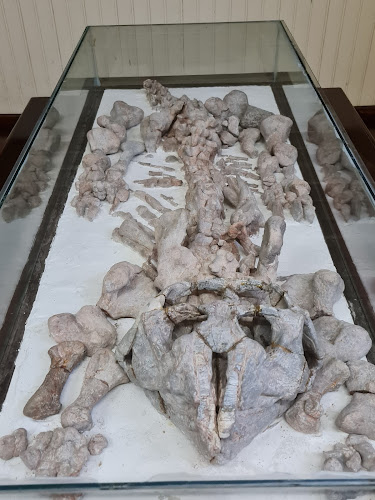
Museu do Homem do Sambaqui
Trapiche Lagoa da Conceição

Catedral Metropolitana de Florianópolis Nossa Senhora Do Desterro e Santa Catarina De Alexandria
Find Accommodations Nearby
Recommended Tours & Activities
Visitor Reviews
There are no reviews yet. Be the first one to write one.
Share Your Experience
Have you visited Praia dos Ingleses? Help other travelers by leaving a review.