
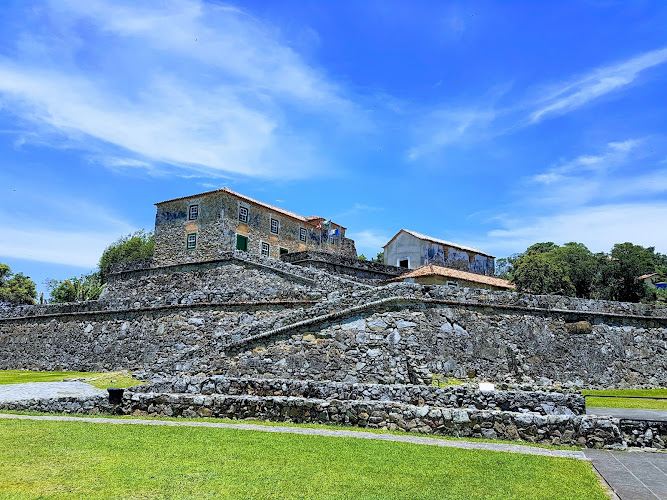
São José da Ponta Grossa Fortress
About São José da Ponta Grossa Fortress
Description
São José da Ponta Grossa Fortress stands as one of Brazil's most impressive 18th-century military installations, perched dramatically on a hilltop overlooking the Atlantic Ocean. Built during colonial times when Portugal was fiercely protecting its territorial interests in South America, this fortress tells a story that goes way beyond just old stones and cannons. The Portuguese constructed this defensive stronghold to guard against potential invasions and protect valuable trade routes, and honestly, they picked quite possibly the most stunning location imaginable for a military installation. Walking through the fortress feels like stepping into a time capsule. The thick stone walls have witnessed centuries of history, from colonial conflicts to Brazil's independence, and they're still standing strong today. What makes this place particularly special is how it manages to be both an educational experience and a genuinely enjoyable day out. You're not just looking at some ruins behind velvet ropes - you're actually exploring authentic historical spaces where soldiers once lived, worked, and defended their territory. The fortress now serves triple duty as a historical monument, museum, and tourist attraction, which means there's plenty to keep visitors engaged for several hours. The museum collection inside showcases military artifacts, weapons, uniforms, and everyday items that give you a real sense of what life was like for the garrison stationed here. And let me tell you, those ocean views? Absolutely worth the visit on their own. The panoramic vistas stretching across the blue Atlantic make you understand exactly why military strategists chose this spot.Key Features
Travelers planning their visit should know about these standout features that make São José da Ponta Grossa Fortress truly memorable:
- Original 18th-century military architecture - The fortress maintains its authentic colonial-era structure, including defensive walls, bastions, and gun emplacements that transport visitors back three centuries
- Comprehensive museum collection - Historical artifacts ranging from period weaponry and military equipment to documents and personal items belonging to soldiers who served here
- Spectacular ocean viewpoints - Multiple vantage points throughout the fortress offer breathtaking panoramic views of the Atlantic, perfect for photography enthusiasts and sunset watchers
- Family-friendly environment - The site is specifically designed to accommodate children, making it an educational experience that kids actually enjoy rather than endure
- Preserved garrison quarters - Visitors can explore the actual living spaces where soldiers were stationed, providing authentic insight into military life during the colonial period
- Strategic hilltop location - The elevated position not only offered military advantages historically but now provides visitors with commanding views of the surrounding landscape and coastline
- Interpretive displays and information - Throughout the fortress, you'll find detailed explanations in multiple languages that bring the history to life without requiring a guided tour
- Original artillery pieces - Several cannons and defensive weapons remain positioned as they would have been during active military operations
- Accessible parking facilities - On-site paid parking makes visiting convenient, though it fills up during peak tourist seasons
Best Time to Visit
Timing your visit to São José da Ponta Grossa Fortress can really make or break your experience, and I've learned this the hard way after visiting historical sites during less-than-ideal conditions. The fortress is open year-round, but certain seasons definitely offer advantages over others. The absolute best time to visit falls between May and September, during Brazil's cooler, drier months. Temperatures are more comfortable for exploring an outdoor historical site, and you won't be dealing with the intense summer heat that can make walking around stone fortifications feel like you're in an oven. Plus, these months typically see fewer crowds compared to the December through February summer vacation period when Brazilian families flock to coastal attractions. Morning visits, particularly right when the fortress opens, provide the best lighting for photography and the most pleasant temperatures. The early sunlight hitting those old stone walls creates this golden glow that's absolutely magical. And here's something most guidebooks won't tell you - arriving early means you might have entire sections of the fortress practically to yourself for a solid hour or two before the tour buses start rolling in. If you're specifically after those incredible ocean views, late afternoon visits around 4 or 5 PM can be spectacular. The changing light as the sun moves lower creates dramatic shadows across the fortress walls, and the ocean takes on different colors. But be aware that some interior museum sections might start closing an hour or so before the official closing time, so you'll need to prioritize what you want to see. Weekdays are considerably less crowded than weekends, especially during school holidays. If your schedule allows flexibility, visiting on a Tuesday or Wednesday typically means you'll share the space with fewer people and can take your time examining the exhibits without feeling rushed. Weather-wise, try to avoid visiting during heavy rain, which can make the stone walkways slippery and limits the enjoyment of those spectacular views when visibility drops. Check the forecast before heading out because there's limited covered space within the fortress itself.How to Get There
Getting to São José da Ponta Grossa Fortress requires some planning, but it's definitely doable whether you're renting a car or relying on public transportation. The fortress sits on an island location, which adds a bit of adventure to the journey but also means you can't just hop in a taxi and arrive directly at the entrance without some additional steps. For travelers with rental cars, driving offers the most flexibility and convenience. The fortress has a paid parking lot on-site, which eliminates the stress of finding street parking. Just be prepared for the parking fees to add a bit to your overall visit cost. The roads leading to the area are generally well-maintained, though they can get congested during peak tourist season or weekends. Public transportation is possible but requires more effort and time. Local buses serve the general area, though you'll likely need to do some walking from the nearest bus stop. Ask locals or your hotel concierge about current bus routes and schedules, as these can change seasonally. Honestly, if you're traveling with family or in a group, splitting the cost of a taxi or ride-share often makes more sense than navigating the bus system, especially if you don't speak Portuguese fluently. Many visitors choose to book organized tours that include transportation to the fortress along with other nearby attractions. This option works particularly well if you're trying to maximize your time and see multiple sites in one day. The downside is you're on someone else's schedule and can't linger if you're really enjoying the experience. If you're staying in nearby coastal cities or towns, water taxis or boat services sometimes offer scenic routes to the island. This approach turns the journey itself into part of the adventure, with ocean breezes and coastal views adding to the overall experience. Check locally about seasonal availability and weather conditions that might affect boat services. Whatever transportation method you choose, give yourself plenty of time. The fortress deserves at least 2-3 hours for a thorough visit, and you don't want to feel rushed because you underestimated travel time.Tips for Visiting
After considering what makes a fortress visit truly successful, here are practical tips that'll help you get the most out of your time at São José da Ponta Grossa Fortress. Wear comfortable, sturdy walking shoes - this isn't negotiable. The fortress features stone pathways, stairs, uneven surfaces, and areas where you'll be doing quite a bit of walking and standing. Those cute sandals or dress shoes will leave you with sore feet and potentially twisted ankles. Athletic shoes or hiking boots are your best bet. Bring sun protection because the hilltop location means you're exposed to direct sunlight for much of your visit. Sunscreen, hats, and sunglasses are essential, even on days that seem overcast when you leave your hotel. The UV rays reflected off the ocean and stone walls can be surprisingly intense. I learned this lesson the hard way with a sunburn that ruined my next beach day. Pack water and light snacks. While there might be vendors near the entrance, don't count on finding refreshments once you're exploring the fortress itself. Staying hydrated, especially during warmer months, makes the difference between an enjoyable visit and a miserable one. The fortress grounds are extensive, and you'll be walking more than you might expect. Children typically love the fortress because it feels like exploring a castle, but keep a close eye on them near walls and elevated areas. While safety measures are in place, the structure was built centuries ago with defensive purposes rather than child safety in mind. The good news is that the fortress genuinely caters to families, with enough visual interest to keep kids engaged rather than bored. Bring cash for the parking fees and any entrance costs. Not all facilities in the area accept credit cards, and you don't want to discover this after you've driven all the way there. Having small bills makes transactions smoother. If you're serious about photography, bring your camera rather than relying solely on your phone. The lighting conditions, expansive views, and historical details deserve better quality than most smartphone cameras can deliver. But even phone cameras can capture impressive shots here - those ocean vistas are pretty forgiving to amateur photographers. Consider hiring a local guide if you're really interested in the historical details. While the fortress has informational displays, a knowledgeable guide brings the stories to life in ways that static signs simply cannot. They share anecdotes, point out details you'd otherwise miss, and can answer questions specific to your interests. Check the weather forecast the day before and have a backup plan. While light rain doesn't necessarily ruin the experience, heavy storms or high winds make visiting uncomfortable and potentially unsafe given the exposed hilltop location. Allow more time than you think you'll need. Rush through and you'll miss the small details that make this place special - the way afternoon light filters through old windows, the view from that one particular bastion that's slightly off the main path, or the quieter museum rooms that most people walk past quickly. Finally, approach your visit with some historical imagination. Try to picture what this place was like when it was an active military installation, with soldiers manning the walls and ships approaching from the ocean. That mental exercise transforms the fortress from just another tourist attraction into a genuine connection with the past.Key Features
- 18th-century stone fortifications and preserved casemates
- Strategic hilltop location with panoramic Atlantic views
- Interpretive displays and occasional guided tours by local custodians
- Proximity to Praia do Forte and Jurerê beaches for combined visits
- Managed conservation and restoration under local heritage programs
More Details
Updated March 30, 2026
Table of Contents
Description
São José da Ponta Grossa Fortress stands as one of Brazil’s most impressive 18th-century military installations, perched dramatically on a hilltop overlooking the Atlantic Ocean. Built during colonial times when Portugal was fiercely protecting its territorial interests in South America, this fortress tells a story that goes way beyond just old stones and cannons. The Portuguese constructed this defensive stronghold to guard against potential invasions and protect valuable trade routes, and honestly, they picked quite possibly the most stunning location imaginable for a military installation.
Walking through the fortress feels like stepping into a time capsule. The thick stone walls have witnessed centuries of history, from colonial conflicts to Brazil’s independence, and they’re still standing strong today. What makes this place particularly special is how it manages to be both an educational experience and a genuinely enjoyable day out. You’re not just looking at some ruins behind velvet ropes – you’re actually exploring authentic historical spaces where soldiers once lived, worked, and defended their territory.
The fortress now serves triple duty as a historical monument, museum, and tourist attraction, which means there’s plenty to keep visitors engaged for several hours. The museum collection inside showcases military artifacts, weapons, uniforms, and everyday items that give you a real sense of what life was like for the garrison stationed here. And let me tell you, those ocean views? Absolutely worth the visit on their own. The panoramic vistas stretching across the blue Atlantic make you understand exactly why military strategists chose this spot.
Key Features
Travelers planning their visit should know about these standout features that make São José da Ponta Grossa Fortress truly memorable:
- Original 18th-century military architecture – The fortress maintains its authentic colonial-era structure, including defensive walls, bastions, and gun emplacements that transport visitors back three centuries
- Comprehensive museum collection – Historical artifacts ranging from period weaponry and military equipment to documents and personal items belonging to soldiers who served here
- Spectacular ocean viewpoints – Multiple vantage points throughout the fortress offer breathtaking panoramic views of the Atlantic, perfect for photography enthusiasts and sunset watchers
- Family-friendly environment – The site is specifically designed to accommodate children, making it an educational experience that kids actually enjoy rather than endure
- Preserved garrison quarters – Visitors can explore the actual living spaces where soldiers were stationed, providing authentic insight into military life during the colonial period
- Strategic hilltop location – The elevated position not only offered military advantages historically but now provides visitors with commanding views of the surrounding landscape and coastline
- Interpretive displays and information – Throughout the fortress, you’ll find detailed explanations in multiple languages that bring the history to life without requiring a guided tour
- Original artillery pieces – Several cannons and defensive weapons remain positioned as they would have been during active military operations
- Accessible parking facilities – On-site paid parking makes visiting convenient, though it fills up during peak tourist seasons
Best Time to Visit
Timing your visit to São José da Ponta Grossa Fortress can really make or break your experience, and I’ve learned this the hard way after visiting historical sites during less-than-ideal conditions. The fortress is open year-round, but certain seasons definitely offer advantages over others.
The absolute best time to visit falls between May and September, during Brazil’s cooler, drier months. Temperatures are more comfortable for exploring an outdoor historical site, and you won’t be dealing with the intense summer heat that can make walking around stone fortifications feel like you’re in an oven. Plus, these months typically see fewer crowds compared to the December through February summer vacation period when Brazilian families flock to coastal attractions.
Morning visits, particularly right when the fortress opens, provide the best lighting for photography and the most pleasant temperatures. The early sunlight hitting those old stone walls creates this golden glow that’s absolutely magical. And here’s something most guidebooks won’t tell you – arriving early means you might have entire sections of the fortress practically to yourself for a solid hour or two before the tour buses start rolling in.
If you’re specifically after those incredible ocean views, late afternoon visits around 4 or 5 PM can be spectacular. The changing light as the sun moves lower creates dramatic shadows across the fortress walls, and the ocean takes on different colors. But be aware that some interior museum sections might start closing an hour or so before the official closing time, so you’ll need to prioritize what you want to see.
Weekdays are considerably less crowded than weekends, especially during school holidays. If your schedule allows flexibility, visiting on a Tuesday or Wednesday typically means you’ll share the space with fewer people and can take your time examining the exhibits without feeling rushed.
Weather-wise, try to avoid visiting during heavy rain, which can make the stone walkways slippery and limits the enjoyment of those spectacular views when visibility drops. Check the forecast before heading out because there’s limited covered space within the fortress itself.
How to Get There
Getting to São José da Ponta Grossa Fortress requires some planning, but it’s definitely doable whether you’re renting a car or relying on public transportation. The fortress sits on an island location, which adds a bit of adventure to the journey but also means you can’t just hop in a taxi and arrive directly at the entrance without some additional steps.
For travelers with rental cars, driving offers the most flexibility and convenience. The fortress has a paid parking lot on-site, which eliminates the stress of finding street parking. Just be prepared for the parking fees to add a bit to your overall visit cost. The roads leading to the area are generally well-maintained, though they can get congested during peak tourist season or weekends.
Public transportation is possible but requires more effort and time. Local buses serve the general area, though you’ll likely need to do some walking from the nearest bus stop. Ask locals or your hotel concierge about current bus routes and schedules, as these can change seasonally. Honestly, if you’re traveling with family or in a group, splitting the cost of a taxi or ride-share often makes more sense than navigating the bus system, especially if you don’t speak Portuguese fluently.
Many visitors choose to book organized tours that include transportation to the fortress along with other nearby attractions. This option works particularly well if you’re trying to maximize your time and see multiple sites in one day. The downside is you’re on someone else’s schedule and can’t linger if you’re really enjoying the experience.
If you’re staying in nearby coastal cities or towns, water taxis or boat services sometimes offer scenic routes to the island. This approach turns the journey itself into part of the adventure, with ocean breezes and coastal views adding to the overall experience. Check locally about seasonal availability and weather conditions that might affect boat services.
Whatever transportation method you choose, give yourself plenty of time. The fortress deserves at least 2-3 hours for a thorough visit, and you don’t want to feel rushed because you underestimated travel time.
Tips for Visiting
After considering what makes a fortress visit truly successful, here are practical tips that’ll help you get the most out of your time at São José da Ponta Grossa Fortress.
Wear comfortable, sturdy walking shoes – this isn’t negotiable. The fortress features stone pathways, stairs, uneven surfaces, and areas where you’ll be doing quite a bit of walking and standing. Those cute sandals or dress shoes will leave you with sore feet and potentially twisted ankles. Athletic shoes or hiking boots are your best bet.
Bring sun protection because the hilltop location means you’re exposed to direct sunlight for much of your visit. Sunscreen, hats, and sunglasses are essential, even on days that seem overcast when you leave your hotel. The UV rays reflected off the ocean and stone walls can be surprisingly intense. I learned this lesson the hard way with a sunburn that ruined my next beach day.
Pack water and light snacks. While there might be vendors near the entrance, don’t count on finding refreshments once you’re exploring the fortress itself. Staying hydrated, especially during warmer months, makes the difference between an enjoyable visit and a miserable one. The fortress grounds are extensive, and you’ll be walking more than you might expect.
Children typically love the fortress because it feels like exploring a castle, but keep a close eye on them near walls and elevated areas. While safety measures are in place, the structure was built centuries ago with defensive purposes rather than child safety in mind. The good news is that the fortress genuinely caters to families, with enough visual interest to keep kids engaged rather than bored.
Bring cash for the parking fees and any entrance costs. Not all facilities in the area accept credit cards, and you don’t want to discover this after you’ve driven all the way there. Having small bills makes transactions smoother.
If you’re serious about photography, bring your camera rather than relying solely on your phone. The lighting conditions, expansive views, and historical details deserve better quality than most smartphone cameras can deliver. But even phone cameras can capture impressive shots here – those ocean vistas are pretty forgiving to amateur photographers.
Consider hiring a local guide if you’re really interested in the historical details. While the fortress has informational displays, a knowledgeable guide brings the stories to life in ways that static signs simply cannot. They share anecdotes, point out details you’d otherwise miss, and can answer questions specific to your interests.
Check the weather forecast the day before and have a backup plan. While light rain doesn’t necessarily ruin the experience, heavy storms or high winds make visiting uncomfortable and potentially unsafe given the exposed hilltop location.
Allow more time than you think you’ll need. Rush through and you’ll miss the small details that make this place special – the way afternoon light filters through old windows, the view from that one particular bastion that’s slightly off the main path, or the quieter museum rooms that most people walk past quickly.
Finally, approach your visit with some historical imagination. Try to picture what this place was like when it was an active military installation, with soldiers manning the walls and ships approaching from the ocean. That mental exercise transforms the fortress from just another tourist attraction into a genuine connection with the past.
Key Highlights
- 18th-century stone fortifications and preserved casemates
- Strategic hilltop location with panoramic Atlantic views
- Interpretive displays and occasional guided tours by local custodians
- Proximity to Praia do Forte and Jurerê beaches for combined visits
- Managed conservation and restoration under local heritage programs
Location
Places to Stay Near São José da Ponta Grossa Fortress
Find and Book a Tour
Explore More Travel Guides
No reviews found! Be the first to review!
São José da Ponta Grossa Fortress is a prominent attractions located in Florianópolis.
Visit us at: Serv. da Carioca, s/n – Praia do Forte, Florianópolis – SC, 88010-000, Brasil.
Traveler Reviews for São José da Ponta Grossa Fortress
There are no reviews yet. Be the first one to write one.
Have you visited São José da Ponta Grossa Fortress? Help other travelers by sharing your review.
Nearby Attractions
You Might Also Like
Trapiche Lagoa da Conceição
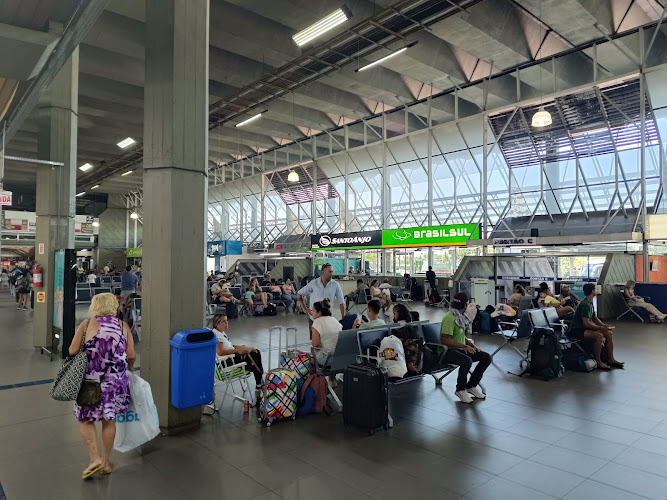
Terminal rodoviário de Florianópolis
Villa Romana Shopping
Find Accommodations Nearby
Recommended Tours & Activities
Visitor Reviews
There are no reviews yet. Be the first one to write one.
Share Your Experience
Have you visited São José da Ponta Grossa Fortress? Help other travelers by leaving a review.