
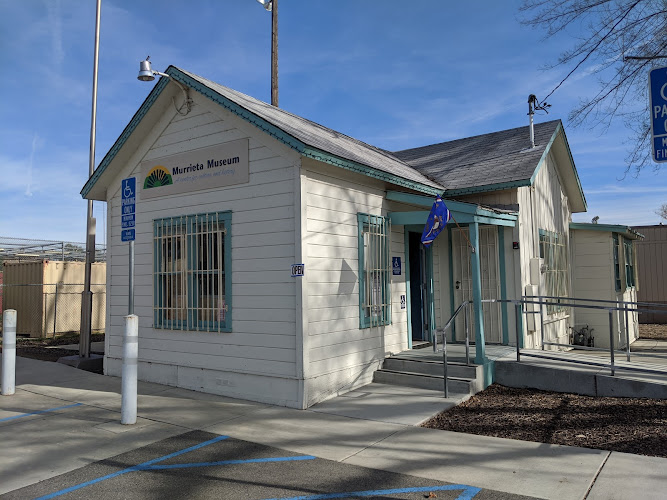
Murrieta Museum.
About Murrieta Museum.
Description
The Murrieta Museum stands as a captivating window into the rich heritage of this Southern California community, offering travelers an authentic glimpse into the region's transformation from agricultural roots to modern suburbia. This intimate museum houses an impressive collection of artifacts, photographs, and historical documents that chronicle the area's fascinating journey through time. And honestly, there's something genuinely refreshing about discovering a local museum that doesn't try to be something it's not – it simply tells the story of Murrieta with pride and attention to detail. Visitors will find themselves transported through different eras as they explore exhibits showcasing everything from Native American history to the ranching days that defined the region's early character. The museum does an excellent job of preserving the memory of those who shaped this community, including the prominent Murrieta family for whom the city was named. I've always believed that understanding where you're visiting makes the experience so much richer, and this museum delivers exactly that kind of context. What makes this spot particularly special is its approachable nature. Unlike those massive institutions where you need a full day and comfortable shoes just to scratch the surface, the Murrieta Museum offers a more personal experience. You can thoroughly enjoy everything it has to offer in a couple hours, making it perfect for travelers who want to understand the local culture without dedicating their entire vacation day to it. The staff and volunteers here genuinely care about preserving and sharing their community's story, which creates an atmosphere that feels more like visiting a knowledgeable friend's home than walking through a sterile exhibition space.Key Features
The Murrieta Museum provides several noteworthy features that enhance the visitor experience: • Complete wheelchair accessibility throughout the facility, including the entrance, parking lot, and restroom facilities, ensuring all travelers can enjoy the historical exhibits without barriers • Guided tours led by passionate volunteers who bring the exhibits to life with personal anecdotes and deep knowledge of local history • Family-friendly exhibits designed to engage children and adults alike, making it an educational stop for travelers of all ages • Historical photographs documenting Murrieta's evolution from a quiet farming community to a thriving city • Artifacts from the ranching era, including tools, equipment, and personal belongings that tell the story of early settlers • Regular rotating exhibits that showcase different aspects of local history, giving repeat visitors fresh content to explore • Clean, well-maintained restroom facilities for visitor convenience • Climate-controlled environment that protects delicate historical materials while keeping guests comfortable year-round • Knowledgeable staff who can answer questions and provide context that enhances understanding of the exhibits • Photo opportunities that allow visitors to document their educational journey through Murrieta's pastBest Time to Visit
Timing your visit to the Murrieta Museum can make a difference in your overall experience, though honestly, any time you can fit it into your itinerary works pretty well. The museum operates year-round, but I'd recommend planning your visit during the cooler months between October and April if you're also exploring outdoor attractions in the Murrieta area. Southern California's summer heat can be intense, and while the museum itself is climate-controlled, you'll probably want to explore the surrounding downtown area too. Weekday mornings tend to be quieter, which means you'll have more one-on-one time with the knowledgeable volunteers who can share stories that aren't written on the exhibit plaques. These folks are absolute treasures of information, and having their undivided attention really enriches the experience. But if weekdays don't work with your travel schedule, don't worry – weekend visits are still enjoyable, just potentially a bit busier with local families. Consider timing your visit around special events or temporary exhibitions that the museum occasionally hosts. These can provide unique insights into specific aspects of Murrieta's history that might align with your interests. Check ahead to see what's happening during your travel dates – you might catch something truly special. The museum typically isn't crowded even during peak times, which is part of its charm. You won't be fighting crowds to read exhibit descriptions or waiting in line to view artifacts. This makes it an excellent rainy day activity or a peaceful break from more hectic tourist attractions in the broader Southern California region.How to Get There
Getting to the Murrieta Museum is straightforward for travelers exploring Southern California's Inland Empire region. The museum sits in the heart of Old Town Murrieta, an area that's experienced thoughtful revitalization while maintaining its historic character. If you're driving – which most visitors to this area are – you'll find the museum easily accessible from Interstate 15, the main north-south corridor through this part of California. From I-15, take the California Oaks Road exit and head west toward Old Town. The drive takes you through typical Southern California suburban landscape before transitioning into the more historic downtown area. Parking is available in a dedicated lot that accommodates visitors with mobility needs, and there's also street parking nearby if you prefer. For travelers staying in nearby Temecula, the drive takes roughly 15-20 minutes depending on traffic. And if you're based in San Diego or the broader Riverside County area, Murrieta makes an excellent day trip destination. The museum pairs wonderfully with exploration of the surrounding Old Town district, where you'll find restaurants and shops housed in buildings that echo the area's heritage. Public transportation options are more limited in this suburban area, as is typical for much of inland Southern California. Rideshare services like Uber and Lyft operate throughout Murrieta and can drop you right at the museum entrance. If you're relying on these services, just know that wait times might be slightly longer than in more urban areas. The museum's location in Old Town means you can easily walk to nearby cafes and eateries before or after your visit, since the museum itself doesn't have an on-site restaurant. This actually works out nicely – you can make a half-day of exploring both the museum and the surrounding historic district.Tips for Visiting
Making the most of your Murrieta Museum experience doesn't require extensive planning, but a few insider tips can enhance your visit. First off, don't rush through the exhibits. I know it's tempting to breeze through smaller museums quickly, but the real value here lies in taking time to read the descriptions, examine the photographs closely, and absorb the stories being told. Give yourself at least an hour and a half, maybe two hours if you're a real history enthusiast. Engage with the staff and volunteers – seriously, this might be the most valuable tip I can offer. These folks often have personal connections to Murrieta's history or have spent years researching it. They can share details that no placard can convey, like what daily life was really like in early Murrieta or how specific families shaped the community's development. Don't be shy about asking questions or requesting stories about particular exhibits that catch your interest. Bring your camera or smartphone for photos, but be respectful of any posted photography restrictions around particularly delicate artifacts. The museum generally allows photography, which is great because you'll definitely want to capture some of these historical images and displays to share with friends or remember later. If you're traveling with children, take advantage of the kid-friendly aspects of the exhibits. The museum has made efforts to present history in ways that engage younger visitors, but you know your kids best – consider how you can make the experience interactive for them by asking questions or creating games around what they're seeing. Since there's no restaurant on-site, plan your meal timing accordingly. The surrounding Old Town area has several dining options within walking distance, so you might want to grab lunch before or after your museum visit. And speaking of planning, check the museum's hours before you go – smaller community museums sometimes have more limited schedules than major metropolitan institutions. Wear comfortable shoes even though the museum isn't huge. You'll likely be standing more than you realize as you move through exhibits and read displays. Plus, if you decide to explore Old Town Murrieta afterward, you'll already be prepared for walking. Consider visiting during a guided tour if one is scheduled during your visit. While you can certainly explore independently, guided tours often provide structure and insights you might miss on your own. The tour guides here are passionate about their subject matter, and that enthusiasm is genuinely contagious. For travelers interested in genealogy or researching family history connected to the Murrieta area, ask about archival resources. Museums like this often have materials that aren't on public display but might be accessible to researchers with specific interests. Finally, remember that admission fees and donations support the museum's ongoing operation and preservation efforts. These smaller community museums operate on tight budgets, and your visit directly contributes to keeping local history alive for future generations. It's worth keeping in mind that you're not just seeing artifacts – you're supporting the preservation of an entire community's heritage. The Murrieta Museum offers travelers something increasingly rare – an authentic, unpretentious connection to local history that doesn't require a massive time commitment or advanced degree to appreciate. It's the kind of place that reminds us why understanding the past matters, one artifact and one story at a time.Key Features
- Key Features
- Best Time to Visit
- How to Get There
- Tips for Visiting
More Details
Updated March 30, 2026
Table of Contents
Description
The Murrieta Museum stands as a captivating window into the rich heritage of this Southern California community, offering travelers an authentic glimpse into the region’s transformation from agricultural roots to modern suburbia. This intimate museum houses an impressive collection of artifacts, photographs, and historical documents that chronicle the area’s fascinating journey through time. And honestly, there’s something genuinely refreshing about discovering a local museum that doesn’t try to be something it’s not – it simply tells the story of Murrieta with pride and attention to detail.
Visitors will find themselves transported through different eras as they explore exhibits showcasing everything from Native American history to the ranching days that defined the region’s early character. The museum does an excellent job of preserving the memory of those who shaped this community, including the prominent Murrieta family for whom the city was named. I’ve always believed that understanding where you’re visiting makes the experience so much richer, and this museum delivers exactly that kind of context.
What makes this spot particularly special is its approachable nature. Unlike those massive institutions where you need a full day and comfortable shoes just to scratch the surface, the Murrieta Museum offers a more personal experience. You can thoroughly enjoy everything it has to offer in a couple hours, making it perfect for travelers who want to understand the local culture without dedicating their entire vacation day to it. The staff and volunteers here genuinely care about preserving and sharing their community’s story, which creates an atmosphere that feels more like visiting a knowledgeable friend’s home than walking through a sterile exhibition space.
Key Features
The Murrieta Museum provides several noteworthy features that enhance the visitor experience:
• Complete wheelchair accessibility throughout the facility, including the entrance, parking lot, and restroom facilities, ensuring all travelers can enjoy the historical exhibits without barriers
• Guided tours led by passionate volunteers who bring the exhibits to life with personal anecdotes and deep knowledge of local history
• Family-friendly exhibits designed to engage children and adults alike, making it an educational stop for travelers of all ages
• Historical photographs documenting Murrieta’s evolution from a quiet farming community to a thriving city
• Artifacts from the ranching era, including tools, equipment, and personal belongings that tell the story of early settlers
• Regular rotating exhibits that showcase different aspects of local history, giving repeat visitors fresh content to explore
• Clean, well-maintained restroom facilities for visitor convenience
• Climate-controlled environment that protects delicate historical materials while keeping guests comfortable year-round
• Knowledgeable staff who can answer questions and provide context that enhances understanding of the exhibits
• Photo opportunities that allow visitors to document their educational journey through Murrieta’s past
Best Time to Visit
Timing your visit to the Murrieta Museum can make a difference in your overall experience, though honestly, any time you can fit it into your itinerary works pretty well. The museum operates year-round, but I’d recommend planning your visit during the cooler months between October and April if you’re also exploring outdoor attractions in the Murrieta area. Southern California’s summer heat can be intense, and while the museum itself is climate-controlled, you’ll probably want to explore the surrounding downtown area too.
Weekday mornings tend to be quieter, which means you’ll have more one-on-one time with the knowledgeable volunteers who can share stories that aren’t written on the exhibit plaques. These folks are absolute treasures of information, and having their undivided attention really enriches the experience. But if weekdays don’t work with your travel schedule, don’t worry – weekend visits are still enjoyable, just potentially a bit busier with local families.
Consider timing your visit around special events or temporary exhibitions that the museum occasionally hosts. These can provide unique insights into specific aspects of Murrieta’s history that might align with your interests. Check ahead to see what’s happening during your travel dates – you might catch something truly special.
The museum typically isn’t crowded even during peak times, which is part of its charm. You won’t be fighting crowds to read exhibit descriptions or waiting in line to view artifacts. This makes it an excellent rainy day activity or a peaceful break from more hectic tourist attractions in the broader Southern California region.
How to Get There
Getting to the Murrieta Museum is straightforward for travelers exploring Southern California’s Inland Empire region. The museum sits in the heart of Old Town Murrieta, an area that’s experienced thoughtful revitalization while maintaining its historic character. If you’re driving – which most visitors to this area are – you’ll find the museum easily accessible from Interstate 15, the main north-south corridor through this part of California.
From I-15, take the California Oaks Road exit and head west toward Old Town. The drive takes you through typical Southern California suburban landscape before transitioning into the more historic downtown area. Parking is available in a dedicated lot that accommodates visitors with mobility needs, and there’s also street parking nearby if you prefer.
For travelers staying in nearby Temecula, the drive takes roughly 15-20 minutes depending on traffic. And if you’re based in San Diego or the broader Riverside County area, Murrieta makes an excellent day trip destination. The museum pairs wonderfully with exploration of the surrounding Old Town district, where you’ll find restaurants and shops housed in buildings that echo the area’s heritage.
Public transportation options are more limited in this suburban area, as is typical for much of inland Southern California. Rideshare services like Uber and Lyft operate throughout Murrieta and can drop you right at the museum entrance. If you’re relying on these services, just know that wait times might be slightly longer than in more urban areas.
The museum’s location in Old Town means you can easily walk to nearby cafes and eateries before or after your visit, since the museum itself doesn’t have an on-site restaurant. This actually works out nicely – you can make a half-day of exploring both the museum and the surrounding historic district.
Tips for Visiting
Making the most of your Murrieta Museum experience doesn’t require extensive planning, but a few insider tips can enhance your visit. First off, don’t rush through the exhibits. I know it’s tempting to breeze through smaller museums quickly, but the real value here lies in taking time to read the descriptions, examine the photographs closely, and absorb the stories being told. Give yourself at least an hour and a half, maybe two hours if you’re a real history enthusiast.
Engage with the staff and volunteers – seriously, this might be the most valuable tip I can offer. These folks often have personal connections to Murrieta’s history or have spent years researching it. They can share details that no placard can convey, like what daily life was really like in early Murrieta or how specific families shaped the community’s development. Don’t be shy about asking questions or requesting stories about particular exhibits that catch your interest.
Bring your camera or smartphone for photos, but be respectful of any posted photography restrictions around particularly delicate artifacts. The museum generally allows photography, which is great because you’ll definitely want to capture some of these historical images and displays to share with friends or remember later.
If you’re traveling with children, take advantage of the kid-friendly aspects of the exhibits. The museum has made efforts to present history in ways that engage younger visitors, but you know your kids best – consider how you can make the experience interactive for them by asking questions or creating games around what they’re seeing.
Since there’s no restaurant on-site, plan your meal timing accordingly. The surrounding Old Town area has several dining options within walking distance, so you might want to grab lunch before or after your museum visit. And speaking of planning, check the museum’s hours before you go – smaller community museums sometimes have more limited schedules than major metropolitan institutions.
Wear comfortable shoes even though the museum isn’t huge. You’ll likely be standing more than you realize as you move through exhibits and read displays. Plus, if you decide to explore Old Town Murrieta afterward, you’ll already be prepared for walking.
Consider visiting during a guided tour if one is scheduled during your visit. While you can certainly explore independently, guided tours often provide structure and insights you might miss on your own. The tour guides here are passionate about their subject matter, and that enthusiasm is genuinely contagious.
For travelers interested in genealogy or researching family history connected to the Murrieta area, ask about archival resources. Museums like this often have materials that aren’t on public display but might be accessible to researchers with specific interests.
Finally, remember that admission fees and donations support the museum’s ongoing operation and preservation efforts. These smaller community museums operate on tight budgets, and your visit directly contributes to keeping local history alive for future generations. It’s worth keeping in mind that you’re not just seeing artifacts – you’re supporting the preservation of an entire community’s heritage.
The Murrieta Museum offers travelers something increasingly rare – an authentic, unpretentious connection to local history that doesn’t require a massive time commitment or advanced degree to appreciate. It’s the kind of place that reminds us why understanding the past matters, one artifact and one story at a time.
Key Highlights
- Key Features
- Best Time to Visit
- How to Get There
- Tips for Visiting
Location
Places to Stay Near Murrieta Museum.
Find and Book a Tour
Explore More Travel Guides
No reviews found! Be the first to review!
Murrieta Museum. is a prominent museums located in Murrieta.
Visit us at: Juniper St, Murrieta, CA 92562 アメリカ合衆国.
Traveler Reviews for Murrieta Museum.
There are no reviews yet. Be the first one to write one.
Have you visited Murrieta Museum.? Help other travelers by sharing your review.
You Might Also Like

Torrey Pines Park

Warm Springs Park and Preserve
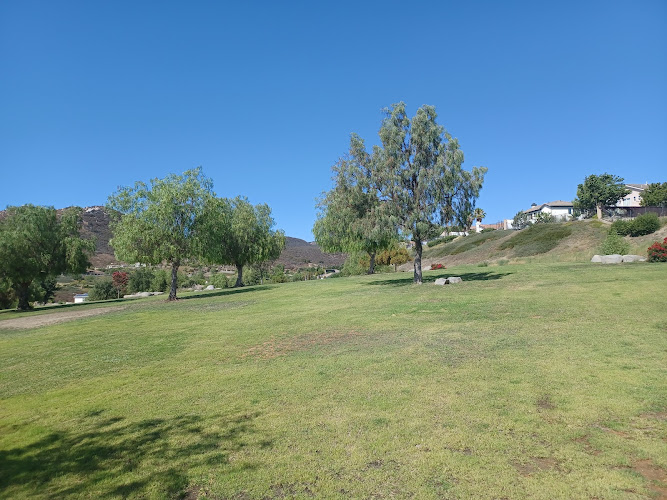
Bear Valley Park
Find Accommodations Nearby
Recommended Tours & Activities
Visitor Reviews
There are no reviews yet. Be the first one to write one.
Share Your Experience
Have you visited Murrieta Museum.? Help other travelers by leaving a review.