
Tenaja Falls
About Tenaja Falls
Description
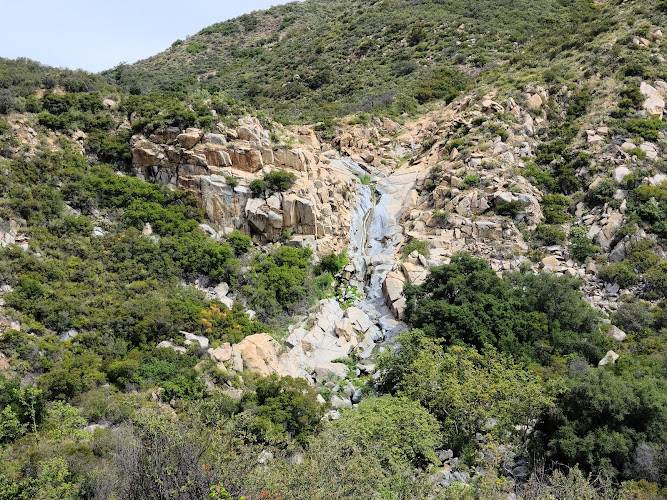
Tenaja Falls sits in the Cleveland National Forest, one of those Southern California treasures that doesn't always make it onto the typical tourist radar but probably should. This waterfall—actually a series of cascades—offers hikers a legitimate reward for their effort, especially during those months when water actually flows with some vigor. And let me tell you, there's something genuinely satisfying about finding a waterfall in a region that's better known for its dry, scrubby hillsides than rushing water. The trail leading to these falls winds through chaparral and oak woodland, giving visitors a taste of what Southern California's backcountry really looks like beyond the beaches and palm trees. During peak flow season, you'll hear the falls before you see them, which always adds a bit of anticipation to the final approach. The cascades drop in tiers over weathered rock faces, creating pools that reflect the sky on calm days. What makes Tenaja Falls particularly appealing is its relative accessibility compared to some other waterfall hikes in Southern California. You don't need to be an experienced mountaineer to reach it, though you'll definitely want to come prepared with proper footwear and supplies. The area attracts everyone from families looking for an outdoor adventure to serious hikers knocking another trail off their list. The surrounding national forest provides habitat for diverse wildlife, and birdwatchers often find themselves stopping mid-hike to identify various species. I've talked to visitors who came for the waterfall and stayed longer than planned because they got caught up watching hawks circle overhead or listening to the surprisingly varied birdsong echoing through the canyon.Key Features
The attributes that make Tenaja Falls worth the journey include several distinctive elements that set it apart from other hiking destinations in the region:- Multi-tiered waterfall system that creates several distinct cascades rather than a single drop, offering varied photo opportunities and viewing angles throughout the hike
- Moderate trail difficulty suitable for families with older children and dogs, making it accessible without being boring for more experienced hikers
- Rich birdlife throughout the canyon, particularly during spring migration when the area becomes a hotspot for bird enthusiasts
- Seasonal transformation from roaring cascades in winter and spring to tranquil rock formations in summer and fall, essentially offering two different experiences depending on when you visit
- Out-and-back trail configuration that allows hikers to turn around whenever they choose, though most people push through to see the main falls
- Swimming opportunities in natural pools during high-flow periods, though conditions vary significantly based on recent rainfall
- Dog-friendly trail policy that lets four-legged companions join the adventure, provided they're kept under control
- Relatively uncrowded conditions compared to more famous Southern California waterfalls, particularly on weekdays
- Native California flora including oak trees, sage, and seasonal wildflowers that paint the hillsides in spring
- Rock formations along the trail that tell geological stories spanning millions of years for those interested in Earth's history
Best Time to Visit
Timing your visit to Tenaja Falls makes all the difference between seeing a spectacular natural display and wondering what all the fuss was about. The falls are absolutely at their best from late winter through early spring, typically February through April, when seasonal rains have filled the watershed and water comes tumbling down with real force. I remember talking to someone who visited in August expecting Instagram-worthy cascades and found mostly dry rocks. They weren't happy, and honestly, I couldn't blame them. The thing about Southern California waterfalls is that they're temperamental—magnificent after rain, nearly non-existent during dry spells. After significant storm systems pass through, usually between December and March, the falls can be absolutely thunderous. But here's the catch—you'll want to wait a day or two after heavy rain before hiking in. Trails can become slippery and potentially dangerous, and flash flooding is a real concern in canyon areas. Check recent weather conditions before heading out. Spring offers the sweet spot where you get good water flow combined with wildflower blooms along the trail. The temperatures are usually comfortable for hiking, not too hot, and the landscape looks its greenest. March typically hits that perfect balance. Summer and fall visits aren't necessarily a waste, though. The waterfall might be reduced to a trickle or completely dry, but the trail itself remains scenic. Temperatures can get pretty brutal, though—we're talking 90s or higher—so early morning starts become essential rather than optional. Some folks actually prefer the quieter, drier season for hiking when they're more interested in the journey than the destination. Winter hiking presents its own challenges beyond just rain. Shorter daylight hours mean you need to start earlier to avoid finishing in darkness. And while snow is rare at this elevation, it's not impossible during cold snaps. Weekdays generally offer a better experience than weekends regardless of season. The trail sees decent traffic on Saturday and Sunday mornings, but Monday through Friday you might have stretches entirely to yourself.How to Get There
Reaching Tenaja Falls requires a bit of navigation, and honestly, this isn't one of those places where you can just plug an address into your phone and zone out. The trailhead sits in a somewhat remote section of Cleveland National Forest, accessible via a combination of paved and unpaved roads. From Interstate 15, you'll exit and head into the backcountry through areas that quickly transition from suburban development to genuine wilderness. The journey involves driving through Temecula Wine Country, which some visitors turn into a bonus attraction for their trip. The final approach follows Tenaja Road, which transitions from pavement to dirt—and the condition of this dirt section varies considerably based on recent weather and maintenance schedules. A standard passenger car can usually make it to the trailhead during dry conditions, but clearance matters. I wouldn't recommend attempting it in your brand new sports car or anything particularly low to the ground. After significant rain, four-wheel drive becomes pretty much necessary as the road can develop ruts and muddy sections that'll have you white-knuckling the steering wheel. Cell phone service becomes spotty once you leave the main highways, so download offline maps before you head out. GPS can be unreliable in the canyon areas, and there've been more than a few folks who've gotten themselves turned around trying to find the trailhead. Parking at the trailhead is somewhat limited—maybe 15-20 vehicles max—which means arriving early on popular days. If you show up at 10 AM on a sunny Saturday in March, you might find yourself parking along the road and adding extra distance to your hike. The drive itself takes roughly 90 minutes from San Diego, about two hours from Orange County, and closer to two and a half hours from Los Angeles, assuming normal traffic. But build in extra time for the unpaved section and potential slowdowns. Adventure Pass requirements apply for parking in Cleveland National Forest, so make sure you've got one displayed in your vehicle. Rangers do patrol the area, and tickets for non-compliance aren't cheap.Tips for Visiting
Actually enjoying your visit to Tenaja Falls versus just surviving it comes down to preparation and realistic expectations. First thing—bring way more water than you think you'll need. The exposed sections of trail offer zero shade, and dehydration sneaks up on you faster than you'd expect, even in cooler months. I'd recommend at least two liters per person as a minimum. Footwear matters more than most people realize. Those fashionable sneakers might look great in photos, but the trail includes rocky sections, stream crossings (when water's flowing), and potentially slippery surfaces. Actual hiking boots or at least trail runners with good tread make the experience infinitely more pleasant. The trail doesn't have bathroom facilities, so plan accordingly before you leave civilization. There's also zero cell service once you're on the trail, which means you're genuinely unplugged—embrace it rather than fighting it. Bring sunscreen and apply it generously, even on overcast days. The Southern California sun doesn't mess around, and you'll be exposed for significant portions of the hike. A hat helps too, preferably one that won't blow off if wind picks up on the ridgelines. If you're bringing kids, set realistic expectations about the distance and difficulty. The trail covers several miles round-trip with some elevation gain. Young children can absolutely do it, but it'll take longer than you think, and you'll need snacks and entertainment for rest breaks. Dogs need to be leashed and under control throughout the hike. While the trail welcomes four-legged friends, steep drop-offs and wildlife encounters mean keeping them close. And obviously, pack out any waste—yours and your dog's. Photography enthusiasts should bring whatever gear makes them happy, but remember you're carrying it for several miles. The best shots often come from scrambling slightly off the main trail (carefully), so consider your mobility with your equipment. Timing your arrival for early morning provides the best light for photography and the coolest temperatures for hiking. Most visitors arrive late morning, so getting there at sunrise essentially gives you the place to yourself. Pack out everything you pack in, which shouldn't need saying but apparently does based on the litter some inconsiderate visitors leave behind. There are no trash cans at the trailhead or along the trail. Check fire restrictions before your visit, especially during summer and fall. Wildfires are a serious threat in this region, and violations of fire bans carry severe penalties beyond just fines. Consider bringing a basic first aid kit for minor scrapes, blisters, or encounters with the occasional poison oak that grows in shadier areas near water sources. And maybe this is just me, but I always tell someone not hiking with me where I'm going and when I expect to be back. Cell service is non-existent on the trail, so if something goes wrong, you're relying on other hikers or your own preparedness until you get back to civilization.Key Features
- Series of cascades with natural swimming pools (seasonal)
- Short, well-defined trail suitable for most hikers
- Riparian habitat and spring wildflowers after rains
- Scenic canyon viewpoints and rocky scramble sections
- Located within Cleveland National Forest with primitive parking access
More Details
Updated March 30, 2026
Table of Contents
Description
Tenaja Falls sits in the Cleveland National Forest, one of those Southern California treasures that doesn’t always make it onto the typical tourist radar but probably should. This waterfall—actually a series of cascades—offers hikers a legitimate reward for their effort, especially during those months when water actually flows with some vigor. And let me tell you, there’s something genuinely satisfying about finding a waterfall in a region that’s better known for its dry, scrubby hillsides than rushing water.
The trail leading to these falls winds through chaparral and oak woodland, giving visitors a taste of what Southern California’s backcountry really looks like beyond the beaches and palm trees. During peak flow season, you’ll hear the falls before you see them, which always adds a bit of anticipation to the final approach. The cascades drop in tiers over weathered rock faces, creating pools that reflect the sky on calm days.
What makes Tenaja Falls particularly appealing is its relative accessibility compared to some other waterfall hikes in Southern California. You don’t need to be an experienced mountaineer to reach it, though you’ll definitely want to come prepared with proper footwear and supplies. The area attracts everyone from families looking for an outdoor adventure to serious hikers knocking another trail off their list.
The surrounding national forest provides habitat for diverse wildlife, and birdwatchers often find themselves stopping mid-hike to identify various species. I’ve talked to visitors who came for the waterfall and stayed longer than planned because they got caught up watching hawks circle overhead or listening to the surprisingly varied birdsong echoing through the canyon.
Key Features
The attributes that make Tenaja Falls worth the journey include several distinctive elements that set it apart from other hiking destinations in the region:
- Multi-tiered waterfall system that creates several distinct cascades rather than a single drop, offering varied photo opportunities and viewing angles throughout the hike
- Moderate trail difficulty suitable for families with older children and dogs, making it accessible without being boring for more experienced hikers
- Rich birdlife throughout the canyon, particularly during spring migration when the area becomes a hotspot for bird enthusiasts
- Seasonal transformation from roaring cascades in winter and spring to tranquil rock formations in summer and fall, essentially offering two different experiences depending on when you visit
- Out-and-back trail configuration that allows hikers to turn around whenever they choose, though most people push through to see the main falls
- Swimming opportunities in natural pools during high-flow periods, though conditions vary significantly based on recent rainfall
- Dog-friendly trail policy that lets four-legged companions join the adventure, provided they’re kept under control
- Relatively uncrowded conditions compared to more famous Southern California waterfalls, particularly on weekdays
- Native California flora including oak trees, sage, and seasonal wildflowers that paint the hillsides in spring
- Rock formations along the trail that tell geological stories spanning millions of years for those interested in Earth’s history
Best Time to Visit
Timing your visit to Tenaja Falls makes all the difference between seeing a spectacular natural display and wondering what all the fuss was about. The falls are absolutely at their best from late winter through early spring, typically February through April, when seasonal rains have filled the watershed and water comes tumbling down with real force.
I remember talking to someone who visited in August expecting Instagram-worthy cascades and found mostly dry rocks. They weren’t happy, and honestly, I couldn’t blame them. The thing about Southern California waterfalls is that they’re temperamental—magnificent after rain, nearly non-existent during dry spells.
After significant storm systems pass through, usually between December and March, the falls can be absolutely thunderous. But here’s the catch—you’ll want to wait a day or two after heavy rain before hiking in. Trails can become slippery and potentially dangerous, and flash flooding is a real concern in canyon areas. Check recent weather conditions before heading out.
Spring offers the sweet spot where you get good water flow combined with wildflower blooms along the trail. The temperatures are usually comfortable for hiking, not too hot, and the landscape looks its greenest. March typically hits that perfect balance.
Summer and fall visits aren’t necessarily a waste, though. The waterfall might be reduced to a trickle or completely dry, but the trail itself remains scenic. Temperatures can get pretty brutal, though—we’re talking 90s or higher—so early morning starts become essential rather than optional. Some folks actually prefer the quieter, drier season for hiking when they’re more interested in the journey than the destination.
Winter hiking presents its own challenges beyond just rain. Shorter daylight hours mean you need to start earlier to avoid finishing in darkness. And while snow is rare at this elevation, it’s not impossible during cold snaps.
Weekdays generally offer a better experience than weekends regardless of season. The trail sees decent traffic on Saturday and Sunday mornings, but Monday through Friday you might have stretches entirely to yourself.
How to Get There
Reaching Tenaja Falls requires a bit of navigation, and honestly, this isn’t one of those places where you can just plug an address into your phone and zone out. The trailhead sits in a somewhat remote section of Cleveland National Forest, accessible via a combination of paved and unpaved roads.
From Interstate 15, you’ll exit and head into the backcountry through areas that quickly transition from suburban development to genuine wilderness. The journey involves driving through Temecula Wine Country, which some visitors turn into a bonus attraction for their trip. The final approach follows Tenaja Road, which transitions from pavement to dirt—and the condition of this dirt section varies considerably based on recent weather and maintenance schedules.
A standard passenger car can usually make it to the trailhead during dry conditions, but clearance matters. I wouldn’t recommend attempting it in your brand new sports car or anything particularly low to the ground. After significant rain, four-wheel drive becomes pretty much necessary as the road can develop ruts and muddy sections that’ll have you white-knuckling the steering wheel.
Cell phone service becomes spotty once you leave the main highways, so download offline maps before you head out. GPS can be unreliable in the canyon areas, and there’ve been more than a few folks who’ve gotten themselves turned around trying to find the trailhead.
Parking at the trailhead is somewhat limited—maybe 15-20 vehicles max—which means arriving early on popular days. If you show up at 10 AM on a sunny Saturday in March, you might find yourself parking along the road and adding extra distance to your hike.
The drive itself takes roughly 90 minutes from San Diego, about two hours from Orange County, and closer to two and a half hours from Los Angeles, assuming normal traffic. But build in extra time for the unpaved section and potential slowdowns.
Adventure Pass requirements apply for parking in Cleveland National Forest, so make sure you’ve got one displayed in your vehicle. Rangers do patrol the area, and tickets for non-compliance aren’t cheap.
Tips for Visiting
Actually enjoying your visit to Tenaja Falls versus just surviving it comes down to preparation and realistic expectations. First thing—bring way more water than you think you’ll need. The exposed sections of trail offer zero shade, and dehydration sneaks up on you faster than you’d expect, even in cooler months. I’d recommend at least two liters per person as a minimum.
Footwear matters more than most people realize. Those fashionable sneakers might look great in photos, but the trail includes rocky sections, stream crossings (when water’s flowing), and potentially slippery surfaces. Actual hiking boots or at least trail runners with good tread make the experience infinitely more pleasant.
The trail doesn’t have bathroom facilities, so plan accordingly before you leave civilization. There’s also zero cell service once you’re on the trail, which means you’re genuinely unplugged—embrace it rather than fighting it.
Bring sunscreen and apply it generously, even on overcast days. The Southern California sun doesn’t mess around, and you’ll be exposed for significant portions of the hike. A hat helps too, preferably one that won’t blow off if wind picks up on the ridgelines.
If you’re bringing kids, set realistic expectations about the distance and difficulty. The trail covers several miles round-trip with some elevation gain. Young children can absolutely do it, but it’ll take longer than you think, and you’ll need snacks and entertainment for rest breaks.
Dogs need to be leashed and under control throughout the hike. While the trail welcomes four-legged friends, steep drop-offs and wildlife encounters mean keeping them close. And obviously, pack out any waste—yours and your dog’s.
Photography enthusiasts should bring whatever gear makes them happy, but remember you’re carrying it for several miles. The best shots often come from scrambling slightly off the main trail (carefully), so consider your mobility with your equipment.
Timing your arrival for early morning provides the best light for photography and the coolest temperatures for hiking. Most visitors arrive late morning, so getting there at sunrise essentially gives you the place to yourself.
Pack out everything you pack in, which shouldn’t need saying but apparently does based on the litter some inconsiderate visitors leave behind. There are no trash cans at the trailhead or along the trail.
Check fire restrictions before your visit, especially during summer and fall. Wildfires are a serious threat in this region, and violations of fire bans carry severe penalties beyond just fines.
Consider bringing a basic first aid kit for minor scrapes, blisters, or encounters with the occasional poison oak that grows in shadier areas near water sources.
And maybe this is just me, but I always tell someone not hiking with me where I’m going and when I expect to be back. Cell service is non-existent on the trail, so if something goes wrong, you’re relying on other hikers or your own preparedness until you get back to civilization.
Key Highlights
- Series of cascades with natural swimming pools (seasonal)
- Short, well-defined trail suitable for most hikers
- Riparian habitat and spring wildflowers after rains
- Scenic canyon viewpoints and rocky scramble sections
- Located within Cleveland National Forest with primitive parking access
Location
Places to Stay Near Tenaja Falls
Find and Book a Tour
Explore More Travel Guides
No reviews found! Be the first to review!
Tenaja Falls is a prominent attractions located in Murrieta.
Visit us at: Forest Rte 7S02, Murrieta, CA 92562, Amerika Serikat.
Traveler Reviews for Tenaja Falls
There are no reviews yet. Be the first one to write one.
Have you visited Tenaja Falls? Help other travelers by sharing your review.
Nearby Attractions
You Might Also Like
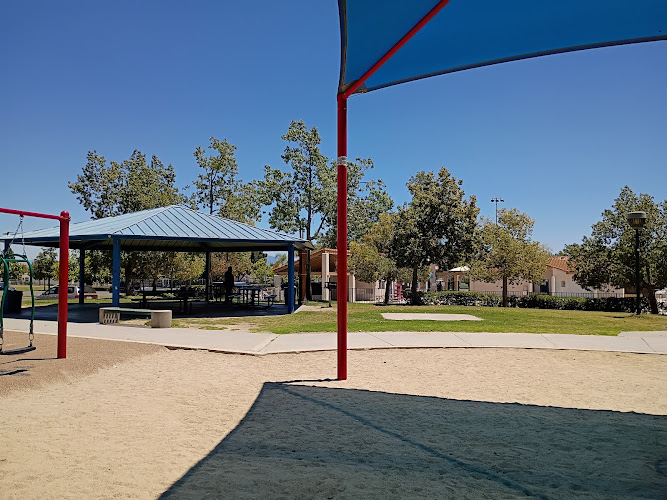
California Oaks Sports Park

Murrieta Parks & Recreation
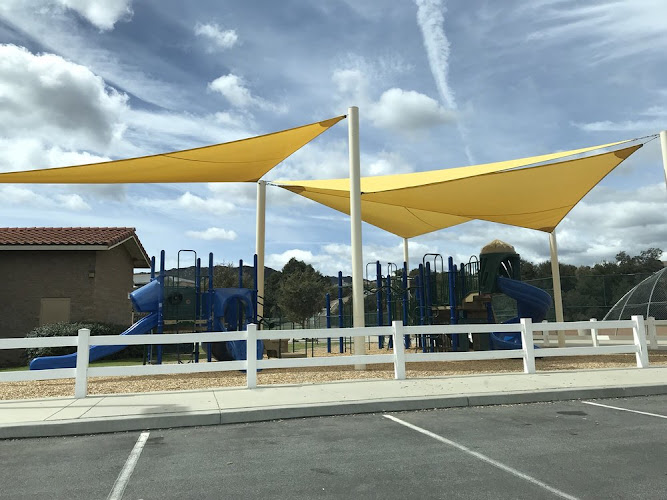
Lower Copper Canyon Park
Find Accommodations Nearby
Recommended Tours & Activities
Visitor Reviews
There are no reviews yet. Be the first one to write one.
Share Your Experience
Have you visited Tenaja Falls? Help other travelers by leaving a review.