

Andre´Volten-Brunnen
About Andre´Volten-Brunnen
Description
The André Volten-Brunnen stands as one of those artistic treasures that doesn't scream for attention but quietly commands respect from anyone who takes a moment to appreciate its presence. Created by the renowned Dutch sculptor André Volten, this fountain represents a beautiful marriage between modern sculptural art and functional water features that you don't see every day in public spaces. I remember the first time I stumbled upon a Volten sculpture – it was completely by accident, and I found myself just standing there for what must have been twenty minutes, mesmerized by how the metal seemed to move even though it was obviously stationary. That's the thing about Volten's work; it has this kinetic quality that makes you look twice, then three times. The André Volten-Brunnen carries that same DNA, blending geometric precision with an almost organic flow that feels both calculated and spontaneous. What makes this fountain particularly special is how it exists as both a piece of public art and a functional element of the urban landscape. Water flows through Volten's signature abstract steel forms, creating patterns and sounds that change depending on the time of day and weather conditions. The sculpture itself is crafted from weathered steel, which has developed that characteristic rust-colored patina that actually protects the metal while giving it a warm, earthy appearance that contrasts beautifully with the water. The fountain serves as a gathering point for locals and travelers alike, though it maintains a certain understated quality that means you'll rarely find it mobbed with tourists. And honestly? That's part of its charm. You can actually sit nearby, have your lunch, watch the water play across the steel surfaces, and just think. In our hyperconnected world where every moment seems designed for Instagram, there's something refreshing about a place that just is – beautiful, functional, and unpretentious.Key Features
The André Volten-Brunnen offers several distinctive characteristics that make it worth seeking out during your travels: • Abstract steel sculpture fountain designed by internationally recognized Dutch artist André Volten, whose works are featured in museums and public spaces across Europe • Wheelchair accessible entrance ensuring that everyone can appreciate this artistic landmark regardless of mobility considerations • Family-friendly environment that welcomes children, making it an excellent stop for travelers with kids who need a break from traditional museum settings • Pet-friendly policies allowing dogs, so you don't have to leave your four-legged travel companion behind • Weathered steel construction with that distinctive corten steel patina that actually gets more beautiful as it ages and interacts with the elements • Dynamic water features that create different visual and auditory experiences depending on water pressure, wind conditions, and sunlight angles • Integration of geometric forms with flowing water that demonstrates Volten's signature style of constructivist sculpture • Free public access as a piece of civic art meant to enhance the daily experience of residents and visitors • Relatively quiet atmosphere compared to major tourist attractions, offering a peaceful respite during busy sightseeing days • Photography opportunities that change throughout the day as light interacts with water and metal surfaces in endlessly variable waysBest Time to Visit
Timing your visit to the André Volten-Brunnen can significantly impact your experience, though I'll be honest – this isn't one of those places where you'll face massive crowds no matter when you show up. That said, certain times do offer particular advantages. The fountain really comes alive during spring and early summer months, roughly from April through June. The weather is pleasant enough that you can comfortably sit nearby for extended periods, and the natural light during these months hits the steel surfaces at angles that create fascinating shadow plays. I've found that late afternoon, around 4 or 5 PM, tends to be magical when the sun is lower in the sky. Summer months bring their own appeal, especially if you're traveling with children who might enjoy the cooling presence of the water during warmer days. However, summer can also mean more people using the surrounding area for lunch breaks and relaxation, though again, we're talking about a gentle increase in foot traffic rather than theme-park-level crowds. Autumn presents a completely different aesthetic. The weathered steel of Volten's sculpture seems to echo the fall colors, and there's something poetic about watching leaves float on the fountain's water. September and October typically offer comfortable temperatures and often crisp, clear days that are perfect for photography. Winter visits have their own austere beauty, particularly if you catch the fountain during light snowfall. The contrast between cold white snow, flowing water, and rust-colored steel creates a striking visual composition. But I won't sugarcoat it – standing around in freezing temperatures admiring abstract sculpture isn't everyone's idea of a good time. Weekday mornings, particularly Tuesday through Thursday between 9 and 11 AM, tend to be the quietest times if you're seeking a more contemplative experience. Weekend afternoons attract more families and casual visitors, which changes the energy but doesn't necessarily diminish the experience.How to Get There
Getting to the André Volten-Brunnen is refreshingly straightforward, which is a relief for travelers who've spent half their vacation trying to decipher complicated transit systems or wandering around with increasingly unhelpful map apps. Public transportation represents your most practical option for reaching the fountain. The area is well-serviced by local bus and tram routes, and you'll find that most public transit maps clearly mark major artistic landmarks. Check your accommodation's front desk or local tourism office for the most current route information, as schedules can shift seasonally. If you're using a transit app, simply search for the fountain by name and you'll typically get several routing options. The nearest stops are usually within a 5-10 minute walk, which gives you a chance to see some of the surrounding neighborhood architecture and get a feel for local life beyond the tourist bubble. For those who prefer cycling – and if you're visiting during decent weather, why wouldn't you? – bike rental stations are common in the area. The fountain is accessible via dedicated bike lanes, and you'll find bike parking nearby. Cycling gives you the flexibility to combine your visit with other nearby attractions without being tied to transit schedules. Driving is certainly possible, though parking can be tricky depending on the time of day. Street parking exists but often requires payment and has time limits. There are parking facilities within reasonable walking distance, but you'll need to factor in parking costs and the reality that you might end up walking as much as you would have from a transit stop anyway. For travelers with mobility considerations, the accessible entrance means you won't face unexpected barriers upon arrival. Rideshare services can drop you quite close to the fountain itself, making this a viable option for those who prefer door-to-door convenience. Walking from nearby hotels or attractions is entirely feasible if you're staying in the general area. The fountain integrates into the regular street grid rather than being hidden away in some hard-to-find location, which means you can often incorporate it into a larger walking route.Tips for Visiting
Making the most of your visit to the André Volten-Brunnen doesn't require elaborate planning, but a few practical considerations can enhance your experience considerably. Bring a small notebook or sketchpad if you're artistically inclined. The fountain's geometric forms and the way water interacts with the steel surfaces provide fascinating subject matter for quick sketches or longer observational studies. I've seen art students camped out here for hours, and they're onto something – this is genuinely inspiring stuff if you pay attention. Photography enthusiasts should consider visiting multiple times during different lighting conditions if your schedule permits. The fountain photographs completely differently in morning light versus afternoon golden hour versus overcast conditions. And don't just shoot from the obvious angles; walk around the entire sculpture to find unexpected compositions. Sometimes the most interesting shots include reflections in the water or the interplay between the fountain and surrounding architecture. Pack a light snack or grab something from a nearby cafe or bakery before your visit. While the fountain itself is just an outdoor sculpture, the surrounding area typically offers pleasant spots where you can sit and have a casual picnic while contemplating the artwork. There's something satisfying about combining aesthetic appreciation with practical sustenance. If you're traveling with children, frame the visit as a treasure hunt or observation game rather than a formal art appreciation exercise. Ask them to count how many different shapes they can identify, or have them describe what the sculpture reminds them of. Kids often see things in abstract art that adults miss because they haven't yet learned to overthink everything. Your dog-friendly travel companions are welcome here, which is worth noting if you're doing a pet-friendly trip. Just bring waste bags and be considerate of other visitors. The fountain area can serve as a nice rest stop during longer walks with your pup. Dress in layers regardless of season. Even if the day seems warm, spending time near flowing water and metal sculpture can create microclimates that feel cooler than the surrounding area. Conversely, the steel can radiate heat on very sunny days, making shaded spots more comfortable. Don't rush your visit. This isn't the Eiffel Tower where you snap a photo and check it off your list. The André Volten-Brunnen rewards patience and observation. Spend at least 20-30 minutes here, watching how the water flows, how light changes the appearance of the steel, how other visitors interact with the space. You'll notice details in minute 25 that were completely invisible in minute 2. Research André Volten's broader body of work before or after your visit. Understanding the artist's philosophy and seeing images of his other sculptures adds context that enriches your appreciation of this particular piece. You don't need an art history degree, just a bit of curiosity and maybe fifteen minutes with your phone's browser. Consider visiting during different seasons if you're someone who returns to the same destination multiple times. The fountain genuinely transforms with seasonal changes in weather, light, and surrounding vegetation. It's almost like visiting four different artworks throughout the year. Finally, engage with the fountain on whatever level feels authentic to you. Some people will connect with the technical aspects of Volten's constructivist approach. Others will simply enjoy watching water flow over interesting shapes. Both responses are completely valid, and there's no "correct" way to experience public art. The André Volten-Brunnen exists for everyone, not just those with MFA degrees.Key Features
- Key Features
- Best Time to Visit
- How to Get There
- Tips for Visiting
More Details
Updated March 30, 2026
Table of Contents
Description
The André Volten-Brunnen stands as one of those artistic treasures that doesn’t scream for attention but quietly commands respect from anyone who takes a moment to appreciate its presence. Created by the renowned Dutch sculptor André Volten, this fountain represents a beautiful marriage between modern sculptural art and functional water features that you don’t see every day in public spaces.
I remember the first time I stumbled upon a Volten sculpture – it was completely by accident, and I found myself just standing there for what must have been twenty minutes, mesmerized by how the metal seemed to move even though it was obviously stationary. That’s the thing about Volten’s work; it has this kinetic quality that makes you look twice, then three times. The André Volten-Brunnen carries that same DNA, blending geometric precision with an almost organic flow that feels both calculated and spontaneous.
What makes this fountain particularly special is how it exists as both a piece of public art and a functional element of the urban landscape. Water flows through Volten’s signature abstract steel forms, creating patterns and sounds that change depending on the time of day and weather conditions. The sculpture itself is crafted from weathered steel, which has developed that characteristic rust-colored patina that actually protects the metal while giving it a warm, earthy appearance that contrasts beautifully with the water.
The fountain serves as a gathering point for locals and travelers alike, though it maintains a certain understated quality that means you’ll rarely find it mobbed with tourists. And honestly? That’s part of its charm. You can actually sit nearby, have your lunch, watch the water play across the steel surfaces, and just think. In our hyperconnected world where every moment seems designed for Instagram, there’s something refreshing about a place that just is – beautiful, functional, and unpretentious.
Key Features
The André Volten-Brunnen offers several distinctive characteristics that make it worth seeking out during your travels:
• Abstract steel sculpture fountain designed by internationally recognized Dutch artist André Volten, whose works are featured in museums and public spaces across Europe
• Wheelchair accessible entrance ensuring that everyone can appreciate this artistic landmark regardless of mobility considerations
• Family-friendly environment that welcomes children, making it an excellent stop for travelers with kids who need a break from traditional museum settings
• Pet-friendly policies allowing dogs, so you don’t have to leave your four-legged travel companion behind
• Weathered steel construction with that distinctive corten steel patina that actually gets more beautiful as it ages and interacts with the elements
• Dynamic water features that create different visual and auditory experiences depending on water pressure, wind conditions, and sunlight angles
• Integration of geometric forms with flowing water that demonstrates Volten’s signature style of constructivist sculpture
• Free public access as a piece of civic art meant to enhance the daily experience of residents and visitors
• Relatively quiet atmosphere compared to major tourist attractions, offering a peaceful respite during busy sightseeing days
• Photography opportunities that change throughout the day as light interacts with water and metal surfaces in endlessly variable ways
Best Time to Visit
Timing your visit to the André Volten-Brunnen can significantly impact your experience, though I’ll be honest – this isn’t one of those places where you’ll face massive crowds no matter when you show up. That said, certain times do offer particular advantages.
The fountain really comes alive during spring and early summer months, roughly from April through June. The weather is pleasant enough that you can comfortably sit nearby for extended periods, and the natural light during these months hits the steel surfaces at angles that create fascinating shadow plays. I’ve found that late afternoon, around 4 or 5 PM, tends to be magical when the sun is lower in the sky.
Summer months bring their own appeal, especially if you’re traveling with children who might enjoy the cooling presence of the water during warmer days. However, summer can also mean more people using the surrounding area for lunch breaks and relaxation, though again, we’re talking about a gentle increase in foot traffic rather than theme-park-level crowds.
Autumn presents a completely different aesthetic. The weathered steel of Volten’s sculpture seems to echo the fall colors, and there’s something poetic about watching leaves float on the fountain’s water. September and October typically offer comfortable temperatures and often crisp, clear days that are perfect for photography.
Winter visits have their own austere beauty, particularly if you catch the fountain during light snowfall. The contrast between cold white snow, flowing water, and rust-colored steel creates a striking visual composition. But I won’t sugarcoat it – standing around in freezing temperatures admiring abstract sculpture isn’t everyone’s idea of a good time.
Weekday mornings, particularly Tuesday through Thursday between 9 and 11 AM, tend to be the quietest times if you’re seeking a more contemplative experience. Weekend afternoons attract more families and casual visitors, which changes the energy but doesn’t necessarily diminish the experience.
How to Get There
Getting to the André Volten-Brunnen is refreshingly straightforward, which is a relief for travelers who’ve spent half their vacation trying to decipher complicated transit systems or wandering around with increasingly unhelpful map apps.
Public transportation represents your most practical option for reaching the fountain. The area is well-serviced by local bus and tram routes, and you’ll find that most public transit maps clearly mark major artistic landmarks. Check your accommodation’s front desk or local tourism office for the most current route information, as schedules can shift seasonally.
If you’re using a transit app, simply search for the fountain by name and you’ll typically get several routing options. The nearest stops are usually within a 5-10 minute walk, which gives you a chance to see some of the surrounding neighborhood architecture and get a feel for local life beyond the tourist bubble.
For those who prefer cycling – and if you’re visiting during decent weather, why wouldn’t you? – bike rental stations are common in the area. The fountain is accessible via dedicated bike lanes, and you’ll find bike parking nearby. Cycling gives you the flexibility to combine your visit with other nearby attractions without being tied to transit schedules.
Driving is certainly possible, though parking can be tricky depending on the time of day. Street parking exists but often requires payment and has time limits. There are parking facilities within reasonable walking distance, but you’ll need to factor in parking costs and the reality that you might end up walking as much as you would have from a transit stop anyway.
For travelers with mobility considerations, the accessible entrance means you won’t face unexpected barriers upon arrival. Rideshare services can drop you quite close to the fountain itself, making this a viable option for those who prefer door-to-door convenience.
Walking from nearby hotels or attractions is entirely feasible if you’re staying in the general area. The fountain integrates into the regular street grid rather than being hidden away in some hard-to-find location, which means you can often incorporate it into a larger walking route.
Tips for Visiting
Making the most of your visit to the André Volten-Brunnen doesn’t require elaborate planning, but a few practical considerations can enhance your experience considerably.
Bring a small notebook or sketchpad if you’re artistically inclined. The fountain’s geometric forms and the way water interacts with the steel surfaces provide fascinating subject matter for quick sketches or longer observational studies. I’ve seen art students camped out here for hours, and they’re onto something – this is genuinely inspiring stuff if you pay attention.
Photography enthusiasts should consider visiting multiple times during different lighting conditions if your schedule permits. The fountain photographs completely differently in morning light versus afternoon golden hour versus overcast conditions. And don’t just shoot from the obvious angles; walk around the entire sculpture to find unexpected compositions. Sometimes the most interesting shots include reflections in the water or the interplay between the fountain and surrounding architecture.
Pack a light snack or grab something from a nearby cafe or bakery before your visit. While the fountain itself is just an outdoor sculpture, the surrounding area typically offers pleasant spots where you can sit and have a casual picnic while contemplating the artwork. There’s something satisfying about combining aesthetic appreciation with practical sustenance.
If you’re traveling with children, frame the visit as a treasure hunt or observation game rather than a formal art appreciation exercise. Ask them to count how many different shapes they can identify, or have them describe what the sculpture reminds them of. Kids often see things in abstract art that adults miss because they haven’t yet learned to overthink everything.
Your dog-friendly travel companions are welcome here, which is worth noting if you’re doing a pet-friendly trip. Just bring waste bags and be considerate of other visitors. The fountain area can serve as a nice rest stop during longer walks with your pup.
Dress in layers regardless of season. Even if the day seems warm, spending time near flowing water and metal sculpture can create microclimates that feel cooler than the surrounding area. Conversely, the steel can radiate heat on very sunny days, making shaded spots more comfortable.
Don’t rush your visit. This isn’t the Eiffel Tower where you snap a photo and check it off your list. The André Volten-Brunnen rewards patience and observation. Spend at least 20-30 minutes here, watching how the water flows, how light changes the appearance of the steel, how other visitors interact with the space. You’ll notice details in minute 25 that were completely invisible in minute 2.
Research André Volten’s broader body of work before or after your visit. Understanding the artist’s philosophy and seeing images of his other sculptures adds context that enriches your appreciation of this particular piece. You don’t need an art history degree, just a bit of curiosity and maybe fifteen minutes with your phone’s browser.
Consider visiting during different seasons if you’re someone who returns to the same destination multiple times. The fountain genuinely transforms with seasonal changes in weather, light, and surrounding vegetation. It’s almost like visiting four different artworks throughout the year.
Finally, engage with the fountain on whatever level feels authentic to you. Some people will connect with the technical aspects of Volten’s constructivist approach. Others will simply enjoy watching water flow over interesting shapes. Both responses are completely valid, and there’s no “correct” way to experience public art. The André Volten-Brunnen exists for everyone, not just those with MFA degrees.
Key Highlights
- Key Features
- Best Time to Visit
- How to Get There
- Tips for Visiting
Location
Places to Stay Near Andre´Volten-Brunnen
Find and Book a Tour
Explore More Travel Guides
No reviews found! Be the first to review!
Andre´Volten-Brunnen is a prominent attractions located in Duisburg.
Visit us at: Averdunkplatz, 47051 Duisburg, Germany.
Traveler Reviews for Andre´Volten-Brunnen
There are no reviews yet. Be the first one to write one.
Have you visited Andre´Volten-Brunnen? Help other travelers by sharing your review.
You Might Also Like
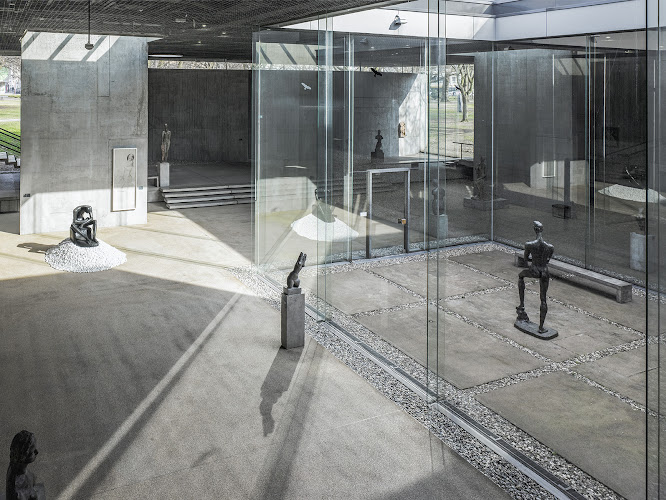
Lehmbruck Museum
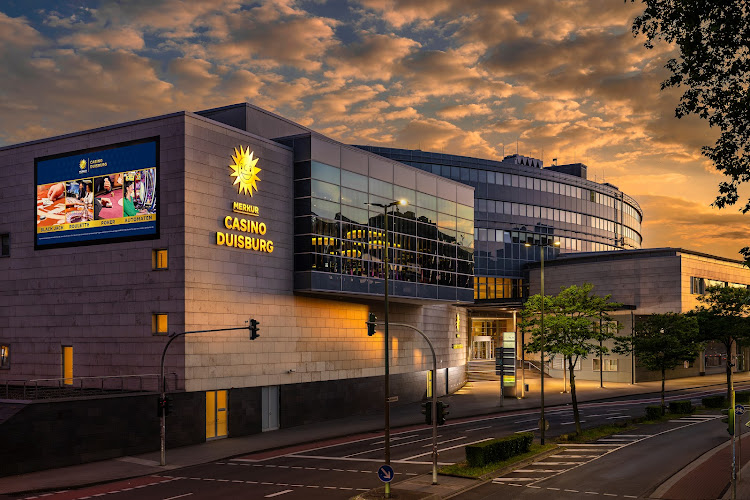
MERKUR CASINO Duisburg
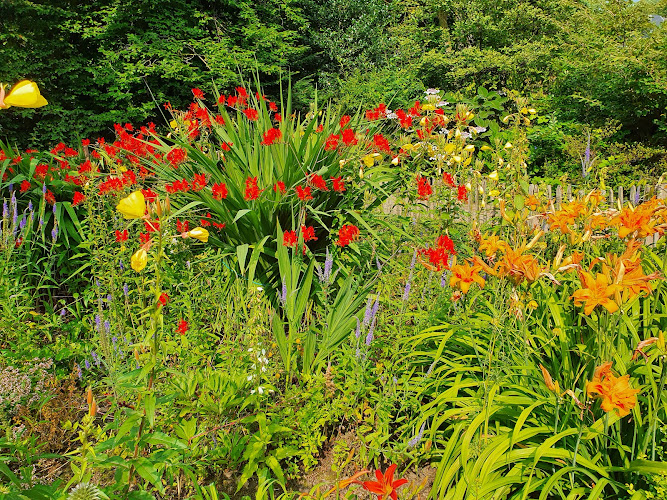
in Hamborn Botanical Garden
Find Accommodations Nearby
Recommended Tours & Activities
Visitor Reviews
There are no reviews yet. Be the first one to write one.
Share Your Experience
Have you visited Andre´Volten-Brunnen? Help other travelers by leaving a review.