

Kultur- und Stadthistorisches Museum Duisburg
About Kultur- und Stadthistorisches Museum Duisburg
Description
The Kultur- und Stadthistorisches Museum Duisburg stands as one of the Ruhr region's most compelling historical institutions, offering visitors a chance to walk through centuries of urban development and cultural evolution. This local history museum captures the essence of Duisburg's transformation from a medieval trading center to an industrial powerhouse, presenting stories that shaped not just the city but the broader industrial landscape of western Germany. What makes this museum particularly engaging is how it refuses to be just another stuffy collection of artifacts behind glass. Instead, you'll find yourself immersed in narratives that breathe life into historical objects, making connections between past and present that actually matter to contemporary visitors. The museum manages to balance academic rigor with accessibility, which honestly isn't something every history museum pulls off successfully. Located in a historic building that itself tells a story, the museum houses permanent exhibitions covering Duisburg's mercantile heritage, its role during various historical periods, and the dramatic industrial changes that defined the region. But what really sets this place apart is its commitment to presenting local history as something dynamic and relevant rather than merely preservative. The curators have done an impressive job making sure visitors understand how Duisburg's past connects to broader European historical movements while maintaining the intimate, personal scale that makes local history so compelling. The museum occasionally hosts live performances, which adds an unexpected dimension to what might otherwise be a traditional museum experience. These performances range from historical reenactments to contemporary interpretations of historical themes, creating moments where the past genuinely feels present. And speaking from experience visiting similar institutions across Germany, this kind of programming really does make a difference in how you remember and process what you've learned.Key Features
The Kultur- und Stadthistorisches Museum Duisburg offers several features that enhance the visitor experience and make it particularly suitable for diverse audiences:- Comprehensive permanent exhibitions covering Duisburg's mercantile history, industrial development, and cultural evolution across multiple centuries
- Live performance programming that brings historical narratives to life through theatrical and artistic interpretations
- Fully wheelchair accessible entrance and restroom facilities, ensuring the museum welcomes visitors with mobility considerations
- Free Wi-Fi throughout the facility for those who want to share their experience or do additional research during their visit
- Family-friendly environment with dedicated kid-friendly activities and interactive displays designed to engage younger visitors
- Discounted admission rates for children and family ticket options that make cultural experiences more affordable
- Changing tables available for families visiting with infants and toddlers
- Inclusive atmosphere that actively welcomes LGBTQ+ visitors and serves as a transgender safe space
- Rotating special exhibitions that complement the permanent collection and provide reasons for repeat visits
- Educational programs designed for different age groups and knowledge levels
- Collection of artifacts ranging from medieval trade documents to industrial-era equipment that illustrate the city's economic transformation
Best Time to Visit
Timing your visit to the Kultur- und Stadthistorisches Museum Duisburg can significantly impact your experience, though the museum offers value throughout the year. Weekday mornings, particularly Tuesday through Thursday between 10 AM and noon, tend to be the quietest periods. You'll have more space to examine exhibits at your own pace and won't feel rushed by crowds pressing behind you. Weekend afternoons do get busier, especially when special exhibitions or live performances are scheduled. But here's the thing - sometimes that energy actually enhances the experience. I've found that museums feel more alive when other people are around, and the conversations you overhear can add unexpected perspectives to what you're seeing. School holiday periods bring more families with children, which changes the atmosphere considerably. If you're traveling without kids and prefer a quieter contemplative experience, you might want to avoid these times. However, if you're bringing your own children, visiting during school breaks means they'll find peers enjoying the interactive exhibits, which can make the experience more engaging for them. Weather doesn't matter much since this is an indoor attraction, which makes it a perfect rainy day activity. Actually, some of my best museum visits have happened on grey, drizzly days when outdoor alternatives lose their appeal. There's something satisfying about diving deep into history while rain patters against the windows. The museum occasionally hosts evening events and special programming, which creates an entirely different atmosphere than daytime visits. These events often coincide with temporary exhibitions or cultural celebrations, so checking the museum's schedule before planning your trip can help you align your visit with special programming that interests you. Autumn and winter months generally see fewer tourists in Duisburg overall, which means more intimate museum experiences. Spring brings school groups as teachers plan end-of-year educational trips, while summer attracts international visitors exploring the Ruhr region.How to Get There
Reaching the Kultur- und Stadthistorisches Museum Duisburg is reasonably straightforward, whether you're coming from elsewhere in Germany or from international destinations. The city's position within the Rhine-Ruhr metropolitan region means it's well-connected by multiple transportation networks. For those traveling by train, Duisburg Hauptbahnhof serves as the primary railway station with excellent connections throughout Germany and neighboring countries. The station handles ICE high-speed trains, regional services, and S-Bahn commuter trains. From the Hauptbahnhof, the museum is accessible via local tram services or a roughly twenty-minute walk if you prefer stretching your legs and getting a feel for the city. Public transportation within Duisburg operates through the VRR network, which covers the broader Rhine-Ruhr area. Trams and buses run frequently during daytime hours, and the system is generally reliable, though like any urban transit network, occasional delays happen. Single tickets, day passes, and multi-day options are available depending on how long you're staying in the area. If you're driving, be aware that parking near the museum involves paid street parking. Germany's parking regulations are strictly enforced, so make sure you've properly paid and displayed your ticket. The museum itself doesn't operate a dedicated parking lot, which can be slightly inconvenient but reflects the urban setting and encourages sustainable transportation choices. For international visitors flying into the region, Düsseldorf Airport is the nearest major airport, located about 20 kilometers away. Direct train connections run from the airport to Duisburg, making the journey quite manageable. Alternatively, Cologne-Bonn Airport offers another option slightly further afield but still reasonably accessible. Cycling to the museum is definitely possible - Duisburg has been developing its cycling infrastructure, though it's not quite on the level of cities like Münster or Copenhagen. The relatively flat terrain makes biking pleasant when weather cooperates.Tips for Visiting
Making the most of your visit to the Kultur- und Stadthistorisches Museum Duisburg involves a bit of planning and some practical considerations that can enhance your experience significantly. First off, allocate more time than you initially think you'll need. I've made the mistake at other museums of rushing through because I underestimated how much there was to see, and you end up feeling cheated by your own tight schedule. A thorough visit here can easily consume two to three hours, and that's without accounting for any special exhibitions or live performances. The museum offers free Wi-Fi, which is genuinely useful for looking up additional information about exhibits that catch your interest. Don't feel like using your phone during a museum visit somehow diminishes the experience - if it helps you engage more deeply with what you're seeing, that's what matters. Plus, you can share photos in real-time if that's your thing. For families traveling with children, take advantage of the family discount and the kid-friendly activities designed throughout the museum. The changing tables are located in the accessible restrooms, which is worth knowing if you're managing little ones. The interactive elements scattered through the exhibitions work well for keeping younger visitors engaged, but bringing along a small snack or drink for afterwards can help prevent meltdowns at the end of the visit. Photography policies vary by exhibition, so check signage or ask staff about what's permitted. Generally, personal photography without flash is allowed in permanent collections, but special exhibitions sometimes have restrictions based on loan agreements with other institutions. The museum doesn't have an on-site restaurant, so plan accordingly. You might want to grab a proper meal before or after your visit at one of the nearby establishments. However, there are restrooms available, so you won't need to leave if nature calls mid-visit. Consider visiting during scheduled live performances if you can coordinate your trip with the programming calendar. These events transform the museum experience from passive observation to something more dynamic and memorable. The accessibility features here are genuinely well-implemented rather than just checkbox compliance. The wheelchair accessible entrance and restrooms reflect thoughtful design, making the museum truly welcoming for visitors with mobility considerations. If you're particularly interested in industrial history or the Ruhr region's development, ask staff about any specialized tours or additional resources. Museum employees are typically knowledgeable and happy to point you toward specific exhibitions or artifacts related to your interests. Lastly, don't rush through the earlier historical periods to get to the more recent industrial era. The medieval and early modern sections provide crucial context for understanding how Duisburg's character developed over centuries. The whole story matters, not just the most dramatic chapters.Key Features
- Comprehensive permanent exhibitions covering Duisburg's mercantile history, industrial development, and cultural evolution across multiple centuries
- Live performance programming that brings historical narratives to life through theatrical and artistic interpretations
- Fully wheelchair accessible entrance and restroom facilities, ensuring the museum welcomes visitors with mobility considerations
- Free Wi-Fi throughout the facility for those who want to share their experience or do additional research during their visit
- Family-friendly environment with dedicated kid-friendly activities and interactive displays designed to engage younger visitors
- Discounted admission rates for children and family ticket options that make cultural experiences more affordable
- Changing tables available for families visiting with infants and toddlers
- Inclusive atmosphere that actively welcomes LGBTQ+ visitors and serves as a transgender safe space
More Details
Updated March 30, 2026
Table of Contents
- Description
- Key Features
- Best Time to Visit
- How to Get There
- Tips for Visiting
- Key Highlights
- Location
- Places to Stay Near Kultur- und Stadthistorisches Museum Duisburg
- Find and Book a Tour
- Explore More Travel Guides
- Nearby Places You Might Like
- Traveler Reviews for Kultur- und Stadthistorisches Museum Duisburg
- Share Your Experience
Description
The Kultur- und Stadthistorisches Museum Duisburg stands as one of the Ruhr region’s most compelling historical institutions, offering visitors a chance to walk through centuries of urban development and cultural evolution. This local history museum captures the essence of Duisburg’s transformation from a medieval trading center to an industrial powerhouse, presenting stories that shaped not just the city but the broader industrial landscape of western Germany.
What makes this museum particularly engaging is how it refuses to be just another stuffy collection of artifacts behind glass. Instead, you’ll find yourself immersed in narratives that breathe life into historical objects, making connections between past and present that actually matter to contemporary visitors. The museum manages to balance academic rigor with accessibility, which honestly isn’t something every history museum pulls off successfully.
Located in a historic building that itself tells a story, the museum houses permanent exhibitions covering Duisburg’s mercantile heritage, its role during various historical periods, and the dramatic industrial changes that defined the region. But what really sets this place apart is its commitment to presenting local history as something dynamic and relevant rather than merely preservative. The curators have done an impressive job making sure visitors understand how Duisburg’s past connects to broader European historical movements while maintaining the intimate, personal scale that makes local history so compelling.
The museum occasionally hosts live performances, which adds an unexpected dimension to what might otherwise be a traditional museum experience. These performances range from historical reenactments to contemporary interpretations of historical themes, creating moments where the past genuinely feels present. And speaking from experience visiting similar institutions across Germany, this kind of programming really does make a difference in how you remember and process what you’ve learned.
Key Features
The Kultur- und Stadthistorisches Museum Duisburg offers several features that enhance the visitor experience and make it particularly suitable for diverse audiences:
- Comprehensive permanent exhibitions covering Duisburg’s mercantile history, industrial development, and cultural evolution across multiple centuries
- Live performance programming that brings historical narratives to life through theatrical and artistic interpretations
- Fully wheelchair accessible entrance and restroom facilities, ensuring the museum welcomes visitors with mobility considerations
- Free Wi-Fi throughout the facility for those who want to share their experience or do additional research during their visit
- Family-friendly environment with dedicated kid-friendly activities and interactive displays designed to engage younger visitors
- Discounted admission rates for children and family ticket options that make cultural experiences more affordable
- Changing tables available for families visiting with infants and toddlers
- Inclusive atmosphere that actively welcomes LGBTQ+ visitors and serves as a transgender safe space
- Rotating special exhibitions that complement the permanent collection and provide reasons for repeat visits
- Educational programs designed for different age groups and knowledge levels
- Collection of artifacts ranging from medieval trade documents to industrial-era equipment that illustrate the city’s economic transformation
Best Time to Visit
Timing your visit to the Kultur- und Stadthistorisches Museum Duisburg can significantly impact your experience, though the museum offers value throughout the year. Weekday mornings, particularly Tuesday through Thursday between 10 AM and noon, tend to be the quietest periods. You’ll have more space to examine exhibits at your own pace and won’t feel rushed by crowds pressing behind you.
Weekend afternoons do get busier, especially when special exhibitions or live performances are scheduled. But here’s the thing – sometimes that energy actually enhances the experience. I’ve found that museums feel more alive when other people are around, and the conversations you overhear can add unexpected perspectives to what you’re seeing.
School holiday periods bring more families with children, which changes the atmosphere considerably. If you’re traveling without kids and prefer a quieter contemplative experience, you might want to avoid these times. However, if you’re bringing your own children, visiting during school breaks means they’ll find peers enjoying the interactive exhibits, which can make the experience more engaging for them.
Weather doesn’t matter much since this is an indoor attraction, which makes it a perfect rainy day activity. Actually, some of my best museum visits have happened on grey, drizzly days when outdoor alternatives lose their appeal. There’s something satisfying about diving deep into history while rain patters against the windows.
The museum occasionally hosts evening events and special programming, which creates an entirely different atmosphere than daytime visits. These events often coincide with temporary exhibitions or cultural celebrations, so checking the museum’s schedule before planning your trip can help you align your visit with special programming that interests you.
Autumn and winter months generally see fewer tourists in Duisburg overall, which means more intimate museum experiences. Spring brings school groups as teachers plan end-of-year educational trips, while summer attracts international visitors exploring the Ruhr region.
How to Get There
Reaching the Kultur- und Stadthistorisches Museum Duisburg is reasonably straightforward, whether you’re coming from elsewhere in Germany or from international destinations. The city’s position within the Rhine-Ruhr metropolitan region means it’s well-connected by multiple transportation networks.
For those traveling by train, Duisburg Hauptbahnhof serves as the primary railway station with excellent connections throughout Germany and neighboring countries. The station handles ICE high-speed trains, regional services, and S-Bahn commuter trains. From the Hauptbahnhof, the museum is accessible via local tram services or a roughly twenty-minute walk if you prefer stretching your legs and getting a feel for the city.
Public transportation within Duisburg operates through the VRR network, which covers the broader Rhine-Ruhr area. Trams and buses run frequently during daytime hours, and the system is generally reliable, though like any urban transit network, occasional delays happen. Single tickets, day passes, and multi-day options are available depending on how long you’re staying in the area.
If you’re driving, be aware that parking near the museum involves paid street parking. Germany’s parking regulations are strictly enforced, so make sure you’ve properly paid and displayed your ticket. The museum itself doesn’t operate a dedicated parking lot, which can be slightly inconvenient but reflects the urban setting and encourages sustainable transportation choices.
For international visitors flying into the region, Düsseldorf Airport is the nearest major airport, located about 20 kilometers away. Direct train connections run from the airport to Duisburg, making the journey quite manageable. Alternatively, Cologne-Bonn Airport offers another option slightly further afield but still reasonably accessible.
Cycling to the museum is definitely possible – Duisburg has been developing its cycling infrastructure, though it’s not quite on the level of cities like Münster or Copenhagen. The relatively flat terrain makes biking pleasant when weather cooperates.
Tips for Visiting
Making the most of your visit to the Kultur- und Stadthistorisches Museum Duisburg involves a bit of planning and some practical considerations that can enhance your experience significantly.
First off, allocate more time than you initially think you’ll need. I’ve made the mistake at other museums of rushing through because I underestimated how much there was to see, and you end up feeling cheated by your own tight schedule. A thorough visit here can easily consume two to three hours, and that’s without accounting for any special exhibitions or live performances.
The museum offers free Wi-Fi, which is genuinely useful for looking up additional information about exhibits that catch your interest. Don’t feel like using your phone during a museum visit somehow diminishes the experience – if it helps you engage more deeply with what you’re seeing, that’s what matters. Plus, you can share photos in real-time if that’s your thing.
For families traveling with children, take advantage of the family discount and the kid-friendly activities designed throughout the museum. The changing tables are located in the accessible restrooms, which is worth knowing if you’re managing little ones. The interactive elements scattered through the exhibitions work well for keeping younger visitors engaged, but bringing along a small snack or drink for afterwards can help prevent meltdowns at the end of the visit.
Photography policies vary by exhibition, so check signage or ask staff about what’s permitted. Generally, personal photography without flash is allowed in permanent collections, but special exhibitions sometimes have restrictions based on loan agreements with other institutions.
The museum doesn’t have an on-site restaurant, so plan accordingly. You might want to grab a proper meal before or after your visit at one of the nearby establishments. However, there are restrooms available, so you won’t need to leave if nature calls mid-visit.
Consider visiting during scheduled live performances if you can coordinate your trip with the programming calendar. These events transform the museum experience from passive observation to something more dynamic and memorable.
The accessibility features here are genuinely well-implemented rather than just checkbox compliance. The wheelchair accessible entrance and restrooms reflect thoughtful design, making the museum truly welcoming for visitors with mobility considerations.
If you’re particularly interested in industrial history or the Ruhr region’s development, ask staff about any specialized tours or additional resources. Museum employees are typically knowledgeable and happy to point you toward specific exhibitions or artifacts related to your interests.
Lastly, don’t rush through the earlier historical periods to get to the more recent industrial era. The medieval and early modern sections provide crucial context for understanding how Duisburg’s character developed over centuries. The whole story matters, not just the most dramatic chapters.
Key Highlights
- Comprehensive permanent exhibitions covering Duisburg's mercantile history, industrial development, and cultural evolution across multiple centuries
- Live performance programming that brings historical narratives to life through theatrical and artistic interpretations
- Fully wheelchair accessible entrance and restroom facilities, ensuring the museum welcomes visitors with mobility considerations
- Free Wi-Fi throughout the facility for those who want to share their experience or do additional research during their visit
- Family-friendly environment with dedicated kid-friendly activities and interactive displays designed to engage younger visitors
- Discounted admission rates for children and family ticket options that make cultural experiences more affordable
- Changing tables available for families visiting with infants and toddlers
- Inclusive atmosphere that actively welcomes LGBTQ+ visitors and serves as a transgender safe space
Location
Places to Stay Near Kultur- und Stadthistorisches Museum Duisburg
Find and Book a Tour
Explore More Travel Guides
No reviews found! Be the first to review!
Kultur- und Stadthistorisches Museum Duisburg is a prominent museums located in Duisburg.
Visit us at: Johannes-Corputius-Platz 1, 47051 Duisburg, Germany.
Traveler Reviews for Kultur- und Stadthistorisches Museum Duisburg
There are no reviews yet. Be the first one to write one.
Have you visited Kultur- und Stadthistorisches Museum Duisburg? Help other travelers by sharing your review.
You Might Also Like

Alsumer Berg
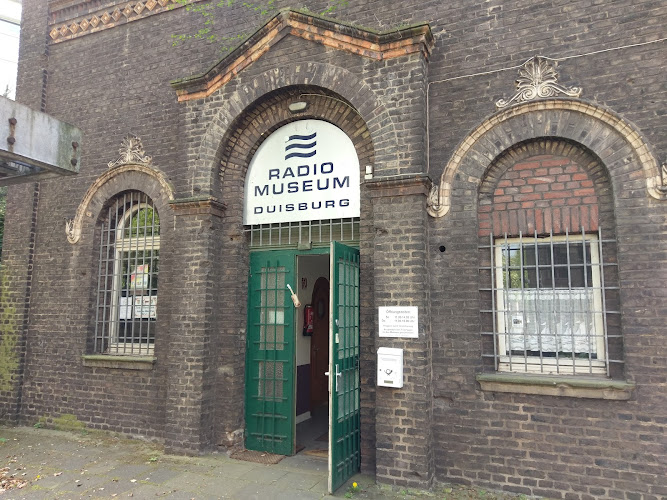
Radio Museum Duisburg e.V.
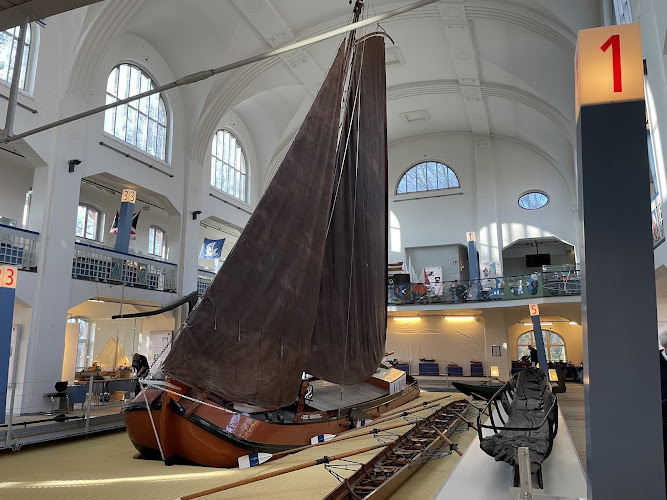
German Inland Waterways Museum
Find Accommodations Nearby
Recommended Tours & Activities
Visitor Reviews
There are no reviews yet. Be the first one to write one.
Share Your Experience
Have you visited Kultur- und Stadthistorisches Museum Duisburg? Help other travelers by leaving a review.