
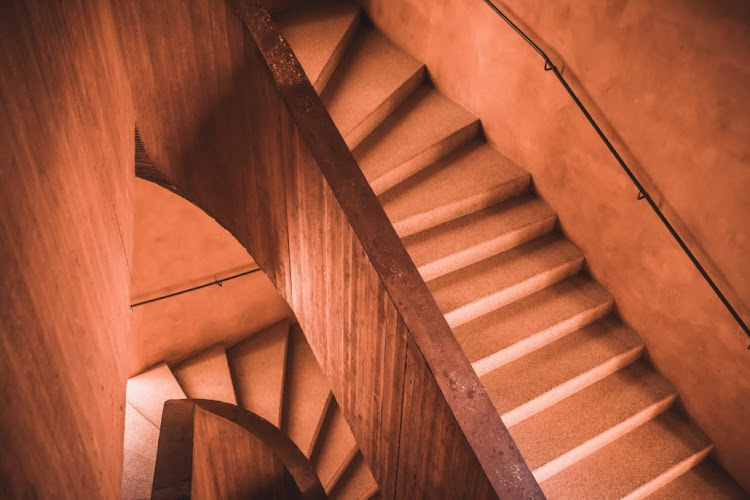
Museum Küppersmühle
About Museum Küppersmühle
Description
Museum Küppersmühle stands as one of those industrial conversion stories that actually worked out brilliantly. This former grain mill along Duisburg's Inner Harbor has been transformed into a remarkable space showcasing modern and contemporary German art, and honestly, the building itself deserves as much attention as what's hanging on the walls inside. The massive brick architecture from the early 1900s got a thoughtful renovation that preserved its industrial character while creating these gorgeous gallery spaces with soaring ceilings and natural light that makes you want to linger. What makes this museum particularly special is its focus on German art from the postwar period onwards. While you'll find international exhibitions rotating through, the permanent collection really digs deep into what German artists were creating and thinking about from 1945 to today. And let me tell you, it's not just about walking through sterile white rooms looking at paintings you don't understand. The museum has built something genuinely engaging here. The landmark building got an even more impressive expansion recently, adding more exhibition space designed by Herzog & de Meuron – the same architects behind London's Tate Modern, so they clearly know a thing or two about converting industrial buildings into art spaces. The new addition complements the historic brick structure beautifully without trying to copy it, creating this interesting dialogue between old and new that mirrors what you'll find in the artwork itself. For travelers who might be thinking Duisburg isn't exactly on the typical German tourist trail, you'd be right. But that's part of what makes Museum Küppersmühle worth the detour. You're getting a world-class art experience without the massive crowds that pack into museums in Munich or Berlin. I've visited on Saturday afternoons and still had entire galleries practically to myself, which is basically unheard of at major museums these days.Key Features
- Extensive collection focusing on German art movements including Informel, Zero, Minimal Art, Concept Art, and contemporary works from the 1980s onwards
- Spectacular industrial architecture dating back to 1908, meticulously converted into modern gallery spaces while maintaining original character
- Recent expansion by internationally acclaimed architects Herzog & de Meuron added significant new exhibition areas
- Rotating international exhibitions that bring fresh perspectives alongside the permanent collection
- Full wheelchair accessibility throughout the building including entrance, parking areas, and restroom facilities
- On-site restaurant perfect for discussing what you just saw over coffee or lunch
- Both free and paid parking options available, which is honestly a godsend when you're dealing with luggage or tired travel companions
- Location along the revitalized Inner Harbor area, making it easy to combine your visit with a waterfront stroll
- Well-curated displays that provide context without overwhelming you with academic jargon
- Special exhibitions that often highlight lesser-known artists deserving wider recognition
Best Time to Visit
Timing your visit to Museum Küppersmühle takes a bit of strategy if you want to maximize your experience. Weekday mornings, particularly Tuesday through Thursday, tend to be quietest. You'll have more breathing room to really sit with the artworks that grab you, and the staff usually has more time to chat if you've got questions. Weekend afternoons do get busier, but honestly compared to major museums in bigger cities, "busy" here is still pretty manageable. The advantage of weekend visits is that the surrounding Inner Harbor area has more activity – cafes are bustling, people are out walking, and the whole district feels more alive. It creates a nice atmosphere for making a full day of it. Weather-wise, Museum Küppersmühle works beautifully year-round since you're mostly indoors. But I'd argue autumn and winter actually have a certain appeal. There's something about experiencing contemporary art in a cozy gallery space while it's grey and drizzly outside. Spring and summer are gorgeous for combining your museum visit with extensive harbor walking though, so pick your priority. Check the museum's exhibition schedule before you book your trip if you can. The rotating international exhibitions usually run for several months, and they can really enhance your visit if there's a particular artist or movement you're interested in. Sometimes the special exhibitions are honestly better than the permanent collection, though don't tell the curators I said that. Avoid the first Sunday of the month if you're not keen on crowds – many museums offer free or reduced admission then, which is great for your wallet but less great for peaceful contemplation. And if you're visiting during German school holidays, expect more families. That's not necessarily bad, just different energy.How to Get There
Getting to Museum Küppersmühle is more straightforward than you might expect for a city that doesn't scream "tourist destination." If you're coming by train, Duisburg Hauptbahnhof (main station) is your arrival point. From there, you've got options. The walk to the Inner Harbor takes about 20-25 minutes, and it's actually quite pleasant as you get closer to the water. But if you're tired from traveling or carrying bags, tram line 903 or bus 944 will get you close to the museum area. For those driving – and honestly, if you're touring the Ruhr region, having a car makes sense – the museum provides both free and paid parking which is genuinely convenient. The address isn't complicated to find with GPS, and the building is distinctive enough that you'll know it when you see it. That massive brick structure rising along the harbor isn't exactly subtle. Flying into Düsseldorf Airport puts you about 20 kilometers away. You can catch a regional train directly to Duisburg in roughly 15 minutes, which is pretty painless. Alternatively, there are buses and of course taxis or rideshares if you prefer door-to-door service. If you're already in the Ruhr Valley visiting other cities like Essen or Bochum, Duisburg is well-connected by regional trains and the S-Bahn network. The whole region is more compact than tourists often realize, making day trips between cities totally feasible. One thing I've learned traveling through this part of Germany – the public transportation apps like DB Navigator are your friend. They're reliable, usually accurate, and will save you from that particular anxiety of not knowing if you're on the right platform.Tips for Visiting
First things first – give yourself more time than you think you need. I know, everyone says this about museums, but I've made the mistake of rushing through Museum Küppersmühle thinking I'd be done in an hour. Three hours later I was still there, and I still felt like I'd moved too quickly through certain sections. The collection is substantial, and if something catches your interest, you'll want time to really engage with it. The restaurant on-site deserves a mention beyond just "yes it exists." The food is actually good, not just museum-cafeteria-adequate. If you're planning a longer visit, consider building in a lunch break there. The views of the harbor from the restaurant area are lovely, and taking a break helps prevent that glazed-over museum fatigue that sets in after looking at too much art without pause. Wear comfortable shoes. I know that's obvious advice, but those concrete floors in the gallery spaces can be tough on feet after awhile. And you will be walking more than you anticipate, especially if you explore the newer wing thoroughly. Don't skip the temporary exhibitions just because you came for the permanent collection. The museum does excellent work curating their special shows, and they often feature artists you might not encounter elsewhere. Some of my most memorable moments there have come from stumbling into an exhibition I knew nothing about beforehand. Photography policies vary by exhibition, so check the signage or ask staff. Some areas allow photos without flash, others don't permit photography at all. Better to ask than get scolded by a security guard – trust me on that one. If you've got accessibility needs, this museum genuinely delivers. The wheelchair access isn't an afterthought – it's properly integrated throughout. The staff are also generally helpful if you need assistance or have specific requirements. Consider downloading or picking up the exhibition guide if one's available. Unlike some museums where the audio guides feel mandatory to understand anything, Museum Küppersmühle's displays are pretty well-explained. But having that extra context for artists or movements you're unfamiliar with definitely enriches the experience. Plan time to walk around the Inner Harbor area before or after your museum visit. The industrial heritage of the district creates interesting context for understanding why this museum exists here, and the waterfront development shows you what urban renewal can look like when done thoughtfully. There are decent cafes and restaurants scattered around if you want options beyond the museum's restaurant. If you're traveling with people who aren't as interested in modern art, the harbor area gives them somewhere to explore while you're inside. Meet up afterward and everyone's happy. And finally – the gift shop actually has some quality items if you're into museum shopping. Not just the usual postcard and magnet situation, but actual books and artist-designed objects worth considering.Key Features
- Striking adaptive‑reuse architecture by Herzog & de Meuron
- Extensive collection of German post‑war and contemporary art (Ströher Collection)
- Multiple light-filled galleries across former grain-mill halls
- Harbourfront location with views of Duisburg Inner Harbour
- Rotating temporary exhibitions and site-specific installations
More Details
Updated March 30, 2026
Table of Contents
Description
Museum Küppersmühle stands as one of those industrial conversion stories that actually worked out brilliantly. This former grain mill along Duisburg’s Inner Harbor has been transformed into a remarkable space showcasing modern and contemporary German art, and honestly, the building itself deserves as much attention as what’s hanging on the walls inside. The massive brick architecture from the early 1900s got a thoughtful renovation that preserved its industrial character while creating these gorgeous gallery spaces with soaring ceilings and natural light that makes you want to linger.
What makes this museum particularly special is its focus on German art from the postwar period onwards. While you’ll find international exhibitions rotating through, the permanent collection really digs deep into what German artists were creating and thinking about from 1945 to today. And let me tell you, it’s not just about walking through sterile white rooms looking at paintings you don’t understand. The museum has built something genuinely engaging here.
The landmark building got an even more impressive expansion recently, adding more exhibition space designed by Herzog & de Meuron – the same architects behind London’s Tate Modern, so they clearly know a thing or two about converting industrial buildings into art spaces. The new addition complements the historic brick structure beautifully without trying to copy it, creating this interesting dialogue between old and new that mirrors what you’ll find in the artwork itself.
For travelers who might be thinking Duisburg isn’t exactly on the typical German tourist trail, you’d be right. But that’s part of what makes Museum Küppersmühle worth the detour. You’re getting a world-class art experience without the massive crowds that pack into museums in Munich or Berlin. I’ve visited on Saturday afternoons and still had entire galleries practically to myself, which is basically unheard of at major museums these days.
Key Features
- Extensive collection focusing on German art movements including Informel, Zero, Minimal Art, Concept Art, and contemporary works from the 1980s onwards
- Spectacular industrial architecture dating back to 1908, meticulously converted into modern gallery spaces while maintaining original character
- Recent expansion by internationally acclaimed architects Herzog & de Meuron added significant new exhibition areas
- Rotating international exhibitions that bring fresh perspectives alongside the permanent collection
- Full wheelchair accessibility throughout the building including entrance, parking areas, and restroom facilities
- On-site restaurant perfect for discussing what you just saw over coffee or lunch
- Both free and paid parking options available, which is honestly a godsend when you’re dealing with luggage or tired travel companions
- Location along the revitalized Inner Harbor area, making it easy to combine your visit with a waterfront stroll
- Well-curated displays that provide context without overwhelming you with academic jargon
- Special exhibitions that often highlight lesser-known artists deserving wider recognition
Best Time to Visit
Timing your visit to Museum Küppersmühle takes a bit of strategy if you want to maximize your experience. Weekday mornings, particularly Tuesday through Thursday, tend to be quietest. You’ll have more breathing room to really sit with the artworks that grab you, and the staff usually has more time to chat if you’ve got questions.
Weekend afternoons do get busier, but honestly compared to major museums in bigger cities, “busy” here is still pretty manageable. The advantage of weekend visits is that the surrounding Inner Harbor area has more activity – cafes are bustling, people are out walking, and the whole district feels more alive. It creates a nice atmosphere for making a full day of it.
Weather-wise, Museum Küppersmühle works beautifully year-round since you’re mostly indoors. But I’d argue autumn and winter actually have a certain appeal. There’s something about experiencing contemporary art in a cozy gallery space while it’s grey and drizzly outside. Spring and summer are gorgeous for combining your museum visit with extensive harbor walking though, so pick your priority.
Check the museum’s exhibition schedule before you book your trip if you can. The rotating international exhibitions usually run for several months, and they can really enhance your visit if there’s a particular artist or movement you’re interested in. Sometimes the special exhibitions are honestly better than the permanent collection, though don’t tell the curators I said that.
Avoid the first Sunday of the month if you’re not keen on crowds – many museums offer free or reduced admission then, which is great for your wallet but less great for peaceful contemplation. And if you’re visiting during German school holidays, expect more families. That’s not necessarily bad, just different energy.
How to Get There
Getting to Museum Küppersmühle is more straightforward than you might expect for a city that doesn’t scream “tourist destination.” If you’re coming by train, Duisburg Hauptbahnhof (main station) is your arrival point. From there, you’ve got options. The walk to the Inner Harbor takes about 20-25 minutes, and it’s actually quite pleasant as you get closer to the water. But if you’re tired from traveling or carrying bags, tram line 903 or bus 944 will get you close to the museum area.
For those driving – and honestly, if you’re touring the Ruhr region, having a car makes sense – the museum provides both free and paid parking which is genuinely convenient. The address isn’t complicated to find with GPS, and the building is distinctive enough that you’ll know it when you see it. That massive brick structure rising along the harbor isn’t exactly subtle.
Flying into Düsseldorf Airport puts you about 20 kilometers away. You can catch a regional train directly to Duisburg in roughly 15 minutes, which is pretty painless. Alternatively, there are buses and of course taxis or rideshares if you prefer door-to-door service.
If you’re already in the Ruhr Valley visiting other cities like Essen or Bochum, Duisburg is well-connected by regional trains and the S-Bahn network. The whole region is more compact than tourists often realize, making day trips between cities totally feasible.
One thing I’ve learned traveling through this part of Germany – the public transportation apps like DB Navigator are your friend. They’re reliable, usually accurate, and will save you from that particular anxiety of not knowing if you’re on the right platform.
Tips for Visiting
First things first – give yourself more time than you think you need. I know, everyone says this about museums, but I’ve made the mistake of rushing through Museum Küppersmühle thinking I’d be done in an hour. Three hours later I was still there, and I still felt like I’d moved too quickly through certain sections. The collection is substantial, and if something catches your interest, you’ll want time to really engage with it.
The restaurant on-site deserves a mention beyond just “yes it exists.” The food is actually good, not just museum-cafeteria-adequate. If you’re planning a longer visit, consider building in a lunch break there. The views of the harbor from the restaurant area are lovely, and taking a break helps prevent that glazed-over museum fatigue that sets in after looking at too much art without pause.
Wear comfortable shoes. I know that’s obvious advice, but those concrete floors in the gallery spaces can be tough on feet after awhile. And you will be walking more than you anticipate, especially if you explore the newer wing thoroughly.
Don’t skip the temporary exhibitions just because you came for the permanent collection. The museum does excellent work curating their special shows, and they often feature artists you might not encounter elsewhere. Some of my most memorable moments there have come from stumbling into an exhibition I knew nothing about beforehand.
Photography policies vary by exhibition, so check the signage or ask staff. Some areas allow photos without flash, others don’t permit photography at all. Better to ask than get scolded by a security guard – trust me on that one.
If you’ve got accessibility needs, this museum genuinely delivers. The wheelchair access isn’t an afterthought – it’s properly integrated throughout. The staff are also generally helpful if you need assistance or have specific requirements.
Consider downloading or picking up the exhibition guide if one’s available. Unlike some museums where the audio guides feel mandatory to understand anything, Museum Küppersmühle’s displays are pretty well-explained. But having that extra context for artists or movements you’re unfamiliar with definitely enriches the experience.
Plan time to walk around the Inner Harbor area before or after your museum visit. The industrial heritage of the district creates interesting context for understanding why this museum exists here, and the waterfront development shows you what urban renewal can look like when done thoughtfully. There are decent cafes and restaurants scattered around if you want options beyond the museum’s restaurant.
If you’re traveling with people who aren’t as interested in modern art, the harbor area gives them somewhere to explore while you’re inside. Meet up afterward and everyone’s happy. And finally – the gift shop actually has some quality items if you’re into museum shopping. Not just the usual postcard and magnet situation, but actual books and artist-designed objects worth considering.
Key Highlights
- Striking adaptive‑reuse architecture by Herzog & de Meuron
- Extensive collection of German post‑war and contemporary art (Ströher Collection)
- Multiple light-filled galleries across former grain-mill halls
- Harbourfront location with views of Duisburg Inner Harbour
- Rotating temporary exhibitions and site-specific installations
Location
Places to Stay Near Museum Küppersmühle
Find and Book a Tour
Explore More Travel Guides
No reviews found! Be the first to review!
Museum Küppersmühle is a prominent attractions located in Duisburg.
Visit us at: Philosophenweg 55, 47051 Duisburg, ドイツ.
Traveler Reviews for Museum Küppersmühle
There are no reviews yet. Be the first one to write one.
Have you visited Museum Küppersmühle? Help other travelers by sharing your review.
Nearby Attractions
You Might Also Like
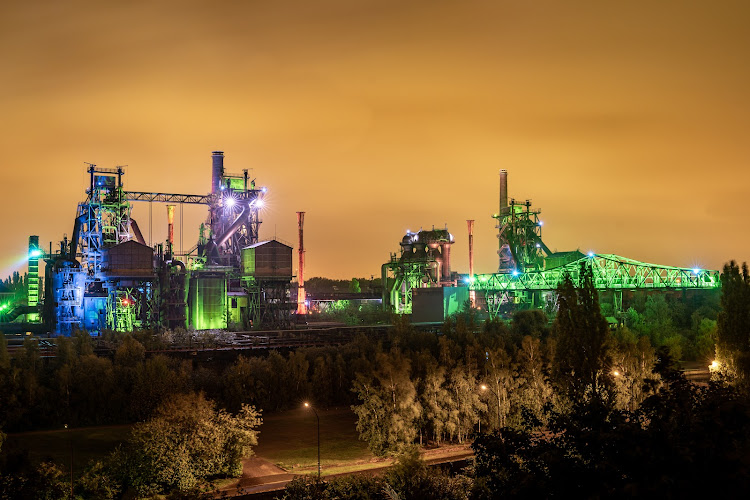
Landschaftspark Duisburg-Nord

Kaiserberg
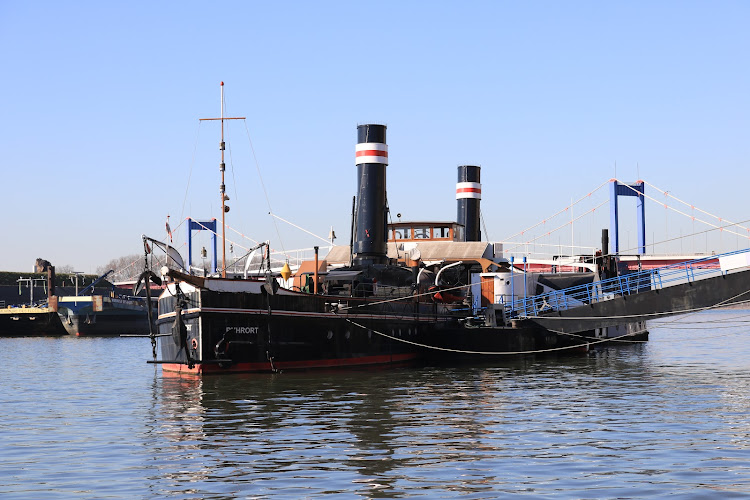
Museumsschiff Oscar Huber
Find Accommodations Nearby
Recommended Tours & Activities
Visitor Reviews
There are no reviews yet. Be the first one to write one.
Share Your Experience
Have you visited Museum Küppersmühle? Help other travelers by leaving a review.