
Muthi Talab POND JAMMU
About Muthi Talab POND JAMMU
Description
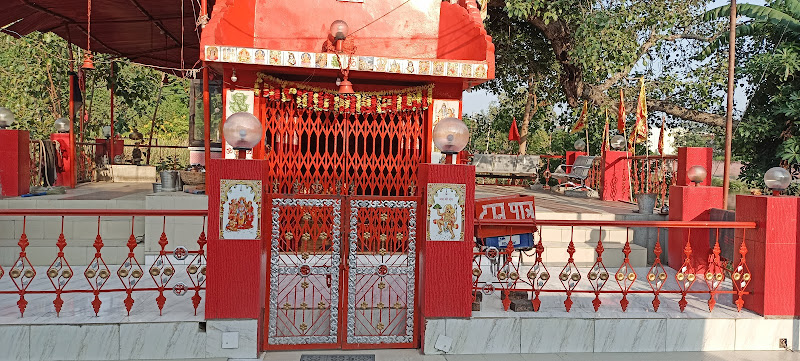
Muthi Talab Pond stands as one of those curious places in Jammu that doesn't necessarily scream tourist hotspot at first glance, yet manages to captivate visitors who stumble upon its tranquil shores. This historic water body has been serving the local community for generations, and honestly, there's something quite charming about a place that hasn't been overly commercialized or turned into another generic attraction. The pond itself stretches across a modest area, but don't let its size fool you – what it lacks in grandeur it makes up for in character and local significance. Walking around Muthi Talab, travelers get a genuine glimpse into everyday Jammu life, watching locals go about their routines while temple bells chime softly in the background. It's not going to compete with Dal Lake in Kashmir for magazine covers, but that's precisely what makes it special. What strikes most visitors is how this place manages to balance its religious importance with recreational appeal. The pond area has undergone some improvements over the years, though maintenance remains a bit of a mixed bag depending on when you visit. Some days you'll find it reasonably well-kept, while other times the cleanliness might leave something to be desired. That's just the reality of visiting less-commercialized spots in India – they haven't been sanitized for tourist brochures, and maybe that's not entirely a bad thing. The surrounding area features pathways that make for decent evening strolls, and you'll often spot families gathering here during cooler hours. There's a temple nearby that adds to the spiritual atmosphere, and the combination of water, greenery, and religious architecture creates this peaceful setting that urban Jammu desperately needs. But let's be honest – if you're expecting manicured gardens and Instagram-perfect scenery at every angle, you might need to adjust those expectations a bit.Key Features
The attractions at Muthi Talab Pond reveal themselves slowly to those willing to look beyond surface impressions: • Complete wheelchair accessibility including entrance, parking areas, and seating zones, making it genuinely inclusive for travelers with mobility challenges • Religious significance with temple structures that provide cultural context and spiritual atmosphere throughout your visit • Open spaces suitable for families with children who want safe areas for kids to explore without the chaos of more crowded tourist spots • Free street parking availability, which honestly saves you the hassle and expense that plagues so many other attractions in Indian cities • LGBTQ+ friendly environment where all travelers can feel comfortable and welcomed without judgment • Gender-neutral restroom facilities, showing progressive thinking that isn't always common in traditional Indian tourist spots • Digital payment options including Google Pay, because fumbling with cash gets old fast when you're traveling • Peaceful walking paths around the perimeter that offer exercise opportunities and quiet reflection away from traffic noise • Local community interaction where authentic cultural exchanges happen naturally rather than through staged tourist experiences • Photographic opportunities particularly during golden hour when the water reflects surrounding architecture beautifully • Bird watching possibilities as various species frequent the water body, especially during migration seasons • Shaded sitting areas where you can rest and observe daily life without feeling rushed to move alongBest Time to Visit
Timing really matters when it comes to getting the most out of Muthi Talab Pond. The summer months from May through July can be brutally hot in Jammu, and honestly, standing around a pond under scorching sun isn't anyone's idea of a great time. The water levels sometimes drop too, which doesn't exactly enhance the visual appeal. Winter visits between December and February bring their own challenges. Jammu gets quite cold, and while it's nothing compared to Kashmir's freezing temperatures, the chill can make outdoor water body visits less enjoyable than you'd hope. And early mornings or late evenings become downright uncomfortable without proper layers. The sweet spot really falls between October and November, then again from February through April. During these months, the weather cooperates beautifully – you get pleasant temperatures that make walking around actually enjoyable rather than an endurance test. The monsoon season from July to September brings occasional downpours that can muddy the pathways and make the whole experience messier than necessary. If we're talking about time of day, early mornings around 6 to 8 AM offer the best experience. The air feels fresher, fewer crowds mean more peaceful contemplation, and you catch locals during their morning rituals which adds authentic cultural flavor. Evening visits between 5 and 7 PM work well too, especially when the setting sun casts that golden glow across the water. Midday visits? Skip them unless you enjoy heat exhaustion and harsh lighting that makes everything look washed out in photos. Weekdays generally provide calmer experiences than weekends when local families descend en masse. Religious festivals and holy days see increased temple activity, which can be fascinating if you're interested in Hindu traditions but potentially overwhelming if you're seeking solitude.How to Get There
Getting to Muthi Talab Pond requires a bit more effort than reaching Jammu's mainstream attractions, but it's definitely manageable with basic planning. The pond sits within Jammu city limits, though it's not exactly in the tourist-heavy zones where most hotels cluster. If you're staying in central Jammu, auto-rickshaws provide the most straightforward option. A ride typically takes 15 to 25 minutes depending on traffic and your starting point. Make sure your driver knows exactly where you mean – saying just "Muthi Talab" should work, but having the location pulled up on Google Maps never hurts. Expect to pay reasonable rates, though negotiating the fare before departure saves awkward discussions later. App-based ride services like Uber and Ola operate in Jammu and offer convenient door-to-door service. The pricing stays fairly reasonable, and you avoid the whole fare negotiation dance. Plus, you get GPS tracking which provides peace of mind, especially for solo travelers navigating an unfamiliar city. Local buses pass through areas near Muthi Talab, but figuring out routes and stops can prove challenging without local knowledge or Hindi/Dogri language skills. If you're the adventurous type who enjoys public transport experiences, go for it – just build in extra time for inevitable confusion and wrong turns. Renting a scooter or car gives you maximum flexibility, though Jammu traffic takes some getting used to. The roads are generally decent, and parking near the pond doesn't typically present major headaches thanks to available street parking. Just remember that Indian traffic follows its own special logic that doesn't always align with posted rules. From Jammu Railway Station, you're looking at roughly a 20-minute drive depending on which route your driver takes and current traffic conditions. From Jammu Airport, expect closer to 45 minutes to an hour since the airport sits further out.Tips for Visiting
Visiting Muthi Talab Pond successfully means understanding what you're getting into and preparing accordingly. First off, manage your expectations – this isn't going to be the highlight of your entire Jammu trip, but it can be a pleasant supplementary stop that adds local flavor to your itinerary. Dress modestly, especially since temple areas sit nearby. This means covered shoulders and knees as a baseline. You'll blend in better and avoid unwanted attention or uncomfortable situations. Comfortable walking shoes matter more than fashion statements here – the pathways aren't always perfectly maintained. Bring your own water bottle because relying on vendors around the pond isn't always foolproof. Staying hydrated matters, particularly if you visit during warmer months. Similarly, snacks might be worth packing since food options immediately around the pond can be limited. Don't expect Western-style restroom facilities despite the gender-neutral option being available. Keep your expectations realistic and perhaps plan your visit timing accordingly. Using facilities at your hotel before heading out makes sense. Photography works best during early morning or late afternoon when natural lighting cooperates. The harsh midday sun creates unflattering shadows and washes out colors. And while you're photographing, be respectful of locals – always ask permission before taking pictures of people, especially during religious activities. Cleanliness levels fluctuate, so mentally prepare yourself for less-than-pristine conditions some days. Bring hand sanitizer and maybe wet wipes. This isn't meant to discourage you but rather to set realistic expectations so you're not disappointed. Cash still rules in many Indian locations, but the fact that Muthi Talab accepts Google Pay shows some modernization. Still, carrying some physical currency never hurts for small purchases from vendors. If you're interested in the religious aspects, visiting during morning or evening prayer times offers richer cultural experiences. Just observe respectfully from appropriate distances unless you're invited to participate more directly. Solo female travelers should feel generally comfortable here, especially during daylight hours when families and local women frequent the area. Standard precautions apply – stay aware of your surroundings and trust your instincts if something feels off. The wheelchair accessibility deserves applause and makes this spot genuinely usable for travelers with mobility challenges – something you can't say about many Indian tourist attractions. Take advantage of the accessible parking and seating if needed. Combine your visit with other nearby attractions rather than making it your sole destination for the day. Jammu has plenty to offer, and Muthi Talab works better as part of a broader exploration rather than the main event. Finally, approach this place with curiosity rather than a checklist mentality. The best moments here often come from unexpected interactions with locals or stumbling upon small details that guidebooks don't mention. Sometimes the most memorable travel experiences happen at places that wouldn't make anyone's top ten list, and Muthi Talab Pond definitely falls into that category of hidden local gems that reveal their charm slowly to patient visitors.Key Features
- Key Features
- Best Time to Visit
- How to Get There
- Tips for Visiting
More Details
Updated March 30, 2026
Table of Contents
Description
Muthi Talab Pond stands as one of those curious places in Jammu that doesn’t necessarily scream tourist hotspot at first glance, yet manages to captivate visitors who stumble upon its tranquil shores. This historic water body has been serving the local community for generations, and honestly, there’s something quite charming about a place that hasn’t been overly commercialized or turned into another generic attraction.
The pond itself stretches across a modest area, but don’t let its size fool you – what it lacks in grandeur it makes up for in character and local significance. Walking around Muthi Talab, travelers get a genuine glimpse into everyday Jammu life, watching locals go about their routines while temple bells chime softly in the background. It’s not going to compete with Dal Lake in Kashmir for magazine covers, but that’s precisely what makes it special.
What strikes most visitors is how this place manages to balance its religious importance with recreational appeal. The pond area has undergone some improvements over the years, though maintenance remains a bit of a mixed bag depending on when you visit. Some days you’ll find it reasonably well-kept, while other times the cleanliness might leave something to be desired. That’s just the reality of visiting less-commercialized spots in India – they haven’t been sanitized for tourist brochures, and maybe that’s not entirely a bad thing.
The surrounding area features pathways that make for decent evening strolls, and you’ll often spot families gathering here during cooler hours. There’s a temple nearby that adds to the spiritual atmosphere, and the combination of water, greenery, and religious architecture creates this peaceful setting that urban Jammu desperately needs. But let’s be honest – if you’re expecting manicured gardens and Instagram-perfect scenery at every angle, you might need to adjust those expectations a bit.
Key Features
The attractions at Muthi Talab Pond reveal themselves slowly to those willing to look beyond surface impressions:
• Complete wheelchair accessibility including entrance, parking areas, and seating zones, making it genuinely inclusive for travelers with mobility challenges
• Religious significance with temple structures that provide cultural context and spiritual atmosphere throughout your visit
• Open spaces suitable for families with children who want safe areas for kids to explore without the chaos of more crowded tourist spots
• Free street parking availability, which honestly saves you the hassle and expense that plagues so many other attractions in Indian cities
• LGBTQ+ friendly environment where all travelers can feel comfortable and welcomed without judgment
• Gender-neutral restroom facilities, showing progressive thinking that isn’t always common in traditional Indian tourist spots
• Digital payment options including Google Pay, because fumbling with cash gets old fast when you’re traveling
• Peaceful walking paths around the perimeter that offer exercise opportunities and quiet reflection away from traffic noise
• Local community interaction where authentic cultural exchanges happen naturally rather than through staged tourist experiences
• Photographic opportunities particularly during golden hour when the water reflects surrounding architecture beautifully
• Bird watching possibilities as various species frequent the water body, especially during migration seasons
• Shaded sitting areas where you can rest and observe daily life without feeling rushed to move along
Best Time to Visit
Timing really matters when it comes to getting the most out of Muthi Talab Pond. The summer months from May through July can be brutally hot in Jammu, and honestly, standing around a pond under scorching sun isn’t anyone’s idea of a great time. The water levels sometimes drop too, which doesn’t exactly enhance the visual appeal.
Winter visits between December and February bring their own challenges. Jammu gets quite cold, and while it’s nothing compared to Kashmir’s freezing temperatures, the chill can make outdoor water body visits less enjoyable than you’d hope. And early mornings or late evenings become downright uncomfortable without proper layers.
The sweet spot really falls between October and November, then again from February through April. During these months, the weather cooperates beautifully – you get pleasant temperatures that make walking around actually enjoyable rather than an endurance test. The monsoon season from July to September brings occasional downpours that can muddy the pathways and make the whole experience messier than necessary.
If we’re talking about time of day, early mornings around 6 to 8 AM offer the best experience. The air feels fresher, fewer crowds mean more peaceful contemplation, and you catch locals during their morning rituals which adds authentic cultural flavor. Evening visits between 5 and 7 PM work well too, especially when the setting sun casts that golden glow across the water. Midday visits? Skip them unless you enjoy heat exhaustion and harsh lighting that makes everything look washed out in photos.
Weekdays generally provide calmer experiences than weekends when local families descend en masse. Religious festivals and holy days see increased temple activity, which can be fascinating if you’re interested in Hindu traditions but potentially overwhelming if you’re seeking solitude.
How to Get There
Getting to Muthi Talab Pond requires a bit more effort than reaching Jammu’s mainstream attractions, but it’s definitely manageable with basic planning. The pond sits within Jammu city limits, though it’s not exactly in the tourist-heavy zones where most hotels cluster.
If you’re staying in central Jammu, auto-rickshaws provide the most straightforward option. A ride typically takes 15 to 25 minutes depending on traffic and your starting point. Make sure your driver knows exactly where you mean – saying just “Muthi Talab” should work, but having the location pulled up on Google Maps never hurts. Expect to pay reasonable rates, though negotiating the fare before departure saves awkward discussions later.
App-based ride services like Uber and Ola operate in Jammu and offer convenient door-to-door service. The pricing stays fairly reasonable, and you avoid the whole fare negotiation dance. Plus, you get GPS tracking which provides peace of mind, especially for solo travelers navigating an unfamiliar city.
Local buses pass through areas near Muthi Talab, but figuring out routes and stops can prove challenging without local knowledge or Hindi/Dogri language skills. If you’re the adventurous type who enjoys public transport experiences, go for it – just build in extra time for inevitable confusion and wrong turns.
Renting a scooter or car gives you maximum flexibility, though Jammu traffic takes some getting used to. The roads are generally decent, and parking near the pond doesn’t typically present major headaches thanks to available street parking. Just remember that Indian traffic follows its own special logic that doesn’t always align with posted rules.
From Jammu Railway Station, you’re looking at roughly a 20-minute drive depending on which route your driver takes and current traffic conditions. From Jammu Airport, expect closer to 45 minutes to an hour since the airport sits further out.
Tips for Visiting
Visiting Muthi Talab Pond successfully means understanding what you’re getting into and preparing accordingly. First off, manage your expectations – this isn’t going to be the highlight of your entire Jammu trip, but it can be a pleasant supplementary stop that adds local flavor to your itinerary.
Dress modestly, especially since temple areas sit nearby. This means covered shoulders and knees as a baseline. You’ll blend in better and avoid unwanted attention or uncomfortable situations. Comfortable walking shoes matter more than fashion statements here – the pathways aren’t always perfectly maintained.
Bring your own water bottle because relying on vendors around the pond isn’t always foolproof. Staying hydrated matters, particularly if you visit during warmer months. Similarly, snacks might be worth packing since food options immediately around the pond can be limited.
Don’t expect Western-style restroom facilities despite the gender-neutral option being available. Keep your expectations realistic and perhaps plan your visit timing accordingly. Using facilities at your hotel before heading out makes sense.
Photography works best during early morning or late afternoon when natural lighting cooperates. The harsh midday sun creates unflattering shadows and washes out colors. And while you’re photographing, be respectful of locals – always ask permission before taking pictures of people, especially during religious activities.
Cleanliness levels fluctuate, so mentally prepare yourself for less-than-pristine conditions some days. Bring hand sanitizer and maybe wet wipes. This isn’t meant to discourage you but rather to set realistic expectations so you’re not disappointed.
Cash still rules in many Indian locations, but the fact that Muthi Talab accepts Google Pay shows some modernization. Still, carrying some physical currency never hurts for small purchases from vendors.
If you’re interested in the religious aspects, visiting during morning or evening prayer times offers richer cultural experiences. Just observe respectfully from appropriate distances unless you’re invited to participate more directly.
Solo female travelers should feel generally comfortable here, especially during daylight hours when families and local women frequent the area. Standard precautions apply – stay aware of your surroundings and trust your instincts if something feels off.
The wheelchair accessibility deserves applause and makes this spot genuinely usable for travelers with mobility challenges – something you can’t say about many Indian tourist attractions. Take advantage of the accessible parking and seating if needed.
Combine your visit with other nearby attractions rather than making it your sole destination for the day. Jammu has plenty to offer, and Muthi Talab works better as part of a broader exploration rather than the main event.
Finally, approach this place with curiosity rather than a checklist mentality. The best moments here often come from unexpected interactions with locals or stumbling upon small details that guidebooks don’t mention. Sometimes the most memorable travel experiences happen at places that wouldn’t make anyone’s top ten list, and Muthi Talab Pond definitely falls into that category of hidden local gems that reveal their charm slowly to patient visitors.
Key Highlights
- Key Features
- Best Time to Visit
- How to Get There
- Tips for Visiting
Location
Places to Stay Near Muthi Talab POND JAMMU
Find and Book a Tour
Explore More Travel Guides
No reviews found! Be the first to review!
Muthi Talab POND JAMMU is a prominent attractions located in Jammu.
Visit us at: Muthi, Jammu, Jammu and Kashmir 181205.
Traveler Reviews for Muthi Talab POND JAMMU
There are no reviews yet. Be the first one to write one.
Have you visited Muthi Talab POND JAMMU? Help other travelers by sharing your review.
You Might Also Like
University of Jammu
Nagrota Park
Manda Zoo Park
Find Accommodations Nearby
Recommended Tours & Activities
Visitor Reviews
There are no reviews yet. Be the first one to write one.
Share Your Experience
Have you visited Muthi Talab POND JAMMU? Help other travelers by leaving a review.