
University of Jammu
About University of Jammu
Description
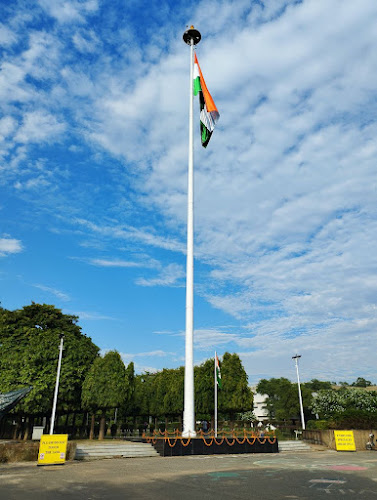
The University of Jammu stands as one of North India's premier educational institutions, spreading across an expansive campus that tells the story of academic excellence spanning over five decades. Established in 1969 when the original Jammu and Kashmir University was divided into two separate entities, this university has grown into an educational powerhouse that attracts students from across the country and beyond. What makes this place interesting for travelers isn't just its academic prestige - though the A++ grade accreditation from the National Assessment and Accreditation Council certainly speaks volumes - but rather the unique blend of educational architecture, cultural diversity, and peaceful green spaces that make it worth a visit. The campus itself stretches over hundreds of acres, offering visitors a glimpse into the intellectual heart of Jammu region. And honestly, there's something quite special about walking through a university campus when you're traveling. It gives you that authentic local experience that tourist spots sometimes miss. The main campus features buildings that showcase both traditional Kashmiri architectural elements and modern educational facilities, creating this interesting visual contrast that photography enthusiasts absolutely love. When I first visited an Indian university campus during my travels, I didn't expect much beyond academic buildings. But places like the University of Jammu surprise you with their natural beauty and the energy that thousands of young students bring to the atmosphere. The campus becomes a living, breathing ecosystem where education meets culture, and visitors get to witness the future of the region taking shape right before their eyes.Key Features
The University of Jammu offers several distinctive features that make it worth including in your Jammu itinerary: • An impressive central library that houses extensive collections of books and manuscripts, some relating to regional history and culture that you won't find elsewhere • Multiple department buildings showcasing different architectural styles from various decades of construction, giving the campus an eclectic character • Well-maintained botanical gardens and green spaces that provide peaceful walking areas away from the city's hustle • A functioning astronomical observatory that occasionally opens for public viewing sessions • Museums and departmental collections that display regional artifacts, geological specimens, and cultural items • Wheelchair accessible facilities throughout the main campus areas, making it one of the more accessible public spaces in Jammu • Free parking facilities that are quite generous compared to other institutional spaces in the region • An auditorium that hosts cultural programs, lectures, and events that sometimes welcome public participation • Campus canteens where you can experience authentic student life and grab inexpensive local food • Sports facilities including cricket grounds and athletic tracks that showcase India's passion for sports • Heritage trees and landscaped areas that provide excellent spots for relaxation and contemplationBest Time to Visit
Timing your visit to the University of Jammu really matters if you want the full experience. The academic calendar plays a huge role in what you'll encounter, and trust me, there's a big difference between visiting during session time versus holidays. The absolute best time for travelers would be between October and March when the weather in Jammu becomes pleasant and the university is in full swing. October through November brings post-monsoon freshness to the campus, with temperatures ranging comfortably between 15 to 25 degrees Celsius. The campus looks particularly beautiful during this period, with clear skies and that crisp autumn air that makes walking around actually enjoyable. February and March are also excellent months because you get to see the campus at its most active. Students are preparing for examinations, cultural festivals happen during this period, and the whole place buzzes with energy. And spring in Jammu brings flowering trees to the campus that transform the landscape into something quite photogenic. I'd personally avoid visiting during the summer months of May through July. Jammu gets seriously hot during this time - we're talking temperatures that can cross 40 degrees Celsius - and besides, the university typically has summer vacations during this period. You'd essentially be walking through a semi-deserted campus in scorching heat, which isn't the experience most travelers are looking for. The monsoon period from July through September can be tricky. While the campus looks green and refreshed, heavy rains might restrict your ability to explore outdoor areas comfortably. However, if you don't mind occasional showers and want to see the campus when it's lush and less crowded, this could work for you. Weekdays generally offer a better experience than weekends when many departments remain closed and student activity decreases significantly. But if you're looking for peace and quiet to simply walk the grounds and take photographs, weekend mornings can be perfect.How to Get There
Reaching the University of Jammu is relatively straightforward, though like most destinations in India, it requires some planning depending on where you're coming from. If you're flying in, Jammu Airport sits about 8 kilometers from the main campus. It's a small but well-connected airport with regular flights from Delhi, Mumbai, and other major Indian cities. From the airport, you can hire a taxi or use app-based cab services that operate reliably in Jammu. The ride typically takes 20-30 minutes depending on traffic conditions, and shouldn't cost you more than 300-400 rupees if you negotiate properly or use metered services. Jammu Tawi Railway Station serves as the major rail hub for the region, connecting the city with most parts of India. The station lies approximately 6 kilometers from the university campus. Auto-rickshaws, cycle-rickshaws, and taxis are readily available outside the station. Many locals recommend taking an auto-rickshaw for this short distance - it's economical and gives you a more authentic travel experience, though comfort might not match a private taxi. For those traveling by road, Jammu is well-connected through national highways to cities like Delhi, Chandigarh, Amritsar, and Srinagar. State-run buses and private coaches regularly ply these routes. The main bus stand in Jammu is about 5 kilometers from the university. From there, local buses heading toward the university area are frequent and cheap, though you might need to ask locals which specific bus to take since route information isn't always clearly displayed. Once you're in Jammu city, local transportation options are plenty. The university is a well-known landmark, so any auto-rickshaw or taxi driver will know how to get there. Some travelers prefer using app-based services like Uber or Ola when available, as these eliminate the need for fare negotiations. If you're staying in the main city area, the university is accessible enough that you could even consider taking a leisurely walk if weather permits and you enjoy walking - though this works better during cooler months.Tips for Visiting
Visiting an active university campus requires a different approach than visiting typical tourist attractions, and these tips will help you make the most of your time at the University of Jammu. First off, dress modestly and comfortably. This is an educational institution, not a tourist resort, and respecting the academic environment matters. Comfortable walking shoes are essential because you'll be covering significant ground if you want to explore the campus properly. The terrain includes some slopes and uneven pathways, so skip those fancy sandals. Timing your entry matters more than you might think. The university gates open early, but campus activity really picks up between 9 AM and 4 PM on weekdays. If you arrive too early, many buildings will be locked. Too late, and departments start closing down. Mid-morning visits around 10 AM tend to work best, giving you several hours of active campus time. Photography is generally allowed in outdoor areas, but be respectful about photographing people without permission. Students are usually friendly if you ask politely before taking pictures that include them. However, avoid photographing inside examination halls, administrative offices, or library reading rooms where photography might be restricted or disturb activities. The campus canteens offer an authentic and budget-friendly dining experience. Don't expect fancy restaurant quality, but the food is fresh, local, and gives you a real taste of what students eat daily. The tea stalls scattered around campus make excellent chai - sometimes the best you'll have in Jammu, honestly. Carry some identification with you. While the campus is generally open to public, security personnel sometimes ask visitors to show ID, especially if you want to enter specific buildings or facilities. A photocopy of your passport or any government ID should suffice. Weekday visits let you observe classes in session, student activities, and the campus at its most characteristic. But this also means more crowds and busier facilities. Weekend visits offer tranquility but less of that vibrant academic atmosphere. The library, while impressive, typically restricts entry to registered students and researchers. However, if you're genuinely interested in specific collections or research materials, contacting the relevant department in advance might get you special permission for a visit. Water and basic refreshments are available on campus, but carrying your own water bottle makes sense, especially during warmer months. Refilling stations are available in most departments. Respect the academic environment by keeping noise levels down, not littering, and staying out of areas clearly marked as restricted. Remember that students and faculty are there to work, and while most are welcoming to respectful visitors, disrupting academic activities won't make you popular. The botanical garden areas and open green spaces are perfect for relaxation. Many travelers find these spots ideal for reading, sketching, or simply sitting and observing campus life. Some of the older trees on campus have been there for decades and provide wonderful shade and photo opportunities. If you're interested in attending any public lectures, cultural events, or seminars, check the university's notice boards near the main administrative building or ask at the information desk. The university occasionally hosts events that welcome public participation, offering unique cultural experiences you won't find in typical tourist guides. Local students can be excellent informal guides if you approach them politely. Most are proud of their institution and happy to share information about the campus, its history, and interesting spots that casual visitors might miss. And who knows, you might end up having conversations that give you deeper insights into Jammu's educational culture and youth perspectives. Don't rush your visit. The University of Jammu deserves at least 2-3 hours if you want to genuinely experience it rather than just tick it off a list. The pace here is different from tourist attractions - it's more contemplative, more about absorbing atmosphere than checking off sights.Key Features
- Key Features
- Best Time to Visit
- How to Get There
- Tips for Visiting
More Details
Updated March 30, 2026
Table of Contents
Description
The University of Jammu stands as one of North India’s premier educational institutions, spreading across an expansive campus that tells the story of academic excellence spanning over five decades. Established in 1969 when the original Jammu and Kashmir University was divided into two separate entities, this university has grown into an educational powerhouse that attracts students from across the country and beyond. What makes this place interesting for travelers isn’t just its academic prestige – though the A++ grade accreditation from the National Assessment and Accreditation Council certainly speaks volumes – but rather the unique blend of educational architecture, cultural diversity, and peaceful green spaces that make it worth a visit.
The campus itself stretches over hundreds of acres, offering visitors a glimpse into the intellectual heart of Jammu region. And honestly, there’s something quite special about walking through a university campus when you’re traveling. It gives you that authentic local experience that tourist spots sometimes miss. The main campus features buildings that showcase both traditional Kashmiri architectural elements and modern educational facilities, creating this interesting visual contrast that photography enthusiasts absolutely love.
When I first visited an Indian university campus during my travels, I didn’t expect much beyond academic buildings. But places like the University of Jammu surprise you with their natural beauty and the energy that thousands of young students bring to the atmosphere. The campus becomes a living, breathing ecosystem where education meets culture, and visitors get to witness the future of the region taking shape right before their eyes.
Key Features
The University of Jammu offers several distinctive features that make it worth including in your Jammu itinerary:
• An impressive central library that houses extensive collections of books and manuscripts, some relating to regional history and culture that you won’t find elsewhere
• Multiple department buildings showcasing different architectural styles from various decades of construction, giving the campus an eclectic character
• Well-maintained botanical gardens and green spaces that provide peaceful walking areas away from the city’s hustle
• A functioning astronomical observatory that occasionally opens for public viewing sessions
• Museums and departmental collections that display regional artifacts, geological specimens, and cultural items
• Wheelchair accessible facilities throughout the main campus areas, making it one of the more accessible public spaces in Jammu
• Free parking facilities that are quite generous compared to other institutional spaces in the region
• An auditorium that hosts cultural programs, lectures, and events that sometimes welcome public participation
• Campus canteens where you can experience authentic student life and grab inexpensive local food
• Sports facilities including cricket grounds and athletic tracks that showcase India’s passion for sports
• Heritage trees and landscaped areas that provide excellent spots for relaxation and contemplation
Best Time to Visit
Timing your visit to the University of Jammu really matters if you want the full experience. The academic calendar plays a huge role in what you’ll encounter, and trust me, there’s a big difference between visiting during session time versus holidays.
The absolute best time for travelers would be between October and March when the weather in Jammu becomes pleasant and the university is in full swing. October through November brings post-monsoon freshness to the campus, with temperatures ranging comfortably between 15 to 25 degrees Celsius. The campus looks particularly beautiful during this period, with clear skies and that crisp autumn air that makes walking around actually enjoyable.
February and March are also excellent months because you get to see the campus at its most active. Students are preparing for examinations, cultural festivals happen during this period, and the whole place buzzes with energy. And spring in Jammu brings flowering trees to the campus that transform the landscape into something quite photogenic.
I’d personally avoid visiting during the summer months of May through July. Jammu gets seriously hot during this time – we’re talking temperatures that can cross 40 degrees Celsius – and besides, the university typically has summer vacations during this period. You’d essentially be walking through a semi-deserted campus in scorching heat, which isn’t the experience most travelers are looking for.
The monsoon period from July through September can be tricky. While the campus looks green and refreshed, heavy rains might restrict your ability to explore outdoor areas comfortably. However, if you don’t mind occasional showers and want to see the campus when it’s lush and less crowded, this could work for you.
Weekdays generally offer a better experience than weekends when many departments remain closed and student activity decreases significantly. But if you’re looking for peace and quiet to simply walk the grounds and take photographs, weekend mornings can be perfect.
How to Get There
Reaching the University of Jammu is relatively straightforward, though like most destinations in India, it requires some planning depending on where you’re coming from.
If you’re flying in, Jammu Airport sits about 8 kilometers from the main campus. It’s a small but well-connected airport with regular flights from Delhi, Mumbai, and other major Indian cities. From the airport, you can hire a taxi or use app-based cab services that operate reliably in Jammu. The ride typically takes 20-30 minutes depending on traffic conditions, and shouldn’t cost you more than 300-400 rupees if you negotiate properly or use metered services.
Jammu Tawi Railway Station serves as the major rail hub for the region, connecting the city with most parts of India. The station lies approximately 6 kilometers from the university campus. Auto-rickshaws, cycle-rickshaws, and taxis are readily available outside the station. Many locals recommend taking an auto-rickshaw for this short distance – it’s economical and gives you a more authentic travel experience, though comfort might not match a private taxi.
For those traveling by road, Jammu is well-connected through national highways to cities like Delhi, Chandigarh, Amritsar, and Srinagar. State-run buses and private coaches regularly ply these routes. The main bus stand in Jammu is about 5 kilometers from the university. From there, local buses heading toward the university area are frequent and cheap, though you might need to ask locals which specific bus to take since route information isn’t always clearly displayed.
Once you’re in Jammu city, local transportation options are plenty. The university is a well-known landmark, so any auto-rickshaw or taxi driver will know how to get there. Some travelers prefer using app-based services like Uber or Ola when available, as these eliminate the need for fare negotiations.
If you’re staying in the main city area, the university is accessible enough that you could even consider taking a leisurely walk if weather permits and you enjoy walking – though this works better during cooler months.
Tips for Visiting
Visiting an active university campus requires a different approach than visiting typical tourist attractions, and these tips will help you make the most of your time at the University of Jammu.
First off, dress modestly and comfortably. This is an educational institution, not a tourist resort, and respecting the academic environment matters. Comfortable walking shoes are essential because you’ll be covering significant ground if you want to explore the campus properly. The terrain includes some slopes and uneven pathways, so skip those fancy sandals.
Timing your entry matters more than you might think. The university gates open early, but campus activity really picks up between 9 AM and 4 PM on weekdays. If you arrive too early, many buildings will be locked. Too late, and departments start closing down. Mid-morning visits around 10 AM tend to work best, giving you several hours of active campus time.
Photography is generally allowed in outdoor areas, but be respectful about photographing people without permission. Students are usually friendly if you ask politely before taking pictures that include them. However, avoid photographing inside examination halls, administrative offices, or library reading rooms where photography might be restricted or disturb activities.
The campus canteens offer an authentic and budget-friendly dining experience. Don’t expect fancy restaurant quality, but the food is fresh, local, and gives you a real taste of what students eat daily. The tea stalls scattered around campus make excellent chai – sometimes the best you’ll have in Jammu, honestly.
Carry some identification with you. While the campus is generally open to public, security personnel sometimes ask visitors to show ID, especially if you want to enter specific buildings or facilities. A photocopy of your passport or any government ID should suffice.
Weekday visits let you observe classes in session, student activities, and the campus at its most characteristic. But this also means more crowds and busier facilities. Weekend visits offer tranquility but less of that vibrant academic atmosphere.
The library, while impressive, typically restricts entry to registered students and researchers. However, if you’re genuinely interested in specific collections or research materials, contacting the relevant department in advance might get you special permission for a visit.
Water and basic refreshments are available on campus, but carrying your own water bottle makes sense, especially during warmer months. Refilling stations are available in most departments.
Respect the academic environment by keeping noise levels down, not littering, and staying out of areas clearly marked as restricted. Remember that students and faculty are there to work, and while most are welcoming to respectful visitors, disrupting academic activities won’t make you popular.
The botanical garden areas and open green spaces are perfect for relaxation. Many travelers find these spots ideal for reading, sketching, or simply sitting and observing campus life. Some of the older trees on campus have been there for decades and provide wonderful shade and photo opportunities.
If you’re interested in attending any public lectures, cultural events, or seminars, check the university’s notice boards near the main administrative building or ask at the information desk. The university occasionally hosts events that welcome public participation, offering unique cultural experiences you won’t find in typical tourist guides.
Local students can be excellent informal guides if you approach them politely. Most are proud of their institution and happy to share information about the campus, its history, and interesting spots that casual visitors might miss. And who knows, you might end up having conversations that give you deeper insights into Jammu’s educational culture and youth perspectives.
Don’t rush your visit. The University of Jammu deserves at least 2-3 hours if you want to genuinely experience it rather than just tick it off a list. The pace here is different from tourist attractions – it’s more contemplative, more about absorbing atmosphere than checking off sights.
Key Highlights
- Key Features
- Best Time to Visit
- How to Get There
- Tips for Visiting
Location
Places to Stay Near University of Jammu
Find and Book a Tour
Explore More Travel Guides
No reviews found! Be the first to review!
University of Jammu is a prominent University located in Jammu.
Visit us at: PV44+RV9, Jammu University, University of Jammu, Gujarbasti, Jammu, Jammu and Kashmir 180006.
Traveler Reviews for University of Jammu
There are no reviews yet. Be the first one to write one.
Have you visited University of Jammu? Help other travelers by sharing your review.
You Might Also Like
Nagrota Park

Dogra Art Museum

Ropeway Jammu
Find Accommodations Nearby
Recommended Tours & Activities
Visitor Reviews
There are no reviews yet. Be the first one to write one.
Share Your Experience
Have you visited University of Jammu? Help other travelers by leaving a review.