

Naag Mandir
About Naag Mandir
Description
Naag Mandir stands as one of those spiritual sanctuaries that manages to capture something deeply authentic about India's religious landscape. This Hindu temple dedicated to serpent worship draws visitors who are searching for experiences beyond the typical tourist circuit—and honestly, it delivers on that promise in ways you might not expect. The temple's devotion to Naag, the serpent deity, places it within a fascinating tradition of snake worship that dates back thousands of years in Hindu culture. I've always found it remarkable how these ancient practices continue to thrive in modern India, and Naag Mandir represents this continuity beautifully. The structure itself carries an air of quiet reverence that immediately sets it apart from some of the more commercialized religious sites you'll encounter in your travels. What makes this place particularly compelling for travelers is its genuine connection to local spiritual life. This isn't a temple that exists primarily for tourists—it's a living place of worship where devotees come to seek blessings, offer prayers, and participate in rituals that their ancestors practiced centuries ago. And that authenticity? You can feel it the moment you step onto the premises. The temple's architecture reflects traditional design elements that have been preserved through generations, though it doesn't boast the grand scale of some major pilgrimage sites. But that's actually part of its charm. There's an intimacy here, a sense that you're witnessing something personal and sacred rather than just checking off another landmark from your itinerary. Visitors often describe feeling a palpable sense of peace within the temple grounds—something that the overwhelmingly positive reception from those who've visited confirms. The spiritual atmosphere here isn't manufactured or performed; it emerges naturally from the devotion of worshippers and the temple's design.Key Features
The Naag Mandir offers several distinctive elements that make it worth including in your travel plans:- Sacred serpent iconography: The temple features intricate representations of Naag deities that showcase traditional Hindu artistic styles. These aren't just decorative elements—they're objects of deep veneration that tell stories from ancient texts and local legends.
- Active worship rituals: Unlike some temples that feel more like museums, Naag Mandir maintains daily ritual practices. You'll likely witness pujas being performed, offerings being made, and devotees engaging in traditional worship customs.
- Spiritual atmosphere: The temple cultivates an environment conducive to meditation and reflection. Many visitors report experiencing unexpected moments of tranquility here, even those who didn't come seeking spiritual experiences.
- Traditional architecture: The structure incorporates design principles that have guided Hindu temple construction for centuries, with specific elements meant to channel divine energy and create sacred space.
- Local community connection: The temple serves as an important gathering place for local devotees, giving visitors insight into contemporary religious practice in India rather than just historical significance.
- Photography opportunities: The architectural details and religious iconography provide compelling subjects for photography, though visitors should always be respectful of worship activities and ask permission before photographing devotees.
- Cultural education: For those interested in understanding Naag worship specifically and Hindu religious traditions more broadly, the temple offers real-world context that complements what you might read in guidebooks.
Best Time to Visit
Timing your visit to Naag Mandir can significantly impact your experience, and I've learned through my own temple visits across India that this consideration matters more than most travelers initially realize. The temple welcomes visitors year-round, but certain periods offer distinct advantages. Nag Panchami, the festival dedicated to serpent worship, transforms the temple into the epicenter of celebrations that you won't witness at other times. This typically falls in July or August according to the lunar calendar, and if you can align your visit with this festival, you'll witness the temple at its most ceremonially active. The atmosphere during Nag Panchami is electric with devotion—devotees arrive in large numbers, special rituals are performed, and the entire experience provides unparalleled insight into this unique aspect of Hindu worship. But here's the thing: festival times also mean crowds. If you're someone who values quiet contemplation over cultural spectacle, you might prefer visiting during non-festival periods when you can explore at your own pace and absorb the spiritual atmosphere without navigating through throngs of pilgrims. Weather considerations matter too. The monsoon season, while bringing cooler temperatures, can make travel logistics more challenging depending on the temple's location and accessibility. The post-monsoon months from October through March generally offer the most comfortable conditions for temple visits—moderate temperatures, clear skies, and pleasant conditions for walking and exploration. Early morning visits have their own particular magic. The temple typically opens at dawn, and arriving during these early hours means you'll encounter the most devout worshippers performing their morning prayers. There's something about witnessing these sunrise rituals that adds depth to your understanding of what the temple means to the local community. Plus, you'll beat both the heat and any potential crowds. Weekdays versus weekends makes a difference as well. Like most religious sites in India, Naag Mandir sees increased foot traffic on weekends and religious holidays when working devotees have time to visit. Tuesday holds special significance in some traditions of Naag worship, so you might encounter more activity on that particular weekday.How to Get There
Getting to Naag Mandir requires some planning, though the journey itself often becomes part of the overall experience. The accessibility depends somewhat on your starting point and your comfort level with various transportation options in India. Most visitors approach the temple from the nearest major town or city, and local transportation options typically include auto-rickshaws, taxis, and sometimes local buses. Auto-rickshaws offer the most flexible option—you can negotiate a round-trip fare that includes waiting time while you visit the temple. Just make sure to settle on the price before departing to avoid any confusion later. In my experience, showing the driver a photo or written name of the temple in the local language helps ensure you're both on the same page about the destination. Taxis provide more comfort, particularly if you're traveling with companions or during hotter months. Many travelers find that hiring a taxi for a half-day allows them to combine the Naag Mandir visit with other nearby attractions, maximizing their time and transportation investment. If you're the adventurous type who enjoys experiencing local life, public buses can be an option, though you'll need to research routes carefully and be prepared for a less predictable schedule. The money you save might be offset by the extra time involved, so weigh that tradeoff based on your travel style and schedule. For those with their own vehicles or rental cars, GPS navigation has made independent travel much more feasible than in the past. However, road conditions can vary, and narrow streets near the temple might challenge larger vehicles. Parking availability near the temple should be confirmed in advance if you're driving yourself. Some travelers incorporate Naag Mandir into guided tours of the region's religious sites. This takes the logistics entirely off your plate and often comes with the added benefit of a guide who can provide context and answer questions. The downside is less flexibility in timing and pacing your visit. Whatever transportation method you choose, allow more time than you think you'll need. Indian traffic patterns don't always align with Western expectations, and giving yourself a buffer prevents the stress of rushing through what should be a contemplative experience.Tips for Visiting
Making the most of your Naag Mandir visit involves some practical preparation and cultural awareness. These suggestions come from lessons learned through temple visits that went smoothly and a few that... well, taught me what not to do. Dress conservatively—this isn't negotiable at religious sites. Both men and women should cover their shoulders and knees at minimum. Women might consider carrying a scarf or shawl that can cover the head if required, though policies vary by temple. Your clothing choices show respect for the sacred space and the devotees who worship there. Remove your shoes before entering the temple premises. Most temples have designated areas for footwear storage, sometimes with an attendant who watches the shoes for a small tip. I always travel with socks in my bag for temple visits—walking barefoot is expected, but socks can provide a comfort layer on hot stone floors. Photography deserves careful consideration. While the architecture and religious art are undeniably photogenic, always observe whether photography is permitted and never photograph people at prayer without explicit permission. Some areas within temples prohibit cameras entirely, and respecting these rules maintains the sanctity of the space. Offerings and donations are customary but not mandatory. If you wish to participate in the worship traditions, small offerings of flowers, incense, or coconut can usually be purchased near the temple entrance. Donations to the temple are appreciated, and donation boxes are typically clearly marked. Give what feels appropriate to you without feeling pressured. Menstruation policies exist at many Hindu temples, and while these traditions are controversial and changing in some places, being aware of local customs helps you avoid awkward situations. If this applies to you, research the specific temple's policies beforehand. Engage respectfully with priests and temple staff. A small donation or dakshina to priests who perform blessings or provide information about the temple is customary. They're often happy to explain rituals or answer questions, particularly if you show genuine interest rather than treating the temple as merely a tourist attraction. Bring small denomination currency. You'll need it for offerings, shoe-minding tips, and donations, and trying to break large bills at temple entrances creates unnecessary hassle. Stay hydrated but plan bathroom access carefully. Not all temples have facilities for visitors, so use restrooms before arriving. Carry a water bottle but be mindful about where you drink—consuming food or beverages in certain temple areas may be prohibited. Mind your behavior and noise level. Maintain a quiet, respectful demeanor throughout your visit. This is a place of worship first and tourist attraction second. Loud conversations, disruptive behavior, or treating the temple as a backdrop for social media content disrespects both the sacred space and the people who've come to pray. Learn a few basic phrases in the local language. Even simple greetings or "thank you" expressed in Hindi or the regional language demonstrate respect and often result in warmer interactions with temple staff and local devotees. Consider visiting with a local guide or informed companion if you're particularly interested in understanding the religious significance and mythological context. The visual experience alone has value, but deeper knowledge transforms a temple visit from sightseeing into genuine cultural education. Finally, approach your visit with openness rather than judgment. Religious practices that seem unfamiliar or even strange through your cultural lens hold profound meaning for practitioners. You don't have to share the beliefs to appreciate the devotion and respect the traditions you're witnessing.Key Features
- Temple dedicated to Naag Devta (serpent deity)
- Historic folk-religious significance with roots in local belief
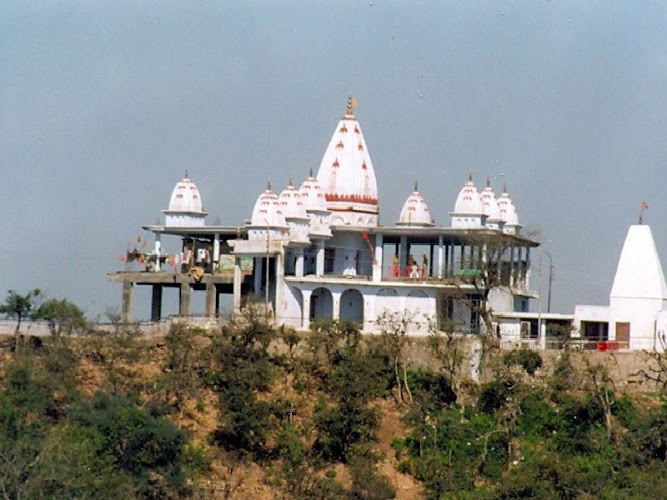
- Scenic hilltop setting amid pine forests with valley views
- Intimate, small-scale temple — authentic local worship atmosphere
- Popular pilgrimage spot during Naag Panchami and local festivals
More Details
Updated March 30, 2026
Table of Contents
Description
Naag Mandir stands as one of those spiritual sanctuaries that manages to capture something deeply authentic about India’s religious landscape. This Hindu temple dedicated to serpent worship draws visitors who are searching for experiences beyond the typical tourist circuit—and honestly, it delivers on that promise in ways you might not expect.
The temple’s devotion to Naag, the serpent deity, places it within a fascinating tradition of snake worship that dates back thousands of years in Hindu culture. I’ve always found it remarkable how these ancient practices continue to thrive in modern India, and Naag Mandir represents this continuity beautifully. The structure itself carries an air of quiet reverence that immediately sets it apart from some of the more commercialized religious sites you’ll encounter in your travels.
What makes this place particularly compelling for travelers is its genuine connection to local spiritual life. This isn’t a temple that exists primarily for tourists—it’s a living place of worship where devotees come to seek blessings, offer prayers, and participate in rituals that their ancestors practiced centuries ago. And that authenticity? You can feel it the moment you step onto the premises.
The temple’s architecture reflects traditional design elements that have been preserved through generations, though it doesn’t boast the grand scale of some major pilgrimage sites. But that’s actually part of its charm. There’s an intimacy here, a sense that you’re witnessing something personal and sacred rather than just checking off another landmark from your itinerary.
Visitors often describe feeling a palpable sense of peace within the temple grounds—something that the overwhelmingly positive reception from those who’ve visited confirms. The spiritual atmosphere here isn’t manufactured or performed; it emerges naturally from the devotion of worshippers and the temple’s design.
Key Features
The Naag Mandir offers several distinctive elements that make it worth including in your travel plans:
- Sacred serpent iconography: The temple features intricate representations of Naag deities that showcase traditional Hindu artistic styles. These aren’t just decorative elements—they’re objects of deep veneration that tell stories from ancient texts and local legends.
- Active worship rituals: Unlike some temples that feel more like museums, Naag Mandir maintains daily ritual practices. You’ll likely witness pujas being performed, offerings being made, and devotees engaging in traditional worship customs.
- Spiritual atmosphere: The temple cultivates an environment conducive to meditation and reflection. Many visitors report experiencing unexpected moments of tranquility here, even those who didn’t come seeking spiritual experiences.
- Traditional architecture: The structure incorporates design principles that have guided Hindu temple construction for centuries, with specific elements meant to channel divine energy and create sacred space.
- Local community connection: The temple serves as an important gathering place for local devotees, giving visitors insight into contemporary religious practice in India rather than just historical significance.
- Photography opportunities: The architectural details and religious iconography provide compelling subjects for photography, though visitors should always be respectful of worship activities and ask permission before photographing devotees.
- Cultural education: For those interested in understanding Naag worship specifically and Hindu religious traditions more broadly, the temple offers real-world context that complements what you might read in guidebooks.
Best Time to Visit
Timing your visit to Naag Mandir can significantly impact your experience, and I’ve learned through my own temple visits across India that this consideration matters more than most travelers initially realize.
The temple welcomes visitors year-round, but certain periods offer distinct advantages. Nag Panchami, the festival dedicated to serpent worship, transforms the temple into the epicenter of celebrations that you won’t witness at other times. This typically falls in July or August according to the lunar calendar, and if you can align your visit with this festival, you’ll witness the temple at its most ceremonially active. The atmosphere during Nag Panchami is electric with devotion—devotees arrive in large numbers, special rituals are performed, and the entire experience provides unparalleled insight into this unique aspect of Hindu worship.
But here’s the thing: festival times also mean crowds. If you’re someone who values quiet contemplation over cultural spectacle, you might prefer visiting during non-festival periods when you can explore at your own pace and absorb the spiritual atmosphere without navigating through throngs of pilgrims.
Weather considerations matter too. The monsoon season, while bringing cooler temperatures, can make travel logistics more challenging depending on the temple’s location and accessibility. The post-monsoon months from October through March generally offer the most comfortable conditions for temple visits—moderate temperatures, clear skies, and pleasant conditions for walking and exploration.
Early morning visits have their own particular magic. The temple typically opens at dawn, and arriving during these early hours means you’ll encounter the most devout worshippers performing their morning prayers. There’s something about witnessing these sunrise rituals that adds depth to your understanding of what the temple means to the local community. Plus, you’ll beat both the heat and any potential crowds.
Weekdays versus weekends makes a difference as well. Like most religious sites in India, Naag Mandir sees increased foot traffic on weekends and religious holidays when working devotees have time to visit. Tuesday holds special significance in some traditions of Naag worship, so you might encounter more activity on that particular weekday.
How to Get There
Getting to Naag Mandir requires some planning, though the journey itself often becomes part of the overall experience. The accessibility depends somewhat on your starting point and your comfort level with various transportation options in India.
Most visitors approach the temple from the nearest major town or city, and local transportation options typically include auto-rickshaws, taxis, and sometimes local buses. Auto-rickshaws offer the most flexible option—you can negotiate a round-trip fare that includes waiting time while you visit the temple. Just make sure to settle on the price before departing to avoid any confusion later. In my experience, showing the driver a photo or written name of the temple in the local language helps ensure you’re both on the same page about the destination.
Taxis provide more comfort, particularly if you’re traveling with companions or during hotter months. Many travelers find that hiring a taxi for a half-day allows them to combine the Naag Mandir visit with other nearby attractions, maximizing their time and transportation investment.
If you’re the adventurous type who enjoys experiencing local life, public buses can be an option, though you’ll need to research routes carefully and be prepared for a less predictable schedule. The money you save might be offset by the extra time involved, so weigh that tradeoff based on your travel style and schedule.
For those with their own vehicles or rental cars, GPS navigation has made independent travel much more feasible than in the past. However, road conditions can vary, and narrow streets near the temple might challenge larger vehicles. Parking availability near the temple should be confirmed in advance if you’re driving yourself.
Some travelers incorporate Naag Mandir into guided tours of the region’s religious sites. This takes the logistics entirely off your plate and often comes with the added benefit of a guide who can provide context and answer questions. The downside is less flexibility in timing and pacing your visit.
Whatever transportation method you choose, allow more time than you think you’ll need. Indian traffic patterns don’t always align with Western expectations, and giving yourself a buffer prevents the stress of rushing through what should be a contemplative experience.
Tips for Visiting
Making the most of your Naag Mandir visit involves some practical preparation and cultural awareness. These suggestions come from lessons learned through temple visits that went smoothly and a few that… well, taught me what not to do.
Dress conservatively—this isn’t negotiable at religious sites. Both men and women should cover their shoulders and knees at minimum. Women might consider carrying a scarf or shawl that can cover the head if required, though policies vary by temple. Your clothing choices show respect for the sacred space and the devotees who worship there.
Remove your shoes before entering the temple premises. Most temples have designated areas for footwear storage, sometimes with an attendant who watches the shoes for a small tip. I always travel with socks in my bag for temple visits—walking barefoot is expected, but socks can provide a comfort layer on hot stone floors.
Photography deserves careful consideration. While the architecture and religious art are undeniably photogenic, always observe whether photography is permitted and never photograph people at prayer without explicit permission. Some areas within temples prohibit cameras entirely, and respecting these rules maintains the sanctity of the space.
Offerings and donations are customary but not mandatory. If you wish to participate in the worship traditions, small offerings of flowers, incense, or coconut can usually be purchased near the temple entrance. Donations to the temple are appreciated, and donation boxes are typically clearly marked. Give what feels appropriate to you without feeling pressured.
Menstruation policies exist at many Hindu temples, and while these traditions are controversial and changing in some places, being aware of local customs helps you avoid awkward situations. If this applies to you, research the specific temple’s policies beforehand.
Engage respectfully with priests and temple staff. A small donation or dakshina to priests who perform blessings or provide information about the temple is customary. They’re often happy to explain rituals or answer questions, particularly if you show genuine interest rather than treating the temple as merely a tourist attraction.
Bring small denomination currency. You’ll need it for offerings, shoe-minding tips, and donations, and trying to break large bills at temple entrances creates unnecessary hassle.
Stay hydrated but plan bathroom access carefully. Not all temples have facilities for visitors, so use restrooms before arriving. Carry a water bottle but be mindful about where you drink—consuming food or beverages in certain temple areas may be prohibited.
Mind your behavior and noise level. Maintain a quiet, respectful demeanor throughout your visit. This is a place of worship first and tourist attraction second. Loud conversations, disruptive behavior, or treating the temple as a backdrop for social media content disrespects both the sacred space and the people who’ve come to pray.
Learn a few basic phrases in the local language. Even simple greetings or “thank you” expressed in Hindi or the regional language demonstrate respect and often result in warmer interactions with temple staff and local devotees.
Consider visiting with a local guide or informed companion if you’re particularly interested in understanding the religious significance and mythological context. The visual experience alone has value, but deeper knowledge transforms a temple visit from sightseeing into genuine cultural education.
Finally, approach your visit with openness rather than judgment. Religious practices that seem unfamiliar or even strange through your cultural lens hold profound meaning for practitioners. You don’t have to share the beliefs to appreciate the devotion and respect the traditions you’re witnessing.
Key Highlights
- Temple dedicated to Naag Devta (serpent deity)
- Historic folk-religious significance with roots in local belief
- Scenic hilltop setting amid pine forests with valley views
- Intimate, small-scale temple — authentic local worship atmosphere
- Popular pilgrimage spot during Naag Panchami and local festivals
Location
Places to Stay Near Naag Mandir
Find and Book a Tour
Explore More Travel Guides
No reviews found! Be the first to review!
Naag Mandir is a prominent attractions located in Jammu.
Visit us at: PV3G+2MR, Trikuta Nagar, Jammu, Jammu and Kashmir 180012.
Traveler Reviews for Naag Mandir
There are no reviews yet. Be the first one to write one.
Have you visited Naag Mandir? Help other travelers by sharing your review.
Nearby Attractions
You Might Also Like
Maha Maya Temple

Bahu Fort Park

Amar Mahal Museum and Library
Find Accommodations Nearby
Recommended Tours & Activities
Visitor Reviews
There are no reviews yet. Be the first one to write one.
Share Your Experience
Have you visited Naag Mandir? Help other travelers by leaving a review.