
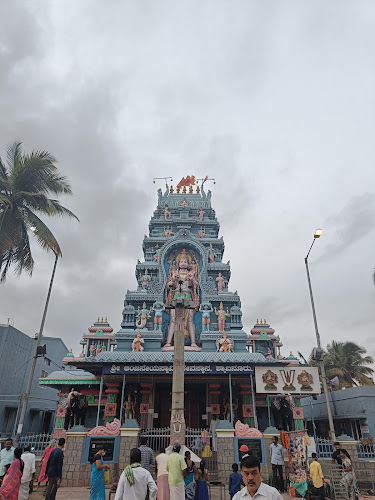
Shamanur
About Shamanur
Description
Shamanur offers travelers a genuine glimpse into the authentic rhythm of Karnataka's urban-rural interface, where traditional village life meets the expanding boundaries of Davanagere city. This settlement has transitioned from a standalone village to becoming an integral municipal ward within Davanagere's administrative framework, creating a fascinating blend that few tourists actively seek but many find unexpectedly rewarding. What makes Shamanur particularly interesting is how it functions as a living example of India's ongoing urbanization story. You won't find this place splattered across glossy travel brochures, and that's precisely what gives it character. The area maintains its village identity while simultaneously adapting to city infrastructure and amenities, creating a unique cultural ecosystem that appeals to travelers who've grown tired of overly commercialized destinations. I remember speaking with a fellow traveler in Bangalore who'd accidentally stumbled upon Shamanur while exploring Davanagere's outskirts. She described it as refreshingly unpretentious – a place where locals go about their daily business without the performance often associated with tourist-heavy areas. And honestly, that assessment rings true for anyone willing to venture beyond conventional sightseeing circuits. The ward's integration into Davanagere municipality means visitors benefit from urban conveniences while experiencing the slower pace and community-oriented lifestyle characteristic of Karnataka's villages. Local markets here showcase regional produce and handicrafts without inflated tourist pricing, temples maintain their devotional purpose rather than functioning primarily as photo opportunities, and street food vendors prepare meals for neighbors rather than catering specifically to outside palates.Key Features
- Authentic cultural experience showcasing the transition between traditional village life and modern urban development in Karnataka
- Access to local markets featuring regional agricultural products, textiles, and everyday items at genuine local prices
- Traditional architecture interspersed with newer constructions, providing visual documentation of changing building styles and materials
- Community temples and religious sites actively used by local residents, offering insight into daily spiritual practices
- Proximity to Davanagere city center while maintaining distinct neighborhood character and identity
- Opportunity to observe and participate in local festivals and celebrations without heavy tourist commercialization
- Street food culture representing authentic Davanagere and Karnataka cuisine prepared for local consumption
- Walking-friendly streets that allow for casual exploration and spontaneous interactions with residents
- Agricultural areas on the periphery where traditional farming practices continue alongside urban expansion
- Municipal facilities including schools, health centers, and community spaces that serve as social gathering points
Best Time to Visit
Planning your visit to Shamanur requires understanding Karnataka's climate patterns and local activity cycles. The most comfortable period stretches from October through February when temperatures range between 15 to 28 degrees Celsius. During these months, you'll find walking around the area pleasant rather than exhausting, which matters since exploring Shamanur really demands getting out and wandering through neighborhoods on foot. Winter months also coincide with several regional festivals that bring community life into sharper focus. Diwali celebrations here feel genuinely participatory rather than staged, and harvest festivals during January showcase agricultural traditions still practiced in surrounding areas. But don't expect organized tourist events – you'll need to be observant and willing to ask locals about upcoming celebrations. The monsoon season from June through September transforms the landscape dramatically. While rainfall makes the region lush and temperatures drop pleasantly, frequent showers can interrupt exploration plans. However, if you don't mind occasional downpours, monsoon visits offer their own rewards. Agricultural activities intensify, and you'll witness how traditional water management and farming practices respond to seasonal rains. Summer months between March and May bring intense heat, with temperatures sometimes exceeding 40 degrees Celsius. Unless you're particularly heat-tolerant or have specific reasons for visiting during this period, I'd recommend avoiding these months. The harsh sun makes midday exploration genuinely uncomfortable, and local activity naturally decreases during peak heat hours. Weekday visits tend to showcase normal rhythms better than weekends. Markets operate more actively, schools buzz with students, and community spaces reflect everyday usage patterns. Weekends aren't necessarily worse, just different – more family-oriented activities and somewhat quieter commercial areas. Timing your visit around local agricultural cycles adds another dimension. Harvest periods vary by crop but generally occur during late autumn and early winter. You'll see increased activity in peripheral farming areas and markets brimming with fresh seasonal produce.How to Get There
Reaching Shamanur is straightforward since it functions as part of Davanagere municipality. The primary gateway is Davanagere city itself, which connects well to major Karnataka destinations and beyond. By air, your nearest option is Mangalore International Airport, approximately 270 kilometers away. Alternatively, Kempegowda International Airport in Bangalore sits around 260 kilometers distant. Neither airport offers particularly quick access, so flying makes sense primarily if you're already planning multi-city Karnataka itineraries. From either airport, you'll need to arrange ground transportation to Davanagere. Rail connections to Davanagere work better for most travelers. Davanagere Railway Station serves as a junction on the important Hubli-Bangalore line, with regular trains from Bangalore, Hubli, Mysore, and other Karnataka cities. Several express trains also connect Davanagere with Mumbai, Goa, and other major Indian cities. From the railway station, Shamanur lies just a short auto-rickshaw or bus ride away. Road travel offers maximum flexibility. State-run KSRTC buses connect Davanagere with virtually every significant Karnataka town and neighboring states. The city sits along National Highway 48, making private vehicle travel equally viable. From Bangalore, the journey takes approximately 5-6 hours depending on traffic and route chosen. Once in Davanagere, reaching Shamanur requires minimal effort. Local buses serving various city routes pass through or near the ward regularly. Auto-rickshaws provide convenient point-to-point service and drivers generally know the area well. For travelers comfortable with app-based services, ride-sharing options function adequately in Davanagere, though availability might be less consistent than in larger cities. Walking from central Davanagere to Shamanur is entirely feasible for moderately fit travelers, though the distance and lack of dedicated pedestrian infrastructure make it more adventure than convenience. I'd suggest using motorized transport for initial arrival, then exploring Shamanur itself on foot.Tips for Visiting
Approaching Shamanur with appropriate expectations makes all the difference. This isn't a destination with entry tickets, guided tours, or visitor centers. You're essentially exploring a residential and commercial area where people live their regular lives, which requires sensitivity and awareness. Language considerations matter here. While Hindi has limited utility, Kannada dominates local communication. Learning basic Kannada phrases pays dividends – simple greetings, thank you, numbers for shopping, and directional questions. Locals appreciate even clumsy attempts at their language, and it opens interactions that would otherwise remain closed. English works in some shops and with younger residents, but assuming everyone speaks it will limit your experience. Dress modestly and practically. Shamanur isn't a conservative religious site with strict requirements, but it's a working community where respectful attire avoids unnecessary attention. Women should consider covering shoulders and avoiding very short bottoms. Men should skip tank tops. Comfortable walking shoes matter more than fashion since you'll be navigating varied terrain including unpaved paths and uneven surfaces. Photography requires discretion and permission. Taking photos of people without asking isn't just rude – it can generate genuine conflict. Always request permission before photographing individuals, homes, or commercial establishments. Many residents will agree cheerfully once asked, but assumptions of photographic entitlement won't serve you well. Carry cash in smaller denominations. Digital payment has penetrated even smaller communities across India, but cash remains king for many transactions. ATMs exist in Davanagere proper, but don't count on finding them within Shamanur itself. Having notes in 10, 20, 50, and 100 rupee denominations prevents the common problem of vendors lacking change for larger bills. Food adventurousness gets rewarded here. Street vendors and small eateries serve excellent regional specialties at prices that seem almost absurdly low to international visitors. Benne dosa, a local Davanagere specialty prepared with generous butter, appears throughout the area. Small hotels serve traditional Karnataka meals on banana leaves during lunch hours. Unless you have a particularly sensitive stomach, eating where locals eat provides both authentic cuisine and cultural insight. Hydration matters significantly, especially outside winter months. Carry a reusable water bottle and refill from packaged water sources. The combination of walking exploration and Karnataka's climate makes dehydration a real concern that sneaks up on unprepared visitors. Engage with residents respectfully and curiosity goes a long way. Shopkeepers, temple visitors, people sitting outside their homes – most prove willing to chat if approached with genuine interest rather than transactional intent. These informal conversations often reveal local history, customs, and perspectives that no guidebook captures. Timing your visit to coincide with local meal times can enhance your experience. Early morning sees fresh produce arriving at markets and street breakfast vendors setting up. Midday brings traditional lunch service at small hotels. Evening markets activate again with vegetables, snacks, and social activity. Consider hiring a local guide if your time is limited or language barriers seem overwhelming. While not commonly available as a formal service, inquiring at Davanagere hotels or through local contacts might connect you with someone willing to show you around for reasonable compensation. This arrangement benefits both parties – you gain insider access and perspective while providing income to a local resident. Finally, manage your connectivity expectations. Mobile networks generally function adequately, but you might encounter coverage gaps. Download offline maps before arriving and don't depend entirely on constant internet access for navigation or information.Key Features
- Authentic cultural experience showcasing the transition between traditional village life and modern urban development in Karnataka
- Access to local markets featuring regional agricultural products, textiles, and everyday items at genuine local prices
- Traditional architecture interspersed with newer constructions, providing visual documentation of changing building styles and materials
- Community temples and religious sites actively used by local residents, offering insight into daily spiritual practices
- Proximity to Davanagere city center while maintaining distinct neighborhood character and identity
- Opportunity to observe and participate in local festivals and celebrations without heavy tourist commercialization
- Street food culture representing authentic Davanagere and Karnataka cuisine prepared for local consumption
- Walking-friendly streets that allow for casual exploration and spontaneous interactions with residents
More Details
Updated March 30, 2026
Table of Contents
Description
Shamanur offers travelers a genuine glimpse into the authentic rhythm of Karnataka’s urban-rural interface, where traditional village life meets the expanding boundaries of Davanagere city. This settlement has transitioned from a standalone village to becoming an integral municipal ward within Davanagere’s administrative framework, creating a fascinating blend that few tourists actively seek but many find unexpectedly rewarding.
What makes Shamanur particularly interesting is how it functions as a living example of India’s ongoing urbanization story. You won’t find this place splattered across glossy travel brochures, and that’s precisely what gives it character. The area maintains its village identity while simultaneously adapting to city infrastructure and amenities, creating a unique cultural ecosystem that appeals to travelers who’ve grown tired of overly commercialized destinations.
I remember speaking with a fellow traveler in Bangalore who’d accidentally stumbled upon Shamanur while exploring Davanagere’s outskirts. She described it as refreshingly unpretentious – a place where locals go about their daily business without the performance often associated with tourist-heavy areas. And honestly, that assessment rings true for anyone willing to venture beyond conventional sightseeing circuits.
The ward’s integration into Davanagere municipality means visitors benefit from urban conveniences while experiencing the slower pace and community-oriented lifestyle characteristic of Karnataka’s villages. Local markets here showcase regional produce and handicrafts without inflated tourist pricing, temples maintain their devotional purpose rather than functioning primarily as photo opportunities, and street food vendors prepare meals for neighbors rather than catering specifically to outside palates.
Key Features
- Authentic cultural experience showcasing the transition between traditional village life and modern urban development in Karnataka
- Access to local markets featuring regional agricultural products, textiles, and everyday items at genuine local prices
- Traditional architecture interspersed with newer constructions, providing visual documentation of changing building styles and materials
- Community temples and religious sites actively used by local residents, offering insight into daily spiritual practices
- Proximity to Davanagere city center while maintaining distinct neighborhood character and identity
- Opportunity to observe and participate in local festivals and celebrations without heavy tourist commercialization
- Street food culture representing authentic Davanagere and Karnataka cuisine prepared for local consumption
- Walking-friendly streets that allow for casual exploration and spontaneous interactions with residents
- Agricultural areas on the periphery where traditional farming practices continue alongside urban expansion
- Municipal facilities including schools, health centers, and community spaces that serve as social gathering points
Best Time to Visit
Planning your visit to Shamanur requires understanding Karnataka’s climate patterns and local activity cycles. The most comfortable period stretches from October through February when temperatures range between 15 to 28 degrees Celsius. During these months, you’ll find walking around the area pleasant rather than exhausting, which matters since exploring Shamanur really demands getting out and wandering through neighborhoods on foot.
Winter months also coincide with several regional festivals that bring community life into sharper focus. Diwali celebrations here feel genuinely participatory rather than staged, and harvest festivals during January showcase agricultural traditions still practiced in surrounding areas. But don’t expect organized tourist events – you’ll need to be observant and willing to ask locals about upcoming celebrations.
The monsoon season from June through September transforms the landscape dramatically. While rainfall makes the region lush and temperatures drop pleasantly, frequent showers can interrupt exploration plans. However, if you don’t mind occasional downpours, monsoon visits offer their own rewards. Agricultural activities intensify, and you’ll witness how traditional water management and farming practices respond to seasonal rains.
Summer months between March and May bring intense heat, with temperatures sometimes exceeding 40 degrees Celsius. Unless you’re particularly heat-tolerant or have specific reasons for visiting during this period, I’d recommend avoiding these months. The harsh sun makes midday exploration genuinely uncomfortable, and local activity naturally decreases during peak heat hours.
Weekday visits tend to showcase normal rhythms better than weekends. Markets operate more actively, schools buzz with students, and community spaces reflect everyday usage patterns. Weekends aren’t necessarily worse, just different – more family-oriented activities and somewhat quieter commercial areas.
Timing your visit around local agricultural cycles adds another dimension. Harvest periods vary by crop but generally occur during late autumn and early winter. You’ll see increased activity in peripheral farming areas and markets brimming with fresh seasonal produce.
How to Get There
Reaching Shamanur is straightforward since it functions as part of Davanagere municipality. The primary gateway is Davanagere city itself, which connects well to major Karnataka destinations and beyond.
By air, your nearest option is Mangalore International Airport, approximately 270 kilometers away. Alternatively, Kempegowda International Airport in Bangalore sits around 260 kilometers distant. Neither airport offers particularly quick access, so flying makes sense primarily if you’re already planning multi-city Karnataka itineraries. From either airport, you’ll need to arrange ground transportation to Davanagere.
Rail connections to Davanagere work better for most travelers. Davanagere Railway Station serves as a junction on the important Hubli-Bangalore line, with regular trains from Bangalore, Hubli, Mysore, and other Karnataka cities. Several express trains also connect Davanagere with Mumbai, Goa, and other major Indian cities. From the railway station, Shamanur lies just a short auto-rickshaw or bus ride away.
Road travel offers maximum flexibility. State-run KSRTC buses connect Davanagere with virtually every significant Karnataka town and neighboring states. The city sits along National Highway 48, making private vehicle travel equally viable. From Bangalore, the journey takes approximately 5-6 hours depending on traffic and route chosen.
Once in Davanagere, reaching Shamanur requires minimal effort. Local buses serving various city routes pass through or near the ward regularly. Auto-rickshaws provide convenient point-to-point service and drivers generally know the area well. For travelers comfortable with app-based services, ride-sharing options function adequately in Davanagere, though availability might be less consistent than in larger cities.
Walking from central Davanagere to Shamanur is entirely feasible for moderately fit travelers, though the distance and lack of dedicated pedestrian infrastructure make it more adventure than convenience. I’d suggest using motorized transport for initial arrival, then exploring Shamanur itself on foot.
Tips for Visiting
Approaching Shamanur with appropriate expectations makes all the difference. This isn’t a destination with entry tickets, guided tours, or visitor centers. You’re essentially exploring a residential and commercial area where people live their regular lives, which requires sensitivity and awareness.
Language considerations matter here. While Hindi has limited utility, Kannada dominates local communication. Learning basic Kannada phrases pays dividends – simple greetings, thank you, numbers for shopping, and directional questions. Locals appreciate even clumsy attempts at their language, and it opens interactions that would otherwise remain closed. English works in some shops and with younger residents, but assuming everyone speaks it will limit your experience.
Dress modestly and practically. Shamanur isn’t a conservative religious site with strict requirements, but it’s a working community where respectful attire avoids unnecessary attention. Women should consider covering shoulders and avoiding very short bottoms. Men should skip tank tops. Comfortable walking shoes matter more than fashion since you’ll be navigating varied terrain including unpaved paths and uneven surfaces.
Photography requires discretion and permission. Taking photos of people without asking isn’t just rude – it can generate genuine conflict. Always request permission before photographing individuals, homes, or commercial establishments. Many residents will agree cheerfully once asked, but assumptions of photographic entitlement won’t serve you well.
Carry cash in smaller denominations. Digital payment has penetrated even smaller communities across India, but cash remains king for many transactions. ATMs exist in Davanagere proper, but don’t count on finding them within Shamanur itself. Having notes in 10, 20, 50, and 100 rupee denominations prevents the common problem of vendors lacking change for larger bills.
Food adventurousness gets rewarded here. Street vendors and small eateries serve excellent regional specialties at prices that seem almost absurdly low to international visitors. Benne dosa, a local Davanagere specialty prepared with generous butter, appears throughout the area. Small hotels serve traditional Karnataka meals on banana leaves during lunch hours. Unless you have a particularly sensitive stomach, eating where locals eat provides both authentic cuisine and cultural insight.
Hydration matters significantly, especially outside winter months. Carry a reusable water bottle and refill from packaged water sources. The combination of walking exploration and Karnataka’s climate makes dehydration a real concern that sneaks up on unprepared visitors.
Engage with residents respectfully and curiosity goes a long way. Shopkeepers, temple visitors, people sitting outside their homes – most prove willing to chat if approached with genuine interest rather than transactional intent. These informal conversations often reveal local history, customs, and perspectives that no guidebook captures.
Timing your visit to coincide with local meal times can enhance your experience. Early morning sees fresh produce arriving at markets and street breakfast vendors setting up. Midday brings traditional lunch service at small hotels. Evening markets activate again with vegetables, snacks, and social activity.
Consider hiring a local guide if your time is limited or language barriers seem overwhelming. While not commonly available as a formal service, inquiring at Davanagere hotels or through local contacts might connect you with someone willing to show you around for reasonable compensation. This arrangement benefits both parties – you gain insider access and perspective while providing income to a local resident.
Finally, manage your connectivity expectations. Mobile networks generally function adequately, but you might encounter coverage gaps. Download offline maps before arriving and don’t depend entirely on constant internet access for navigation or information.
Key Highlights
- Authentic cultural experience showcasing the transition between traditional village life and modern urban development in Karnataka
- Access to local markets featuring regional agricultural products, textiles, and everyday items at genuine local prices
- Traditional architecture interspersed with newer constructions, providing visual documentation of changing building styles and materials
- Community temples and religious sites actively used by local residents, offering insight into daily spiritual practices
- Proximity to Davanagere city center while maintaining distinct neighborhood character and identity
- Opportunity to observe and participate in local festivals and celebrations without heavy tourist commercialization
- Street food culture representing authentic Davanagere and Karnataka cuisine prepared for local consumption
- Walking-friendly streets that allow for casual exploration and spontaneous interactions with residents
Location
Places to Stay Near Shamanur
Find and Book a Tour
Explore More Travel Guides
No reviews found! Be the first to review!
Shamanur is a prominent Attractions located in Davanagere.
Traveler Reviews for Shamanur
There are no reviews yet. Be the first one to write one.
Have you visited Shamanur? Help other travelers by sharing your review.
You Might Also Like

Visveswaraya Walking & Reading Park || P.J Extension || Shamanur Road || Daavanagere
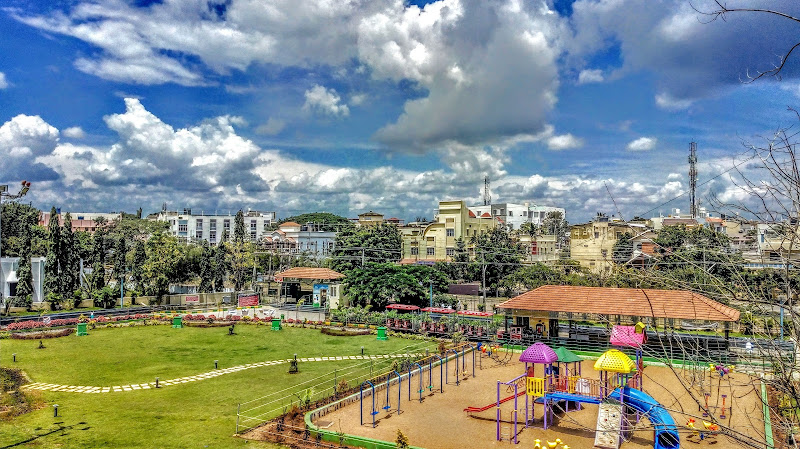
Davanagere
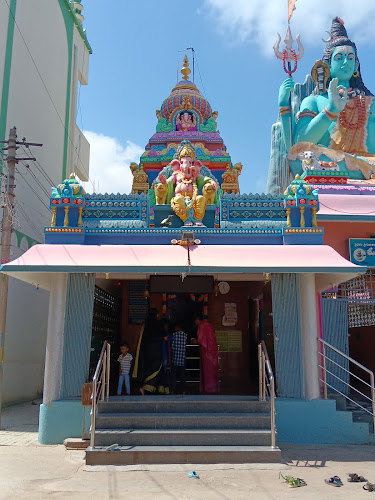
Eshwara Temple
Find Accommodations Nearby
Recommended Tours & Activities
Visitor Reviews
There are no reviews yet. Be the first one to write one.
Share Your Experience
Have you visited Shamanur? Help other travelers by leaving a review.