

About D
Description
When you're wandering through the streets looking for that perfect street food fix, there's something almost magical about stumbling upon a panipuri shop that just gets it right. This particular spot has built its reputation on doing one thing exceptionally well – serving up those crispy, flavor-packed spheres of pure joy that Indians have been obsessing over for generations. The beauty of a dedicated panipuri shop lies in its singular focus. While other food vendors might spread themselves thin trying to master twenty different snacks, this place puts all its energy into perfecting that delicate balance of crispy puri, tangy tamarind water, spicy green chutney, and perfectly seasoned filling. And honestly, that's exactly what you want when you're craving panipuri – someone who knows their craft inside out. I remember the first time I really understood what made a great panipuri shop different from an average one. It was the freshness of the puris, the way they shattered with that satisfying crunch when you bit down, and how the flavored water wasn't just spicy or just sweet but had these layers of taste that kept you coming back for more. That's the kind of experience travelers and locals alike seek out when they visit this spot. The shop operates with that efficient rhythm you see in well-established street food joints. The vendor's hands move with practiced precision, assembling each puri with just the right amount of filling, dunking it in the perfectly spiced water, and handing it over at that exact moment when everything is at peak freshness. There's almost a performance quality to it, watching someone who's done this thousands of times still treating each piece with care.Key Features
What sets this panipuri destination apart from the countless others scattered across the region? Here's what makes it worth seeking out:- Specialized focus on panipuri preparation ensures consistent quality and authentic taste that dedicated street food enthusiasts appreciate
- Fresh preparation methods mean puris are made throughout the day, maintaining that essential crispiness that separates memorable panipuri from forgettable ones
- Multiple water options typically available, including the classic tamarind-based imli pani and the spicier green coriander version for those who like extra heat
- Affordable pricing structure that reflects street food economics, allowing travelers to indulge without worrying about their budget
- Quick service model perfect for travelers on tight schedules who still want to experience authentic local flavors
- Standing or limited seating arrangement that creates that authentic street food atmosphere you can't replicate in fancy restaurants
- Location accessibility that makes it convenient for both planned visits and spontaneous cravings
- Customization possibilities where vendors adjust spice levels and ingredients based on individual preferences
Best Time to Visit
Timing your visit to a panipuri shop might seem trivial, but trust me, it makes a real difference to your experience. The late afternoon and early evening hours, roughly between 4 PM and 7 PM, tend to be when these shops hit their stride. The vendor has found their rhythm for the day, fresh batches of puris are coming out regularly, and the flavored waters have had time to develop their full complexity of flavors. But here's the thing – those peak hours also mean crowds. If you're the type who doesn't mind waiting a bit and actually enjoys the buzz of people gathered around a popular food stall, then by all means dive into the evening rush. There's something communal about standing shoulder-to-shoulder with locals, all united in your love for good panipuri. However, if crowds make you anxious or you're traveling with kids who get impatient, consider visiting during the mid-afternoon lull around 3 PM or 3:30 PM. Weather plays a surprisingly important role too. Panipuri is one of those snacks that hits different depending on the temperature. On hot summer days, that cool, tangy water provides genuine relief alongside the flavor explosion. Monsoon season brings its own charm, though you'll want to be a bit more cautious about hygiene factors during heavy rains. Winter evenings are probably my personal favorite time for panipuri – there's something about the crisp air that makes those spicy, tangy flavors pop even more. Avoid visiting right after the shop opens for the day. The waters might not have fully infused yet, and the operation hasn't warmed up to full efficiency. Similarly, very late visits might mean they're running low on ingredients or the vendor is rushing to close up. Weekends naturally see more foot traffic than weekdays, which could mean either longer waits or a more energetic atmosphere, depending on how you look at it. For travelers trying to experience local life, weekend visits offer better people-watching opportunities and a more festive vibe.How to Get There
Getting to a panipuri shop requires a bit of that adventurous spirit that makes travel worthwhile. These aren't typically marked on tourist maps or featured in glossy travel brochures, which is part of their charm. Your best bet is using location-based mobile apps that can guide you turn-by-turn, though don't be surprised if you need to ask locals for final directions once you're in the general vicinity. Local transportation options work best for reaching street food destinations like this. Auto-rickshaws and cycle-rickshaws can navigate the narrower streets where many panipuri vendors set up shop, and the drivers often know popular food spots better than any GPS. If you're using app-based taxi services, you might need to walk the last few minutes since these shops are frequently in pedestrian-heavy areas where cars can't easily stop. Walking is actually my recommended approach if you're already in the general neighborhood. It lets you soak in the street life, spot other interesting food vendors along the way, and work up a proper appetite. Plus, you're less likely to overshoot the location, which happens more often than you'd think when you're watching a GPS screen instead of the actual street. For first-time visitors to the area, asking locals is surprisingly effective. Food vendors usually have solid reputations in their neighborhoods, and shopkeepers or residents can point you in the right direction. Just learning how to say "panipuri" with the local pronunciation will get you far. Public transportation can work if there's a bus or metro stop nearby, but you'll likely still need to combine it with some walking or a short rickshaw ride. The good news is that panipuri shops tend to be in areas with decent foot traffic, meaning they're generally accessible and located near other landmarks.Tips for Visiting
Let me share some practical wisdom I've picked up from countless panipuri experiences. First off, go hungry but not starving. You want enough appetite to truly enjoy the flavors, but if you're desperately hungry, you might rush through the experience and miss the nuances. Hygiene awareness is important without being paranoid about it. Look for vendors who maintain clean workspaces, use filtered water for their preparations, and handle money separately from food. A busy shop with high turnover is usually a good sign – it means ingredients are fresh and locals trust the quality. Don't be shy about customizing your order. Most vendors are happy to adjust spice levels, make some puris with only certain fillings, or serve the tamarind and coriander waters separately if you want to control the intensity. Communication might require some gestures if there's a language barrier, but food vendors are generally skilled at understanding what customers want. Cash is king at street food stalls. Have small denominations ready because making change for large bills can be difficult for vendors. This also speeds up the transaction and shows respect for how these businesses operate. Pace yourself. Panipuri is usually sold in sets of six or eight, and it's tempting to immediately order another round. But the flavors are intense, and your palate can get overwhelmed. Take a moment between rounds, maybe have a sip of water, then decide if you want more. Watch your belongings. When you're focused on eating and your hands are occupied, it's easy to forget about bags or phones. Keep valuables secure and stay aware of your surroundings, especially in crowded areas. For travelers with sensitive stomachs, starting with a smaller order makes sense. Street food can take some adjustment if you're not used to it, and there's no shame in being cautious. You can always come back if everything sits well. Timing your visit for when you don't have immediate plans afterward is wise. The combination of spicy, tangy foods and potentially unfamiliar ingredients sometimes takes a while to settle, and you don't want to be rushing to a meeting or getting on a long bus ride. Photography is fine, but be respectful about it. Ask permission if you're photographing the vendor directly, and don't let documenting the experience prevent you from actually living it. Some of my best food memories exist only in my mind because I was too busy enjoying them to worry about getting the perfect shot. Finally, embrace the standing-and-eating culture. This isn't a sit-down dining experience, and that's exactly the point. There's a certain democracy to everyone standing around, focused on the same delicious food, that captures something essential about street food culture that travelers should absolutely experience.Key Features
- Specialized focus on panipuri preparation ensures consistent quality and authentic taste that dedicated street food enthusiasts appreciate
- Fresh preparation methods mean puris are made throughout the day, maintaining that essential crispiness that separates memorable panipuri from forgettable ones
- Multiple water options typically available, including the classic tamarind-based imli pani and the spicier green coriander version for those who like extra heat
- Affordable pricing structure that reflects street food economics, allowing travelers to indulge without worrying about their budget
- Quick service model perfect for travelers on tight schedules who still want to experience authentic local flavors
- Standing or limited seating arrangement that creates that authentic street food atmosphere you can't replicate in fancy restaurants
- Location accessibility that makes it convenient for both planned visits and spontaneous cravings
- Customization possibilities where vendors adjust spice levels and ingredients based on individual preferences
More Details
Updated March 30, 2026
Table of Contents
Description
When you’re wandering through the streets looking for that perfect street food fix, there’s something almost magical about stumbling upon a panipuri shop that just gets it right. This particular spot has built its reputation on doing one thing exceptionally well – serving up those crispy, flavor-packed spheres of pure joy that Indians have been obsessing over for generations.
The beauty of a dedicated panipuri shop lies in its singular focus. While other food vendors might spread themselves thin trying to master twenty different snacks, this place puts all its energy into perfecting that delicate balance of crispy puri, tangy tamarind water, spicy green chutney, and perfectly seasoned filling. And honestly, that’s exactly what you want when you’re craving panipuri – someone who knows their craft inside out.
I remember the first time I really understood what made a great panipuri shop different from an average one. It was the freshness of the puris, the way they shattered with that satisfying crunch when you bit down, and how the flavored water wasn’t just spicy or just sweet but had these layers of taste that kept you coming back for more. That’s the kind of experience travelers and locals alike seek out when they visit this spot.
The shop operates with that efficient rhythm you see in well-established street food joints. The vendor’s hands move with practiced precision, assembling each puri with just the right amount of filling, dunking it in the perfectly spiced water, and handing it over at that exact moment when everything is at peak freshness. There’s almost a performance quality to it, watching someone who’s done this thousands of times still treating each piece with care.
Key Features
What sets this panipuri destination apart from the countless others scattered across the region? Here’s what makes it worth seeking out:
- Specialized focus on panipuri preparation ensures consistent quality and authentic taste that dedicated street food enthusiasts appreciate
- Fresh preparation methods mean puris are made throughout the day, maintaining that essential crispiness that separates memorable panipuri from forgettable ones
- Multiple water options typically available, including the classic tamarind-based imli pani and the spicier green coriander version for those who like extra heat
- Affordable pricing structure that reflects street food economics, allowing travelers to indulge without worrying about their budget
- Quick service model perfect for travelers on tight schedules who still want to experience authentic local flavors
- Standing or limited seating arrangement that creates that authentic street food atmosphere you can’t replicate in fancy restaurants
- Location accessibility that makes it convenient for both planned visits and spontaneous cravings
- Customization possibilities where vendors adjust spice levels and ingredients based on individual preferences
Best Time to Visit
Timing your visit to a panipuri shop might seem trivial, but trust me, it makes a real difference to your experience. The late afternoon and early evening hours, roughly between 4 PM and 7 PM, tend to be when these shops hit their stride. The vendor has found their rhythm for the day, fresh batches of puris are coming out regularly, and the flavored waters have had time to develop their full complexity of flavors.
But here’s the thing – those peak hours also mean crowds. If you’re the type who doesn’t mind waiting a bit and actually enjoys the buzz of people gathered around a popular food stall, then by all means dive into the evening rush. There’s something communal about standing shoulder-to-shoulder with locals, all united in your love for good panipuri. However, if crowds make you anxious or you’re traveling with kids who get impatient, consider visiting during the mid-afternoon lull around 3 PM or 3:30 PM.
Weather plays a surprisingly important role too. Panipuri is one of those snacks that hits different depending on the temperature. On hot summer days, that cool, tangy water provides genuine relief alongside the flavor explosion. Monsoon season brings its own charm, though you’ll want to be a bit more cautious about hygiene factors during heavy rains. Winter evenings are probably my personal favorite time for panipuri – there’s something about the crisp air that makes those spicy, tangy flavors pop even more.
Avoid visiting right after the shop opens for the day. The waters might not have fully infused yet, and the operation hasn’t warmed up to full efficiency. Similarly, very late visits might mean they’re running low on ingredients or the vendor is rushing to close up.
Weekends naturally see more foot traffic than weekdays, which could mean either longer waits or a more energetic atmosphere, depending on how you look at it. For travelers trying to experience local life, weekend visits offer better people-watching opportunities and a more festive vibe.
How to Get There
Getting to a panipuri shop requires a bit of that adventurous spirit that makes travel worthwhile. These aren’t typically marked on tourist maps or featured in glossy travel brochures, which is part of their charm. Your best bet is using location-based mobile apps that can guide you turn-by-turn, though don’t be surprised if you need to ask locals for final directions once you’re in the general vicinity.
Local transportation options work best for reaching street food destinations like this. Auto-rickshaws and cycle-rickshaws can navigate the narrower streets where many panipuri vendors set up shop, and the drivers often know popular food spots better than any GPS. If you’re using app-based taxi services, you might need to walk the last few minutes since these shops are frequently in pedestrian-heavy areas where cars can’t easily stop.
Walking is actually my recommended approach if you’re already in the general neighborhood. It lets you soak in the street life, spot other interesting food vendors along the way, and work up a proper appetite. Plus, you’re less likely to overshoot the location, which happens more often than you’d think when you’re watching a GPS screen instead of the actual street.
For first-time visitors to the area, asking locals is surprisingly effective. Food vendors usually have solid reputations in their neighborhoods, and shopkeepers or residents can point you in the right direction. Just learning how to say “panipuri” with the local pronunciation will get you far.
Public transportation can work if there’s a bus or metro stop nearby, but you’ll likely still need to combine it with some walking or a short rickshaw ride. The good news is that panipuri shops tend to be in areas with decent foot traffic, meaning they’re generally accessible and located near other landmarks.
Tips for Visiting
Let me share some practical wisdom I’ve picked up from countless panipuri experiences. First off, go hungry but not starving. You want enough appetite to truly enjoy the flavors, but if you’re desperately hungry, you might rush through the experience and miss the nuances.
Hygiene awareness is important without being paranoid about it. Look for vendors who maintain clean workspaces, use filtered water for their preparations, and handle money separately from food. A busy shop with high turnover is usually a good sign – it means ingredients are fresh and locals trust the quality.
Don’t be shy about customizing your order. Most vendors are happy to adjust spice levels, make some puris with only certain fillings, or serve the tamarind and coriander waters separately if you want to control the intensity. Communication might require some gestures if there’s a language barrier, but food vendors are generally skilled at understanding what customers want.
Cash is king at street food stalls. Have small denominations ready because making change for large bills can be difficult for vendors. This also speeds up the transaction and shows respect for how these businesses operate.
Pace yourself. Panipuri is usually sold in sets of six or eight, and it’s tempting to immediately order another round. But the flavors are intense, and your palate can get overwhelmed. Take a moment between rounds, maybe have a sip of water, then decide if you want more.
Watch your belongings. When you’re focused on eating and your hands are occupied, it’s easy to forget about bags or phones. Keep valuables secure and stay aware of your surroundings, especially in crowded areas.
For travelers with sensitive stomachs, starting with a smaller order makes sense. Street food can take some adjustment if you’re not used to it, and there’s no shame in being cautious. You can always come back if everything sits well.
Timing your visit for when you don’t have immediate plans afterward is wise. The combination of spicy, tangy foods and potentially unfamiliar ingredients sometimes takes a while to settle, and you don’t want to be rushing to a meeting or getting on a long bus ride.
Photography is fine, but be respectful about it. Ask permission if you’re photographing the vendor directly, and don’t let documenting the experience prevent you from actually living it. Some of my best food memories exist only in my mind because I was too busy enjoying them to worry about getting the perfect shot.
Finally, embrace the standing-and-eating culture. This isn’t a sit-down dining experience, and that’s exactly the point. There’s a certain democracy to everyone standing around, focused on the same delicious food, that captures something essential about street food culture that travelers should absolutely experience.
Key Highlights
- Specialized focus on panipuri preparation ensures consistent quality and authentic taste that dedicated street food enthusiasts appreciate
- Fresh preparation methods mean puris are made throughout the day, maintaining that essential crispiness that separates memorable panipuri from forgettable ones
- Multiple water options typically available, including the classic tamarind-based imli pani and the spicier green coriander version for those who like extra heat
- Affordable pricing structure that reflects street food economics, allowing travelers to indulge without worrying about their budget
- Quick service model perfect for travelers on tight schedules who still want to experience authentic local flavors
- Standing or limited seating arrangement that creates that authentic street food atmosphere you can't replicate in fancy restaurants
- Location accessibility that makes it convenient for both planned visits and spontaneous cravings
- Customization possibilities where vendors adjust spice levels and ingredients based on individual preferences
Location
Places to Stay Near D
Find and Book a Tour
Explore More Travel Guides
No reviews found! Be the first to review!
D is a prominent Panipuri shop located in Davanagere.
Visit us at: FW7C+QP6, KTJ Nagar, Nittuvalli, Davanagere, Karnataka 577002 インド.
Traveler Reviews for D
There are no reviews yet. Be the first one to write one.
Have you visited D? Help other travelers by sharing your review.
You Might Also Like
Shamanur

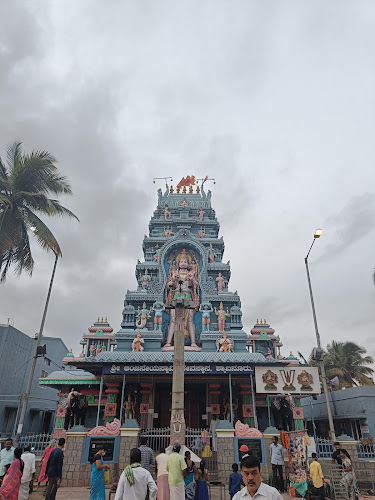
Shri Anjaneya Swamy Temple || Shamanur || Daavanagere

Eshwara Temple
Find Accommodations Nearby
Recommended Tours & Activities
Visitor Reviews
There are no reviews yet. Be the first one to write one.
Share Your Experience
Have you visited D? Help other travelers by leaving a review.