
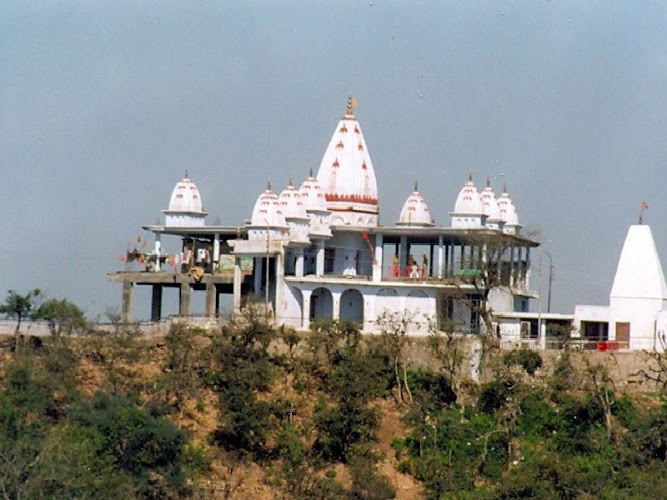
Maha Maya Temple
About Maha Maya Temple
Description
The Maha Maya Temple stands as one of those sacred spaces that somehow manages to capture both devotional intensity and architectural brilliance in equal measure. When travelers think about exploring Hindu temples in India, they often gravitate toward the more famous destinations, but this particular temple offers something genuinely different - a chance to witness faith in its most authentic form without fighting through massive tourist crowds. I've visited quite a few temples during my travels across the country, and what struck me most about Maha Maya Temple was how it manages to preserve its spiritual atmosphere even while welcoming visitors from around the world. The temple dedicated to Goddess Maya carries centuries of history within its walls, and you can feel that weight the moment you step into the complex. There's this palpable sense of continuity here - generations of devotees have walked the same paths, touched the same stones, and offered their prayers to the divine feminine energy that the temple represents. The architecture itself deserves serious attention. The temple showcases intricate carvings that tell stories from Hindu mythology, each panel revealing layers of meaning if you take the time to really look. And honestly, you should take that time because these details are what separate a quick temple visit from a genuinely enriching cultural experience. The craftsmanship reflects an era when temple construction was considered the highest form of artistic expression, where artisans poured their devotion into every chisel mark. What makes Maha Maya Temple particularly special is its connection to local community life. This isn't just a monument preserved for tourists - it's a living, breathing place of worship where daily rituals continue as they have for generations. You'll witness morning aartis, see families bringing offerings, and observe priests performing ceremonies that follow ancient Vedic traditions. That authenticity is increasingly rare in our modern world.Key Features
The Maha Maya Temple presents several distinctive elements that make it worth including in any spiritual or cultural itinerary: • Architectural Excellence - The temple structure showcases traditional Hindu temple architecture with ornate pillars, detailed ceiling work, and stone carvings that demonstrate exceptional craftsmanship from historical periods • Goddess Maya Deity - The main sanctum houses the deity of Goddess Maya, an important manifestation of divine feminine energy in Hindu philosophy, attracting devotees seeking blessings for prosperity and protection • Daily Ritual Ceremonies - Multiple aarti ceremonies occur throughout the day, with the morning and evening rituals being particularly elaborate and atmospheric for visitors wanting to experience authentic worship practices • Ancient Stone Inscriptions - Several inscriptions within the temple complex provide historical context about the temple's origins, patronage, and religious significance across different dynasties • Peaceful Temple Grounds - The surrounding courtyard and garden areas offer quiet spaces for meditation and reflection away from the main worship hall • Local Devotee Presence - Unlike some temples that have become primarily tourist attractions, Maha Maya Temple maintains strong local community participation, creating genuine spiritual atmosphere • Festival Celebrations - The temple comes alive during specific Hindu festivals dedicated to the Goddess, with elaborate decorations, extended worship hours, and cultural programs • Photographic Opportunities - The temple's aesthetic qualities, particularly during golden hour, provide excellent subjects for photography enthusiasts while respecting worship restrictionsBest Time to Visit
Timing your visit to Maha Maya Temple can significantly impact your experience, and I'm gonna be straight with you - not all seasons are created equal when it comes to temple visits in India. The ideal months fall between October and March when the weather cooperates with your sightseeing plans. During this period, temperatures remain comfortable enough that you can actually enjoy walking around the temple complex without feeling like you're melting into the stone pathways. I learned this lesson the hard way during a summer temple visit years ago - standing in line under the scorching sun while wearing appropriate modest clothing isn't exactly my definition of spiritual enlightenment. Winter mornings at the temple offer something truly special. The early morning aarti around sunrise creates this almost magical atmosphere when the air is still cool and fresh. You'll find fewer crowds at this hour too, which means you can actually take your time observing the rituals without being rushed along by the press of people behind you. But here's the thing - if you want to experience the temple at its most energetic and culturally rich, plan your visit around major festivals dedicated to the Goddess. Navratri stands out as the premier celebration period when the temple undergoes complete transformation with decorations, special pujas, and devotional music that continues well into the night. The atmosphere during these nine nights is absolutely electric with devotion and celebration. Just be prepared for significantly larger crowds and longer wait times for darshan. Monsoon season from July to September presents a mixed bag. The temple looks absolutely gorgeous with rain-washed stones and lush greenery, and there's something romantic about visiting sacred spaces during rainfall. However, travel logistics can get complicated with weather-related delays, and slippery temple floors require extra caution. Avoid visiting during major national holidays if you prefer a more contemplative experience. The temple sees significant visitor spikes during these periods, which can detract from the peaceful atmosphere that makes it special.How to Get There
Getting to Maha Maya Temple requires some planning, but it's definitely achievable for travelers of varying experience levels. The temple's accessibility has improved significantly over recent years, making it easier for both domestic and international visitors to include it in their itineraries. For those flying in, the nearest airport typically serves as your entry point into the region. From there, you're looking at ground transportation options including taxis, ride-sharing services, or pre-arranged private vehicles. I always recommend booking your airport transfer in advance, especially if you're arriving during odd hours or aren't comfortable negotiating fares in a new place. Rail connectivity offers another solid option for reaching the temple area. India's railway network is extensive, and trains provide an economical and culturally immersive way to travel. The nearest railway station connects to major cities across the country, and from there you can hire local transport for the final leg of your journey. Just fair warning - train schedules in India require a bit of patience and flexibility, but that's part of the adventure. Local transportation around the temple area includes auto-rickshaws, cycle-rickshaws, and local buses. Auto-rickshaws work well for shorter distances and give you flexibility, though you'll want to agree on fares before starting your journey. Some travelers feel uncomfortable with the negotiation aspect, but honestly, it becomes easier with practice, and most drivers are genuinely helpful once you establish that basic communication. If you're the type who values convenience over budget considerations, hiring a car with driver for the day provides comfort and eliminates transportation stress. This option works particularly well if you're planning to visit multiple sites in the area or traveling with family members who might struggle with public transportation. The roads leading to the temple are generally in decent condition, though traffic patterns can get chaotic during peak hours and festival periods. Factor in extra travel time during these busy periods so you don't miss important ceremonies or find yourself rushing through your visit.Tips for Visiting
Making the most of your Maha Maya Temple visit involves more than just showing up - a little preparation goes a long way toward ensuring a meaningful and respectful experience. Dress conservatively, and I really can't emphasize this enough. Both men and women should wear clothing that covers shoulders and knees at minimum. Many temples enforce these dress codes strictly, and you don't want to get turned away at the entrance after traveling all that way. Lightweight, breathable fabrics work best since you'll likely be spending time outdoors. And wear shoes that slip off easily because you'll be removing them before entering the main temple areas. Timing your arrival makes a huge difference. Early morning visits around 6-7 AM offer the calmest atmosphere and coolest temperatures. You'll share the space primarily with local devotees performing their daily worship, which provides authentic cultural insight. Late afternoon around 5-6 PM works as a second-best option, particularly if you want to attend the evening aarti ceremony. Photography rules deserve careful attention. While the temple exterior and courtyard areas generally allow photography, the inner sanctum typically prohibits it. Always ask permission before photographing priests, ceremonies, or other devotees. I've seen too many travelers create awkward situations by assuming they can photograph everything - respect the sacred nature of the space and the privacy of worshippers. Bring modest amounts of cash for donations, prasad (religious offerings), and small purchases from vendors near the temple. Most temple areas don't accept cards, and ATMs might not be immediately nearby. Small denomination bills make transactions easier and prevent the "no change available" problem that inevitably crops up. Remove your shoes at designated areas and keep track of them - either carry them with you if allowed or use the shoe storage facilities provided. Feet are considered ritually impure in Hindu tradition, so pointing your feet toward deities or stepping over religious items is disrespectful. These cultural nuances matter more than most guidebooks acknowledge. Stay hydrated but be mindful about where you eat and drink. Consuming food or water inside the main temple area is typically prohibited. Plan your meals around your visit, and carry a water bottle to use outside the temple complex. The area around most temples has vendors selling snacks and beverages, though quality varies considerably. Participate respectfully in rituals if you're comfortable doing so. Temple priests often offer blessings to visitors regardless of their religious background. Accepting these blessings involves cupping your hands to receive prasad or tilak (sacred mark on the forehead) - simple gestures that show cultural openness and respect. Mind your belongings in crowded areas. While most visitors and devotees are genuine, crowded temple spaces can unfortunately attract pickpockets. Keep valuables secure and maintain awareness of your surroundings, particularly during festivals when crowds intensify. Consider hiring a local guide if you want deeper understanding of the temple's history, mythology, and architectural features. Knowledgeable guides can explain the significance of specific carvings, rituals, and stories that you'd otherwise miss. This investment typically pays off in enriched understanding and appreciation. Be patient with temple customs and procedures. Things might not operate on strict schedules, queues might seem disorganized by Western standards, and ceremonies might start later than announced. That flexibility is part of the cultural experience - fighting against it only creates frustration for everyone involved. Finally, approach your visit with genuine openness and respect. The Maha Maya Temple isn't just another tourist attraction to check off your list - it's a living spiritual center that holds deep meaning for countless devotees. Your willingness to engage thoughtfully with that sacred dimension transforms a simple sightseeing stop into genuine cultural exchange and personal enrichment.Key Features
- Shrine dedicated to a local Dogra heroine (Maha Maya) with associated folk legend
- Scenic hillock location overlooking the Tawi River offering panoramic views
- Close proximity to Bahu Fort and historic Jammu landmarks
- Intimate, small-scale temple atmosphere popular with local devotees
- Accessible approach with pathways and nearby ropeway for elevated views
More Details
Updated March 30, 2026
Table of Contents
Description
The Maha Maya Temple stands as one of those sacred spaces that somehow manages to capture both devotional intensity and architectural brilliance in equal measure. When travelers think about exploring Hindu temples in India, they often gravitate toward the more famous destinations, but this particular temple offers something genuinely different – a chance to witness faith in its most authentic form without fighting through massive tourist crowds.
I’ve visited quite a few temples during my travels across the country, and what struck me most about Maha Maya Temple was how it manages to preserve its spiritual atmosphere even while welcoming visitors from around the world. The temple dedicated to Goddess Maya carries centuries of history within its walls, and you can feel that weight the moment you step into the complex. There’s this palpable sense of continuity here – generations of devotees have walked the same paths, touched the same stones, and offered their prayers to the divine feminine energy that the temple represents.
The architecture itself deserves serious attention. The temple showcases intricate carvings that tell stories from Hindu mythology, each panel revealing layers of meaning if you take the time to really look. And honestly, you should take that time because these details are what separate a quick temple visit from a genuinely enriching cultural experience. The craftsmanship reflects an era when temple construction was considered the highest form of artistic expression, where artisans poured their devotion into every chisel mark.
What makes Maha Maya Temple particularly special is its connection to local community life. This isn’t just a monument preserved for tourists – it’s a living, breathing place of worship where daily rituals continue as they have for generations. You’ll witness morning aartis, see families bringing offerings, and observe priests performing ceremonies that follow ancient Vedic traditions. That authenticity is increasingly rare in our modern world.
Key Features
The Maha Maya Temple presents several distinctive elements that make it worth including in any spiritual or cultural itinerary:
• Architectural Excellence – The temple structure showcases traditional Hindu temple architecture with ornate pillars, detailed ceiling work, and stone carvings that demonstrate exceptional craftsmanship from historical periods
• Goddess Maya Deity – The main sanctum houses the deity of Goddess Maya, an important manifestation of divine feminine energy in Hindu philosophy, attracting devotees seeking blessings for prosperity and protection
• Daily Ritual Ceremonies – Multiple aarti ceremonies occur throughout the day, with the morning and evening rituals being particularly elaborate and atmospheric for visitors wanting to experience authentic worship practices
• Ancient Stone Inscriptions – Several inscriptions within the temple complex provide historical context about the temple’s origins, patronage, and religious significance across different dynasties
• Peaceful Temple Grounds – The surrounding courtyard and garden areas offer quiet spaces for meditation and reflection away from the main worship hall
• Local Devotee Presence – Unlike some temples that have become primarily tourist attractions, Maha Maya Temple maintains strong local community participation, creating genuine spiritual atmosphere
• Festival Celebrations – The temple comes alive during specific Hindu festivals dedicated to the Goddess, with elaborate decorations, extended worship hours, and cultural programs
• Photographic Opportunities – The temple’s aesthetic qualities, particularly during golden hour, provide excellent subjects for photography enthusiasts while respecting worship restrictions
Best Time to Visit
Timing your visit to Maha Maya Temple can significantly impact your experience, and I’m gonna be straight with you – not all seasons are created equal when it comes to temple visits in India.
The ideal months fall between October and March when the weather cooperates with your sightseeing plans. During this period, temperatures remain comfortable enough that you can actually enjoy walking around the temple complex without feeling like you’re melting into the stone pathways. I learned this lesson the hard way during a summer temple visit years ago – standing in line under the scorching sun while wearing appropriate modest clothing isn’t exactly my definition of spiritual enlightenment.
Winter mornings at the temple offer something truly special. The early morning aarti around sunrise creates this almost magical atmosphere when the air is still cool and fresh. You’ll find fewer crowds at this hour too, which means you can actually take your time observing the rituals without being rushed along by the press of people behind you.
But here’s the thing – if you want to experience the temple at its most energetic and culturally rich, plan your visit around major festivals dedicated to the Goddess. Navratri stands out as the premier celebration period when the temple undergoes complete transformation with decorations, special pujas, and devotional music that continues well into the night. The atmosphere during these nine nights is absolutely electric with devotion and celebration. Just be prepared for significantly larger crowds and longer wait times for darshan.
Monsoon season from July to September presents a mixed bag. The temple looks absolutely gorgeous with rain-washed stones and lush greenery, and there’s something romantic about visiting sacred spaces during rainfall. However, travel logistics can get complicated with weather-related delays, and slippery temple floors require extra caution.
Avoid visiting during major national holidays if you prefer a more contemplative experience. The temple sees significant visitor spikes during these periods, which can detract from the peaceful atmosphere that makes it special.
How to Get There
Getting to Maha Maya Temple requires some planning, but it’s definitely achievable for travelers of varying experience levels. The temple’s accessibility has improved significantly over recent years, making it easier for both domestic and international visitors to include it in their itineraries.
For those flying in, the nearest airport typically serves as your entry point into the region. From there, you’re looking at ground transportation options including taxis, ride-sharing services, or pre-arranged private vehicles. I always recommend booking your airport transfer in advance, especially if you’re arriving during odd hours or aren’t comfortable negotiating fares in a new place.
Rail connectivity offers another solid option for reaching the temple area. India’s railway network is extensive, and trains provide an economical and culturally immersive way to travel. The nearest railway station connects to major cities across the country, and from there you can hire local transport for the final leg of your journey. Just fair warning – train schedules in India require a bit of patience and flexibility, but that’s part of the adventure.
Local transportation around the temple area includes auto-rickshaws, cycle-rickshaws, and local buses. Auto-rickshaws work well for shorter distances and give you flexibility, though you’ll want to agree on fares before starting your journey. Some travelers feel uncomfortable with the negotiation aspect, but honestly, it becomes easier with practice, and most drivers are genuinely helpful once you establish that basic communication.
If you’re the type who values convenience over budget considerations, hiring a car with driver for the day provides comfort and eliminates transportation stress. This option works particularly well if you’re planning to visit multiple sites in the area or traveling with family members who might struggle with public transportation.
The roads leading to the temple are generally in decent condition, though traffic patterns can get chaotic during peak hours and festival periods. Factor in extra travel time during these busy periods so you don’t miss important ceremonies or find yourself rushing through your visit.
Tips for Visiting
Making the most of your Maha Maya Temple visit involves more than just showing up – a little preparation goes a long way toward ensuring a meaningful and respectful experience.
Dress conservatively, and I really can’t emphasize this enough. Both men and women should wear clothing that covers shoulders and knees at minimum. Many temples enforce these dress codes strictly, and you don’t want to get turned away at the entrance after traveling all that way. Lightweight, breathable fabrics work best since you’ll likely be spending time outdoors. And wear shoes that slip off easily because you’ll be removing them before entering the main temple areas.
Timing your arrival makes a huge difference. Early morning visits around 6-7 AM offer the calmest atmosphere and coolest temperatures. You’ll share the space primarily with local devotees performing their daily worship, which provides authentic cultural insight. Late afternoon around 5-6 PM works as a second-best option, particularly if you want to attend the evening aarti ceremony.
Photography rules deserve careful attention. While the temple exterior and courtyard areas generally allow photography, the inner sanctum typically prohibits it. Always ask permission before photographing priests, ceremonies, or other devotees. I’ve seen too many travelers create awkward situations by assuming they can photograph everything – respect the sacred nature of the space and the privacy of worshippers.
Bring modest amounts of cash for donations, prasad (religious offerings), and small purchases from vendors near the temple. Most temple areas don’t accept cards, and ATMs might not be immediately nearby. Small denomination bills make transactions easier and prevent the “no change available” problem that inevitably crops up.
Remove your shoes at designated areas and keep track of them – either carry them with you if allowed or use the shoe storage facilities provided. Feet are considered ritually impure in Hindu tradition, so pointing your feet toward deities or stepping over religious items is disrespectful. These cultural nuances matter more than most guidebooks acknowledge.
Stay hydrated but be mindful about where you eat and drink. Consuming food or water inside the main temple area is typically prohibited. Plan your meals around your visit, and carry a water bottle to use outside the temple complex. The area around most temples has vendors selling snacks and beverages, though quality varies considerably.
Participate respectfully in rituals if you’re comfortable doing so. Temple priests often offer blessings to visitors regardless of their religious background. Accepting these blessings involves cupping your hands to receive prasad or tilak (sacred mark on the forehead) – simple gestures that show cultural openness and respect.
Mind your belongings in crowded areas. While most visitors and devotees are genuine, crowded temple spaces can unfortunately attract pickpockets. Keep valuables secure and maintain awareness of your surroundings, particularly during festivals when crowds intensify.
Consider hiring a local guide if you want deeper understanding of the temple’s history, mythology, and architectural features. Knowledgeable guides can explain the significance of specific carvings, rituals, and stories that you’d otherwise miss. This investment typically pays off in enriched understanding and appreciation.
Be patient with temple customs and procedures. Things might not operate on strict schedules, queues might seem disorganized by Western standards, and ceremonies might start later than announced. That flexibility is part of the cultural experience – fighting against it only creates frustration for everyone involved.
Finally, approach your visit with genuine openness and respect. The Maha Maya Temple isn’t just another tourist attraction to check off your list – it’s a living spiritual center that holds deep meaning for countless devotees. Your willingness to engage thoughtfully with that sacred dimension transforms a simple sightseeing stop into genuine cultural exchange and personal enrichment.
Key Highlights
- Shrine dedicated to a local Dogra heroine (Maha Maya) with associated folk legend
- Scenic hillock location overlooking the Tawi River offering panoramic views
- Close proximity to Bahu Fort and historic Jammu landmarks
- Intimate, small-scale temple atmosphere popular with local devotees
- Accessible approach with pathways and nearby ropeway for elevated views
Location
Places to Stay Near Maha Maya Temple
Find and Book a Tour
Explore More Travel Guides
No reviews found! Be the first to review!
Maha Maya Temple is a prominent attractions located in Jammu.
Visit us at: PVJR+66H, Maha Maya Path, Jammu, Jammu and Kashmir 180017.
Traveler Reviews for Maha Maya Temple
There are no reviews yet. Be the first one to write one.
Have you visited Maha Maya Temple? Help other travelers by sharing your review.
Nearby Attractions
You Might Also Like
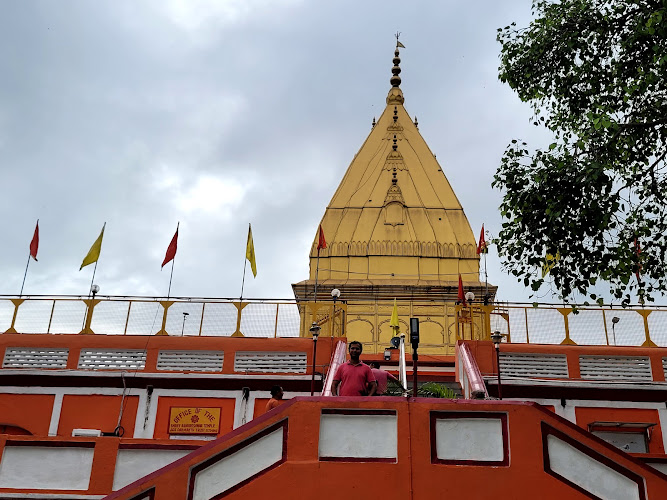
Shri Ranbireshwar Temple, Niranjani Akhara.
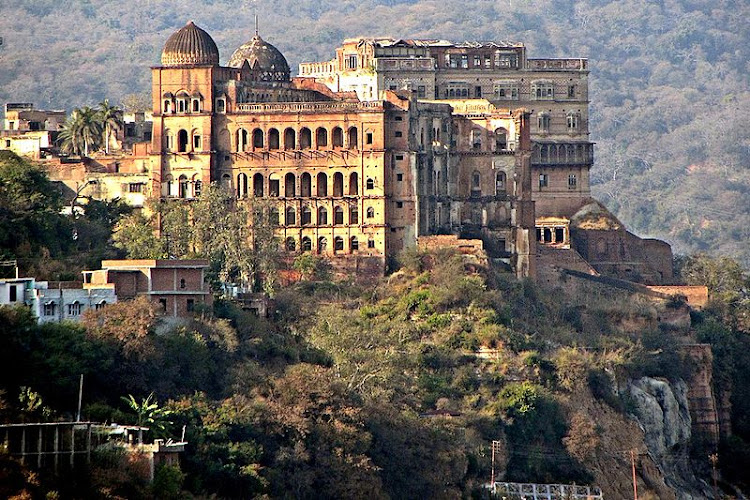
Mubarak Mandi Palace

Gol Ghar
Find Accommodations Nearby
Recommended Tours & Activities
Visitor Reviews
There are no reviews yet. Be the first one to write one.
Share Your Experience
Have you visited Maha Maya Temple? Help other travelers by leaving a review.