
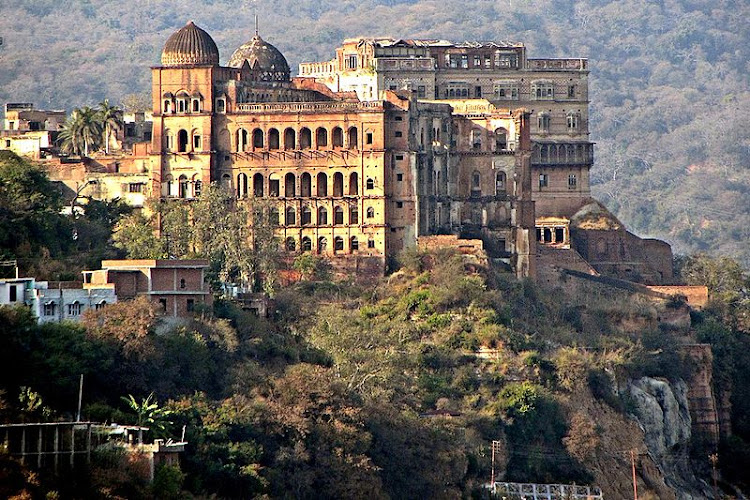
Mubarak Mandi Palace
About Mubarak Mandi Palace
Description
The Mubarak Mandi Palace stands as one of Jammu's most impressive architectural treasures, though honestly, it doesn't always get the attention it deserves from travelers heading to more famous Indian destinations. This sprawling complex has been watching over the city since 1824, and what makes it really special is how it blends Rajasthani, Mughal, and European architectural styles into something you won't quite see anywhere else. The palace served as the principal seat of the Dogra dynasty for nearly a century and a half, and walking through its corridors feels a bit like stepping through different chapters of history all at once. I remember the first time I visited - the sheer scale of it caught me off guard. We're talking about a massive complex that once housed royal courts, private chambers, temples, and administrative buildings all within its walls. Parts of the palace are still undergoing renovation work, which means your experience might be a bit different depending on when you visit. But that's actually kind of fascinating in its own way, because you get to see conservation efforts in action. The architecture here is genuinely unique. You'll spot Rajasthani-style balconies and jharokhas alongside European columns and arches, with Mughal influences thrown in for good measure. It's like the rulers were collecting architectural styles the way some people collect stamps, and somehow it all works together. The palace complex includes several notable structures like the Sheesh Mahal (Palace of Mirrors), the Pink Hall, and the Gol Ghar, each with its own character and story to tell. Now, full transparency here - the palace has seen better days. Years of neglect and partial destruction have taken their toll, and restoration efforts are ongoing. But there's something almost poetic about seeing a place that's being brought back to life. Some sections are beautifully restored while others show the wear of time, creating this interesting contrast between past glory and present revival.Key Features
- Architectural fusion showcasing Rajasthani, Mughal, and European design elements that you won't find replicated anywhere else in the region
- The Sheesh Mahal with intricate mirror work and delicate frescoes that somehow survived decades of neglect
- Pink Hall featuring ornate paintings and original artwork from the Dogra period, offering insight into royal artistic preferences
- Gol Ghar, a distinctive round building that stands out among the complex's varied structures
- Royal court areas where actual administrative and ceremonial functions took place during the dynasty's rule
- Heritage museum sections displaying artifacts, photographs, and historical documents from the Dogra era
- Intricate wooden carvings and detailed plasterwork throughout various palace chambers
- Multiple courtyards and open spaces that give you a sense of how the royal household actually functioned
- Ongoing restoration work visible throughout the complex, providing a unique look at heritage conservation methods
- Panoramic views of Jammu city from certain vantage points within the palace grounds
- Traditional Dogra architectural elements including ornate balconies and covered walkways
- Original ceiling frescoes in various states of preservation, each telling different stories through their imagery
Best Time to Visit
Timing your visit to Mubarak Mandi Palace really matters, and I'm not just talking about the season. Jammu gets seriously hot during summer months - we're talking temperatures that can hit 45 degrees Celsius in May and June. Trust me, you don't want to be exploring a palace complex with limited shade during peak summer heat. Been there, learned that lesson. The sweet spot for visiting is definitely between October and March. The weather during these months ranges from pleasant to cool, making it actually enjoyable to wander through the various palace buildings and courtyards. November through February offers the most comfortable temperatures, usually hovering between 8 to 20 degrees Celsius. You might need a light jacket in the mornings and evenings, but the afternoons are perfect for exploration. March and April can work too, though temperatures start climbing. September and early October are decent options once the monsoon season wraps up. The palace looks particularly beautiful after rains have washed away the dust, giving everything a cleaner, fresher appearance. Here's something most guidebooks won't tell you - try to visit on a weekday morning if possible. Weekend crowds can be substantial, especially when school groups descend on the place. Early morning light is also fantastic for photography, hitting the palace facades in ways that bring out architectural details you might miss during harsh midday sun. Avoid visiting during major festivals or public holidays unless you enjoy large crowds. The palace can get pretty packed during these times, making it harder to appreciate the architecture and soak in the atmosphere. And if you're serious about photography or just want some quiet contemplation time, those early weekday mornings are absolutely your best bet.How to Get There
Getting to Mubarak Mandi Palace is refreshingly straightforward since it's located right in the heart of Jammu city. The palace sits in the old city area, easily accessible from pretty much anywhere in Jammu proper. If you're flying in, Jammu Airport is about 6 kilometers from the palace - roughly a 20-30 minute drive depending on traffic. Auto-rickshaws and taxis are readily available at the airport. Just negotiate your fare beforehand or insist on using the meter. Most drivers know exactly where the palace is, but having the name written in Hindi can't hurt. For those arriving by train, Jammu Tawi Railway Station is approximately 5 kilometers from the palace. Again, auto-rickshaws and taxis queue up outside the station. The ride takes maybe 15-20 minutes in normal traffic conditions. You can also use app-based cab services which have become pretty reliable in Jammu. If you're already staying somewhere in Jammu, local transportation options abound. Auto-rickshaws are everywhere and relatively inexpensive. Buses run through the old city area too, though they can be confusing if you're not familiar with local routes. I'd honestly just stick with an auto-rickshaw or taxi for simplicity's sake. The palace complex does have parking facilities, which is great news if you're driving yourself or have hired a car for the day. The parking area can accommodate both cars and buses, and it's free - which is a nice bonus. The entrance is wheelchair accessible, making it manageable for visitors with mobility challenges. Walking to the palace from nearby areas of old Jammu is totally doable, though the streets can be narrow and crowded. If you're staying in the old city, it might actually be a pleasant walk, giving you a chance to see local life up close.Tips for Visiting
Let me share some practical wisdom that'll make your visit way more enjoyable. First off, wear comfortable walking shoes - not negotiable. You'll be covering a lot of ground, and some surfaces are uneven. Those cute sandals might look great in photos, but your feet will hate you by the end. Bring water, especially if you're visiting during warmer months. While there might be vendors nearby, having your own supply is smart. The complex is large, and you don't want dehydration cutting your visit short. Photography is allowed, and you definitely want to bring a camera or smartphone. But here's the thing - some sections might have restrictions, particularly areas under active restoration. Always check before clicking away, and be respectful of any signage or staff instructions. The palace doesn't require extensive museum-style touring if that's not your thing. You can absolutely appreciate it at a surface level, walking through the buildings and courtyards, taking in the architecture without diving deep into every historical detail. But if you are a history buff, consider hiring a local guide. They'll point out details and share stories you'd otherwise miss. Dress modestly and comfortably. While the palace isn't a religious site, it's a heritage location in a conservative city. Covering shoulders and knees is respectful and appropriate. Plus, covered clothing protects you from sun exposure. Plan to spend at least two to three hours here if you want to do it justice. Sure, you could rush through in an hour, but why would you? The whole point is soaking in the atmosphere, imagining royal life, and appreciating the architectural details. Check the current status of restoration work before visiting. Some sections might be closed off temporarily, and knowing this beforehand helps set realistic expectations. The palace authority's information office can provide updates. Visit the museum sections if they're open. The artifacts and photographs provide context that makes the physical structures more meaningful. And honestly, seeing historical photographs of the palace in its prime is pretty moving. Be patient with the ongoing restoration work. Yes, scaffolding isn't photogenic, and closed sections can be disappointing. But remember, without these efforts, there wouldn't be much palace left to visit at all. The conservation work happening here is important and worth supporting through your tourism. Finally, take time to just sit in one of the courtyards. Watch the light change, observe other visitors, let the place speak to you. Not everything worth experiencing requires constant movement. Sometimes the best travel moments come from simply being present in a remarkable place.Key Features
- Architectural fusion showcasing Rajasthani, Mughal, and European design elements that you won't find replicated anywhere else in the region
- The Sheesh Mahal with intricate mirror work and delicate frescoes that somehow survived decades of neglect
- Pink Hall featuring ornate paintings and original artwork from the Dogra period, offering insight into royal artistic preferences
- Gol Ghar, a distinctive round building that stands out among the complex's varied structures
- Royal court areas where actual administrative and ceremonial functions took place during the dynasty's rule
- Heritage museum sections displaying artifacts, photographs, and historical documents from the Dogra era
- Intricate wooden carvings and detailed plasterwork throughout various palace chambers
- Multiple courtyards and open spaces that give you a sense of how the royal household actually functioned
More Details
Updated March 30, 2026
Table of Contents
Description
The Mubarak Mandi Palace stands as one of Jammu’s most impressive architectural treasures, though honestly, it doesn’t always get the attention it deserves from travelers heading to more famous Indian destinations. This sprawling complex has been watching over the city since 1824, and what makes it really special is how it blends Rajasthani, Mughal, and European architectural styles into something you won’t quite see anywhere else. The palace served as the principal seat of the Dogra dynasty for nearly a century and a half, and walking through its corridors feels a bit like stepping through different chapters of history all at once.
I remember the first time I visited – the sheer scale of it caught me off guard. We’re talking about a massive complex that once housed royal courts, private chambers, temples, and administrative buildings all within its walls. Parts of the palace are still undergoing renovation work, which means your experience might be a bit different depending on when you visit. But that’s actually kind of fascinating in its own way, because you get to see conservation efforts in action.
The architecture here is genuinely unique. You’ll spot Rajasthani-style balconies and jharokhas alongside European columns and arches, with Mughal influences thrown in for good measure. It’s like the rulers were collecting architectural styles the way some people collect stamps, and somehow it all works together. The palace complex includes several notable structures like the Sheesh Mahal (Palace of Mirrors), the Pink Hall, and the Gol Ghar, each with its own character and story to tell.
Now, full transparency here – the palace has seen better days. Years of neglect and partial destruction have taken their toll, and restoration efforts are ongoing. But there’s something almost poetic about seeing a place that’s being brought back to life. Some sections are beautifully restored while others show the wear of time, creating this interesting contrast between past glory and present revival.
Key Features
- Architectural fusion showcasing Rajasthani, Mughal, and European design elements that you won’t find replicated anywhere else in the region
- The Sheesh Mahal with intricate mirror work and delicate frescoes that somehow survived decades of neglect
- Pink Hall featuring ornate paintings and original artwork from the Dogra period, offering insight into royal artistic preferences
- Gol Ghar, a distinctive round building that stands out among the complex’s varied structures
- Royal court areas where actual administrative and ceremonial functions took place during the dynasty’s rule
- Heritage museum sections displaying artifacts, photographs, and historical documents from the Dogra era
- Intricate wooden carvings and detailed plasterwork throughout various palace chambers
- Multiple courtyards and open spaces that give you a sense of how the royal household actually functioned
- Ongoing restoration work visible throughout the complex, providing a unique look at heritage conservation methods
- Panoramic views of Jammu city from certain vantage points within the palace grounds
- Traditional Dogra architectural elements including ornate balconies and covered walkways
- Original ceiling frescoes in various states of preservation, each telling different stories through their imagery
Best Time to Visit
Timing your visit to Mubarak Mandi Palace really matters, and I’m not just talking about the season. Jammu gets seriously hot during summer months – we’re talking temperatures that can hit 45 degrees Celsius in May and June. Trust me, you don’t want to be exploring a palace complex with limited shade during peak summer heat. Been there, learned that lesson.
The sweet spot for visiting is definitely between October and March. The weather during these months ranges from pleasant to cool, making it actually enjoyable to wander through the various palace buildings and courtyards. November through February offers the most comfortable temperatures, usually hovering between 8 to 20 degrees Celsius. You might need a light jacket in the mornings and evenings, but the afternoons are perfect for exploration.
March and April can work too, though temperatures start climbing. September and early October are decent options once the monsoon season wraps up. The palace looks particularly beautiful after rains have washed away the dust, giving everything a cleaner, fresher appearance.
Here’s something most guidebooks won’t tell you – try to visit on a weekday morning if possible. Weekend crowds can be substantial, especially when school groups descend on the place. Early morning light is also fantastic for photography, hitting the palace facades in ways that bring out architectural details you might miss during harsh midday sun.
Avoid visiting during major festivals or public holidays unless you enjoy large crowds. The palace can get pretty packed during these times, making it harder to appreciate the architecture and soak in the atmosphere. And if you’re serious about photography or just want some quiet contemplation time, those early weekday mornings are absolutely your best bet.
How to Get There
Getting to Mubarak Mandi Palace is refreshingly straightforward since it’s located right in the heart of Jammu city. The palace sits in the old city area, easily accessible from pretty much anywhere in Jammu proper.
If you’re flying in, Jammu Airport is about 6 kilometers from the palace – roughly a 20-30 minute drive depending on traffic. Auto-rickshaws and taxis are readily available at the airport. Just negotiate your fare beforehand or insist on using the meter. Most drivers know exactly where the palace is, but having the name written in Hindi can’t hurt.
For those arriving by train, Jammu Tawi Railway Station is approximately 5 kilometers from the palace. Again, auto-rickshaws and taxis queue up outside the station. The ride takes maybe 15-20 minutes in normal traffic conditions. You can also use app-based cab services which have become pretty reliable in Jammu.
If you’re already staying somewhere in Jammu, local transportation options abound. Auto-rickshaws are everywhere and relatively inexpensive. Buses run through the old city area too, though they can be confusing if you’re not familiar with local routes. I’d honestly just stick with an auto-rickshaw or taxi for simplicity’s sake.
The palace complex does have parking facilities, which is great news if you’re driving yourself or have hired a car for the day. The parking area can accommodate both cars and buses, and it’s free – which is a nice bonus. The entrance is wheelchair accessible, making it manageable for visitors with mobility challenges.
Walking to the palace from nearby areas of old Jammu is totally doable, though the streets can be narrow and crowded. If you’re staying in the old city, it might actually be a pleasant walk, giving you a chance to see local life up close.
Tips for Visiting
Let me share some practical wisdom that’ll make your visit way more enjoyable. First off, wear comfortable walking shoes – not negotiable. You’ll be covering a lot of ground, and some surfaces are uneven. Those cute sandals might look great in photos, but your feet will hate you by the end.
Bring water, especially if you’re visiting during warmer months. While there might be vendors nearby, having your own supply is smart. The complex is large, and you don’t want dehydration cutting your visit short.
Photography is allowed, and you definitely want to bring a camera or smartphone. But here’s the thing – some sections might have restrictions, particularly areas under active restoration. Always check before clicking away, and be respectful of any signage or staff instructions.
The palace doesn’t require extensive museum-style touring if that’s not your thing. You can absolutely appreciate it at a surface level, walking through the buildings and courtyards, taking in the architecture without diving deep into every historical detail. But if you are a history buff, consider hiring a local guide. They’ll point out details and share stories you’d otherwise miss.
Dress modestly and comfortably. While the palace isn’t a religious site, it’s a heritage location in a conservative city. Covering shoulders and knees is respectful and appropriate. Plus, covered clothing protects you from sun exposure.
Plan to spend at least two to three hours here if you want to do it justice. Sure, you could rush through in an hour, but why would you? The whole point is soaking in the atmosphere, imagining royal life, and appreciating the architectural details.
Check the current status of restoration work before visiting. Some sections might be closed off temporarily, and knowing this beforehand helps set realistic expectations. The palace authority’s information office can provide updates.
Visit the museum sections if they’re open. The artifacts and photographs provide context that makes the physical structures more meaningful. And honestly, seeing historical photographs of the palace in its prime is pretty moving.
Be patient with the ongoing restoration work. Yes, scaffolding isn’t photogenic, and closed sections can be disappointing. But remember, without these efforts, there wouldn’t be much palace left to visit at all. The conservation work happening here is important and worth supporting through your tourism.
Finally, take time to just sit in one of the courtyards. Watch the light change, observe other visitors, let the place speak to you. Not everything worth experiencing requires constant movement. Sometimes the best travel moments come from simply being present in a remarkable place.
Key Highlights
- Architectural fusion showcasing Rajasthani, Mughal, and European design elements that you won't find replicated anywhere else in the region
- The Sheesh Mahal with intricate mirror work and delicate frescoes that somehow survived decades of neglect
- Pink Hall featuring ornate paintings and original artwork from the Dogra period, offering insight into royal artistic preferences
- Gol Ghar, a distinctive round building that stands out among the complex's varied structures
- Royal court areas where actual administrative and ceremonial functions took place during the dynasty's rule
- Heritage museum sections displaying artifacts, photographs, and historical documents from the Dogra era
- Intricate wooden carvings and detailed plasterwork throughout various palace chambers
- Multiple courtyards and open spaces that give you a sense of how the royal household actually functioned
Location
Places to Stay Near Mubarak Mandi Palace
Find and Book a Tour
Explore More Travel Guides
No reviews found! Be the first to review!
Mubarak Mandi Palace is a prominent attractions located in Jammu.
Visit us at: PVQF+PRJ, Panjtirthi, Jammu, Jammu and Kashmir 180001.
Traveler Reviews for Mubarak Mandi Palace
There are no reviews yet. Be the first one to write one.
Have you visited Mubarak Mandi Palace? Help other travelers by sharing your review.
You Might Also Like
Bahu Fort

Jewal market

Bahu Fort Park
Find Accommodations Nearby
Recommended Tours & Activities
Visitor Reviews
There are no reviews yet. Be the first one to write one.
Share Your Experience
Have you visited Mubarak Mandi Palace? Help other travelers by leaving a review.