
Id Kah Mosque
About Id Kah Mosque
Description
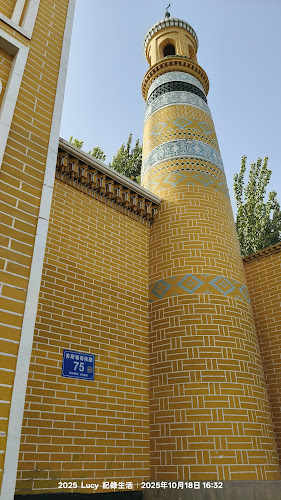
The Id Kah Mosque stands as one of China's largest and most historically significant Islamic houses of worship, dominating the landscape of Kashgar's old city with its striking yellow facade and towering gate. I've always found it fascinating how this mosque has served as the spiritual heart of the Uyghur Muslim community for over five centuries, and honestly, seeing it in person is something that sticks with you long after you've left Xinjiang. Built originally in 1442 during the reign of Saqsiz Mirza, this architectural marvel has witnessed countless prayers, celebrations, and gatherings throughout its long history. The mosque can accommodate up to 20,000 worshippers during major Islamic festivals like Eid al-Fitr and Eid al-Adha, which gives you a sense of just how massive this complex really is. And when you stand in that enormous courtyard, you'll understand why it's been the center of religious life in this region for generations. The name Id Kah translates to "prayer ground" or "festival ground" in the Uyghur language, which perfectly captures its dual role as both a daily place of worship and a gathering space for significant religious celebrations. The mosque's design follows traditional Islamic architectural principles while incorporating elements that are distinctly Central Asian, creating this unique aesthetic that you won't find replicated anywhere else in China. What strikes most travelers first is the sheer scale of the complex combined with that distinctive yellow color that seems to glow particularly beautifully during the golden hour just before sunset. The main prayer hall, courtyard, and surrounding structures create an atmosphere that's both grand and surprisingly intimate once you're inside the walls.Key Features
The Id Kah Mosque offers travelers several distinctive elements that make it worth the journey to Kashgar:- The massive courtyard spans approximately 16,800 square meters and features beautifully maintained gardens with trees that provide welcome shade during Kashgar's hot summers
- The main prayer hall showcases intricate Islamic calligraphy and geometric patterns that demonstrate the exceptional craftsmanship of Uyghur artisans throughout the centuries
- The iconic gate tower reaches 18 meters high and serves as both a visual landmark and a functioning minaret where the call to prayer echoes across the surrounding neighborhoods five times daily
- Several auxiliary halls and rooms surround the main courtyard, each serving different purposes for religious education, community gatherings, and administrative functions
- The mosque features wheelchair accessible entrances and restrooms, making it more inclusive for visitors with mobility challenges than many historic sites in the region
- Traditional blue and white tilework decorates various architectural elements, contrasting beautifully with the yellow exterior walls
- The wooden columns and beams inside the prayer hall use construction techniques that have remained largely unchanged since the mosque's original construction
- A large public square directly in front of the mosque becomes a bustling marketplace and social gathering space, particularly on Fridays and during festival periods
Best Time to Visit
Timing your visit to Id Kah Mosque requires thinking about both weather conditions and cultural considerations. From my experience talking with travelers who've been there, the sweet spot is generally between May and October when Kashgar's weather is most pleasant for exploring. Summer months from June through August bring warm to hot temperatures, but the mosque's thick walls and shaded courtyard areas provide relief from the heat. But be prepared – it can get genuinely hot during midday, sometimes reaching above 35°C (95°F). Early morning or late afternoon visits work best during these months. Spring (April to May) and autumn (September to October) offer the most comfortable temperatures for extended exploration, typically ranging between 15°C to 25°C (59°F to 77°F). The light during these seasons is particularly beautiful for photography, and you'll find the crowds are generally smaller than during peak summer months. Winter visits are possible but come with challenges. Kashgar gets quite cold from November through March, and while the mosque remains open, you'll need to bundle up properly. Some travelers actually prefer winter precisely because there are fewer tourists, giving you a more contemplative experience. Now here's the thing about timing that most guidebooks don't emphasize enough – visiting during Islamic holy days and festivals provides a completely different experience. During Ramadan, the mosque takes on special significance, though you should be particularly respectful about visiting times and photography. The two Eid festivals bring massive crowds and incredible energy, but these are primarily religious observances, not tourist spectacles. Friday prayers draw the largest weekly crowds, and while non-Muslims are generally welcome outside prayer times, you'll want to avoid the main prayer period around midday on Fridays if you're looking for a quieter visit.How to Get There
Getting to Id Kah Mosque in Kashgar requires some planning since this ancient Silk Road city sits in China's far western Xinjiang region, but the journey itself becomes part of the adventure. Most international travelers fly into Kashgar Qiwuerbake International Airport, which has connections to major Chinese cities like Urumqi, Beijing, Shanghai, and Guangzhou. The airport sits about 10 kilometers northeast of the city center, and from there you've got several options. Taxis take roughly 20-30 minutes and are relatively inexpensive, though having your destination written in Chinese characters helps tremendously since many drivers don't speak English. The mosque occupies a central location in Kashgar's old city, making it easily accessible once you're in town. If you're staying in the old city area, you can probably walk there – it's hard to miss given its size and the square in front of it. And honestly, walking through the surrounding neighborhoods gives you a much better feel for daily life in Kashgar than being driven directly to the mosque. For those taking the overland route, Kashgar has a railway station with connections to Urumqi and other cities along the Southern Xinjiang Railway. The train journey from Urumqi takes roughly 24 hours, but travelers often describe it as an unforgettable experience crossing the Taklamakan Desert. Local transportation within Kashgar includes buses and taxis, though the city isn't huge by Chinese standards, so getting around is fairly straightforward. The mosque is located on Jiefang North Road near the main bazaar area, and most taxi drivers know it simply as "Id Kah" or "Ai Ti Ga Er Qing Zhen Si" in Mandarin.Tips for Visiting
Visiting Id Kah Mosque requires cultural sensitivity and practical preparation that goes beyond your typical tourist site. First and foremost, dress modestly – this isn't just a suggestion, it's a requirement. Women should cover their shoulders, arms, and legs, and bringing a scarf to cover your hair is highly recommended even if not strictly enforced for non-Muslim visitors. Men should wear long pants and avoid sleeveless shirts. Remove your shoes before entering the prayer hall, and watch where other visitors place theirs to avoid the awkward situation of not being able to find your footwear later. I've heard stories from travelers who lost track of their shoes in the sea of footwear during busy times, so maybe wear something distinctive or easy to spot. Photography rules can be a bit unclear, and they sometimes change. Generally, you can photograph the exterior and courtyard areas, but always ask permission before photographing people at prayer or in the interior prayer halls. Some areas may be completely off-limits to cameras, so look for signs or ask the staff if you're unsure. Non-Muslims typically cannot enter during active prayer times, particularly the Friday midday prayers. Plan your visit around the five daily prayer times if you want to explore the interior spaces. The staff at the entrance can guide you on appropriate visiting hours. Bring some cash for the entrance fee, which is usually modest but varies. The facilities include restrooms, which is good to know since clean public toilets aren't always easy to find in the old city area. Learn a few basic phrases in Uyghur or Mandarin. "As-salamu alaykum" (peace be upon you) goes a long way in showing respect, and "rahmet" (thank you in Uyghur) will often earn you warm smiles from locals. The square in front of the mosque gets incredibly lively, especially on Fridays and during festivals. Street food vendors, small shops, and locals gathering create this amazing atmosphere, but also watch your belongings in crowded areas. Hiring a local guide can dramatically enhance your understanding of the mosque's history and significance. They can explain the architectural details, historical context, and religious practices in ways that plaques and guidebooks simply can't match. Be aware that Xinjiang has complex political sensitivities, and there's increased security presence throughout Kashgar. You'll likely encounter security checkpoints, and carrying your passport at all times is essential. Don't let this discourage you, but do be prepared for these realities of travel in this region. The best visits happen when travelers approach Id Kah Mosque not just as a photo opportunity but as a functioning house of worship with deep spiritual significance for the local community. Show respect, move quietly, and take time to simply sit in the courtyard and observe the rhythm of daily life around you. Those quiet moments of observation often become the most memorable part of the experience.Key Features
- The massive courtyard spans approximately 16,800 square meters and features beautifully maintained gardens with trees that provide welcome shade during Kashgar's hot summers
- The main prayer hall showcases intricate Islamic calligraphy and geometric patterns that demonstrate the exceptional craftsmanship of Uyghur artisans throughout the centuries
- The iconic gate tower reaches 18 meters high and serves as both a visual landmark and a functioning minaret where the call to prayer echoes across the surrounding neighborhoods five times daily
- Several auxiliary halls and rooms surround the main courtyard, each serving different purposes for religious education, community gatherings, and administrative functions
- The mosque features wheelchair accessible entrances and restrooms, making it more inclusive for visitors with mobility challenges than many historic sites in the region
- Traditional blue and white tilework decorates various architectural elements, contrasting beautifully with the yellow exterior walls
- The wooden columns and beams inside the prayer hall use construction techniques that have remained largely unchanged since the mosque's original construction
- A large public square directly in front of the mosque becomes a bustling marketplace and social gathering space, particularly on Fridays and during festival periods
More Details
Updated March 30, 2026
Table of Contents
Description
The Id Kah Mosque stands as one of China’s largest and most historically significant Islamic houses of worship, dominating the landscape of Kashgar’s old city with its striking yellow facade and towering gate. I’ve always found it fascinating how this mosque has served as the spiritual heart of the Uyghur Muslim community for over five centuries, and honestly, seeing it in person is something that sticks with you long after you’ve left Xinjiang.
Built originally in 1442 during the reign of Saqsiz Mirza, this architectural marvel has witnessed countless prayers, celebrations, and gatherings throughout its long history. The mosque can accommodate up to 20,000 worshippers during major Islamic festivals like Eid al-Fitr and Eid al-Adha, which gives you a sense of just how massive this complex really is. And when you stand in that enormous courtyard, you’ll understand why it’s been the center of religious life in this region for generations.
The name Id Kah translates to “prayer ground” or “festival ground” in the Uyghur language, which perfectly captures its dual role as both a daily place of worship and a gathering space for significant religious celebrations. The mosque’s design follows traditional Islamic architectural principles while incorporating elements that are distinctly Central Asian, creating this unique aesthetic that you won’t find replicated anywhere else in China.
What strikes most travelers first is the sheer scale of the complex combined with that distinctive yellow color that seems to glow particularly beautifully during the golden hour just before sunset. The main prayer hall, courtyard, and surrounding structures create an atmosphere that’s both grand and surprisingly intimate once you’re inside the walls.
Key Features
The Id Kah Mosque offers travelers several distinctive elements that make it worth the journey to Kashgar:
- The massive courtyard spans approximately 16,800 square meters and features beautifully maintained gardens with trees that provide welcome shade during Kashgar’s hot summers
- The main prayer hall showcases intricate Islamic calligraphy and geometric patterns that demonstrate the exceptional craftsmanship of Uyghur artisans throughout the centuries
- The iconic gate tower reaches 18 meters high and serves as both a visual landmark and a functioning minaret where the call to prayer echoes across the surrounding neighborhoods five times daily
- Several auxiliary halls and rooms surround the main courtyard, each serving different purposes for religious education, community gatherings, and administrative functions
- The mosque features wheelchair accessible entrances and restrooms, making it more inclusive for visitors with mobility challenges than many historic sites in the region
- Traditional blue and white tilework decorates various architectural elements, contrasting beautifully with the yellow exterior walls
- The wooden columns and beams inside the prayer hall use construction techniques that have remained largely unchanged since the mosque’s original construction
- A large public square directly in front of the mosque becomes a bustling marketplace and social gathering space, particularly on Fridays and during festival periods
Best Time to Visit
Timing your visit to Id Kah Mosque requires thinking about both weather conditions and cultural considerations. From my experience talking with travelers who’ve been there, the sweet spot is generally between May and October when Kashgar’s weather is most pleasant for exploring.
Summer months from June through August bring warm to hot temperatures, but the mosque’s thick walls and shaded courtyard areas provide relief from the heat. But be prepared – it can get genuinely hot during midday, sometimes reaching above 35°C (95°F). Early morning or late afternoon visits work best during these months.
Spring (April to May) and autumn (September to October) offer the most comfortable temperatures for extended exploration, typically ranging between 15°C to 25°C (59°F to 77°F). The light during these seasons is particularly beautiful for photography, and you’ll find the crowds are generally smaller than during peak summer months.
Winter visits are possible but come with challenges. Kashgar gets quite cold from November through March, and while the mosque remains open, you’ll need to bundle up properly. Some travelers actually prefer winter precisely because there are fewer tourists, giving you a more contemplative experience.
Now here’s the thing about timing that most guidebooks don’t emphasize enough – visiting during Islamic holy days and festivals provides a completely different experience. During Ramadan, the mosque takes on special significance, though you should be particularly respectful about visiting times and photography. The two Eid festivals bring massive crowds and incredible energy, but these are primarily religious observances, not tourist spectacles.
Friday prayers draw the largest weekly crowds, and while non-Muslims are generally welcome outside prayer times, you’ll want to avoid the main prayer period around midday on Fridays if you’re looking for a quieter visit.
How to Get There
Getting to Id Kah Mosque in Kashgar requires some planning since this ancient Silk Road city sits in China’s far western Xinjiang region, but the journey itself becomes part of the adventure.
Most international travelers fly into Kashgar Qiwuerbake International Airport, which has connections to major Chinese cities like Urumqi, Beijing, Shanghai, and Guangzhou. The airport sits about 10 kilometers northeast of the city center, and from there you’ve got several options. Taxis take roughly 20-30 minutes and are relatively inexpensive, though having your destination written in Chinese characters helps tremendously since many drivers don’t speak English.
The mosque occupies a central location in Kashgar’s old city, making it easily accessible once you’re in town. If you’re staying in the old city area, you can probably walk there – it’s hard to miss given its size and the square in front of it. And honestly, walking through the surrounding neighborhoods gives you a much better feel for daily life in Kashgar than being driven directly to the mosque.
For those taking the overland route, Kashgar has a railway station with connections to Urumqi and other cities along the Southern Xinjiang Railway. The train journey from Urumqi takes roughly 24 hours, but travelers often describe it as an unforgettable experience crossing the Taklamakan Desert.
Local transportation within Kashgar includes buses and taxis, though the city isn’t huge by Chinese standards, so getting around is fairly straightforward. The mosque is located on Jiefang North Road near the main bazaar area, and most taxi drivers know it simply as “Id Kah” or “Ai Ti Ga Er Qing Zhen Si” in Mandarin.
Tips for Visiting
Visiting Id Kah Mosque requires cultural sensitivity and practical preparation that goes beyond your typical tourist site. First and foremost, dress modestly – this isn’t just a suggestion, it’s a requirement. Women should cover their shoulders, arms, and legs, and bringing a scarf to cover your hair is highly recommended even if not strictly enforced for non-Muslim visitors. Men should wear long pants and avoid sleeveless shirts.
Remove your shoes before entering the prayer hall, and watch where other visitors place theirs to avoid the awkward situation of not being able to find your footwear later. I’ve heard stories from travelers who lost track of their shoes in the sea of footwear during busy times, so maybe wear something distinctive or easy to spot.
Photography rules can be a bit unclear, and they sometimes change. Generally, you can photograph the exterior and courtyard areas, but always ask permission before photographing people at prayer or in the interior prayer halls. Some areas may be completely off-limits to cameras, so look for signs or ask the staff if you’re unsure.
Non-Muslims typically cannot enter during active prayer times, particularly the Friday midday prayers. Plan your visit around the five daily prayer times if you want to explore the interior spaces. The staff at the entrance can guide you on appropriate visiting hours.
Bring some cash for the entrance fee, which is usually modest but varies. The facilities include restrooms, which is good to know since clean public toilets aren’t always easy to find in the old city area.
Learn a few basic phrases in Uyghur or Mandarin. “As-salamu alaykum” (peace be upon you) goes a long way in showing respect, and “rahmet” (thank you in Uyghur) will often earn you warm smiles from locals.
The square in front of the mosque gets incredibly lively, especially on Fridays and during festivals. Street food vendors, small shops, and locals gathering create this amazing atmosphere, but also watch your belongings in crowded areas.
Hiring a local guide can dramatically enhance your understanding of the mosque’s history and significance. They can explain the architectural details, historical context, and religious practices in ways that plaques and guidebooks simply can’t match.
Be aware that Xinjiang has complex political sensitivities, and there’s increased security presence throughout Kashgar. You’ll likely encounter security checkpoints, and carrying your passport at all times is essential. Don’t let this discourage you, but do be prepared for these realities of travel in this region.
The best visits happen when travelers approach Id Kah Mosque not just as a photo opportunity but as a functioning house of worship with deep spiritual significance for the local community. Show respect, move quietly, and take time to simply sit in the courtyard and observe the rhythm of daily life around you. Those quiet moments of observation often become the most memorable part of the experience.
Key Highlights
- The massive courtyard spans approximately 16,800 square meters and features beautifully maintained gardens with trees that provide welcome shade during Kashgar's hot summers
- The main prayer hall showcases intricate Islamic calligraphy and geometric patterns that demonstrate the exceptional craftsmanship of Uyghur artisans throughout the centuries
- The iconic gate tower reaches 18 meters high and serves as both a visual landmark and a functioning minaret where the call to prayer echoes across the surrounding neighborhoods five times daily
- Several auxiliary halls and rooms surround the main courtyard, each serving different purposes for religious education, community gatherings, and administrative functions
- The mosque features wheelchair accessible entrances and restrooms, making it more inclusive for visitors with mobility challenges than many historic sites in the region
- Traditional blue and white tilework decorates various architectural elements, contrasting beautifully with the yellow exterior walls
- The wooden columns and beams inside the prayer hall use construction techniques that have remained largely unchanged since the mosque's original construction
- A large public square directly in front of the mosque becomes a bustling marketplace and social gathering space, particularly on Fridays and during festival periods
Location
Places to Stay Near Id Kah Mosque
Find and Book a Tour
Explore More Travel Guides
No reviews found! Be the first to review!
Id Kah Mosque is a prominent attractions located in Kashgar Prefecture.
Visit us at: Kashgar, Kashgar Prefecture, China, 844000.
Traveler Reviews for Id Kah Mosque
There are no reviews yet. Be the first one to write one.
Have you visited Id Kah Mosque? Help other travelers by sharing your review.
You Might Also Like
844001
Kargilik Town
Kashgar Museum
Find Accommodations Nearby
Recommended Tours & Activities
Visitor Reviews
There are no reviews yet. Be the first one to write one.
Share Your Experience
Have you visited Id Kah Mosque? Help other travelers by leaving a review.