
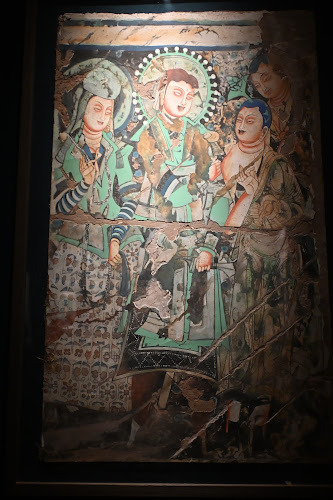
Kashgar Museum
About Kashgar Museum
Description
The Kashgar Museum stands as one of those places that genuinely surprised me when I first heard about it from a fellow traveler in Urumqi. She couldn't stop talking about how it completely shifted her understanding of the Silk Road, and honestly, I get why now. This museum sits in one of China's most historically significant cities, offering visitors a deep dive into the cultural crossroads that defined Central Asian trade routes for centuries. What makes this museum particularly special is how it manages to preserve and showcase the unique Uyghur heritage alongside artifacts from countless civilizations that passed through this region. You're looking at collections that span thousands of years, from ancient mummies preserved in the desert climate to intricate textiles that'll make you wonder how people created such beauty without modern technology. The museum does an impressive job of telling stories that often get overlooked in larger Chinese museums focused on Han Chinese history. The building itself reflects traditional architectural elements from the region, though it's been modernized to accommodate contemporary museum standards. Walking through its halls, travelers find themselves transported through different eras of Kashgar's evolution. And let me tell you, this isn't your typical dusty museum where you shuffle past glass cases without really connecting to what you're seeing. The exhibits here have a way of pulling you in, making you think about the merchants, artisans, and families who once called this Silk Road oasis home. Most visitors spend between two to three hours exploring the collections, though history enthusiasts could easily stretch that to half a day. The museum has made accessibility a priority, which isn't always common in this part of the world, making it welcoming for families and travelers of all abilities.Key Features
The Kashgar Museum houses several collections that distinguish it from other regional museums:- Ancient mummies from the Tarim Basin that provide fascinating insights into the early inhabitants of the region, some dating back over 3,000 years with remarkably preserved features and clothing
- Extensive textile collections showcasing traditional Uyghur carpet-weaving techniques, embroidery patterns, and silk production methods that have been passed down through generations
- Archaeological finds from Silk Road trading posts including coins, pottery, and trade goods that illustrate the incredible cultural exchange happening in this region
- Traditional musical instruments unique to Uyghur culture, some of which are still played in modern performances throughout Kashgar
- Historical documents and manuscripts written in various languages that passed through the region, demonstrating the linguistic diversity of ancient Kashgar
- Ethnographic displays showing traditional Uyghur daily life, including farming tools, household items, and ceremonial objects
- Wheelchair accessible facilities including restrooms, making it one of the more accommodating museums for travelers with mobility needs
- Clean, well-maintained restroom facilities which any seasoned traveler knows can be a genuine blessing when exploring this part of China
- Kid-friendly exhibits with visual displays that engage younger visitors without overwhelming them with dense historical text
- Bilingual signage in Chinese and sometimes English, though the English translations can be a bit quirky at times
Best Time to Visit
Timing your visit to the Kashgar Museum requires thinking about both the museum itself and the broader travel context of visiting Kashgar. The museum stays open year-round, but your experience will vary dramatically depending on when you show up. Late spring from April through early June represents probably the sweet spot for most travelers. The weather's pleasant, the tourist crowds haven't reached their summer peak, and you can comfortably explore the museum without feeling rushed or overwhelmed by group tours. I remember visiting a similar museum in Dunhuang during peak summer, and the crowds made it almost impossible to properly appreciate the exhibits. Early autumn, particularly September and October, offers another excellent window. The intense summer heat has dissipated, and there's something about autumn light in Xinjiang that makes everything feel a bit more magical. Plus, you might catch some local festivals happening around the city that add cultural context to what you're seeing inside the museum. Winter visits from November through March are possible but come with trade-offs. You'll definitely encounter fewer tourists, which means more intimate time with the exhibits. But Kashgar gets genuinely cold during winter months, and some travelers find the harsh weather diminishes their overall enjoyment of the city. The museum itself stays comfortable inside, though. Regarding time of day, arriving right when the museum opens gives you the best chance of avoiding tour groups. Mid-morning through early afternoon tends to see the heaviest traffic, especially during tourist season. Late afternoon visits work well too, though you'll want to check current closing times as they can shift seasonally. Weekends and Chinese national holidays bring domestic tourists in larger numbers. If you're visiting during Golden Week in October or Spring Festival in January or February, brace yourself for crowds and consider whether the museum should be your priority.How to Get There
Getting to the Kashgar Museum is relatively straightforward once you're actually in Kashgar, which is honestly the bigger challenge for most international travelers. The city itself is accessible by air through Kashgar Airport, which receives flights from major Chinese cities like Urumqi, Beijing, and Shanghai. Some travelers also arrive by the incredibly scenic but time-consuming overland route from Pakistan via the Karakoram Highway. Within Kashgar, the museum's location makes it accessible through several transport options. Taxis are probably the most convenient choice for travelers unfamiliar with the city. Just have your hotel write down the museum's name in Chinese characters, because English won't get you far with most taxi drivers here. Fares within the city are generally reasonable, and the ride shouldn't break your budget. Public buses serve the area around the museum, though navigating Kashgar's bus system requires some patience and preferably a translation app on your phone. The routes can be confusing if you don't read Chinese, and bus stops aren't always clearly marked in English. Many travelers staying in the old city area find the museum within walking distance, though "walking distance" means different things to different people. The walk might take 20-30 minutes depending on where exactly you're staying. And honestly, walking through Kashgar gives you a much better feel for the city than zipping around in taxis. Some hotels and guesthouses offer directions or can arrange transport to the museum. Don't hesitate to ask your accommodation for help, especially if you're staying at a place accustomed to hosting international travelers. They've probably given these directions a hundred times. Bicycle rental has become increasingly popular in Kashgar, and cycling to the museum can be a pleasant option during good weather. Just be prepared for traffic that doesn't always follow rules Western cyclists might expect.Tips for Visiting
Visiting the Kashgar Museum successfully requires some practical preparation beyond just showing up. First thing, bring your passport. Like many attractions in Xinjiang, security checks are thorough, and foreign visitors need identification. Don't leave it at your hotel thinking you won't need it. Photography policies can be strict with certain exhibits, particularly those featuring religious or culturally sensitive materials. Look for signage indicating whether photos are allowed, and when in doubt, ask a staff member. Some travelers get frustrated when they can't photograph everything, but respecting these rules shows cultural awareness. The museum provides some English signage, but downloading a translation app before your visit will enhance your experience significantly. I've found that Google Translate's camera function works reasonably well for reading exhibit descriptions, though you'll need to have downloaded the Chinese language pack beforehand since Google services are blocked in China. Comfortable walking shoes are non-negotiable. Museum floors can be hard on your feet, and you'll be standing more than you probably anticipate. This isn't the place for breaking in new shoes. Bringing children? The museum genuinely works for families, with visual exhibits that keep kids engaged. But bringing snacks and planning for shorter attention spans will make everyone's experience better. There's no café inside from what most visitors report, so eat beforehand or bring water at minimum. Consider hiring a local guide if you really want to understand the historical context. The artifacts are impressive on their own, but the stories behind them bring everything to life. Some guides available in the city specialize in Silk Road history and can meet you at the museum. Dress modestly out of respect for local customs. This isn't strictly enforced inside the museum, but Kashgar remains a conservative city, and covering shoulders and knees shows cultural sensitivity. Allow more time than you think you'll need. Even travelers who "don't usually like museums" often find themselves absorbed by the collections here. Rushing through defeats the purpose. Check current opening hours before heading out, as they can change seasonally or during holidays. Nothing's more frustrating than arriving at a closed museum. The gift shop offers some genuinely interesting items if you're into that sort of thing, including books about Silk Road history and replica crafts. Quality varies, so examine purchases carefully. Finally, combine your museum visit with other Kashgar attractions. The Id Kah Mosque and the Old City are both nearby, and experiencing them together creates a richer understanding of Kashgar's layered history and culture. The museum provides historical context that makes walking through the old streets even more meaningful.Key Features
- Xinjiang Silk Road archaeological relics and ancient artifacts
- Exhibits on Kashgar’s ethnic groups and traditional Uyghur costumes
- Displays focused on the Kunlun River basin and local ancient settlements
- Sections on regional religious culture and historical urban planning
- Compact, well-curated galleries that are easy to see in one visit
More Details
Updated March 30, 2026
Table of Contents
Description
The Kashgar Museum stands as one of those places that genuinely surprised me when I first heard about it from a fellow traveler in Urumqi. She couldn’t stop talking about how it completely shifted her understanding of the Silk Road, and honestly, I get why now. This museum sits in one of China’s most historically significant cities, offering visitors a deep dive into the cultural crossroads that defined Central Asian trade routes for centuries.
What makes this museum particularly special is how it manages to preserve and showcase the unique Uyghur heritage alongside artifacts from countless civilizations that passed through this region. You’re looking at collections that span thousands of years, from ancient mummies preserved in the desert climate to intricate textiles that’ll make you wonder how people created such beauty without modern technology. The museum does an impressive job of telling stories that often get overlooked in larger Chinese museums focused on Han Chinese history.
The building itself reflects traditional architectural elements from the region, though it’s been modernized to accommodate contemporary museum standards. Walking through its halls, travelers find themselves transported through different eras of Kashgar’s evolution. And let me tell you, this isn’t your typical dusty museum where you shuffle past glass cases without really connecting to what you’re seeing. The exhibits here have a way of pulling you in, making you think about the merchants, artisans, and families who once called this Silk Road oasis home.
Most visitors spend between two to three hours exploring the collections, though history enthusiasts could easily stretch that to half a day. The museum has made accessibility a priority, which isn’t always common in this part of the world, making it welcoming for families and travelers of all abilities.
Key Features
The Kashgar Museum houses several collections that distinguish it from other regional museums:
- Ancient mummies from the Tarim Basin that provide fascinating insights into the early inhabitants of the region, some dating back over 3,000 years with remarkably preserved features and clothing
- Extensive textile collections showcasing traditional Uyghur carpet-weaving techniques, embroidery patterns, and silk production methods that have been passed down through generations
- Archaeological finds from Silk Road trading posts including coins, pottery, and trade goods that illustrate the incredible cultural exchange happening in this region
- Traditional musical instruments unique to Uyghur culture, some of which are still played in modern performances throughout Kashgar
- Historical documents and manuscripts written in various languages that passed through the region, demonstrating the linguistic diversity of ancient Kashgar
- Ethnographic displays showing traditional Uyghur daily life, including farming tools, household items, and ceremonial objects
- Wheelchair accessible facilities including restrooms, making it one of the more accommodating museums for travelers with mobility needs
- Clean, well-maintained restroom facilities which any seasoned traveler knows can be a genuine blessing when exploring this part of China
- Kid-friendly exhibits with visual displays that engage younger visitors without overwhelming them with dense historical text
- Bilingual signage in Chinese and sometimes English, though the English translations can be a bit quirky at times
Best Time to Visit
Timing your visit to the Kashgar Museum requires thinking about both the museum itself and the broader travel context of visiting Kashgar. The museum stays open year-round, but your experience will vary dramatically depending on when you show up.
Late spring from April through early June represents probably the sweet spot for most travelers. The weather’s pleasant, the tourist crowds haven’t reached their summer peak, and you can comfortably explore the museum without feeling rushed or overwhelmed by group tours. I remember visiting a similar museum in Dunhuang during peak summer, and the crowds made it almost impossible to properly appreciate the exhibits.
Early autumn, particularly September and October, offers another excellent window. The intense summer heat has dissipated, and there’s something about autumn light in Xinjiang that makes everything feel a bit more magical. Plus, you might catch some local festivals happening around the city that add cultural context to what you’re seeing inside the museum.
Winter visits from November through March are possible but come with trade-offs. You’ll definitely encounter fewer tourists, which means more intimate time with the exhibits. But Kashgar gets genuinely cold during winter months, and some travelers find the harsh weather diminishes their overall enjoyment of the city. The museum itself stays comfortable inside, though.
Regarding time of day, arriving right when the museum opens gives you the best chance of avoiding tour groups. Mid-morning through early afternoon tends to see the heaviest traffic, especially during tourist season. Late afternoon visits work well too, though you’ll want to check current closing times as they can shift seasonally.
Weekends and Chinese national holidays bring domestic tourists in larger numbers. If you’re visiting during Golden Week in October or Spring Festival in January or February, brace yourself for crowds and consider whether the museum should be your priority.
How to Get There
Getting to the Kashgar Museum is relatively straightforward once you’re actually in Kashgar, which is honestly the bigger challenge for most international travelers. The city itself is accessible by air through Kashgar Airport, which receives flights from major Chinese cities like Urumqi, Beijing, and Shanghai. Some travelers also arrive by the incredibly scenic but time-consuming overland route from Pakistan via the Karakoram Highway.
Within Kashgar, the museum’s location makes it accessible through several transport options. Taxis are probably the most convenient choice for travelers unfamiliar with the city. Just have your hotel write down the museum’s name in Chinese characters, because English won’t get you far with most taxi drivers here. Fares within the city are generally reasonable, and the ride shouldn’t break your budget.
Public buses serve the area around the museum, though navigating Kashgar’s bus system requires some patience and preferably a translation app on your phone. The routes can be confusing if you don’t read Chinese, and bus stops aren’t always clearly marked in English.
Many travelers staying in the old city area find the museum within walking distance, though “walking distance” means different things to different people. The walk might take 20-30 minutes depending on where exactly you’re staying. And honestly, walking through Kashgar gives you a much better feel for the city than zipping around in taxis.
Some hotels and guesthouses offer directions or can arrange transport to the museum. Don’t hesitate to ask your accommodation for help, especially if you’re staying at a place accustomed to hosting international travelers. They’ve probably given these directions a hundred times.
Bicycle rental has become increasingly popular in Kashgar, and cycling to the museum can be a pleasant option during good weather. Just be prepared for traffic that doesn’t always follow rules Western cyclists might expect.
Tips for Visiting
Visiting the Kashgar Museum successfully requires some practical preparation beyond just showing up. First thing, bring your passport. Like many attractions in Xinjiang, security checks are thorough, and foreign visitors need identification. Don’t leave it at your hotel thinking you won’t need it.
Photography policies can be strict with certain exhibits, particularly those featuring religious or culturally sensitive materials. Look for signage indicating whether photos are allowed, and when in doubt, ask a staff member. Some travelers get frustrated when they can’t photograph everything, but respecting these rules shows cultural awareness.
The museum provides some English signage, but downloading a translation app before your visit will enhance your experience significantly. I’ve found that Google Translate’s camera function works reasonably well for reading exhibit descriptions, though you’ll need to have downloaded the Chinese language pack beforehand since Google services are blocked in China.
Comfortable walking shoes are non-negotiable. Museum floors can be hard on your feet, and you’ll be standing more than you probably anticipate. This isn’t the place for breaking in new shoes.
Bringing children? The museum genuinely works for families, with visual exhibits that keep kids engaged. But bringing snacks and planning for shorter attention spans will make everyone’s experience better. There’s no café inside from what most visitors report, so eat beforehand or bring water at minimum.
Consider hiring a local guide if you really want to understand the historical context. The artifacts are impressive on their own, but the stories behind them bring everything to life. Some guides available in the city specialize in Silk Road history and can meet you at the museum.
Dress modestly out of respect for local customs. This isn’t strictly enforced inside the museum, but Kashgar remains a conservative city, and covering shoulders and knees shows cultural sensitivity.
Allow more time than you think you’ll need. Even travelers who “don’t usually like museums” often find themselves absorbed by the collections here. Rushing through defeats the purpose.
Check current opening hours before heading out, as they can change seasonally or during holidays. Nothing’s more frustrating than arriving at a closed museum.
The gift shop offers some genuinely interesting items if you’re into that sort of thing, including books about Silk Road history and replica crafts. Quality varies, so examine purchases carefully.
Finally, combine your museum visit with other Kashgar attractions. The Id Kah Mosque and the Old City are both nearby, and experiencing them together creates a richer understanding of Kashgar’s layered history and culture. The museum provides historical context that makes walking through the old streets even more meaningful.
Key Highlights
- Xinjiang Silk Road archaeological relics and ancient artifacts
- Exhibits on Kashgar’s ethnic groups and traditional Uyghur costumes
- Displays focused on the Kunlun River basin and local ancient settlements
- Sections on regional religious culture and historical urban planning
- Compact, well-curated galleries that are easy to see in one visit
Location
Places to Stay Near Kashgar Museum
Find and Book a Tour
Explore More Travel Guides
No reviews found! Be the first to review!
Kashgar Museum is a prominent museums located in Kashgar Prefecture.
Visit us at: 19 Tawuguzi Rd, Kashgar, Kashgar Prefecture, Xinjiang, China, 844000.
Traveler Reviews for Kashgar Museum
There are no reviews yet. Be the first one to write one.
Have you visited Kashgar Museum? Help other travelers by sharing your review.
Nearby Attractions
You Might Also Like
Yarkant County
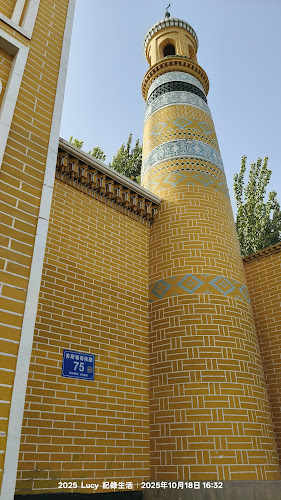
Id Kah Mosque
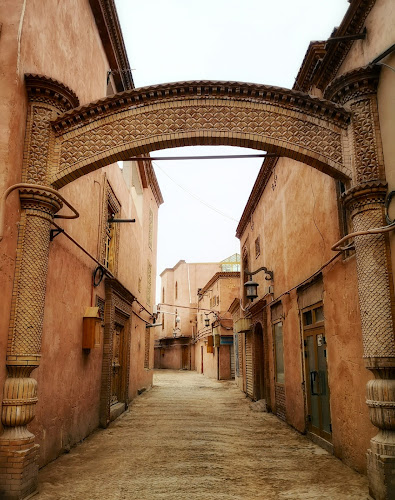
Kashgar Old City
Find Accommodations Nearby
Recommended Tours & Activities
Visitor Reviews
There are no reviews yet. Be the first one to write one.
Share Your Experience
Have you visited Kashgar Museum? Help other travelers by leaving a review.