
Kashgar Old City
About Kashgar Old City
Description
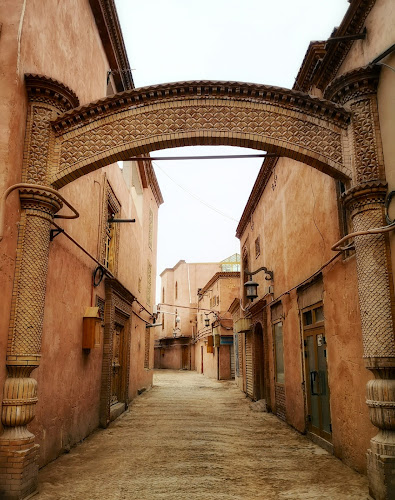
Walking through Kashgar Old City feels like stepping into a living museum where time moves differently than the rest of modern China. This ancient neighborhood in China's far western Xinjiang region represents one of the best-preserved examples of traditional Uyghur architecture and culture you'll find anywhere in Central Asia. The maze-like streets wind between earthen buildings that have stood for centuries, some dating back over 2,000 years when Kashgar served as a crucial stop along the Silk Road. I'll be honest with you - this isn't your typical sanitized tourist attraction. The Old City is home to actual families who've lived here for generations, which means you're experiencing authentic daily life rather than some theme park version of history. You'll see craftsmen working in tiny workshops using techniques passed down through countless generations, smell fresh nan bread baking in traditional ovens, and hear the sounds of Uyghur conversations echoing off ancient walls. The neighborhood covers roughly 2 square kilometers and houses around 200,000 residents, though those numbers have fluctuated over recent years due to various reconstruction efforts. What makes this place special isn't just the age of the buildings - it's the continuation of traditional ways of life within them. Blacksmiths still hammer metal using age-old methods, pottery makers shape clay on wooden wheels, and carpet weavers create intricate patterns that tell stories going back centuries. And here's something most guidebooks won't tell you straight up: parts of the Old City have undergone significant restoration work in recent years. Some travelers feel this has compromised the authenticity, while others appreciate that it's made the area safer during earthquakes (a real concern in this seismically active region). You'll need to form your own opinion on this, but either way, the cultural experience remains powerful and unique.Key Features
The Kashgar Old City offers visitors several distinctive experiences that set it apart from other historical sites:- Traditional Uyghur Architecture - Multi-story mud-brick buildings with wooden balconies, decorated doors, and intricate geometric patterns that showcase Islamic and Central Asian design influences
- Artisan Workshops - Active blacksmith forges, pottery studios, knife-making shops, and textile workshops where craftspeople still practice traditional trades their ancestors perfected
- Food Culture - Authentic Uyghur restaurants, street food vendors selling samsa and lagman, and the intoxicating aroma of cumin-spiced lamb grilling on open flames throughout the narrow alleyways
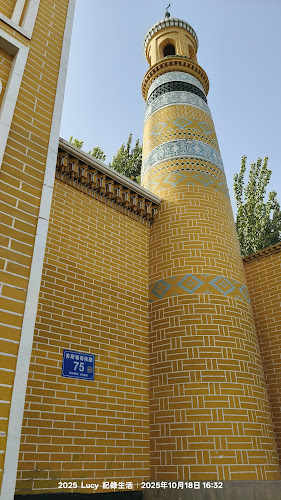
- Id Kah Mosque - China's largest mosque sits at the edge of the Old City, a stunning example of Islamic architecture that's been a spiritual center for the region since 1442
- Residential Neighborhoods - Unlike many "old towns" that have become purely commercial, families still raise children, celebrate weddings, and live their daily lives here
- Tea Houses - Traditional chaikhanas where locals gather to sip tea, play cards, and socialize - visitors are usually welcomed to join and observe this important social ritual
- Accessibility Features - The area includes wheelchair-accessible restrooms and facilities, making it more welcoming for travelers with mobility considerations than many ancient sites
- Market Lanes - Specialized streets where specific trades cluster together - the copper street, the hat-makers' alley, and the musical instrument quarter each offer unique shopping experiences
Best Time to Visit
Timing your visit to Kashgar Old City can make a huge difference in your experience, and I'm gonna be straight with you about what to expect during different seasons. Spring (April to May) ranks as one of the ideal windows for exploration. Temperatures hover in the comfortable 15-25°C range, and the city comes alive after winter with fruit trees blossoming throughout courtyards. The light during these months is absolutely gorgeous for photography, casting warm glows on the earthen buildings. But be prepared for occasional dust storms - this is desert territory after all. Summer (June to August) brings intense heat with temperatures regularly climbing above 35°C. The sun beats down hard in those narrow alleys, and midday exploration can feel pretty punishing. However, this is also when the Old City is most animated with activity. Families sit outside in the evenings enjoying cooler air, and you'll find the social atmosphere at its peak. If you can handle the heat and adjust your schedule to explore during early mornings and late afternoons, summer offers rewarding cultural immersion. Autumn (September to October) is hands-down my pick for the best time to visit. The weather moderates to pleasant temperatures, the harsh summer sun loses its intensity, and the grape harvests come in. You'll see fresh fruit piled high in markets, and the quality of light makes everything look magical. Tourist numbers drop slightly compared to summer, giving you more breathing room to wander. Winter (November to March) sees temperatures plunge below freezing, and many travelers skip Kashgar entirely during these months. That's actually a mistake in my opinion - if you can bundle up properly. The Old City takes on a completely different character with fewer visitors, smoke rising from coal stoves, and locals huddled in tea houses. You'll get a more intimate glimpse of daily life, though some workshops and restaurants keep reduced hours or close entirely. One thing worth noting: try to time your visit around the Sunday Market (more accurately called the livestock market these days) which happens year-round and adds another layer to the Kashgar experience, though it's technically outside the Old City proper.How to Get There
Getting to Kashgar Old City requires some planning since we're talking about one of the most remote cities in China - it's literally closer to Baghdad than Beijing in terms of distance. By air, you'll fly into Kashgar Airport, which has improved connections in recent years. Direct flights run from major Chinese cities including Urumqi (the regional capital), Beijing, Shanghai, and Guangzhou. The flight from Urumqi takes about 2 hours, while flights from eastern Chinese cities can take 5-7 hours with varying layover times. From the airport, the Old City sits roughly 13 kilometers northeast. Taxis are readily available and should cost around 30-40 RMB for the 20-minute drive, though always confirm the fare before getting in or insist the driver uses the meter. The train option appeals to travelers with time on their hands and a sense of adventure. The railway to Kashgar is an experience itself, though calling it "long" would be an understatement. From Urumqi, the journey takes about 24 hours, but the scenery passing by - mountains, desert, occasional oasis towns - makes it worthwhile if you're not in a rush. Hard sleeper berths offer reasonable comfort and a chance to interact with local travelers. Once you're in Kashgar city, reaching the Old City is straightforward. Most hotels in the city center are within walking distance or a short taxi ride away. The main entrance to the Old City tourist area is well-marked and easy to find. Local buses also run routes past the Old City, though for first-time visitors, taxis eliminate the confusion of figuring out bus routes in a city where English signage is scarce. Some travelers arrive overland from Pakistan via the Karakoram Highway, one of the world's most spectacular mountain roads. This requires proper permits and planning but offers an unforgettable approach to Kashgar if you've got the time and adventurous spirit.Tips for Visiting
After spending time exploring this fascinating neighborhood, here's what I wish someone had told me before my first visit. Dress modestly and respectfully. This is a conservative Muslim community, and while locals are generally welcoming to tourists, showing cultural sensitivity goes a long way. Women should consider covering shoulders and wearing pants or longer skirts. Men should avoid going shirtless no matter how hot it gets. Bring cash - lots of it. While China has largely gone cashless in major cities with Alipay and WeChat Pay dominating, many small shops and food vendors in the Old City still prefer cash transactions, especially when dealing with foreigners who might not have Chinese payment apps set up properly. Learn a few basic Uyghur or Chinese phrases. English is not widely spoken in the Old City. Even simple greetings like "Yaxshimusiz" (hello in Uyghur) or "ni hao" (hello in Mandarin) will earn you smiles and warmer interactions. "Rahmat" means thank you in Uyghur and is worth memorizing. Photography requires sensitivity. While the Old City is incredibly photogenic, always ask permission before photographing people, especially women and children. A smile and gesture toward your camera usually communicates your request. Many craftspeople are happy to be photographed at work, but don't assume - ask first. Wear comfortable walking shoes with good support. The streets are uneven, made of stones and packed earth, with lots of stairs and inclines. Those Instagram-worthy sandals might look great but will leave your feet hurting after an hour of exploration. Visit both with and without a guide. Hiring a local guide (available at the main entrance) provides valuable context and historical information you'd otherwise miss. But also spend time wandering alone - getting slightly lost in the alleys often leads to the most memorable discoveries. The restroom facilities in the Old City have improved significantly, with accessible options available near the main tourist areas. However, carry tissues or toilet paper with you, as not all facilities provide it. Hand sanitizer is also worth packing. Bargaining is expected in shops and markets, but do it respectfully. Don't haggle over tiny amounts - remember that your spare change represents real money to local vendors. A good rule is to pay what feels fair to both parties rather than grinding down to the absolute minimum price. Be aware of your surroundings and keep valuables secure. Petty theft isn't rampant, but crowded areas anywhere in the world attract pickpockets. Use a secure bag and keep cameras and phones secure when not actively using them. Try the food, but build up gradually if you have a sensitive stomach. The local cuisine is delicious - cumin lamb skewers, hand-pulled noodles, fresh nan bread - but can be quite oily and heavily spiced if you're not accustomed to it. Start with milder dishes and work your way up to the adventurous stuff. Consider visiting during different times of day. The Old City transforms as light changes. Early morning brings craftspeople opening their workshops and the smell of fresh bread. Late afternoon offers gorgeous golden light for photographs. Evening brings families into the streets and a social atmosphere as temperatures cool. Stay hydrated, especially during summer months. The dry climate and walking around in heat can dehydrate you quickly. Bottled water is widely available and inexpensive. The Old City is indeed good for kids as indicated by accessibility information, and you'll see many local children playing in the streets. However, supervise young ones carefully given the uneven terrain and traffic in some areas where vehicles still pass through narrow lanes. Finally, approach your visit with an open mind and patience. Kashgar Old City operates on its own rhythm, different from the fast-paced modern world. Things might not run on schedule, communication might require creative gestures, and you'll encounter situations that seem confusing at first. That's all part of the experience that makes visiting this ancient Silk Road city so rewarding.Key Features
- Labyrinthine narrow alleys and traditional mud-brick architecture
- Vibrant street life with teahouses, local food stalls and markets
- Artisans producing carpets, metalwork, woodworking and ceramics
- Nearby historic mosques and minarets reflecting Uyghur Islamic heritage
- Photogenic courtyards, rooftops and panoramic views for photography
More Details
Updated March 30, 2026
Table of Contents
Description
Walking through Kashgar Old City feels like stepping into a living museum where time moves differently than the rest of modern China. This ancient neighborhood in China’s far western Xinjiang region represents one of the best-preserved examples of traditional Uyghur architecture and culture you’ll find anywhere in Central Asia. The maze-like streets wind between earthen buildings that have stood for centuries, some dating back over 2,000 years when Kashgar served as a crucial stop along the Silk Road.
I’ll be honest with you – this isn’t your typical sanitized tourist attraction. The Old City is home to actual families who’ve lived here for generations, which means you’re experiencing authentic daily life rather than some theme park version of history. You’ll see craftsmen working in tiny workshops using techniques passed down through countless generations, smell fresh nan bread baking in traditional ovens, and hear the sounds of Uyghur conversations echoing off ancient walls.
The neighborhood covers roughly 2 square kilometers and houses around 200,000 residents, though those numbers have fluctuated over recent years due to various reconstruction efforts. What makes this place special isn’t just the age of the buildings – it’s the continuation of traditional ways of life within them. Blacksmiths still hammer metal using age-old methods, pottery makers shape clay on wooden wheels, and carpet weavers create intricate patterns that tell stories going back centuries.
And here’s something most guidebooks won’t tell you straight up: parts of the Old City have undergone significant restoration work in recent years. Some travelers feel this has compromised the authenticity, while others appreciate that it’s made the area safer during earthquakes (a real concern in this seismically active region). You’ll need to form your own opinion on this, but either way, the cultural experience remains powerful and unique.
Key Features
The Kashgar Old City offers visitors several distinctive experiences that set it apart from other historical sites:
- Traditional Uyghur Architecture – Multi-story mud-brick buildings with wooden balconies, decorated doors, and intricate geometric patterns that showcase Islamic and Central Asian design influences
- Artisan Workshops – Active blacksmith forges, pottery studios, knife-making shops, and textile workshops where craftspeople still practice traditional trades their ancestors perfected
- Food Culture – Authentic Uyghur restaurants, street food vendors selling samsa and lagman, and the intoxicating aroma of cumin-spiced lamb grilling on open flames throughout the narrow alleyways
- Id Kah Mosque – China’s largest mosque sits at the edge of the Old City, a stunning example of Islamic architecture that’s been a spiritual center for the region since 1442
- Residential Neighborhoods – Unlike many “old towns” that have become purely commercial, families still raise children, celebrate weddings, and live their daily lives here
- Tea Houses – Traditional chaikhanas where locals gather to sip tea, play cards, and socialize – visitors are usually welcomed to join and observe this important social ritual
- Accessibility Features – The area includes wheelchair-accessible restrooms and facilities, making it more welcoming for travelers with mobility considerations than many ancient sites
- Market Lanes – Specialized streets where specific trades cluster together – the copper street, the hat-makers’ alley, and the musical instrument quarter each offer unique shopping experiences
Best Time to Visit
Timing your visit to Kashgar Old City can make a huge difference in your experience, and I’m gonna be straight with you about what to expect during different seasons.
Spring (April to May) ranks as one of the ideal windows for exploration. Temperatures hover in the comfortable 15-25°C range, and the city comes alive after winter with fruit trees blossoming throughout courtyards. The light during these months is absolutely gorgeous for photography, casting warm glows on the earthen buildings. But be prepared for occasional dust storms – this is desert territory after all.
Summer (June to August) brings intense heat with temperatures regularly climbing above 35°C. The sun beats down hard in those narrow alleys, and midday exploration can feel pretty punishing. However, this is also when the Old City is most animated with activity. Families sit outside in the evenings enjoying cooler air, and you’ll find the social atmosphere at its peak. If you can handle the heat and adjust your schedule to explore during early mornings and late afternoons, summer offers rewarding cultural immersion.
Autumn (September to October) is hands-down my pick for the best time to visit. The weather moderates to pleasant temperatures, the harsh summer sun loses its intensity, and the grape harvests come in. You’ll see fresh fruit piled high in markets, and the quality of light makes everything look magical. Tourist numbers drop slightly compared to summer, giving you more breathing room to wander.
Winter (November to March) sees temperatures plunge below freezing, and many travelers skip Kashgar entirely during these months. That’s actually a mistake in my opinion – if you can bundle up properly. The Old City takes on a completely different character with fewer visitors, smoke rising from coal stoves, and locals huddled in tea houses. You’ll get a more intimate glimpse of daily life, though some workshops and restaurants keep reduced hours or close entirely.
One thing worth noting: try to time your visit around the Sunday Market (more accurately called the livestock market these days) which happens year-round and adds another layer to the Kashgar experience, though it’s technically outside the Old City proper.
How to Get There
Getting to Kashgar Old City requires some planning since we’re talking about one of the most remote cities in China – it’s literally closer to Baghdad than Beijing in terms of distance.
By air, you’ll fly into Kashgar Airport, which has improved connections in recent years. Direct flights run from major Chinese cities including Urumqi (the regional capital), Beijing, Shanghai, and Guangzhou. The flight from Urumqi takes about 2 hours, while flights from eastern Chinese cities can take 5-7 hours with varying layover times. From the airport, the Old City sits roughly 13 kilometers northeast. Taxis are readily available and should cost around 30-40 RMB for the 20-minute drive, though always confirm the fare before getting in or insist the driver uses the meter.
The train option appeals to travelers with time on their hands and a sense of adventure. The railway to Kashgar is an experience itself, though calling it “long” would be an understatement. From Urumqi, the journey takes about 24 hours, but the scenery passing by – mountains, desert, occasional oasis towns – makes it worthwhile if you’re not in a rush. Hard sleeper berths offer reasonable comfort and a chance to interact with local travelers.
Once you’re in Kashgar city, reaching the Old City is straightforward. Most hotels in the city center are within walking distance or a short taxi ride away. The main entrance to the Old City tourist area is well-marked and easy to find. Local buses also run routes past the Old City, though for first-time visitors, taxis eliminate the confusion of figuring out bus routes in a city where English signage is scarce.
Some travelers arrive overland from Pakistan via the Karakoram Highway, one of the world’s most spectacular mountain roads. This requires proper permits and planning but offers an unforgettable approach to Kashgar if you’ve got the time and adventurous spirit.
Tips for Visiting
After spending time exploring this fascinating neighborhood, here’s what I wish someone had told me before my first visit.
Dress modestly and respectfully. This is a conservative Muslim community, and while locals are generally welcoming to tourists, showing cultural sensitivity goes a long way. Women should consider covering shoulders and wearing pants or longer skirts. Men should avoid going shirtless no matter how hot it gets.
Bring cash – lots of it. While China has largely gone cashless in major cities with Alipay and WeChat Pay dominating, many small shops and food vendors in the Old City still prefer cash transactions, especially when dealing with foreigners who might not have Chinese payment apps set up properly.
Learn a few basic Uyghur or Chinese phrases. English is not widely spoken in the Old City. Even simple greetings like “Yaxshimusiz” (hello in Uyghur) or “ni hao” (hello in Mandarin) will earn you smiles and warmer interactions. “Rahmat” means thank you in Uyghur and is worth memorizing.
Photography requires sensitivity. While the Old City is incredibly photogenic, always ask permission before photographing people, especially women and children. A smile and gesture toward your camera usually communicates your request. Many craftspeople are happy to be photographed at work, but don’t assume – ask first.
Wear comfortable walking shoes with good support. The streets are uneven, made of stones and packed earth, with lots of stairs and inclines. Those Instagram-worthy sandals might look great but will leave your feet hurting after an hour of exploration.
Visit both with and without a guide. Hiring a local guide (available at the main entrance) provides valuable context and historical information you’d otherwise miss. But also spend time wandering alone – getting slightly lost in the alleys often leads to the most memorable discoveries.
The restroom facilities in the Old City have improved significantly, with accessible options available near the main tourist areas. However, carry tissues or toilet paper with you, as not all facilities provide it. Hand sanitizer is also worth packing.
Bargaining is expected in shops and markets, but do it respectfully. Don’t haggle over tiny amounts – remember that your spare change represents real money to local vendors. A good rule is to pay what feels fair to both parties rather than grinding down to the absolute minimum price.
Be aware of your surroundings and keep valuables secure. Petty theft isn’t rampant, but crowded areas anywhere in the world attract pickpockets. Use a secure bag and keep cameras and phones secure when not actively using them.
Try the food, but build up gradually if you have a sensitive stomach. The local cuisine is delicious – cumin lamb skewers, hand-pulled noodles, fresh nan bread – but can be quite oily and heavily spiced if you’re not accustomed to it. Start with milder dishes and work your way up to the adventurous stuff.
Consider visiting during different times of day. The Old City transforms as light changes. Early morning brings craftspeople opening their workshops and the smell of fresh bread. Late afternoon offers gorgeous golden light for photographs. Evening brings families into the streets and a social atmosphere as temperatures cool.
Stay hydrated, especially during summer months. The dry climate and walking around in heat can dehydrate you quickly. Bottled water is widely available and inexpensive.
The Old City is indeed good for kids as indicated by accessibility information, and you’ll see many local children playing in the streets. However, supervise young ones carefully given the uneven terrain and traffic in some areas where vehicles still pass through narrow lanes.
Finally, approach your visit with an open mind and patience. Kashgar Old City operates on its own rhythm, different from the fast-paced modern world. Things might not run on schedule, communication might require creative gestures, and you’ll encounter situations that seem confusing at first. That’s all part of the experience that makes visiting this ancient Silk Road city so rewarding.
Key Highlights
- Labyrinthine narrow alleys and traditional mud-brick architecture
- Vibrant street life with teahouses, local food stalls and markets
- Artisans producing carpets, metalwork, woodworking and ceramics
- Nearby historic mosques and minarets reflecting Uyghur Islamic heritage
- Photogenic courtyards, rooftops and panoramic views for photography
Location
Places to Stay Near Kashgar Old City
Find and Book a Tour
Explore More Travel Guides
No reviews found! Be the first to review!
Kashgar Old City is a prominent attractions located in Kashgar Prefecture.
Visit us at: China, Xinjiang, Kashgar Prefecture, Kashgar, Yawage Rd, 艾提尕尔清真寺旁 邮政编码: 844099.
Traveler Reviews for Kashgar Old City
There are no reviews yet. Be the first one to write one.
Have you visited Kashgar Old City? Help other travelers by sharing your review.
Nearby Attractions
You Might Also Like
Id Kah Mosque
844001
Kargilik Town
Find Accommodations Nearby
Recommended Tours & Activities
Visitor Reviews
There are no reviews yet. Be the first one to write one.
Share Your Experience
Have you visited Kashgar Old City? Help other travelers by leaving a review.