

Sidhi Vinayak Nagar
About Sidhi Vinayak Nagar
Description
Sidhi Vinayak Nagar represents one of those residential neighborhoods that travelers often overlook when planning their Indian adventures, and honestly, that's a shame. This area serves as a genuine slice of local life, where you'll find yourself immersed in the authentic rhythms of everyday India rather than the tourist-heavy spots that dominate most itineraries. I remember the first time I wandered into a residential area like this during my travels – the experience completely changed how I understood the place I was visiting. The neighborhood appeals particularly to those travelers who've grown tired of the same old tourist traps and crave something more real. You know what I mean – when you've seen one more crowded monument surrounded by pushy vendors, you start wondering what actual life looks like in these cities. That's where places like Sidhi Vinayak Nagar come into their own. The streets here pulse with genuine community life, from morning chai vendors setting up their stalls to evening gatherings where locals catch up on the day's events. What makes Sidhi Vinayak Nagar particularly interesting for visitors is how it balances accessibility with authenticity. You're not completely cut off from modern amenities or tourist infrastructure, but you're also not drowning in tour buses and souvenir shops. It's that sweet spot where you can observe and participate in local culture while still having reasonable access to the things that make travel comfortable. The residential character means you'll see children heading to school, families shopping for groceries, and the small businesses that actually serve the community rather than just extracting money from passing tourists. The area works well as a base for travelers who want to explore a region while experiencing how people actually live there. And let me tell you, staying in residential neighborhoods teaches you things about a place that no guidebook ever could. You learn which street food vendors have the longest queues (always a good sign), you figure out the unofficial parking rules, and you might even get invited for tea by curious neighbors wondering what brought you to their corner of the world.Key Features
The defining characteristics of Sidhi Vinayak Nagar reveal why certain travelers find themselves drawn to this kind of destination: • Genuine residential atmosphere that provides an unfiltered look at local daily life and community interactions • Quieter environment compared to commercial or heavily touristed districts, offering respite after long days of sightseeing • Local markets and small shops where you can practice your bargaining skills without the aggressive tourism-focused sales tactics • Affordable accommodation options including guesthouses and homestays that won't demolish your travel budget • Street food scene that caters to local tastes rather than Western palates, perfect for adventurous eaters • Opportunity to observe religious and cultural practices as they naturally occur in the community • Parks and open spaces where locals gather, providing excellent people-watching opportunities • Small temples and community centers that welcome respectful visitors • Local transportation hubs that connect you to broader regional attractions • Neighborhood shops and services that operate on local schedules and customs • Evening social scenes where families and friends gather outdoors, especially during cooler months • Limited English signage which adds to the adventure for those willing to navigate with gestures and translation appsBest Time to Visit
Timing your visit to Sidhi Vinayak Nagar requires thinking about what you want from the experience. The cooler months from October through March generally offer the most pleasant weather for walking around and exploring residential streets. You'll find yourself more willing to wander when you're not melting in oppressive heat or dodging monsoon downpours. But here's something most travel guides won't tell you – visiting during festival seasons transforms these residential areas in ways that tourist districts simply can't match. The decorations go up on actual homes, the special foods appear in local markets, and you witness how communities celebrate together. I've always found that festivals in residential neighborhoods feel more genuine because they're happening for the residents, not for tourist cameras. Early mornings between 6 and 9 AM reveal a completely different side of places like Sidhi Vinayak Nagar. That's when the neighborhood truly comes alive with its daily routines. Vendors set up breakfast stalls, people head to temples, children prepare for school, and the day's energy builds gradually. If you're serious about understanding a place, you need to be awake for these hours at least once during your stay. Evenings from 5 to 8 PM offer another prime window, especially during cooler months. Families emerge from their homes, parks fill with people, and the street food vendors hit their stride. The social nature of Indian residential life becomes most apparent during these hours. The monsoon season (roughly June through September) presents challenges with heavy rains and flooding possibilities, but it also shows you how communities adapt to seasonal changes. Just be prepared for muddy streets and interrupted plans. Summer months from April to June can be brutally hot depending on the region, making afternoon exploration pretty uncomfortable. Weekends and local holidays give you the best chance to see community life at its most relaxed, though some shops and services might operate on reduced schedules. Plan accordingly.How to Get There
Getting to Sidhi Vinayak Nagar requires a bit more initiative than simply following tourist signposts, but that's part of what keeps it authentic. Your approach depends heavily on which city or region this neighborhood calls home, but some general strategies work across different locations. Local transportation like auto-rickshaws and cycle-rickshaws can navigate residential areas much better than larger vehicles. Download offline maps before you arrive because GPS can be unreliable in residential neighborhoods, and asking for directions becomes part of the adventure. I've found that showing someone the written name in the local script on your phone works better than trying to pronounce place names. If you're coming from a major transportation hub like a railway station or airport, you'll likely need to layer different transport modes. A combination of metro or bus to get you to the general area, followed by an auto-rickshaw for the final stretch, usually works well. Pre-paid taxi stands at stations and airports offer fixed rates that prevent the negotiation hassles, though they might not take you directly into residential neighborhoods. Ride-sharing apps function in many Indian cities now, and they've honestly made navigating to off-the-beaten-path locations much simpler. The driver can call you if they get lost, and the app handles payment without currency exchange complications. For the adventurous, local buses provide the cheapest option and maximum cultural immersion, though you'll need to do homework about which routes serve the area. Bus conductors can be surprisingly helpful when you explain your destination, even with language barriers. Walking from nearby tourist areas might be feasible depending on distances and your comfort level with navigation. Residential neighborhoods often sit adjacent to more commercial districts, and the transition can happen within just a few blocks. Once you're there, the neighborhood itself is best explored on foot. The streets weren't designed for heavy vehicle traffic, and walking lets you actually notice the details that make the place interesting.Tips for Visiting
Successfully experiencing a residential area like Sidhi Vinayak Nagar requires different skills than visiting major tourist attractions. Dress conservatively because you're entering spaces where people live according to their cultural norms, not catering to tourist expectations. This means covering shoulders and knees at minimum, and paying attention to what locals around you are wearing. Learn a few basic phrases in the local language. Even terrible pronunciation of simple greetings earns you smiles and opens doors that remain closed to those who don't try. "Hello," "thank you," "how much," and "where is" will carry you remarkably far. Bring cash in small denominations. The neighborhood shops and street vendors aren't set up for digital payments or credit cards, and nobody wants to break a large note for your small purchase. I learned this the hard way after trying to pay for 20-rupee chai with a 500-rupee note and watching the vendor's face fall. Photography requires sensitivity here. These are people's homes and daily lives, not tourist attractions. Always ask permission before photographing people, and respect refusals gracefully. Some of the best photos come from interactions where you've established rapport first anyway. Street food safety follows the usual rules – eat where you see high turnover and lots of local customers. Watch how food is prepared and stored. Avoid anything sitting out in the sun for unknown periods. My personal rule: if grandmothers are eating there, it's probably safe. Respect prayer times and religious spaces. If you hear the call to prayer or notice people heading to temples, be mindful of your behavior and noise level. Removing shoes before entering religious spaces is non-negotiable, and modest dress becomes even more important. Stay aware of your surroundings without being paranoid. Residential neighborhoods are generally safe, but you're still a visible outsider carrying valuable items. Keep your phone and wallet secure, and trust your instincts about situations that feel off. The plumbing in residential areas might not handle toilet paper, so be prepared for bucket showers and different bathroom setups than you're used to at hotels. Carry tissues or toilet paper with you because public facilities often don't provide them. Expect curious attention, especially if you look obviously foreign. Children might stare or ask questions, and adults might strike up conversations about where you're from and what brought you to their neighborhood. These interactions can be highlights of your trip if you approach them with openness. Shop at local markets during morning hours when the selection is freshest and vendors are most eager to make their first sales of the day. Late evening might offer discounts on perishables that won't last until tomorrow. Don't expect rigid business hours. Shops open and close based on the owner's needs, prayer times, meal times, and various other factors. That shop you visited yesterday might be inexplicably closed today, and that's just how things work. Bring reusable water bottles and refill them at your accommodation rather than buying plastic bottles constantly. Many neighborhoods lack proper waste management, and reducing your plastic footprint makes a real difference. Most importantly, remember you're a guest in someone's home neighborhood. The same courtesy and respect you'd show visiting someone's house applies here. Observe more than you judge, ask questions with genuine curiosity, and appreciate that different doesn't mean wrong.Key Features
- Local temples and community shrines
- Main Bazaar / Main Road with small shops and street food
- Residential streets with a lived-in suburban character
- Convenient access to Ulhasnagar town centre and transit
- Strong sense of local community and everyday life
More Details
Updated March 30, 2026
Table of Contents
Description
Sidhi Vinayak Nagar represents one of those residential neighborhoods that travelers often overlook when planning their Indian adventures, and honestly, that’s a shame. This area serves as a genuine slice of local life, where you’ll find yourself immersed in the authentic rhythms of everyday India rather than the tourist-heavy spots that dominate most itineraries. I remember the first time I wandered into a residential area like this during my travels – the experience completely changed how I understood the place I was visiting.
The neighborhood appeals particularly to those travelers who’ve grown tired of the same old tourist traps and crave something more real. You know what I mean – when you’ve seen one more crowded monument surrounded by pushy vendors, you start wondering what actual life looks like in these cities. That’s where places like Sidhi Vinayak Nagar come into their own. The streets here pulse with genuine community life, from morning chai vendors setting up their stalls to evening gatherings where locals catch up on the day’s events.
What makes Sidhi Vinayak Nagar particularly interesting for visitors is how it balances accessibility with authenticity. You’re not completely cut off from modern amenities or tourist infrastructure, but you’re also not drowning in tour buses and souvenir shops. It’s that sweet spot where you can observe and participate in local culture while still having reasonable access to the things that make travel comfortable. The residential character means you’ll see children heading to school, families shopping for groceries, and the small businesses that actually serve the community rather than just extracting money from passing tourists.
The area works well as a base for travelers who want to explore a region while experiencing how people actually live there. And let me tell you, staying in residential neighborhoods teaches you things about a place that no guidebook ever could. You learn which street food vendors have the longest queues (always a good sign), you figure out the unofficial parking rules, and you might even get invited for tea by curious neighbors wondering what brought you to their corner of the world.
Key Features
The defining characteristics of Sidhi Vinayak Nagar reveal why certain travelers find themselves drawn to this kind of destination:
• Genuine residential atmosphere that provides an unfiltered look at local daily life and community interactions
• Quieter environment compared to commercial or heavily touristed districts, offering respite after long days of sightseeing
• Local markets and small shops where you can practice your bargaining skills without the aggressive tourism-focused sales tactics
• Affordable accommodation options including guesthouses and homestays that won’t demolish your travel budget
• Street food scene that caters to local tastes rather than Western palates, perfect for adventurous eaters
• Opportunity to observe religious and cultural practices as they naturally occur in the community
• Parks and open spaces where locals gather, providing excellent people-watching opportunities
• Small temples and community centers that welcome respectful visitors
• Local transportation hubs that connect you to broader regional attractions
• Neighborhood shops and services that operate on local schedules and customs
• Evening social scenes where families and friends gather outdoors, especially during cooler months
• Limited English signage which adds to the adventure for those willing to navigate with gestures and translation apps
Best Time to Visit
Timing your visit to Sidhi Vinayak Nagar requires thinking about what you want from the experience. The cooler months from October through March generally offer the most pleasant weather for walking around and exploring residential streets. You’ll find yourself more willing to wander when you’re not melting in oppressive heat or dodging monsoon downpours.
But here’s something most travel guides won’t tell you – visiting during festival seasons transforms these residential areas in ways that tourist districts simply can’t match. The decorations go up on actual homes, the special foods appear in local markets, and you witness how communities celebrate together. I’ve always found that festivals in residential neighborhoods feel more genuine because they’re happening for the residents, not for tourist cameras.
Early mornings between 6 and 9 AM reveal a completely different side of places like Sidhi Vinayak Nagar. That’s when the neighborhood truly comes alive with its daily routines. Vendors set up breakfast stalls, people head to temples, children prepare for school, and the day’s energy builds gradually. If you’re serious about understanding a place, you need to be awake for these hours at least once during your stay.
Evenings from 5 to 8 PM offer another prime window, especially during cooler months. Families emerge from their homes, parks fill with people, and the street food vendors hit their stride. The social nature of Indian residential life becomes most apparent during these hours.
The monsoon season (roughly June through September) presents challenges with heavy rains and flooding possibilities, but it also shows you how communities adapt to seasonal changes. Just be prepared for muddy streets and interrupted plans. Summer months from April to June can be brutally hot depending on the region, making afternoon exploration pretty uncomfortable.
Weekends and local holidays give you the best chance to see community life at its most relaxed, though some shops and services might operate on reduced schedules. Plan accordingly.
How to Get There
Getting to Sidhi Vinayak Nagar requires a bit more initiative than simply following tourist signposts, but that’s part of what keeps it authentic. Your approach depends heavily on which city or region this neighborhood calls home, but some general strategies work across different locations.
Local transportation like auto-rickshaws and cycle-rickshaws can navigate residential areas much better than larger vehicles. Download offline maps before you arrive because GPS can be unreliable in residential neighborhoods, and asking for directions becomes part of the adventure. I’ve found that showing someone the written name in the local script on your phone works better than trying to pronounce place names.
If you’re coming from a major transportation hub like a railway station or airport, you’ll likely need to layer different transport modes. A combination of metro or bus to get you to the general area, followed by an auto-rickshaw for the final stretch, usually works well. Pre-paid taxi stands at stations and airports offer fixed rates that prevent the negotiation hassles, though they might not take you directly into residential neighborhoods.
Ride-sharing apps function in many Indian cities now, and they’ve honestly made navigating to off-the-beaten-path locations much simpler. The driver can call you if they get lost, and the app handles payment without currency exchange complications.
For the adventurous, local buses provide the cheapest option and maximum cultural immersion, though you’ll need to do homework about which routes serve the area. Bus conductors can be surprisingly helpful when you explain your destination, even with language barriers.
Walking from nearby tourist areas might be feasible depending on distances and your comfort level with navigation. Residential neighborhoods often sit adjacent to more commercial districts, and the transition can happen within just a few blocks.
Once you’re there, the neighborhood itself is best explored on foot. The streets weren’t designed for heavy vehicle traffic, and walking lets you actually notice the details that make the place interesting.
Tips for Visiting
Successfully experiencing a residential area like Sidhi Vinayak Nagar requires different skills than visiting major tourist attractions. Dress conservatively because you’re entering spaces where people live according to their cultural norms, not catering to tourist expectations. This means covering shoulders and knees at minimum, and paying attention to what locals around you are wearing.
Learn a few basic phrases in the local language. Even terrible pronunciation of simple greetings earns you smiles and opens doors that remain closed to those who don’t try. “Hello,” “thank you,” “how much,” and “where is” will carry you remarkably far.
Bring cash in small denominations. The neighborhood shops and street vendors aren’t set up for digital payments or credit cards, and nobody wants to break a large note for your small purchase. I learned this the hard way after trying to pay for 20-rupee chai with a 500-rupee note and watching the vendor’s face fall.
Photography requires sensitivity here. These are people’s homes and daily lives, not tourist attractions. Always ask permission before photographing people, and respect refusals gracefully. Some of the best photos come from interactions where you’ve established rapport first anyway.
Street food safety follows the usual rules – eat where you see high turnover and lots of local customers. Watch how food is prepared and stored. Avoid anything sitting out in the sun for unknown periods. My personal rule: if grandmothers are eating there, it’s probably safe.
Respect prayer times and religious spaces. If you hear the call to prayer or notice people heading to temples, be mindful of your behavior and noise level. Removing shoes before entering religious spaces is non-negotiable, and modest dress becomes even more important.
Stay aware of your surroundings without being paranoid. Residential neighborhoods are generally safe, but you’re still a visible outsider carrying valuable items. Keep your phone and wallet secure, and trust your instincts about situations that feel off.
The plumbing in residential areas might not handle toilet paper, so be prepared for bucket showers and different bathroom setups than you’re used to at hotels. Carry tissues or toilet paper with you because public facilities often don’t provide them.
Expect curious attention, especially if you look obviously foreign. Children might stare or ask questions, and adults might strike up conversations about where you’re from and what brought you to their neighborhood. These interactions can be highlights of your trip if you approach them with openness.
Shop at local markets during morning hours when the selection is freshest and vendors are most eager to make their first sales of the day. Late evening might offer discounts on perishables that won’t last until tomorrow.
Don’t expect rigid business hours. Shops open and close based on the owner’s needs, prayer times, meal times, and various other factors. That shop you visited yesterday might be inexplicably closed today, and that’s just how things work.
Bring reusable water bottles and refill them at your accommodation rather than buying plastic bottles constantly. Many neighborhoods lack proper waste management, and reducing your plastic footprint makes a real difference.
Most importantly, remember you’re a guest in someone’s home neighborhood. The same courtesy and respect you’d show visiting someone’s house applies here. Observe more than you judge, ask questions with genuine curiosity, and appreciate that different doesn’t mean wrong.
Key Highlights
- Local temples and community shrines
- Main Bazaar / Main Road with small shops and street food
- Residential streets with a lived-in suburban character
- Convenient access to Ulhasnagar town centre and transit
- Strong sense of local community and everyday life
Location
Places to Stay Near Sidhi Vinayak Nagar
Find and Book a Tour
Explore More Travel Guides
No reviews found! Be the first to review!
Sidhi Vinayak Nagar is a prominent Attractions located in Ulhasnagar.
Traveler Reviews for Sidhi Vinayak Nagar
There are no reviews yet. Be the first one to write one.
Have you visited Sidhi Vinayak Nagar? Help other travelers by sharing your review.
Nearby Attractions
You Might Also Like
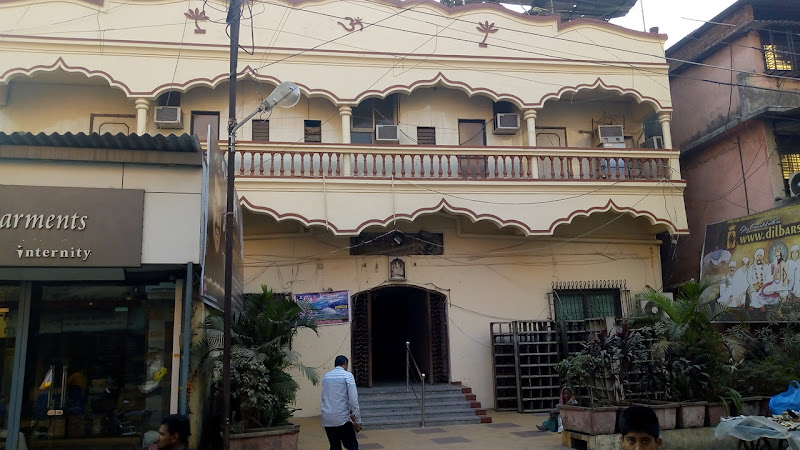
Sai Vasan Shah Darbar
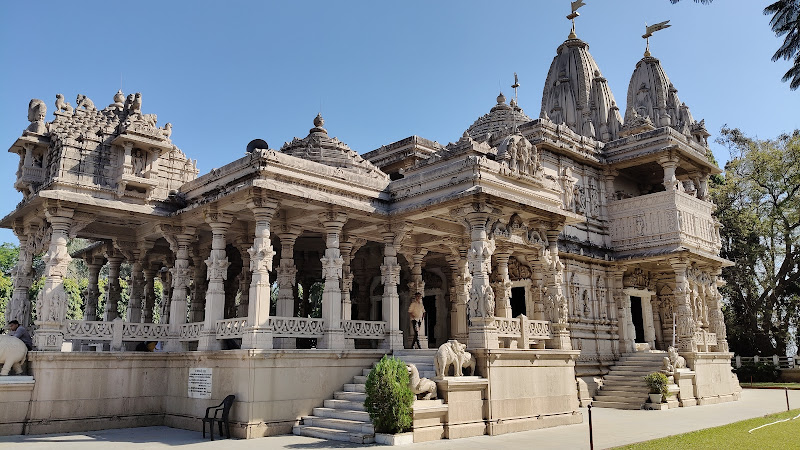
Birla Temple
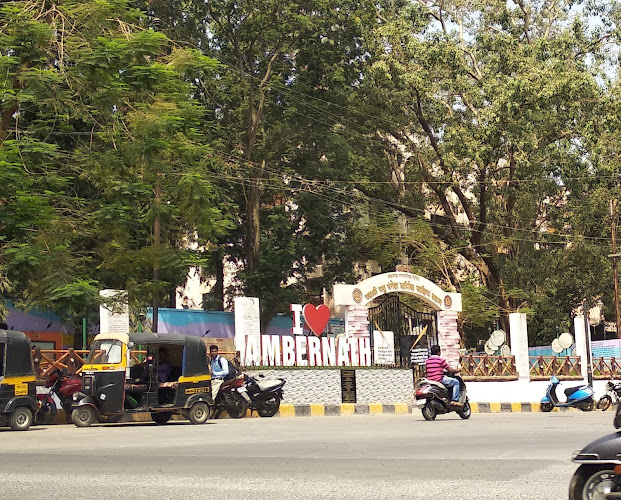
Jhulelal Garden
Find Accommodations Nearby
Recommended Tours & Activities
Visitor Reviews
There are no reviews yet. Be the first one to write one.
Share Your Experience
Have you visited Sidhi Vinayak Nagar? Help other travelers by leaving a review.