
Birla Temple
About Birla Temple
Description
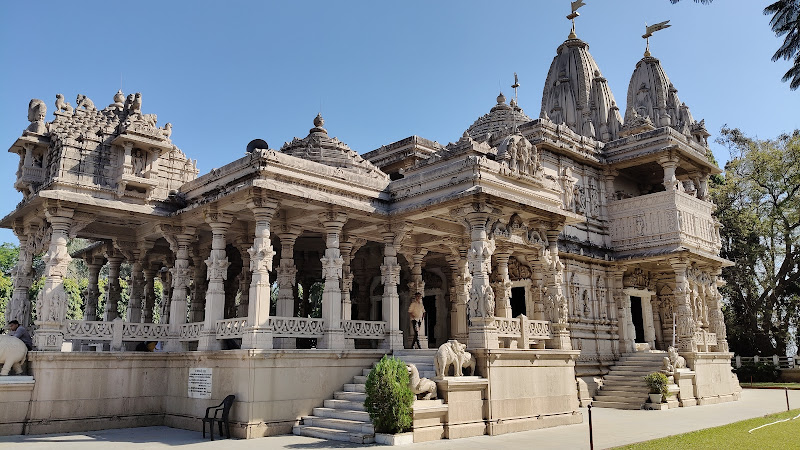
Birla Temple, also known as the Laxminarayan Temple, is one of those places that feels both timeless and alive at the same time. It’s a Hindu temple that’s not just about rituals and prayers—it’s about art, architecture, and that quiet, grounding feeling you get when you step into a space built with devotion. Built by the Birla family, who are known for constructing similar temples across India, this one stands out for its intricate carvings, especially those majestic elephant sculptures that seem to guard the entrance with grace and power. The temple’s structure, made from fine sandstone and marble, gleams under the sun, giving it a serene yet commanding presence that’s hard to forget.
What makes this temple so special isn’t just its beauty—it’s the way it blends spirituality with craftsmanship. The carvings tell stories from Hindu scriptures, and even if you’re not particularly religious, you’ll find yourself admiring the sheer artistry behind them. The surrounding garden adds to the calm, offering a quiet spot to sit and watch the world go by. I remember visiting once on a slightly overcast afternoon—the kind of day when the air feels heavy but comforting—and the temple’s marble seemed to glow softly against the gray sky. It’s one of those memories that sticks with you, not because of grand events, but because of how peaceful it felt.
While most visitors come to offer prayers or simply marvel at the architecture, it’s also a favorite spot for photographers and travelers who love capturing cultural landmarks. The temple complex is well-maintained, though it’s not exactly built for accessibility—there are steps and uneven surfaces that might make it tricky for those with mobility challenges. Still, the effort to visit is worth it. You can sense the devotion not just in the rituals but in every stone, every carving, every detail that has stood the test of time.
Key Features
- Magnificent marble and sandstone architecture showcasing traditional Hindu artistry.
- Impressive elephant carvings at the entrance symbolizing strength and wisdom.
- Beautifully landscaped gardens offering a peaceful retreat from city life.
- Dedicated shrines to Lord Vishnu (Laxminarayan) and Goddess Lakshmi.
- Intricate carvings depicting stories from Hindu mythology.
- Spacious prayer halls designed to accommodate large gatherings during festivals.
- A serene atmosphere ideal for meditation, reflection, and photography.
- Clean and well-maintained premises with basic amenities like restrooms available.
One thing I personally love about the temple is how it manages to stay calm even when it’s crowded. Sure, weekends can get busy, but there’s always a quiet corner—maybe under a banyan tree or near the fountains—where you can just breathe and take in the surroundings. It’s the kind of place that reminds you to slow down, even if just for a few minutes.
Best Time to Visit
If you ask me, mornings are pure magic here. The light hits the marble just right, and the chants from the priests echo softly through the halls. It’s peaceful, almost meditative. But if you’re not an early riser, evenings are equally enchanting—the temple glows under the soft golden lights, and the air carries that faint scent of incense and jasmine.
The best months to visit are from October to March when the weather in Maharashtra is cooler and more comfortable for walking around. Summers can be harsh, and the marble floors heat up quickly, so if you’re visiting then, bring a hat, some water, and maybe plan your trip around sunset. Festivals like Diwali and Janmashtami are particularly lively times to visit, though expect big crowds and long lines. Still, the energy during those celebrations is something else—it’s loud, colorful, and full of joy.
How to Get There
Getting to the Birla Temple is pretty straightforward. It’s well-connected by road, and you’ll find plenty of local transport options—buses, taxis, and auto-rickshaws—that can drop you right at the entrance. If you’re coming from Mumbai or Thane, it’s an easy drive along the highway, and the route itself is quite scenic once you leave the city bustle behind.
For those relying on public transport, nearby train stations make it accessible enough, though you might need a short ride from the station to the temple. I’d personally recommend taking a cab if you’re visiting for the first time—it saves you the hassle of figuring out local routes, and you can stop for a chai or two along the way. There’s something about sipping roadside tea before visiting a temple that just feels right—it’s like a small ritual before the bigger one.
Tips for Visiting
Visiting the Birla Temple isn’t complicated, but a few small things can make your experience smoother and more enjoyable. Here’s what you should keep in mind:
- Dress modestly: It’s a place of worship, so cover your shoulders and knees. Light cotton clothes work best, especially in the warmer months.
- Footwear: You’ll need to remove your shoes before entering the temple. Carry a bag or use the designated shoe racks.
- Photography: While the outer areas are great for photos, be respectful—avoid taking pictures inside the sanctum unless it’s explicitly allowed.
- Timing: Visit early morning or late evening for the most peaceful experience and to avoid crowds.
- Stay hydrated: The temple complex is large, and you’ll likely spend some time walking around. Carry a bottle of water, especially in summer.
- Respect rituals: Even if you’re not participating in prayers, it’s courteous to stay quiet during aarti or chanting sessions.
- Plan for parking: Parking can be limited during festivals or weekends, so arrive early if you’re driving.
One small piece of advice from my own visits—don’t rush. Take your time to notice the details, the carvings, the way the light filters through the arches. Sit in the garden for a few minutes. Watch families come and go, children laughing, elders praying. It’s these little moments that make the experience memorable.
And if you’re the kind of traveler who likes to collect experiences rather than souvenirs, this temple is a must. It’s not just about religion—it’s about history, art, and that quiet sense of connection that places like this seem to hold in their walls. Whether you’re on a spiritual journey or just exploring Maharashtra’s cultural landmarks, the Birla Temple offers a glimpse into India’s enduring devotion and craftsmanship.
So, next time you’re planning a trip nearby, carve out a few hours for this temple. It’s worth it—not just for the photos or the architecture, but for that rare feeling of peace that lingers long after you’ve left.
Key Features
- Magnificent marble and sandstone architecture showcasing traditional Hindu artistry.
- Impressive elephant carvings at the entrance symbolizing strength and wisdom.
- Beautifully landscaped gardens offering a peaceful retreat from city life.
- Dedicated shrines to Lord Vishnu (Laxminarayan) and Goddess Lakshmi.
- Intricate carvings depicting stories from Hindu mythology.
- Spacious prayer halls designed to accommodate large gatherings during festivals.
- A serene atmosphere ideal for meditation, reflection, and photography.
- Clean and well-maintained premises with basic amenities like restrooms available.
More Details
Updated November 7, 2025
Table of Contents
Description
Birla Temple, also known as the Laxminarayan Temple, is one of those places that feels both timeless and alive at the same time. It’s a Hindu temple that’s not just about rituals and prayers—it’s about art, architecture, and that quiet, grounding feeling you get when you step into a space built with devotion. Built by the Birla family, who are known for constructing similar temples across India, this one stands out for its intricate carvings, especially those majestic elephant sculptures that seem to guard the entrance with grace and power. The temple’s structure, made from fine sandstone and marble, gleams under the sun, giving it a serene yet commanding presence that’s hard to forget.
What makes this temple so special isn’t just its beauty—it’s the way it blends spirituality with craftsmanship. The carvings tell stories from Hindu scriptures, and even if you’re not particularly religious, you’ll find yourself admiring the sheer artistry behind them. The surrounding garden adds to the calm, offering a quiet spot to sit and watch the world go by. I remember visiting once on a slightly overcast afternoon—the kind of day when the air feels heavy but comforting—and the temple’s marble seemed to glow softly against the gray sky. It’s one of those memories that sticks with you, not because of grand events, but because of how peaceful it felt.
While most visitors come to offer prayers or simply marvel at the architecture, it’s also a favorite spot for photographers and travelers who love capturing cultural landmarks. The temple complex is well-maintained, though it’s not exactly built for accessibility—there are steps and uneven surfaces that might make it tricky for those with mobility challenges. Still, the effort to visit is worth it. You can sense the devotion not just in the rituals but in every stone, every carving, every detail that has stood the test of time.
Key Features
- Magnificent marble and sandstone architecture showcasing traditional Hindu artistry.
- Impressive elephant carvings at the entrance symbolizing strength and wisdom.
- Beautifully landscaped gardens offering a peaceful retreat from city life.
- Dedicated shrines to Lord Vishnu (Laxminarayan) and Goddess Lakshmi.
- Intricate carvings depicting stories from Hindu mythology.
- Spacious prayer halls designed to accommodate large gatherings during festivals.
- A serene atmosphere ideal for meditation, reflection, and photography.
- Clean and well-maintained premises with basic amenities like restrooms available.
One thing I personally love about the temple is how it manages to stay calm even when it’s crowded. Sure, weekends can get busy, but there’s always a quiet corner—maybe under a banyan tree or near the fountains—where you can just breathe and take in the surroundings. It’s the kind of place that reminds you to slow down, even if just for a few minutes.
Best Time to Visit
If you ask me, mornings are pure magic here. The light hits the marble just right, and the chants from the priests echo softly through the halls. It’s peaceful, almost meditative. But if you’re not an early riser, evenings are equally enchanting—the temple glows under the soft golden lights, and the air carries that faint scent of incense and jasmine.
The best months to visit are from October to March when the weather in Maharashtra is cooler and more comfortable for walking around. Summers can be harsh, and the marble floors heat up quickly, so if you’re visiting then, bring a hat, some water, and maybe plan your trip around sunset. Festivals like Diwali and Janmashtami are particularly lively times to visit, though expect big crowds and long lines. Still, the energy during those celebrations is something else—it’s loud, colorful, and full of joy.
How to Get There
Getting to the Birla Temple is pretty straightforward. It’s well-connected by road, and you’ll find plenty of local transport options—buses, taxis, and auto-rickshaws—that can drop you right at the entrance. If you’re coming from Mumbai or Thane, it’s an easy drive along the highway, and the route itself is quite scenic once you leave the city bustle behind.
For those relying on public transport, nearby train stations make it accessible enough, though you might need a short ride from the station to the temple. I’d personally recommend taking a cab if you’re visiting for the first time—it saves you the hassle of figuring out local routes, and you can stop for a chai or two along the way. There’s something about sipping roadside tea before visiting a temple that just feels right—it’s like a small ritual before the bigger one.
Tips for Visiting
Visiting the Birla Temple isn’t complicated, but a few small things can make your experience smoother and more enjoyable. Here’s what you should keep in mind:
- Dress modestly: It’s a place of worship, so cover your shoulders and knees. Light cotton clothes work best, especially in the warmer months.
- Footwear: You’ll need to remove your shoes before entering the temple. Carry a bag or use the designated shoe racks.
- Photography: While the outer areas are great for photos, be respectful—avoid taking pictures inside the sanctum unless it’s explicitly allowed.
- Timing: Visit early morning or late evening for the most peaceful experience and to avoid crowds.
- Stay hydrated: The temple complex is large, and you’ll likely spend some time walking around. Carry a bottle of water, especially in summer.
- Respect rituals: Even if you’re not participating in prayers, it’s courteous to stay quiet during aarti or chanting sessions.
- Plan for parking: Parking can be limited during festivals or weekends, so arrive early if you’re driving.
One small piece of advice from my own visits—don’t rush. Take your time to notice the details, the carvings, the way the light filters through the arches. Sit in the garden for a few minutes. Watch families come and go, children laughing, elders praying. It’s these little moments that make the experience memorable.
And if you’re the kind of traveler who likes to collect experiences rather than souvenirs, this temple is a must. It’s not just about religion—it’s about history, art, and that quiet sense of connection that places like this seem to hold in their walls. Whether you’re on a spiritual journey or just exploring Maharashtra’s cultural landmarks, the Birla Temple offers a glimpse into India’s enduring devotion and craftsmanship.
So, next time you’re planning a trip nearby, carve out a few hours for this temple. It’s worth it—not just for the photos or the architecture, but for that rare feeling of peace that lingers long after you’ve left.
Key Highlights
- Magnificent marble and sandstone architecture showcasing traditional Hindu artistry.
- Impressive elephant carvings at the entrance symbolizing strength and wisdom.
- Beautifully landscaped gardens offering a peaceful retreat from city life.
- Dedicated shrines to Lord Vishnu (Laxminarayan) and Goddess Lakshmi.
- Intricate carvings depicting stories from Hindu mythology.
- Spacious prayer halls designed to accommodate large gatherings during festivals.
- A serene atmosphere ideal for meditation, reflection, and photography.
- Clean and well-maintained premises with basic amenities like restrooms available.
Location
Places to Stay Near Birla Temple
Find and Book a Tour
Explore More Travel Guides
No reviews found! Be the first to review!
Traveler Reviews for Birla Temple
There are no reviews yet. Be the first one to write one.
Have you visited Birla Temple? Help other travelers by sharing your review.
You Might Also Like
Jhulelal Garden
Ulhasnagar

Sidhi Vinayak Nagar
Find Accommodations Nearby
Recommended Tours & Activities
Visitor Reviews
There are no reviews yet. Be the first one to write one.
Share Your Experience
Have you visited Birla Temple? Help other travelers by leaving a review.