
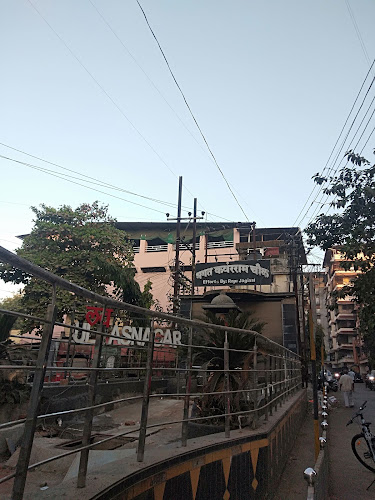
Ulhasnagar
About Ulhasnagar
Description
Ulhasnagar sits about 26 kilometers from Thane City in Maharashtra, and honestly, it's one of those places that doesn't always make it onto the typical tourist radar—which is kind of surprising when you think about it. Part of the Mumbai Metropolitan Region, this municipal city has grown into a substantial urban center with over half a million residents according to the 2011 Census. But what really makes Ulhasnagar worth your attention is its fascinating history and the unique cultural fabric that's been woven over decades. The city emerged as a settlement for Sindhi refugees who arrived after the Partition of India in 1947. And that historical foundation still shapes everything you'll experience here today—from the food you'll eat to the markets you'll explore. It's not your conventional tourist destination with ancient monuments or pristine beaches, but it offers something different: an authentic glimpse into a community that rebuilt itself from scratch and created a distinct identity in the process. I remember the first time someone told me about Ulhasnagar's textile markets, and I thought, how exciting could wholesale shopping really be? Turns out, pretty exciting when you're walking through lanes packed with everything from traditional Indian wear to contemporary fashion at prices that make you do a double-take. The city has become a significant commercial hub, particularly known for its ready-made garments and textile industry. What strikes most visitors is the entrepreneurial spirit that seems to pulse through the streets. This isn't a place where things just happened—it's a city built through determination and business acumen. The Sindhi community brought their trading expertise and created one of the most commercially active areas in the entire Mumbai Metropolitan Region. You'll find that almost every street corner has some business activity happening, which gives the city an energy that's hard to describe until you're actually there.Key Features
Travelers exploring Ulhasnagar will discover several distinctive characteristics that define this city: • Sindhi Cultural Heritage - The predominant Sindhi population has maintained cultural traditions, language, and customs that you won't find as concentrated anywhere else in Maharashtra. The community festivals and celebrations offer genuine cultural experiences. • Wholesale Markets - Massive textile and garment markets attract buyers from across India. These aren't tourist traps but actual commercial centers where you can find incredible deals on clothing, fabrics, and accessories if you know how to navigate them. • Strategic Location - Positioned within the Mumbai Metropolitan Region, the city offers easy access to Mumbai, Thane, and other surrounding areas while maintaining its own distinct character. • Commercial Activity - The sheer volume of business happening daily creates an atmosphere unlike typical tourist cities. You're seeing real commerce in action rather than sanitized shopping experiences. • Food Scene - Sindhi cuisine takes center stage here, with dishes like Sindhi curry, dal pakwan, and sai bhaji available at numerous eateries. The food culture reflects authentic home-style cooking rather than restaurant adaptations. • Affordable Accommodation - Unlike Mumbai proper, staying in Ulhasnagar won't drain your travel budget. You'll find reasonable lodging options that provide good value for money. • Camp Areas - The city is divided into five camps (Camp 1 through Camp 5), each with its own personality and commercial focus. This unique organizational structure dates back to the refugee settlement days. • Religious Sites - Various temples and gurudwaras serve the local community and welcome visitors interested in spiritual exploration or architectural appreciation.Best Time to Visit
Timing your visit to Ulhasnagar matters more than you might initially think, especially because this is primarily a commercial destination rather than a leisure one. The period from October through March represents the most comfortable time to explore the city. The weather during these months stays pleasant, with temperatures ranging between 15 to 30 degrees Celsius. You won't be battling the infamous Mumbai humidity, and walking through the extensive markets becomes actually enjoyable rather than an endurance test. I've made the mistake of visiting industrial areas during peak summer, and let me tell you, it's not an experience I'm eager to repeat. Winter months—December and January specifically—offer the best conditions. The temperatures drop to comfortable levels, making it ideal for spending hours browsing through textile shops and exploring different camps. You'll be doing a lot of walking if you're serious about experiencing what Ulhasnagar offers, so cooler weather becomes a significant factor. But here's where it gets interesting: if you're visiting primarily for shopping and business purposes, you might want to consider timing your trip around festival seasons. Pre-Diwali (usually October or November) sees the markets absolutely bursting with new inventory and special stock. The energy during this period is electric, though you'll definitely encounter larger crowds. Monsoon season from June to September brings heavy rainfall to the region. While the city doesn't shut down—business continues regardless—navigating the markets becomes challenging. Flooded streets and waterlogged market areas can put a damper on your shopping plans. Unless you absolutely love rain or have specific business commitments, I'd suggest avoiding these months. Weekdays generally work better than weekends for market exploration. The wholesale markets operate on business hours, and you'll find better availability of shopkeepers and wider inventory during working days. Weekends can actually feel quieter in some commercial areas, which seems counterintuitive but makes sense when you remember this is primarily a business hub.How to Get There
Getting to Ulhasnagar isn't complicated, especially given its position within the Mumbai Metropolitan Region. You've got several options depending on where you're starting from and your budget. The most practical approach for many travelers is taking the suburban railway from Mumbai or Thane. The Central Line of Mumbai's suburban railway network has a station right in Ulhasnagar, making train travel both economical and efficient. From Mumbai CST, the journey takes roughly 90 minutes, though this can vary based on whether you catch a fast or slow train. The trains run frequently throughout the day, giving you flexibility with your schedule. If you're coming from Mumbai's international or domestic airport, you're looking at approximately 40-45 kilometers of travel. Hiring a taxi or using app-based cab services makes sense here, especially if you're carrying luggage or traveling with companions. The cost runs between 800 to 1200 rupees depending on traffic conditions and your negotiation skills with traditional taxi drivers. App-based services usually offer more predictable pricing. Road connectivity to Ulhasnagar is solid. The city connects to major highways, and buses operated by MSRTC (Maharashtra State Road Transport Corporation) run regularly from various points in Mumbai, Thane, and neighboring cities. State transport buses offer the most budget-friendly option, though comfort levels vary significantly based on the type of bus you board. For those driving themselves, Ulhasnagar is accessible via the Kalyan-Shil Road and connects to the Eastern Express Highway. Parking can be tricky in the market areas, so plan accordingly. Many visitors park in designated areas and then explore on foot or via auto-rickshaw. Auto-rickshaws serve as the primary local transport within Ulhasnagar itself. They're everywhere, relatively inexpensive, and drivers generally know the different camps and market areas well. Just make sure the meter is running or agree on a fare before starting your journey—standard practice in this region.Tips for Visiting
Visiting Ulhasnagar successfully requires some insider knowledge that you won't find in conventional guidebooks—mainly because conventional guidebooks rarely cover this city in detail. Dress practically and comfortably. This isn't the place for your fancy travel outfit or difficult-to-walk-in shoes. You'll be navigating crowded market lanes, potentially bargaining for hours, and doing a fair amount of walking. Comfortable footwear is non-negotiable. And while there's no specific dress code, modest clothing generally works better, especially if you're visiting religious sites. Cash remains king in Ulhasnagar's markets. Yes, digital payments have made inroads, but many smaller shops and wholesale dealers still prefer cash transactions. ATMs are available, but don't assume every shop will accept cards or UPI payments. Carry sufficient cash but split it across different pockets or bags for security. Learn some basic bargaining skills before hitting the wholesale markets. Prices aren't always fixed, especially if you're buying in quantity. The shopkeepers here are experienced traders who've been in business for decades—they'll respect good-natured negotiation but can spot inexperienced buyers immediately. Don't be afraid to walk away if prices don't work for you; it's part of the process. Language can be a slight barrier. While many shopkeepers speak Hindi and English, Sindhi dominates casual conversation. Having a translation app handy doesn't hurt, though you'll generally manage with basic Hindi or English in commercial areas. Food hygiene standards vary across eateries. Stick to busy restaurants and food stalls with high turnover—fresh food being constantly prepared is usually safer than items sitting around. The Sindhi cuisine is worth trying, but ease into it if your stomach isn't accustomed to rich, spicy food. Security-wise, Ulhasnagar is generally safe during daytime hours, but standard urban precautions apply. Keep valuables secure, stay aware of your surroundings, and avoid isolated areas after dark. The market areas stay busy and well-populated during business hours, which naturally provides some security. Understanding the camp system helps with navigation. Each camp has different commercial specializations, so knowing which camp focuses on what you're interested in saves time. Ask locals or shopkeepers for directions—people here are surprisingly helpful once you break the ice. If you're serious about wholesale purchasing, consider hiring a local guide or agent, especially for your first visit. They know which shops offer the best quality, understand current market rates, and can facilitate better deals. The small fee you'll pay often gets recovered through better prices and saved time. Plan for at least a full day if you want to properly explore the markets and get a sense of the city. Rushing through defeats the purpose. And honestly, watching the commercial activity and understanding how this city operates becomes fascinating once you slow down and observe. Photography in market areas sometimes meets resistance from shopkeepers concerned about their designs being copied. Always ask permission before photographing shops or products. Religious sites usually allow photography but again, asking first shows respect. Hydration matters, especially if you're visiting outside winter months. Carry water with you, though you'll find numerous shops selling bottled water throughout the city.Key Features
- Key Features
- Best Time to Visit
- How to Get There
- Tips for Visiting
More Details
Updated March 30, 2026
Table of Contents
Description
Ulhasnagar sits about 26 kilometers from Thane City in Maharashtra, and honestly, it’s one of those places that doesn’t always make it onto the typical tourist radar—which is kind of surprising when you think about it. Part of the Mumbai Metropolitan Region, this municipal city has grown into a substantial urban center with over half a million residents according to the 2011 Census. But what really makes Ulhasnagar worth your attention is its fascinating history and the unique cultural fabric that’s been woven over decades.
The city emerged as a settlement for Sindhi refugees who arrived after the Partition of India in 1947. And that historical foundation still shapes everything you’ll experience here today—from the food you’ll eat to the markets you’ll explore. It’s not your conventional tourist destination with ancient monuments or pristine beaches, but it offers something different: an authentic glimpse into a community that rebuilt itself from scratch and created a distinct identity in the process.
I remember the first time someone told me about Ulhasnagar’s textile markets, and I thought, how exciting could wholesale shopping really be? Turns out, pretty exciting when you’re walking through lanes packed with everything from traditional Indian wear to contemporary fashion at prices that make you do a double-take. The city has become a significant commercial hub, particularly known for its ready-made garments and textile industry.
What strikes most visitors is the entrepreneurial spirit that seems to pulse through the streets. This isn’t a place where things just happened—it’s a city built through determination and business acumen. The Sindhi community brought their trading expertise and created one of the most commercially active areas in the entire Mumbai Metropolitan Region. You’ll find that almost every street corner has some business activity happening, which gives the city an energy that’s hard to describe until you’re actually there.
Key Features
Travelers exploring Ulhasnagar will discover several distinctive characteristics that define this city:
• Sindhi Cultural Heritage – The predominant Sindhi population has maintained cultural traditions, language, and customs that you won’t find as concentrated anywhere else in Maharashtra. The community festivals and celebrations offer genuine cultural experiences.
• Wholesale Markets – Massive textile and garment markets attract buyers from across India. These aren’t tourist traps but actual commercial centers where you can find incredible deals on clothing, fabrics, and accessories if you know how to navigate them.
• Strategic Location – Positioned within the Mumbai Metropolitan Region, the city offers easy access to Mumbai, Thane, and other surrounding areas while maintaining its own distinct character.
• Commercial Activity – The sheer volume of business happening daily creates an atmosphere unlike typical tourist cities. You’re seeing real commerce in action rather than sanitized shopping experiences.
• Food Scene – Sindhi cuisine takes center stage here, with dishes like Sindhi curry, dal pakwan, and sai bhaji available at numerous eateries. The food culture reflects authentic home-style cooking rather than restaurant adaptations.
• Affordable Accommodation – Unlike Mumbai proper, staying in Ulhasnagar won’t drain your travel budget. You’ll find reasonable lodging options that provide good value for money.
• Camp Areas – The city is divided into five camps (Camp 1 through Camp 5), each with its own personality and commercial focus. This unique organizational structure dates back to the refugee settlement days.
• Religious Sites – Various temples and gurudwaras serve the local community and welcome visitors interested in spiritual exploration or architectural appreciation.
Best Time to Visit
Timing your visit to Ulhasnagar matters more than you might initially think, especially because this is primarily a commercial destination rather than a leisure one.
The period from October through March represents the most comfortable time to explore the city. The weather during these months stays pleasant, with temperatures ranging between 15 to 30 degrees Celsius. You won’t be battling the infamous Mumbai humidity, and walking through the extensive markets becomes actually enjoyable rather than an endurance test. I’ve made the mistake of visiting industrial areas during peak summer, and let me tell you, it’s not an experience I’m eager to repeat.
Winter months—December and January specifically—offer the best conditions. The temperatures drop to comfortable levels, making it ideal for spending hours browsing through textile shops and exploring different camps. You’ll be doing a lot of walking if you’re serious about experiencing what Ulhasnagar offers, so cooler weather becomes a significant factor.
But here’s where it gets interesting: if you’re visiting primarily for shopping and business purposes, you might want to consider timing your trip around festival seasons. Pre-Diwali (usually October or November) sees the markets absolutely bursting with new inventory and special stock. The energy during this period is electric, though you’ll definitely encounter larger crowds.
Monsoon season from June to September brings heavy rainfall to the region. While the city doesn’t shut down—business continues regardless—navigating the markets becomes challenging. Flooded streets and waterlogged market areas can put a damper on your shopping plans. Unless you absolutely love rain or have specific business commitments, I’d suggest avoiding these months.
Weekdays generally work better than weekends for market exploration. The wholesale markets operate on business hours, and you’ll find better availability of shopkeepers and wider inventory during working days. Weekends can actually feel quieter in some commercial areas, which seems counterintuitive but makes sense when you remember this is primarily a business hub.
How to Get There
Getting to Ulhasnagar isn’t complicated, especially given its position within the Mumbai Metropolitan Region. You’ve got several options depending on where you’re starting from and your budget.
The most practical approach for many travelers is taking the suburban railway from Mumbai or Thane. The Central Line of Mumbai’s suburban railway network has a station right in Ulhasnagar, making train travel both economical and efficient. From Mumbai CST, the journey takes roughly 90 minutes, though this can vary based on whether you catch a fast or slow train. The trains run frequently throughout the day, giving you flexibility with your schedule.
If you’re coming from Mumbai’s international or domestic airport, you’re looking at approximately 40-45 kilometers of travel. Hiring a taxi or using app-based cab services makes sense here, especially if you’re carrying luggage or traveling with companions. The cost runs between 800 to 1200 rupees depending on traffic conditions and your negotiation skills with traditional taxi drivers. App-based services usually offer more predictable pricing.
Road connectivity to Ulhasnagar is solid. The city connects to major highways, and buses operated by MSRTC (Maharashtra State Road Transport Corporation) run regularly from various points in Mumbai, Thane, and neighboring cities. State transport buses offer the most budget-friendly option, though comfort levels vary significantly based on the type of bus you board.
For those driving themselves, Ulhasnagar is accessible via the Kalyan-Shil Road and connects to the Eastern Express Highway. Parking can be tricky in the market areas, so plan accordingly. Many visitors park in designated areas and then explore on foot or via auto-rickshaw.
Auto-rickshaws serve as the primary local transport within Ulhasnagar itself. They’re everywhere, relatively inexpensive, and drivers generally know the different camps and market areas well. Just make sure the meter is running or agree on a fare before starting your journey—standard practice in this region.
Tips for Visiting
Visiting Ulhasnagar successfully requires some insider knowledge that you won’t find in conventional guidebooks—mainly because conventional guidebooks rarely cover this city in detail.
Dress practically and comfortably. This isn’t the place for your fancy travel outfit or difficult-to-walk-in shoes. You’ll be navigating crowded market lanes, potentially bargaining for hours, and doing a fair amount of walking. Comfortable footwear is non-negotiable. And while there’s no specific dress code, modest clothing generally works better, especially if you’re visiting religious sites.
Cash remains king in Ulhasnagar’s markets. Yes, digital payments have made inroads, but many smaller shops and wholesale dealers still prefer cash transactions. ATMs are available, but don’t assume every shop will accept cards or UPI payments. Carry sufficient cash but split it across different pockets or bags for security.
Learn some basic bargaining skills before hitting the wholesale markets. Prices aren’t always fixed, especially if you’re buying in quantity. The shopkeepers here are experienced traders who’ve been in business for decades—they’ll respect good-natured negotiation but can spot inexperienced buyers immediately. Don’t be afraid to walk away if prices don’t work for you; it’s part of the process.
Language can be a slight barrier. While many shopkeepers speak Hindi and English, Sindhi dominates casual conversation. Having a translation app handy doesn’t hurt, though you’ll generally manage with basic Hindi or English in commercial areas.
Food hygiene standards vary across eateries. Stick to busy restaurants and food stalls with high turnover—fresh food being constantly prepared is usually safer than items sitting around. The Sindhi cuisine is worth trying, but ease into it if your stomach isn’t accustomed to rich, spicy food.
Security-wise, Ulhasnagar is generally safe during daytime hours, but standard urban precautions apply. Keep valuables secure, stay aware of your surroundings, and avoid isolated areas after dark. The market areas stay busy and well-populated during business hours, which naturally provides some security.
Understanding the camp system helps with navigation. Each camp has different commercial specializations, so knowing which camp focuses on what you’re interested in saves time. Ask locals or shopkeepers for directions—people here are surprisingly helpful once you break the ice.
If you’re serious about wholesale purchasing, consider hiring a local guide or agent, especially for your first visit. They know which shops offer the best quality, understand current market rates, and can facilitate better deals. The small fee you’ll pay often gets recovered through better prices and saved time.
Plan for at least a full day if you want to properly explore the markets and get a sense of the city. Rushing through defeats the purpose. And honestly, watching the commercial activity and understanding how this city operates becomes fascinating once you slow down and observe.
Photography in market areas sometimes meets resistance from shopkeepers concerned about their designs being copied. Always ask permission before photographing shops or products. Religious sites usually allow photography but again, asking first shows respect.
Hydration matters, especially if you’re visiting outside winter months. Carry water with you, though you’ll find numerous shops selling bottled water throughout the city.
Key Highlights
- Key Features
- Best Time to Visit
- How to Get There
- Tips for Visiting
Location
Places to Stay Near Ulhasnagar
Find and Book a Tour
Explore More Travel Guides
No reviews found! Be the first to review!
Ulhasnagar is a prominent Attractions located in Ulhasnagar.
Traveler Reviews for Ulhasnagar
There are no reviews yet. Be the first one to write one.
Have you visited Ulhasnagar? Help other travelers by sharing your review.
You Might Also Like
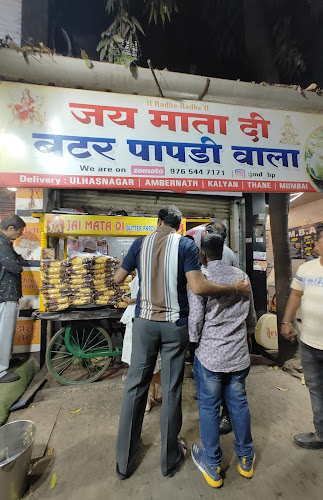
Jai Mata Di butter papdi corner
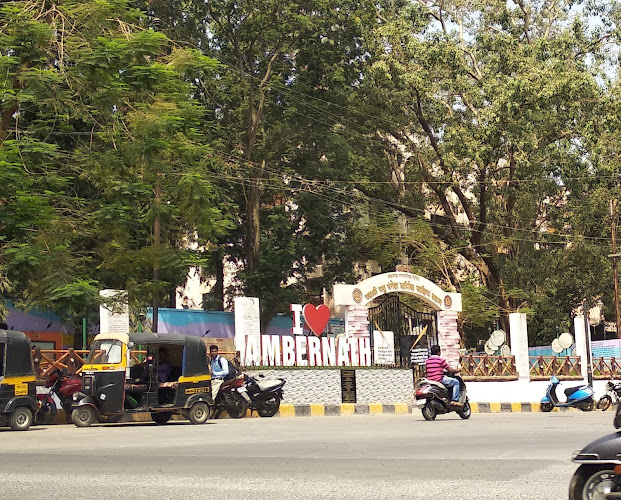
Jhulelal Garden

Sidhi Vinayak Nagar
Find Accommodations Nearby
Recommended Tours & Activities
Visitor Reviews
There are no reviews yet. Be the first one to write one.
Share Your Experience
Have you visited Ulhasnagar? Help other travelers by leaving a review.