

Shakti Kripa Ashram
About Shakti Kripa Ashram
Description
Shakti Kripa Ashram represents one of those spiritual destinations that travelers stumble upon and end up talking about for years afterward. I've always believed that the best places of worship aren't necessarily the ones plastered all over Instagram, but rather the ones where you can actually feel something shift inside you. This ashram falls squarely into that category. The ashram serves as a dedicated space for those seeking spiritual growth, meditation practice, and a deeper connection with their inner selves. And honestly, in today's world where we're constantly bombarded with notifications and noise, finding a place like this feels like discovering an oasis in the middle of a desert. Visitors come here for various reasons – some are on a spiritual journey, others are simply exhausted from their regular lives and need a reset button, while many are curious travelers wanting to understand more about Indian spiritual traditions. What makes Shakti Kripa Ashram particularly special is its authenticity. You won't find commercialized spirituality here or gift shops selling overpriced trinkets. Instead, you'll encounter a genuine atmosphere of devotion and practice. The ashram welcomes both seasoned practitioners and complete beginners, which I think is incredibly important because spiritual growth shouldn't be gatekept behind years of experience. The overwhelming majority of visitors leave with profound experiences, which speaks volumes about what this place offers. People don't generally rave about places unless something meaningful happened there. The ashram maintains traditional practices while being accessible to modern seekers, and that balance is harder to achieve than you might think.Key Features
The ashram offers several distinctive features that set it apart from other spiritual destinations: • Daily meditation sessions that cater to different experience levels, making it perfect whether you've been meditating for decades or can barely sit still for five minutes • Traditional worship ceremonies that provide authentic insights into Hindu spiritual practices without feeling like a tourist show • Peaceful grounds designed specifically for contemplation and inner work, with quiet spaces scattered throughout the property • Teachings and discourses that help visitors understand the philosophical foundations behind the practices, not just the surface-level rituals • Simple accommodations that encourage detachment from material comforts, though they're perfectly clean and adequate for your stay • Vegetarian meals prepared according to sattvic principles, which honestly taste better than you'd expect from "spiritual food" • Opportunities for seva (selfless service), allowing visitors to contribute to the ashram community in meaningful ways • A supportive environment where questions are welcomed rather than dismissed, because let's face it, most of us have tons of questions about spiritual practices • Minimal commercial activity, preserving the sacred atmosphere that people come here seeking in the first placeBest Time to Visit
Timing your visit to Shakti Kripa Ashram really depends on what you're looking for in your experience. The ashram operates year-round, but different seasons offer different advantages and challenges. The cooler months between October and March are generally considered ideal for most travelers. The weather during this period is more forgiving, especially if you're not accustomed to intense heat. You'll be spending considerable time in meditation and prayer, and trust me, trying to focus on your breath while sweating profusely isn't exactly conducive to spiritual breakthroughs. I learned that lesson the hard way during a summer retreat once. Winter mornings at the ashram have this particular quality to them – there's a crispness in the air that somehow makes everything feel more sacred. The early morning meditation sessions during this season are phenomenal. But pack some warm layers because Indian winters can surprise you with their chill, especially in the early hours. Monsoon season from July to September brings its own charm if you don't mind rain. There's something deeply meditative about the sound of rainfall during prayer sessions. However, travel can become complicated during heavy rains, and outdoor activities might get disrupted. Some people absolutely love the monsoon atmosphere at ashrams, while others find it inconvenient. You know yourself best. Avoid planning your visit during major festival periods unless you specifically want that experience. The ashram gets considerably busier during important religious festivals, which can be amazing if you want to witness elaborate celebrations, but less ideal if you're seeking solitude and quiet contemplation. I'd also suggest considering a weekday visit rather than weekends when possible. Just like everywhere else, weekends tend to attract more local visitors, whereas weekdays maintain a quieter, more contemplative atmosphere.How to Get There
Getting to Shakti Kripa Ashram requires some planning, but it's definitely manageable even for first-time visitors to the region. The journey itself can become part of your spiritual experience if you approach it with the right mindset. Most international and domestic travelers will likely arrive through major Indian cities first. From there, you'll need to arrange onward transportation to reach the ashram. Local trains offer an economical option and provide an authentic slice of Indian life, though they can be overwhelming if you're not used to the crowds and chaos. And honestly, there will be crowds and chaos – that's just part of the experience. Hiring a private taxi gives you more comfort and flexibility, especially if you're traveling with luggage or in a group. The cost is higher, but the convenience and peace of mind often justify the expense. You can usually arrange this through your hotel or a reputable travel service. Public buses serve the area as well, though routes and schedules can be confusing for newcomers. If you choose this option, I'd recommend downloading local transport apps or asking locals for help. Indian people are generally incredibly helpful to travelers, even when language barriers exist. Once you're in the vicinity, auto-rickshaws can take you the final distance to the ashram gates. Make sure to either use a metered rickshaw or agree on the fare before starting your journey to avoid awkward negotiations at the end. If you're driving yourself, ensure you have reliable GPS navigation and perhaps a local SIM card with data. Road signage might not always be clear, and asking for directions becomes easier when you can make phone calls if needed. Plan for your journey to take longer than Google Maps suggests. Indian traffic operates on its own timeline, and unexpected delays are basically guaranteed rather than possible.Tips for Visiting
Visiting Shakti Kripa Ashram isn't like visiting a regular tourist attraction, and going in prepared will significantly enhance your experience. First and most importantly, dress modestly and conservatively. This means covering your shoulders, chest, and legs. Both men and women should avoid tight or revealing clothing. I know it might seem restrictive, especially in hot weather, but it's about showing respect for the sacred space and the people who dedicate their lives to it. Pack lightweight, loose cotton clothes that cover appropriately while keeping you comfortable. Remove your shoes before entering worship areas and buildings. Most ashrams provide shoe storage areas, so bring socks if you're uncomfortable walking barefoot. The floors are typically clean, but having socks gives you an option. Silence your phone completely, not just putting it on vibrate. Better yet, consider leaving it in your room during prayer and meditation times. You'd be surprised how liberating it feels to be unreachable for a few hours. The world won't end because you didn't check your email, I promise. Photography rules vary, so always ask permission before taking pictures. Many ashrams prohibit photography during worship or in certain sacred areas. When in doubt, just don't – some experiences are meant to be lived rather than documented for social media anyway. Participate respectfully in ceremonies even if you don't fully understand them. Watch what others do and follow along as best you can. Nobody expects perfection from visitors, but genuine effort and respect go a long way. Be prepared for simple living conditions. This isn't a luxury resort, and that's entirely the point. The accommodations are basic, the food is simple, and the schedule might feel restrictive if you're used to doing whatever you want whenever you want. Embrace it as part of the experience rather than fighting against it. Consider bringing small donations or offerings if you feel called to do so. Many ashrams operate on donations and the generosity of visitors. Give what feels right to you without any pressure or obligation. Wake up early for morning prayers and meditation. Yes, it's difficult, especially if you're not a morning person (I'm definitely not), but there's something magical about ashram mornings that you simply can't experience if you sleep in until 9 AM. Keep an open mind but maintain your boundaries. Spiritual exploration should feel expansive, not coercive. If anything makes you genuinely uncomfortable, you're allowed to step back. Lastly, give yourself time. Don't try to squeeze an ashram visit into a rushed itinerary between sightseeing stops. The whole point is to slow down, reflect, and reconnect. Plan for at least a couple of days if possible, allowing the rhythms and practices of ashram life to actually affect you rather than just observing them as an outsider passing through.Key Features
- Dedicated shrine to Maa Baglamukhi (Bagladevi), rare in Maharashtra
- Daily aarti and bhajan sessions creating an intimate devotional atmosphere
- Approachable priests and simple offerings suitable for first-time visitors
- Compact ashram layout ideal for quiet reflection amid urban surroundings
- Located in Ulhasnagar — easily reachable from Kalyan and Thane
More Details
Updated March 30, 2026
Table of Contents
Description
Shakti Kripa Ashram represents one of those spiritual destinations that travelers stumble upon and end up talking about for years afterward. I’ve always believed that the best places of worship aren’t necessarily the ones plastered all over Instagram, but rather the ones where you can actually feel something shift inside you. This ashram falls squarely into that category.
The ashram serves as a dedicated space for those seeking spiritual growth, meditation practice, and a deeper connection with their inner selves. And honestly, in today’s world where we’re constantly bombarded with notifications and noise, finding a place like this feels like discovering an oasis in the middle of a desert. Visitors come here for various reasons – some are on a spiritual journey, others are simply exhausted from their regular lives and need a reset button, while many are curious travelers wanting to understand more about Indian spiritual traditions.
What makes Shakti Kripa Ashram particularly special is its authenticity. You won’t find commercialized spirituality here or gift shops selling overpriced trinkets. Instead, you’ll encounter a genuine atmosphere of devotion and practice. The ashram welcomes both seasoned practitioners and complete beginners, which I think is incredibly important because spiritual growth shouldn’t be gatekept behind years of experience.
The overwhelming majority of visitors leave with profound experiences, which speaks volumes about what this place offers. People don’t generally rave about places unless something meaningful happened there. The ashram maintains traditional practices while being accessible to modern seekers, and that balance is harder to achieve than you might think.
Key Features
The ashram offers several distinctive features that set it apart from other spiritual destinations:
• Daily meditation sessions that cater to different experience levels, making it perfect whether you’ve been meditating for decades or can barely sit still for five minutes
• Traditional worship ceremonies that provide authentic insights into Hindu spiritual practices without feeling like a tourist show
• Peaceful grounds designed specifically for contemplation and inner work, with quiet spaces scattered throughout the property
• Teachings and discourses that help visitors understand the philosophical foundations behind the practices, not just the surface-level rituals
• Simple accommodations that encourage detachment from material comforts, though they’re perfectly clean and adequate for your stay
• Vegetarian meals prepared according to sattvic principles, which honestly taste better than you’d expect from “spiritual food”
• Opportunities for seva (selfless service), allowing visitors to contribute to the ashram community in meaningful ways
• A supportive environment where questions are welcomed rather than dismissed, because let’s face it, most of us have tons of questions about spiritual practices
• Minimal commercial activity, preserving the sacred atmosphere that people come here seeking in the first place
Best Time to Visit
Timing your visit to Shakti Kripa Ashram really depends on what you’re looking for in your experience. The ashram operates year-round, but different seasons offer different advantages and challenges.
The cooler months between October and March are generally considered ideal for most travelers. The weather during this period is more forgiving, especially if you’re not accustomed to intense heat. You’ll be spending considerable time in meditation and prayer, and trust me, trying to focus on your breath while sweating profusely isn’t exactly conducive to spiritual breakthroughs. I learned that lesson the hard way during a summer retreat once.
Winter mornings at the ashram have this particular quality to them – there’s a crispness in the air that somehow makes everything feel more sacred. The early morning meditation sessions during this season are phenomenal. But pack some warm layers because Indian winters can surprise you with their chill, especially in the early hours.
Monsoon season from July to September brings its own charm if you don’t mind rain. There’s something deeply meditative about the sound of rainfall during prayer sessions. However, travel can become complicated during heavy rains, and outdoor activities might get disrupted. Some people absolutely love the monsoon atmosphere at ashrams, while others find it inconvenient. You know yourself best.
Avoid planning your visit during major festival periods unless you specifically want that experience. The ashram gets considerably busier during important religious festivals, which can be amazing if you want to witness elaborate celebrations, but less ideal if you’re seeking solitude and quiet contemplation.
I’d also suggest considering a weekday visit rather than weekends when possible. Just like everywhere else, weekends tend to attract more local visitors, whereas weekdays maintain a quieter, more contemplative atmosphere.
How to Get There
Getting to Shakti Kripa Ashram requires some planning, but it’s definitely manageable even for first-time visitors to the region. The journey itself can become part of your spiritual experience if you approach it with the right mindset.
Most international and domestic travelers will likely arrive through major Indian cities first. From there, you’ll need to arrange onward transportation to reach the ashram. Local trains offer an economical option and provide an authentic slice of Indian life, though they can be overwhelming if you’re not used to the crowds and chaos. And honestly, there will be crowds and chaos – that’s just part of the experience.
Hiring a private taxi gives you more comfort and flexibility, especially if you’re traveling with luggage or in a group. The cost is higher, but the convenience and peace of mind often justify the expense. You can usually arrange this through your hotel or a reputable travel service.
Public buses serve the area as well, though routes and schedules can be confusing for newcomers. If you choose this option, I’d recommend downloading local transport apps or asking locals for help. Indian people are generally incredibly helpful to travelers, even when language barriers exist.
Once you’re in the vicinity, auto-rickshaws can take you the final distance to the ashram gates. Make sure to either use a metered rickshaw or agree on the fare before starting your journey to avoid awkward negotiations at the end.
If you’re driving yourself, ensure you have reliable GPS navigation and perhaps a local SIM card with data. Road signage might not always be clear, and asking for directions becomes easier when you can make phone calls if needed.
Plan for your journey to take longer than Google Maps suggests. Indian traffic operates on its own timeline, and unexpected delays are basically guaranteed rather than possible.
Tips for Visiting
Visiting Shakti Kripa Ashram isn’t like visiting a regular tourist attraction, and going in prepared will significantly enhance your experience.
First and most importantly, dress modestly and conservatively. This means covering your shoulders, chest, and legs. Both men and women should avoid tight or revealing clothing. I know it might seem restrictive, especially in hot weather, but it’s about showing respect for the sacred space and the people who dedicate their lives to it. Pack lightweight, loose cotton clothes that cover appropriately while keeping you comfortable.
Remove your shoes before entering worship areas and buildings. Most ashrams provide shoe storage areas, so bring socks if you’re uncomfortable walking barefoot. The floors are typically clean, but having socks gives you an option.
Silence your phone completely, not just putting it on vibrate. Better yet, consider leaving it in your room during prayer and meditation times. You’d be surprised how liberating it feels to be unreachable for a few hours. The world won’t end because you didn’t check your email, I promise.
Photography rules vary, so always ask permission before taking pictures. Many ashrams prohibit photography during worship or in certain sacred areas. When in doubt, just don’t – some experiences are meant to be lived rather than documented for social media anyway.
Participate respectfully in ceremonies even if you don’t fully understand them. Watch what others do and follow along as best you can. Nobody expects perfection from visitors, but genuine effort and respect go a long way.
Be prepared for simple living conditions. This isn’t a luxury resort, and that’s entirely the point. The accommodations are basic, the food is simple, and the schedule might feel restrictive if you’re used to doing whatever you want whenever you want. Embrace it as part of the experience rather than fighting against it.
Consider bringing small donations or offerings if you feel called to do so. Many ashrams operate on donations and the generosity of visitors. Give what feels right to you without any pressure or obligation.
Wake up early for morning prayers and meditation. Yes, it’s difficult, especially if you’re not a morning person (I’m definitely not), but there’s something magical about ashram mornings that you simply can’t experience if you sleep in until 9 AM.
Keep an open mind but maintain your boundaries. Spiritual exploration should feel expansive, not coercive. If anything makes you genuinely uncomfortable, you’re allowed to step back.
Lastly, give yourself time. Don’t try to squeeze an ashram visit into a rushed itinerary between sightseeing stops. The whole point is to slow down, reflect, and reconnect. Plan for at least a couple of days if possible, allowing the rhythms and practices of ashram life to actually affect you rather than just observing them as an outsider passing through.
Key Highlights
- Dedicated shrine to Maa Baglamukhi (Bagladevi), rare in Maharashtra
- Daily aarti and bhajan sessions creating an intimate devotional atmosphere
- Approachable priests and simple offerings suitable for first-time visitors
- Compact ashram layout ideal for quiet reflection amid urban surroundings
- Located in Ulhasnagar — easily reachable from Kalyan and Thane
Location
Places to Stay Near Shakti Kripa Ashram
Find and Book a Tour
Explore More Travel Guides
No reviews found! Be the first to review!
Shakti Kripa Ashram is a prominent Place of worship located in Ulhasnagar.
Visit us at: 65M8+878, Press Bazar, Ulhasnagar, Maharashtra 421002, India.
Traveler Reviews for Shakti Kripa Ashram
There are no reviews yet. Be the first one to write one.
Have you visited Shakti Kripa Ashram? Help other travelers by sharing your review.
Nearby Attractions
You Might Also Like
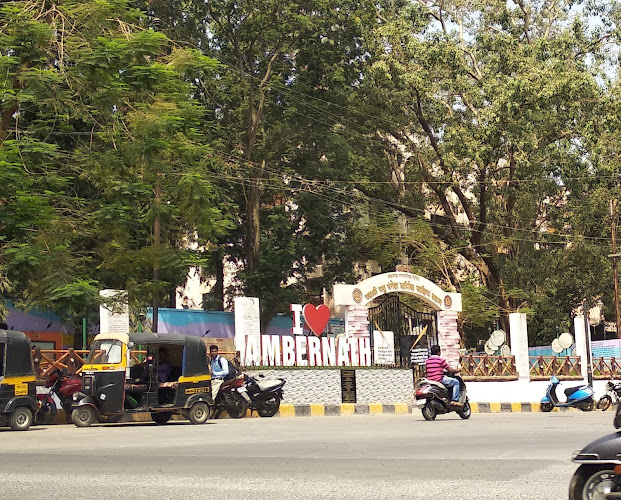
Jhulelal Garden
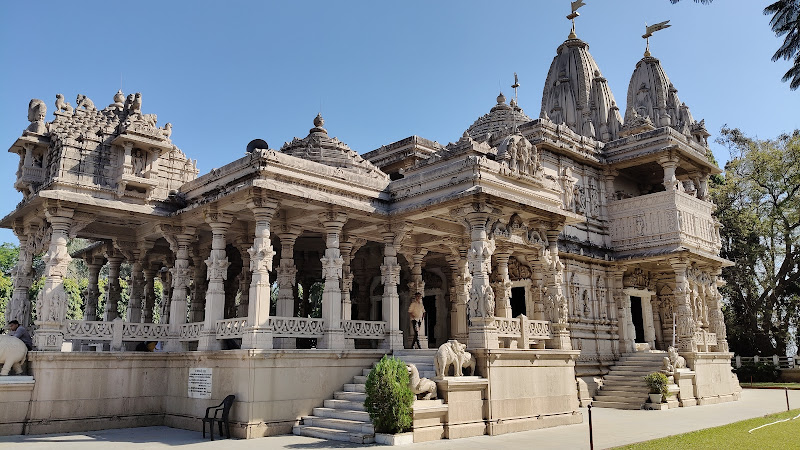
Birla Temple

Jai Mata Di butter papdi corner
Find Accommodations Nearby
Recommended Tours & Activities
Visitor Reviews
There are no reviews yet. Be the first one to write one.
Share Your Experience
Have you visited Shakti Kripa Ashram? Help other travelers by leaving a review.