
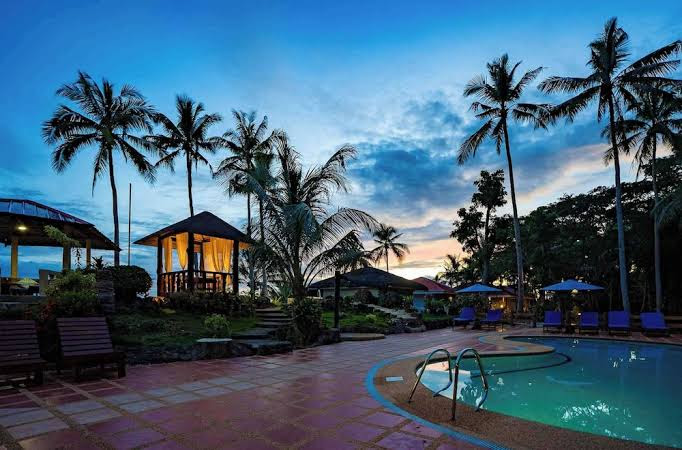
Blue Star Dive Resort
About Blue Star Dive Resort
Description
Blue Star Dive Resort stands as a dedicated haven for underwater enthusiasts and beach lovers who want their accommodation to match their passion for the ocean. This three-star property has built its reputation around one core principle - making diving accessible and enjoyable while providing comfortable lodging that doesn't break the bank. And honestly, there's something refreshing about a resort that knows exactly what it is and delivers on that promise without trying to be everything to everyone. The property attracts a particular type of traveler - those who wake up thinking about their next dive and spend evenings swapping stories about what they saw beneath the surface. I've always appreciated places that cater to specific interests rather than attempting broad appeal, and Blue Star fits that mold perfectly. The atmosphere here reflects the diving community itself: laid-back, friendly, and focused on the shared experience of exploring underwater worlds. What sets this resort apart is its integration of diving operations directly into the guest experience. You're not just staying near a dive shop - the entire property revolves around getting guests underwater safely and efficiently. The staff understands divers because many of them are divers themselves, which creates an environment where you don't have to explain why you need your gear rinsed properly or why you want to catch that early morning boat. The rooms provide practical comfort rather than luxury, which makes sense when you consider most guests spend minimal time indoors. Air conditioning keeps things pleasant after long days in the sun, and the basic amenities cover what tired divers actually need. But the real value comes from the diving infrastructure and the knowledge base of the team running operations. With direct beach access, guests can literally walk from their rooms to the water's edge, and the outdoor pool offers a freshwater alternative when you've had your fill of saltwater for the day. The on-site restaurant means you don't have to venture far for meals, particularly important after early morning dives when you're hungry but exhausted.Key Features
The resort's offerings create a complete package for diving-focused vacations: • Professional dive center with equipment rental and instruction for all certification levels • Multiple daily boat departures to various dive sites in the surrounding waters • Beach entry diving opportunities right from the property's shoreline • Outdoor swimming pool for relaxation between dives • On-site restaurant serving breakfast and other meals throughout the day • Full bar for post-dive socializing and sunset viewing • Complimentary Wi-Fi throughout the property for sharing underwater photos and staying connected • Free parking for guests arriving by car • Airport shuttle service to simplify arrival and departure logistics • Hot tub perfect for soothing muscles after physically demanding dives • Spa services for additional relaxation and recovery • Laundry service essential for extended stays involving multiple wet dive skins and gear • Air-conditioned rooms maintaining comfort in tropical climates • Room service for those too tired to leave their accommodation • Kid-friendly facilities welcoming families introducing children to snorkeling and divingBest Time to Visit
Timing your visit to Blue Star Dive Resort depends heavily on what you want to see underwater and what conditions you're comfortable diving in. The diving season doesn't really close - you can get underwater year-round - but the experience varies significantly based on when you show up. Peak season typically runs during the dry months when visibility reaches its maximum and sea conditions remain calmest. This is when you'll find the most consistent diving conditions, with clearer water making it easier to spot marine life and enjoy the full spectrum of colors on the reef. But here's the thing - peak season also means more divers in the water and higher prices across the board. I've always found shoulder seasons offer the best balance. You get decent weather and visibility without the crowds, and the resort often runs promotions during these periods. The water temperature stays comfortable enough that you're not struggling with thick wetsuits, and marine life remains active and visible. Rainy season diving has its own appeal if you're experienced and flexible. Yes, you might have days when conditions aren't ideal, but you'll also have dive sites nearly to yourself. Some divers specifically target this period because certain species become more active or visible. Just understand you're taking a gamble - some days will be perfect, others might keep you poolside. Research what specific marine life you want to encounter and plan around their patterns. Certain fish species, migrations, or breeding behaviors occur during specific windows. The resort staff can provide detailed information about what you're likely to see during your intended visit dates. Water temperature, visibility, and current strength all fluctuate throughout the year. If you're a newer diver, stick to the calmer periods when conditions make diving less challenging. Advanced divers might seek out periods with stronger currents that bring in pelagic species.How to Get There
Getting to Blue Star Dive Resort requires some planning, but the resort tries to smooth out the logistics with their airport shuttle service. Most guests fly into the nearest international airport and arrange transport from there. The shuttle eliminates the stress of navigating unfamiliar roads or negotiating taxi prices when you're exhausted from travel. If you're renting a car, the free parking is a genuine benefit since parking fees can add up over a week-long stay. Driving yourself offers flexibility for exploring the surrounding area on non-diving days, though honestly most guests I've talked to rarely leave the property once they arrive. The diving keeps them busy enough. The drive from the airport takes you through some interesting scenery, and having your own vehicle means you can stop at local markets or restaurants if you want to venture beyond resort dining. Just factor in that you'll need someone comfortable driving on local roads, which may differ from what you're accustomed to back home. For those combining the resort stay with other destinations, the airport shuttle works both directions, making it easy to arrive by shuttle and depart the same way. Coordinate timing with the resort directly because shuttle schedules need to align with your flight times. Public transportation exists but gets complicated with dive gear in tow. Unless you're seriously budget-conscious or enjoy transportation adventures, the shuttle or rental car makes more sense. Your vacation time is limited - spending hours wrestling luggage and equipment onto buses eats into diving time. Consider your arrival timing carefully. If you're flying in the same day you want to dive, remember that diving after flying carries risks. Most certification agencies recommend waiting 12-24 hours after your last dive before flying, and the same caution applies in reverse. Plan to arrive the evening before you want to start diving.Tips for Visiting
Bring your certification cards and dive log if you have one. The dive operation will ask for them, and having your documentation ready speeds up the check-in process. If you're planning advanced dives or specific specialties, bring those cards too. Consider your equipment situation before arriving. The resort rents gear, but if you have your own mask, snorkel, fins, or dive computer, bringing them ensures proper fit and familiarity. I always bring my own mask because getting the fit right makes such a difference in comfort and visibility. Regulators and BCDs are bulkier - many divers rent those pieces unless they're particularly picky. Book dive packages in advance, especially during busy periods. The boats have limited capacity, and popular dive sites fill up quickly. You don't want to arrive ready to dive only to find the schedule fully booked for your first few days. The sun is stronger than you think, even when it's cloudy. Reef-safe sunscreen is essential both for your skin and for protecting the marine environment you came to see. Regular sunscreen contains chemicals that damage coral reefs - reef-safe formulations skip those harmful ingredients. Apply generously and often. Hydration matters more when you're diving multiple times daily. The combination of sun exposure, saltwater, and the diuretic effect of immersion means you need more water than usual. Keep a refillable bottle with you and drink consistently throughout the day. Budget for tips if you're happy with the service. Dive masters and boat crews work hard to ensure safe, enjoyable experiences. While tipping practices vary by location, showing appreciation for good service is universal. Pace yourself, especially if you're doing multiple days of diving. The temptation to maximize bottom time on every dive can lead to exhaustion. Factor in rest days or lighter diving days to avoid burnout and nitrogen loading. The restaurant serves meals, but having snacks in your room helps between dives when you need quick energy but aren't ready for a full meal. Granola bars, nuts, or fruit keep energy levels stable during long diving days. Bring cash in local currency for small purchases, tips, or venturing into nearby areas. While the resort accepts cards, cash remains useful for various situations. Check your equipment after every dive. Rinse everything thoroughly in the designated rinse tanks, inspect for damage, and hang items properly to dry. Taking care of gear prevents problems on subsequent dives. Listen to the dive briefings completely. Even if you're an experienced diver, each site has specific characteristics, potential hazards, and interesting features the dive master will highlight. Those briefings contain valuable information that improves safety and helps you see more underwater. Be honest about your experience level and comfort zones. There's no shame in sitting out a dive that exceeds your training or confidence. The ocean will still be there tomorrow, and pushing beyond your limits creates risks for you and your dive buddy. Take advantage of the hot tub and spa services. Diving is physically demanding, and recovery matters for multi-day dive trips. Your body will thank you.Key Features
- On-site PADI-affiliated dive center with guided dives and courses
- Beachfront bungalows with ocean views
- Small, intimate resort with limited rooms for a quiet stay
- Daily boat trips to nearby reefs and dive sites
- Support for local conservation and community-based experiences
More Details
Updated March 30, 2026
Table of Contents
Description
Blue Star Dive Resort stands as a dedicated haven for underwater enthusiasts and beach lovers who want their accommodation to match their passion for the ocean. This three-star property has built its reputation around one core principle – making diving accessible and enjoyable while providing comfortable lodging that doesn’t break the bank. And honestly, there’s something refreshing about a resort that knows exactly what it is and delivers on that promise without trying to be everything to everyone.
The property attracts a particular type of traveler – those who wake up thinking about their next dive and spend evenings swapping stories about what they saw beneath the surface. I’ve always appreciated places that cater to specific interests rather than attempting broad appeal, and Blue Star fits that mold perfectly. The atmosphere here reflects the diving community itself: laid-back, friendly, and focused on the shared experience of exploring underwater worlds.
What sets this resort apart is its integration of diving operations directly into the guest experience. You’re not just staying near a dive shop – the entire property revolves around getting guests underwater safely and efficiently. The staff understands divers because many of them are divers themselves, which creates an environment where you don’t have to explain why you need your gear rinsed properly or why you want to catch that early morning boat.
The rooms provide practical comfort rather than luxury, which makes sense when you consider most guests spend minimal time indoors. Air conditioning keeps things pleasant after long days in the sun, and the basic amenities cover what tired divers actually need. But the real value comes from the diving infrastructure and the knowledge base of the team running operations.
With direct beach access, guests can literally walk from their rooms to the water’s edge, and the outdoor pool offers a freshwater alternative when you’ve had your fill of saltwater for the day. The on-site restaurant means you don’t have to venture far for meals, particularly important after early morning dives when you’re hungry but exhausted.
Key Features
The resort’s offerings create a complete package for diving-focused vacations:
• Professional dive center with equipment rental and instruction for all certification levels
• Multiple daily boat departures to various dive sites in the surrounding waters
• Beach entry diving opportunities right from the property’s shoreline
• Outdoor swimming pool for relaxation between dives
• On-site restaurant serving breakfast and other meals throughout the day
• Full bar for post-dive socializing and sunset viewing
• Complimentary Wi-Fi throughout the property for sharing underwater photos and staying connected
• Free parking for guests arriving by car
• Airport shuttle service to simplify arrival and departure logistics
• Hot tub perfect for soothing muscles after physically demanding dives
• Spa services for additional relaxation and recovery
• Laundry service essential for extended stays involving multiple wet dive skins and gear
• Air-conditioned rooms maintaining comfort in tropical climates
• Room service for those too tired to leave their accommodation
• Kid-friendly facilities welcoming families introducing children to snorkeling and diving
Best Time to Visit
Timing your visit to Blue Star Dive Resort depends heavily on what you want to see underwater and what conditions you’re comfortable diving in. The diving season doesn’t really close – you can get underwater year-round – but the experience varies significantly based on when you show up.
Peak season typically runs during the dry months when visibility reaches its maximum and sea conditions remain calmest. This is when you’ll find the most consistent diving conditions, with clearer water making it easier to spot marine life and enjoy the full spectrum of colors on the reef. But here’s the thing – peak season also means more divers in the water and higher prices across the board.
I’ve always found shoulder seasons offer the best balance. You get decent weather and visibility without the crowds, and the resort often runs promotions during these periods. The water temperature stays comfortable enough that you’re not struggling with thick wetsuits, and marine life remains active and visible.
Rainy season diving has its own appeal if you’re experienced and flexible. Yes, you might have days when conditions aren’t ideal, but you’ll also have dive sites nearly to yourself. Some divers specifically target this period because certain species become more active or visible. Just understand you’re taking a gamble – some days will be perfect, others might keep you poolside.
Research what specific marine life you want to encounter and plan around their patterns. Certain fish species, migrations, or breeding behaviors occur during specific windows. The resort staff can provide detailed information about what you’re likely to see during your intended visit dates.
Water temperature, visibility, and current strength all fluctuate throughout the year. If you’re a newer diver, stick to the calmer periods when conditions make diving less challenging. Advanced divers might seek out periods with stronger currents that bring in pelagic species.
How to Get There
Getting to Blue Star Dive Resort requires some planning, but the resort tries to smooth out the logistics with their airport shuttle service. Most guests fly into the nearest international airport and arrange transport from there. The shuttle eliminates the stress of navigating unfamiliar roads or negotiating taxi prices when you’re exhausted from travel.
If you’re renting a car, the free parking is a genuine benefit since parking fees can add up over a week-long stay. Driving yourself offers flexibility for exploring the surrounding area on non-diving days, though honestly most guests I’ve talked to rarely leave the property once they arrive. The diving keeps them busy enough.
The drive from the airport takes you through some interesting scenery, and having your own vehicle means you can stop at local markets or restaurants if you want to venture beyond resort dining. Just factor in that you’ll need someone comfortable driving on local roads, which may differ from what you’re accustomed to back home.
For those combining the resort stay with other destinations, the airport shuttle works both directions, making it easy to arrive by shuttle and depart the same way. Coordinate timing with the resort directly because shuttle schedules need to align with your flight times.
Public transportation exists but gets complicated with dive gear in tow. Unless you’re seriously budget-conscious or enjoy transportation adventures, the shuttle or rental car makes more sense. Your vacation time is limited – spending hours wrestling luggage and equipment onto buses eats into diving time.
Consider your arrival timing carefully. If you’re flying in the same day you want to dive, remember that diving after flying carries risks. Most certification agencies recommend waiting 12-24 hours after your last dive before flying, and the same caution applies in reverse. Plan to arrive the evening before you want to start diving.
Tips for Visiting
Bring your certification cards and dive log if you have one. The dive operation will ask for them, and having your documentation ready speeds up the check-in process. If you’re planning advanced dives or specific specialties, bring those cards too.
Consider your equipment situation before arriving. The resort rents gear, but if you have your own mask, snorkel, fins, or dive computer, bringing them ensures proper fit and familiarity. I always bring my own mask because getting the fit right makes such a difference in comfort and visibility. Regulators and BCDs are bulkier – many divers rent those pieces unless they’re particularly picky.
Book dive packages in advance, especially during busy periods. The boats have limited capacity, and popular dive sites fill up quickly. You don’t want to arrive ready to dive only to find the schedule fully booked for your first few days.
The sun is stronger than you think, even when it’s cloudy. Reef-safe sunscreen is essential both for your skin and for protecting the marine environment you came to see. Regular sunscreen contains chemicals that damage coral reefs – reef-safe formulations skip those harmful ingredients. Apply generously and often.
Hydration matters more when you’re diving multiple times daily. The combination of sun exposure, saltwater, and the diuretic effect of immersion means you need more water than usual. Keep a refillable bottle with you and drink consistently throughout the day.
Budget for tips if you’re happy with the service. Dive masters and boat crews work hard to ensure safe, enjoyable experiences. While tipping practices vary by location, showing appreciation for good service is universal.
Pace yourself, especially if you’re doing multiple days of diving. The temptation to maximize bottom time on every dive can lead to exhaustion. Factor in rest days or lighter diving days to avoid burnout and nitrogen loading.
The restaurant serves meals, but having snacks in your room helps between dives when you need quick energy but aren’t ready for a full meal. Granola bars, nuts, or fruit keep energy levels stable during long diving days.
Bring cash in local currency for small purchases, tips, or venturing into nearby areas. While the resort accepts cards, cash remains useful for various situations.
Check your equipment after every dive. Rinse everything thoroughly in the designated rinse tanks, inspect for damage, and hang items properly to dry. Taking care of gear prevents problems on subsequent dives.
Listen to the dive briefings completely. Even if you’re an experienced diver, each site has specific characteristics, potential hazards, and interesting features the dive master will highlight. Those briefings contain valuable information that improves safety and helps you see more underwater.
Be honest about your experience level and comfort zones. There’s no shame in sitting out a dive that exceeds your training or confidence. The ocean will still be there tomorrow, and pushing beyond your limits creates risks for you and your dive buddy.
Take advantage of the hot tub and spa services. Diving is physically demanding, and recovery matters for multi-day dive trips. Your body will thank you.
Key Highlights
- On-site PADI-affiliated dive center with guided dives and courses
- Beachfront bungalows with ocean views
- Small, intimate resort with limited rooms for a quiet stay
- Daily boat trips to nearby reefs and dive sites
- Support for local conservation and community-based experiences
Location
Places to Stay Near Blue Star Dive Resort
Find and Book a Tour
Explore More Travel Guides
No reviews found! Be the first to review!
Blue Star Dive Resort is a prominent hotels located in Anda.
Visit us at: Ipo Candabong, Anda, Bohol, 필리핀.
Traveler Reviews for Blue Star Dive Resort
There are no reviews yet. Be the first one to write one.
Have you visited Blue Star Dive Resort? Help other travelers by sharing your review.
Nearby Attractions
You Might Also Like
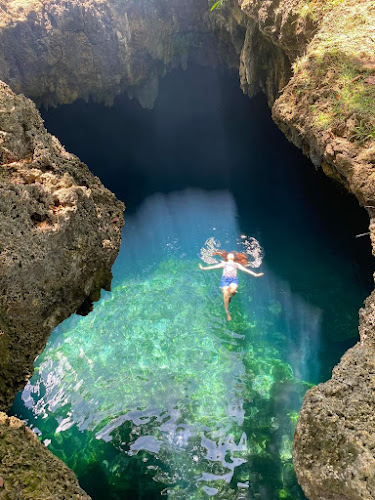
Cabagnow Cave Pool
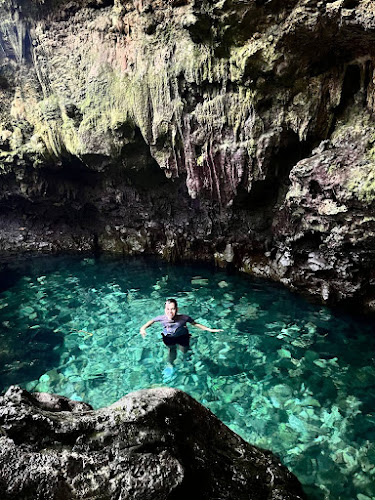
Cateres Cave Pool
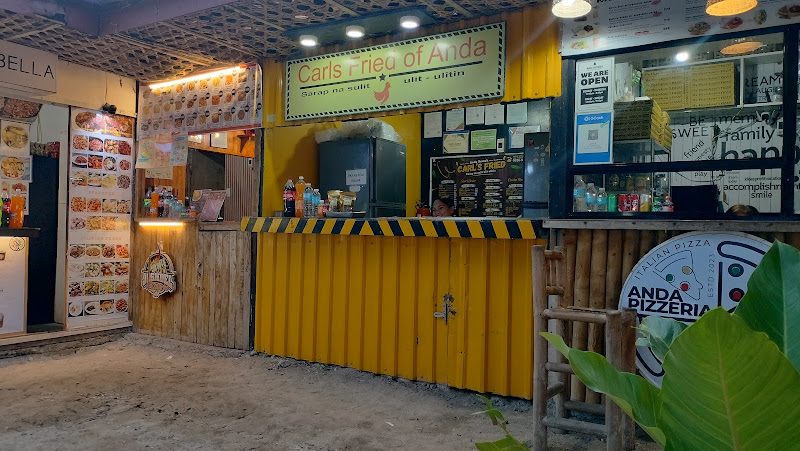
Anda Food Park
Find Accommodations Nearby
Recommended Tours & Activities
Visitor Reviews
There are no reviews yet. Be the first one to write one.
Share Your Experience
Have you visited Blue Star Dive Resort? Help other travelers by leaving a review.