Guided Sightseeing Tours & Activities in Anda
- Browse sightseeing excursions and activities in Anda
- Check live availability, rates & traveler reviews on Viator
- Secure online booking with flexible options

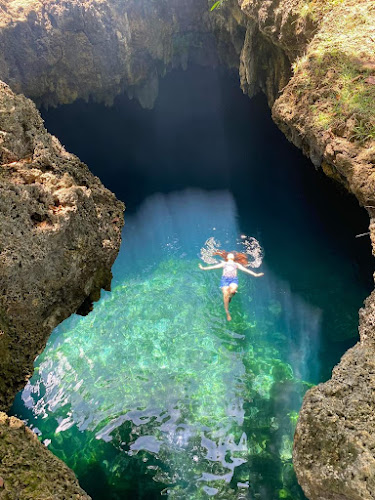
Tucked into the karst landscape of Anda on the eastern side of Bohol, Cabagnow Cave Pool is a striking collapsed limestone cavern whose emerald-blue waters invite both quiet admiration and bold splashes. Formed by millennia of erosion, the circular sinkhole opens to the sky with sheer limestone walls and a clear pool below that ranges from shallow ledges to deeper central drops. Locals historically used the site for cooling off and small-scale fishing; over recent years it has grown into one of Anda’s signature natural attractions while retaining a laid-back, uncrowded feel. What makes Cabagnow special is the contrast between the intimacy of the cavern and the brightness of the water — sunlight filtering down creates vivid color shifts from jade to deep navy — and the option to swim, cliff-jump from modest ledges, or simply relax on surrounding rock terraces shaded by trees. It’s an excellent stop for photographers, adventure-seekers, and anyone wanting a quieter alternative to Bohol’s busy beaches. Access is typically via a short walk from the parking area and a few steps down to the rim; facilities are basic, so visitors come prepared to enjoy an authentic, natural experience.
Cabagnow Cave Pool is one of those places that makes you stop and wonder how nature managed to create something so unexpectedly beautiful. This collapsed limestone cavern in the Philippines has become a favorite among adventure seekers and swimming enthusiasts, and honestly, once you see that striking blue water for yourself, you’ll understand why people keep coming back despite some of the challenges involved in getting there.
The cave pool itself is the result of geological forces working over thousands of years, with the cavern’s roof eventually giving way to create this open-air swimming hole. What you get is this incredible natural formation where limestone walls rise up around a crystal-clear pool that shifts between shades of turquoise and deep blue depending on the time of day and how the sunlight hits it. The water stays refreshingly cool year-round, which feels absolutely amazing when you’ve been hiking under the tropical sun.
I’ve talked to plenty of travelers who stumbled upon this place almost by accident, and they all say the same thing – it’s one of those hidden spots that doesn’t get as much attention as some of the bigger tourist attractions, which can actually work in your favor if you’re looking for a more authentic experience. The pool is deep enough for cliff jumping, which has become one of the main draws for adrenaline junkies. But even if you’re not into throwing yourself off ledges, the swimming alone makes the trip worthwhile.
The thing about Cabagnow Cave Pool is that it requires a bit of effort to reach and navigate, which naturally filters out some of the casual tourists. You’re not going to find a perfectly paved path with handrails and directional signs every five meters. Instead, you get a raw, relatively undeveloped natural attraction that maintains much of its original character.
What makes this place stand out from other swimming holes in the region? Here’s what you need to know:
Timing your visit to Cabagnow Cave Pool can make a huge difference in your experience, and I’d be doing you a disservice if I didn’t lay out the real deal about when to go.
The dry season, which typically runs from November through May, is generally your best bet. During these months, you’ll find more stable weather conditions and clearer water. The trails leading to the pool are easier to navigate when they’re not muddy from recent rains, which matters more than you might think – some of those paths can get pretty slippery.
That said, I’ve heard from visitors who went during the wet season (June through October) and had perfectly fine experiences. The water level is higher during these months, which can actually be a plus for cliff jumping since you get more depth. But you’re definitely gambling with the weather, and afternoon thunderstorms can roll in pretty quickly. Getting caught in a downpour while you’re swimming isn’t the worst thing in the world, but hiking back on muddy trails? That’s a different story.
If you want to avoid crowds, weekdays are your friend. Weekends and holidays can see a significant uptick in visitors, particularly from nearby cities. Early morning visits, say around 8 or 9 AM, give you the best chance of having the place relatively to yourself. Plus, the morning light creates this incredible effect when it filters down into the cavern.
April and May are the hottest months, which makes that cool cave water feel even better, but these are also peak tourist months in many parts of the Philippines. December through February offers cooler air temperatures and still-dry conditions – probably the sweet spot if you want decent weather without intense heat.
One thing I learned from talking to locals is that after heavy rains, the water can get murky and the current can be stronger than usual. Give it a day or two after a storm for things to settle down before making the trip.
Getting to Cabagnow Cave Pool requires some planning, but it’s definitely doable even if you’re not an experienced adventurer. The location isn’t exactly next to a major highway with convenient parking and shuttle services, so here’s what you need to know.
Most travelers use Sagada as their base, since the cave pool is located in the general region of Mountain Province. From Sagada, you’ll need to arrange transportation – either by hiring a local guide with a vehicle or taking a jeepney partway and then hiking. And let me be straight with you, hiring a local guide is worth every peso. They know the trails, they can tell you about the area’s history and geology, and they’ll make sure you don’t accidentally take a wrong turn and end up spending your afternoon lost in the mountains.
The journey involves a combination of vehicle travel and hiking. Depending on road conditions and your starting point, the vehicle portion might take anywhere from 30 minutes to over an hour. Then comes the hike, which isn’t terribly long but does involve some uneven terrain and possibly some steep sections. You’re looking at maybe 20 to 30 minutes of walking, give or take, depending on your pace and fitness level.
The trails aren’t paved or formally maintained in the way you’d find in a national park, so proper footwear is essential. I’m talking shoes with good grip, not flip-flops or those canvas slip-ons that’ll have you sliding around like you’re ice skating. Some sections might require a bit of scrambling over rocks.
Public transportation options exist but can be unpredictable in terms of scheduling. If you’re on a tight timeline, arranging private transportation makes more sense. Many guesthouses and hotels in Sagada can help coordinate this for you.
Alright, here’s where I share the stuff that’ll actually make your visit better, learned from both personal experience and collecting wisdom from other travelers who’ve been there.
First things first – bring cash. The entrance fee is cash-only, and you won’t find an ATM conveniently located near a cave in the mountains. Bring smaller bills too, because making change for large denominations isn’t always easy at these kinds of places.
Wear your swimsuit under your clothes or be prepared to change in pretty basic facilities. This isn’t a resort with fancy changing rooms and lockers. Everything here is no-frills, which is part of the charm but also means adjusting your expectations accordingly.
Pack light but pack smart. You’ll want a small waterproof bag for your phone and valuables, a towel, sunscreen (reef-safe if possible), and maybe some snacks and water. There aren’t food vendors set up at the pool itself. And speaking of water, staying hydrated before and after your swim is important, especially if you’re visiting during the hotter months.
The cliff jumping looks easier than it actually is when you’re standing at the top looking down. Start with the lower jumps if you’ve never done this before. Check the water depth before jumping, and watch where other people are jumping from and landing. The last thing you want is to injure yourself miles away from proper medical facilities.
Be respectful of the local community and the environment. This isn’t a commercialized attraction with a big company managing it – it’s a natural resource that belongs to the local people. Pack out everything you bring in, including any trash. Don’t touch or damage the rock formations, and keep noise levels reasonable.
The water is cold, like legitimately cold, not just “cooler than a heated pool” cold. Some people love it immediately, others need a few minutes to adjust. If you’re sensitive to cold water, just know what you’re getting into.
Photography works best during midday when the sun is overhead and illuminating the water, but the crowds are also heavier then. It’s a tradeoff. If you’re serious about getting great shots, you might want to visit twice at different times of day.
Watch your step on the rocks around the pool – they can be slippery from the constant moisture. Plenty of visitors have learned this lesson the hard way with scraped knees or worse.
Finally, be aware that accessibility is limited here. The site doesn’t have wheelchair access, and the hiking required to reach it makes it challenging for people with mobility issues. This is just the reality of visiting a relatively undeveloped natural attraction in a mountainous area.
The experience of swimming in this collapsed limestone cavern is something that stays with you, that feeling of being surrounded by ancient rock while floating in impossibly blue water. Just come prepared, respect the place and the people who call this area home, and you’ll have yourself a pretty memorable adventure.
Last modified August 17, 2026
Cabagnow Cave Pool is one of those places that makes you stop and wonder how nature managed to create something so unexpectedly beautiful. This collapsed limestone cavern in the Philippines has become a favorite among adventure seekers and swimming enthusiasts, and honestly, once you see that striking blue water for yourself, you’ll understand why people keep coming back despite some of the challenges involved in getting there.
The cave pool itself is the result of geological forces working over thousands of years, with the cavern’s roof eventually giving way to create this open-air swimming hole. What you get is this incredible natural formation where limestone walls rise up around a crystal-clear pool that shifts between shades of turquoise and deep blue depending on the time of day and how the sunlight hits it. The water stays refreshingly cool year-round, which feels absolutely amazing when you’ve been hiking under the tropical sun.
I’ve talked to plenty of travelers who stumbled upon this place almost by accident, and they all say the same thing – it’s one of those hidden spots that doesn’t get as much attention as some of the bigger tourist attractions, which can actually work in your favor if you’re looking for a more authentic experience. The pool is deep enough for cliff jumping, which has become one of the main draws for adrenaline junkies. But even if you’re not into throwing yourself off ledges, the swimming alone makes the trip worthwhile.
The thing about Cabagnow Cave Pool is that it requires a bit of effort to reach and navigate, which naturally filters out some of the casual tourists. You’re not going to find a perfectly paved path with handrails and directional signs every five meters. Instead, you get a raw, relatively undeveloped natural attraction that maintains much of its original character.
What makes this place stand out from other swimming holes in the region? Here’s what you need to know:
Timing your visit to Cabagnow Cave Pool can make a huge difference in your experience, and I’d be doing you a disservice if I didn’t lay out the real deal about when to go.
The dry season, which typically runs from November through May, is generally your best bet. During these months, you’ll find more stable weather conditions and clearer water. The trails leading to the pool are easier to navigate when they’re not muddy from recent rains, which matters more than you might think – some of those paths can get pretty slippery.
That said, I’ve heard from visitors who went during the wet season (June through October) and had perfectly fine experiences. The water level is higher during these months, which can actually be a plus for cliff jumping since you get more depth. But you’re definitely gambling with the weather, and afternoon thunderstorms can roll in pretty quickly. Getting caught in a downpour while you’re swimming isn’t the worst thing in the world, but hiking back on muddy trails? That’s a different story.
If you want to avoid crowds, weekdays are your friend. Weekends and holidays can see a significant uptick in visitors, particularly from nearby cities. Early morning visits, say around 8 or 9 AM, give you the best chance of having the place relatively to yourself. Plus, the morning light creates this incredible effect when it filters down into the cavern.
April and May are the hottest months, which makes that cool cave water feel even better, but these are also peak tourist months in many parts of the Philippines. December through February offers cooler air temperatures and still-dry conditions – probably the sweet spot if you want decent weather without intense heat.
One thing I learned from talking to locals is that after heavy rains, the water can get murky and the current can be stronger than usual. Give it a day or two after a storm for things to settle down before making the trip.
Getting to Cabagnow Cave Pool requires some planning, but it’s definitely doable even if you’re not an experienced adventurer. The location isn’t exactly next to a major highway with convenient parking and shuttle services, so here’s what you need to know.
Most travelers use Sagada as their base, since the cave pool is located in the general region of Mountain Province. From Sagada, you’ll need to arrange transportation – either by hiring a local guide with a vehicle or taking a jeepney partway and then hiking. And let me be straight with you, hiring a local guide is worth every peso. They know the trails, they can tell you about the area’s history and geology, and they’ll make sure you don’t accidentally take a wrong turn and end up spending your afternoon lost in the mountains.
The journey involves a combination of vehicle travel and hiking. Depending on road conditions and your starting point, the vehicle portion might take anywhere from 30 minutes to over an hour. Then comes the hike, which isn’t terribly long but does involve some uneven terrain and possibly some steep sections. You’re looking at maybe 20 to 30 minutes of walking, give or take, depending on your pace and fitness level.
The trails aren’t paved or formally maintained in the way you’d find in a national park, so proper footwear is essential. I’m talking shoes with good grip, not flip-flops or those canvas slip-ons that’ll have you sliding around like you’re ice skating. Some sections might require a bit of scrambling over rocks.
Public transportation options exist but can be unpredictable in terms of scheduling. If you’re on a tight timeline, arranging private transportation makes more sense. Many guesthouses and hotels in Sagada can help coordinate this for you.
Alright, here’s where I share the stuff that’ll actually make your visit better, learned from both personal experience and collecting wisdom from other travelers who’ve been there.
First things first – bring cash. The entrance fee is cash-only, and you won’t find an ATM conveniently located near a cave in the mountains. Bring smaller bills too, because making change for large denominations isn’t always easy at these kinds of places.
Wear your swimsuit under your clothes or be prepared to change in pretty basic facilities. This isn’t a resort with fancy changing rooms and lockers. Everything here is no-frills, which is part of the charm but also means adjusting your expectations accordingly.
Pack light but pack smart. You’ll want a small waterproof bag for your phone and valuables, a towel, sunscreen (reef-safe if possible), and maybe some snacks and water. There aren’t food vendors set up at the pool itself. And speaking of water, staying hydrated before and after your swim is important, especially if you’re visiting during the hotter months.
The cliff jumping looks easier than it actually is when you’re standing at the top looking down. Start with the lower jumps if you’ve never done this before. Check the water depth before jumping, and watch where other people are jumping from and landing. The last thing you want is to injure yourself miles away from proper medical facilities.
Be respectful of the local community and the environment. This isn’t a commercialized attraction with a big company managing it – it’s a natural resource that belongs to the local people. Pack out everything you bring in, including any trash. Don’t touch or damage the rock formations, and keep noise levels reasonable.
The water is cold, like legitimately cold, not just “cooler than a heated pool” cold. Some people love it immediately, others need a few minutes to adjust. If you’re sensitive to cold water, just know what you’re getting into.
Photography works best during midday when the sun is overhead and illuminating the water, but the crowds are also heavier then. It’s a tradeoff. If you’re serious about getting great shots, you might want to visit twice at different times of day.
Watch your step on the rocks around the pool – they can be slippery from the constant moisture. Plenty of visitors have learned this lesson the hard way with scraped knees or worse.
Finally, be aware that accessibility is limited here. The site doesn’t have wheelchair access, and the hiking required to reach it makes it challenging for people with mobility issues. This is just the reality of visiting a relatively undeveloped natural attraction in a mountainous area.
The experience of swimming in this collapsed limestone cavern is something that stays with you, that feeling of being surrounded by ancient rock while floating in impossibly blue water. Just come prepared, respect the place and the people who call this area home, and you’ll have yourself a pretty memorable adventure.

No reviews found! Be the first to review!
Cabagnow Cave Pool is a prominent attractions located in Anda.
Visit us at: PHMC+84M, Anda, Bohol, 필리핀.
Explore verified points of interest within walking or short transit distance.
No neighboring places mapped within 5 km yet.
Stay22 provides this accommodation search. We may earn a commission if you book through it; verify current prices and terms with the provider.
GetYourGuide provides this tour inventory. We may earn a commission if you book through it; verify current availability, prices, and terms with the provider.
We may earn a commission if you book through links on this page at no extra cost to you. All tours feature verified customer reviews and flexible cancellation options.
No traveler reviews yet. Share your experience below!
No traveler questions yet. Be the first to ask a local!