
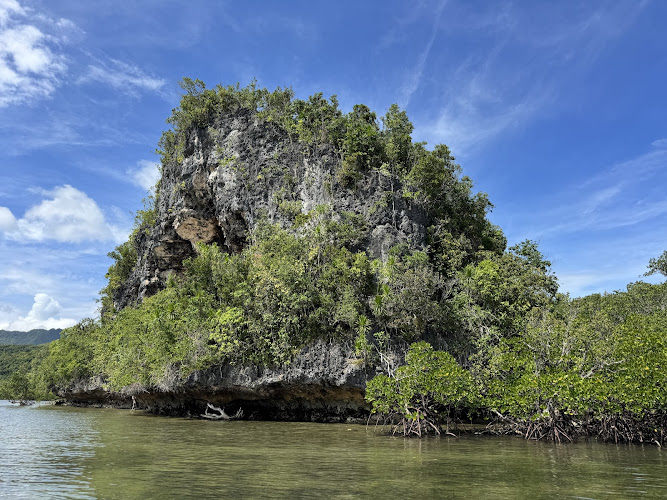
Lamanok Island
About Lamanok Island
Description
Lamanok Island sits off the coast like an ancient secret waiting to be discovered by travelers who actually want to experience something beyond the typical tourist trail. This isn't your standard beach destination where you plop down with a cocktail and call it a day. Instead, what you'll find here is a genuine archaeological wonder that connects visitors to the deep history of the Philippines in ways most islands simply can't match. The island itself is relatively small, but what it lacks in size it more than makes up for in historical significance and natural intrigue. You'll be exploring offshore caves that have sheltered human presence for literally thousands of years, walking trails that wind past prehistoric rock art, and paddling canoe routes that give you perspectives on the landscape that ancient peoples would have known intimately. I've been to plenty of islands in Southeast Asia, and honestly, very few offer this kind of tangible connection to the past. What strikes most visitors first is just how raw and unpolished the experience feels. This isn't a theme park version of history with plaques every three feet and paved walkways. The caves require boat access, the trails are genuine trails, and the whole experience demands a bit of physical effort and genuine curiosity. And that's precisely what makes it special. You're not just looking at history through glass or from behind a rope barrier – you're actually stepping into spaces that have been significant to human communities for millennia. The prehistoric artwork scattered throughout the island represents one of the most compelling reasons to make the journey. These aren't reproductions or artist's interpretations – they're the real deal, etched and painted by people who lived here long before modern civilization arrived. Standing in front of these ancient expressions of human creativity does something to your perspective. It reminds you that people have been trying to make sense of their world and leave their mark for as long as we've existed.Key Features
- Prehistoric cave paintings and rock engravings that date back thousands of years, offering direct visual connections to ancient Philippine cultures
- Multiple offshore caves accessible by boat, each with its own character and historical significance
- Walking trails that meander through the island's interior, providing both exercise and discovery opportunities
- Canoe routes that let you explore the coastline from water level, giving you the same vantage point that early inhabitants would have experienced
- Archaeological sites that continue to yield new information about pre-colonial life in the region
- Relatively untouched natural environment that hasn't been overdeveloped or commercialized to death
- Ancient burial sites that demonstrate the island's ceremonial importance to past civilizations
- Opportunities for photography that go way beyond typical beach snapshots
- Educational value that makes the trip worthwhile for families with curious kids and history enthusiasts alike
- A genuine sense of adventure that's increasingly hard to find in more developed tourist destinations
Best Time to Visit
Timing your visit to Lamanok Island matters more than you might think. The dry season, which typically runs from November through May, offers the most reliable conditions for exploration. During these months, you'll have calmer seas for the boat journey to the caves, clearer skies for photography, and trails that aren't muddy nightmares to navigate. I'd personally recommend aiming for the February to April window if your schedule allows. The weather during this period tends to be most stable, and you'll avoid both the worst of the rainy season and the peak holiday crowds that sometimes descend during December and January. But honestly, even during the wet season, the island can be accessible – you just need to be more flexible with your plans and potentially prepared for sudden weather changes. Morning visits generally work best for several reasons. The heat hasn't reached its peak yet, the light is better for viewing and photographing the rock art, and you'll have more energy for the physical aspects of exploring. Starting around 8 or 9 AM gives you plenty of time to see everything without feeling rushed or completely exhausted by midday heat. One thing worth considering is that this isn't really a rainy season versus dry season binary choice. Even during technically dry months, brief rain showers can happen. And sometimes during the wet season, you'll get beautiful clear days. The key is building some flexibility into your travel plans so you're not devastated if weather forces a schedule adjustment. Weekdays tend to be quieter than weekends, though Lamanok Island never really gets overwhelmingly crowded compared to more famous destinations. If you value having spaces more to yourself for contemplation and photography, try to avoid Sunday visits when local tourists are most likely to make day trips.How to Get There
Getting to Lamanok Island requires a bit more effort than just hopping in a taxi, and that's part of what keeps it special. The island is located in Anda, Bohol, so your journey begins with getting to Bohol itself. Most travelers fly into Tagbilaran City, which has regular connections from Manila and Cebu. From the airport, you're looking at roughly a two to three hour drive to Anda, depending on traffic and road conditions. You can arrange private transportation from Tagbilaran, hire a van, or take a more budget-friendly bus option. The drive itself is actually quite nice, taking you through Bohol's interior landscape. I'd recommend having your accommodation arrange transport if possible, as they'll know the current road situations and can often get you better rates than you'd negotiate yourself at the airport. Once you reach Anda, the town serves as your jumping-off point for Lamanok Island. You'll need to arrange a boat to actually get to the island, as there's no bridge or regular ferry service. Most visitors coordinate this through their hotel or guesthouse, which can connect you with local boat operators who know the caves and routes well. These boat operators aren't just transportation – they're often knowledgeable guides who can point out features you might otherwise miss. The boat ride itself takes maybe 15 to 20 minutes from the Anda coastline, though this varies depending on sea conditions and exactly where you're departing from. Don't expect a large ferry or anything fancy – these are typically smaller outrigger boats that can navigate close to the cave entrances and rocky shoreline. Some tour packages from other parts of Bohol include Lamanok Island as part of a broader itinerary, which can be convenient if you're trying to see multiple sites. However, I think the island deserves more time and attention than these whirlwind tours typically allow. Staying in Anda itself for at least one night gives you the flexibility to really explore properly.Tips for Visiting
Wear proper footwear – and I can't stress this enough. The caves and trails aren't paved paths, and you'll be climbing over rocks, potentially dealing with slippery surfaces, and walking on uneven ground. Those cute sandals might work for the boat ride, but they're going to make you miserable once you start actually exploring. Closed-toe shoes with decent grip are essential. Bring water and snacks with you. There aren't convenience stores or refreshment stands on the island itself. You'll be doing physical activity in a tropical climate, and dehydration sneaks up on you faster than you'd think. I learned this the hard way on a different island expedition and ended up with a splitting headache that ruined the second half of my day. The island isn't wheelchair accessible, and the terrain can be challenging even for people with moderate fitness levels. Be honest with yourself about your physical capabilities before committing to the trip. There's climbing involved, some tight spaces in the caves, and trails that require careful footing. That said, kids generally do fine if they're old enough to follow instructions and navigate uneven terrain. Hire a knowledgeable guide if at all possible. Yes, it's an additional expense, but the difference between wandering around looking at rocks and understanding the historical and cultural significance of what you're seeing is enormous. Good guides can point out rock art you'd definitely miss on your own and explain the archaeological context that makes the site meaningful. Bring a headlamp or flashlight for cave exploration. Some of the caves have areas where natural light doesn't penetrate well, and trying to view prehistoric art in dim conditions is frustrating. Your phone's flashlight can work in a pinch but a dedicated light source is better. Respect the archaeological sites. These aren't props for your Instagram feed – they're irreplaceable historical resources. Don't touch the rock art, don't climb on burial sites, and don't remove anything from the island. Every thoughtless action contributes to degradation that affects future visitors and researchers. Sun protection is non-negotiable. Even if it seems overcast when you start out, the tropical sun is intense and you'll be exposed during boat rides and trail portions. Sunscreen, a hat, and maybe even a light long-sleeve shirt can prevent a miserable sunburn from ruining your next few days. Check current conditions before heading out. Weather can change quickly, and sea conditions in particular affect both your ability to reach the island and your comfort level once you're there. Local boat operators and your accommodation can give you current information. Consider combining your Lamanok Island visit with other Anda attractions. The town has beautiful beaches, other caves, and a generally relaxed atmosphere that rewards staying a couple days rather than rushing through. Photography enthusiasts should bring proper equipment if you're serious about capturing the experience. The caves present lighting challenges, and you'll want a decent camera to properly photograph the rock art. But also remember to put the camera down sometimes and just experience the place without viewing everything through a screen. Budget for the complete cost including boat rental, guide fees if applicable, and entrance fees. The total expense is quite reasonable compared to many tourist attractions, but you don't want to be caught short on cash in a remote location.Key Features
- Ancient burial caves with boat coffins and earthenware artifacts
- Dramatic limestone cliffs and coastal rock formations
- Mystical atmosphere with balete trees and local folklore
- White-sand beach and clear turquoise waters for snorkeling/swimming
- Community-based tourism managed by Barangay Badiang with guided visits
More Details
Updated March 30, 2026
Table of Contents
Description
Lamanok Island sits off the coast like an ancient secret waiting to be discovered by travelers who actually want to experience something beyond the typical tourist trail. This isn’t your standard beach destination where you plop down with a cocktail and call it a day. Instead, what you’ll find here is a genuine archaeological wonder that connects visitors to the deep history of the Philippines in ways most islands simply can’t match.
The island itself is relatively small, but what it lacks in size it more than makes up for in historical significance and natural intrigue. You’ll be exploring offshore caves that have sheltered human presence for literally thousands of years, walking trails that wind past prehistoric rock art, and paddling canoe routes that give you perspectives on the landscape that ancient peoples would have known intimately. I’ve been to plenty of islands in Southeast Asia, and honestly, very few offer this kind of tangible connection to the past.
What strikes most visitors first is just how raw and unpolished the experience feels. This isn’t a theme park version of history with plaques every three feet and paved walkways. The caves require boat access, the trails are genuine trails, and the whole experience demands a bit of physical effort and genuine curiosity. And that’s precisely what makes it special. You’re not just looking at history through glass or from behind a rope barrier – you’re actually stepping into spaces that have been significant to human communities for millennia.
The prehistoric artwork scattered throughout the island represents one of the most compelling reasons to make the journey. These aren’t reproductions or artist’s interpretations – they’re the real deal, etched and painted by people who lived here long before modern civilization arrived. Standing in front of these ancient expressions of human creativity does something to your perspective. It reminds you that people have been trying to make sense of their world and leave their mark for as long as we’ve existed.
Key Features
- Prehistoric cave paintings and rock engravings that date back thousands of years, offering direct visual connections to ancient Philippine cultures
- Multiple offshore caves accessible by boat, each with its own character and historical significance
- Walking trails that meander through the island’s interior, providing both exercise and discovery opportunities
- Canoe routes that let you explore the coastline from water level, giving you the same vantage point that early inhabitants would have experienced
- Archaeological sites that continue to yield new information about pre-colonial life in the region
- Relatively untouched natural environment that hasn’t been overdeveloped or commercialized to death
- Ancient burial sites that demonstrate the island’s ceremonial importance to past civilizations
- Opportunities for photography that go way beyond typical beach snapshots
- Educational value that makes the trip worthwhile for families with curious kids and history enthusiasts alike
- A genuine sense of adventure that’s increasingly hard to find in more developed tourist destinations
Best Time to Visit
Timing your visit to Lamanok Island matters more than you might think. The dry season, which typically runs from November through May, offers the most reliable conditions for exploration. During these months, you’ll have calmer seas for the boat journey to the caves, clearer skies for photography, and trails that aren’t muddy nightmares to navigate.
I’d personally recommend aiming for the February to April window if your schedule allows. The weather during this period tends to be most stable, and you’ll avoid both the worst of the rainy season and the peak holiday crowds that sometimes descend during December and January. But honestly, even during the wet season, the island can be accessible – you just need to be more flexible with your plans and potentially prepared for sudden weather changes.
Morning visits generally work best for several reasons. The heat hasn’t reached its peak yet, the light is better for viewing and photographing the rock art, and you’ll have more energy for the physical aspects of exploring. Starting around 8 or 9 AM gives you plenty of time to see everything without feeling rushed or completely exhausted by midday heat.
One thing worth considering is that this isn’t really a rainy season versus dry season binary choice. Even during technically dry months, brief rain showers can happen. And sometimes during the wet season, you’ll get beautiful clear days. The key is building some flexibility into your travel plans so you’re not devastated if weather forces a schedule adjustment.
Weekdays tend to be quieter than weekends, though Lamanok Island never really gets overwhelmingly crowded compared to more famous destinations. If you value having spaces more to yourself for contemplation and photography, try to avoid Sunday visits when local tourists are most likely to make day trips.
How to Get There
Getting to Lamanok Island requires a bit more effort than just hopping in a taxi, and that’s part of what keeps it special. The island is located in Anda, Bohol, so your journey begins with getting to Bohol itself. Most travelers fly into Tagbilaran City, which has regular connections from Manila and Cebu. From the airport, you’re looking at roughly a two to three hour drive to Anda, depending on traffic and road conditions.
You can arrange private transportation from Tagbilaran, hire a van, or take a more budget-friendly bus option. The drive itself is actually quite nice, taking you through Bohol’s interior landscape. I’d recommend having your accommodation arrange transport if possible, as they’ll know the current road situations and can often get you better rates than you’d negotiate yourself at the airport.
Once you reach Anda, the town serves as your jumping-off point for Lamanok Island. You’ll need to arrange a boat to actually get to the island, as there’s no bridge or regular ferry service. Most visitors coordinate this through their hotel or guesthouse, which can connect you with local boat operators who know the caves and routes well. These boat operators aren’t just transportation – they’re often knowledgeable guides who can point out features you might otherwise miss.
The boat ride itself takes maybe 15 to 20 minutes from the Anda coastline, though this varies depending on sea conditions and exactly where you’re departing from. Don’t expect a large ferry or anything fancy – these are typically smaller outrigger boats that can navigate close to the cave entrances and rocky shoreline.
Some tour packages from other parts of Bohol include Lamanok Island as part of a broader itinerary, which can be convenient if you’re trying to see multiple sites. However, I think the island deserves more time and attention than these whirlwind tours typically allow. Staying in Anda itself for at least one night gives you the flexibility to really explore properly.
Tips for Visiting
Wear proper footwear – and I can’t stress this enough. The caves and trails aren’t paved paths, and you’ll be climbing over rocks, potentially dealing with slippery surfaces, and walking on uneven ground. Those cute sandals might work for the boat ride, but they’re going to make you miserable once you start actually exploring. Closed-toe shoes with decent grip are essential.
Bring water and snacks with you. There aren’t convenience stores or refreshment stands on the island itself. You’ll be doing physical activity in a tropical climate, and dehydration sneaks up on you faster than you’d think. I learned this the hard way on a different island expedition and ended up with a splitting headache that ruined the second half of my day.
The island isn’t wheelchair accessible, and the terrain can be challenging even for people with moderate fitness levels. Be honest with yourself about your physical capabilities before committing to the trip. There’s climbing involved, some tight spaces in the caves, and trails that require careful footing. That said, kids generally do fine if they’re old enough to follow instructions and navigate uneven terrain.
Hire a knowledgeable guide if at all possible. Yes, it’s an additional expense, but the difference between wandering around looking at rocks and understanding the historical and cultural significance of what you’re seeing is enormous. Good guides can point out rock art you’d definitely miss on your own and explain the archaeological context that makes the site meaningful.
Bring a headlamp or flashlight for cave exploration. Some of the caves have areas where natural light doesn’t penetrate well, and trying to view prehistoric art in dim conditions is frustrating. Your phone’s flashlight can work in a pinch but a dedicated light source is better.
Respect the archaeological sites. These aren’t props for your Instagram feed – they’re irreplaceable historical resources. Don’t touch the rock art, don’t climb on burial sites, and don’t remove anything from the island. Every thoughtless action contributes to degradation that affects future visitors and researchers.
Sun protection is non-negotiable. Even if it seems overcast when you start out, the tropical sun is intense and you’ll be exposed during boat rides and trail portions. Sunscreen, a hat, and maybe even a light long-sleeve shirt can prevent a miserable sunburn from ruining your next few days.
Check current conditions before heading out. Weather can change quickly, and sea conditions in particular affect both your ability to reach the island and your comfort level once you’re there. Local boat operators and your accommodation can give you current information.
Consider combining your Lamanok Island visit with other Anda attractions. The town has beautiful beaches, other caves, and a generally relaxed atmosphere that rewards staying a couple days rather than rushing through.
Photography enthusiasts should bring proper equipment if you’re serious about capturing the experience. The caves present lighting challenges, and you’ll want a decent camera to properly photograph the rock art. But also remember to put the camera down sometimes and just experience the place without viewing everything through a screen.
Budget for the complete cost including boat rental, guide fees if applicable, and entrance fees. The total expense is quite reasonable compared to many tourist attractions, but you don’t want to be caught short on cash in a remote location.
Key Highlights
- Ancient burial caves with boat coffins and earthenware artifacts
- Dramatic limestone cliffs and coastal rock formations
- Mystical atmosphere with balete trees and local folklore
- White-sand beach and clear turquoise waters for snorkeling/swimming
- Community-based tourism managed by Barangay Badiang with guided visits
Location
Places to Stay Near Lamanok Island
Find and Book a Tour
Explore More Travel Guides
No reviews found! Be the first to review!
Lamanok Island is a prominent attractions located in Anda.
Visit us at: RH3W+9JQ, Badiang, Anda, Lalawigan ng Bohol, Philippines.
Traveler Reviews for Lamanok Island
There are no reviews yet. Be the first one to write one.
Have you visited Lamanok Island? Help other travelers by sharing your review.
Nearby Attractions
You Might Also Like
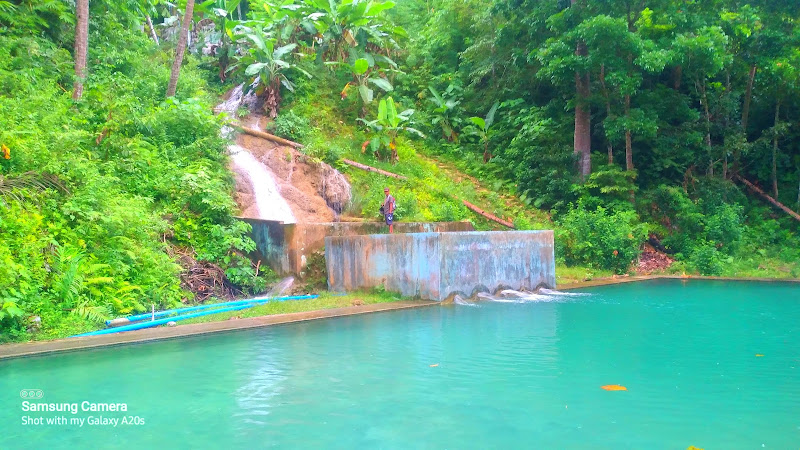
Anda Falls
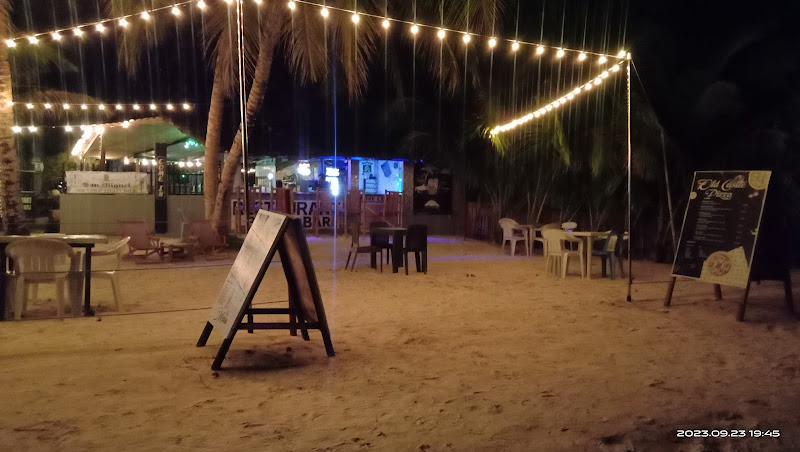
Old Castle Beach Resort
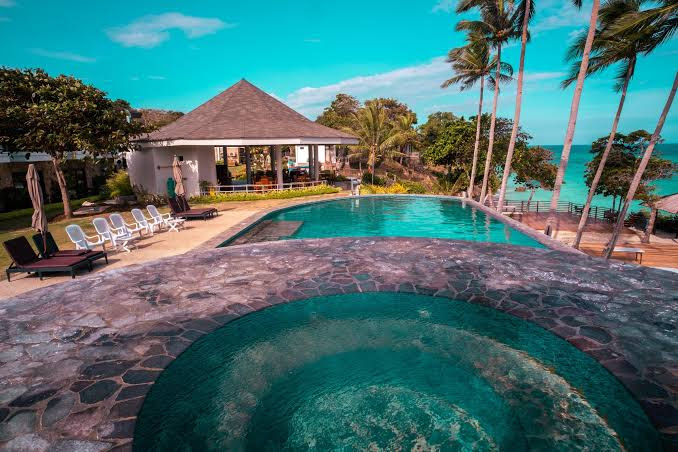
Parklane Bohol Resort and Spa
Find Accommodations Nearby
Recommended Tours & Activities
Visitor Reviews
There are no reviews yet. Be the first one to write one.
Share Your Experience
Have you visited Lamanok Island? Help other travelers by leaving a review.