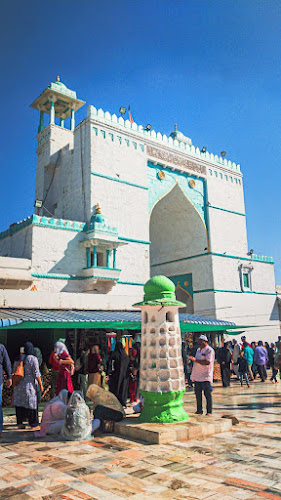
The Nizam Gate, also known as Buland Darwaza, stands as one of the most impressive architectural gateways leading to the revered Ajmer Sharif Dargah in Rajasthan. This magnificent entrance has welcomed millions of pilgrims and travelers over centuries, serving as the primary access point to one of India’s most significant Sufi shrines. The gate embodies the rich Mughal architectural tradition that defines much of Ajmer’s historic landscape, and honestly, when you first lay eyes on it, there’s something about the sheer scale that just stops you in your tracks.
What makes this gateway particularly fascinating is how it bridges the secular and the spiritual. While many visitors rush through on their way to the dargah itself, those who take a moment to appreciate the Nizam Gate discover layers of history etched into its weathered stones. The structure has witnessed countless processions, festivals, and the daily rhythm of devotees from across the world. I remember speaking with a local shopkeeper nearby who told me his grandfather used to sit at the same spot near the gate, and his grandfather before him—that kind of continuity is rare these days.
The gate isn’t just about grandeur though. It’s become an integral part of Ajmer’s social fabric, where locals and tourists mingle, where vendors sell roses and chadars for offerings, and where the air fills with a mixture of incense, street food aromas, and the sound of qawwali music drifting from within. The atmosphere here shifts throughout the day, from the quiet early morning hours when serious devotees arrive first, to the bustling afternoons when tour groups converge, to the magical evenings when the entire area glows under lights.
Most guidebooks will tell you about the architectural details, but what they won’t tell you is how the space around Nizam Gate has evolved into a living museum of human faith and culture. You’ll see people from all walks of life passing through—wealthy businessmen in expensive cars, backpackers with worn shoes, families with excited children, elderly pilgrims who’ve saved for years to make this journey. And that diversity, that democratic quality of the space, is perhaps its most beautiful feature.
Key Features
The Nizam Gate offers several noteworthy characteristics that travelers should be aware of before planning their visit:
- Architectural magnificence reflecting classic Mughal design principles with imposing height and detailed stonework that has survived centuries of use and weather
- Strategic positioning as the main entrance to Ajmer Sharif Dargah, making it an unavoidable part of any pilgrimage or cultural tour of the area
- Complete wheelchair accessibility, which is honestly refreshing to see at a historical site in India where such considerations are often overlooked
- Family-friendly environment that welcomes children, though parents should be prepared for crowds during peak visiting times and festivals
- Extensive parking options including both free and paid facilities, from street parking to dedicated lots and garages within reasonable walking distance
- Surrounding marketplace brimming with shops selling religious items, traditional Rajasthani handicrafts, rose petals, and devotional materials
- Active throughout the day and night, as the dargah remains open 24 hours, giving the gate area a perpetual energy that’s quite unlike typical tourist attractions
- Photo opportunities galore, though visitors should be respectful of pilgrims and ask permission before photographing people in devotional activities
- Street food vendors nearby offering local Ajmer specialties, though exercise the usual caution about food hygiene that applies anywhere in India
- Cultural immersion experiences as you’ll encounter qawwali singers, beggars (which is unfortunately common at religious sites), and the genuine devotional atmosphere of active pilgrimage
Best Time to Visit
Timing your visit to Nizam Gate requires consideration of both weather and crowd patterns, and getting it right can make the difference between a memorable experience and an uncomfortable ordeal.
The ideal months for visiting are October through March when Rajasthan’s weather becomes pleasant after the brutal summer heat. During these months, daytime temperatures range from comfortable to slightly warm, and you won’t feel like you’re melting into the pavement. I’ve visited Ajmer in May once, and let me tell you, that’s a mistake you only make once. The summer heat here isn’t just hot—it’s the kind of heat that makes you question your life decisions.
Within the cooler season, December and January are particularly pleasant, though you might want a light jacket for early mornings and evenings. February brings the famous Urs festival celebrating the death anniversary of Khwaja Moinuddin Chishti, and during this time, the area around Nizam Gate transforms into an absolute sea of humanity. If you’re seeking an authentic, intense cultural experience with massive crowds, this is your time. But if crowds aren’t your thing, definitely avoid this period.
For those wanting to experience the gate and dargah with fewer people, consider visiting during weekday mornings between 6 AM and 9 AM. The early morning light is beautiful for photography, the temperature is manageable, and you’ll encounter primarily serious devotees rather than tourist crowds. Fridays tend to be busier as it’s the holy day for Muslims, so plan accordingly.
Monsoon season from July to September brings its own charm with occasional rains cooling everything down, but the unpredictability can disrupt travel plans. The architecture looks particularly striking when rain-washed, and there’s something poetic about watching pilgrims continue their devotions despite the weather. However, be prepared for muddy conditions and potential flooding in the surrounding areas.
Evening visits between 7 PM and 10 PM offer a completely different atmosphere. The gate area comes alive with lights, the temperature drops to comfortable levels, and there’s an almost festival-like energy. This timing works well for those staying in Ajmer and wanting to experience the devotional evening rituals.
How to Get There
Reaching Nizam Gate is relatively straightforward given Ajmer’s well-established position on tourist and pilgrimage circuits, though the final approach requires some navigation through narrow bazaar streets.
By air, the nearest airport is in Jaipur, approximately 135 kilometers away. From Jaipur Airport, travelers can hire taxis or use app-based ride services, though the journey takes around 2.5 to 3 hours depending on traffic. Some travelers prefer booking private transfers in advance, which costs more but eliminates negotiation hassles. Budget-conscious visitors can take a bus from Jaipur to Ajmer, which takes longer but costs a fraction of private transport.
The railway option is actually more convenient for Ajmer. Ajmer Junction is a major railway station with connections to Delhi, Mumbai, Jaipur, Ahmedabad, and other significant cities. From the railway station, Nizam Gate is only about 2 kilometers away. Auto-rickshaws are readily available outside the station, and the ride takes maybe 10-15 minutes depending on traffic. Make sure to negotiate the fare beforehand or insist on using the meter—though honestly, most drivers won’t use meters, so knowing the approximate fair rate (which should be around 50-80 rupees) helps.
Road connectivity is excellent with well-maintained highways connecting Ajmer to major cities. If you’re driving yourself or hiring a car, parking near Nizam Gate can be challenging during busy periods. Several paid parking areas exist within a 10-minute walk, and honestly, it’s worth parking a bit further and walking rather than circling endlessly looking for closer spots.
Local transportation within Ajmer includes auto-rickshaws, cycle rickshaws, and local buses. For visitors staying elsewhere in Ajmer, any auto driver will know Nizam Gate or Dargah Sharif. The landmark is so prominent that you literally can’t miss it once you’re in the general area.
Walking from central Ajmer areas is feasible and actually quite pleasant during cooler months. The approach to Nizam Gate takes you through authentic bazaar streets where daily life unfolds around you, offering glimpses into local commerce and culture that you’d miss in a vehicle.
Tips for Visiting
Preparing properly for your Nizam Gate visit ensures a smooth, respectful, and enriching experience that honors both the site’s significance and your own comfort.
Dress modestly regardless of your religious background. Both men and women should cover their shoulders and knees at minimum. Women might want to carry a dupatta or scarf to cover their heads when entering the dargah area, though it’s not always strictly enforced for tourists. But showing respect through conservative clothing opens doors—literally and figuratively—and you’ll feel less conspicuous.
Remove your shoes before entering the dargah itself. Shoe-keeping facilities exist around the gate area, usually charging a nominal fee of 10-20 rupees. Keep the receipt they give you. Some travelers prefer carrying a bag for their shoes rather than using these services, which is perfectly fine and saves the small fee.
Bring small denomination currency. You’ll encounter many beggars around the gate area, and if you plan to give, having 5 and 10 rupee notes is practical. The surrounding shops and vendors often claim they don’t have change for large notes, so smaller bills prevent hassles. Though honestly, sometimes they do have change and just prefer not to give it—that’s just how bazaar commerce works sometimes.
Photography of the gate structure is generally acceptable, but be extremely sensitive about photographing people, especially women and those engaged in prayer. When in doubt, ask permission. I’ve found that a smile and gesture toward your camera usually gets you either an enthusiastic yes or a polite no, and respecting that boundary is crucial.
Stay hydrated, especially during warmer months. Several shops around Nizam Gate sell bottled water, though prices increase the closer you get to the entrance. Buying water from shops a street or two away saves a few rupees if you’re budget-conscious.
Be prepared for crowds and close physical proximity to strangers. The area around Nizam Gate gets extremely packed during peak hours and festivals, and personal space becomes a luxury. If you’re uncomfortable with crowds or have anxiety in compressed spaces, timing your visit during quieter periods is essential for your own wellbeing.
Watch your belongings carefully. While Ajmer isn’t particularly dangerous, crowded religious sites attract pickpockets everywhere in the world. Keep bags zipped, valuables secure, and phones in front pockets rather than back pockets.
Accept that you’ll likely be approached by guides offering their services. Some are genuinely knowledgeable and can enhance your understanding of the site’s history and significance. Others are less scrupulous. If you want a guide, negotiate the price clearly upfront and establish exactly what’s included. If you don’t want one, a firm but polite “no thank you” repeated as necessary usually works.
Food and drink aren’t allowed inside the dargah itself, so plan accordingly. The surrounding area has numerous small eateries and sweet shops, and trying the local specialties is part of the experience. The kheer served at the dargah’s community kitchen is particularly famous, though you should have a reasonably strong stomach for street food.
Plan for spending at least an hour or two if you want to properly experience both Nizam Gate and the dargah beyond it. Rushing through misses the entire point. This isn’t a quick photo stop—it’s a place where slowing down and absorbing the atmosphere brings the real reward.
Finally, approach the experience with an open mind and respectful curiosity. Whether you’re religious or not, whether Muslim or from another tradition entirely, the Nizam Gate welcomes everyone who comes with sincere interest. The Sufi tradition celebrated here emphasizes love, tolerance, and the unity of all people seeking the divine, and that spirit still permeates the space if you’re open to feeling it.
 Real Journey Travels