
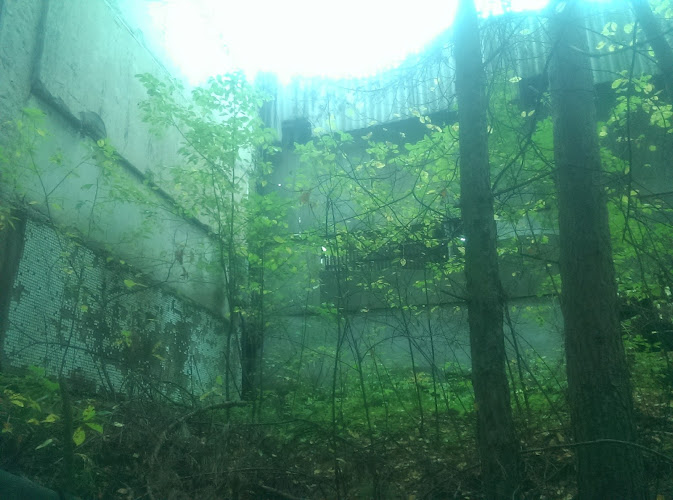
laser test station
About laser test station
Description
The Laser Test Station represents one of those delightfully quirky urban green spaces that somehow manages to fly under the radar of most travel guides, which honestly makes it all the more appealing for those seeking authentic local experiences. This city park sits in an area that's seen plenty of development over the years, and yet it's carved out its own identity as a spot where science meets recreation in the most unexpected way. When you first hear "Laser Test Station," you're probably imagining something straight out of a sci-fi movie or maybe a restricted military facility. But here's the thing—this park takes its name from the nearby research facilities that once dominated the landscape, giving it an industrial-meets-nature vibe that's pretty uncommon in typical urban parks. The grounds have been transformed over time into a space where locals come to unwind, and visitors discover a side of the city that guidebooks tend to overlook. What strikes most people when they arrive is how the park embraces its somewhat unconventional heritage. You won't find the manicured perfection of formal gardens here, and that's kind of the point. The vegetation has been allowed to grow in a more natural pattern, creating pockets of green that feel almost wild compared to the surrounding urban environment. I remember talking to a park regular who described it as "beautifully imperfect," and that description really stuck with me because it captures the essence perfectly. The plant life here deserves special mention. Rather than sticking with the usual suspects you see in every city park, there's a surprising diversity of species that seem to thrive in this particular microclimate. Some of the older trees date back decades, their canopies providing welcome shade during warmer months and creating this cathedral-like feeling when you walk beneath them. And the undergrowth—well, it's more varied than you'd expect, with seasonal changes bringing different textures and colors to the landscape.Key Features
The park offers several distinctive elements that set it apart from typical urban green spaces: • Natural vegetation patterns that create an almost forest-like atmosphere in certain sections, providing a stark contrast to the surrounding cityscape • Historical connections to scientific research facilities that give the area its unique name and character • Open spaces suitable for various outdoor activities, from casual picnics to informal sports games • Mature trees that provide excellent shade coverage and contribute to the park's established feel • Quiet corners perfect for those seeking solitude or a peaceful reading spot away from urban noise • Walking paths that wind through different sections of the park, though they're more informal than paved trails • Seasonal plant displays that change throughout the year, offering different visual experiences depending on when you visit • Local community gathering spots where residents congregate, giving visitors an authentic glimpse into neighborhood life • Benches and seating areas scattered throughout, though you might need to hunt for them a bit • Areas where the scientific heritage of the location is still subtly visible in the landscape and naming conventionsBest Time to Visit
Timing your visit to the Laser Test Station can make a real difference in your experience. Late spring through early fall generally offers the most comfortable conditions for exploring the grounds. The vegetation reaches its fullest during these months, creating that lush green environment that makes urban parks so appealing when you need a break from concrete and asphalt. May and June are particularly lovely if you're interested in seeing the plant life at its most active. New growth appears, and there's an energy to the park that feels rejuvenating. The temperatures are usually moderate enough that you can spend a good amount of time wandering without feeling overheated or uncomfortable. Early mornings are my personal favorite time to visit—somewhere around 7 or 8 AM when the city's just waking up but the park hasn't filled with the midday crowd. There's something special about catching the light filtering through the trees at that hour, and you're more likely to have larger sections of the park to yourself. Plus, if you're into bird watching at all, the morning hours bring more activity. Autumn brings its own appeal with changing foliage colors, though you'll want to layer up as temperatures start dropping. September and early October can be ideal for those who prefer cooler weather and don't mind a few falling leaves crunching underfoot. The park takes on a different character in autumn—quieter, more contemplative somehow. Weekdays see fewer visitors than weekends, which is standard for most parks but worth mentioning if you're trying to avoid crowds. That said, weekends have their own charm when local families and groups come out, giving you more of that authentic community atmosphere. I'd generally avoid visiting during heavy rain or immediately after, not because the park isn't accessible but because the paths can get muddy and less pleasant to navigate. Winter visits are possible but know that you're getting a more stark, bare-bones version of the park without the greenery that makes it special.How to Get There
Getting to the Laser Test Station requires a bit more planning than reaching some of the city's more famous attractions, and honestly, that's part of what keeps it feeling like a local secret. Public transportation can get you relatively close, though you'll likely need to walk a bit from the nearest stops. This isn't necessarily a bad thing—the approach to the park lets you see neighborhoods and streets that most tourists never encounter. If you're relying on buses, check the local routes that service the surrounding area. You'll want to download a transit app or grab a route map before heading out because stops aren't always clearly marked for visitors unfamiliar with the system. Ask locals if you're uncertain; most are happy to point you in the right direction, and you might get some bonus recommendations while you're at it. Taxis and ride-sharing services work well for getting there, especially if you're not confident navigating public transit or traveling with a group where splitting the fare makes sense. Just be aware that drivers might not immediately recognize "Laser Test Station" by name, so having the general neighborhood or nearby landmarks ready helps. Show them the location on your phone's map—that usually clears up any confusion quickly. For those who prefer walking or cycling, the park is accessible via several surrounding streets. Cycling can actually be one of the better options if you're comfortable on a bike and have rented or brought one along. The approach gives you flexibility to explore nearby areas before or after your park visit. Parking presents some challenges, which I should mention upfront. The park doesn't have dedicated parking facilities, so if you're driving, you're looking at street parking in the surrounding neighborhood. This can range from easy to frustrating depending on the day and time. Weekday mornings usually offer more available spots than weekend afternoons. The accessibility information indicates there isn't a designated accessible parking lot, so visitors with mobility considerations should plan accordingly and possibly opt for drop-off via taxi or ride-share instead.Tips for Visiting
Before heading to the Laser Test Station, there's some practical information that'll make your visit more enjoyable. First off, manage your expectations about facilities and amenities. This isn't a park with visitor centers, cafes, or extensive infrastructure. Bring water and snacks because you won't find vendors set up inside. I learned this the hard way during a longer visit when I assumed there'd be at least a drink stand somewhere. The accessibility situation deserves attention if you or anyone in your group has mobility challenges. Without wheelchair accessible entrances or parking, the park presents real barriers for some visitors. The paths aren't uniformly smooth, and there are areas where uneven ground makes navigation difficult without steady footing. This isn't to say people with mobility aids can't visit, but advance planning and possibly assistance would be necessary. Dress appropriately for a natural environment. Comfortable walking shoes are essential—save the sandals and dress shoes for other attractions. Depending on the season, insect repellent might be worth throwing in your bag, especially if you're visiting during warmer months when mosquitoes get active. Sunscreen too, though the tree coverage provides shade in many areas. Don't expect extensive signage or information boards explaining the park's history or features. Part of the experience is discovering things on your own, but if you're someone who likes context and background information, do some research beforehand. The scientific heritage that gave the place its name makes for interesting reading and adds layers to your visit when you understand the backstory. Bring a camera or make sure your phone is charged. The lighting conditions under the trees create interesting photography opportunities, and the less-manicured nature of the vegetation offers more character than typical park landscapes. I've seen some visitors get genuinely creative with their shots here. Respect the local community who uses this park as their green space. You're essentially visiting someone's neighborhood hangout, so be mindful of noise levels and leave no trace principles. Pack out whatever you pack in—there might not be abundant trash receptacles, and nothing ruins a natural space faster than litter. If you're traveling solo, the park is generally safe during daylight hours, though as with any urban park, stay aware of your surroundings. Evening visits aren't really recommended unless you're with locals who know the area well. The lighting isn't great after dark, and the isolated feeling that's peaceful during the day can feel less comfortable once the sun goes down. Consider combining your visit with exploration of the surrounding neighborhood. The area has its own character and local establishments that rarely see tourist traffic. Grab a meal at a nearby spot before or after your park time. You'll eat better and cheaper than at tourist-focused restaurants, and you'll actually interact with residents rather than other visitors. Weather can change quickly, so check forecasts before heading out and maybe bring a light jacket even if morning conditions look perfect. The tree cover provides some protection from light rain, but you don't want to get caught in a downpour without options. Finally, approach the Laser Test Station with curiosity rather than a checklist mentality. This isn't a place with must-see monuments or famous sculptures. The value lies in experiencing a slice of authentic urban nature and local life. Some visitors have found it underwhelming because they arrived expecting something different, while others discovered it's exactly the kind of unpretentious green space they were hoping to find. Your experience will largely depend on what you're looking for and how you engage with the environment.Key Features
- Key Features
- Best Time to Visit
- How to Get There
- Tips for Visiting
More Details
Updated March 30, 2026
Table of Contents
Description
The Laser Test Station represents one of those delightfully quirky urban green spaces that somehow manages to fly under the radar of most travel guides, which honestly makes it all the more appealing for those seeking authentic local experiences. This city park sits in an area that’s seen plenty of development over the years, and yet it’s carved out its own identity as a spot where science meets recreation in the most unexpected way.
When you first hear “Laser Test Station,” you’re probably imagining something straight out of a sci-fi movie or maybe a restricted military facility. But here’s the thing—this park takes its name from the nearby research facilities that once dominated the landscape, giving it an industrial-meets-nature vibe that’s pretty uncommon in typical urban parks. The grounds have been transformed over time into a space where locals come to unwind, and visitors discover a side of the city that guidebooks tend to overlook.
What strikes most people when they arrive is how the park embraces its somewhat unconventional heritage. You won’t find the manicured perfection of formal gardens here, and that’s kind of the point. The vegetation has been allowed to grow in a more natural pattern, creating pockets of green that feel almost wild compared to the surrounding urban environment. I remember talking to a park regular who described it as “beautifully imperfect,” and that description really stuck with me because it captures the essence perfectly.
The plant life here deserves special mention. Rather than sticking with the usual suspects you see in every city park, there’s a surprising diversity of species that seem to thrive in this particular microclimate. Some of the older trees date back decades, their canopies providing welcome shade during warmer months and creating this cathedral-like feeling when you walk beneath them. And the undergrowth—well, it’s more varied than you’d expect, with seasonal changes bringing different textures and colors to the landscape.
Key Features
The park offers several distinctive elements that set it apart from typical urban green spaces:
• Natural vegetation patterns that create an almost forest-like atmosphere in certain sections, providing a stark contrast to the surrounding cityscape
• Historical connections to scientific research facilities that give the area its unique name and character
• Open spaces suitable for various outdoor activities, from casual picnics to informal sports games
• Mature trees that provide excellent shade coverage and contribute to the park’s established feel
• Quiet corners perfect for those seeking solitude or a peaceful reading spot away from urban noise
• Walking paths that wind through different sections of the park, though they’re more informal than paved trails
• Seasonal plant displays that change throughout the year, offering different visual experiences depending on when you visit
• Local community gathering spots where residents congregate, giving visitors an authentic glimpse into neighborhood life
• Benches and seating areas scattered throughout, though you might need to hunt for them a bit
• Areas where the scientific heritage of the location is still subtly visible in the landscape and naming conventions
Best Time to Visit
Timing your visit to the Laser Test Station can make a real difference in your experience. Late spring through early fall generally offers the most comfortable conditions for exploring the grounds. The vegetation reaches its fullest during these months, creating that lush green environment that makes urban parks so appealing when you need a break from concrete and asphalt.
May and June are particularly lovely if you’re interested in seeing the plant life at its most active. New growth appears, and there’s an energy to the park that feels rejuvenating. The temperatures are usually moderate enough that you can spend a good amount of time wandering without feeling overheated or uncomfortable.
Early mornings are my personal favorite time to visit—somewhere around 7 or 8 AM when the city’s just waking up but the park hasn’t filled with the midday crowd. There’s something special about catching the light filtering through the trees at that hour, and you’re more likely to have larger sections of the park to yourself. Plus, if you’re into bird watching at all, the morning hours bring more activity.
Autumn brings its own appeal with changing foliage colors, though you’ll want to layer up as temperatures start dropping. September and early October can be ideal for those who prefer cooler weather and don’t mind a few falling leaves crunching underfoot. The park takes on a different character in autumn—quieter, more contemplative somehow.
Weekdays see fewer visitors than weekends, which is standard for most parks but worth mentioning if you’re trying to avoid crowds. That said, weekends have their own charm when local families and groups come out, giving you more of that authentic community atmosphere.
I’d generally avoid visiting during heavy rain or immediately after, not because the park isn’t accessible but because the paths can get muddy and less pleasant to navigate. Winter visits are possible but know that you’re getting a more stark, bare-bones version of the park without the greenery that makes it special.
How to Get There
Getting to the Laser Test Station requires a bit more planning than reaching some of the city’s more famous attractions, and honestly, that’s part of what keeps it feeling like a local secret. Public transportation can get you relatively close, though you’ll likely need to walk a bit from the nearest stops. This isn’t necessarily a bad thing—the approach to the park lets you see neighborhoods and streets that most tourists never encounter.
If you’re relying on buses, check the local routes that service the surrounding area. You’ll want to download a transit app or grab a route map before heading out because stops aren’t always clearly marked for visitors unfamiliar with the system. Ask locals if you’re uncertain; most are happy to point you in the right direction, and you might get some bonus recommendations while you’re at it.
Taxis and ride-sharing services work well for getting there, especially if you’re not confident navigating public transit or traveling with a group where splitting the fare makes sense. Just be aware that drivers might not immediately recognize “Laser Test Station” by name, so having the general neighborhood or nearby landmarks ready helps. Show them the location on your phone’s map—that usually clears up any confusion quickly.
For those who prefer walking or cycling, the park is accessible via several surrounding streets. Cycling can actually be one of the better options if you’re comfortable on a bike and have rented or brought one along. The approach gives you flexibility to explore nearby areas before or after your park visit.
Parking presents some challenges, which I should mention upfront. The park doesn’t have dedicated parking facilities, so if you’re driving, you’re looking at street parking in the surrounding neighborhood. This can range from easy to frustrating depending on the day and time. Weekday mornings usually offer more available spots than weekend afternoons. The accessibility information indicates there isn’t a designated accessible parking lot, so visitors with mobility considerations should plan accordingly and possibly opt for drop-off via taxi or ride-share instead.
Tips for Visiting
Before heading to the Laser Test Station, there’s some practical information that’ll make your visit more enjoyable. First off, manage your expectations about facilities and amenities. This isn’t a park with visitor centers, cafes, or extensive infrastructure. Bring water and snacks because you won’t find vendors set up inside. I learned this the hard way during a longer visit when I assumed there’d be at least a drink stand somewhere.
The accessibility situation deserves attention if you or anyone in your group has mobility challenges. Without wheelchair accessible entrances or parking, the park presents real barriers for some visitors. The paths aren’t uniformly smooth, and there are areas where uneven ground makes navigation difficult without steady footing. This isn’t to say people with mobility aids can’t visit, but advance planning and possibly assistance would be necessary.
Dress appropriately for a natural environment. Comfortable walking shoes are essential—save the sandals and dress shoes for other attractions. Depending on the season, insect repellent might be worth throwing in your bag, especially if you’re visiting during warmer months when mosquitoes get active. Sunscreen too, though the tree coverage provides shade in many areas.
Don’t expect extensive signage or information boards explaining the park’s history or features. Part of the experience is discovering things on your own, but if you’re someone who likes context and background information, do some research beforehand. The scientific heritage that gave the place its name makes for interesting reading and adds layers to your visit when you understand the backstory.
Bring a camera or make sure your phone is charged. The lighting conditions under the trees create interesting photography opportunities, and the less-manicured nature of the vegetation offers more character than typical park landscapes. I’ve seen some visitors get genuinely creative with their shots here.
Respect the local community who uses this park as their green space. You’re essentially visiting someone’s neighborhood hangout, so be mindful of noise levels and leave no trace principles. Pack out whatever you pack in—there might not be abundant trash receptacles, and nothing ruins a natural space faster than litter.
If you’re traveling solo, the park is generally safe during daylight hours, though as with any urban park, stay aware of your surroundings. Evening visits aren’t really recommended unless you’re with locals who know the area well. The lighting isn’t great after dark, and the isolated feeling that’s peaceful during the day can feel less comfortable once the sun goes down.
Consider combining your visit with exploration of the surrounding neighborhood. The area has its own character and local establishments that rarely see tourist traffic. Grab a meal at a nearby spot before or after your park time. You’ll eat better and cheaper than at tourist-focused restaurants, and you’ll actually interact with residents rather than other visitors.
Weather can change quickly, so check forecasts before heading out and maybe bring a light jacket even if morning conditions look perfect. The tree cover provides some protection from light rain, but you don’t want to get caught in a downpour without options.
Finally, approach the Laser Test Station with curiosity rather than a checklist mentality. This isn’t a place with must-see monuments or famous sculptures. The value lies in experiencing a slice of authentic urban nature and local life. Some visitors have found it underwhelming because they arrived expecting something different, while others discovered it’s exactly the kind of unpretentious green space they were hoping to find. Your experience will largely depend on what you’re looking for and how you engage with the environment.
Key Highlights
- Key Features
- Best Time to Visit
- How to Get There
- Tips for Visiting
Location
Places to Stay Near laser test station
Find and Book a Tour
Explore More Travel Guides
No reviews found! Be the first to review!
laser test station is a prominent Городской парк located in Tomsk.
Visit us at: Akademicheskiy Prospekt, 1/2, Tomsk, Tomsk Oblast, Russia, 634055.
Traveler Reviews for laser test station
There are no reviews yet. Be the first one to write one.
Have you visited laser test station? Help other travelers by sharing your review.
You Might Also Like

Pamyatnik Lyubovniku

Anton Chekhov memorial

Ulitsa Naberezhnaya Reki Tomi
Find Accommodations Nearby
Recommended Tours & Activities
Visitor Reviews
There are no reviews yet. Be the first one to write one.
Share Your Experience
Have you visited laser test station? Help other travelers by leaving a review.