
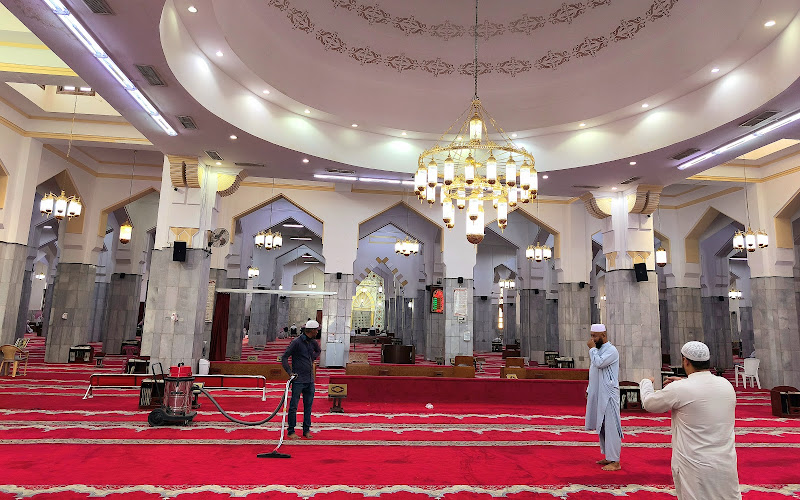
Abdullah Ibn Abbas Mosque
About Abdullah Ibn Abbas Mosque
Description
The Abdullah Ibn Abbas Mosque stands as a testament to Islamic architecture and spiritual devotion, drawing thousands of worshippers and curious travelers throughout the year. Named after one of the Prophet Muhammad's most learned companions, this place of worship has become a significant landmark for both religious pilgrims and those interested in understanding Islamic culture and traditions. When you first approach the mosque, you'll notice the careful attention to architectural detail that makes this structure both functional and aesthetically pleasing. The building serves as an active place of worship, which means you're not just visiting a historical monument—you're stepping into a living, breathing space where faith continues to shape daily life for countless individuals. And honestly, that's what makes places like this so special compared to museums or preserved historical sites. The mosque welcomes visitors from all backgrounds, though it's important to remember that this is first and foremost a sacred space for Muslim worshippers. I've found that approaching such places with genuine respect and curiosity tends to open doors you didn't even know existed. The atmosphere inside reflects a sense of peace that's hard to describe unless you've experienced it yourself—there's something about the acoustics, the light filtering through the windows, and the quiet devotion of those in prayer that creates an environment unlike anywhere else. What sets this mosque apart is its commitment to accessibility and visitor accommodation. The facility has made thoughtful considerations for all visitors, ensuring that everyone can experience the space regardless of physical limitations. This inclusive approach speaks volumes about the community's values and their understanding that spiritual spaces should be open to all who seek them.Key Features
The Abdullah Ibn Abbas Mosque offers several notable features that enhance the visitor experience: • Complete wheelchair accessibility, including specially designed entrance ramps and designated parking areas that make the mosque welcoming for visitors with mobility challenges • Clean and well-maintained restroom facilities available for guests, which might seem like a small detail but makes a huge difference when you're exploring a new area • Prayer halls that accommodate both men and women, following traditional Islamic practices while ensuring comfortable spaces for worship • Architectural elements that reflect traditional Islamic design principles, including geometric patterns and calligraphic artwork that adorn the interior spaces • A welcoming atmosphere created by the local community, who generally appreciate respectful visitors interested in learning about their faith and practices • Adequate parking facilities that make visiting convenient, especially important if you're traveling with family or during peak prayer times • Regular prayer times that follow the Islamic call to prayer schedule, giving visitors an opportunity to witness authentic religious practices if they time their visit appropriatelyBest Time to Visit
Timing your visit to the Abdullah Ibn Abbas Mosque requires a bit of strategic thinking if you want to get the most out of your experience. The mosque operates on the Islamic prayer schedule, which shifts slightly throughout the year based on sunrise and sunset times. If you're hoping to observe prayers and experience the mosque at its most active, arriving just before one of the five daily prayers gives you a chance to witness the gathering of the community. Friday prayers, known as Jummah, typically draw the largest crowds since this is the most significant congregational prayer of the week. But be warned—showing up during Friday prayers means you'll encounter significantly more people, which can be overwhelming if you're not prepared for it. For a more contemplative visit where you can actually take your time and absorb the atmosphere, weekday mornings between Fajr (dawn prayer) and Dhuhr (noon prayer) tend to be quieter. You'll still see worshippers coming and going, but it won't feel as crowded. This gives you more opportunity to appreciate the architectural details and maybe even have a conversation with community members who have time to answer questions. Weather-wise, you'll want to consider the local climate patterns. Many visitors find that visiting during moderate weather months makes the experience more comfortable, especially since you'll likely be doing some walking around the grounds. Extreme heat or cold can make the visit less enjoyable, though the mosque itself usually maintains comfortable interior temperatures. Ramadan presents a unique opportunity for visitors interested in experiencing Islamic culture at its most communal. The evening Iftar meals that break the daily fast and the special Taraweeh prayers create an atmosphere you won't find any other time of year. However, you should be particularly mindful and respectful during this holy month—avoid eating or drinking in public view of those who are fasting.How to Get There
Getting to the Abdullah Ibn Abbas Mosque requires some planning, but it's definitely manageable even if you're not familiar with the area. The mosque's location makes it accessible through various transportation methods, so you've got options depending on your preferences and budget. If you're driving yourself, you'll appreciate that the mosque provides dedicated parking facilities. The wheelchair-accessible parking lot means you won't have to walk excessive distances from your vehicle to the entrance. I'd recommend arriving at least 15-20 minutes before any scheduled prayer times if you're visiting on a Friday, as parking can fill up quickly when the community gathers for weekly prayers. Public transportation can work well for reaching the mosque, though you'll want to research the specific routes that serve the area. Many mosques are located in residential neighborhoods where public transit is available but perhaps not as frequent as downtown routes. Check the local bus or transit schedules ahead of time and plan for potential walking distance from the nearest stop. Ride-sharing services like Uber or local equivalents offer another convenient option, especially if you're unfamiliar with the area or don't want to worry about parking. Just make sure your driver knows you might be inside for 30 minutes to an hour so they don't wait—or better yet, plan to call for a ride when you're ready to leave. For international visitors, the mosque's location relative to major hotels or tourist areas should factor into your planning. Some travelers find it helpful to combine their mosque visit with exploring other nearby attractions or neighborhoods, making the journey more worthwhile. And honestly, getting slightly lost and wandering through local neighborhoods often leads to the most memorable travel experiences anyway.Tips for Visiting
Visiting the Abdullah Ibn Abbas Mosque as a traveler requires cultural sensitivity and practical preparation. Let me share some insights that'll help make your visit smooth and respectful. First things first—dress modestly. This isn't optional. Men should wear long pants and shirts that cover their shoulders. Women need to cover their arms, legs, and hair with a headscarf. Some mosques provide loaner scarves and robes for visitors who arrive unprepared, but don't count on it. Pack your own modest clothing to avoid any awkwardness at the entrance. You'll need to remove your shoes before entering the prayer areas. This is non-negotiable in Islamic tradition. Most mosques have designated shoe storage areas or racks, but I always recommend wearing clean socks or bringing a pair just in case. Trust me, you don't want to be that person walking around barefoot if you can avoid it. Photography policies vary by mosque, and I haven't found consistent information about the Abdullah Ibn Abbas Mosque's specific rules. Your safest bet? Ask permission before taking any photos. Some mosques welcome photography in common areas but prohibit it during prayers. Others don't allow it at all. When in doubt, just ask a community member or mosque official—they'll appreciate your consideration. Timing matters more than you might think. Avoid visiting during prayer times if you simply want to look around, as this is when the space is most sacred and active for worshippers. You don't want to be wandering around asking questions when people are trying to pray. However, if you specifically want to observe prayers, arrive a few minutes early and position yourself respectfully along the sides or back of the prayer hall. Women should be aware that many mosques have separate prayer areas for men and women. Don't take this personally—it's part of Islamic tradition related to maintaining focus during prayer. The women's section might be smaller or in a different part of the building, but it should still provide a meaningful experience. Bring small bills or local currency if you want to make a donation. Most mosques operate on community contributions, and visitors often contribute to help with maintenance and programs. There's no required amount, but a modest donation shows appreciation for the opportunity to visit. Keep your voice down and maintain a respectful demeanor throughout your visit. This should go without saying, but mosques are places of worship, not tourist attractions. Even when prayers aren't happening, people come here for quiet reflection and spiritual connection. Your volume level should reflect that atmosphere. If you have questions, most Muslim communities are actually quite welcoming to curious visitors who approach with genuine interest. Many mosques have volunteers or staff who specifically work with visitors and can explain aspects of Islamic practice and architecture. Don't be shy about asking—just pick appropriate moments when people aren't rushing to pray or busy with other obligations. The restroom facilities are available for visitors, which is particularly helpful since traditional Islamic practice involves ablution (ritual washing) before prayers. You might see people washing their hands, face, and feet in designated areas. This is totally normal, so don't stare or act surprised. Consider visiting outside of major prayer times for your first trip. This gives you space to orient yourself, understand the layout, and get comfortable with the environment before potentially returning during a more active time. Think of it as your scouting mission before the main event. Finally, be prepared for the possibility that access might be restricted during certain times or events. Sometimes mosques host special programs or close for maintenance. A quick call ahead if possible can save you a wasted trip, though I understand that's not always practical when traveling. The Abdullah Ibn Abbas Mosque offers travelers a window into Islamic spiritual life and architecture that few other experiences can match. With proper preparation and respectful behavior, your visit can become one of those meaningful travel moments that stick with you long after you've returned home.Key Features
- Historic association with Abdullah ibn Abbas, early Islamic scholar
- Burial site believed to be within or near the mosque grounds
- Traditional Taif/Hejazi mosque architecture and shaded courtyard
- Active local worship site offering authentic community atmosphere
- Close location to Taif’s residential areas and local markets
More Details
Updated January 21, 2026
Table of Contents
Description
The Abdullah Ibn Abbas Mosque stands as a testament to Islamic architecture and spiritual devotion, drawing thousands of worshippers and curious travelers throughout the year. Named after one of the Prophet Muhammad’s most learned companions, this place of worship has become a significant landmark for both religious pilgrims and those interested in understanding Islamic culture and traditions.
When you first approach the mosque, you’ll notice the careful attention to architectural detail that makes this structure both functional and aesthetically pleasing. The building serves as an active place of worship, which means you’re not just visiting a historical monument—you’re stepping into a living, breathing space where faith continues to shape daily life for countless individuals. And honestly, that’s what makes places like this so special compared to museums or preserved historical sites.
The mosque welcomes visitors from all backgrounds, though it’s important to remember that this is first and foremost a sacred space for Muslim worshippers. I’ve found that approaching such places with genuine respect and curiosity tends to open doors you didn’t even know existed. The atmosphere inside reflects a sense of peace that’s hard to describe unless you’ve experienced it yourself—there’s something about the acoustics, the light filtering through the windows, and the quiet devotion of those in prayer that creates an environment unlike anywhere else.
What sets this mosque apart is its commitment to accessibility and visitor accommodation. The facility has made thoughtful considerations for all visitors, ensuring that everyone can experience the space regardless of physical limitations. This inclusive approach speaks volumes about the community’s values and their understanding that spiritual spaces should be open to all who seek them.
Key Features
The Abdullah Ibn Abbas Mosque offers several notable features that enhance the visitor experience:
• Complete wheelchair accessibility, including specially designed entrance ramps and designated parking areas that make the mosque welcoming for visitors with mobility challenges
• Clean and well-maintained restroom facilities available for guests, which might seem like a small detail but makes a huge difference when you’re exploring a new area
• Prayer halls that accommodate both men and women, following traditional Islamic practices while ensuring comfortable spaces for worship
• Architectural elements that reflect traditional Islamic design principles, including geometric patterns and calligraphic artwork that adorn the interior spaces
• A welcoming atmosphere created by the local community, who generally appreciate respectful visitors interested in learning about their faith and practices
• Adequate parking facilities that make visiting convenient, especially important if you’re traveling with family or during peak prayer times
• Regular prayer times that follow the Islamic call to prayer schedule, giving visitors an opportunity to witness authentic religious practices if they time their visit appropriately
Best Time to Visit
Timing your visit to the Abdullah Ibn Abbas Mosque requires a bit of strategic thinking if you want to get the most out of your experience. The mosque operates on the Islamic prayer schedule, which shifts slightly throughout the year based on sunrise and sunset times.
If you’re hoping to observe prayers and experience the mosque at its most active, arriving just before one of the five daily prayers gives you a chance to witness the gathering of the community. Friday prayers, known as Jummah, typically draw the largest crowds since this is the most significant congregational prayer of the week. But be warned—showing up during Friday prayers means you’ll encounter significantly more people, which can be overwhelming if you’re not prepared for it.
For a more contemplative visit where you can actually take your time and absorb the atmosphere, weekday mornings between Fajr (dawn prayer) and Dhuhr (noon prayer) tend to be quieter. You’ll still see worshippers coming and going, but it won’t feel as crowded. This gives you more opportunity to appreciate the architectural details and maybe even have a conversation with community members who have time to answer questions.
Weather-wise, you’ll want to consider the local climate patterns. Many visitors find that visiting during moderate weather months makes the experience more comfortable, especially since you’ll likely be doing some walking around the grounds. Extreme heat or cold can make the visit less enjoyable, though the mosque itself usually maintains comfortable interior temperatures.
Ramadan presents a unique opportunity for visitors interested in experiencing Islamic culture at its most communal. The evening Iftar meals that break the daily fast and the special Taraweeh prayers create an atmosphere you won’t find any other time of year. However, you should be particularly mindful and respectful during this holy month—avoid eating or drinking in public view of those who are fasting.
How to Get There
Getting to the Abdullah Ibn Abbas Mosque requires some planning, but it’s definitely manageable even if you’re not familiar with the area. The mosque’s location makes it accessible through various transportation methods, so you’ve got options depending on your preferences and budget.
If you’re driving yourself, you’ll appreciate that the mosque provides dedicated parking facilities. The wheelchair-accessible parking lot means you won’t have to walk excessive distances from your vehicle to the entrance. I’d recommend arriving at least 15-20 minutes before any scheduled prayer times if you’re visiting on a Friday, as parking can fill up quickly when the community gathers for weekly prayers.
Public transportation can work well for reaching the mosque, though you’ll want to research the specific routes that serve the area. Many mosques are located in residential neighborhoods where public transit is available but perhaps not as frequent as downtown routes. Check the local bus or transit schedules ahead of time and plan for potential walking distance from the nearest stop.
Ride-sharing services like Uber or local equivalents offer another convenient option, especially if you’re unfamiliar with the area or don’t want to worry about parking. Just make sure your driver knows you might be inside for 30 minutes to an hour so they don’t wait—or better yet, plan to call for a ride when you’re ready to leave.
For international visitors, the mosque’s location relative to major hotels or tourist areas should factor into your planning. Some travelers find it helpful to combine their mosque visit with exploring other nearby attractions or neighborhoods, making the journey more worthwhile. And honestly, getting slightly lost and wandering through local neighborhoods often leads to the most memorable travel experiences anyway.
Tips for Visiting
Visiting the Abdullah Ibn Abbas Mosque as a traveler requires cultural sensitivity and practical preparation. Let me share some insights that’ll help make your visit smooth and respectful.
First things first—dress modestly. This isn’t optional. Men should wear long pants and shirts that cover their shoulders. Women need to cover their arms, legs, and hair with a headscarf. Some mosques provide loaner scarves and robes for visitors who arrive unprepared, but don’t count on it. Pack your own modest clothing to avoid any awkwardness at the entrance.
You’ll need to remove your shoes before entering the prayer areas. This is non-negotiable in Islamic tradition. Most mosques have designated shoe storage areas or racks, but I always recommend wearing clean socks or bringing a pair just in case. Trust me, you don’t want to be that person walking around barefoot if you can avoid it.
Photography policies vary by mosque, and I haven’t found consistent information about the Abdullah Ibn Abbas Mosque’s specific rules. Your safest bet? Ask permission before taking any photos. Some mosques welcome photography in common areas but prohibit it during prayers. Others don’t allow it at all. When in doubt, just ask a community member or mosque official—they’ll appreciate your consideration.
Timing matters more than you might think. Avoid visiting during prayer times if you simply want to look around, as this is when the space is most sacred and active for worshippers. You don’t want to be wandering around asking questions when people are trying to pray. However, if you specifically want to observe prayers, arrive a few minutes early and position yourself respectfully along the sides or back of the prayer hall.
Women should be aware that many mosques have separate prayer areas for men and women. Don’t take this personally—it’s part of Islamic tradition related to maintaining focus during prayer. The women’s section might be smaller or in a different part of the building, but it should still provide a meaningful experience.
Bring small bills or local currency if you want to make a donation. Most mosques operate on community contributions, and visitors often contribute to help with maintenance and programs. There’s no required amount, but a modest donation shows appreciation for the opportunity to visit.
Keep your voice down and maintain a respectful demeanor throughout your visit. This should go without saying, but mosques are places of worship, not tourist attractions. Even when prayers aren’t happening, people come here for quiet reflection and spiritual connection. Your volume level should reflect that atmosphere.
If you have questions, most Muslim communities are actually quite welcoming to curious visitors who approach with genuine interest. Many mosques have volunteers or staff who specifically work with visitors and can explain aspects of Islamic practice and architecture. Don’t be shy about asking—just pick appropriate moments when people aren’t rushing to pray or busy with other obligations.
The restroom facilities are available for visitors, which is particularly helpful since traditional Islamic practice involves ablution (ritual washing) before prayers. You might see people washing their hands, face, and feet in designated areas. This is totally normal, so don’t stare or act surprised.
Consider visiting outside of major prayer times for your first trip. This gives you space to orient yourself, understand the layout, and get comfortable with the environment before potentially returning during a more active time. Think of it as your scouting mission before the main event.
Finally, be prepared for the possibility that access might be restricted during certain times or events. Sometimes mosques host special programs or close for maintenance. A quick call ahead if possible can save you a wasted trip, though I understand that’s not always practical when traveling.
The Abdullah Ibn Abbas Mosque offers travelers a window into Islamic spiritual life and architecture that few other experiences can match. With proper preparation and respectful behavior, your visit can become one of those meaningful travel moments that stick with you long after you’ve returned home.
Key Highlights
- Historic association with Abdullah ibn Abbas, early Islamic scholar
- Burial site believed to be within or near the mosque grounds
- Traditional Taif/Hejazi mosque architecture and shaded courtyard
- Active local worship site offering authentic community atmosphere
- Close location to Taif’s residential areas and local markets
Location
Places to Stay Near Abdullah Ibn Abbas Mosque
Find and Book a Tour
Explore More Travel Guides
No reviews found! Be the first to review!
Reasoning
Traveler Reviews for Abdullah Ibn Abbas Mosque
There are no reviews yet. Be the first one to write one.
Have you visited Abdullah Ibn Abbas Mosque? Help other travelers by sharing your review.
Nearby Attractions
You Might Also Like
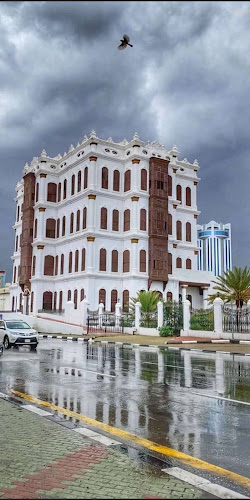
Taif
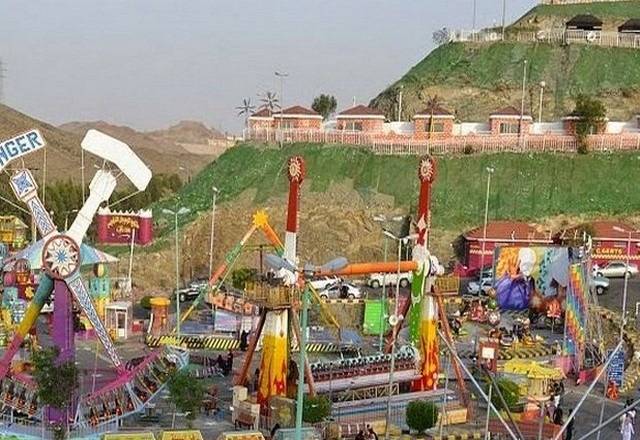
Green Mountain Resort
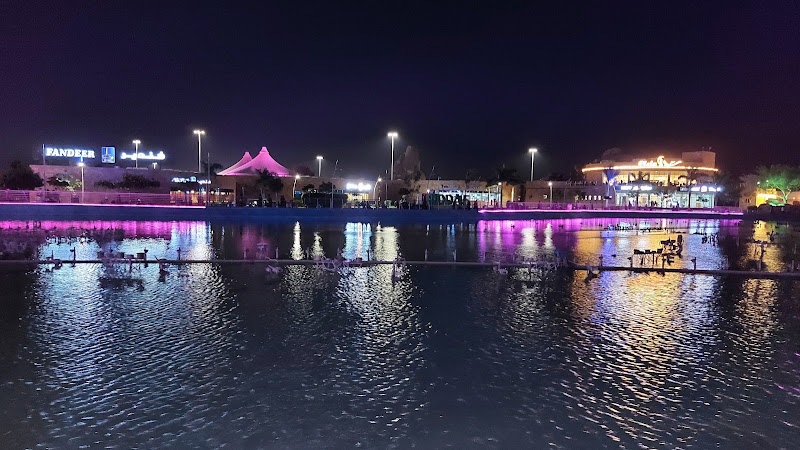
Al Ruddaf
Find Accommodations Nearby
Recommended Tours & Activities
Visitor Reviews
There are no reviews yet. Be the first one to write one.
Share Your Experience
Have you visited Abdullah Ibn Abbas Mosque? Help other travelers by leaving a review.