
Taif
About Taif
Description
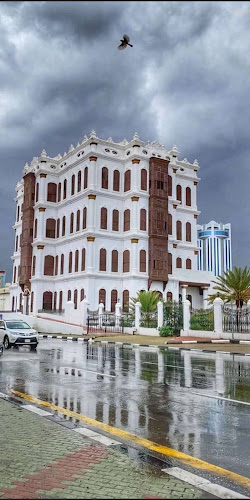
Taif sits at a comfortable altitude in the mountains of southwest Saudi Arabia, and honestly, that elevation makes all the difference. When I first heard about this city, I'll admit I didn't expect much—just another stop in the Kingdom. But Taif turned out to be something entirely different from what most travelers picture when they think of Saudi Arabia. The city sits roughly 1,700 meters above sea level, which gives it a climate that feels like a blessing compared to the scorching heat you'll find in lower elevation areas. The mountain air here is genuinely refreshing, and locals have known this for centuries. In fact, Saudi Arabia's royal family traditionally spends summers here, which should tell you something about the appeal of this place. The landscape doesn't fit the typical desert stereotypes either—you'll find rose gardens, fruit orchards, and greenery that thrives in the cooler temperatures. And speaking of roses, Taif produces some of the world's most sought-after rose oil, with fields of damask roses that bloom and fill the air with a scent you won't forget. The city blends historical significance with modern Saudi development in ways that make it genuinely interesting for travelers. Shubra Palace stands as a testament to architectural beauty from the early 20th century, its white walls and intricate wooden latticework windows showcasing a style that's become rare. Now serving as the Taif Regional Museum, this building houses collections that span both Islamic and pre-Islamic periods, giving visitors a window into civilizations that flourished in the Arabian Peninsula long before modern borders existed. But Taif isn't just about looking backward. The city has developed parks, recreational areas, and infrastructure that cater to both local visitors and international travelers. King Fahad Garden offers manicured lawns and dining options around a scenic lagoon, while Taif National Park provides hiking opportunities and natural landscapes dominated by a massive dam that's become something of a local landmark.Key Features
Travelers planning their Taif experience should know about these standout features that define the city:- Rose Cultivation Heritage: The city produces premium rose oil exported worldwide, with rose farms offering seasonal tours during blooming periods where visitors can witness traditional harvesting methods that haven't changed much over generations
- Shubra Palace and Regional Museum: This architectural gem serves dual purposes as a historic building worth seeing for its construction alone and as a museum displaying archaeological finds, manuscripts, and artifacts spanning thousands of years of Arabian history
- Mountain Climate: Positioned at high elevation, Taif offers temperatures that drop significantly below the national average, making outdoor activities actually enjoyable during months when other Saudi cities become unbearably hot
- Agricultural Abundance: The surrounding region produces grapes, pomegranates, figs, and other fruits that thrive in the mountain climate, with local markets selling fresh produce and honey that reflects the area's biodiversity
- Cable Car Experience: The Al Hada and Al Shafa cable cars provide spectacular aerial views of mountain landscapes and valleys, transporting visitors between different elevation points while offering photography opportunities that capture Taif's topography
- Historic Souqs: Traditional markets in Taif's old quarters sell everything from spices and textiles to locally-made handicrafts, with vendors who often speak enough English to negotiate and share stories about their goods
- King Fahad Garden: This recreational space offers families and solo travelers alike a place to relax with maintained lawns, walking paths, dining establishments, and a lagoon that becomes particularly pleasant during evening hours
- Taif National Park: Nature enthusiasts find hiking trails, picnic areas, and dam views here, with the park serving as a gateway to understanding the region's ecosystem and geological features
- Religious Significance: The city holds importance in Islamic history with several mosques and sites connected to early Islamic periods, though it attracts fewer religious tourists than nearby Mecca, making it less crowded for those interested in historical context
Best Time to Visit
Timing your Taif visit makes a substantial difference in what you'll experience. The rose season, typically running from late March through mid-May, represents the absolute peak period for visitors interested in the city's signature attraction. During these weeks, the rose farms burst into bloom and harvesting happens in early morning hours when the flowers contain maximum oil content. If you've never seen industrial-scale rose harvesting, it's actually quite something—workers move through fields with practiced efficiency, and the air smells like you've walked into a perfume factory. But here's the thing about peak season: everyone knows it's peak season. Hotel prices climb, tourist sites get busier, and you'll need to book accommodations well in advance. I've found that visiting just after rose season ends, in late May or early June, still offers pleasant weather without the crowds. Summer months from June through August bring Saudi families escaping coastal heat, which means Taif transforms into something of a domestic tourism hub. The city handles this influx well, but expect restaurants and attractions to be busier, particularly on weekends. Temperatures during summer stay remarkably comfortable compared to lower elevation cities—you're looking at highs around 30-35°C rather than the 45°C+ found elsewhere in the Kingdom. Autumn, specifically September through November, might actually be my favorite time for Taif. The weather remains excellent, pomegranate season hits its stride, and the tourist infrastructure operates fully without peak-season pricing or crowds. You can explore outdoor sites like Taif National Park without competing for space or dealing with excessive heat. Winter months from December through February bring cooler temperatures—sometimes dropping to near freezing at night—which might surprise travelers expecting perpetual warmth in Saudi Arabia. But winter days remain pleasant for sightseeing, and if you enjoy cooler weather, this period offers hiking and outdoor activities under ideal conditions. Just pack layers because that temperature variation between day and night is real.How to Get There
Getting to Taif has become considerably easier as Saudi Arabia has opened up to international tourism in recent years. The city has its own regional airport, Taif International Airport, which handles domestic flights from major Saudi cities including Riyadh, Dammam, and Jeddah. Flight times are short—you're looking at about an hour from Riyadh and barely 30 minutes from Jeddah. For many international travelers, the most practical route involves flying into Jeddah's King Abdulaziz International Airport first, then making the roughly 170-kilometer journey to Taif by road or domestic flight. The drive from Jeddah to Taif takes about two to three hours depending on traffic and which route you take, and honestly, having done both options, the road journey offers scenic value that the short flight doesn't. The highway winds through mountain passes with viewpoints where you'll want to stop for photos. The elevation change is noticeable—your ears might pop as you climb—and the landscape transitions from coastal lowlands to mountainous terrain in ways that make the journey itself part of the experience. Car rentals are available at Jeddah airport and in Taif itself, and having your own vehicle gives you flexibility to explore surrounding areas like Al Shafa and Al Hada at your own pace. Just be aware that driving in Saudi Arabia requires attention to local traffic customs, and speed limits on mountain roads should be respected even if some local drivers seem to ignore them. Taxi services and ride-sharing apps operate between Jeddah and Taif, though prices for this distance can add up. Some travelers arrange private drivers through hotels or tour companies, which costs more but eliminates navigation concerns and lets you enjoy the scenery without focusing on the road. Within Taif itself, taxis and ride-sharing apps provide the main transportation options for visitors without rental cars. The city has expanded significantly, so walking between major attractions isn't always practical despite what maps might suggest about distances.Tips for Visiting
Pack for temperature variations because that mountain elevation creates weather patterns you won't find in other parts of Saudi Arabia. Even if you're visiting during warmer months, bring a light jacket for evenings. And if you're coming in winter, proper layers are essential—I once underestimated Taif's winter temperatures and spent a very uncomfortable evening wishing I'd packed warmer clothes. Dress codes in Saudi Arabia have relaxed somewhat for tourists, but Taif remains a relatively conservative city compared to Riyadh or Jeddah. Women don't need to wear abayas anymore, but modest clothing that covers shoulders and knees is respectful and practical. Men should avoid shorts in most public spaces except recreational areas like parks. The rose farms that accept visitors typically operate on limited schedules, often requiring advance arrangements through hotels or tour operators. Don't just show up expecting to wander through rose fields—many are working agricultural operations rather than tourist attractions. Your hotel concierge can usually arrange farm visits if you ask a day or two ahead. Taif's elevation means you might feel slightly winded if you're hiking or doing strenuous activities, especially if you've just arrived from sea level. Take it easy for your first day, stay hydrated, and don't push yourself too hard until you've acclimatized. The local souq deserves more time than you probably think. These markets reward slow browsing and conversation with vendors. Bargaining is expected for most items except food, and vendors generally respect polite negotiation. Starting at about 60-70% of the asking price isn't insulting—it's how the system works. Friday is the Islamic day of prayer, and many businesses close during midday prayer times, typically from around noon to 2 or 3 PM. Plan your Friday activities around this schedule, or use prayer times for meal breaks and rest. Photography of people, particularly women, requires permission. Landscape and architecture photography is generally fine, but be respectful about pointing cameras at individuals without asking first. The museum at Shubra Palace allows photography in most areas, though some exhibits may have restrictions. Ramadan transforms Taif like it does everywhere in the Muslim world. Restaurants close during daylight hours, and the city's rhythm shifts to evening activities. If you're visiting during Ramadan, be respectful about not eating or drinking in public during fasting hours, and take advantage of the special iftar meals and evening atmosphere. The tap water is generally safe to drink in Taif, but most travelers stick with bottled water anyway. It's cheap and readily available, so there's little reason to risk stomach issues that could derail your trip. Credit cards work at major hotels and restaurants, but cash remains important for souq purchases, taxi rides, and smaller establishments. ATMs are common throughout the city, and exchange rates at banks tend to be better than at hotels. English proficiency varies considerably in Taif. Hotel staff and tour operators generally speak functional English, but in markets and smaller restaurants, you might struggle with communication. Having translation apps on your phone helps tremendously, and learning a few basic Arabic phrases goes a long way in creating positive interactions. The National Park and surrounding natural areas require more water than you think, especially if you're hiking. That dry mountain air dehydrates you faster than you realize, and there aren't water fountains scattered everywhere. Bring more water than seems necessary—you'll drink it.Key Features
- Famous rose farms and annual rose harvest/festivals
- Mountain scenery and cooler climate compared with surrounding deserts
- Historic sites like Shubra Palace and traditional souqs
- Scenic Al Hada road and cable car offering panoramic views
- Access to natural attractions such as Al Wahbah Crater
More Details
Updated March 30, 2026
Table of Contents
Description
Taif sits at a comfortable altitude in the mountains of southwest Saudi Arabia, and honestly, that elevation makes all the difference. When I first heard about this city, I’ll admit I didn’t expect much—just another stop in the Kingdom. But Taif turned out to be something entirely different from what most travelers picture when they think of Saudi Arabia. The city sits roughly 1,700 meters above sea level, which gives it a climate that feels like a blessing compared to the scorching heat you’ll find in lower elevation areas.
The mountain air here is genuinely refreshing, and locals have known this for centuries. In fact, Saudi Arabia’s royal family traditionally spends summers here, which should tell you something about the appeal of this place. The landscape doesn’t fit the typical desert stereotypes either—you’ll find rose gardens, fruit orchards, and greenery that thrives in the cooler temperatures. And speaking of roses, Taif produces some of the world’s most sought-after rose oil, with fields of damask roses that bloom and fill the air with a scent you won’t forget.
The city blends historical significance with modern Saudi development in ways that make it genuinely interesting for travelers. Shubra Palace stands as a testament to architectural beauty from the early 20th century, its white walls and intricate wooden latticework windows showcasing a style that’s become rare. Now serving as the Taif Regional Museum, this building houses collections that span both Islamic and pre-Islamic periods, giving visitors a window into civilizations that flourished in the Arabian Peninsula long before modern borders existed.
But Taif isn’t just about looking backward. The city has developed parks, recreational areas, and infrastructure that cater to both local visitors and international travelers. King Fahad Garden offers manicured lawns and dining options around a scenic lagoon, while Taif National Park provides hiking opportunities and natural landscapes dominated by a massive dam that’s become something of a local landmark.
Key Features
Travelers planning their Taif experience should know about these standout features that define the city:
- Rose Cultivation Heritage: The city produces premium rose oil exported worldwide, with rose farms offering seasonal tours during blooming periods where visitors can witness traditional harvesting methods that haven’t changed much over generations
- Shubra Palace and Regional Museum: This architectural gem serves dual purposes as a historic building worth seeing for its construction alone and as a museum displaying archaeological finds, manuscripts, and artifacts spanning thousands of years of Arabian history
- Mountain Climate: Positioned at high elevation, Taif offers temperatures that drop significantly below the national average, making outdoor activities actually enjoyable during months when other Saudi cities become unbearably hot
- Agricultural Abundance: The surrounding region produces grapes, pomegranates, figs, and other fruits that thrive in the mountain climate, with local markets selling fresh produce and honey that reflects the area’s biodiversity
- Cable Car Experience: The Al Hada and Al Shafa cable cars provide spectacular aerial views of mountain landscapes and valleys, transporting visitors between different elevation points while offering photography opportunities that capture Taif’s topography
- Historic Souqs: Traditional markets in Taif’s old quarters sell everything from spices and textiles to locally-made handicrafts, with vendors who often speak enough English to negotiate and share stories about their goods
- King Fahad Garden: This recreational space offers families and solo travelers alike a place to relax with maintained lawns, walking paths, dining establishments, and a lagoon that becomes particularly pleasant during evening hours
- Taif National Park: Nature enthusiasts find hiking trails, picnic areas, and dam views here, with the park serving as a gateway to understanding the region’s ecosystem and geological features
- Religious Significance: The city holds importance in Islamic history with several mosques and sites connected to early Islamic periods, though it attracts fewer religious tourists than nearby Mecca, making it less crowded for those interested in historical context
Best Time to Visit
Timing your Taif visit makes a substantial difference in what you’ll experience. The rose season, typically running from late March through mid-May, represents the absolute peak period for visitors interested in the city’s signature attraction. During these weeks, the rose farms burst into bloom and harvesting happens in early morning hours when the flowers contain maximum oil content. If you’ve never seen industrial-scale rose harvesting, it’s actually quite something—workers move through fields with practiced efficiency, and the air smells like you’ve walked into a perfume factory.
But here’s the thing about peak season: everyone knows it’s peak season. Hotel prices climb, tourist sites get busier, and you’ll need to book accommodations well in advance. I’ve found that visiting just after rose season ends, in late May or early June, still offers pleasant weather without the crowds.
Summer months from June through August bring Saudi families escaping coastal heat, which means Taif transforms into something of a domestic tourism hub. The city handles this influx well, but expect restaurants and attractions to be busier, particularly on weekends. Temperatures during summer stay remarkably comfortable compared to lower elevation cities—you’re looking at highs around 30-35°C rather than the 45°C+ found elsewhere in the Kingdom.
Autumn, specifically September through November, might actually be my favorite time for Taif. The weather remains excellent, pomegranate season hits its stride, and the tourist infrastructure operates fully without peak-season pricing or crowds. You can explore outdoor sites like Taif National Park without competing for space or dealing with excessive heat.
Winter months from December through February bring cooler temperatures—sometimes dropping to near freezing at night—which might surprise travelers expecting perpetual warmth in Saudi Arabia. But winter days remain pleasant for sightseeing, and if you enjoy cooler weather, this period offers hiking and outdoor activities under ideal conditions. Just pack layers because that temperature variation between day and night is real.
How to Get There
Getting to Taif has become considerably easier as Saudi Arabia has opened up to international tourism in recent years. The city has its own regional airport, Taif International Airport, which handles domestic flights from major Saudi cities including Riyadh, Dammam, and Jeddah. Flight times are short—you’re looking at about an hour from Riyadh and barely 30 minutes from Jeddah.
For many international travelers, the most practical route involves flying into Jeddah’s King Abdulaziz International Airport first, then making the roughly 170-kilometer journey to Taif by road or domestic flight. The drive from Jeddah to Taif takes about two to three hours depending on traffic and which route you take, and honestly, having done both options, the road journey offers scenic value that the short flight doesn’t.
The highway winds through mountain passes with viewpoints where you’ll want to stop for photos. The elevation change is noticeable—your ears might pop as you climb—and the landscape transitions from coastal lowlands to mountainous terrain in ways that make the journey itself part of the experience.
Car rentals are available at Jeddah airport and in Taif itself, and having your own vehicle gives you flexibility to explore surrounding areas like Al Shafa and Al Hada at your own pace. Just be aware that driving in Saudi Arabia requires attention to local traffic customs, and speed limits on mountain roads should be respected even if some local drivers seem to ignore them.
Taxi services and ride-sharing apps operate between Jeddah and Taif, though prices for this distance can add up. Some travelers arrange private drivers through hotels or tour companies, which costs more but eliminates navigation concerns and lets you enjoy the scenery without focusing on the road.
Within Taif itself, taxis and ride-sharing apps provide the main transportation options for visitors without rental cars. The city has expanded significantly, so walking between major attractions isn’t always practical despite what maps might suggest about distances.
Tips for Visiting
Pack for temperature variations because that mountain elevation creates weather patterns you won’t find in other parts of Saudi Arabia. Even if you’re visiting during warmer months, bring a light jacket for evenings. And if you’re coming in winter, proper layers are essential—I once underestimated Taif’s winter temperatures and spent a very uncomfortable evening wishing I’d packed warmer clothes.
Dress codes in Saudi Arabia have relaxed somewhat for tourists, but Taif remains a relatively conservative city compared to Riyadh or Jeddah. Women don’t need to wear abayas anymore, but modest clothing that covers shoulders and knees is respectful and practical. Men should avoid shorts in most public spaces except recreational areas like parks.
The rose farms that accept visitors typically operate on limited schedules, often requiring advance arrangements through hotels or tour operators. Don’t just show up expecting to wander through rose fields—many are working agricultural operations rather than tourist attractions. Your hotel concierge can usually arrange farm visits if you ask a day or two ahead.
Taif’s elevation means you might feel slightly winded if you’re hiking or doing strenuous activities, especially if you’ve just arrived from sea level. Take it easy for your first day, stay hydrated, and don’t push yourself too hard until you’ve acclimatized.
The local souq deserves more time than you probably think. These markets reward slow browsing and conversation with vendors. Bargaining is expected for most items except food, and vendors generally respect polite negotiation. Starting at about 60-70% of the asking price isn’t insulting—it’s how the system works.
Friday is the Islamic day of prayer, and many businesses close during midday prayer times, typically from around noon to 2 or 3 PM. Plan your Friday activities around this schedule, or use prayer times for meal breaks and rest.
Photography of people, particularly women, requires permission. Landscape and architecture photography is generally fine, but be respectful about pointing cameras at individuals without asking first. The museum at Shubra Palace allows photography in most areas, though some exhibits may have restrictions.
Ramadan transforms Taif like it does everywhere in the Muslim world. Restaurants close during daylight hours, and the city’s rhythm shifts to evening activities. If you’re visiting during Ramadan, be respectful about not eating or drinking in public during fasting hours, and take advantage of the special iftar meals and evening atmosphere.
The tap water is generally safe to drink in Taif, but most travelers stick with bottled water anyway. It’s cheap and readily available, so there’s little reason to risk stomach issues that could derail your trip.
Credit cards work at major hotels and restaurants, but cash remains important for souq purchases, taxi rides, and smaller establishments. ATMs are common throughout the city, and exchange rates at banks tend to be better than at hotels.
English proficiency varies considerably in Taif. Hotel staff and tour operators generally speak functional English, but in markets and smaller restaurants, you might struggle with communication. Having translation apps on your phone helps tremendously, and learning a few basic Arabic phrases goes a long way in creating positive interactions.
The National Park and surrounding natural areas require more water than you think, especially if you’re hiking. That dry mountain air dehydrates you faster than you realize, and there aren’t water fountains scattered everywhere. Bring more water than seems necessary—you’ll drink it.
Key Highlights
- Famous rose farms and annual rose harvest/festivals
- Mountain scenery and cooler climate compared with surrounding deserts
- Historic sites like Shubra Palace and traditional souqs
- Scenic Al Hada road and cable car offering panoramic views
- Access to natural attractions such as Al Wahbah Crater
Location
Places to Stay Near Taif
Find and Book a Tour
Explore More Travel Guides
No reviews found! Be the first to review!
Taif is a prominent Attractions located in Taif.
Traveler Reviews for Taif
There are no reviews yet. Be the first one to write one.
Have you visited Taif? Help other travelers by sharing your review.
Nearby Attractions
You Might Also Like
Tera Mall
Al Faisaliah Park Mosque
Dolphin and Sea Lion show
Find Accommodations Nearby
Recommended Tours & Activities
Visitor Reviews
There are no reviews yet. Be the first one to write one.
Share Your Experience
Have you visited Taif? Help other travelers by leaving a review.