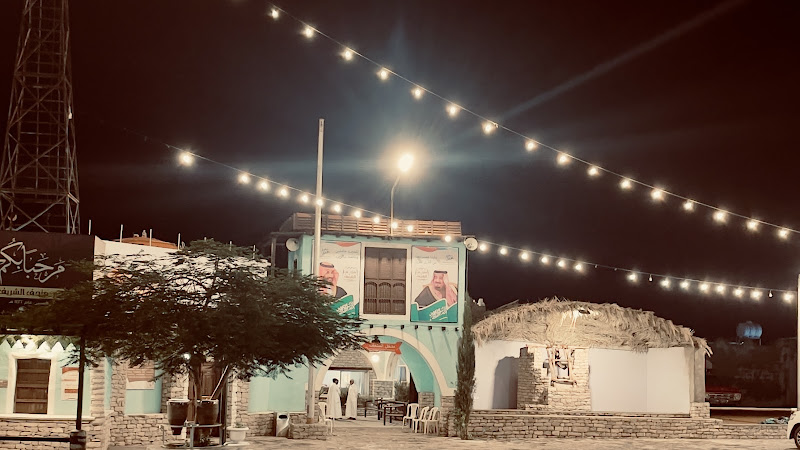
The Al Shareef Museum opened its doors in 2020, and honestly, it’s one of those heritage museums that manages to capture something really special about cultural preservation.
Highlights & Key Features
Key Features
Best Time to Visit
How to Get There
Tips for Visiting
Visitor Guide & Information
Description
The Al Shareef Museum opened its doors in 2020, and honestly, it’s one of those heritage museums that manages to capture something really special about cultural preservation. When you step inside, you’re not just walking through another museum – you’re entering a carefully curated space that tells stories through artifacts, exhibitions, and actually live performances too, which is pretty uncommon for heritage museums these days.
What strikes visitors first is how the museum balances traditional heritage displays with modern accessibility features. The building itself reflects thoughtful planning, and you can tell the folks behind this project really wanted everyone to experience what they’ve put together here. It’s a heritage museum that doesn’t feel stuffy or overly formal. Instead, there’s this welcoming atmosphere that makes exploring the collections feel like a genuine discovery rather than a classroom lecture.
The museum focuses on preserving and sharing cultural heritage through various exhibits and displays. You’ll find collections that span different periods and aspects of local history, traditions, and artistic expressions. And the thing is, they’ve managed to make it engaging for different age groups, which isn’t always easy when you’re dealing with heritage content. I’ve seen plenty of museums where kids get bored after ten minutes, but this place actually keeps younger visitors interested.
One aspect that really sets Al Shareef Museum apart is their commitment to live performances. These aren’t just add-ons or special events – they’re integrated into the museum experience. You might catch traditional music demonstrations, storytelling sessions, or cultural performances that bring the static exhibits to life in unexpected ways.
Key Features
The Al Shareef Museum comes with some features that genuinely make a difference in your visit, and I mean practical stuff that actually matters when you’re planning a day out:
Complete wheelchair accessibility – Not just the entrance, but the parking lot, restrooms, seating areas, and even assistive hearing loops and Auracast broadcast audio for visitors who need hearing assistance
Family-oriented facilities – Changing tables for parents with young children, family discounts that actually make bringing the whole crew more affordable, and exhibits designed with kids in mind
Live cultural performances – Regular demonstrations and shows that add an interactive dimension to the heritage experience
Generous parking options – Free parking garage, on-site lot, and even free street parking, which is honestly a relief when you’re visiting with family or groups
Gender-neutral restroom facilities – Inclusive amenities that accommodate all visitors comfortably
On-site services – Everything you need is right there without having to leave the premises mid-visit
Heritage collections and exhibits – Carefully preserved artifacts and displays that showcase cultural history and traditions
Best Time to Visit
Timing your visit to Al Shareef Museum can really affect your experience. Since it opened in 2020, the museum has developed certain patterns that regular visitors have picked up on.
Weekday mornings, particularly Tuesday through Thursday, tend to be quieter. You’ll have more space to actually absorb the exhibits without feeling rushed or crowded. If you’re someone who likes taking your time with museum displays (and honestly, that’s the best way to experience heritage museums), these slots are golden.
Weekend afternoons do get busier, especially with families taking advantage of those family discounts. But here’s the thing – the energy during busier times can actually enhance certain aspects of the visit, particularly when live performances are scheduled. The atmosphere becomes more dynamic, and there’s something about experiencing cultural performances with a crowd that just hits different.
The museum’s relatively recent opening means it hasn’t yet developed the overwhelming tourist crowds that plague older, more established institutions. Right now, it’s in that sweet spot where it’s well-known enough to be worth visiting but not so packed that you’re fighting for space.
If you’re planning to catch specific live performances, you’ll want to check ahead for scheduling. These events don’t happen constantly throughout the day, and timing your visit around them can transform a good museum visit into a memorable experience.
Consider avoiding the very beginning and end of school holidays if you prefer a calmer atmosphere. Although the museum handles crowds well, those peak family times can mean longer waits for restrooms and more noise in the exhibition halls.
Weather doesn’t factor in as much since you’re mostly indoors, but comfortable temperatures outside mean you’ll enjoy the arrival and departure experience more. Plus, if there are any outdoor elements or performances, you’ll appreciate mild weather.
How to Get There
Getting to Al Shareef Museum is straightforward, and the abundance of parking options means you won’t be circling around stressed about where to leave your car.
If you’re driving, the museum provides multiple parking solutions. The free parking garage is probably your best bet, especially during warmer months or if you’ve got equipment or bags to carry. It offers covered parking and direct access to the museum entrance. The on-site parking lot is equally convenient and works well if you prefer not navigating garage ramps.
For those relying on ride-sharing services or taxis, the clearly marked entrance makes drop-offs simple. The wheelchair accessible entrance isn’t hidden around back somewhere – it’s part of the main entrance design, which tells you something about how they’ve thought through accessibility from the ground up.
Public transportation options depend on your starting point, but the museum’s location makes it reasonably accessible. Just factor in a bit of walking time from transit stops.
If you’re staying at hotels in the area, some visitors actually find the museum within reasonable distance for a pleasant walk, though you’ll want to check specific distances based on where you’re staying.
The free street parking around the museum provides additional options, though availability varies depending on time and day. It’s nice knowing it’s there as a backup, even if you plan on using the main parking facilities.
Tips for Visiting
Here’s what I wish someone had told me before visiting heritage museums like this – and what’ll actually make your Al Shareef Museum experience better.
First off, don’t rush it. I know everyone wants to see everything, but you’ll get more out of spending quality time with fewer exhibits than speed-walking through the entire collection. Heritage museums reward patience and attention. Take advantage of those accessible seating areas throughout the museum when you need a break.
Bring the whole family without worry. With changing tables, family discounts, and kid-friendly exhibits, this museum genuinely works for multi-generational groups. But do prepare younger children with a quick conversation about museum behavior. Even kid-friendly museums still require some basic courtesy.
Check the live performance schedule before you go. Seriously, this can make or break your visit. Structure your route through the museum so you can catch these performances – they provide context and bring the heritage collections alive in ways that static displays simply can’t match.
Wear comfortable shoes. I know this seems obvious, but you’d be surprised how many people show up in completely impractical footwear. You’ll be walking and standing more than you think.
The museum doesn’t have a restaurant on-site, so plan accordingly. Eat before you come or know that you’ll need to leave the premises if hunger strikes. Some visitors bring snacks, though you’ll want to consume them in appropriate areas, not while wandering through exhibits.
Take advantage of the assistive hearing technology if you need it. The Auracast broadcast audio and hearing loops are there for a reason, and using them means you won’t miss out on audio components of the exhibits.
Photography policies vary by museum, so check what’s allowed. Some heritage items can’t be photographed for preservation reasons, while others are fine. When in doubt, ask staff rather than assuming.
The gender-neutral restroom facilities mean you won’t deal with awkward situations or long lines in gendered facilities. It’s a small thing that makes a practical difference during your visit.
Budget at least two to three hours for a thorough visit. You could rush through in less, but why would you? The museum’s collection deserves proper attention, and those live performances need time too.
If you’re visiting with someone who has mobility concerns, know that the complete accessibility here is genuine, not just marketing talk. The wheelchair accessible features extend throughout the facility, making this one of the more thoughtfully designed museums in terms of universal access.
Finally, engage with the staff. Heritage museum employees often have fascinating insights and stories that aren’t written on the display cards. They can point you toward hidden gems in the collection or provide context that transforms your understanding of what you’re seeing. Don’t be shy about asking questions – that’s literally what they’re there for, and most are genuinely passionate about sharing this cultural heritage with visitors.
The Al Shareef Museum opened its doors in 2020, and honestly, it’s one of those heritage museums that manages to capture something really special about cultural preservation. When you step inside, you’re not just walking through another museum – you’re entering a carefully curated space that tells stories through artifacts, exhibitions, and actually live performances too, which is pretty uncommon for heritage museums these days.
What strikes visitors first is how the museum balances traditional heritage displays with modern accessibility features. The building itself reflects thoughtful planning, and you can tell the folks behind this project really wanted everyone to experience what they’ve put together here. It’s a heritage museum that doesn’t feel stuffy or overly formal. Instead, there’s this welcoming atmosphere that makes exploring the collections feel like a genuine discovery rather than a classroom lecture.
The museum focuses on preserving and sharing cultural heritage through various exhibits and displays. You’ll find collections that span different periods and aspects of local history, traditions, and artistic expressions. And the thing is, they’ve managed to make it engaging for different age groups, which isn’t always easy when you’re dealing with heritage content. I’ve seen plenty of museums where kids get bored after ten minutes, but this place actually keeps younger visitors interested.
One aspect that really sets Al Shareef Museum apart is their commitment to live performances. These aren’t just add-ons or special events – they’re integrated into the museum experience. You might catch traditional music demonstrations, storytelling sessions, or cultural performances that bring the static exhibits to life in unexpected ways.
Key Features
The Al Shareef Museum comes with some features that genuinely make a difference in your visit, and I mean practical stuff that actually matters when you’re planning a day out:
Complete wheelchair accessibility – Not just the entrance, but the parking lot, restrooms, seating areas, and even assistive hearing loops and Auracast broadcast audio for visitors who need hearing assistance
Family-oriented facilities – Changing tables for parents with young children, family discounts that actually make bringing the whole crew more affordable, and exhibits designed with kids in mind
Live cultural performances – Regular demonstrations and shows that add an interactive dimension to the heritage experience
Generous parking options – Free parking garage, on-site lot, and even free street parking, which is honestly a relief when you’re visiting with family or groups
Gender-neutral restroom facilities – Inclusive amenities that accommodate all visitors comfortably
On-site services – Everything you need is right there without having to leave the premises mid-visit
Heritage collections and exhibits – Carefully preserved artifacts and displays that showcase cultural history and traditions
Best Time to Visit
Timing your visit to Al Shareef Museum can really affect your experience. Since it opened in 2020, the museum has developed certain patterns that regular visitors have picked up on.
Weekday mornings, particularly Tuesday through Thursday, tend to be quieter. You’ll have more space to actually absorb the exhibits without feeling rushed or crowded. If you’re someone who likes taking your time with museum displays (and honestly, that’s the best way to experience heritage museums), these slots are golden.
Weekend afternoons do get busier, especially with families taking advantage of those family discounts. But here’s the thing – the energy during busier times can actually enhance certain aspects of the visit, particularly when live performances are scheduled. The atmosphere becomes more dynamic, and there’s something about experiencing cultural performances with a crowd that just hits different.
The museum’s relatively recent opening means it hasn’t yet developed the overwhelming tourist crowds that plague older, more established institutions. Right now, it’s in that sweet spot where it’s well-known enough to be worth visiting but not so packed that you’re fighting for space.
If you’re planning to catch specific live performances, you’ll want to check ahead for scheduling. These events don’t happen constantly throughout the day, and timing your visit around them can transform a good museum visit into a memorable experience.
Consider avoiding the very beginning and end of school holidays if you prefer a calmer atmosphere. Although the museum handles crowds well, those peak family times can mean longer waits for restrooms and more noise in the exhibition halls.
Weather doesn’t factor in as much since you’re mostly indoors, but comfortable temperatures outside mean you’ll enjoy the arrival and departure experience more. Plus, if there are any outdoor elements or performances, you’ll appreciate mild weather.
How to Get There
Getting to Al Shareef Museum is straightforward, and the abundance of parking options means you won’t be circling around stressed about where to leave your car.
If you’re driving, the museum provides multiple parking solutions. The free parking garage is probably your best bet, especially during warmer months or if you’ve got equipment or bags to carry. It offers covered parking and direct access to the museum entrance. The on-site parking lot is equally convenient and works well if you prefer not navigating garage ramps.
For those relying on ride-sharing services or taxis, the clearly marked entrance makes drop-offs simple. The wheelchair accessible entrance isn’t hidden around back somewhere – it’s part of the main entrance design, which tells you something about how they’ve thought through accessibility from the ground up.
Public transportation options depend on your starting point, but the museum’s location makes it reasonably accessible. Just factor in a bit of walking time from transit stops.
If you’re staying at hotels in the area, some visitors actually find the museum within reasonable distance for a pleasant walk, though you’ll want to check specific distances based on where you’re staying.
The free street parking around the museum provides additional options, though availability varies depending on time and day. It’s nice knowing it’s there as a backup, even if you plan on using the main parking facilities.
Tips for Visiting
Here’s what I wish someone had told me before visiting heritage museums like this – and what’ll actually make your Al Shareef Museum experience better.
First off, don’t rush it. I know everyone wants to see everything, but you’ll get more out of spending quality time with fewer exhibits than speed-walking through the entire collection. Heritage museums reward patience and attention. Take advantage of those accessible seating areas throughout the museum when you need a break.
Bring the whole family without worry. With changing tables, family discounts, and kid-friendly exhibits, this museum genuinely works for multi-generational groups. But do prepare younger children with a quick conversation about museum behavior. Even kid-friendly museums still require some basic courtesy.
Check the live performance schedule before you go. Seriously, this can make or break your visit. Structure your route through the museum so you can catch these performances – they provide context and bring the heritage collections alive in ways that static displays simply can’t match.
Wear comfortable shoes. I know this seems obvious, but you’d be surprised how many people show up in completely impractical footwear. You’ll be walking and standing more than you think.
The museum doesn’t have a restaurant on-site, so plan accordingly. Eat before you come or know that you’ll need to leave the premises if hunger strikes. Some visitors bring snacks, though you’ll want to consume them in appropriate areas, not while wandering through exhibits.
Take advantage of the assistive hearing technology if you need it. The Auracast broadcast audio and hearing loops are there for a reason, and using them means you won’t miss out on audio components of the exhibits.
Photography policies vary by museum, so check what’s allowed. Some heritage items can’t be photographed for preservation reasons, while others are fine. When in doubt, ask staff rather than assuming.
The gender-neutral restroom facilities mean you won’t deal with awkward situations or long lines in gendered facilities. It’s a small thing that makes a practical difference during your visit.
Budget at least two to three hours for a thorough visit. You could rush through in less, but why would you? The museum’s collection deserves proper attention, and those live performances need time too.
If you’re visiting with someone who has mobility concerns, know that the complete accessibility here is genuine, not just marketing talk. The wheelchair accessible features extend throughout the facility, making this one of the more thoughtfully designed museums in terms of universal access.
Finally, engage with the staff. Heritage museum employees often have fascinating insights and stories that aren’t written on the display cards. They can point you toward hidden gems in the collection or provide context that transforms your understanding of what you’re seeing. Don’t be shy about asking questions – that’s literally what they’re there for, and most are genuinely passionate about sharing this cultural heritage with visitors.
Al Shareef Museum, Taif: A Practical Guide to One of Saudi Arabia’s Largest Private Heritage Collections
Al Shareef Museum in Taif is a privately curated trove of Hejazi and wider Saudi heritage—think historical weapons, coins, textiles, manuscripts, crafts, and even vintage cars—arranged in market-style galleries that feel like walking through time. It’s a strong addition to any Taif itinerary if you want substance beyond viewpoints and rose farms.Visit Saudi
Where it is (and how to find it fast)
District: Commonly listed in Umm Al-Sebaa / As-Sadad area of Taif.
Plus Code: 6CVW+8V7 (useful for ride-hail and offline maps).
Postal area: Taif 26517/26514 appears across listings—both refer to the same immediate area around the museum.
These references all point to the same location in southern/central Taif; if you’re using Google/Apple Maps, the Plus Code is the most reliable quick reference to punch in.vizit.pk
What you’ll see inside (and why it matters)
Expect a broad, well-labeled sweep of material culture from the western region and beyond:
Historical arms & tools: swords, daggers, spears, and traditional implements.
Numismatics & manuscripts: coins, paper records, and Qur’anic/script exhibits.
Dress & domestic life: garments, ornaments, furniture, and household objects that put daily life in context.
Traditional crafts & shopfronts: stalls laid out like an old souq to show trades and commerce.
Vintage vehicles: a small display of classic cars rounds out the time-travel effect.
Multiple sources describe the museum as one of the largest of its kind in the Kingdom. Reported floor area ranges from ~5,000 m² to ~6,500 m²—this variance likely reflects different counting methods (interior halls vs. total plot/ancillary spaces). Take the exact figure with caution; the important point is scale: it’s big for a private museum.صحيفة العصر
Good to know: The collection is privately assembled and curated. Several articles highlight that guided explanations are provided by licensed guides (when available), which adds context you won’t get from labels alone.Arab News
Opening hours, tickets, and contact (verify before you go)
Because this is a private museum, timings and pricing change more often than state museums. Here’s what recent sources report:
Opening hours reported:
4:00–8:00 pm on some listings, with suggested visit time 2–3 hours.
4:00 pm–midnight on another 2024 listing.Audiala: Your Pocket Tour Guide
Indicative ticket price: ~SAR 20 per adult appears in one 2024 source. Treat as indicative only.Audiala: Your Pocket Tour Guide
Phone (for day-of confirmation): +966-555700008 appears on a major OTA listing. Again, confirm as numbers can change.
Reality check: Hours and fees vary across sources and may shift seasonally (Taif is a summer escape). Call ahead or check the official Visit Saudi listing before you set out.Visit Saudi
How long to budget
90–150 minutes is reasonable if you scan the highlights; add time if you’re into manuscripts, numismatics, or material culture. Trip sites suggest 2–3 hours as a comfortable window.
Getting there
Taxi / ride-hail: The simplest option—share the Plus Code 6CVW+8V7 with your driver.vizit.pk
Driving: Aim for the Umm Al-Sebaa / As-Sadad neighborhood and follow signs for Al Shareef Museum. Parking is typically informal in the immediate area; verify on arrival as arrangements can change.rehlat.co
On-site experience: layout & flow
Exhibits are grouped by theme: weapons, manuscripts, household items, clothing, and trades. A corridor of shopfront-style stalls recreates craft traditions, which helps non-Arabic speakers grasp context quickly. The vintage car corner is compact but photogenic. If you’re short on time, prioritize the manuscripts/coins room and the crafts/trades lanes—they’re the most “time-capsule” sections.صحيفة العصر
Inclusivity & accessibility
Wheelchair/stroller access: Reliable, official accessibility documentation is not consistently published for this private venue. If step-free access, elevators, or accessible restrooms are critical, call ahead and confirm the current setup before you go.Visit Saudi
Cultural respect: Dress modestly, as you would for mosques and heritage sites across Saudi Arabia. Mixed-gender visitors are welcome; photography is generally fine for displays, but ask staff before photographing people or sensitive manuscripts. (These are standard cultural practices; always defer to signage/staff.)
Best time to visit
Late afternoon into evening often aligns with reported hours and avoids midday heat; Taif’s altitude makes summers cooler than much of Saudi Arabia, which is why many tours pair the museum with outdoor stops later in the day. You’ll also see more families and local visitors after 5 pm, which adds atmosphere. For structured context, consider a Visit Saudi-listed day tour that includes the museum.book.visitsaudi.com
How Al Shareef Museum compares to other Taif heritage stops
If your focus is royal/Ottoman-era architecture, Shubra Palace (a separate site) offers a different angle; pair it with Al Shareef Museum for a fuller picture of the city’s past—from elite residences to everyday objects and trades.
Photography & etiquette tips
Low-light interiors: Expect warm, indoor lighting. Fast lenses or a phone with good night mode helps. Tripods may be discouraged; check with staff.
People & privacy: If artisans or guides are present, ask before taking portraits.
Hands-off policy: Many items are one-of-a-kind; avoid touching displays unless invited.
Quick facts (with source notes)
Type: Private museum focused on Saudi/Hejazi heritage.Visit Saudi
Scale: Reported around 5,000–6,500 m²; figures vary across sources—use as indicative only.
Opening window: Reported 4:00–8:00 pm on some listings; others note 4:00 pm–midnight. Verify same-day.
Ticket (indicative): Around SAR 20/adult reported in 2024; confirm on arrival.Audiala: Your Pocket Tour Guide
Contact (OTA listing): +966-555700008 for ticket inquiries.
What’s new (and why to revisit)
Recent regional coverage (2025) still describes Al Shareef as one of the largest heritage museums in Saudi Arabia and highlights the breadth of its collection—useful confirmation that it remains active and curated. If you’ve visited years ago, the rotating curation and periodic refurbishments of displays are reasons to drop back in.Kuwait Times
Practical itinerary add-ons (walkable or easy pairings)
Historic Taif core & mosques: Some guided routes begin at the museum and continue through the old walled quarters and Abdullah bin Abbas Mosque—ideal if you want structured storytelling layered on top of the exhibits.Seyaha
Data accuracy & what might be outdated
Hours & pricing fluctuate for private venues; the spread of reported times (4–8 pm vs. 4 pm–midnight) and the low, flat ticket price suggest policies change with season or events. Call ahead or check the Visit Saudi listing the day you go.
Address strings vary (Umm Al-Sebaa vs. As-Sadad; 26517 vs. 26514). Use the Plus Code 6CVW+8V7 or the in-app “Al Shareef Museum” pin to avoid confusion.vizit.pk
Bottom line
If you care about authentic material culture—from everyday tools to manuscripts and classic cars—Al Shareef Museum delivers high information density in a compact, atmospheric setup. Build in two hours, verify hours same-day, and use the Plus Code for hassle-free navigation.صحيفة العصر
All facts above are taken from the cited sources; where multiple values exist (hours/size/address), I’ve flagged them and recommended verification.
Explore verified points of interest within walking or short transit distance.
No neighboring places mapped within 5 km yet.
Find Places to Stay Nearby
Stay22 provides this accommodation search. We may earn a commission if you book through it; verify current prices and terms with the provider.
🗺️
Interactive accommodation map requires marketing cookies to display live rates.
Recommended Experiences & Activities
GetYourGuide provides this tour inventory. We may earn a commission if you book through it; verify current availability, prices, and terms with the provider.
Top Viator Experiences & Guided Tours in Taif
We may earn a commission if you book through links on this page at no extra cost to you. All tours feature verified customer reviews and flexible cancellation options.