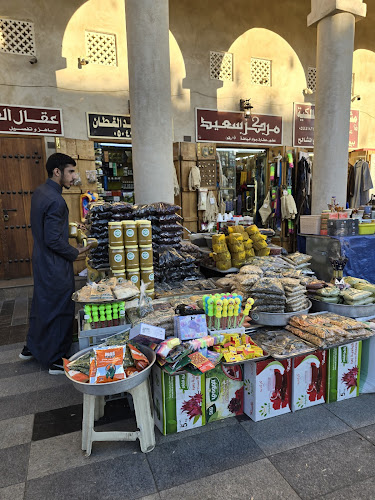
Qaisariya Al-Ahsa Souq stands as one of Saudi Arabia’s most historically significant marketplaces, drawing travelers from across the globe who seek an authentic glimpse into traditional Arabian commerce and culture.
Highlights & Key Features
Key Features
Best Time to Visit
How to Get There
Tips for Visiting
Visitor Guide & Information
Description
Qaisariya Al-Ahsa Souq stands as one of Saudi Arabia’s most historically significant marketplaces, drawing travelers from across the globe who seek an authentic glimpse into traditional Arabian commerce and culture. Located in the Al-Ahsa oasis region, this market has served as a commercial hub for centuries, and honestly, walking through its corridors feels like stepping back in time while still enjoying modern conveniences that make the experience comfortable for international visitors.
The souq’s architecture alone justifies the visit. You’ll find yourself surrounded by traditional Arabian design elements that have been thoughtfully preserved and maintained over the years. The covered walkways provide much-needed shade from the intense Saudi sun, creating this really pleasant shopping environment where you can browse without feeling like you’re melting into the pavement. And the way the light filters through certain sections during different times of day? Absolutely beautiful for photography enthusiasts.
What makes this particular market special is how it manages to balance preservation with practicality. I’ve visited markets in other countries where they’ve either gone completely touristy or remained so traditional that basic amenities are non-existent. Qaisariya Al-Ahsa strikes this interesting middle ground where you get the authentic experience without sacrificing comfort. The fact that they’ve incorporated wheelchair accessibility throughout the facility shows a genuine commitment to making cultural heritage available to everyone.
The market specializes in traditional crafts, textiles, dates (Al-Ahsa is famous for them), perfumes, and various spices that’ll make your senses come alive. But beyond the shopping itself, this place functions as a social gathering spot where locals conduct their daily business, chat with neighbors, and maintain centuries-old trading traditions. Travelers who take time to observe and interact respectfully often find these human connections become the most memorable part of their visit.
Key Features
The Qaisariya Al-Ahsa Souq offers distinctive features that enhance the visitor experience and set it apart from typical tourist markets:
• Complete wheelchair accessibility including entrances, parking areas, and restrooms, making it one of the more inclusive heritage sites in the region
• Traditional covered architecture that provides natural cooling and creates atmospheric shopping corridors perfect for extended browsing sessions
• Authentic local merchandise including premium dates from Al-Ahsa’s renowned palm groves, traditional textiles, handcrafted items, perfumes, and Arabian spices
• Modern payment systems accepting credit cards, debit cards, and NFC mobile payments alongside traditional cash transactions
• Onsite services and facilities including clean restroom facilities that meet international standards
• Active local community presence where genuine Saudi merchants conduct business, providing cultural interaction opportunities beyond typical tourist experiences
• Historical significance as a trading post that has served the Al-Ahsa region for generations, with architectural elements reflecting various periods of Arabian commercial development
• Climate-controlled shopping environment through traditional design rather than energy-intensive air conditioning, demonstrating sustainable architectural practices
• Photography opportunities featuring traditional Arabian market aesthetics, architectural details, and colorful merchandise displays
• Central location within the Al-Ahsa oasis region, allowing easy combination with other historical sites in the area
Best Time to Visit
Timing your visit to Qaisariya Al-Ahsa Souq correctly can make the difference between a pleasant experience and an overwhelming one. The market operates year-round, but Saudi Arabia’s climate definitely plays a role in when you’ll enjoy yourself most.
November through February represents the ideal visiting window for most international travelers. During these months, temperatures become genuinely pleasant, ranging from around 15 to 25 degrees Celsius. You can actually walk around the souq without feeling like you’re in an oven, which makes browsing much more enjoyable. I’d particularly recommend January if you have flexibility in your schedule – the weather’s usually perfect, and the post-holiday period means slightly fewer crowds.
March and April work reasonably well too, though temperatures start climbing. But the souq’s covered design helps significantly during these shoulder months. You’ll still have comfortable mornings and evenings for exploring.
Summer months from June through September? Look, I won’t lie to you – it gets brutally hot. We’re talking temperatures that can exceed 45 degrees Celsius. The covered walkways help, and if you’re already in the region during summer, definitely still visit, but adjust your expectations and timing. Early morning visits right when the market opens or late afternoon sessions work best during these scorching months.
Regarding time of day, the souq tends to be most active during late afternoon and early evening hours, particularly Thursday and Friday when locals have more leisure time. If you want to experience the market at its most energetic with maximum cultural interaction, aim for these periods. However, if crowds aren’t your thing, weekday mornings offer a calmer atmosphere where you can explore at your own pace and have more one-on-one time with merchants.
Ramadan presents a unique visiting opportunity but requires special consideration. The market’s rhythm changes completely during this holy month. Things are quiet during fasting hours but absolutely come alive after sunset. If you visit during Ramadan, plan your trip for evening hours to experience the special atmosphere, but remain respectful of those fasting during daylight.
How to Get There
Getting to Qaisariya Al-Ahsa Souq requires some planning, but the journey’s part of the adventure when you’re exploring Saudi Arabia’s eastern province.
Al-Ahsa is located roughly 150 kilometers from Dammam and about 320 kilometers from Riyadh. Most international travelers will likely arrive through King Fahd International Airport in Dammam or King Khalid International Airport in Riyadh, then make their way to the Al-Ahsa region.
If you’re flying into Dammam, the drive to Al-Ahsa takes approximately 90 minutes to two hours depending on traffic conditions. The highway connecting these cities is well-maintained, and the route is straightforward. Renting a car gives you maximum flexibility for exploring the broader Al-Ahsa region, which includes multiple UNESCO World Heritage sites beyond just the souq. GPS navigation works reliably in this area, making self-driving feasible for confident travelers.
From Riyadh, you’re looking at roughly a 3.5 to 4-hour drive. Again, the highways are good quality, but it’s a longer commitment. Some travelers prefer this route if they’re already based in Riyadh and want to do a day trip or weekend excursion.
Taxi services and ride-sharing apps like Uber and Careem operate in the region, offering alternatives to self-driving. For getting to the souq specifically from wherever you’re staying in Al-Ahsa, these apps work quite well. Just make sure you’ve got data connectivity or have downloaded offline maps.
There’s also bus service connecting major Saudi cities to Al-Ahsa through SAPTCO, the national bus company. This represents the most budget-friendly option, though it offers less flexibility than having your own vehicle. Buses are comfortable and air-conditioned, making the journey pleasant enough.
Once you’re in the Al-Ahsa area, the souq itself is centrally located and well-known to locals. Any taxi driver will know exactly where you mean when you mention Qaisariya Souq. Parking facilities near the market accommodate visitors, including designated wheelchair-accessible spaces.
Tips for Visiting
Making the most of your Qaisariya Al-Ahsa Souq experience requires some insider knowledge and practical preparation. Here’s what’ll help you have a genuinely rewarding visit rather than just checking a box on your itinerary.
Dress respectfully and appropriately. Saudi Arabia maintains conservative dress standards, and the souq is a traditional space where locals shop and gather. Women should wear an abaya or loose-fitting clothing that covers arms and legs. Men should avoid shorts and sleeveless shirts. This isn’t just about following rules – dressing appropriately shows respect and often leads to warmer interactions with merchants and locals.
Bring cash even though the souq accepts cards and mobile payments. Many smaller vendors still prefer cash transactions, and you’ll often get better prices when bargaining with physical currency. Having smaller denomination bills helps too, making transactions smoother and showing you’re not expecting change from large notes.
Speaking of bargaining – it’s expected and part of the cultural experience. Don’t feel awkward about negotiating prices, especially for non-food items like textiles and crafts. Start by offering about 60-70% of the asking price and work toward a middle ground. But keep it friendly and respectful. If a vendor won’t budge on price, either accept it or move on gracefully.
Learn a few basic Arabic phrases. Even just “Shukran” (thank you), “Min fadlak” (please), and “Kam hatha?” (how much is this?) will earn you smiles and often better service. Most merchants speak at least some English, but making the effort in Arabic demonstrates respect for local culture.
Visit the date section with an empty stomach and an open mind. Al-Ahsa produces some of the world’s finest dates, and you’ll find varieties here you’ve probably never encountered elsewhere. Merchants typically offer samples – accepting them politely is normal. This is honestly one of the highlights of the souq experience.
Bring a reusable shopping bag. While vendors will provide bags, having your own makes carrying purchases easier and reduces plastic waste. Plus it signals you’re a thoughtful traveler rather than just a tourist passing through.
Don’t rush your visit. The souq rewards slow exploration. Allow at least two to three hours to really experience the atmosphere, interact with vendors, and discover unexpected treasures. Some of the best moments happen when you’re not hurrying toward the exit.
Photography etiquette matters here. While the souq is generally photo-friendly, always ask permission before photographing people, especially women. Some merchants don’t mind having their shops photographed while others prefer privacy. A quick gesture or question prevents uncomfortable situations.
Visit restroom facilities when needed – they’re available and maintained to decent standards. Knowing where they’re located gives you peace of mind to enjoy longer visits without worry.
Consider hiring a local guide for your first visit. While not necessary, a knowledgeable guide can provide historical context, help with negotiations, and facilitate cultural interactions that might not happen otherwise. Several local tour operators offer souq-focused experiences.
Stay hydrated, particularly if visiting during warmer months. Bring a water bottle and refill as needed. The covered design helps with heat, but Saudi Arabia’s dry climate can dehydrate you quickly without you realizing it.
And finally, approach the experience with patience and openness. The souq operates on a different rhythm than modern shopping malls. Embrace the slower pace, the social aspects of commerce, and the opportunity to connect with centuries of trading tradition. Those travelers who visit with curiosity rather than a checklist tend to leave with the most meaningful memories and stories to share.
Qaisariya Al-Ahsa Souq stands as one of Saudi Arabia’s most historically significant marketplaces, drawing travelers from across the globe who seek an authentic glimpse into traditional Arabian commerce and culture. Located in the Al-Ahsa oasis region, this market has served as a commercial hub for centuries, and honestly, walking through its corridors feels like stepping back in time while still enjoying modern conveniences that make the experience comfortable for international visitors.
The souq’s architecture alone justifies the visit. You’ll find yourself surrounded by traditional Arabian design elements that have been thoughtfully preserved and maintained over the years. The covered walkways provide much-needed shade from the intense Saudi sun, creating this really pleasant shopping environment where you can browse without feeling like you’re melting into the pavement. And the way the light filters through certain sections during different times of day? Absolutely beautiful for photography enthusiasts.
What makes this particular market special is how it manages to balance preservation with practicality. I’ve visited markets in other countries where they’ve either gone completely touristy or remained so traditional that basic amenities are non-existent. Qaisariya Al-Ahsa strikes this interesting middle ground where you get the authentic experience without sacrificing comfort. The fact that they’ve incorporated wheelchair accessibility throughout the facility shows a genuine commitment to making cultural heritage available to everyone.
The market specializes in traditional crafts, textiles, dates (Al-Ahsa is famous for them), perfumes, and various spices that’ll make your senses come alive. But beyond the shopping itself, this place functions as a social gathering spot where locals conduct their daily business, chat with neighbors, and maintain centuries-old trading traditions. Travelers who take time to observe and interact respectfully often find these human connections become the most memorable part of their visit.
Key Features
The Qaisariya Al-Ahsa Souq offers distinctive features that enhance the visitor experience and set it apart from typical tourist markets:
• Complete wheelchair accessibility including entrances, parking areas, and restrooms, making it one of the more inclusive heritage sites in the region
• Traditional covered architecture that provides natural cooling and creates atmospheric shopping corridors perfect for extended browsing sessions
• Authentic local merchandise including premium dates from Al-Ahsa’s renowned palm groves, traditional textiles, handcrafted items, perfumes, and Arabian spices
• Modern payment systems accepting credit cards, debit cards, and NFC mobile payments alongside traditional cash transactions
• Onsite services and facilities including clean restroom facilities that meet international standards
• Active local community presence where genuine Saudi merchants conduct business, providing cultural interaction opportunities beyond typical tourist experiences
• Historical significance as a trading post that has served the Al-Ahsa region for generations, with architectural elements reflecting various periods of Arabian commercial development
• Climate-controlled shopping environment through traditional design rather than energy-intensive air conditioning, demonstrating sustainable architectural practices
• Photography opportunities featuring traditional Arabian market aesthetics, architectural details, and colorful merchandise displays
• Central location within the Al-Ahsa oasis region, allowing easy combination with other historical sites in the area
Best Time to Visit
Timing your visit to Qaisariya Al-Ahsa Souq correctly can make the difference between a pleasant experience and an overwhelming one. The market operates year-round, but Saudi Arabia’s climate definitely plays a role in when you’ll enjoy yourself most.
November through February represents the ideal visiting window for most international travelers. During these months, temperatures become genuinely pleasant, ranging from around 15 to 25 degrees Celsius. You can actually walk around the souq without feeling like you’re in an oven, which makes browsing much more enjoyable. I’d particularly recommend January if you have flexibility in your schedule – the weather’s usually perfect, and the post-holiday period means slightly fewer crowds.
March and April work reasonably well too, though temperatures start climbing. But the souq’s covered design helps significantly during these shoulder months. You’ll still have comfortable mornings and evenings for exploring.
Summer months from June through September? Look, I won’t lie to you – it gets brutally hot. We’re talking temperatures that can exceed 45 degrees Celsius. The covered walkways help, and if you’re already in the region during summer, definitely still visit, but adjust your expectations and timing. Early morning visits right when the market opens or late afternoon sessions work best during these scorching months.
Regarding time of day, the souq tends to be most active during late afternoon and early evening hours, particularly Thursday and Friday when locals have more leisure time. If you want to experience the market at its most energetic with maximum cultural interaction, aim for these periods. However, if crowds aren’t your thing, weekday mornings offer a calmer atmosphere where you can explore at your own pace and have more one-on-one time with merchants.
Ramadan presents a unique visiting opportunity but requires special consideration. The market’s rhythm changes completely during this holy month. Things are quiet during fasting hours but absolutely come alive after sunset. If you visit during Ramadan, plan your trip for evening hours to experience the special atmosphere, but remain respectful of those fasting during daylight.
How to Get There
Getting to Qaisariya Al-Ahsa Souq requires some planning, but the journey’s part of the adventure when you’re exploring Saudi Arabia’s eastern province.
Al-Ahsa is located roughly 150 kilometers from Dammam and about 320 kilometers from Riyadh. Most international travelers will likely arrive through King Fahd International Airport in Dammam or King Khalid International Airport in Riyadh, then make their way to the Al-Ahsa region.
If you’re flying into Dammam, the drive to Al-Ahsa takes approximately 90 minutes to two hours depending on traffic conditions. The highway connecting these cities is well-maintained, and the route is straightforward. Renting a car gives you maximum flexibility for exploring the broader Al-Ahsa region, which includes multiple UNESCO World Heritage sites beyond just the souq. GPS navigation works reliably in this area, making self-driving feasible for confident travelers.
From Riyadh, you’re looking at roughly a 3.5 to 4-hour drive. Again, the highways are good quality, but it’s a longer commitment. Some travelers prefer this route if they’re already based in Riyadh and want to do a day trip or weekend excursion.
Taxi services and ride-sharing apps like Uber and Careem operate in the region, offering alternatives to self-driving. For getting to the souq specifically from wherever you’re staying in Al-Ahsa, these apps work quite well. Just make sure you’ve got data connectivity or have downloaded offline maps.
There’s also bus service connecting major Saudi cities to Al-Ahsa through SAPTCO, the national bus company. This represents the most budget-friendly option, though it offers less flexibility than having your own vehicle. Buses are comfortable and air-conditioned, making the journey pleasant enough.
Once you’re in the Al-Ahsa area, the souq itself is centrally located and well-known to locals. Any taxi driver will know exactly where you mean when you mention Qaisariya Souq. Parking facilities near the market accommodate visitors, including designated wheelchair-accessible spaces.
Tips for Visiting
Making the most of your Qaisariya Al-Ahsa Souq experience requires some insider knowledge and practical preparation. Here’s what’ll help you have a genuinely rewarding visit rather than just checking a box on your itinerary.
Dress respectfully and appropriately. Saudi Arabia maintains conservative dress standards, and the souq is a traditional space where locals shop and gather. Women should wear an abaya or loose-fitting clothing that covers arms and legs. Men should avoid shorts and sleeveless shirts. This isn’t just about following rules – dressing appropriately shows respect and often leads to warmer interactions with merchants and locals.
Bring cash even though the souq accepts cards and mobile payments. Many smaller vendors still prefer cash transactions, and you’ll often get better prices when bargaining with physical currency. Having smaller denomination bills helps too, making transactions smoother and showing you’re not expecting change from large notes.
Speaking of bargaining – it’s expected and part of the cultural experience. Don’t feel awkward about negotiating prices, especially for non-food items like textiles and crafts. Start by offering about 60-70% of the asking price and work toward a middle ground. But keep it friendly and respectful. If a vendor won’t budge on price, either accept it or move on gracefully.
Learn a few basic Arabic phrases. Even just “Shukran” (thank you), “Min fadlak” (please), and “Kam hatha?” (how much is this?) will earn you smiles and often better service. Most merchants speak at least some English, but making the effort in Arabic demonstrates respect for local culture.
Visit the date section with an empty stomach and an open mind. Al-Ahsa produces some of the world’s finest dates, and you’ll find varieties here you’ve probably never encountered elsewhere. Merchants typically offer samples – accepting them politely is normal. This is honestly one of the highlights of the souq experience.
Bring a reusable shopping bag. While vendors will provide bags, having your own makes carrying purchases easier and reduces plastic waste. Plus it signals you’re a thoughtful traveler rather than just a tourist passing through.
Don’t rush your visit. The souq rewards slow exploration. Allow at least two to three hours to really experience the atmosphere, interact with vendors, and discover unexpected treasures. Some of the best moments happen when you’re not hurrying toward the exit.
Photography etiquette matters here. While the souq is generally photo-friendly, always ask permission before photographing people, especially women. Some merchants don’t mind having their shops photographed while others prefer privacy. A quick gesture or question prevents uncomfortable situations.
Visit restroom facilities when needed – they’re available and maintained to decent standards. Knowing where they’re located gives you peace of mind to enjoy longer visits without worry.
Consider hiring a local guide for your first visit. While not necessary, a knowledgeable guide can provide historical context, help with negotiations, and facilitate cultural interactions that might not happen otherwise. Several local tour operators offer souq-focused experiences.
Stay hydrated, particularly if visiting during warmer months. Bring a water bottle and refill as needed. The covered design helps with heat, but Saudi Arabia’s dry climate can dehydrate you quickly without you realizing it.
And finally, approach the experience with patience and openness. The souq operates on a different rhythm than modern shopping malls. Embrace the slower pace, the social aspects of commerce, and the opportunity to connect with centuries of trading tradition. Those travelers who visit with curiosity rather than a checklist tend to leave with the most meaningful memories and stories to share.
Walking through the narrow, covered alleyways of Qaisariya Al-Ahsa Souq, you can almost hear the footsteps of traders from two centuries ago. It’s not your average tourist spot, that’s for sure.
Built in 1822, this UNESCO World Heritage Site still buzzes with life—locals haggling, shopkeepers chatting, and visitors gawking at the architecture. The old wooden doors, traditional arches, and shaded walkways set a mood you just won’t get at any modern mall.
You’ll find this historic market smack in the center of Al Hofuf, right in Al-Ahsa Governorate. Folks come from all over the Gulf, and honestly, once you step inside those cool, shaded corridors, it’s easy to see why this place is still the heart of the community.
Key Takeaways
Qaisariya Al-Ahsa Souq is a 200-year-old traditional market with its own unique covered architecture—perfect for escaping the desert sun.
The souq delivers the real deal: authentic shopping and a deep dive into Saudi heritage.
You can get here without much hassle, and the place is always welcoming—locals and travelers mixing together year-round.
About Qaisariya Al-Ahsa Souq
Since 1822, this market has been the commercial pulse of Al Hofuf, offering a peek into the world of Arabian trade and craft. The souq is a blend of architectural charm and living tradition, and it’s one of the few spots where you can still witness a true Saudi market in action.
History and Significance
Right in the Al-Rafa’ah district of Al Hofuf, Al-Qaisariya Souq has been a trading hub for over two centuries. It’s now part of the Al-Ahsa Oasis UNESCO site, recognized for keeping traditional Arabian commerce alive.
The souq’s layout is classic—narrow, covered walkways that shield you from the relentless sun. Honestly, the natural cooling here is a lifesaver during those brutal summers.
This wasn’t just a place to buy and sell things. Locals came to swap news, strike deals, and catch up on gossip. That vibe hasn’t faded. Visiting now, you’ll still feel like you’ve stepped into a living, breathing piece of history.
What Makes It Special
Those covered pathways? They create an atmosphere you just don’t get in a shopping mall. Sunlight sneaks through the roof slats, making patterns on the stone as you wander past shops overflowing with handmade textiles and spices you can smell from a distance.
What really sets this place apart is the authenticity. Local artisans still work here, carrying on crafts their families have practiced for generations. One minute you’re watching a coppersmith at work, the next you’re chatting with a tailor about traditional garments.
You’re encouraged to slow down, poke around the alleys, and see what you stumble across. Maybe it’s a shop selling bisht (those regal cloaks), maybe it’s perfume oils, or maybe it’s a pile of fresh dates from the oasis. Ask questions—the vendors are proud of their work and usually happy to share a story or two if you show some curiosity.
What to See and Do
Qaisariya Souq is a mashup of traditional shopping, striking heritage architecture, and cultural moments you won’t find anywhere else in Al Hofuf. The place hums with local crafts, genuine finds, and an energy that’s hard to put into words.
Main Attractions and Highlights
The covered walkways are the first thing that’ll grab you. Built back in 1822, they’re still doing their job—keeping shoppers cool and shaded. As you wander, you’ll pass shops hawking everything from spices and dates to handwoven fabrics and perfumes.
Traditional handicrafts are everywhere. Don’t miss the pottery, woven baskets, and copperware that show off Al Ahsa’s artisan roots. The fabric stalls are a treat too—if you’re after authentic Saudi textiles, you won’t do better than this.
The architecture deserves a closer look. Stone columns, wooden beams, and those timeworn corridors all whisper stories from the past. If you happen to visit during a local festival, you might stumble onto a cultural show or a heritage event that fills the place with even more color.
Best Time to Visit
Skip the midday heat if you can, especially between May and September. Early mornings or late afternoons are always more pleasant, but honestly, November through March is prime time for comfort.
Shops usually open from morning until evening, but hours can be a bit unpredictable. Some close for afternoon prayers, so keep that in mind. Fridays start slow but pick up later, and Thursday nights or weekends? Expect more locals, more buzz, and yeah, a bit more crowd.
If you’re visiting during Ramadan or holidays, check the hours locally—things shift around then.
Visitor Information
You’ll find the souq right in central Al-Hofuf, in the Al-Rifaa neighborhood. It’s easy to get here whether you’re coming from another city or just exploring Al-Ahsa’s old sites. Cooler hours make for a better visit, and you’ll want to come ready for a real-deal market experience.
Location and How to Get There
Qaisariya Souq sits at the heart of Al-Hofuf, the main city in Al-Ahsa Governorate, right in Saudi Arabia’s Eastern Province. It’s tucked into the Al-Rifaa neighborhood, surrounded by old palaces and mosques that are worth a quick detour if you’ve got time.
Driving in from Dammam? You’re looking at about ninety minutes on Highway 40. From Riyadh, plan for around four hours heading east. Once you hit Al-Hofuf’s center, the souq is well-marked, and honestly, if you get lost, just ask—locals are used to pointing visitors in the right direction.
Most people park in the streets nearby, but it can get packed during busy times. If you’re staying local, lots of hotels offer tours that include the souq, which is a nice way to skip the parking headache.
Tips for Visitors
The souq usually gets going in the morning and hums along until evening prayers. Exact hours? Well, they shift a bit depending on the shop and the season.
If you can, swing by in the cooler morning or late afternoon—especially in those scorching summer months. Trust me, the midday heat in Al Hofuf can make you rethink every life choice, especially if you’re wandering the winding lanes of Qaisariya Al-Ahsa.
Dress modestly, as you would anywhere in Saudi Arabia. Those narrow, covered walkways offer a bit of shade, but they’re not magic—good walking shoes are non-negotiable if you want to survive the stone pathways.
Definitely bring cash. A lot of traditional vendors here still don’t bother with cards.
And hey, don’t be shy—bargaining is a must. The shopkeepers expect it, and honestly, it’s half the fun. If you’re friendly and patient, you’ll usually walk away with a better deal.
Thursday evenings and Fridays? Packed. If crowds aren’t your scene, sneak in on a weekday morning. The vibe is way more relaxed, and you’ll have the alleys almost to yourself.
Explore verified points of interest within walking or short transit distance.
No neighboring places mapped within 5 km yet.
Find Places to Stay Nearby
Stay22 provides this accommodation search. We may earn a commission if you book through it; verify current prices and terms with the provider.
🗺️
Interactive accommodation map requires marketing cookies to display live rates.
Recommended Experiences & Activities
GetYourGuide provides this tour inventory. We may earn a commission if you book through it; verify current availability, prices, and terms with the provider.
Top Viator Experiences & Guided Tours in Al Hofuf
We may earn a commission if you book through links on this page at no extra cost to you. All tours feature verified customer reviews and flexible cancellation options.