
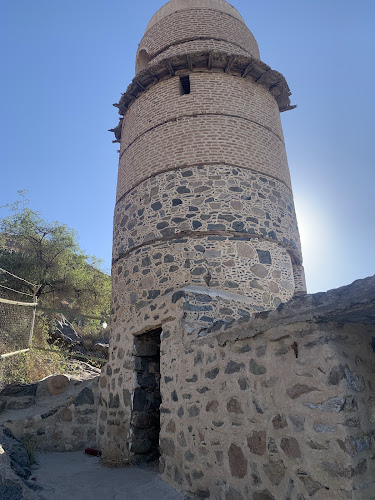
Masjid AlMadhoon
About Masjid AlMadhoon
Description
Masjid AlMadhoon stands as one of those places where history literally breathes through every corner you turn. When you step inside this historical Islamic landmark, there's this immediate sense that you're walking into something that's witnessed countless prayers, gatherings, and moments of spiritual reflection over the years. It's not your typical tourist trap mosque that gets all the Instagram attention – and honestly, that's part of what makes it special. The mosque carries an authentic atmosphere that many travelers find refreshing in today's world of over-commercialized tourist sites. You know how sometimes you visit a place and it just feels... real? That's Masjid AlMadhoon. The architecture tells its own story, with design elements that reflect traditional Islamic building practices while maintaining a welcoming presence for visitors from all walks of life. What really strikes most people who visit is how this place serves both as an active house of worship and a piece of living history. And that's not always easy to balance. But the local community has managed to preserve the mosque's historical significance while keeping it functional for daily prayers and religious activities. It's still very much a working mosque, which means when you visit, you're not just looking at a museum piece – you're experiencing a space that continues to fulfill its original purpose. The atmosphere here tends to be peaceful and contemplative, offering travelers a genuine glimpse into Islamic worship practices and architectural traditions. Many visitors have mentioned feeling a deep sense of tranquility within its walls, regardless of their own religious background. That's pretty remarkable when you think about it.Key Features
The distinctive characteristics of Masjid AlMadhoon make it worth including in any traveler's itinerary, particularly for those interested in religious architecture and cultural heritage. Here's what makes this place stand out: • Traditional Islamic architectural elements that showcase historical building techniques and design philosophies from its era of construction • Active prayer spaces where visitors can observe or participate in daily Islamic worship practices, offering an authentic cultural experience • Historical significance as a landmark that has served the local Muslim community for generations, creating layers of cultural and spiritual importance • Peaceful prayer halls that provide a quiet retreat from the bustle of daily life, perfect for moments of reflection or meditation • Architectural details including traditional Islamic geometric patterns and calligraphy that demonstrate the artistic traditions associated with mosque design • Community gathering spaces that highlight the mosque's role as more than just a place of worship – it's a social and cultural center • Well-maintained facilities that respect the building's historical nature while ensuring accessibility and comfort for worshippers and visitors • Opportunities for cultural exchange and learning, as many visitors find locals willing to share information about Islamic practices and the mosque's history • The mihrab and minbar which showcase traditional craftsmanship and serve as focal points during prayer times • Natural lighting that creates an almost ethereal quality inside the prayer halls, especially during certain times of dayBest Time to Visit
Timing your visit to Masjid AlMadhoon can really make a difference in your experience. I've learned through various travelers' accounts that picking the right moment matters more than you might initially think. The mosque welcomes visitors throughout the year, but understanding the rhythm of Islamic prayer times helps you plan better. If you're hoping to witness prayers in action, the five daily prayer times offer different experiences. The Fajr prayer at dawn has this incredibly serene quality to it, though you'll need to be an early riser. But there's something special about experiencing a place of worship when the day is just beginning. Friday afternoons bring larger congregations for Jummah prayers, which can be fascinating to observe. However, this might not be the ideal time for casual tourists, as the mosque gets quite busy and the focus is appropriately on worship rather than sightseeing. Respecting this is important. For a more relaxed visit where you can actually take your time exploring the architecture and soaking in the atmosphere, weekday mornings between prayers tend to work well. The spaces are quieter, and you're less likely to feel rushed or in the way of worshippers. Weather-wise, if you're planning an extended visit to the area, consider that extreme heat or cold can affect your comfort level, especially if portions of the mosque are open-air or if you're spending time in outdoor courtyard areas. Moderate temperature months generally offer the most pleasant visiting conditions. Avoiding major Islamic holidays unless you specifically want to experience the festivities is probably wise for first-time visitors. Ramadan, Eid al-Fitr, and Eid al-Adha bring massive crowds and heightened religious significance, which, while beautiful in their own right, can make casual touring difficult.How to Get There
Getting to Masjid AlMadhoon requires a bit of planning, but it's definitely doable for travelers willing to do some groundwork. The mosque's location makes it accessible through various transportation methods, though your specific route will depend on where you're starting from. For international travelers, your journey begins with arriving at the nearest major airport or transportation hub in the region. From there, local transportation networks can get you relatively close to the mosque's location. Taxis remain one of the most straightforward options, especially if you're not familiar with the local area or don't speak the language. Just make sure your driver understands exactly where you want to go – having the mosque's name written in Arabic can help avoid confusion. Ride-sharing apps have made getting around much easier in many areas, and if they operate in this region, they're worth considering for their convenience and transparent pricing. You can usually set your destination precisely on the app, which eliminates language barriers. Public transportation might be available depending on the specific location, though routes and schedules can be tricky if you're not familiar with the system. Local buses or metro lines might run nearby, but you'll want to research this in advance. Sometimes asking at your hotel or accommodation can yield better practical advice than what you'll find online. If you're driving yourself, navigation apps generally work well for finding the mosque, though be aware that parking situations can vary. Some mosques have dedicated parking areas, while others rely on street parking that might be limited during prayer times. Walking to the mosque might be feasible if you're staying nearby, and honestly, exploring the surrounding neighborhood on foot can add another dimension to your visit. You get a better feel for the community and context around the mosque.Tips for Visiting
Making the most of your visit to Masjid AlMadhoon comes down to preparation and respect. Here's what you need to know before you go. Dress modestly – this isn't negotiable at any mosque. For women, that means covering your hair with a headscarf, and wearing long sleeves and long pants or skirts. Men should wear long pants and avoid sleeveless shirts. Some mosques provide coverings for visitors who arrive unprepared, but don't count on it. Better to come properly dressed. Remove your shoes before entering the prayer areas. This is standard practice at mosques worldwide, so you'll want to wear shoes that are easy to slip on and off. Bringing socks isn't a bad idea either, as floors can be cold or hot depending on the season. Respect prayer times and worshippers. If prayers are happening when you visit, stay quiet and don't walk in front of people who are praying. Actually, just maintaining a quiet, respectful demeanor throughout your visit is the way to go. This is an active place of worship, not a tourist attraction first and foremost. Photography policies vary at different mosques. Some welcome it outside prayer times, others restrict it entirely. When in doubt, ask permission. And definitely don't photograph people praying without their explicit consent – that's intrusive regardless of the official policy. Non-Muslims are generally welcome to visit mosques outside of prayer times, but this can vary by location and specific circumstances. If you're uncertain about whether you're welcome, asking politely at the entrance demonstrates respect and usually gets you clear guidance. Consider visiting with a local guide or someone familiar with the mosque if possible. Having someone who can explain the significance of different features, answer questions, and help navigate cultural expectations makes the experience richer. Some travelers connect with guides through their hotels or local tour companies. Be mindful of personal space and gender dynamics. Many mosques have separate areas for men and women, and mixing between these spaces isn't appropriate. If you're traveling as a mixed-gender group, you might need to split up during parts of your visit. Bring water, especially if you're visiting during warmer months, but be aware that eating inside mosque premises typically isn't allowed. Plan your meal times accordingly. Leave political and religious debates at the door. Even if you're genuinely curious about certain practices or beliefs, a mosque visit isn't usually the appropriate setting for challenging conversations. Approach with an attitude of learning and respect rather than interrogation. Small gestures matter. Learning a few Arabic greetings like "As-salamu alaykum" (peace be upon you) shows effort and respect. People generally appreciate when visitors make even basic attempts to engage with Islamic customs and language. The experience you have at Masjid AlMadhoon largely depends on the attitude you bring with you. Approach it with genuine interest and cultural sensitivity, and you'll likely find it a memorable and meaningful stop on your travels.Key Features
- Ottoman-era architecture with local Najdi influences
- Distinctive arched (qantara) entrance and stonework
- Twisted/slender minaret reflecting older stylistic layers
- Intimate courtyard and traditional prayer hall
- Photogenic details and proximity to historic Taif neighborhoods
More Details
Updated March 30, 2026
Table of Contents
Description
Masjid AlMadhoon stands as one of those places where history literally breathes through every corner you turn. When you step inside this historical Islamic landmark, there’s this immediate sense that you’re walking into something that’s witnessed countless prayers, gatherings, and moments of spiritual reflection over the years. It’s not your typical tourist trap mosque that gets all the Instagram attention – and honestly, that’s part of what makes it special.
The mosque carries an authentic atmosphere that many travelers find refreshing in today’s world of over-commercialized tourist sites. You know how sometimes you visit a place and it just feels… real? That’s Masjid AlMadhoon. The architecture tells its own story, with design elements that reflect traditional Islamic building practices while maintaining a welcoming presence for visitors from all walks of life.
What really strikes most people who visit is how this place serves both as an active house of worship and a piece of living history. And that’s not always easy to balance. But the local community has managed to preserve the mosque’s historical significance while keeping it functional for daily prayers and religious activities. It’s still very much a working mosque, which means when you visit, you’re not just looking at a museum piece – you’re experiencing a space that continues to fulfill its original purpose.
The atmosphere here tends to be peaceful and contemplative, offering travelers a genuine glimpse into Islamic worship practices and architectural traditions. Many visitors have mentioned feeling a deep sense of tranquility within its walls, regardless of their own religious background. That’s pretty remarkable when you think about it.
Key Features
The distinctive characteristics of Masjid AlMadhoon make it worth including in any traveler’s itinerary, particularly for those interested in religious architecture and cultural heritage. Here’s what makes this place stand out:
• Traditional Islamic architectural elements that showcase historical building techniques and design philosophies from its era of construction
• Active prayer spaces where visitors can observe or participate in daily Islamic worship practices, offering an authentic cultural experience
• Historical significance as a landmark that has served the local Muslim community for generations, creating layers of cultural and spiritual importance
• Peaceful prayer halls that provide a quiet retreat from the bustle of daily life, perfect for moments of reflection or meditation
• Architectural details including traditional Islamic geometric patterns and calligraphy that demonstrate the artistic traditions associated with mosque design
• Community gathering spaces that highlight the mosque’s role as more than just a place of worship – it’s a social and cultural center
• Well-maintained facilities that respect the building’s historical nature while ensuring accessibility and comfort for worshippers and visitors
• Opportunities for cultural exchange and learning, as many visitors find locals willing to share information about Islamic practices and the mosque’s history
• The mihrab and minbar which showcase traditional craftsmanship and serve as focal points during prayer times
• Natural lighting that creates an almost ethereal quality inside the prayer halls, especially during certain times of day
Best Time to Visit
Timing your visit to Masjid AlMadhoon can really make a difference in your experience. I’ve learned through various travelers’ accounts that picking the right moment matters more than you might initially think.
The mosque welcomes visitors throughout the year, but understanding the rhythm of Islamic prayer times helps you plan better. If you’re hoping to witness prayers in action, the five daily prayer times offer different experiences. The Fajr prayer at dawn has this incredibly serene quality to it, though you’ll need to be an early riser. But there’s something special about experiencing a place of worship when the day is just beginning.
Friday afternoons bring larger congregations for Jummah prayers, which can be fascinating to observe. However, this might not be the ideal time for casual tourists, as the mosque gets quite busy and the focus is appropriately on worship rather than sightseeing. Respecting this is important.
For a more relaxed visit where you can actually take your time exploring the architecture and soaking in the atmosphere, weekday mornings between prayers tend to work well. The spaces are quieter, and you’re less likely to feel rushed or in the way of worshippers.
Weather-wise, if you’re planning an extended visit to the area, consider that extreme heat or cold can affect your comfort level, especially if portions of the mosque are open-air or if you’re spending time in outdoor courtyard areas. Moderate temperature months generally offer the most pleasant visiting conditions.
Avoiding major Islamic holidays unless you specifically want to experience the festivities is probably wise for first-time visitors. Ramadan, Eid al-Fitr, and Eid al-Adha bring massive crowds and heightened religious significance, which, while beautiful in their own right, can make casual touring difficult.
How to Get There
Getting to Masjid AlMadhoon requires a bit of planning, but it’s definitely doable for travelers willing to do some groundwork. The mosque’s location makes it accessible through various transportation methods, though your specific route will depend on where you’re starting from.
For international travelers, your journey begins with arriving at the nearest major airport or transportation hub in the region. From there, local transportation networks can get you relatively close to the mosque’s location. Taxis remain one of the most straightforward options, especially if you’re not familiar with the local area or don’t speak the language. Just make sure your driver understands exactly where you want to go – having the mosque’s name written in Arabic can help avoid confusion.
Ride-sharing apps have made getting around much easier in many areas, and if they operate in this region, they’re worth considering for their convenience and transparent pricing. You can usually set your destination precisely on the app, which eliminates language barriers.
Public transportation might be available depending on the specific location, though routes and schedules can be tricky if you’re not familiar with the system. Local buses or metro lines might run nearby, but you’ll want to research this in advance. Sometimes asking at your hotel or accommodation can yield better practical advice than what you’ll find online.
If you’re driving yourself, navigation apps generally work well for finding the mosque, though be aware that parking situations can vary. Some mosques have dedicated parking areas, while others rely on street parking that might be limited during prayer times.
Walking to the mosque might be feasible if you’re staying nearby, and honestly, exploring the surrounding neighborhood on foot can add another dimension to your visit. You get a better feel for the community and context around the mosque.
Tips for Visiting
Making the most of your visit to Masjid AlMadhoon comes down to preparation and respect. Here’s what you need to know before you go.
Dress modestly – this isn’t negotiable at any mosque. For women, that means covering your hair with a headscarf, and wearing long sleeves and long pants or skirts. Men should wear long pants and avoid sleeveless shirts. Some mosques provide coverings for visitors who arrive unprepared, but don’t count on it. Better to come properly dressed.
Remove your shoes before entering the prayer areas. This is standard practice at mosques worldwide, so you’ll want to wear shoes that are easy to slip on and off. Bringing socks isn’t a bad idea either, as floors can be cold or hot depending on the season.
Respect prayer times and worshippers. If prayers are happening when you visit, stay quiet and don’t walk in front of people who are praying. Actually, just maintaining a quiet, respectful demeanor throughout your visit is the way to go. This is an active place of worship, not a tourist attraction first and foremost.
Photography policies vary at different mosques. Some welcome it outside prayer times, others restrict it entirely. When in doubt, ask permission. And definitely don’t photograph people praying without their explicit consent – that’s intrusive regardless of the official policy.
Non-Muslims are generally welcome to visit mosques outside of prayer times, but this can vary by location and specific circumstances. If you’re uncertain about whether you’re welcome, asking politely at the entrance demonstrates respect and usually gets you clear guidance.
Consider visiting with a local guide or someone familiar with the mosque if possible. Having someone who can explain the significance of different features, answer questions, and help navigate cultural expectations makes the experience richer. Some travelers connect with guides through their hotels or local tour companies.
Be mindful of personal space and gender dynamics. Many mosques have separate areas for men and women, and mixing between these spaces isn’t appropriate. If you’re traveling as a mixed-gender group, you might need to split up during parts of your visit.
Bring water, especially if you’re visiting during warmer months, but be aware that eating inside mosque premises typically isn’t allowed. Plan your meal times accordingly.
Leave political and religious debates at the door. Even if you’re genuinely curious about certain practices or beliefs, a mosque visit isn’t usually the appropriate setting for challenging conversations. Approach with an attitude of learning and respect rather than interrogation.
Small gestures matter. Learning a few Arabic greetings like “As-salamu alaykum” (peace be upon you) shows effort and respect. People generally appreciate when visitors make even basic attempts to engage with Islamic customs and language.
The experience you have at Masjid AlMadhoon largely depends on the attitude you bring with you. Approach it with genuine interest and cultural sensitivity, and you’ll likely find it a memorable and meaningful stop on your travels.
Key Highlights
- Ottoman-era architecture with local Najdi influences
- Distinctive arched (qantara) entrance and stonework
- Twisted/slender minaret reflecting older stylistic layers
- Intimate courtyard and traditional prayer hall
- Photogenic details and proximity to historic Taif neighborhoods
Location
Places to Stay Near Masjid AlMadhoon
Find and Book a Tour
Explore More Travel Guides
No reviews found! Be the first to review!
Masjid AlMadhoon is a prominent مَعلم تاريخي located in Taif.
Visit us at: 4033, Awdah, Taif 26511, Saudi Arabia.
Traveler Reviews for Masjid AlMadhoon
There are no reviews yet. Be the first one to write one.
Have you visited Masjid AlMadhoon? Help other travelers by sharing your review.
Nearby Attractions
You Might Also Like
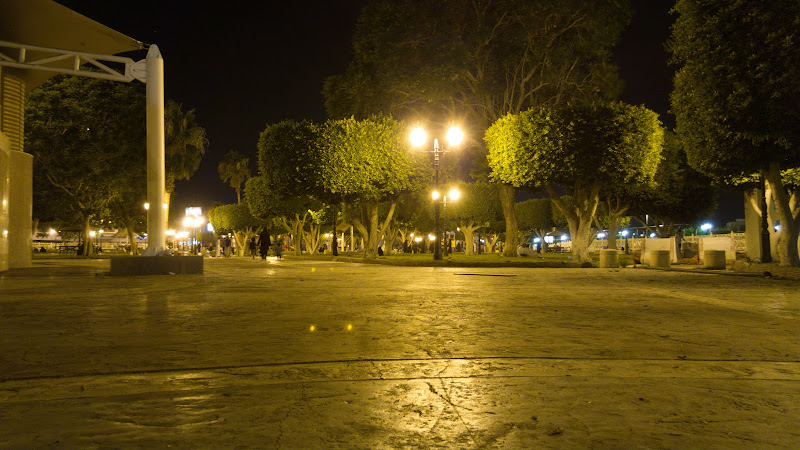
Alanoud Park
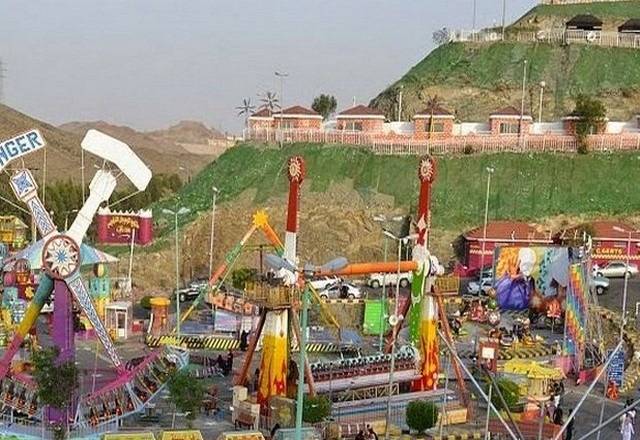
Green Mountain Resort
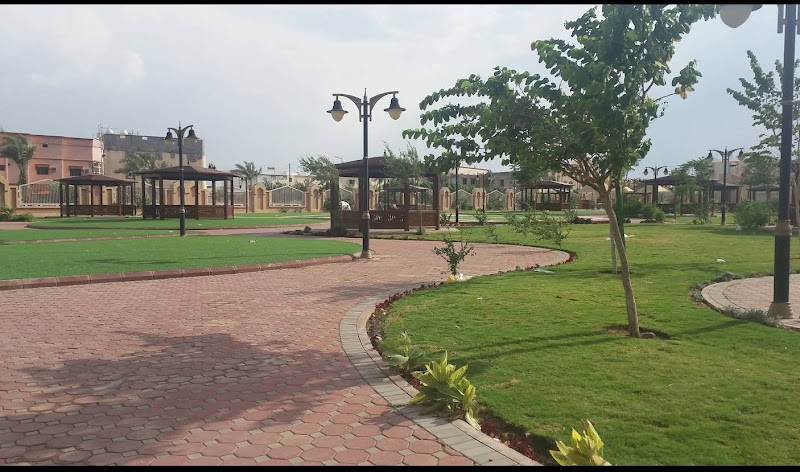
Al Faisaliah garden
Find Accommodations Nearby
Recommended Tours & Activities
Visitor Reviews
There are no reviews yet. Be the first one to write one.
Share Your Experience
Have you visited Masjid AlMadhoon? Help other travelers by leaving a review.