
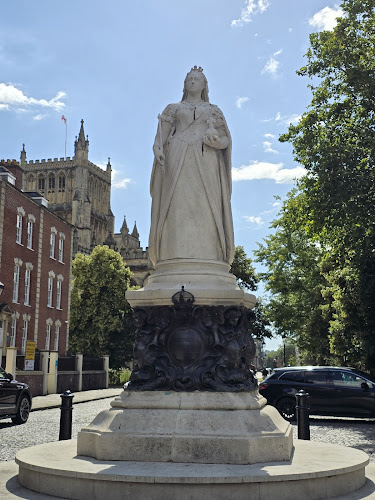
Statue of Queen Victoria
About Statue of Queen Victoria
Description
The Statue of Queen Victoria stands as one of those monuments that you might walk past a dozen times before really stopping to appreciate what you're looking at. And honestly, that would be a shame because this historical landmark carries with it layers of imperial history, artistic craftsmanship, and cultural significance that deserve more than a passing glance. When travelers think about visiting statues of monarchs, they often imagine stuffy, overly formal experiences that feel more like a history lecture than an actual adventure. But there's something different about encountering Victoria in bronze or stone - she represents an entire era that shaped not just Britain but huge swaths of the world. The Victorian age brought about industrial revolution, colonial expansion, and social transformations that still echo through our modern lives. What strikes most visitors first is the sheer presence of the monument itself. Queens and kings were often depicted in ways that emphasized their divine right to rule, and Victoria's statue follows this tradition while also capturing something of her character - that stern yet somehow grandmotherly figure who reigned for over six decades. I remember the first time I really looked at one of these Victorian monuments, and it occurred to me how different our relationship with monarchy is today compared to back then. The statue serves as more than just a tourist attraction, though plenty of travelers do make the pilgrimage to snap photos and check it off their bucket lists. It's actually become a gathering point for locals, a landmark that helps orient visitors navigating the area, and a reminder of how dramatically our world has changed since the 19th century. Whether you're a history buff who can recite the dates of every Victorian reform bill or someone who just appreciates good public art, there's value in spending time with this monument.Key Features
The Statue of Queen Victoria offers several distinctive elements that make it worth adding to your travel itinerary: • Wheelchair accessible entrance ensures that visitors of all mobility levels can approach and appreciate the monument without barriers - something that sadly isn't true of many historical landmarks • Family-friendly atmosphere makes this an excellent stop for travelers with children, who can learn about history in an engaging, tangible way rather than just reading about it in books • Exceptional photographic opportunities throughout different times of day, as the changing light creates dramatic shadows and highlights on the sculptural details • Historical inscriptions and plaques provide context about Queen Victoria's reign and the monument's creation, turning a simple statue viewing into an educational experience • Architectural surroundings that complement the statue itself, often including period-appropriate landscaping and design elements that transport you back to the Victorian era • Central location that typically places the monument within easy reach of other significant attractions, making it simple to incorporate into a broader day of sightseeing • Free to visit which is always a bonus when you're traveling and trying to stretch your budget across multiple experiences and attractions • Well-maintained grounds that reflect the ongoing respect and care given to this piece of public heritage, ensuring your visit will be pleasant regardless of seasonBest Time to Visit
Timing your visit to the Statue of Queen Victoria can genuinely make a difference in your experience, though I'll be honest - this isn't like visiting a theme park where crowds can ruin everything. Still, there are better and worse times to go. Early morning visits offer something special that most tourists miss entirely. The light hits differently before 9 AM, creating this golden glow that makes photographs absolutely stunning. Plus, you'll have the space largely to yourself, which means you can take your time studying the details without feeling rushed or awkward about blocking someone else's view. I've found that morning visits also tend to coincide with local commuters passing through, which gives you a more authentic sense of how the monument fits into everyday life rather than existing solely as a tourist attraction. Weekdays generally prove less crowded than weekends, though the statue's outdoor location means it never really gets overwhelmingly packed. That said, if you're visiting during peak tourist season - typically summer months - you might encounter more fellow travelers. This isn't necessarily bad, actually. Sometimes the energy of other visitors adds to the experience, and you might overhear interesting perspectives from tour guides leading groups. Weather considerations matter more than you might think. Obviously, visiting during a downpour isn't ideal, but overcast days can actually provide excellent lighting conditions for photography while also keeping crowds thinner. Those dramatic grey skies create a moody backdrop that suits the historical gravitas of a Victorian monument. But if you want that classic postcard shot with blue skies and sunshine, aim for late spring or early autumn when weather tends to be most reliable. Sunset visits have their own appeal, particularly in summer when daylight extends into evening. The statue takes on different character as shadows lengthen, and there's something contemplative about seeing a monument to a long-dead monarch as day transitions to night. Just be aware that lighting for photographs becomes trickier as the sun drops. Avoid major public holidays if possible, simply because parking and general navigation become more complicated with increased foot traffic everywhere, not just at the statue itself.How to Get There
Getting to the Statue of Queen Victoria is typically straightforward, though your exact route will depend on where you're starting from and your preferred method of transportation. For those using public transportation, this is usually your best bet. Most Victorian-era monuments were placed in prominent, accessible locations - the Victorians wanted everyone to see them, after all. Check local bus and train routes that service the area, and you'll likely find multiple options that drop you within easy walking distance. Public transport also lets you avoid parking headaches and gives you a more authentic local experience. If you're driving, GPS navigation makes finding the monument simple enough. Just punch in the location and follow directions. But here's the thing about driving to popular tourist spots - parking can be a real pain. Look for public parking facilities nearby rather than circling endlessly for street parking. Many travelers waste half an hour looking for that perfect free spot when they could have paid a few dollars and already been enjoying their visit. Walking to the statue often works wonderfully if you're staying in the central area. It gives you a chance to see the surrounding neighborhood, discover unexpected cafes or shops, and generally get a feel for the place beyond just one monument. I've had some of my best travel experiences during walks I initially thought would be "just getting from point A to point B." Cycling has become an increasingly popular option in many cities, with bike-share programs making it easy to grab a bicycle for short trips. This can be ideal for the statue visit - faster than walking but more flexible than driving, plus you get that fresh air and exercise travelers often miss. Taxi or rideshare services work perfectly for those who want convenience without driving themselves. They're particularly useful if you're combining the statue visit with multiple other stops throughout the day.Tips for Visiting
Making the most of your visit to the Statue of Queen Victoria involves more than just showing up and taking a quick selfie, though there's certainly nothing wrong with that if time is limited. Bring your camera or ensure your phone is charged, because photo opportunities abound. But don't just snap one frontal shot and call it done. Walk around the entire monument, studying it from different angles. Notice how the sculptor captured fabric folds, facial expressions, symbolic objects Victoria holds or wears. These details tell stories that a single photograph can't convey. Take time to read any informational plaques or signs in the area. Yes, I know reading historical information doesn't sound thrilling, but these descriptions often contain fascinating tidbits that transform your understanding of what you're looking at. You might learn about the sculptor, the circumstances of the statue's unveiling, or specific historical events commemorated. Dress appropriately for weather and walking. Even if the statue itself is right off a main road, you'll want comfortable shoes that let you explore the surrounding area without developing blisters. Check the forecast and bring layers since weather can change. Consider combining your statue visit with nearby attractions. Victorian monuments rarely exist in isolation - they're typically surrounded by other points of historical or cultural interest. Do a bit of research beforehand to map out an efficient route that maximizes your sightseeing time. Respect the monument and surrounding space. This should go without saying, but don't climb on the statue for photos, leave trash, or do anything that damages public property. These monuments are preserved for everyone to enjoy, and your actions impact future visitors. Visit at different times if you have the flexibility. The monument transforms throughout the day as lighting changes, and you'll gain different perspectives from multiple visits. Morning light, midday brightness, and evening shadows each reveal different aspects of the sculpture. Bring kids with some preparation. If you're traveling with children, brief them beforehand about who Queen Victoria was and why she matters. Even a simple explanation helps them engage with what they're seeing rather than just viewing it as another boring statue. Make it interactive by asking them to spot specific details or imagine what life was like when the statue was new. Don't rush. So many travelers approach monuments with a checklist mentality - see it, photograph it, move on. But spending even an extra ten minutes sitting nearby, watching other visitors, and reflecting on the history represented can deepen your travel experience in unexpected ways.Key Features
- Bronze statue of Queen Victoria by sculptor Joseph Edgar Boehm
- Erected for the Golden Jubilee (late 19th century)
- Located prominently on College Green beside Bristol Cathedral
- Grade II listed monument with historical significance
- Plinth once contained a glass time capsule uncovered in 2004
More Details
Updated March 30, 2026
Table of Contents
Description
The Statue of Queen Victoria stands as one of those monuments that you might walk past a dozen times before really stopping to appreciate what you’re looking at. And honestly, that would be a shame because this historical landmark carries with it layers of imperial history, artistic craftsmanship, and cultural significance that deserve more than a passing glance.
When travelers think about visiting statues of monarchs, they often imagine stuffy, overly formal experiences that feel more like a history lecture than an actual adventure. But there’s something different about encountering Victoria in bronze or stone – she represents an entire era that shaped not just Britain but huge swaths of the world. The Victorian age brought about industrial revolution, colonial expansion, and social transformations that still echo through our modern lives.
What strikes most visitors first is the sheer presence of the monument itself. Queens and kings were often depicted in ways that emphasized their divine right to rule, and Victoria’s statue follows this tradition while also capturing something of her character – that stern yet somehow grandmotherly figure who reigned for over six decades. I remember the first time I really looked at one of these Victorian monuments, and it occurred to me how different our relationship with monarchy is today compared to back then.
The statue serves as more than just a tourist attraction, though plenty of travelers do make the pilgrimage to snap photos and check it off their bucket lists. It’s actually become a gathering point for locals, a landmark that helps orient visitors navigating the area, and a reminder of how dramatically our world has changed since the 19th century. Whether you’re a history buff who can recite the dates of every Victorian reform bill or someone who just appreciates good public art, there’s value in spending time with this monument.
Key Features
The Statue of Queen Victoria offers several distinctive elements that make it worth adding to your travel itinerary:
• Wheelchair accessible entrance ensures that visitors of all mobility levels can approach and appreciate the monument without barriers – something that sadly isn’t true of many historical landmarks
• Family-friendly atmosphere makes this an excellent stop for travelers with children, who can learn about history in an engaging, tangible way rather than just reading about it in books
• Exceptional photographic opportunities throughout different times of day, as the changing light creates dramatic shadows and highlights on the sculptural details
• Historical inscriptions and plaques provide context about Queen Victoria’s reign and the monument’s creation, turning a simple statue viewing into an educational experience
• Architectural surroundings that complement the statue itself, often including period-appropriate landscaping and design elements that transport you back to the Victorian era
• Central location that typically places the monument within easy reach of other significant attractions, making it simple to incorporate into a broader day of sightseeing
• Free to visit which is always a bonus when you’re traveling and trying to stretch your budget across multiple experiences and attractions
• Well-maintained grounds that reflect the ongoing respect and care given to this piece of public heritage, ensuring your visit will be pleasant regardless of season
Best Time to Visit
Timing your visit to the Statue of Queen Victoria can genuinely make a difference in your experience, though I’ll be honest – this isn’t like visiting a theme park where crowds can ruin everything. Still, there are better and worse times to go.
Early morning visits offer something special that most tourists miss entirely. The light hits differently before 9 AM, creating this golden glow that makes photographs absolutely stunning. Plus, you’ll have the space largely to yourself, which means you can take your time studying the details without feeling rushed or awkward about blocking someone else’s view. I’ve found that morning visits also tend to coincide with local commuters passing through, which gives you a more authentic sense of how the monument fits into everyday life rather than existing solely as a tourist attraction.
Weekdays generally prove less crowded than weekends, though the statue’s outdoor location means it never really gets overwhelmingly packed. That said, if you’re visiting during peak tourist season – typically summer months – you might encounter more fellow travelers. This isn’t necessarily bad, actually. Sometimes the energy of other visitors adds to the experience, and you might overhear interesting perspectives from tour guides leading groups.
Weather considerations matter more than you might think. Obviously, visiting during a downpour isn’t ideal, but overcast days can actually provide excellent lighting conditions for photography while also keeping crowds thinner. Those dramatic grey skies create a moody backdrop that suits the historical gravitas of a Victorian monument. But if you want that classic postcard shot with blue skies and sunshine, aim for late spring or early autumn when weather tends to be most reliable.
Sunset visits have their own appeal, particularly in summer when daylight extends into evening. The statue takes on different character as shadows lengthen, and there’s something contemplative about seeing a monument to a long-dead monarch as day transitions to night. Just be aware that lighting for photographs becomes trickier as the sun drops.
Avoid major public holidays if possible, simply because parking and general navigation become more complicated with increased foot traffic everywhere, not just at the statue itself.
How to Get There
Getting to the Statue of Queen Victoria is typically straightforward, though your exact route will depend on where you’re starting from and your preferred method of transportation.
For those using public transportation, this is usually your best bet. Most Victorian-era monuments were placed in prominent, accessible locations – the Victorians wanted everyone to see them, after all. Check local bus and train routes that service the area, and you’ll likely find multiple options that drop you within easy walking distance. Public transport also lets you avoid parking headaches and gives you a more authentic local experience.
If you’re driving, GPS navigation makes finding the monument simple enough. Just punch in the location and follow directions. But here’s the thing about driving to popular tourist spots – parking can be a real pain. Look for public parking facilities nearby rather than circling endlessly for street parking. Many travelers waste half an hour looking for that perfect free spot when they could have paid a few dollars and already been enjoying their visit.
Walking to the statue often works wonderfully if you’re staying in the central area. It gives you a chance to see the surrounding neighborhood, discover unexpected cafes or shops, and generally get a feel for the place beyond just one monument. I’ve had some of my best travel experiences during walks I initially thought would be “just getting from point A to point B.”
Cycling has become an increasingly popular option in many cities, with bike-share programs making it easy to grab a bicycle for short trips. This can be ideal for the statue visit – faster than walking but more flexible than driving, plus you get that fresh air and exercise travelers often miss.
Taxi or rideshare services work perfectly for those who want convenience without driving themselves. They’re particularly useful if you’re combining the statue visit with multiple other stops throughout the day.
Tips for Visiting
Making the most of your visit to the Statue of Queen Victoria involves more than just showing up and taking a quick selfie, though there’s certainly nothing wrong with that if time is limited.
Bring your camera or ensure your phone is charged, because photo opportunities abound. But don’t just snap one frontal shot and call it done. Walk around the entire monument, studying it from different angles. Notice how the sculptor captured fabric folds, facial expressions, symbolic objects Victoria holds or wears. These details tell stories that a single photograph can’t convey.
Take time to read any informational plaques or signs in the area. Yes, I know reading historical information doesn’t sound thrilling, but these descriptions often contain fascinating tidbits that transform your understanding of what you’re looking at. You might learn about the sculptor, the circumstances of the statue’s unveiling, or specific historical events commemorated.
Dress appropriately for weather and walking. Even if the statue itself is right off a main road, you’ll want comfortable shoes that let you explore the surrounding area without developing blisters. Check the forecast and bring layers since weather can change.
Consider combining your statue visit with nearby attractions. Victorian monuments rarely exist in isolation – they’re typically surrounded by other points of historical or cultural interest. Do a bit of research beforehand to map out an efficient route that maximizes your sightseeing time.
Respect the monument and surrounding space. This should go without saying, but don’t climb on the statue for photos, leave trash, or do anything that damages public property. These monuments are preserved for everyone to enjoy, and your actions impact future visitors.
Visit at different times if you have the flexibility. The monument transforms throughout the day as lighting changes, and you’ll gain different perspectives from multiple visits. Morning light, midday brightness, and evening shadows each reveal different aspects of the sculpture.
Bring kids with some preparation. If you’re traveling with children, brief them beforehand about who Queen Victoria was and why she matters. Even a simple explanation helps them engage with what they’re seeing rather than just viewing it as another boring statue. Make it interactive by asking them to spot specific details or imagine what life was like when the statue was new.
Don’t rush. So many travelers approach monuments with a checklist mentality – see it, photograph it, move on. But spending even an extra ten minutes sitting nearby, watching other visitors, and reflecting on the history represented can deepen your travel experience in unexpected ways.
Key Highlights
- Bronze statue of Queen Victoria by sculptor Joseph Edgar Boehm
- Erected for the Golden Jubilee (late 19th century)
- Located prominently on College Green beside Bristol Cathedral
- Grade II listed monument with historical significance
- Plinth once contained a glass time capsule uncovered in 2004
Location
Places to Stay Near Statue of Queen Victoria
Find and Book a Tour
Explore More Travel Guides
No reviews found! Be the first to review!
Statue of Queen Victoria is a prominent attractions located in Bristol.
Visit us at: 38 College Green, Bristol BS1 5SP, United Kingdom.
Traveler Reviews for Statue of Queen Victoria
There are no reviews yet. Be the first one to write one.
Have you visited Statue of Queen Victoria? Help other travelers by sharing your review.
Nearby Attractions
You Might Also Like
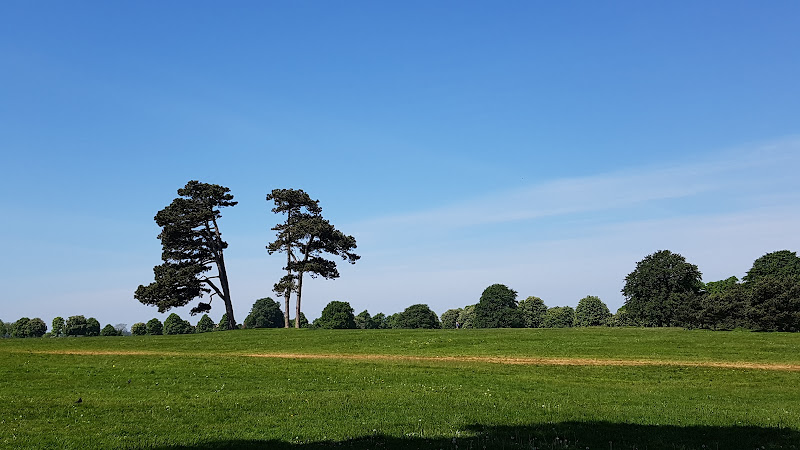
Clifton Down

Clifton Observatory

Cabot Tower
Find Accommodations Nearby
Recommended Tours & Activities
Visitor Reviews
There are no reviews yet. Be the first one to write one.
Share Your Experience
Have you visited Statue of Queen Victoria? Help other travelers by leaving a review.