
Tomsk
About Tomsk
Description
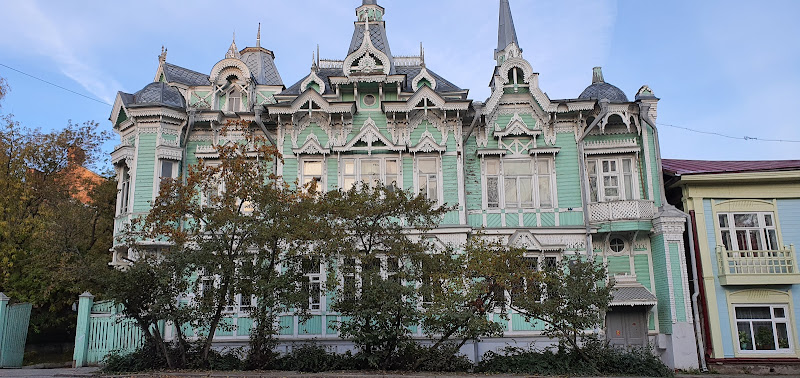
Tomsk sits along the banks of the Tom River deep in the heart of Siberia, and honestly, it's one of those Russian cities that doesn't get nearly enough attention from travelers. I've always found that the best destinations are the ones where you're not fighting crowds of tourists for that perfect photo, and Tomsk delivers on that front in spades. This university town has been around since 1604, which means it's got layers of history that you can actually feel when you're walking down its wooden-sidewalked streets. The architecture here is something special - we're talking intricately carved wooden houses that look like they belong in a fairytale, mixed with Soviet-era buildings and modern structures that somehow all work together. And the best part? Most Western travelers have never even heard of it. What strikes visitors first is how the city manages to be simultaneously academic and approachable. With six major universities, including the prestigious Tomsk State University founded in 1878, there's an energy here that you don't always find in Siberian cities. Students fill the cafes, debate in the parks, and bring a youthful enthusiasm that counterbalances the weight of all that history. The cultural scene punches way above what you'd expect for a city of around half a million people. Between the museums, theaters, and galleries, you could easily spend a week here without running out of things to see. But it's not just about ticking boxes on a sightseeing list - Tomsk has this lived-in quality that makes you want to slow down and actually experience daily life here rather than just photograph it.Key Features
- The Siberian Botanical Garden spans 126 hectares and houses one of Russia's most impressive collections of tropical and subtropical plants in its historic greenhouses, some dating back to the 19th century
- Tomsk State University's campus architecture represents a stunning example of Russian neoclassical design and serves as the intellectual heart of Siberia
- Over 1,800 wooden buildings with traditional Siberian architecture survive in the city center, featuring elaborate window frames and decorative elements called nalichniki that you won't find anywhere else
- The Central Park of Culture and Recreation offers year-round activities from ice skating in winter to paddle boating in summer on its scenic lake
- Tomsk History Museum preserves artifacts that tell the story of Siberian settlement, including traditional ceramic tiles, ornate samovars, and regional porcelain that showcase local craftsmanship
- The Tomsk Regional Art Museum displays works spanning several centuries of Russian artistic tradition in a beautifully restored building
- Lenin Square anchors the city center with its distinctive architecture and serves as a gathering place for locals throughout the seasons
- The city's cafe culture thrives thanks to its student population, with cozy spots serving everything from traditional Russian fare to international cuisine
- Voskresenskaya Hill provides panoramic views of the Tom River and surrounding landscape, particularly stunning during sunset
- Multiple theaters including the Tomsk Drama Theater offer performances that range from classical Russian plays to contemporary productions
Best Time to Visit
Let me be straight with you - Siberia isn't for the faint of heart when it comes to weather. But that's part of what makes visiting Tomsk such an adventure. Summer months from June through August are when most travelers choose to visit, and for good reason. Temperatures hover around 20-25°C (68-77°F), which feels downright balmy compared to winter. The days stretch impossibly long this far north, with the sun barely setting in late June. I remember talking to a traveler who couldn't sleep because it was still bright at midnight - you either love it or it drives you a bit crazy. This is prime time for exploring the Siberian Botanical Garden when everything's in bloom, wandering the wooden architecture district without freezing, and enjoying outdoor cafes along the river. The city comes alive with festivals and outdoor events. However, and this is important, you'll be sharing the city with other visitors and paying peak-season prices for accommodation. September brings autumn colors that transform the city into something magical. The birch and aspen trees turn golden, temperatures drop to comfortable levels for walking, and tourist numbers thin out considerably. It's my personal favorite time, though I should mention that rain becomes more frequent. Winter from December through February is brutal - temperatures can plummet to -30°C (-22°F) or lower. But hear me out. If you're the kind of traveler who wants an authentic Siberian experience, this is it. The wooden houses look like gingerbread creations under snow caps. The Tom River freezes solid. Locals ice fish and cross-country ski. You'll need serious cold-weather gear, but the city takes on this almost mystical quality that summer visitors never see. Spring (April-May) and late autumn (October-November) are transition periods that can be tricky. Muddy streets, unpredictable weather, and everything looking a bit grey. Unless you're getting a great deal on flights, I'd probably skip these months.How to Get There
Getting to Tomsk requires some planning since it's not exactly on the major tourist routes, but it's more accessible than you might think. The most straightforward option for international travelers is flying into Tomsk Bogashevo Airport, which sits about 20 kilometers southeast of the city center. The airport handles domestic flights from Moscow, St Petersburg, and other major Russian cities. Most visitors from abroad will connect through Moscow - figure on about four and a half hours flight time from the capital. The airport itself is small and manageable, which I actually appreciate after dealing with massive international hubs. From the airport, you've got a few options. Taxis are readily available and shouldn't cost more than 500-700 rubles to the city center, though make sure to agree on a price beforehand or use a metered taxi. There's also a bus service that runs regularly but takes longer and isn't particularly convenient if you're hauling luggage. The Trans-Siberian Railway doesn't actually pass through Tomsk proper, which disappointed me when I first learned it. But the railway does stop in nearby Taiga, about 80 kilometers to the north. If you're doing the Trans-Siberian journey, you can hop off at Taiga and catch a bus or hire a driver to Tomsk. It's an extra step, sure, but it means you can incorporate Tomsk into that epic train journey without totally derailing your plans (pun intended). Buses connect Tomsk with other Siberian cities including Novosibirsk, which is about 250 kilometers to the west. The journey takes around four to five hours depending on road conditions and traffic. The bus station is fairly central and serves as a hub for regional transport. Some adventurous types drive, and the roads connecting Tomsk to major Siberian cities are generally decent during summer months. Winter driving is another story entirely and not something I'd recommend unless you're experienced with extreme cold-weather conditions.Tips for Visiting
You'll need a Russian visa unless you're from one of the few visa-exempt countries, and the process can take weeks or even months. Start early. The paperwork can be tedious, but it's non-negotiable. Make sure your passport is valid for at least six months beyond your planned departure date. English isn't widely spoken outside of some hotels and tourist sites, so learn some basic Russian phrases or download a good translation app. I cannot stress this enough - even just knowing how to say please, thank you, and where is the bathroom will make your life so much easier. Russians appreciate when visitors make the effort, even if your pronunciation is terrible. Currency-wise, you'll need rubles. Credit cards work in larger establishments, but many smaller cafes, museums, and shops still operate on cash. ATMs are plentiful in the city center. Keep smaller denomination bills handy because not everyone can break a 5,000 ruble note. Dress in layers regardless of when you visit. Siberian weather can be unpredictable. If you're coming in winter, invest in proper cold-weather gear - we're talking insulated boots rated for extreme temperatures, thermal underwear, a serious winter coat, hat, and gloves. You might feel like you're preparing for an Arctic expedition, but trust me, you'll be grateful. The wooden architecture district deserves several hours of wandering. Bring a camera with a charged battery because you'll be stopping constantly to photograph those incredible carved window frames. Early morning or late afternoon provides the best light for photography. Most museums close one day per week, often Monday, so check schedules before planning your days. Entry fees are generally very reasonable by Western standards - often just a few hundred rubles. Try the local food beyond what you might consider "typical Russian cuisine." Siberian cuisine has its own character with dishes influenced by indigenous peoples and the harsh climate. Pelmeni here are different from what you'll find in Moscow. And the fresh fish from Siberian rivers is exceptional. Transportation within the city is cheap and efficient. Buses and marshrutkas (minibuses) crisscross Tomsk for minimal cost. Download the local transport app if possible, or ask your hotel for route advice. Register your visa within seven business days of arrival if you're staying that long. Hotels usually handle this automatically, but if you're using Airbnb or staying with friends, you need to take care of it yourself at a post office. This isn't optional - immigration takes it seriously. The time zone is GMT+7, which can mess with your internal clock if you're coming from Europe or North America. Give yourself a day or two to adjust, especially if you're planning active sightseeing. Finally, keep an open mind. Tomsk won't hand itself to you on a platter like some destinations designed for mass tourism. It requires some effort, some patience, and a willingness to experience a place on its own terms rather than yours. But that's exactly what makes it rewarding.Key Features
- Tomsk State University's campus architecture represents a stunning example of Russian neoclassical design and serves as the intellectual heart of Siberia
- The Central Park of Culture and Recreation offers year-round activities from ice skating in winter to paddle boating in summer on its scenic lake
- Tomsk History Museum preserves artifacts that tell the story of Siberian settlement, including traditional ceramic tiles, ornate samovars, and regional porcelain that showcase local craftsmanship
- The Tomsk Regional Art Museum displays works spanning several centuries of Russian artistic tradition in a beautifully restored building
- Lenin Square anchors the city center with its distinctive architecture and serves as a gathering place for locals throughout the seasons
- The city's cafe culture thrives thanks to its student population, with cozy spots serving everything from traditional Russian fare to international cuisine
More Details
Updated March 30, 2026
Table of Contents
Description
Tomsk sits along the banks of the Tom River deep in the heart of Siberia, and honestly, it’s one of those Russian cities that doesn’t get nearly enough attention from travelers. I’ve always found that the best destinations are the ones where you’re not fighting crowds of tourists for that perfect photo, and Tomsk delivers on that front in spades.
This university town has been around since 1604, which means it’s got layers of history that you can actually feel when you’re walking down its wooden-sidewalked streets. The architecture here is something special – we’re talking intricately carved wooden houses that look like they belong in a fairytale, mixed with Soviet-era buildings and modern structures that somehow all work together. And the best part? Most Western travelers have never even heard of it.
What strikes visitors first is how the city manages to be simultaneously academic and approachable. With six major universities, including the prestigious Tomsk State University founded in 1878, there’s an energy here that you don’t always find in Siberian cities. Students fill the cafes, debate in the parks, and bring a youthful enthusiasm that counterbalances the weight of all that history.
The cultural scene punches way above what you’d expect for a city of around half a million people. Between the museums, theaters, and galleries, you could easily spend a week here without running out of things to see. But it’s not just about ticking boxes on a sightseeing list – Tomsk has this lived-in quality that makes you want to slow down and actually experience daily life here rather than just photograph it.
Key Features
- The Siberian Botanical Garden spans 126 hectares and houses one of Russia’s most impressive collections of tropical and subtropical plants in its historic greenhouses, some dating back to the 19th century
- Tomsk State University’s campus architecture represents a stunning example of Russian neoclassical design and serves as the intellectual heart of Siberia
- Over 1,800 wooden buildings with traditional Siberian architecture survive in the city center, featuring elaborate window frames and decorative elements called nalichniki that you won’t find anywhere else
- The Central Park of Culture and Recreation offers year-round activities from ice skating in winter to paddle boating in summer on its scenic lake
- Tomsk History Museum preserves artifacts that tell the story of Siberian settlement, including traditional ceramic tiles, ornate samovars, and regional porcelain that showcase local craftsmanship
- The Tomsk Regional Art Museum displays works spanning several centuries of Russian artistic tradition in a beautifully restored building
- Lenin Square anchors the city center with its distinctive architecture and serves as a gathering place for locals throughout the seasons
- The city’s cafe culture thrives thanks to its student population, with cozy spots serving everything from traditional Russian fare to international cuisine
- Voskresenskaya Hill provides panoramic views of the Tom River and surrounding landscape, particularly stunning during sunset
- Multiple theaters including the Tomsk Drama Theater offer performances that range from classical Russian plays to contemporary productions
Best Time to Visit
Let me be straight with you – Siberia isn’t for the faint of heart when it comes to weather. But that’s part of what makes visiting Tomsk such an adventure.
Summer months from June through August are when most travelers choose to visit, and for good reason. Temperatures hover around 20-25°C (68-77°F), which feels downright balmy compared to winter. The days stretch impossibly long this far north, with the sun barely setting in late June. I remember talking to a traveler who couldn’t sleep because it was still bright at midnight – you either love it or it drives you a bit crazy.
This is prime time for exploring the Siberian Botanical Garden when everything’s in bloom, wandering the wooden architecture district without freezing, and enjoying outdoor cafes along the river. The city comes alive with festivals and outdoor events. However, and this is important, you’ll be sharing the city with other visitors and paying peak-season prices for accommodation.
September brings autumn colors that transform the city into something magical. The birch and aspen trees turn golden, temperatures drop to comfortable levels for walking, and tourist numbers thin out considerably. It’s my personal favorite time, though I should mention that rain becomes more frequent.
Winter from December through February is brutal – temperatures can plummet to -30°C (-22°F) or lower. But hear me out. If you’re the kind of traveler who wants an authentic Siberian experience, this is it. The wooden houses look like gingerbread creations under snow caps. The Tom River freezes solid. Locals ice fish and cross-country ski. You’ll need serious cold-weather gear, but the city takes on this almost mystical quality that summer visitors never see.
Spring (April-May) and late autumn (October-November) are transition periods that can be tricky. Muddy streets, unpredictable weather, and everything looking a bit grey. Unless you’re getting a great deal on flights, I’d probably skip these months.
How to Get There
Getting to Tomsk requires some planning since it’s not exactly on the major tourist routes, but it’s more accessible than you might think.
The most straightforward option for international travelers is flying into Tomsk Bogashevo Airport, which sits about 20 kilometers southeast of the city center. The airport handles domestic flights from Moscow, St Petersburg, and other major Russian cities. Most visitors from abroad will connect through Moscow – figure on about four and a half hours flight time from the capital. The airport itself is small and manageable, which I actually appreciate after dealing with massive international hubs.
From the airport, you’ve got a few options. Taxis are readily available and shouldn’t cost more than 500-700 rubles to the city center, though make sure to agree on a price beforehand or use a metered taxi. There’s also a bus service that runs regularly but takes longer and isn’t particularly convenient if you’re hauling luggage.
The Trans-Siberian Railway doesn’t actually pass through Tomsk proper, which disappointed me when I first learned it. But the railway does stop in nearby Taiga, about 80 kilometers to the north. If you’re doing the Trans-Siberian journey, you can hop off at Taiga and catch a bus or hire a driver to Tomsk. It’s an extra step, sure, but it means you can incorporate Tomsk into that epic train journey without totally derailing your plans (pun intended).
Buses connect Tomsk with other Siberian cities including Novosibirsk, which is about 250 kilometers to the west. The journey takes around four to five hours depending on road conditions and traffic. The bus station is fairly central and serves as a hub for regional transport.
Some adventurous types drive, and the roads connecting Tomsk to major Siberian cities are generally decent during summer months. Winter driving is another story entirely and not something I’d recommend unless you’re experienced with extreme cold-weather conditions.
Tips for Visiting
You’ll need a Russian visa unless you’re from one of the few visa-exempt countries, and the process can take weeks or even months. Start early. The paperwork can be tedious, but it’s non-negotiable. Make sure your passport is valid for at least six months beyond your planned departure date.
English isn’t widely spoken outside of some hotels and tourist sites, so learn some basic Russian phrases or download a good translation app. I cannot stress this enough – even just knowing how to say please, thank you, and where is the bathroom will make your life so much easier. Russians appreciate when visitors make the effort, even if your pronunciation is terrible.
Currency-wise, you’ll need rubles. Credit cards work in larger establishments, but many smaller cafes, museums, and shops still operate on cash. ATMs are plentiful in the city center. Keep smaller denomination bills handy because not everyone can break a 5,000 ruble note.
Dress in layers regardless of when you visit. Siberian weather can be unpredictable. If you’re coming in winter, invest in proper cold-weather gear – we’re talking insulated boots rated for extreme temperatures, thermal underwear, a serious winter coat, hat, and gloves. You might feel like you’re preparing for an Arctic expedition, but trust me, you’ll be grateful.
The wooden architecture district deserves several hours of wandering. Bring a camera with a charged battery because you’ll be stopping constantly to photograph those incredible carved window frames. Early morning or late afternoon provides the best light for photography.
Most museums close one day per week, often Monday, so check schedules before planning your days. Entry fees are generally very reasonable by Western standards – often just a few hundred rubles.
Try the local food beyond what you might consider “typical Russian cuisine.” Siberian cuisine has its own character with dishes influenced by indigenous peoples and the harsh climate. Pelmeni here are different from what you’ll find in Moscow. And the fresh fish from Siberian rivers is exceptional.
Transportation within the city is cheap and efficient. Buses and marshrutkas (minibuses) crisscross Tomsk for minimal cost. Download the local transport app if possible, or ask your hotel for route advice.
Register your visa within seven business days of arrival if you’re staying that long. Hotels usually handle this automatically, but if you’re using Airbnb or staying with friends, you need to take care of it yourself at a post office. This isn’t optional – immigration takes it seriously.
The time zone is GMT+7, which can mess with your internal clock if you’re coming from Europe or North America. Give yourself a day or two to adjust, especially if you’re planning active sightseeing.
Finally, keep an open mind. Tomsk won’t hand itself to you on a platter like some destinations designed for mass tourism. It requires some effort, some patience, and a willingness to experience a place on its own terms rather than yours. But that’s exactly what makes it rewarding.
Key Highlights
- Tomsk State University's campus architecture represents a stunning example of Russian neoclassical design and serves as the intellectual heart of Siberia
- The Central Park of Culture and Recreation offers year-round activities from ice skating in winter to paddle boating in summer on its scenic lake
- Tomsk History Museum preserves artifacts that tell the story of Siberian settlement, including traditional ceramic tiles, ornate samovars, and regional porcelain that showcase local craftsmanship
- The Tomsk Regional Art Museum displays works spanning several centuries of Russian artistic tradition in a beautifully restored building
- Lenin Square anchors the city center with its distinctive architecture and serves as a gathering place for locals throughout the seasons
- The city's cafe culture thrives thanks to its student population, with cozy spots serving everything from traditional Russian fare to international cuisine
Location
Places to Stay Near Tomsk
Find and Book a Tour
Explore More Travel Guides
No reviews found! Be the first to review!
Tomsk is a prominent point of interest located in Tomsk.
Traveler Reviews for Tomsk
There are no reviews yet. Be the first one to write one.
Have you visited Tomsk? Help other travelers by sharing your review.
You Might Also Like

laser test station
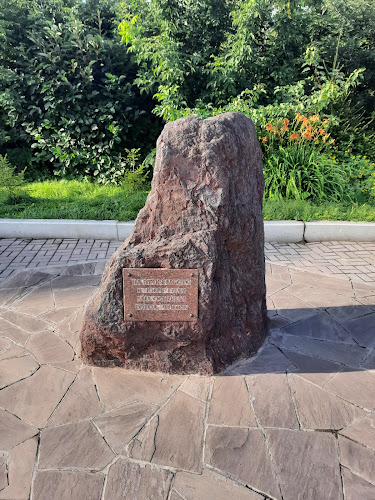
A memorial stone on the site of Tomsk foundation
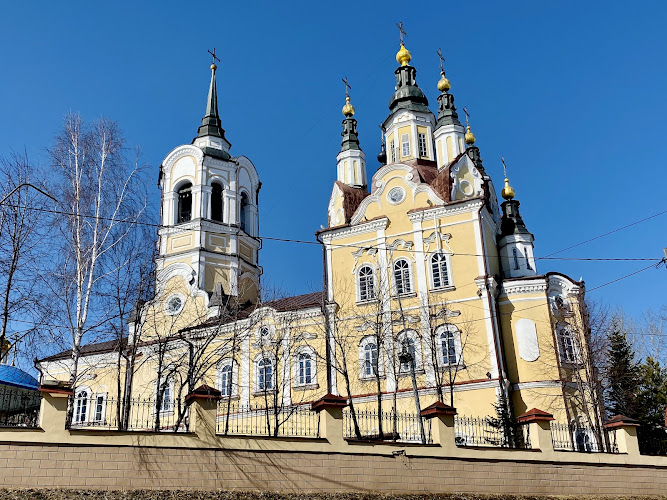
Voskresenskaya Tserkov'
Find Accommodations Nearby
Recommended Tours & Activities
Visitor Reviews
There are no reviews yet. Be the first one to write one.
Share Your Experience
Have you visited Tomsk? Help other travelers by leaving a review.