
Skver Derevyannogo Zodchestva
About Skver Derevyannogo Zodchestva
Description
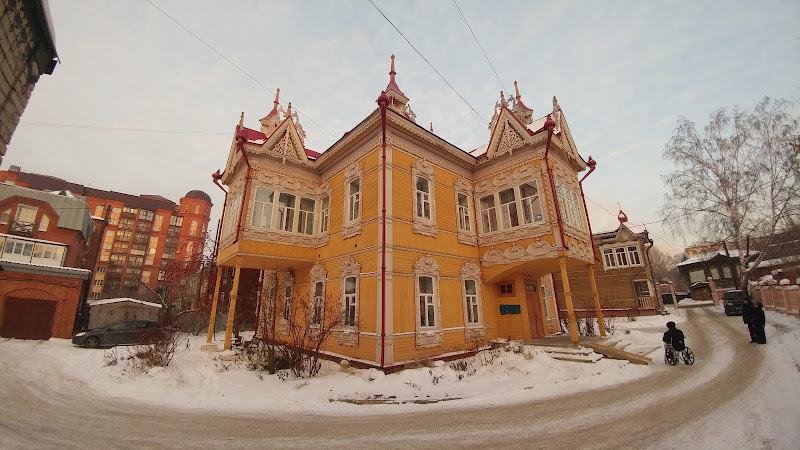
The Skver Derevyannogo Zodchestva represents one of those genuinely special places where traditional Russian wooden architecture comes alive in an outdoor setting that feels both educational and surprisingly peaceful. Travelers who make their way here discover an open-air museum of sorts, though calling it just a museum doesn't quite capture the experience. This park showcases the incredible artistry of Russian wooden construction techniques that have been refined over centuries, and honestly, you'll probably find yourself wandering around much longer than you initially planned. Walking through this space feels like stepping into a different era. The craftsmanship on display is remarkable - we're talking about intricate wooden structures that were built without a single nail in many cases, using joinery techniques passed down through generations. And these aren't just replicas sitting behind ropes; the park has an accessible quality that lets visitors really appreciate the details up close. I remember the first time I saw traditional wooden architecture like this, how the precision of each joint and curve seemed almost impossible given the tools available to builders centuries ago. The park serves multiple purposes for different types of visitors. Families bring their children here for educational outings that don't feel like homework, photographers arrive hoping to capture the unique aesthetic of these wooden structures, and architecture enthusiasts spend hours examining construction details. Dog owners appreciate that their four-legged companions can join them on their explorations, making this a genuinely inclusive space for those who travel with pets. But let's be real about expectations - this isn't a massive theme park with endless attractions. The Skver Derevyannogo Zodchestva works best when you approach it as a contemplative space where you can slow down and actually observe the artistry around you. Some visitors breeze through in thirty minutes and wonder what the fuss was about, while others settle onto a bench with a book and soak in the atmosphere for half a day.Key Features
The Skver Derevyannogo Zodchestva offers travelers several distinctive elements that set it apart from typical urban parks:- Authentic wooden architectural examples showcasing traditional Russian construction methods that date back several centuries, demonstrating techniques largely lost in modern building practices
- Pet-friendly grounds where dogs are welcome to accompany their owners throughout the park, making it an ideal stop for travelers who refuse to leave their furry friends behind at the hotel
- Family-oriented environment specifically suited for children who can learn about cultural heritage in an outdoor setting rather than stuffy indoor museum halls
- Photographic opportunities that capture the intersection of natural surroundings and handcrafted wooden structures, particularly appealing during golden hour when the wood seems to glow
- Open-air layout that allows for social distancing and comfortable exploration regardless of crowd levels, which became especially valuable in recent years
- Educational value for anyone interested in architecture, carpentry, or Russian cultural history without requiring an advanced degree to appreciate what you're seeing
- Seasonal transformations that change the park's character throughout the year, from snow-covered winter scenes to autumn foliage that complements the wooden tones
- Accessible location that doesn't require extensive hiking or physical exertion, making it suitable for various fitness levels and mobility considerations
Best Time to Visit
Timing your visit to the Skver Derevyannogo Zodchestva can significantly impact your experience, though truthfully, each season brings its own character to the space. Late spring through early autumn generally provides the most comfortable weather for extended outdoor exploration, with temperatures that encourage leisurely strolling without the need for heavy winter gear. May and June stand out as particularly lovely months when the surrounding greenery comes to life and the weather hasn't yet reached the peak summer heat. You'll find fewer crowds during weekday mornings, especially if you can arrive around 10 AM when the park has just hit its stride but before lunch-time visitors appear. The light during these months has a clarity that really highlights the grain and texture of the wooden structures. Summer months from July through August bring warmer temperatures and increased visitor numbers, particularly on weekends when local families make this a destination for afternoon outings. If you're visiting during peak summer, consider arriving earlier in the morning or later in the afternoon to avoid both the crowds and the strongest sunlight. And bring water - there's something about wooden architecture that makes you want to linger, and dehydration sneaks up on you. Autumn deserves special mention because the falling leaves create this natural partnership with the wooden architecture that photographers absolutely love. September and October offer that perfect combination of cooler temperatures, beautiful natural colors, and generally stable weather before winter settles in. The park takes on an almost melancholic beauty during these months that resonates differently than the cheerful energy of spring. Winter visits require more preparation but reward hardy travelers with a completely different aesthetic. Snow-covered wooden structures evoke traditional Russian winter scenes that feel pulled from fairy tales. Just be aware that shorter daylight hours limit your exploration time, and you'll need appropriate clothing for extended outdoor time in potentially below-freezing temperatures. Weekday visits generally prove more peaceful than weekends regardless of season. Local tourism patterns show that Saturday and Sunday afternoons can get quite busy, particularly during pleasant weather. But even during busier periods, the park's layout allows visitors to find their own space without feeling crowded.How to Get There
Getting to the Skver Derevyannogo Zodchestva requires a bit of planning, but the journey proves straightforward once you understand your options. The park's location makes it accessible through several transportation methods, each with its own advantages depending on your starting point and travel preferences. Public transportation represents the most economical choice for budget-conscious travelers. Local bus routes service the area surrounding the park, though you'll want to research specific route numbers and schedules before departing since they can change seasonally. The nearest bus stops typically require a short walk to reach the park entrance, so factor in an additional ten to fifteen minutes of walking time when planning your arrival. Metro systems in the broader area can get you within reasonable distance, though you'll likely need to combine metro travel with either a bus connection or a moderate walk. Download a reliable transportation app before your visit - those real-time updates about delays or route changes can save you considerable frustration when navigating public transit in an unfamiliar city. Taxis and ride-sharing services offer the most convenient option, especially if you're traveling with children, elderly companions, or simply want to maximize your time at the destination rather than deciphering bus schedules. The cost remains reasonable for short trips, and drivers familiar with the area know exactly where to drop passengers for easiest park access. For travelers with rental cars, driving provides flexibility and convenience, though parking availability can present challenges. The park itself doesn't offer wheelchair-accessible parking facilities, which honestly seems like an oversight that hopefully gets addressed in future improvements. Street parking in surrounding areas exists but fills up quickly during peak visiting times, particularly on weekends. Walking from nearby accommodations works well if you've chosen a hotel or rental property in the vicinity. The neighborhood surrounding the park generally offers safe pedestrian routes, though sidewalk conditions vary. Comfortable walking shoes aren't just recommended - they're essential, especially if you plan to explore both the journey to the park and the park itself thoroughly. Cycling represents another viable option for the athletically inclined. The area's relatively flat terrain makes bike travel accessible for most fitness levels, and you can often find bike rental services in the broader district. Just verify whether the park has designated bicycle parking areas before assuming you can secure your ride safely.Tips for Visiting
Maximizing your experience at the Skver Derevyannogo Zodchestva comes down to preparation and the right mindset. First and foremost, adjust your expectations about what kind of attraction this is. If you're anticipating an amusement park or highly interactive exhibits, you'll leave disappointed. This space rewards those who appreciate subtlety and craftsmanship over flashy entertainment. Bring your dog if you're traveling with one - the pet-friendly policy genuinely means something here, not just a technicality buried in the rules. Pack waste bags and keep your pet leashed, obviously, but know that this represents one of those increasingly rare attractions where your furry travel companion isn't just tolerated but actually welcomed. I've seen countless travelers light up when they realize they don't have to choose between visiting an attraction and spending time with their pet. Photography equipment deserves consideration even if you're not a professional shutterbug. The wooden structures photograph beautifully, and you'll regret relying solely on a smartphone if you care about image quality. A basic camera with decent focal length gives you options for both detail shots of joinery work and wider compositions that capture entire structures. Golden hour - that period shortly after sunrise or before sunset - transforms the wood with warm light that brings out colors and textures invisible during midday. Comfortable footwear matters more than you might initially think. While the park doesn't require serious hiking boots, you'll be on your feet considerably longer than planned once you start really looking at the architectural details. Those thin-soled fashion sneakers that seemed fine back at the hotel will leave your feet aching after an hour of walking on varied terrain. Weather preparation separates enjoyable visits from miserable ones. Check forecasts before leaving your accommodation and pack accordingly. Summer sun can be intense without much shade in certain sections, making sunscreen and hats practical necessities rather than optional accessories. Spring and autumn weather changes quickly, so layered clothing gives you flexibility as temperatures shift throughout the day. Timing your visit matters for crowd management. Weekday mornings offer the most peaceful experience, letting you appreciate the architecture without navigating around tour groups or large family gatherings. If weekend visits are your only option, arrive right when the park opens or plan for a late afternoon visit when families with young children start heading home. Bring snacks and water since on-site facilities may be limited or non-existent depending on current operations. Nothing ruins a pleasant afternoon faster than getting hungry or thirsty with no convenient options nearby. A small backpack with basic provisions lets you extend your visit without discomfort. Take time to actually read informational plaques or signage if they exist. Yeah, I know, everyone wants to just look at stuff and move on, but the context about construction techniques and historical significance genuinely enhances what you're seeing. Five minutes of reading can transform your perception from "nice old wooden buildings" to genuine appreciation for the skill involved. Consider visiting multiple times if your travel schedule allows it. The park reveals different characteristics depending on weather, season, and time of day. A morning visit on a foggy autumn day creates an entirely different atmosphere than a bright summer afternoon, and both experiences have merit. Don't rush. This final tip might be the most important one. The Skver Derevyannogo Zodchestva isn't designed for speed tourism where you check boxes and move to the next attraction. Budget more time than you think you'll need, then use whatever portion feels right. Sometimes the best travel memories come from unhurried afternoons spent simply observing and appreciating rather than frantically photographing and rushing onward.Key Features
- Authentic wooden architectural examples showcasing traditional Russian construction methods that date back several centuries, demonstrating techniques largely lost in modern building practices
- Pet-friendly grounds where dogs are welcome to accompany their owners throughout the park, making it an ideal stop for travelers who refuse to leave their furry friends behind at the hotel
- Family-oriented environment specifically suited for children who can learn about cultural heritage in an outdoor setting rather than stuffy indoor museum halls
- Photographic opportunities that capture the intersection of natural surroundings and handcrafted wooden structures, particularly appealing during golden hour when the wood seems to glow
- Open-air layout that allows for social distancing and comfortable exploration regardless of crowd levels, which became especially valuable in recent years
- Educational value for anyone interested in architecture, carpentry, or Russian cultural history without requiring an advanced degree to appreciate what you're seeing
- Seasonal transformations that change the park's character throughout the year, from snow-covered winter scenes to autumn foliage that complements the wooden tones
- Accessible location that doesn't require extensive hiking or physical exertion, making it suitable for various fitness levels and mobility considerations
More Details
Updated March 30, 2026
Table of Contents
Description
The Skver Derevyannogo Zodchestva represents one of those genuinely special places where traditional Russian wooden architecture comes alive in an outdoor setting that feels both educational and surprisingly peaceful. Travelers who make their way here discover an open-air museum of sorts, though calling it just a museum doesn’t quite capture the experience. This park showcases the incredible artistry of Russian wooden construction techniques that have been refined over centuries, and honestly, you’ll probably find yourself wandering around much longer than you initially planned.
Walking through this space feels like stepping into a different era. The craftsmanship on display is remarkable – we’re talking about intricate wooden structures that were built without a single nail in many cases, using joinery techniques passed down through generations. And these aren’t just replicas sitting behind ropes; the park has an accessible quality that lets visitors really appreciate the details up close. I remember the first time I saw traditional wooden architecture like this, how the precision of each joint and curve seemed almost impossible given the tools available to builders centuries ago.
The park serves multiple purposes for different types of visitors. Families bring their children here for educational outings that don’t feel like homework, photographers arrive hoping to capture the unique aesthetic of these wooden structures, and architecture enthusiasts spend hours examining construction details. Dog owners appreciate that their four-legged companions can join them on their explorations, making this a genuinely inclusive space for those who travel with pets.
But let’s be real about expectations – this isn’t a massive theme park with endless attractions. The Skver Derevyannogo Zodchestva works best when you approach it as a contemplative space where you can slow down and actually observe the artistry around you. Some visitors breeze through in thirty minutes and wonder what the fuss was about, while others settle onto a bench with a book and soak in the atmosphere for half a day.
Key Features
The Skver Derevyannogo Zodchestva offers travelers several distinctive elements that set it apart from typical urban parks:
- Authentic wooden architectural examples showcasing traditional Russian construction methods that date back several centuries, demonstrating techniques largely lost in modern building practices
- Pet-friendly grounds where dogs are welcome to accompany their owners throughout the park, making it an ideal stop for travelers who refuse to leave their furry friends behind at the hotel
- Family-oriented environment specifically suited for children who can learn about cultural heritage in an outdoor setting rather than stuffy indoor museum halls
- Photographic opportunities that capture the intersection of natural surroundings and handcrafted wooden structures, particularly appealing during golden hour when the wood seems to glow
- Open-air layout that allows for social distancing and comfortable exploration regardless of crowd levels, which became especially valuable in recent years
- Educational value for anyone interested in architecture, carpentry, or Russian cultural history without requiring an advanced degree to appreciate what you’re seeing
- Seasonal transformations that change the park’s character throughout the year, from snow-covered winter scenes to autumn foliage that complements the wooden tones
- Accessible location that doesn’t require extensive hiking or physical exertion, making it suitable for various fitness levels and mobility considerations
Best Time to Visit
Timing your visit to the Skver Derevyannogo Zodchestva can significantly impact your experience, though truthfully, each season brings its own character to the space. Late spring through early autumn generally provides the most comfortable weather for extended outdoor exploration, with temperatures that encourage leisurely strolling without the need for heavy winter gear.
May and June stand out as particularly lovely months when the surrounding greenery comes to life and the weather hasn’t yet reached the peak summer heat. You’ll find fewer crowds during weekday mornings, especially if you can arrive around 10 AM when the park has just hit its stride but before lunch-time visitors appear. The light during these months has a clarity that really highlights the grain and texture of the wooden structures.
Summer months from July through August bring warmer temperatures and increased visitor numbers, particularly on weekends when local families make this a destination for afternoon outings. If you’re visiting during peak summer, consider arriving earlier in the morning or later in the afternoon to avoid both the crowds and the strongest sunlight. And bring water – there’s something about wooden architecture that makes you want to linger, and dehydration sneaks up on you.
Autumn deserves special mention because the falling leaves create this natural partnership with the wooden architecture that photographers absolutely love. September and October offer that perfect combination of cooler temperatures, beautiful natural colors, and generally stable weather before winter settles in. The park takes on an almost melancholic beauty during these months that resonates differently than the cheerful energy of spring.
Winter visits require more preparation but reward hardy travelers with a completely different aesthetic. Snow-covered wooden structures evoke traditional Russian winter scenes that feel pulled from fairy tales. Just be aware that shorter daylight hours limit your exploration time, and you’ll need appropriate clothing for extended outdoor time in potentially below-freezing temperatures.
Weekday visits generally prove more peaceful than weekends regardless of season. Local tourism patterns show that Saturday and Sunday afternoons can get quite busy, particularly during pleasant weather. But even during busier periods, the park’s layout allows visitors to find their own space without feeling crowded.
How to Get There
Getting to the Skver Derevyannogo Zodchestva requires a bit of planning, but the journey proves straightforward once you understand your options. The park’s location makes it accessible through several transportation methods, each with its own advantages depending on your starting point and travel preferences.
Public transportation represents the most economical choice for budget-conscious travelers. Local bus routes service the area surrounding the park, though you’ll want to research specific route numbers and schedules before departing since they can change seasonally. The nearest bus stops typically require a short walk to reach the park entrance, so factor in an additional ten to fifteen minutes of walking time when planning your arrival.
Metro systems in the broader area can get you within reasonable distance, though you’ll likely need to combine metro travel with either a bus connection or a moderate walk. Download a reliable transportation app before your visit – those real-time updates about delays or route changes can save you considerable frustration when navigating public transit in an unfamiliar city.
Taxis and ride-sharing services offer the most convenient option, especially if you’re traveling with children, elderly companions, or simply want to maximize your time at the destination rather than deciphering bus schedules. The cost remains reasonable for short trips, and drivers familiar with the area know exactly where to drop passengers for easiest park access.
For travelers with rental cars, driving provides flexibility and convenience, though parking availability can present challenges. The park itself doesn’t offer wheelchair-accessible parking facilities, which honestly seems like an oversight that hopefully gets addressed in future improvements. Street parking in surrounding areas exists but fills up quickly during peak visiting times, particularly on weekends.
Walking from nearby accommodations works well if you’ve chosen a hotel or rental property in the vicinity. The neighborhood surrounding the park generally offers safe pedestrian routes, though sidewalk conditions vary. Comfortable walking shoes aren’t just recommended – they’re essential, especially if you plan to explore both the journey to the park and the park itself thoroughly.
Cycling represents another viable option for the athletically inclined. The area’s relatively flat terrain makes bike travel accessible for most fitness levels, and you can often find bike rental services in the broader district. Just verify whether the park has designated bicycle parking areas before assuming you can secure your ride safely.
Tips for Visiting
Maximizing your experience at the Skver Derevyannogo Zodchestva comes down to preparation and the right mindset. First and foremost, adjust your expectations about what kind of attraction this is. If you’re anticipating an amusement park or highly interactive exhibits, you’ll leave disappointed. This space rewards those who appreciate subtlety and craftsmanship over flashy entertainment.
Bring your dog if you’re traveling with one – the pet-friendly policy genuinely means something here, not just a technicality buried in the rules. Pack waste bags and keep your pet leashed, obviously, but know that this represents one of those increasingly rare attractions where your furry travel companion isn’t just tolerated but actually welcomed. I’ve seen countless travelers light up when they realize they don’t have to choose between visiting an attraction and spending time with their pet.
Photography equipment deserves consideration even if you’re not a professional shutterbug. The wooden structures photograph beautifully, and you’ll regret relying solely on a smartphone if you care about image quality. A basic camera with decent focal length gives you options for both detail shots of joinery work and wider compositions that capture entire structures. Golden hour – that period shortly after sunrise or before sunset – transforms the wood with warm light that brings out colors and textures invisible during midday.
Comfortable footwear matters more than you might initially think. While the park doesn’t require serious hiking boots, you’ll be on your feet considerably longer than planned once you start really looking at the architectural details. Those thin-soled fashion sneakers that seemed fine back at the hotel will leave your feet aching after an hour of walking on varied terrain.
Weather preparation separates enjoyable visits from miserable ones. Check forecasts before leaving your accommodation and pack accordingly. Summer sun can be intense without much shade in certain sections, making sunscreen and hats practical necessities rather than optional accessories. Spring and autumn weather changes quickly, so layered clothing gives you flexibility as temperatures shift throughout the day.
Timing your visit matters for crowd management. Weekday mornings offer the most peaceful experience, letting you appreciate the architecture without navigating around tour groups or large family gatherings. If weekend visits are your only option, arrive right when the park opens or plan for a late afternoon visit when families with young children start heading home.
Bring snacks and water since on-site facilities may be limited or non-existent depending on current operations. Nothing ruins a pleasant afternoon faster than getting hungry or thirsty with no convenient options nearby. A small backpack with basic provisions lets you extend your visit without discomfort.
Take time to actually read informational plaques or signage if they exist. Yeah, I know, everyone wants to just look at stuff and move on, but the context about construction techniques and historical significance genuinely enhances what you’re seeing. Five minutes of reading can transform your perception from “nice old wooden buildings” to genuine appreciation for the skill involved.
Consider visiting multiple times if your travel schedule allows it. The park reveals different characteristics depending on weather, season, and time of day. A morning visit on a foggy autumn day creates an entirely different atmosphere than a bright summer afternoon, and both experiences have merit.
Don’t rush. This final tip might be the most important one. The Skver Derevyannogo Zodchestva isn’t designed for speed tourism where you check boxes and move to the next attraction. Budget more time than you think you’ll need, then use whatever portion feels right. Sometimes the best travel memories come from unhurried afternoons spent simply observing and appreciating rather than frantically photographing and rushing onward.
Key Highlights
- Authentic wooden architectural examples showcasing traditional Russian construction methods that date back several centuries, demonstrating techniques largely lost in modern building practices
- Pet-friendly grounds where dogs are welcome to accompany their owners throughout the park, making it an ideal stop for travelers who refuse to leave their furry friends behind at the hotel
- Family-oriented environment specifically suited for children who can learn about cultural heritage in an outdoor setting rather than stuffy indoor museum halls
- Photographic opportunities that capture the intersection of natural surroundings and handcrafted wooden structures, particularly appealing during golden hour when the wood seems to glow
- Open-air layout that allows for social distancing and comfortable exploration regardless of crowd levels, which became especially valuable in recent years
- Educational value for anyone interested in architecture, carpentry, or Russian cultural history without requiring an advanced degree to appreciate what you're seeing
- Seasonal transformations that change the park's character throughout the year, from snow-covered winter scenes to autumn foliage that complements the wooden tones
- Accessible location that doesn't require extensive hiking or physical exertion, making it suitable for various fitness levels and mobility considerations
Location
Places to Stay Near Skver Derevyannogo Zodchestva
Find and Book a Tour
Explore More Travel Guides
No reviews found! Be the first to review!
Skver Derevyannogo Zodchestva is a prominent attractions located in Tomsk.
Visit us at: Krasnoarmeyskaya Ulitsa, 61а, Tomsk, Tomsk Oblast, Russia, 634061.
Traveler Reviews for Skver Derevyannogo Zodchestva
There are no reviews yet. Be the first one to write one.
Have you visited Skver Derevyannogo Zodchestva? Help other travelers by sharing your review.
You Might Also Like
Pamyatnik Lyubovniku
Dom S Zhar-Ptitsami
Muzey Istorii Tomska
Find Accommodations Nearby
Recommended Tours & Activities
Visitor Reviews
There are no reviews yet. Be the first one to write one.
Share Your Experience
Have you visited Skver Derevyannogo Zodchestva? Help other travelers by leaving a review.