
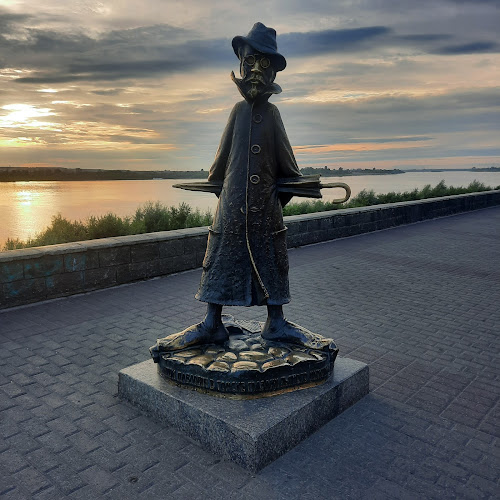
Anton Chekhov memorial
About Anton Chekhov memorial
Description
Standing as a testament to one of Russia's most beloved literary figures, the Anton Chekhov memorial offers visitors a quiet moment to reflect on the life and legacy of the master storyteller who changed theatre and short fiction forever. I've always found something deeply moving about monuments dedicated to writers - they seem to capture something essential about the human spirit in a way that statues of generals and politicians rarely do. This particular memorial manages to convey both the melancholic depth and subtle humor that made Chekhov's work so enduring. The sculpture itself presents Chekhov in a contemplative pose that feels authentically true to the man who spent his days observing the small tragedies and comedies of everyday life. When you stand before it, there's this sense that you're in the presence of someone who understood people better than they understood themselves. The artist who created this piece clearly did their homework, capturing not just Chekhov's physical likeness but something of his quiet, observant nature. What makes this memorial particularly special is how accessible it feels to visitors of all ages and backgrounds. You don't need to have read "The Cherry Orchard" or "The Lady with the Dog" to appreciate the peaceful atmosphere surrounding the monument. Though honestly, if you haven't read Chekhov, visiting this memorial might just inspire you to pick up one of his books - happened to me the first time I encountered a Chekhov monument in Moscow years ago, and I ended up spending the next week buried in his short stories. The memorial serves as more than just a tourist attraction. It's become a gathering place for literature lovers, a backdrop for photographs, and a quiet spot where locals and travelers alike can pause during their explorations. The surrounding area complements the memorial well, providing benches and green space where you can sit and perhaps imagine yourself in one of Chekhov's stories about provincial Russian life.Key Features
The Anton Chekhov memorial boasts several distinctive characteristics that make it worth adding to your travel itinerary: • A thoughtfully designed sculpture that captures Chekhov's essence as both a doctor and a writer, showing him in a natural, approachable pose rather than some grandiose, unrealistic representation • Kid-friendly environment that makes it an excellent stop for families traveling with children who might be getting tired of museums and need a bit of fresh air • Photo opportunities that'll give your travel album something a bit more cultured than the usual tourist snapshots - the monument photographs beautifully in different lighting conditions • Peaceful atmosphere that provides a welcome break from busier tourist attractions, especially during peak travel seasons when everywhere else feels overcrowded • Educational value for those interested in Russian literature and culture, though the memorial speaks for itself even without extensive background knowledge • Accessible location that doesn't require special transportation arrangements or extensive hiking to reach • Year-round availability since outdoor monuments don't close for lunch breaks or national holidays like indoor attractions sometimes do • Benches and seating areas nearby where you can rest your feet and maybe read a few pages of Chekhov's work if you brought a book along • Free admission, which is always a bonus when you're traveling and watching your budgetBest Time to Visit
Timing your visit to the Chekhov memorial can really enhance the experience. Spring and early summer months bring the most pleasant weather and the surrounding greenery looks its absolute best. There's something poetic about visiting a monument to Chekhov when the trees are budding and nature is waking up - very much in keeping with the themes in his plays and stories. Early morning visits offer a special kind of magic. Before the tour buses arrive and the crowds gather, you might have the memorial almost entirely to yourself. The light hits differently in those early hours too, creating wonderful conditions for photography if that's your thing. I'm not usually an early riser when traveling, but monuments and memorials are the exception - they reveal themselves differently in that quiet morning stillness. Autumn presents another excellent window for visiting. The changing leaves create a beautiful backdrop, and there's something appropriately melancholic about standing before Chekhov's memorial when the year is winding down. Plus, tourist numbers typically drop after summer ends, meaning you'll have more space to contemplate and explore without jostling for position. Winter visits have their own charm, though you'll want to dress warmly. Snow-covered monuments possess a certain austere beauty, and if you're someone who appreciates dramatic contrasts, winter might be your season. Just remember that shorter daylight hours mean you'll need to plan accordingly. Weekdays generally see fewer visitors than weekends, which matters if you prefer experiencing attractions without too much company. But weekends bring their own energy - you'll often see local families, photography enthusiasts, and literature students gathering around the memorial, which adds a living, breathing quality to the space. Avoid major holidays if possible, not because the memorial itself gets overcrowded but because everything around it might be, making the journey there less pleasant than it could be. Though honestly, I've found that even on busy days, memorials like this maintain a certain peaceful quality that louder attractions never quite achieve.How to Get There
Getting to the Anton Chekhov memorial shouldn't present major challenges for most travelers. Public transportation typically offers the most straightforward approach, with several routes passing within easy walking distance of the monument. Local buses and metro systems usually have stops nearby, and asking locals for directions rarely fails - mention Chekhov's name and you'll likely get helpful guidance even if there's a language barrier. Taxis and ride-sharing services provide another reliable option, especially if you're traveling with children or have mobility concerns. The cost won't break the bank for most destinations where Chekhov memorials exist, and drivers generally know the location without needing extensive explanation. Just have the destination written down in the local language on your phone to avoid any confusion. For the more adventurous traveler, walking to the memorial can turn into its own mini-adventure. Many Chekhov monuments are positioned in areas worth exploring on foot anyway. You'll discover cafes, bookshops, and other points of interest that you'd miss if you took the most direct route. I'm a big believer in getting a bit lost while traveling - some of my best discoveries have happened when I took a wrong turn and ended up somewhere unexpected. If you're driving yourself, parking situations vary depending on the specific location. Most areas near cultural monuments have some parking available, though it might not be immediately adjacent to the memorial itself. Street parking works fine in many cases, but pay attention to local regulations and time limits to avoid tickets or towing situations that'll put a damper on your cultural exploration. Organized tours sometimes include the Chekhov memorial as part of literary-themed itineraries. This can be convenient if you want historical context and commentary, though it does mean adhering to someone else's schedule. Tour groups also tend to arrive en masse, which might conflict with that peaceful contemplation we mentioned earlier.Tips for Visiting
Making the most of your visit to the Anton Chekhov memorial involves a bit of advance planning and on-the-ground flexibility. Bring comfortable walking shoes even though you might not be covering huge distances - you'll want to explore the surrounding area, and nobody enjoys cultural experiences with aching feet. Weather preparation matters more than you might think for outdoor monuments. Sunscreen and hats for sunny days, umbrellas for rain, warm layers for cold - it sounds obvious, but I can't count how many times I've seen travelers suffering because they didn't check the forecast. The memorial doesn't offer shelter, so you're exposed to whatever nature throws at you. Consider bringing a book of Chekhov's work to read while you're there. There's something special about reading "The Steppe" or "A Boring Story" while sitting near a monument to the man who wrote them. Even if you only manage a few pages, it creates a connection to the place that simply snapping photos and moving on never quite achieves. Photography is typically allowed and encouraged, but be respectful of others who might be trying to have their own moment with the memorial. Wait your turn for that perfect shot rather than muscling your way in. And please, don't climb on the sculpture - seems like common sense, but apparently it needs saying based on what I've witnessed at various monuments over the years. If you're traveling with kids, come prepared with some age-appropriate information about Chekhov. You don't need to turn it into a boring lecture, but having a few interesting facts ready can help engage young minds. The memorial's designation as good for kids suggests there's space for them to move around a bit, but remind them that monuments are for looking at, not climbing on. Timing your visit to avoid tour group rushes makes for a more pleasant experience. If you arrive and find a large group taking up all the space, grab a coffee nearby and return in twenty minutes. Tour groups rarely linger long at outdoor monuments, so a little patience usually solves the problem. Bring a journal or notebook if you're the reflective type. Memorials like this one tend to inspire thoughts about mortality, legacy, art, and what we leave behind when we're gone. Jotting down those musings while they're fresh can be rewarding, and you might be surprised what insights emerge when you're sitting in a space dedicated to someone who spent their life observing human nature. Don't rush your visit. Yes, it's a sculpture, and you can technically "see" it in five minutes. But really experiencing a memorial requires slowing down, observing details, and letting the space work on you a bit. Some of the highest-rated visitor experiences at monuments like this one come from people who gave themselves permission to simply be present rather than checking boxes on an itinerary. Local cafes or bookshops near the memorial often stock Chekhov's works and related materials. Supporting these small businesses feels good and gives you a meaningful souvenir that'll last longer than the usual tourist trinkets. A worn paperback copy of Chekhov's stories picked up near his memorial becomes a travel memory in itself. Finally, manage your expectations appropriately. This is a sculpture honoring a writer, not an amusement park or interactive museum. The value lies in quiet appreciation, historical connection, and perhaps inspiration to read or re-read Chekhov's remarkable body of work. Those willing to meet the memorial on its own terms tend to walk away feeling like they've gained something meaningful from the experience.Key Features
- Key Features
- Best Time to Visit
- How to Get There
- Tips for Visiting
More Details
Updated March 30, 2026
Table of Contents
Description
Standing as a testament to one of Russia’s most beloved literary figures, the Anton Chekhov memorial offers visitors a quiet moment to reflect on the life and legacy of the master storyteller who changed theatre and short fiction forever. I’ve always found something deeply moving about monuments dedicated to writers – they seem to capture something essential about the human spirit in a way that statues of generals and politicians rarely do. This particular memorial manages to convey both the melancholic depth and subtle humor that made Chekhov’s work so enduring.
The sculpture itself presents Chekhov in a contemplative pose that feels authentically true to the man who spent his days observing the small tragedies and comedies of everyday life. When you stand before it, there’s this sense that you’re in the presence of someone who understood people better than they understood themselves. The artist who created this piece clearly did their homework, capturing not just Chekhov’s physical likeness but something of his quiet, observant nature.
What makes this memorial particularly special is how accessible it feels to visitors of all ages and backgrounds. You don’t need to have read “The Cherry Orchard” or “The Lady with the Dog” to appreciate the peaceful atmosphere surrounding the monument. Though honestly, if you haven’t read Chekhov, visiting this memorial might just inspire you to pick up one of his books – happened to me the first time I encountered a Chekhov monument in Moscow years ago, and I ended up spending the next week buried in his short stories.
The memorial serves as more than just a tourist attraction. It’s become a gathering place for literature lovers, a backdrop for photographs, and a quiet spot where locals and travelers alike can pause during their explorations. The surrounding area complements the memorial well, providing benches and green space where you can sit and perhaps imagine yourself in one of Chekhov’s stories about provincial Russian life.
Key Features
The Anton Chekhov memorial boasts several distinctive characteristics that make it worth adding to your travel itinerary:
• A thoughtfully designed sculpture that captures Chekhov’s essence as both a doctor and a writer, showing him in a natural, approachable pose rather than some grandiose, unrealistic representation
• Kid-friendly environment that makes it an excellent stop for families traveling with children who might be getting tired of museums and need a bit of fresh air
• Photo opportunities that’ll give your travel album something a bit more cultured than the usual tourist snapshots – the monument photographs beautifully in different lighting conditions
• Peaceful atmosphere that provides a welcome break from busier tourist attractions, especially during peak travel seasons when everywhere else feels overcrowded
• Educational value for those interested in Russian literature and culture, though the memorial speaks for itself even without extensive background knowledge
• Accessible location that doesn’t require special transportation arrangements or extensive hiking to reach
• Year-round availability since outdoor monuments don’t close for lunch breaks or national holidays like indoor attractions sometimes do
• Benches and seating areas nearby where you can rest your feet and maybe read a few pages of Chekhov’s work if you brought a book along
• Free admission, which is always a bonus when you’re traveling and watching your budget
Best Time to Visit
Timing your visit to the Chekhov memorial can really enhance the experience. Spring and early summer months bring the most pleasant weather and the surrounding greenery looks its absolute best. There’s something poetic about visiting a monument to Chekhov when the trees are budding and nature is waking up – very much in keeping with the themes in his plays and stories.
Early morning visits offer a special kind of magic. Before the tour buses arrive and the crowds gather, you might have the memorial almost entirely to yourself. The light hits differently in those early hours too, creating wonderful conditions for photography if that’s your thing. I’m not usually an early riser when traveling, but monuments and memorials are the exception – they reveal themselves differently in that quiet morning stillness.
Autumn presents another excellent window for visiting. The changing leaves create a beautiful backdrop, and there’s something appropriately melancholic about standing before Chekhov’s memorial when the year is winding down. Plus, tourist numbers typically drop after summer ends, meaning you’ll have more space to contemplate and explore without jostling for position.
Winter visits have their own charm, though you’ll want to dress warmly. Snow-covered monuments possess a certain austere beauty, and if you’re someone who appreciates dramatic contrasts, winter might be your season. Just remember that shorter daylight hours mean you’ll need to plan accordingly.
Weekdays generally see fewer visitors than weekends, which matters if you prefer experiencing attractions without too much company. But weekends bring their own energy – you’ll often see local families, photography enthusiasts, and literature students gathering around the memorial, which adds a living, breathing quality to the space.
Avoid major holidays if possible, not because the memorial itself gets overcrowded but because everything around it might be, making the journey there less pleasant than it could be. Though honestly, I’ve found that even on busy days, memorials like this maintain a certain peaceful quality that louder attractions never quite achieve.
How to Get There
Getting to the Anton Chekhov memorial shouldn’t present major challenges for most travelers. Public transportation typically offers the most straightforward approach, with several routes passing within easy walking distance of the monument. Local buses and metro systems usually have stops nearby, and asking locals for directions rarely fails – mention Chekhov’s name and you’ll likely get helpful guidance even if there’s a language barrier.
Taxis and ride-sharing services provide another reliable option, especially if you’re traveling with children or have mobility concerns. The cost won’t break the bank for most destinations where Chekhov memorials exist, and drivers generally know the location without needing extensive explanation. Just have the destination written down in the local language on your phone to avoid any confusion.
For the more adventurous traveler, walking to the memorial can turn into its own mini-adventure. Many Chekhov monuments are positioned in areas worth exploring on foot anyway. You’ll discover cafes, bookshops, and other points of interest that you’d miss if you took the most direct route. I’m a big believer in getting a bit lost while traveling – some of my best discoveries have happened when I took a wrong turn and ended up somewhere unexpected.
If you’re driving yourself, parking situations vary depending on the specific location. Most areas near cultural monuments have some parking available, though it might not be immediately adjacent to the memorial itself. Street parking works fine in many cases, but pay attention to local regulations and time limits to avoid tickets or towing situations that’ll put a damper on your cultural exploration.
Organized tours sometimes include the Chekhov memorial as part of literary-themed itineraries. This can be convenient if you want historical context and commentary, though it does mean adhering to someone else’s schedule. Tour groups also tend to arrive en masse, which might conflict with that peaceful contemplation we mentioned earlier.
Tips for Visiting
Making the most of your visit to the Anton Chekhov memorial involves a bit of advance planning and on-the-ground flexibility. Bring comfortable walking shoes even though you might not be covering huge distances – you’ll want to explore the surrounding area, and nobody enjoys cultural experiences with aching feet.
Weather preparation matters more than you might think for outdoor monuments. Sunscreen and hats for sunny days, umbrellas for rain, warm layers for cold – it sounds obvious, but I can’t count how many times I’ve seen travelers suffering because they didn’t check the forecast. The memorial doesn’t offer shelter, so you’re exposed to whatever nature throws at you.
Consider bringing a book of Chekhov’s work to read while you’re there. There’s something special about reading “The Steppe” or “A Boring Story” while sitting near a monument to the man who wrote them. Even if you only manage a few pages, it creates a connection to the place that simply snapping photos and moving on never quite achieves.
Photography is typically allowed and encouraged, but be respectful of others who might be trying to have their own moment with the memorial. Wait your turn for that perfect shot rather than muscling your way in. And please, don’t climb on the sculpture – seems like common sense, but apparently it needs saying based on what I’ve witnessed at various monuments over the years.
If you’re traveling with kids, come prepared with some age-appropriate information about Chekhov. You don’t need to turn it into a boring lecture, but having a few interesting facts ready can help engage young minds. The memorial’s designation as good for kids suggests there’s space for them to move around a bit, but remind them that monuments are for looking at, not climbing on.
Timing your visit to avoid tour group rushes makes for a more pleasant experience. If you arrive and find a large group taking up all the space, grab a coffee nearby and return in twenty minutes. Tour groups rarely linger long at outdoor monuments, so a little patience usually solves the problem.
Bring a journal or notebook if you’re the reflective type. Memorials like this one tend to inspire thoughts about mortality, legacy, art, and what we leave behind when we’re gone. Jotting down those musings while they’re fresh can be rewarding, and you might be surprised what insights emerge when you’re sitting in a space dedicated to someone who spent their life observing human nature.
Don’t rush your visit. Yes, it’s a sculpture, and you can technically “see” it in five minutes. But really experiencing a memorial requires slowing down, observing details, and letting the space work on you a bit. Some of the highest-rated visitor experiences at monuments like this one come from people who gave themselves permission to simply be present rather than checking boxes on an itinerary.
Local cafes or bookshops near the memorial often stock Chekhov’s works and related materials. Supporting these small businesses feels good and gives you a meaningful souvenir that’ll last longer than the usual tourist trinkets. A worn paperback copy of Chekhov’s stories picked up near his memorial becomes a travel memory in itself.
Finally, manage your expectations appropriately. This is a sculpture honoring a writer, not an amusement park or interactive museum. The value lies in quiet appreciation, historical connection, and perhaps inspiration to read or re-read Chekhov’s remarkable body of work. Those willing to meet the memorial on its own terms tend to walk away feeling like they’ve gained something meaningful from the experience.
Key Highlights
- Key Features
- Best Time to Visit
- How to Get There
- Tips for Visiting
Location
Places to Stay Near Anton Chekhov memorial
Find and Book a Tour
Explore More Travel Guides
No reviews found! Be the first to review!
Anton Chekhov memorial is a prominent attractions located in Tomsk.
Visit us at: Tomsk, Tomsk Oblast, Russia, 634050.
Traveler Reviews for Anton Chekhov memorial
There are no reviews yet. Be the first one to write one.
Have you visited Anton Chekhov memorial? Help other travelers by sharing your review.
You Might Also Like
Metallicheskaya Bashenka
Gorodskoy Sad
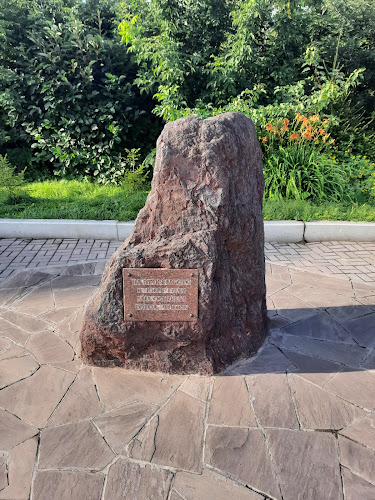
A memorial stone on the site of Tomsk foundation
Find Accommodations Nearby
Recommended Tours & Activities
Visitor Reviews
There are no reviews yet. Be the first one to write one.
Share Your Experience
Have you visited Anton Chekhov memorial? Help other travelers by leaving a review.