
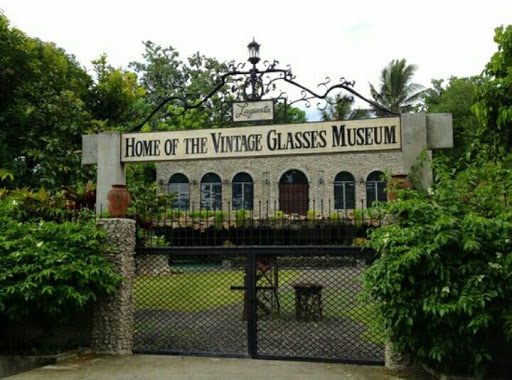
Laguerta Vintage Glasses Museum
About Laguerta Vintage Glasses Museum
Description
The Laguerta Vintage Glasses Museum offers visitors something you really don't encounter every day - an entire museum dedicated to the artistry and history of Depression-era and antique glassware. Walking through these carefully curated displays feels a bit like stepping into your grandmother's china cabinet, except everything is actually meant to be admired up close rather than kept behind locked doors for special occasions only. This specialized museum showcases an impressive collection of glass bowls, decorative pieces, and ornamental glassware from various periods, with a particular emphasis on pieces from the Depression era. For those who might not be familiar, Depression glass refers to the colorful, often inexpensive glassware mass-produced in the United States during the 1920s through early 1940s. What makes this museum genuinely interesting is how it transforms what might seem like ordinary household items into genuine works of art worthy of preservation and appreciation. The curator has done remarkable work arranging these pieces in displays that highlight both their historical significance and aesthetic beauty. You'll find yourself surprised by the range of colors - soft pinks, greens, ambers, and blues that catch the light in ways modern glassware simply doesn't. And honestly, there's something almost meditative about examining the intricate patterns pressed into these vintage pieces, knowing they once sat on dinner tables across America during some of the country's most challenging economic times. What sets this museum apart from larger, more general history museums is its laser focus on this specific niche. The collection tells stories about American manufacturing, domestic life, changing tastes in home decor, and how even during difficult times people found ways to bring small touches of beauty into their everyday lives. I've always believed that specialized museums like this one offer deeper dives into particular subjects than their broader counterparts, and this place proves that point beautifully. The museum works well for visitors who appreciate decorative arts, collectors looking for identification help with their own pieces, and anyone curious about this particular slice of American social history. It's not a massive facility that requires an entire day, but rather an intimate space where quality trumps quantity.Key Features
Visitors to the Laguerta Vintage Glasses Museum can expect to encounter several standout features that make the experience worthwhile:- Extensive Depression glass collection featuring pieces in rare colors and patterns that collectors travel considerable distances to see
- Thoughtfully arranged displays that group items by era, manufacturer, color, or pattern, making it easy to understand the evolution of glass design
- Antique decorative pieces that extend beyond Depression-era items, including earlier Victorian glassware and mid-century modern pieces
- Educational information accompanying displays that explains manufacturing techniques, historical context, and identifying characteristics
- Kid-friendly environment where children can learn about history through tangible objects rather than just text panels
- Restroom facilities available for visitor convenience during their visit
- Intimate museum setting that allows for close examination of pieces without the crowds common at larger institutions
- Examples of both common everyday glassware and rarer collectible pieces, showing the full spectrum of what was produced
- Opportunity to understand how economic conditions influenced design and production choices in American manufacturing
Best Time to Visit
Timing your visit to the Laguerta Vintage Glasses Museum doesn't require the same seasonal planning as outdoor attractions, but there are still some considerations worth thinking about. Weekday mornings tend to offer the most peaceful viewing experience. I've found that smaller specialized museums like this one really shine when you can take your time examining displays without feeling rushed by crowds behind you. Tuesday through Thursday mornings are typically your best bet for having the space mostly to yourself, allowing you to linger over pieces that catch your eye and really appreciate the craftsmanship. But weekend afternoons do have their own appeal, particularly if you enjoy the energy that families bring to museum spaces. Since the museum is good for kids, you might find weekend visits include young visitors who are genuinely engaged with the displays, which can add a different dimension to the experience. Weather really doesn't factor much into planning since this is an indoor attraction, which makes it perfect for those rainy travel days when outdoor plans fall through. Actually, there's something quite nice about viewing delicate glassware on an overcast day when you're not fighting harsh sunlight creating glare on the glass cases. If you're a serious collector or someone with deep knowledge of vintage glassware, you might want to call ahead and see if the curator has specific hours when they're available for questions. These kinds of specialized museums often have incredibly knowledgeable staff who are genuinely passionate about their subject matter, and conversations with them can transform a visit from good to genuinely memorable. Avoid major holidays when the museum might have altered hours or be closed entirely. And if you're planning to bring children, consider their energy levels and attention spans when scheduling - this isn't a hands-on children's museum, so younger kids might do better with shorter visits during times when they're naturally more focused.How to Get There
Getting to the Laguerta Vintage Glasses Museum requires a bit of planning since it's not located in a major metropolitan downtown area where you can simply hop on public transit. Most visitors will need to rely on personal vehicles or rental cars to reach the museum. For travelers flying into the region, renting a car is probably your most practical option. The museum's location means you'll have the freedom to explore surrounding areas as well, which often makes a rental worthwhile even if you typically prefer not to drive while traveling. GPS coordinates or the museum's name should pull up accurate directions on most navigation apps, though it's always smart to double-check before you head out since smaller attractions sometimes have quirks with digital mapping. If you're already road-tripping through the area, the museum makes an excellent stop that breaks up longer drives and offers something genuinely different from typical roadside attractions. There's usually adequate parking available, which is one of those small conveniences that makes visiting easier than urban museums where parking can be a nightmare. The surrounding area isn't heavily developed with tourist infrastructure, so plan accordingly. You won't find a dozen restaurants within walking distance, which means you should either eat before arriving or plan to drive somewhere afterwards. This also means you should fuel up your vehicle before visiting rather than assuming gas stations will be immediately nearby. For travelers without cars, your options become more limited. Rideshare services may operate in the area depending on your specific location, but availability isn't guaranteed. Taxi services might be an option but could be expensive depending on where you're staying. Some regional tour companies occasionally include the museum on specialized antique or history tours, which could be worth investigating if you prefer not to drive yourself. The museum's location does mean it integrates well into broader regional itineraries rather than being a standalone destination for most travelers. Consider pairing your visit with other nearby attractions to make the most of your travel time.Tips for Visiting
Making the most of your time at the Laguerta Vintage Glasses Museum involves a few practical considerations that'll improve your experience. First off, take your time. This isn't the kind of place where you race through trying to see everything in 20 minutes. The whole point is appreciating the details - the way light plays through colored glass, the intricate patterns pressed into bowls, the subtle variations between manufacturers. I'd budget at least an hour, maybe more if you're genuinely interested in the subject matter or if you're a collector yourself. Photography policies vary by museum, so ask about picture-taking when you arrive. Some smaller museums welcome photography since it helps spread awareness, while others restrict it to protect their collections or respect donor agreements. If photos are allowed, remember that glass can be tricky to photograph - turn off your flash to avoid glare and reflections that'll ruin your shots. Since there's no restaurant on-site, plan your meal times accordingly. The museum does have restrooms available, which is genuinely helpful and not always a given with smaller specialized museums. But you'll want to grab food before or after your visit. Bring children with realistic expectations about behavior. The museum is good for kids, but it's still a space filled with delicate glass objects. This works best for children who can appreciate looking without touching and who have the attention span for a more subdued activity. It can actually be a wonderful teaching opportunity about history, art, and careful observation if approached right. If you collect Depression glass or antique glassware yourself, consider bringing photos of pieces you're trying to identify. The expertise available here could help you learn more about items you already own, which adds value to your visit beyond just seeing the displayed collection. Wear comfortable shoes even though it's not a huge space. Museum floors can be harder on feet than you'd expect, and you'll be doing more standing than you might anticipate when something catches your interest. Don't rush your visit to fit it into an overly packed itinerary. The museum rewards focused attention rather than checkbox tourism. And honestly, there's something really satisfying about becoming temporarily absorbed in a specialized topic you maybe didn't know much about before walking through the door. Ask questions if staff are available. Smaller museums often have personnel who are genuinely passionate about their subject matter and happy to share knowledge with interested visitors. These conversations can transform displays from pretty objects into meaningful historical artifacts with stories worth hearing.Key Features
- Extensive Depression glass collection featuring pieces in rare colors and patterns that collectors travel considerable distances to see
- Thoughtfully arranged displays that group items by era, manufacturer, color, or pattern, making it easy to understand the evolution of glass design
- Antique decorative pieces that extend beyond Depression-era items, including earlier Victorian glassware and mid-century modern pieces
- Educational information accompanying displays that explains manufacturing techniques, historical context, and identifying characteristics
- Kid-friendly environment where children can learn about history through tangible objects rather than just text panels
- Restroom facilities available for visitor convenience during their visit
- Intimate museum setting that allows for close examination of pieces without the crowds common at larger institutions
- Examples of both common everyday glassware and rarer collectible pieces, showing the full spectrum of what was produced
More Details
Updated March 30, 2026
Table of Contents
Description
The Laguerta Vintage Glasses Museum offers visitors something you really don’t encounter every day – an entire museum dedicated to the artistry and history of Depression-era and antique glassware. Walking through these carefully curated displays feels a bit like stepping into your grandmother’s china cabinet, except everything is actually meant to be admired up close rather than kept behind locked doors for special occasions only.
This specialized museum showcases an impressive collection of glass bowls, decorative pieces, and ornamental glassware from various periods, with a particular emphasis on pieces from the Depression era. For those who might not be familiar, Depression glass refers to the colorful, often inexpensive glassware mass-produced in the United States during the 1920s through early 1940s. What makes this museum genuinely interesting is how it transforms what might seem like ordinary household items into genuine works of art worthy of preservation and appreciation.
The curator has done remarkable work arranging these pieces in displays that highlight both their historical significance and aesthetic beauty. You’ll find yourself surprised by the range of colors – soft pinks, greens, ambers, and blues that catch the light in ways modern glassware simply doesn’t. And honestly, there’s something almost meditative about examining the intricate patterns pressed into these vintage pieces, knowing they once sat on dinner tables across America during some of the country’s most challenging economic times.
What sets this museum apart from larger, more general history museums is its laser focus on this specific niche. The collection tells stories about American manufacturing, domestic life, changing tastes in home decor, and how even during difficult times people found ways to bring small touches of beauty into their everyday lives. I’ve always believed that specialized museums like this one offer deeper dives into particular subjects than their broader counterparts, and this place proves that point beautifully.
The museum works well for visitors who appreciate decorative arts, collectors looking for identification help with their own pieces, and anyone curious about this particular slice of American social history. It’s not a massive facility that requires an entire day, but rather an intimate space where quality trumps quantity.
Key Features
Visitors to the Laguerta Vintage Glasses Museum can expect to encounter several standout features that make the experience worthwhile:
- Extensive Depression glass collection featuring pieces in rare colors and patterns that collectors travel considerable distances to see
- Thoughtfully arranged displays that group items by era, manufacturer, color, or pattern, making it easy to understand the evolution of glass design
- Antique decorative pieces that extend beyond Depression-era items, including earlier Victorian glassware and mid-century modern pieces
- Educational information accompanying displays that explains manufacturing techniques, historical context, and identifying characteristics
- Kid-friendly environment where children can learn about history through tangible objects rather than just text panels
- Restroom facilities available for visitor convenience during their visit
- Intimate museum setting that allows for close examination of pieces without the crowds common at larger institutions
- Examples of both common everyday glassware and rarer collectible pieces, showing the full spectrum of what was produced
- Opportunity to understand how economic conditions influenced design and production choices in American manufacturing
Best Time to Visit
Timing your visit to the Laguerta Vintage Glasses Museum doesn’t require the same seasonal planning as outdoor attractions, but there are still some considerations worth thinking about.
Weekday mornings tend to offer the most peaceful viewing experience. I’ve found that smaller specialized museums like this one really shine when you can take your time examining displays without feeling rushed by crowds behind you. Tuesday through Thursday mornings are typically your best bet for having the space mostly to yourself, allowing you to linger over pieces that catch your eye and really appreciate the craftsmanship.
But weekend afternoons do have their own appeal, particularly if you enjoy the energy that families bring to museum spaces. Since the museum is good for kids, you might find weekend visits include young visitors who are genuinely engaged with the displays, which can add a different dimension to the experience.
Weather really doesn’t factor much into planning since this is an indoor attraction, which makes it perfect for those rainy travel days when outdoor plans fall through. Actually, there’s something quite nice about viewing delicate glassware on an overcast day when you’re not fighting harsh sunlight creating glare on the glass cases.
If you’re a serious collector or someone with deep knowledge of vintage glassware, you might want to call ahead and see if the curator has specific hours when they’re available for questions. These kinds of specialized museums often have incredibly knowledgeable staff who are genuinely passionate about their subject matter, and conversations with them can transform a visit from good to genuinely memorable.
Avoid major holidays when the museum might have altered hours or be closed entirely. And if you’re planning to bring children, consider their energy levels and attention spans when scheduling – this isn’t a hands-on children’s museum, so younger kids might do better with shorter visits during times when they’re naturally more focused.
How to Get There
Getting to the Laguerta Vintage Glasses Museum requires a bit of planning since it’s not located in a major metropolitan downtown area where you can simply hop on public transit. Most visitors will need to rely on personal vehicles or rental cars to reach the museum.
For travelers flying into the region, renting a car is probably your most practical option. The museum’s location means you’ll have the freedom to explore surrounding areas as well, which often makes a rental worthwhile even if you typically prefer not to drive while traveling. GPS coordinates or the museum’s name should pull up accurate directions on most navigation apps, though it’s always smart to double-check before you head out since smaller attractions sometimes have quirks with digital mapping.
If you’re already road-tripping through the area, the museum makes an excellent stop that breaks up longer drives and offers something genuinely different from typical roadside attractions. There’s usually adequate parking available, which is one of those small conveniences that makes visiting easier than urban museums where parking can be a nightmare.
The surrounding area isn’t heavily developed with tourist infrastructure, so plan accordingly. You won’t find a dozen restaurants within walking distance, which means you should either eat before arriving or plan to drive somewhere afterwards. This also means you should fuel up your vehicle before visiting rather than assuming gas stations will be immediately nearby.
For travelers without cars, your options become more limited. Rideshare services may operate in the area depending on your specific location, but availability isn’t guaranteed. Taxi services might be an option but could be expensive depending on where you’re staying. Some regional tour companies occasionally include the museum on specialized antique or history tours, which could be worth investigating if you prefer not to drive yourself.
The museum’s location does mean it integrates well into broader regional itineraries rather than being a standalone destination for most travelers. Consider pairing your visit with other nearby attractions to make the most of your travel time.
Tips for Visiting
Making the most of your time at the Laguerta Vintage Glasses Museum involves a few practical considerations that’ll improve your experience.
First off, take your time. This isn’t the kind of place where you race through trying to see everything in 20 minutes. The whole point is appreciating the details – the way light plays through colored glass, the intricate patterns pressed into bowls, the subtle variations between manufacturers. I’d budget at least an hour, maybe more if you’re genuinely interested in the subject matter or if you’re a collector yourself.
Photography policies vary by museum, so ask about picture-taking when you arrive. Some smaller museums welcome photography since it helps spread awareness, while others restrict it to protect their collections or respect donor agreements. If photos are allowed, remember that glass can be tricky to photograph – turn off your flash to avoid glare and reflections that’ll ruin your shots.
Since there’s no restaurant on-site, plan your meal times accordingly. The museum does have restrooms available, which is genuinely helpful and not always a given with smaller specialized museums. But you’ll want to grab food before or after your visit.
Bring children with realistic expectations about behavior. The museum is good for kids, but it’s still a space filled with delicate glass objects. This works best for children who can appreciate looking without touching and who have the attention span for a more subdued activity. It can actually be a wonderful teaching opportunity about history, art, and careful observation if approached right.
If you collect Depression glass or antique glassware yourself, consider bringing photos of pieces you’re trying to identify. The expertise available here could help you learn more about items you already own, which adds value to your visit beyond just seeing the displayed collection.
Wear comfortable shoes even though it’s not a huge space. Museum floors can be harder on feet than you’d expect, and you’ll be doing more standing than you might anticipate when something catches your interest.
Don’t rush your visit to fit it into an overly packed itinerary. The museum rewards focused attention rather than checkbox tourism. And honestly, there’s something really satisfying about becoming temporarily absorbed in a specialized topic you maybe didn’t know much about before walking through the door.
Ask questions if staff are available. Smaller museums often have personnel who are genuinely passionate about their subject matter and happy to share knowledge with interested visitors. These conversations can transform displays from pretty objects into meaningful historical artifacts with stories worth hearing.
Key Highlights
- Extensive Depression glass collection featuring pieces in rare colors and patterns that collectors travel considerable distances to see
- Thoughtfully arranged displays that group items by era, manufacturer, color, or pattern, making it easy to understand the evolution of glass design
- Antique decorative pieces that extend beyond Depression-era items, including earlier Victorian glassware and mid-century modern pieces
- Educational information accompanying displays that explains manufacturing techniques, historical context, and identifying characteristics
- Kid-friendly environment where children can learn about history through tangible objects rather than just text panels
- Restroom facilities available for visitor convenience during their visit
- Intimate museum setting that allows for close examination of pieces without the crowds common at larger institutions
- Examples of both common everyday glassware and rarer collectible pieces, showing the full spectrum of what was produced
Location
Places to Stay Near Laguerta Vintage Glasses Museum
Find and Book a Tour
Explore More Travel Guides
No reviews found! Be the first to review!
Laguerta Vintage Glasses Museum is a prominent museums located in Bacolod.
Visit us at: 5 Lopez Jaena St, Brgy, Bacolod, 6100 Negros Occidental, Philippines.
Traveler Reviews for Laguerta Vintage Glasses Museum
There are no reviews yet. Be the first one to write one.
Have you visited Laguerta Vintage Glasses Museum? Help other travelers by sharing your review.
You Might Also Like

Carlos Hilado Hwy
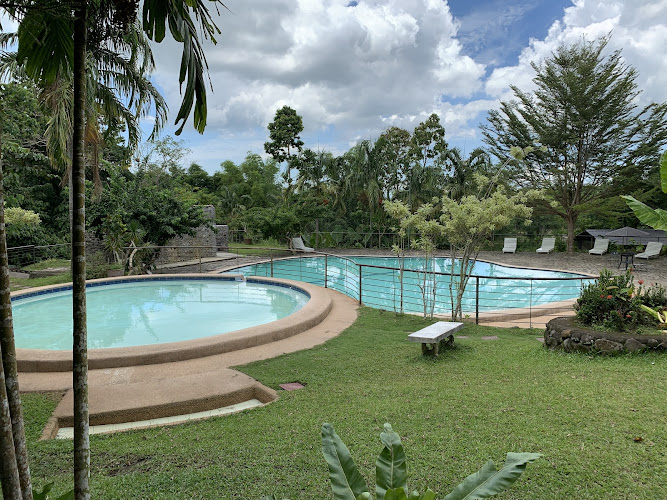
Bantug Lake Ranch
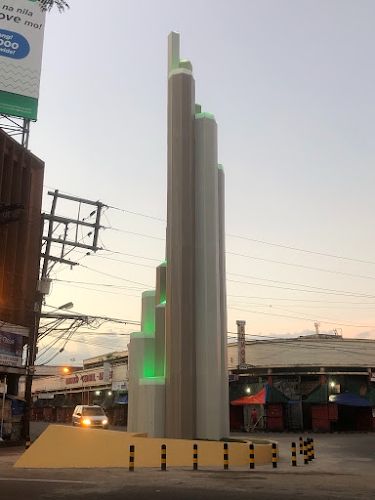
Halandumon Tower
Find Accommodations Nearby
Recommended Tours & Activities
Visitor Reviews
There are no reviews yet. Be the first one to write one.
Share Your Experience
Have you visited Laguerta Vintage Glasses Museum? Help other travelers by leaving a review.