
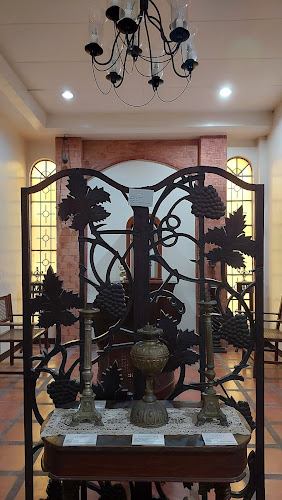
Museo De La Salle Bacolod
About Museo De La Salle Bacolod
Description
The Museo De La Salle Bacolod offers travelers a genuine peek into the cultural and artistic heritage of Negros Occidental that you won't find in your typical tourist guidebooks. Housed within the grounds of the University of St. La Salle, this university museum might seem modest at first glance, but it holds some truly fascinating collections that tell the story of Bacolod's rich past and creative spirit. What makes this place particularly special is how it showcases the intersection of faith, art, and local history in ways that larger, more commercialized museums sometimes miss. The collections here aren't just dusty relics behind glass – they're carefully curated pieces that reflect the soul of Negros Island and its people. You'll find yourself wandering through galleries filled with religious artifacts that speak to the deep Catholic traditions of the Philippines, local textiles that demonstrate the incredible craftsmanship of regional artisans, and artwork created by both established and emerging Filipino artists. I've always believed that the best museums are the ones that surprise you, and Museo De La Salle does exactly that. It's not trying to be everything to everyone – instead, it focuses on preserving and presenting specific aspects of local culture with real authenticity. The religious artifacts collection, in particular, gives visitors insight into how faith shaped the development of Bacolod and the surrounding sugar region. And the textile exhibits? They're absolute treasures that show the evolution of local weaving traditions and fabric arts. The museum manages to balance its academic purpose – serving students and researchers – with being genuinely accessible to regular travelers who just want to understand more about where they're visiting. That's not always an easy balance to strike, but they've managed it pretty well here.Key Features
The Museo De La Salle Bacolod brings together several distinctive elements that make it worth adding to your Bacolod itinerary: • Comprehensive religious artifacts collection that includes centuries-old santos (religious statues), vestments, and liturgical items reflecting the Spanish colonial influence on local spiritual practices • Local artwork gallery featuring paintings, sculptures, and mixed media pieces created by Negrense artists, providing a window into the contemporary and historical art scene of the region • Traditional textile displays showcasing indigenous weaving techniques, patterns, and fabrics unique to Negros Occidental and nearby islands • Educational exhibits designed to be family-friendly, making complex cultural concepts accessible even to younger visitors • Fully wheelchair-accessible facilities including entrance, parking areas, and restrooms – something that unfortunately isn't standard at many Philippine museums • Climate-controlled galleries that protect delicate artifacts while keeping visitors comfortable in Bacolod's tropical climate • Rotating temporary exhibitions that bring fresh perspectives and new collections to repeat visitors • Integration with the university setting, which often means you might encounter student groups, adding an educational energy to the atmosphere • Well-maintained restroom facilities available to all museum visitors • Relatively uncrowded environment compared to major metro Manila museums, allowing for peaceful contemplation of the exhibitsBest Time to Visit
Planning your visit to Museo De La Salle Bacolod requires thinking about both the museum's schedule and Bacolod's seasonal patterns. The museum typically operates during regular business hours on weekdays, which means your best bet for a relaxed visit is usually mid-morning on a Tuesday or Wednesday when student groups are less likely to be touring the galleries. Weather-wise, Bacolod experiences its dry season from November through April, making these months ideal for museum visits. You won't have to worry about getting caught in afternoon downpours while traveling to or from the university campus. But honestly? Since you'll be indoors most of the time, rainy season visits (June through October) work fine too – the museum actually makes a perfect rainy day activity. The MassKara Festival period in October brings enormous crowds to Bacolod, and while the festival energy is amazing, the museum itself might be busier than usual with both tourists and locals seeking indoor cultural activities. If you prefer quieter contemplation of the exhibits, maybe skip the festival weeks. January through March offers what I'd call the sweet spot – pleasant weather, fewer tourists than festival season, and the university is in full session which means the museum staff are at their most engaged. The exhibits tend to be well-maintained and any educational programming is running at full capacity. Weekday mornings remain consistently less crowded than weekend afternoons. And if you're traveling with kids, aim for times when they're well-rested rather than dragging tired children through galleries in the late afternoon heat.How to Get There
Getting to Museo De La Salle Bacolod is refreshingly straightforward compared to some Philippine attractions that require elaborate travel arrangements. The museum sits within the University of St. La Salle campus in Bacolod City proper, making it accessible from most hotels and accommodations in the downtown area. If you're staying in central Bacolod, a tricycle ride to the university takes about 10-15 minutes depending on traffic and your starting point. Just tell the driver "La Salle" and they'll know exactly where to go – the university is a major landmark. Expect to pay around 50-100 peso depending on distance and your negotiating skills. Don't be shy about agreeing on the fare before you hop in. Taxi services and ride-sharing apps like Grab operate in Bacolod, offering another convenient option especially if you're traveling with family or don't want to deal with fare negotiations. The air-conditioned comfort might be worth the extra cost on a particularly hot day. For the more adventurous traveler, jeepneys run along routes near the university. Look for jeepneys heading toward the La Salle area, though you might need to ask locals for help identifying the right route if you're unfamiliar with Bacolod's jeepney system. If you've rented a car during your Negros travels, the museum offers wheelchair-accessible parking on campus. Just check with the university security at the gate – they're generally helpful about directing visitors to appropriate parking areas. Coming from out of town? Bacolod-Silay Airport lies about 30-40 minutes from the museum depending on traffic. Most visitors settle into their accommodations first before venturing to the museum rather than making it their first stop after landing. The campus security staff can provide directions to the specific museum building once you're on university grounds. Don't hesitate to ask – Filipinos are genuinely helpful to visitors trying to find their way around.Tips for Visiting
Making the most of your Museo De La Salle Bacolod experience requires a bit of insider knowledge that you won't find in standard guidebooks. First things first – bring valid identification. University security might ask to see ID when you enter campus, which is standard procedure at Philippine educational institutions. Nothing fancy required, just something that shows who you are. Photography policies vary by exhibit, so ask the museum staff before you start snapping pictures. Some religious artifacts and borrowed pieces might have restrictions, while other areas welcome photography. Better to ask than accidentally disrespect a sacred object. Dress codes aren't as strict here as at some religious sites, but remember you're on a Catholic university campus. Modest clothing shows respect – skip the super short shorts or revealing tops. Plus, the air conditioning can get chilly, so bringing a light cardigan isn't just about modesty, it's about comfort. The museum doesn't have a restaurant on-site, but restrooms are available which is honestly a relief when you're planning a longer visit. Bacolod has plenty of dining options within a short ride from campus, so plan to eat before or after rather than during your museum visit. For families with young children, the museum rates as kid-friendly but prepare your little ones beforehand. This isn't a hands-on children's museum – it's a look-but-don't-touch situation. Bringing along quiet activities for very young kids who might not engage with the exhibits helps everyone have a better experience. The wheelchair accessibility here deserves special mention because it's genuinely well-implemented. If you or your travel companions use mobility aids, you can actually enjoy this museum without the barriers present at many older Philippine cultural sites. The accessible parking, entrance, and restrooms make a real difference. Consider timing your visit to allow at least an hour, maybe ninety minutes if you're genuinely interested in local art and history. Rushing through defeats the purpose. This isn't a massive museum that requires half a day, but giving yourself time to actually read the exhibit information and contemplate the pieces enriches the experience considerably. Engaging with museum staff often reveals interesting details not included in the written displays. Many staff members have deep knowledge about the collections and are happy to share stories if you show genuine interest and they're not busy with other duties. Combining your museum visit with other La Salle campus exploration can round out the trip. The university grounds themselves have architectural interest and the campus atmosphere provides insight into Philippine higher education. Finally, managing expectations helps. This is a university museum, not the Metropolitan Museum of Art. It serves a specific educational purpose while welcoming public visitors. If you approach it with curiosity about local culture rather than expecting world-class international exhibitions, you'll leave satisfied and enriched by what you've seen. Sometimes the smaller, more focused museums teach us more about a place than the famous ones everyone talks about.Key Features
- Collections of religious artifacts and ecclesiastical art
- Donated heirlooms and household objects from notable Negrense families
- Textiles and traditional Filipino clothing
- Photographs and archival materials documenting local history
- University-curated rotating special exhibits and educational programs
More Details
Updated March 30, 2026
Table of Contents
Description
The Museo De La Salle Bacolod offers travelers a genuine peek into the cultural and artistic heritage of Negros Occidental that you won’t find in your typical tourist guidebooks. Housed within the grounds of the University of St. La Salle, this university museum might seem modest at first glance, but it holds some truly fascinating collections that tell the story of Bacolod’s rich past and creative spirit.
What makes this place particularly special is how it showcases the intersection of faith, art, and local history in ways that larger, more commercialized museums sometimes miss. The collections here aren’t just dusty relics behind glass – they’re carefully curated pieces that reflect the soul of Negros Island and its people. You’ll find yourself wandering through galleries filled with religious artifacts that speak to the deep Catholic traditions of the Philippines, local textiles that demonstrate the incredible craftsmanship of regional artisans, and artwork created by both established and emerging Filipino artists.
I’ve always believed that the best museums are the ones that surprise you, and Museo De La Salle does exactly that. It’s not trying to be everything to everyone – instead, it focuses on preserving and presenting specific aspects of local culture with real authenticity. The religious artifacts collection, in particular, gives visitors insight into how faith shaped the development of Bacolod and the surrounding sugar region. And the textile exhibits? They’re absolute treasures that show the evolution of local weaving traditions and fabric arts.
The museum manages to balance its academic purpose – serving students and researchers – with being genuinely accessible to regular travelers who just want to understand more about where they’re visiting. That’s not always an easy balance to strike, but they’ve managed it pretty well here.
Key Features
The Museo De La Salle Bacolod brings together several distinctive elements that make it worth adding to your Bacolod itinerary:
• Comprehensive religious artifacts collection that includes centuries-old santos (religious statues), vestments, and liturgical items reflecting the Spanish colonial influence on local spiritual practices
• Local artwork gallery featuring paintings, sculptures, and mixed media pieces created by Negrense artists, providing a window into the contemporary and historical art scene of the region
• Traditional textile displays showcasing indigenous weaving techniques, patterns, and fabrics unique to Negros Occidental and nearby islands
• Educational exhibits designed to be family-friendly, making complex cultural concepts accessible even to younger visitors
• Fully wheelchair-accessible facilities including entrance, parking areas, and restrooms – something that unfortunately isn’t standard at many Philippine museums
• Climate-controlled galleries that protect delicate artifacts while keeping visitors comfortable in Bacolod’s tropical climate
• Rotating temporary exhibitions that bring fresh perspectives and new collections to repeat visitors
• Integration with the university setting, which often means you might encounter student groups, adding an educational energy to the atmosphere
• Well-maintained restroom facilities available to all museum visitors
• Relatively uncrowded environment compared to major metro Manila museums, allowing for peaceful contemplation of the exhibits
Best Time to Visit
Planning your visit to Museo De La Salle Bacolod requires thinking about both the museum’s schedule and Bacolod’s seasonal patterns. The museum typically operates during regular business hours on weekdays, which means your best bet for a relaxed visit is usually mid-morning on a Tuesday or Wednesday when student groups are less likely to be touring the galleries.
Weather-wise, Bacolod experiences its dry season from November through April, making these months ideal for museum visits. You won’t have to worry about getting caught in afternoon downpours while traveling to or from the university campus. But honestly? Since you’ll be indoors most of the time, rainy season visits (June through October) work fine too – the museum actually makes a perfect rainy day activity.
The MassKara Festival period in October brings enormous crowds to Bacolod, and while the festival energy is amazing, the museum itself might be busier than usual with both tourists and locals seeking indoor cultural activities. If you prefer quieter contemplation of the exhibits, maybe skip the festival weeks.
January through March offers what I’d call the sweet spot – pleasant weather, fewer tourists than festival season, and the university is in full session which means the museum staff are at their most engaged. The exhibits tend to be well-maintained and any educational programming is running at full capacity.
Weekday mornings remain consistently less crowded than weekend afternoons. And if you’re traveling with kids, aim for times when they’re well-rested rather than dragging tired children through galleries in the late afternoon heat.
How to Get There
Getting to Museo De La Salle Bacolod is refreshingly straightforward compared to some Philippine attractions that require elaborate travel arrangements. The museum sits within the University of St. La Salle campus in Bacolod City proper, making it accessible from most hotels and accommodations in the downtown area.
If you’re staying in central Bacolod, a tricycle ride to the university takes about 10-15 minutes depending on traffic and your starting point. Just tell the driver “La Salle” and they’ll know exactly where to go – the university is a major landmark. Expect to pay around 50-100 peso depending on distance and your negotiating skills. Don’t be shy about agreeing on the fare before you hop in.
Taxi services and ride-sharing apps like Grab operate in Bacolod, offering another convenient option especially if you’re traveling with family or don’t want to deal with fare negotiations. The air-conditioned comfort might be worth the extra cost on a particularly hot day.
For the more adventurous traveler, jeepneys run along routes near the university. Look for jeepneys heading toward the La Salle area, though you might need to ask locals for help identifying the right route if you’re unfamiliar with Bacolod’s jeepney system.
If you’ve rented a car during your Negros travels, the museum offers wheelchair-accessible parking on campus. Just check with the university security at the gate – they’re generally helpful about directing visitors to appropriate parking areas.
Coming from out of town? Bacolod-Silay Airport lies about 30-40 minutes from the museum depending on traffic. Most visitors settle into their accommodations first before venturing to the museum rather than making it their first stop after landing.
The campus security staff can provide directions to the specific museum building once you’re on university grounds. Don’t hesitate to ask – Filipinos are genuinely helpful to visitors trying to find their way around.
Tips for Visiting
Making the most of your Museo De La Salle Bacolod experience requires a bit of insider knowledge that you won’t find in standard guidebooks. First things first – bring valid identification. University security might ask to see ID when you enter campus, which is standard procedure at Philippine educational institutions. Nothing fancy required, just something that shows who you are.
Photography policies vary by exhibit, so ask the museum staff before you start snapping pictures. Some religious artifacts and borrowed pieces might have restrictions, while other areas welcome photography. Better to ask than accidentally disrespect a sacred object.
Dress codes aren’t as strict here as at some religious sites, but remember you’re on a Catholic university campus. Modest clothing shows respect – skip the super short shorts or revealing tops. Plus, the air conditioning can get chilly, so bringing a light cardigan isn’t just about modesty, it’s about comfort.
The museum doesn’t have a restaurant on-site, but restrooms are available which is honestly a relief when you’re planning a longer visit. Bacolod has plenty of dining options within a short ride from campus, so plan to eat before or after rather than during your museum visit.
For families with young children, the museum rates as kid-friendly but prepare your little ones beforehand. This isn’t a hands-on children’s museum – it’s a look-but-don’t-touch situation. Bringing along quiet activities for very young kids who might not engage with the exhibits helps everyone have a better experience.
The wheelchair accessibility here deserves special mention because it’s genuinely well-implemented. If you or your travel companions use mobility aids, you can actually enjoy this museum without the barriers present at many older Philippine cultural sites. The accessible parking, entrance, and restrooms make a real difference.
Consider timing your visit to allow at least an hour, maybe ninety minutes if you’re genuinely interested in local art and history. Rushing through defeats the purpose. This isn’t a massive museum that requires half a day, but giving yourself time to actually read the exhibit information and contemplate the pieces enriches the experience considerably.
Engaging with museum staff often reveals interesting details not included in the written displays. Many staff members have deep knowledge about the collections and are happy to share stories if you show genuine interest and they’re not busy with other duties.
Combining your museum visit with other La Salle campus exploration can round out the trip. The university grounds themselves have architectural interest and the campus atmosphere provides insight into Philippine higher education.
Finally, managing expectations helps. This is a university museum, not the Metropolitan Museum of Art. It serves a specific educational purpose while welcoming public visitors. If you approach it with curiosity about local culture rather than expecting world-class international exhibitions, you’ll leave satisfied and enriched by what you’ve seen. Sometimes the smaller, more focused museums teach us more about a place than the famous ones everyone talks about.
Key Highlights
- Collections of religious artifacts and ecclesiastical art
- Donated heirlooms and household objects from notable Negrense families
- Textiles and traditional Filipino clothing
- Photographs and archival materials documenting local history
- University-curated rotating special exhibits and educational programs
Location
Places to Stay Near Museo De La Salle Bacolod
Find and Book a Tour
Explore More Travel Guides
No reviews found! Be the first to review!
Museo De La Salle Bacolod is a prominent museums located in Bacolod.
Visit us at: MXH6+GM3, University of St. La Salle, Gate 1, Lungsod ng Bacolod, Negros Occidental, Philippines.
Traveler Reviews for Museo De La Salle Bacolod
There are no reviews yet. Be the first one to write one.
Have you visited Museo De La Salle Bacolod? Help other travelers by sharing your review.
Nearby Attractions
You Might Also Like
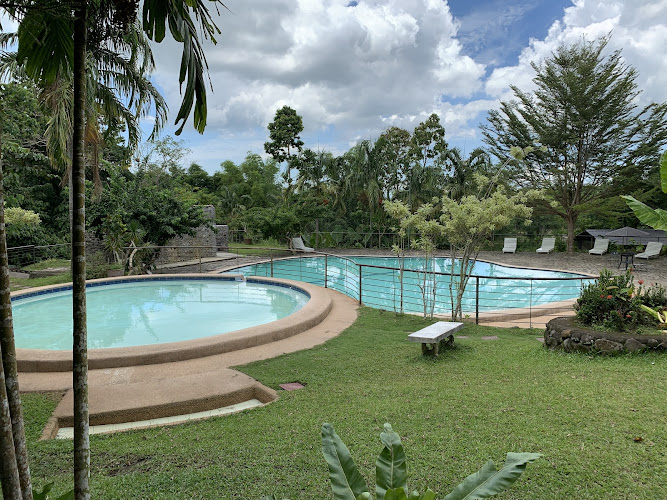
Bantug Lake Ranch
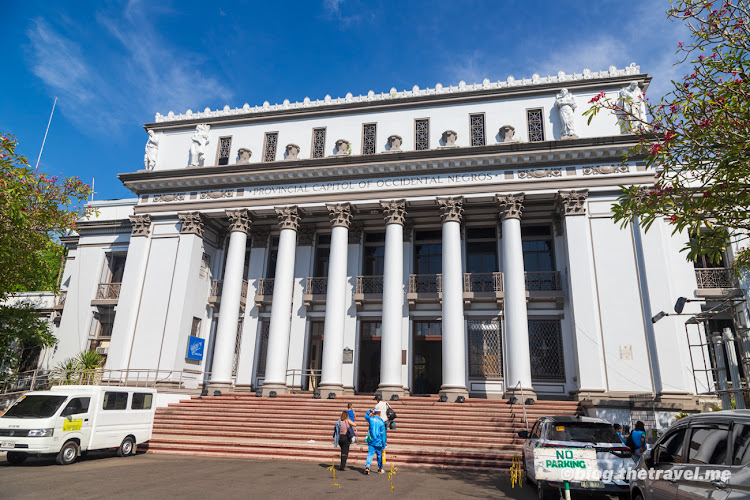
Negros Occidental Provincial Capitol
Carlos Hilado Hwy
Find Accommodations Nearby
Recommended Tours & Activities
Visitor Reviews
There are no reviews yet. Be the first one to write one.
Share Your Experience
Have you visited Museo De La Salle Bacolod? Help other travelers by leaving a review.