Where to Stay in Ubud: 7 Best Areas & Hotels for Every Budget
Updated December 18, 2025
Picking where to stay in Ubud isn’t always straightforward. Each part of this Balinese town has its own thing going on—some spots offer quiet rice field mornings, others draw you in with wellness retreats, and a few put you right where the art galleries and coffee shops buzz. The best place to stay in Ubud? Honestly, that depends on whether you want to walk to temples and warungs or wake up far from the crowds with nothing but birdsong.
I’ll break down Ubud’s key neighborhoods, who they suit, and which hotels actually measure up. Whether you’re eyeing the Monkey Forest area, Penestanan’s creative lanes, or those luxe jungle resorts up Tirta Tawar, this guide should save you a lot of scrolling and second-guessing.
Table of Contents
- Key Takeaways
- Best Areas to Stay in Ubud
- Central Ubud (Ubud Town)
- Suweta & Tirta Tawar
- Kedewatan & Sayan
- Penestanan
- Tegallalang
- Tirta Empul & Bedulu
- Choosing Between Ubud Town and the Outskirts
- Walkability and Access to Attractions
- Tranquility and Nature
- Commuting and Transport Options
- Types of Accommodation in Ubud
- Hotels and Resorts
- Private Villas
- Boutique Guesthouses
- Eco-Lodges & Retreats
- Best Luxury Resorts and Hotels in Ubud
- Iconic Luxury Resorts
- Boutique Luxury Hotels
- Luxury Villas with Private Pools
- Unique Neighborhoods and What They Offer
- Monkey Forest Road
- Rice Terraces & Tegalalang
- Ayung River Area
- Dining, Wellness, and Cultural Attractions Near Popular Stays
- Ubud’s Best Restaurants
- Shopping and Markets
- Local Temples & Art Sites
- Frequently Asked Questions
- What are the top family-friendly accommodations in Ubud?
- As a first-time visitor, which neighborhood should I consider for my stay in Ubud?
- Can you recommend unique and less-known lodging options in Ubud?
- Where in Ubud can I find the best private pool villas for a romantic getaway?
- What are the pros and cons of staying within Ubud’s center versus its outskirts?
- How does staying in Ubud compare to other destinations in Bali in terms of cultural experiences?
- Book Your Dream Experience
- More Travel Guides
Key Takeaways
- Find out which Ubud neighborhoods fit your style and budget.
- Compare everything from local guesthouses to high-end resorts.
- Get quick, honest advice so you can decide where to stay without overthinking it.
Best Areas to Stay in Ubud
Ubud’s neighborhoods each have their own vibe and price range. Some put you steps from the action—cafes, markets, temples—while others are all about jungle seclusion, rice terraces, or village slow life. Where you sleep really shapes how Ubud feels.
Central Ubud (Ubud Town)
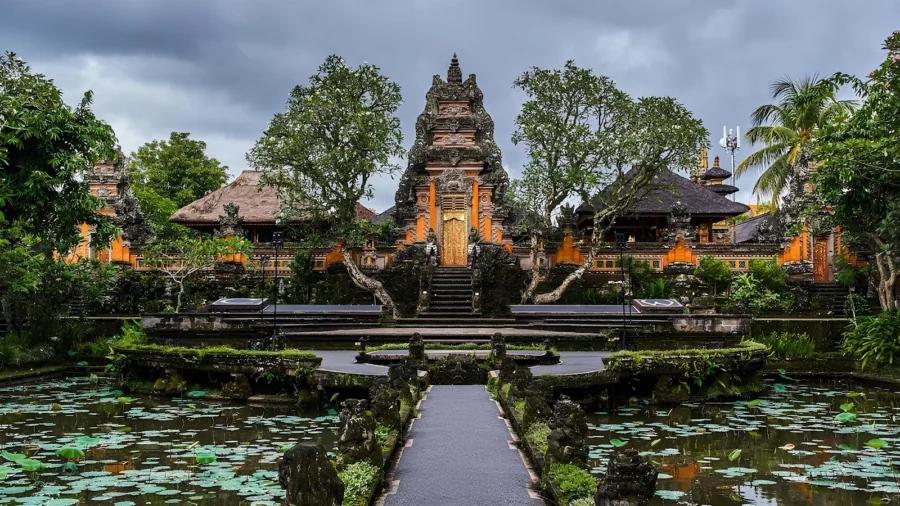
Central Ubud is the obvious pick for first-timers. You can walk to Ubud Palace, Saraswati Temple, and the lively Ubud Art Market. It’s the place for easy access to restaurants, coffee shops, and shopping—no scooter needed.
The catch? Traffic. Around Jl. Raya Ubud and Monkey Forest Road, cars and scooters crawl along, and it’s not exactly peaceful. Still, if you want choices and convenience, it’s hard to beat. You’ll find small hotels, family-run guesthouses, and mid-range spots that balance comfort with location.
A simple homestay might run under $40 with breakfast, while places like Kaamala Resort or Tejaprana Bisma add pools and jungle views just minutes away. Nights can be lively, mornings are quieter, and everything’s close.
| Pros | Cons |
|---|---|
| Walkable to main attractions | Traffic and noise |
| Tons of dining and cafes | Not many big resorts |
| Affordable options | Less scenic than outskirts |
Suweta & Tirta Tawar
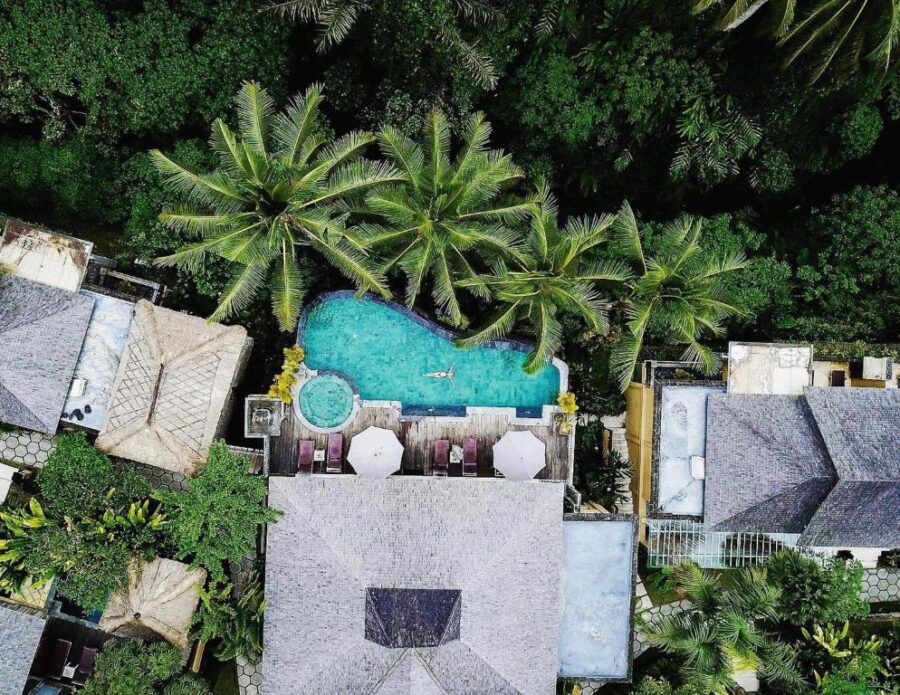
Head north from town and you hit Suweta and Tirta Tawar—two long, leafy roads with a slower pace. Here, it’s all banana trees, shrines, and frogs after dark.
Along Tirta Tawar, you wake up to mist and temple bells. Wi-Fi isn’t always perfect, but the calm is hard to match. Most places are boutique resorts or villas with open-air bathrooms and infinity pools. Wapa di Ume and The Udaya are solid picks if you want style without losing that local feel. You’ll need a scooter or to use hotel shuttles, but the trade-off is worth it if you want nature plus comfort.
Kedewatan & Sayan
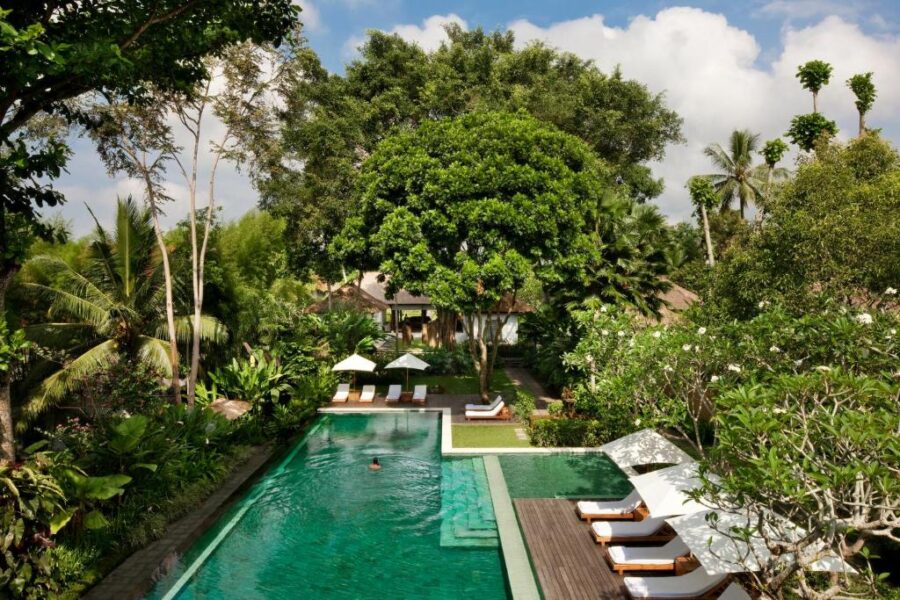
Dreaming of jungle valleys and river views? That’s Kedewatan and Sayan. These areas, west of central Ubud, are home to high-end resorts with all the extras.
Think COMO Uma Ubud or The Royal Pita Maha, both built around the Ayung River valley. Staff are usually on point, and the views from your villa are, honestly, hard to believe. It’s quiet—ideal if you’re mostly staying on-site.
Expect on-site restaurants, yoga decks, and private pools. You won’t find walkable shops or cafes, but most hotels offer free shuttles into town. It’s pricier, but if you want real rest and those big green views, it’s worth it.
Penestanan
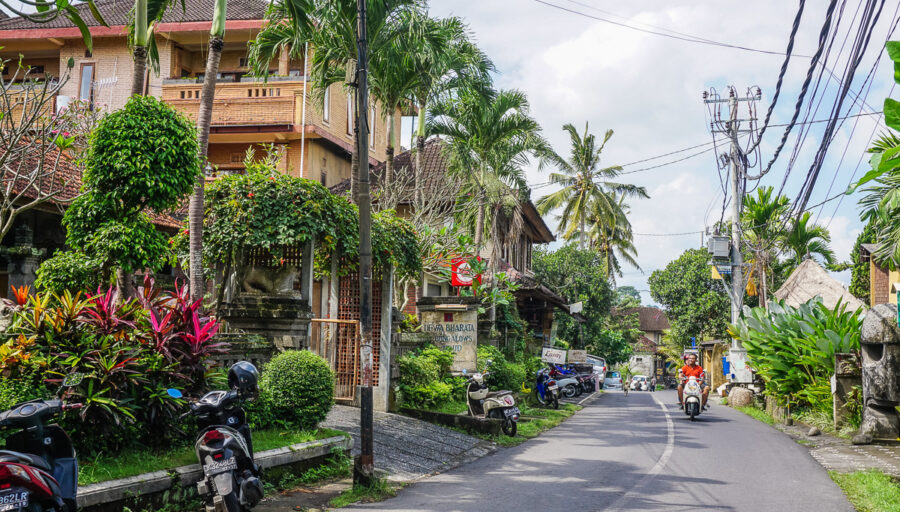
Go west from Ubud Town and you’ll reach Penestanan, a small village with a creative streak. It still feels local, but you’ll spot galleries, smoothie bars, and expat homes behind stone walls.
Penestanan works well for longer stays. It’s about a 15-minute walk to the center, but feels much calmer once you’re back among the rice fields. Morning walks to Alchemy Café, evenings with fireflies—there’s a nice rhythm here.
Accommodation ranges from basic guesthouses to compact villas with open kitchens. It attracts digital nomads and regulars more than short-term vacationers. If you like a slower pace and don’t mind the odd rooster, you’ll probably settle in fast.
Tegallalang
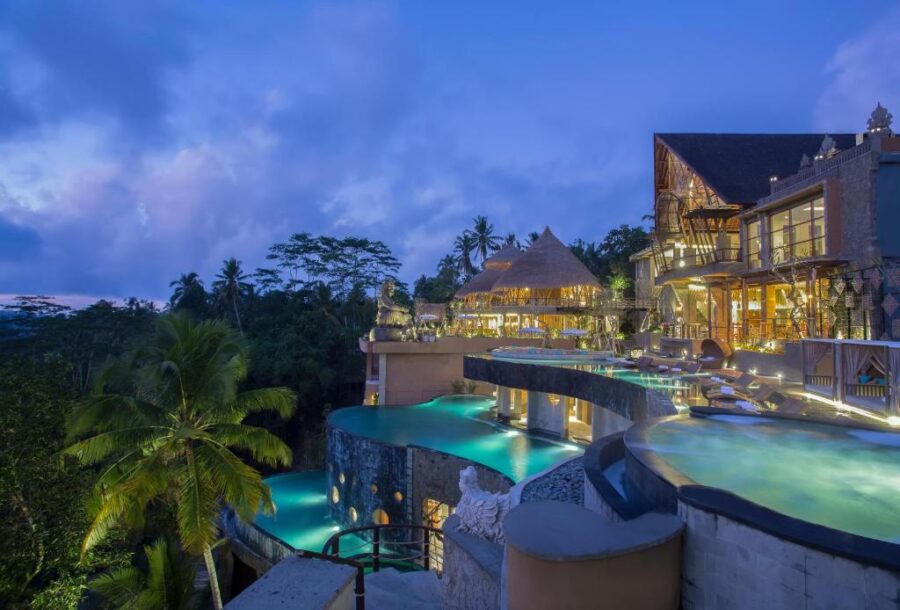
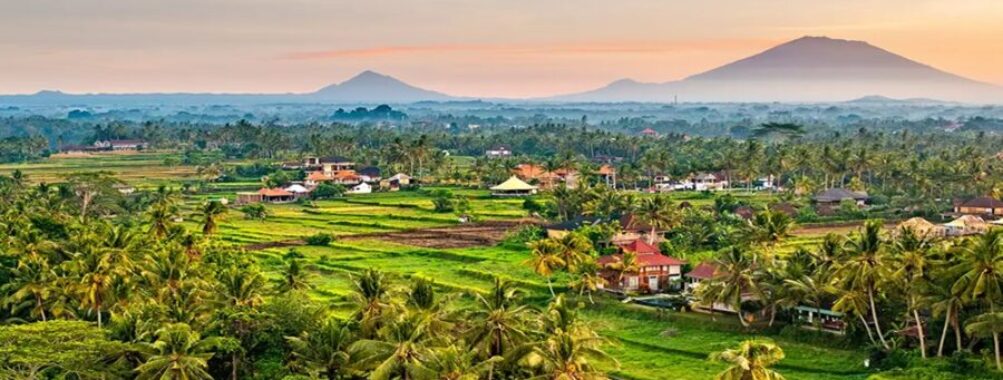
Around 20 minutes north, Tegallalang is all about those famous rice terraces. You’ve seen the photos—the green steps stretching on and on. Staying here means you’re away from town, but the nature is next level.
Resorts like The Kayon Jungle Resort or hillside villas have big views and plenty of privacy. Some spots have those Instagram swings or nets over the valley (fun for a photo, not for a nap). Evenings are quiet, with just insects and the occasional motorbike. Bring your own transport if you can, but it’s perfect for slow mornings and sunrise terrace walks.
Tirta Empul & Bedulu
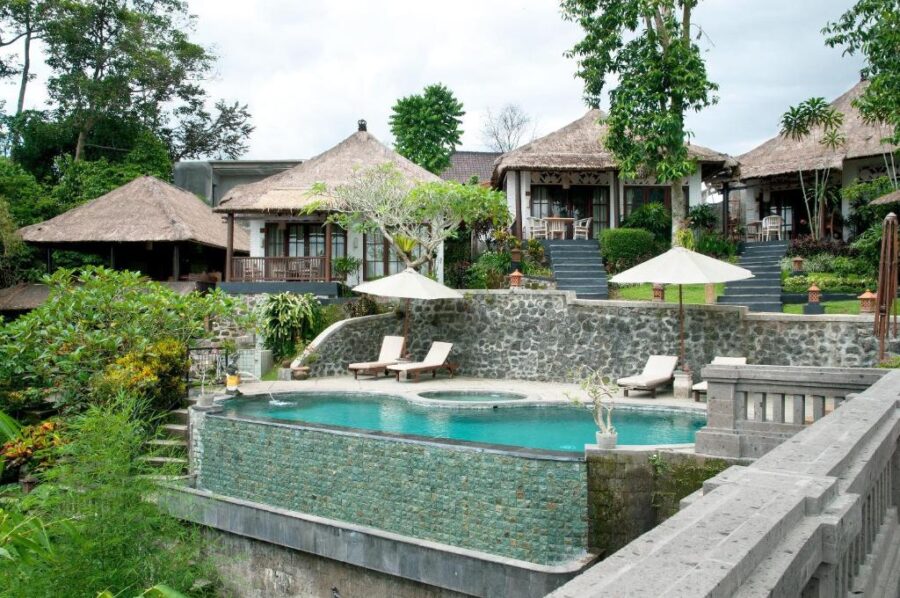
East of Ubud, Bedulu is home to Goa Gajah (the Elephant Cave) and not far from Tirta Empul Temple, Bali’s water purification site. It’s humble and green, with farmhouses, small temples, and lots of nature.
Stays here are limited but good value. Ubud Dedari Villas and The Wakanda Resort both offer comfortable rooms with jungle views at reasonable prices. You’ll need a scooter or car to reach central Ubud, but if you want tradition, space, and quiet, this area delivers that old-school Bali feel.
Choosing Between Ubud Town and the Outskirts
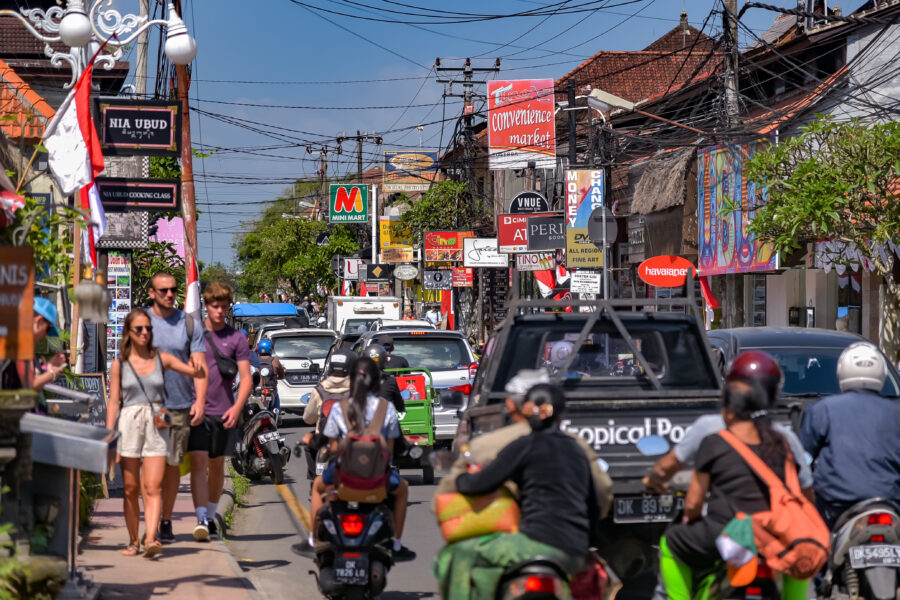
Ubud Town puts you close to the action; the outskirts give you space and cleaner air. Your pick depends on how you want to get around and what kind of atmosphere you like.
Walkability and Access to Attractions
If you want to walk everywhere, Ubud Town is the clear winner. Jl. Raya Ubud links you to Ubud Palace, Ubud Art Market, and the Campuhan Ridge Walk within minutes. Grab a smoothie bowl, check out a gallery, and be back before the rain starts.
Getting around is easy without a scooter. You can wander from café to café, and the Sacred Monkey Forest is a short walk south in Padangtegal. But, the center gets noisy, especially near the market. Streets are tight and crowded, and traffic can be slow. If you crave quiet, the constant scooters might wear on you.
| Best for | Type of Traveler |
|---|---|
| Walkability | Short-stay guests, first-timers |
| Easy access to sights | No-scooter travelers |
| City buzz | Folks who like a busy vibe |
Tranquility and Nature
The outskirts—think Suweta, Tirta Tawar, Sayan—offer a different pace. You’ll wake up to geckos, not engines. Balcony views are more likely to be jungle or rice fields than rooftops.
In Sayan, sipping coffee as mist rises over the trees, time really does feel slower. Resorts here often have open-air spas, outdoor showers, and private plunge pools with valley views.
The trade-off? Less convenience. Most nearby cafes close early, and you can’t just run out for a snack. Still, if you want calm after sightseeing or need a remote work setup with a view, these areas are hard to beat.
| Best for | Type of Traveler |
|---|---|
| Privacy and rest | Couples, honeymooners |
| Nature immersion | Wellness/retreat travelers |
| Peace and quiet | Long-stay guests, remote workers |
Commuting and Transport Options
How you get around matters. In Ubud Town, walking and short scooter taxis (via Gojek) are easy. Parking is tight, and traffic jams up near the Ubud Market and palace.
Outskirts hotels usually run shuttles into town at set times. Some offer free drop-offs. If you’re up for riding a scooter, it’s the simplest way—cheap rentals are everywhere. Just take it slow on the narrow, twisty roads, especially after dark.
Driving yourself is fine if you plan day trips to temples or waterfalls. But what looks like a quick drive on a map can take double the time in real life. The upside? Each trip through those green valleys is a reminder you’re not in any old town.
Types of Accommodation in Ubud
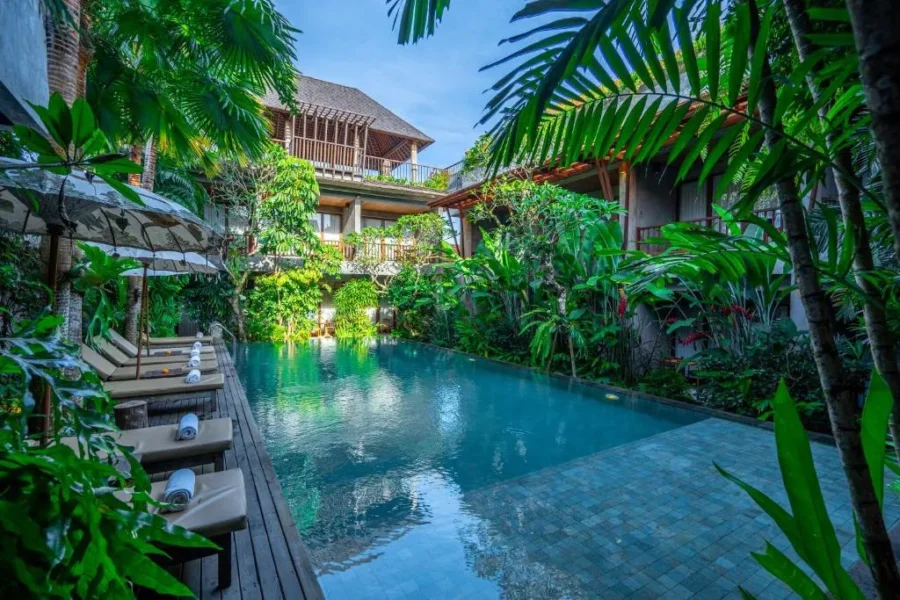
Ubud covers everything from luxury jungle resorts to bamboo cottages. You can go for comfort, privacy, or a close-up with nature—it’s all here, and prices are generally better than Bali’s beach towns.
Hotels and Resorts
Hotels in Ubud range from simple inns to luxury resorts tucked into valleys and rice fields. If you want on-site spas, restaurants, or infinity pools, a hotel or resort is the way to go. Central hotels are close to shops and cafes, while places like Como Uma or The Royal Pita Maha sit quietly west of town with big jungle views.
Most resorts offer plenty of on-site activities and shuttles, which saves you the headache of Bali traffic. You’ll find many Ubud hotels on Booking.com and other travel sites with flexible rates. Larger places book up fast in dry season, so plan ahead if you want something specific.
Private Villas
If you value space and quiet, Ubud villas are a great call. Think hillside homes with private pools, open-air lounges, and rice field views. Some come with breakfast cooked by staff, others are self-catered.
Most villas sit outside the center, so having a scooter or arranging a driver makes life easier. I once stayed in a Tegallalang villa tucked down a narrow lane—isolated, but with gamelan music drifting in at night. It felt uniquely Balinese.
Families and small groups like villas since they’re often cheaper per person than booking multiple hotel rooms, plus you get that relaxed “home” feeling hotels can’t quite match.
Boutique Guesthouses
Boutique guesthouses fill the gap between homestays and hotels. Small, often family-run, and decorated with local touches, they offer a personal connection. Someone might remember your coffee order by day two.
Options like Satya House (in town) or smaller spots on Jalan Bisma give you comfort and warmth at decent rates. Breakfast on the terrace—think banana pancakes and tropical fruit—feels like part of the trip.
You won’t get a gym or fancy spa, but the charm and character are worth it. Many travelers use these as a base for exploring, then spend afternoons wandering back streets lined with local studios.
Eco-Lodges & Retreats
Ubud’s eco-lodges and wellness retreats cluster around the edges of town—think bamboo groves, creeks, and a slower pace. These eco resorts keep things simple: recycled materials, organic gardens, and solar panels instead of showy amenities. You’ll see yoga mats rolled out at sunrise, not pool floats and speakers.
I once stayed near Suweta Road, where the outdoor showers were framed by banana leaves. Not exactly glamorous, but waking up to roosters and misty rice fields? Honestly, it’s a better alarm clock than anything digital.
Eco-lodges usually cost a bit more upfront, but most include meals, classes, and airport transfers, so the value adds up. If you care about sustainability or just want to slow down, this kind of Ubud accommodation lets you actually rest.
Best Luxury Resorts and Hotels in Ubud
Ubud’s luxury stays serve up deep comfort with a strong sense of place. You’ll get jungle settings, refined design, and service that feels personal but never stiff. There are sprawling resorts with every facility, boutique hotels full of warmth, and private villas for when you want to disappear for a while.
Iconic Luxury Resorts
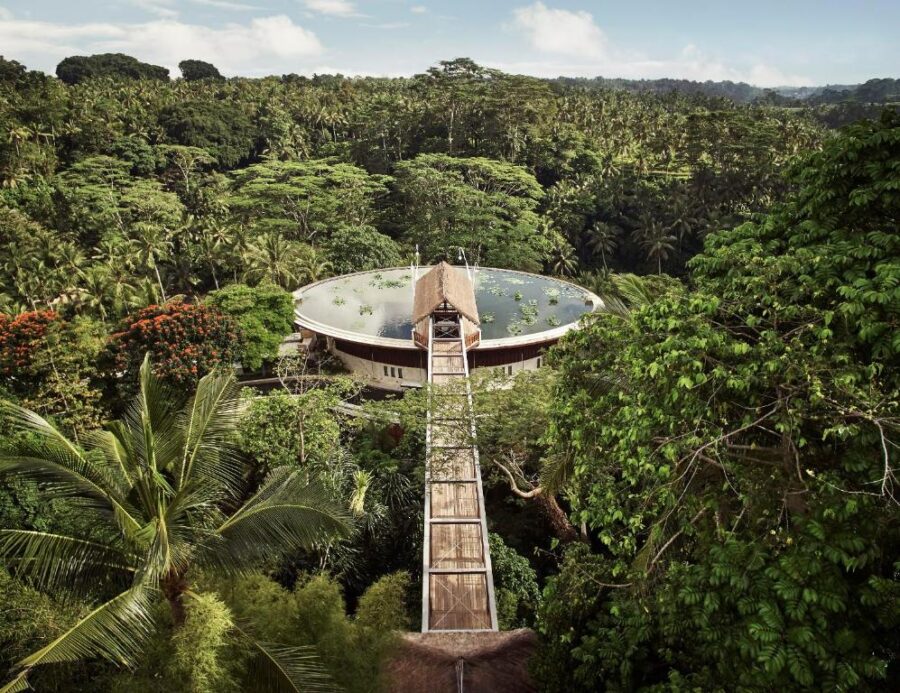
Four Seasons Resort Bali at Sayan stands out—curved wooden buildings hover over the Ayung River, flanked by rice terraces and jungle. Rooms come with private plunge pools and terraces for those misty valley mornings.
Viceroy Bali sits just outside town, perched above the so-called Valley of the Kings. Their team remembers your preferences after a single visit. Apéritif, the on-site restaurant, offers some of the island’s best fine dining.
COMO Shambhala Estate leans hard into wellness. It’s not all massages and yoga—wellness consultants actually guide your meals and treatments. If you crave calm, this is the spot. Maya Ubud Resort & Spa brings a livelier mood, surrounded by rainforest but still within easy reach of shops and cafés.
| Resort | Highlight | Distance from Central Ubud |
|---|---|---|
| Four Seasons Resort Bali at Sayan | River-edge villas and top-tier spa | 10 min |
| Viceroy Bali | Gourmet dining and valley views | 5 min |
| COMO Shambhala Estate | Full wellness programs | 15 min |
| Maya Ubud Resort & Spa | Large property near shops | 7 min |
Boutique Luxury Hotels
These smaller hotels have a lot of personality and thoughtful touches. Bisma Eight blends Japanese and Balinese design, with a rooftop restaurant that’s quiet at night and has a great view. Komaneka at Bisma is more traditional, filled with local art and lush gardens.
If you want greenery without feeling cut off, Alila Ubud hits the mark. Its infinity pool overlooking the jungle ridge is all over Instagram, but it rarely feels crowded. Tejaprana Bisma goes creative with handcrafted interiors and private plunge tubs facing the trees.
Udaya Resort and Spa gets high marks for its natural stone décor and open-air spa. It’s polished, not pretentious. You get comfort and style, but none of the stiff formality that sometimes creeps into luxury hotels.
Luxury Villas with Private Pools
If privacy tops your list, Ubud’s villa resorts deliver. The Kayon Jungle Resort and The Kayon Valley Resort both offer sweeping forest views, with each villa tucked away for quiet mornings and coffee. The design balances modern comforts with Balinese touches—lots of wood, stone, and open air.
Royal Kamuela Villas keeps you close to central Ubud, but every guest gets their own little world with a private plunge pool just steps from Monkey Forest. It’s hard to go back to regular hotels after that.
Adiwana Resort Jembawan focuses on wellness in a setting that feels homey. Villas have understated elegance, and Monkey Forest Road is right there for when you want to step out.
For something more budget-friendly, Tegal Sari Accommodation offers spacious villas overlooking rice fields at a gentle price, proving you don’t need a big brand for privacy and comfort. Each villa has its own vibe—choose between meditative calm or a base near cafés and galleries.
Unique Neighborhoods and What They Offer
Ubud’s neighborhoods each set a different tone—busy streets with shops and food stalls, or peaceful hideaways among rice terraces and rivers. Where you stay changes how you experience the town, how you get around, and even what kind of quiet (or buzz) you’ll find at night.
Monkey Forest Road
Monkey Forest Road cuts through the heart of Ubud. Cafés, boutique hotels, and art studios line the street, and you can walk almost everywhere—handy if you’d rather skip taxis or scooters.
The Sacred Monkey Forest Sanctuary draws the crowds. Long-tailed macaques leap through banyan trees, and sometimes get a little too bold. If you stay nearby, you can visit early before the crowds and catch the forest waking up.
The area buzzes with energy and convenience. Guesthouses hide behind small gates, often with Balinese decor—carved doors, open-air bathrooms, quiet courtyards. Noise can carry at night, though. If you’re a light sleeper, try a spot a bit off the main drag.
Rice Terraces & Tegalalang
Head north and you’ll hit the Tegalalang Rice Terraces. Life slows down here. Stepped fields roll out like green waves, and mornings start with farmers working in the paddies.
This area is for you if you want space and a view. Most places are small villas or eco-retreats perched along the ridges. Expect misty mornings and breakfast with mountain air. Prices range from modest huts to upscale villas with infinity pools.
I once stayed at a homestay where the family handed out coconuts from their garden. Simple and sweet. Wi-Fi wasn’t perfect, but honestly, that’s part of the charm. Here, you slow down and really see what’s around you.
| Type of Stay | Average Cost (approx.) | Atmosphere |
|---|---|---|
| Homestay | €40–€70/night | Quiet, local vibe |
| Boutique Villa | €100–€250/night | Luxury with rural charm |
Ayung River Area
The Ayung River area, west of town, feels hidden away. Here, you’re in the thick of nature—river winding through steep jungle valleys, high-end resorts and villas tucked out of sight.
You can go white-water rafting, cross hanging bridges, or just sit on a terrace listening to the river echo through the canyon. It’s peaceful but not totally remote. Most hotels run shuttles into Ubud if you want to shop or eat out.
What stands out is the balance—it’s wild, but still comfortable. Many places mix Balinese decor with modern design: bamboo roofs, stone baths, and big open decks over the jungle. It’s a good pick if you want privacy without giving up comfort.
Dining, Wellness, and Cultural Attractions Near Popular Stays
Ubud puts you close to Bali’s best dining, markets, ancient temples, and quiet corners for reflection. You can sip a coconut on a terrace, then wander to centuries-old carvings in under ten minutes. That blend of calm and energy is what makes Ubud tick.
Ubud’s Best Restaurants
Ubud’s food scene focuses on local ingredients. Most warungs serve dishes that are fresh and honest. I always go for nasi campur at a tiny café off the main street—nothing fancy, just good and cheap. For something more upscale, Locavore and Hujan Locale rework Balinese classics with produce from nearby farms.
Looking for healthy options? Smoothie bowls and raw desserts fill the menus at cafés near Yoga Barn—ideal after a class or a stroll in the paddies. For a splurge, Kubu at Mandapa offers tasting menus with river views that are worth lingering over. Some tours and attractions even combine food stops with cultural visits.
Shopping and Markets
Don’t skip the Ubud Traditional Art Market. It’s a little chaotic—woven bags, batik scarves, wood masks everywhere—but that’s half the fun. Bargaining is the norm, and vendors expect a bit of back-and-forth.
Side streets hide calmer boutiques selling handmade jewelry, sustainable clothes, and ceramics from nearby villages. Early morning is best at Ubud Market—locals buy offerings and flowers, and you get a glimpse of daily life before the crowds. Walk north and you’ll stumble on galleries where young Balinese artists are shaking up tradition.
Local Temples & Art Sites
A handful of temples stand out for both beauty and easy access. Saraswati Temple is just off the main street, with a lotus pond and detailed stonework. It’s free, peaceful, and a favorite photo spot at dusk.
A short drive away, Elephant Cave (Goa Gajah) features mossy carvings and meditation chambers from the 9th century. It feels alive—incense in the air, water trickling from fountains. For deeper dives, tours and activities with local guides add context and easy transport. These sites connect Ubud’s calm with its spiritual roots, showing how art and faith still shape daily life.
Frequently Asked Questions
Where you sleep in Ubud really shapes your Bali experience. Some areas feel peaceful and remote, wrapped in rice terraces. Others sit in the middle of the action, close to shops and temples. Some neighborhoods balance both, offering quiet nights but easy trips to town during the day.
What are the top family-friendly accommodations in Ubud?
For families, space and convenience matter most. Resorts like The Udaya or Wapa di Ume in northern Ubud balance calm with easy access. Many have family suites, kid-friendly pools, and activities like Balinese cooking or yoga for kids.
Prefer to stay closer in? Kaamala Resort near Monkey Forest lets you walk to restaurants and markets, but still gives everyone room to relax.
As a first-time visitor, which neighborhood should I consider for my stay in Ubud?
If you’re new, stick with central Ubud. You can walk to Ubud Palace, the art market, and tons of cafés and galleries. Booking day trips or searching hotels and cars for quick getaways is easy.
If you want less noise and fewer crowds, Suweta or Tirta Tawar offer the same access with a lot more peace.
Can you recommend unique and less-known lodging options in Ubud?
If you’re after something off the radar, look into eco-villages like Stone House or Casa Pohon. These spots feature handcrafted bamboo rooms and quirky treehouse-style villas hidden in lush greenery. It’s not your usual hotel vibe—more like crashing in an artist’s retreat, in the best way.
You’ll probably trade away things like 24-hour room service or a quick stroll to town, but honestly, waking up to jungle sounds beats traffic any day.
Where in Ubud can I find the best private pool villas for a romantic getaway?
Kedewatan and Sayan deliver if you want both privacy and a view. Resorts such as COMO Uma and The Royal Pita Maha offer villas with private plunge pools that look out over river valleys.
There’s something about seeing sunrise over rice paddies, with cool morning air rising off your pool, that just hits different. It’s the Bali you picture: peaceful, green, and just far enough from the crowds to feel like your own world.
What are the pros and cons of staying within Ubud’s center versus its outskirts?
Staying in the center means you can walk to shops, temples, and restaurants. Super convenient, but you’ll hear motorbikes day and night, and rooms often run small. Parking’s a pain, too.
On the outskirts, you get more space, cleaner air, and those classic views that make you want to get up early. Downside? You’ll need a scooter or shuttle to reach the center. If you have time, try splitting your stay—sample the energy of the center, then unwind in the quieter edges. That way, you get the best of both worlds.
How does staying in Ubud compare to other destinations in Bali in terms of cultural experiences?
Ubud leans hard into art, wellness, and tradition. Culture isn’t just on display here—it’s part of daily life. You’ll wander through local markets, spot temple ceremonies, and stumble across dance performances or woodcarvers at work. The food’s unmistakably Balinese, with little pretense.
Unlike coastal spots like Canggu or Seminyak, Ubud moves at its own pace. It’s slower, more personal. You end up chatting with artists, maybe joining a purification ceremony, or watching someone carve a mask right outside a tiny workshop. Honestly, it feels more like Bali’s heart than its stage.