
Where to Stay in Blue Ridge Parkway: Best Areas & Top Hotels for Every Budget
Updated December 17, 2025
Picking where to stay along the Blue Ridge Parkway can get overwhelming—469 miles, dozens of towns, and so many cabins and hotels you could scroll for days. You want comfort, solid food nearby, and a view that makes you want to get up early.
But where you base yourself really does shape your trip. The best places to stay on the Blue Ridge Parkway cluster around Waynesboro, Roanoke, Blowing Rock, Asheville, and Cherokee—each spot giving you easy Parkway access and a range of hotels, cabins, and lodges for any budget.
Let’s cut through the chaos and get straight to which areas fit your travel style. Maybe you’re after mountain hikes, a cozy inn, or a pet‑friendly cabin. I’ve compared towns, lodging quality, and prices to help you plan in minutes—not hours.
Key Takeaways
- See the top towns for staying along the Blue Ridge Parkway
- Browse hand‑picked hotels, cabins, and unique lodges for every budget
- Quickly choose where to stay based on your trip goals
Table of Contents
- Best Areas to Stay Along the Blue Ridge Parkway
- Overview of Key Regions
- Comparing North Carolina and Virginia Stays
- Proximity to Popular Attractions
- Top Hotels and Lodges
- Historic Inns and Lodges
- Modern Hotels with Southern Hospitality
- Mountain Lodges with Scenic Views
- Charming Cabins and Cottages
- Private Mountain Cabins
- Romantic Honeymoon Cottages
- Log Cabin Escapes
- Best Campgrounds on the Parkway
- On-Parkway Campgrounds
- Family-Friendly Camping Options
- Amenities and Seasonal Access
- Luxury Resorts and Unique Stays
- Luxury Resorts with Mountain Views
- Inns with Hot Tub Amenities
- Motels and Budget-Friendly Accommodations
- Convenient Motels Near Main Route
- Affordable Inns in Key Towns
- Frequently Asked Questions
- What are some of the best-hidden gems for accommodations on the Blue Ridge Parkway?
- How can I find pet-friendly lodging along the Blue Ridge Parkway?
- Which towns along the Blue Ridge Parkway are ideal for an overnight stay?
- What unique lodging experiences are available near the Blue Ridge Parkway?
- For a comprehensive Blue Ridge Parkway trip, how many days are recommended to fully explore the area?
- What are the top rated hotels or inns close to the Asheville section of the Blue Ridge Parkway?
- Book Your Dream Experience
- More Travel Guides
Best Areas to Stay Along the Blue Ridge Parkway
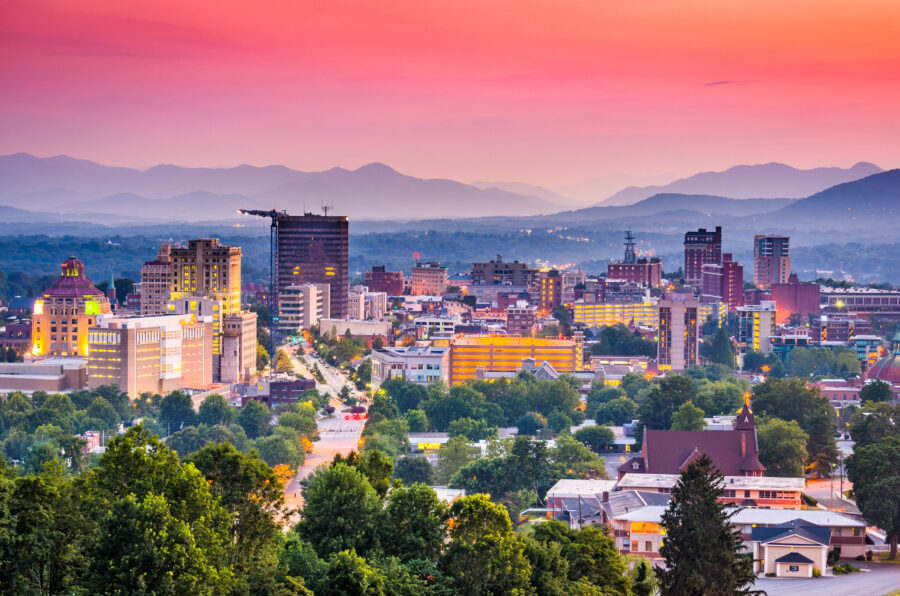
The best spots along the Blue Ridge Parkway really depend on what you want: quiet mountain cabins, classic B&Bs, or lively small towns with good food and hiking nearby. The scenery shifts a lot—from Virginia’s rolling farmland to North Carolina’s high peaks. Every region has its own pace and landscape.
Overview of Key Regions
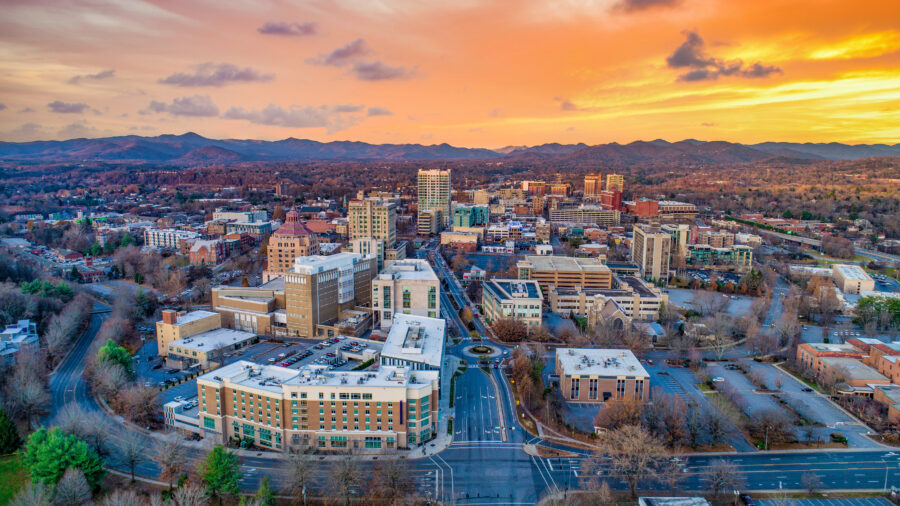
Starting up in Virginia, the Parkway connects to Skyline Drive near Waynesboro. Here, things feel more pastoral: vineyards, small inns, and farmland with the Blue Ridge Mountains as a backdrop. Waynesboro and Roanoke make solid bases if you like historic districts and easy trail access, like Humpback Rocks.
Head south, and North Carolina gets wilder. The mountains get taller around Blowing Rock, Asheville, and Cherokee, and the views stick with you.
Towns here have everything from boutique hotels to mountain cabins and a few full-on resorts. Asheville stands out for its artsy vibe, loads of breweries, and easy Parkway access at milepost 382.
If you’re driving for a few days (multi-day drive), staying in both states gives you a real mix—meadows one night, deep woods the next. Using a hotel search helps compare lodging right along your route.
Comparing North Carolina and Virginia Stays
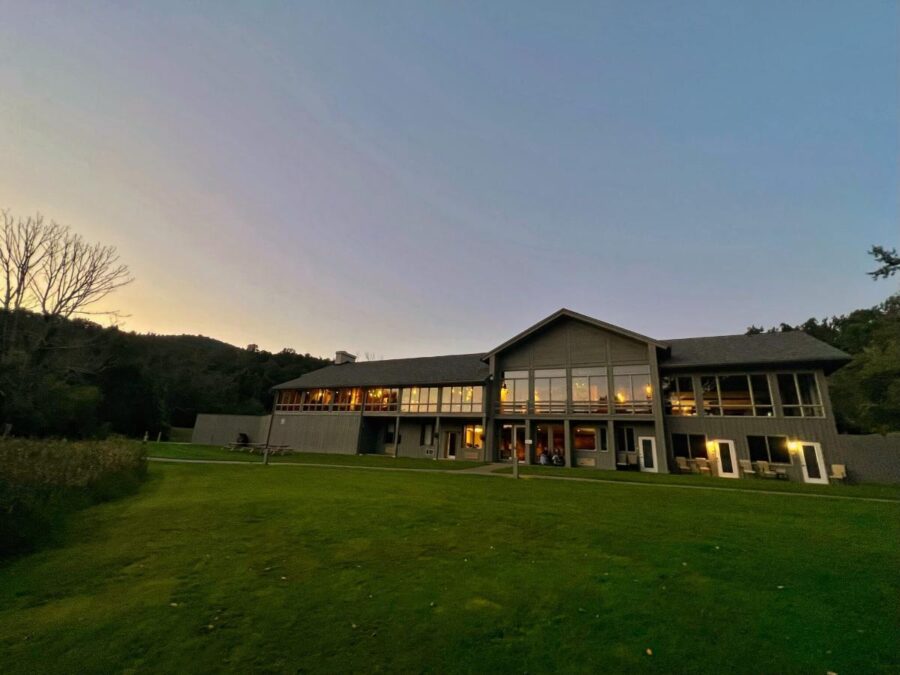
Virginia’s stretch of the Parkway usually feels quieter. Historic lodges like Peaks of Otter and small inns near Lexington attract people who want a slower pace and shorter hikes. The weather runs a bit cooler, and the landscape is all soft, rolling hills.
North Carolina’s side is more about adventure and culture. You’re close to Mount Mitchell—the tallest peak east of the Mississippi—and there’s always a trail, waterfall, or scenic drive into a small town. Asheville’s food scene is a real bonus if you want to turn your road trip into a culinary break.
Honestly, the contrast stands out: Virginia feels meditative, perfect for books and early mornings. North Carolina drags you outside. When I want mountain air and live music, Asheville wins.
Proximity to Popular Attractions
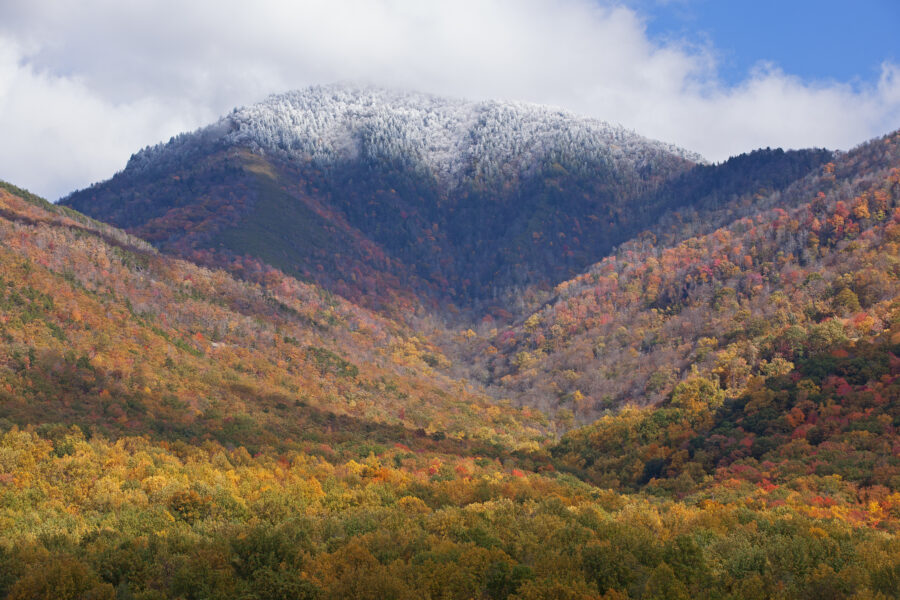
Location matters. The Parkway skips big towns on purpose, so staying a few miles off-route often puts you closer to restaurants and groceries.
Waynesboro sits right at the northern start, so it’s perfect if you’re connecting to Shenandoah National Park. Around Roanoke, you get viewpoints, the Mill Mountain Star, and family-friendly hikes.
Midway south, Blowing Rock is a crowd-pleaser. Moses Cone Memorial Park is minutes away, and several lodges overlook the valleys.
Asheville anchors the central Parkway, close to Craggy Gardens and Pisgah National Forest. Down near Cherokee, you’re on the doorstep of Great Smoky Mountains National Park—a fitting end to the trip.
If you’re booking more than one night, compare locations and drive times on Expedia. It lines up attractions and hotels in one go, so you spend less time planning and more time winding through mountain curves.
Top Hotels and Lodges
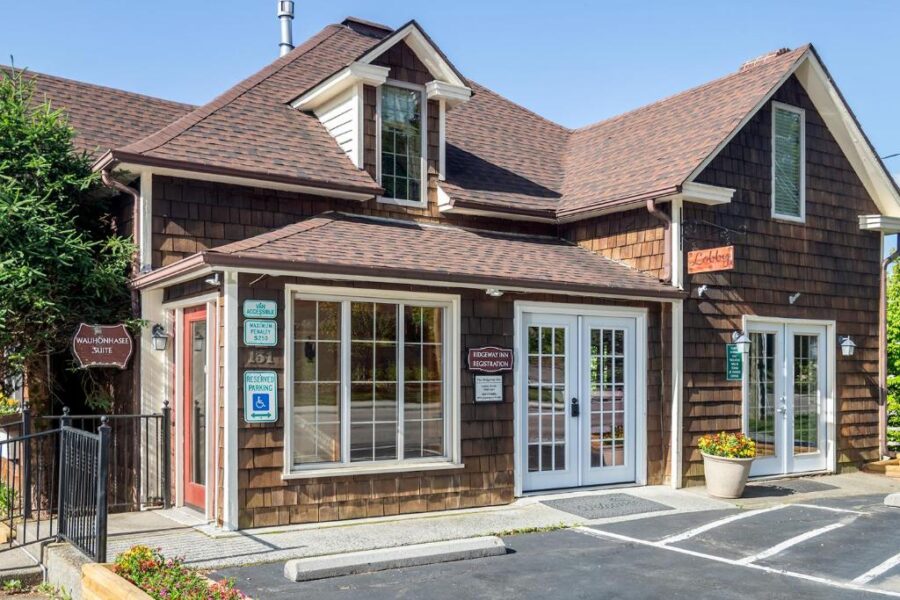
Along the Blue Ridge Parkway, you’ll find everything from storied old lodges to modern hotels with friendly staff and good coffee. Some perch right on the Parkway with epic views; others hide in nearby towns packed with character and great food.
Historic Inns and Lodges
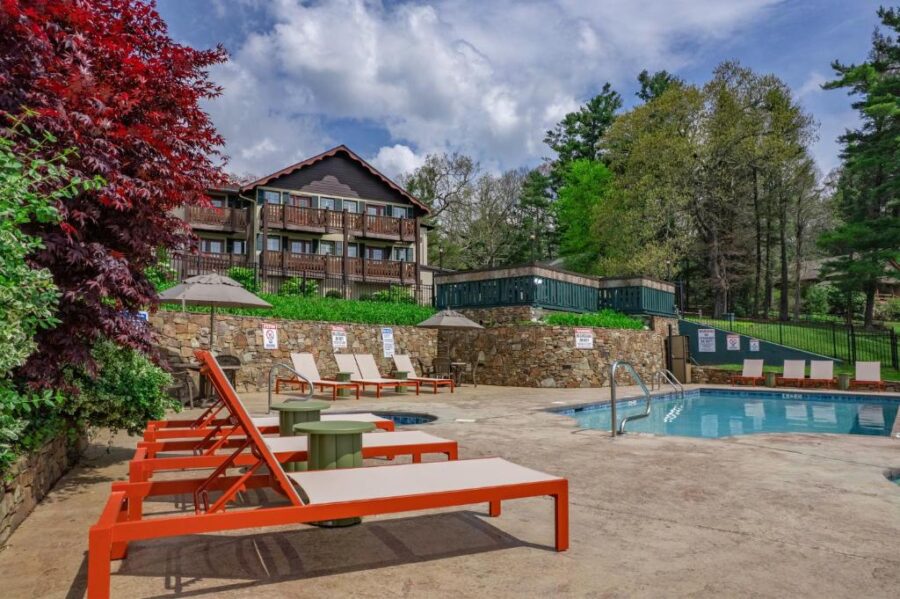
Historic inns along the Parkway feel like stepping back in time, but you still get the comforts you want. The Switzerland Inn in Little Switzerland, for example, has been around since the early 1900s—wraparound porches, mountain views, and a short drive to scenic overlooks.
In Blowing Rock, The Village Inns of Blowing Rock run several classic properties, including Ridgeway Inn and Hillwinds Inn, both within walking distance of shops and cafes. They keep the small-town feel alive and deliver warm hospitality.
Some historic hotels, like the Biltmore Estate in Asheville, turn your stay into a full experience. You can wander gardens, explore the mansion, and sleep in rooms that have been part of regional history for over a century. If you want to check prices or book, browse available lodges that still carry that vintage charm.
Modern Hotels with Southern Hospitality
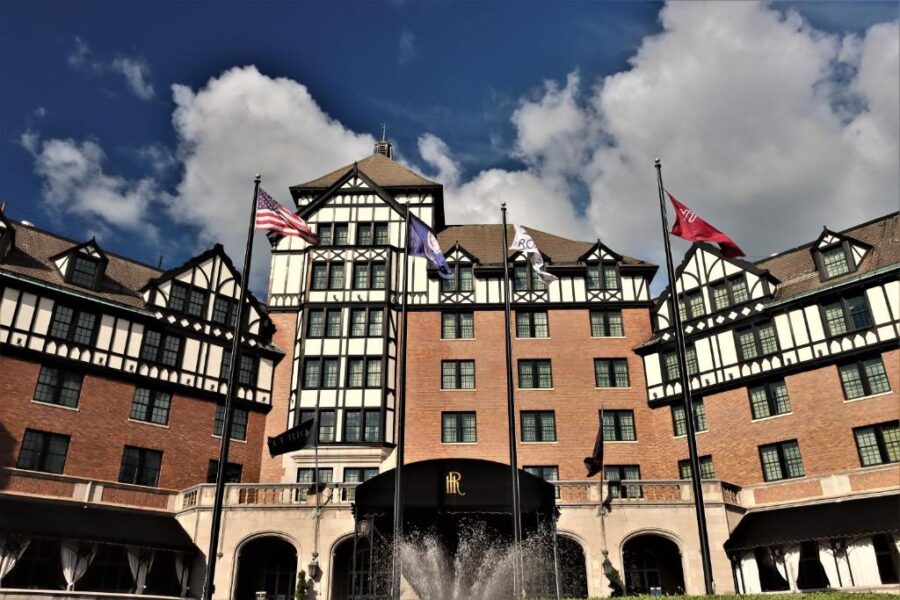
If you like things polished but personal, modern hotels like Hotel Roanoke and the Village Inn in Blowing Rock offer both. Expect fresh cookies in the lobby, staff who actually know the best trails, and tidy rooms with a view.
Plenty of newer hotels near the Parkway balance comfort and value. You’ll often get fitness centers, on-site dining, and reliable Wi-Fi—yes, even in the mountains. For a first-time Parkway trip, modern hotels make things easy since you can walk into town for dinner or a quick coffee.
What makes these places stick in your memory isn’t fancy service, but the genuine welcome. Locals at the front desk usually chat like you’re a neighbor, and you’ll probably leave with a list of insider tips.
Mountain Lodges with Scenic Views
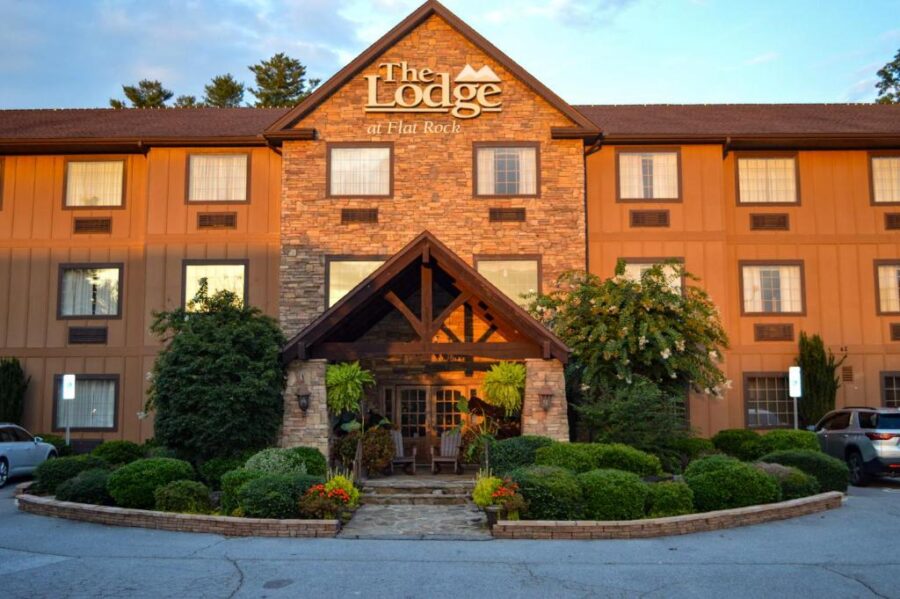
If you came for the views, mountain lodges are tough to beat. Many sit right on the Parkway, so you wake up to sunrise lookouts and quiet trails. The Mountain Lodge near Flat Rock and the Pisgah Inn near Canton both wrap you in forest views that never get old.
Rooms here usually have balconies or big windows facing the peaks. I’ve sat in those chairs with coffee, watching the fog roll over the mountains—honestly, it’s a hard memory to top. Some lodges have on-site dining, so you don’t have to drive those winding roads after dark.
Compared to downtown hotels, these places run quieter and feel more connected to nature. You’ll trade nightlife for peace, but when the stars come out over the Blue Ridge, you’ll be glad for that.
See Related: Where to Stay in Charleston: Best Areas & Hotels for Every Budget
Charming Cabins and Cottages
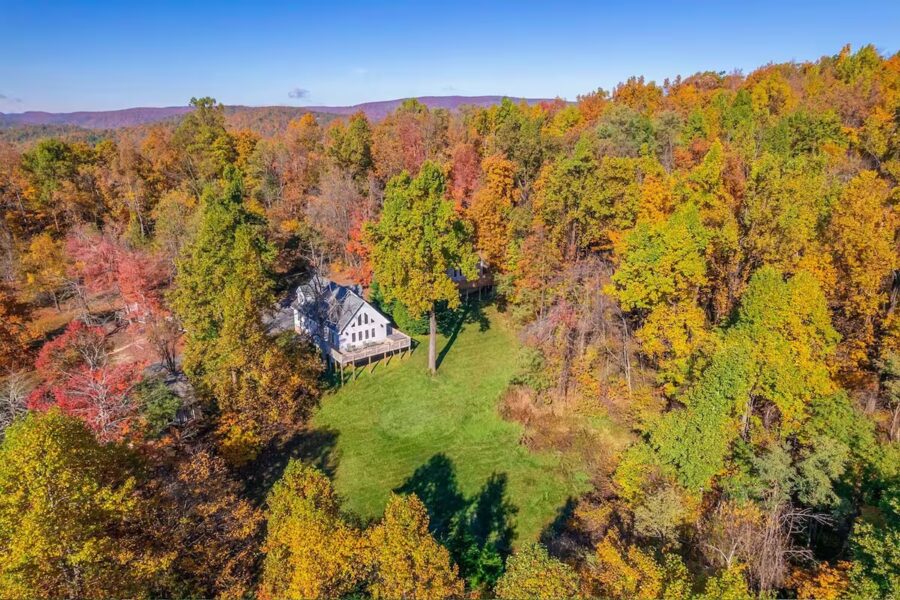
Staying on the Blue Ridge Parkway hits different when you wake up in a hand-built cabin instead of a chain hotel. You get quiet, views, and that simple comfort that only comes from being surrounded by trees, stone fireplaces, and crisp air. Many cabins sit close to scenic overlooks yet still feel private—sometimes you forget how close the road actually is.
Private Mountain Cabins
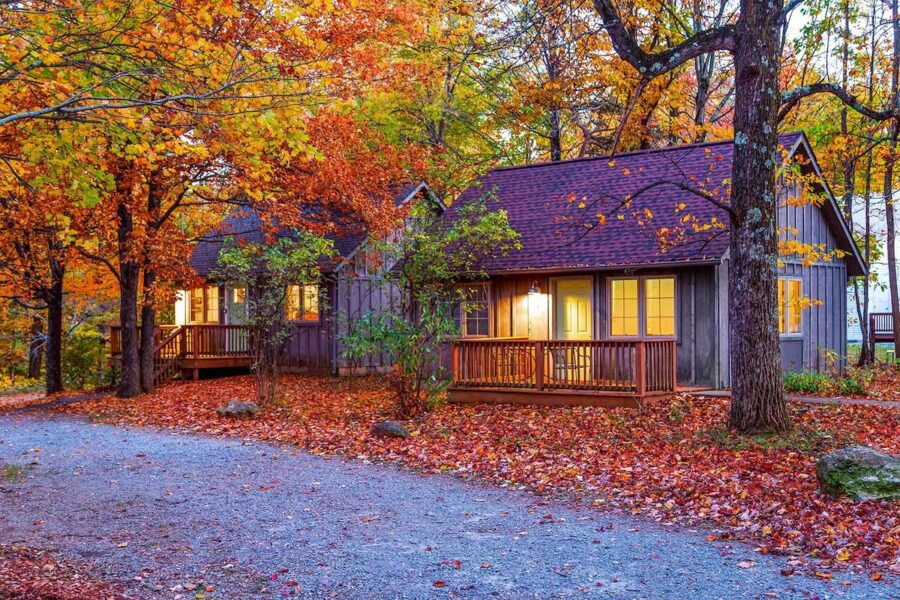
Private mountain cabins line both sides of the Parkway, from Virginia’s Shenandoah region down to North Carolina’s Pisgah forests. Some are just minutes off the road, like Cabin Creekwood near Waynesboro or the cottages at Love Ridge Mountain Lodging. They put you right at sunrise views and trailheads without losing convenience.
Most cabins here aren’t “luxury” in the shiny sense—they’re simple but thoughtful. Expect fireplaces, covered porches, full kitchens, and sometimes a hot tub under the stars. If you travel with kids or a dog, many places welcome both, which can be tricky near national parks.
A few nights in one of these quiet spots changes your trip’s whole pace. Cook your own breakfast, hike nearby, come back to grill on the deck. It’s slower travel—the kind that makes the Parkway more than just a drive.
Romantic Honeymoon Cottages
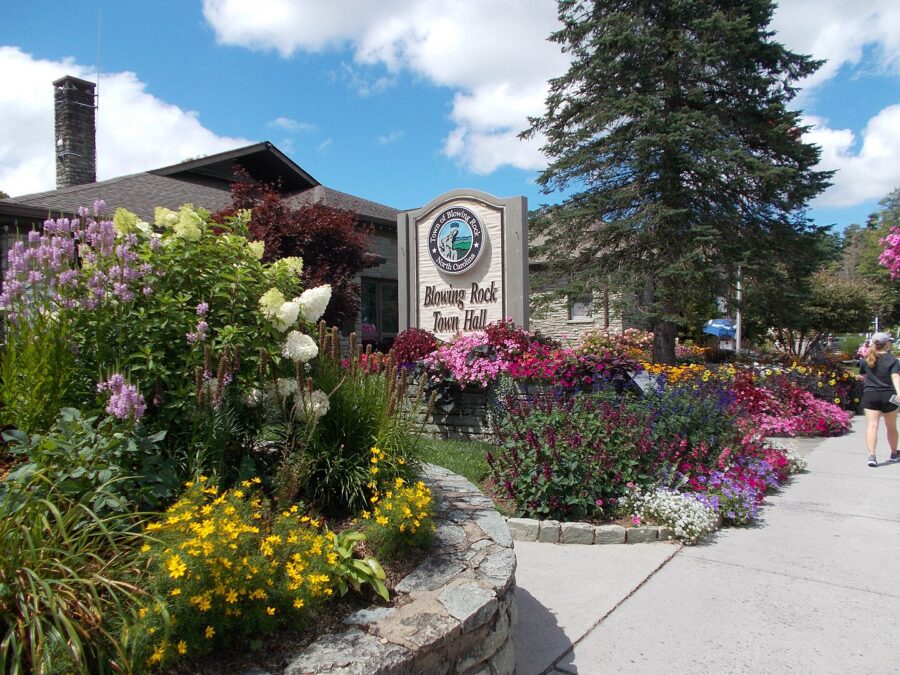
Up in the misty ridges around Asheville and Blowing Rock, you’ll find honeymoon cottages that focus on privacy and atmosphere over space. These are smaller, tailored for couples—one-bedroom layouts, soaking tubs, wraparound decks with mountain views. Some even add touches like wine on arrival or a basket of local pastries.
I once stayed in a stone cottage outside Weaverville that had no Wi-Fi but the brightest night sky. You could hear the creek out back as you sat by the fire. That’s the kind of romance people miss when they only plan for big attractions like Biltmore.
You’ll often find in these cottages:
| Feature | Common Description |
|---|---|
| View | Overlooks or forest edges |
| Amenities | Hot tubs, fireplaces, local art |
| Setting | Private trails or small gardens |
If you want quiet evenings and crisp mornings, one of these is worth the extra cost.
Log Cabin Escapes
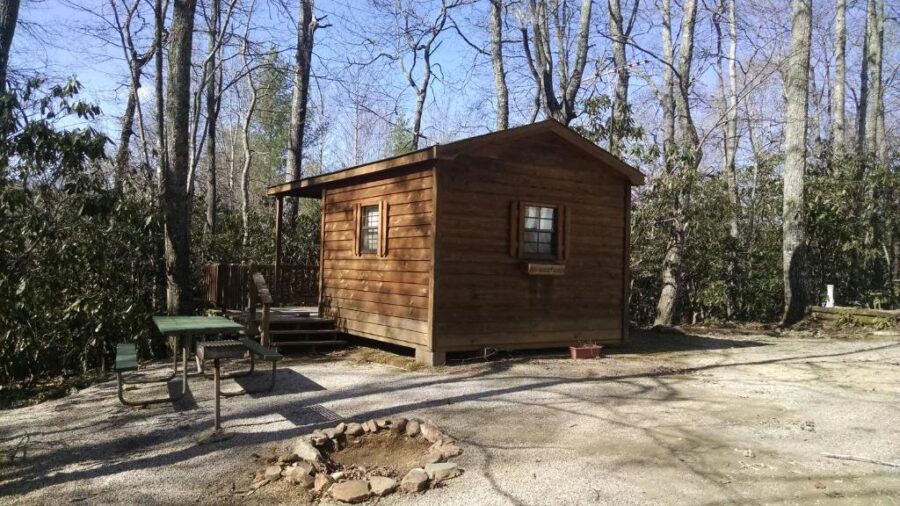
Traditional log cabins are a classic Parkway experience, especially around Little Switzerland, Linville Falls, and Maggie Valley. They keep that frontier look—timber walls, iron stoves, rocking chairs lining wide porches. Inside, most are updated with central heat, Wi-Fi, and streaming TVs.
These cabins are great for small groups or longer stays. The extra space helps on rainy days, especially when you can gather around the fireplace and watch fog drift through the pines. Some owners leave trail maps and local coffee beans on the counter—small touches that stick with you.
A few standout examples: the refurbished log homes at Mountain Springs Cabins near Asheville and rustic cabins at Explore Park in Virginia. You won’t get fancy service or crowds—just the quiet hum of the forest. Hard to beat after a long day on the Parkway.
Best Campgrounds on the Parkway
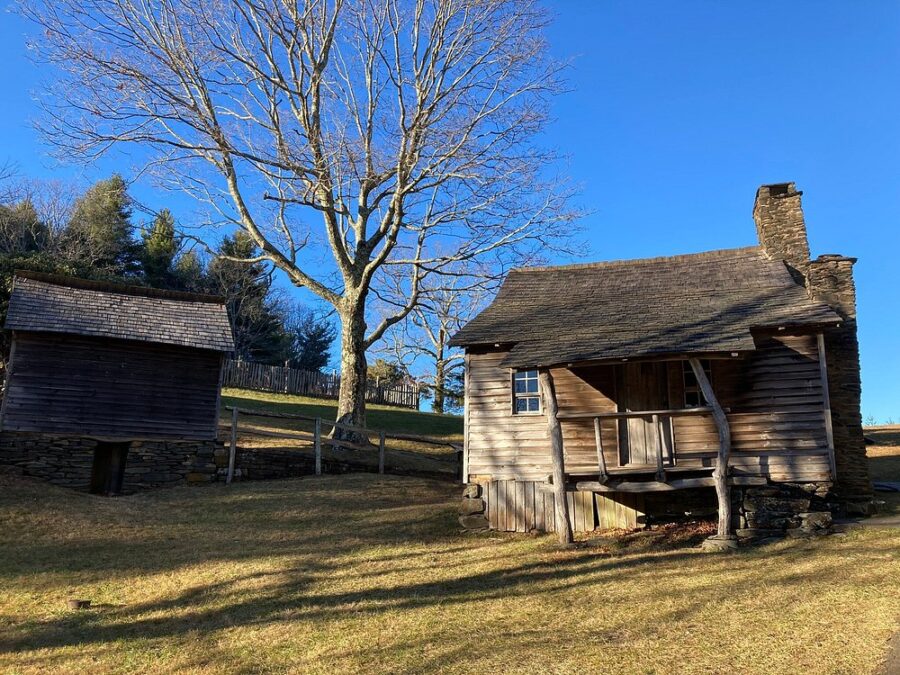
Camping along the Blue Ridge Parkway puts you right at scenic overlooks and hiking trails. You’ll find everything from simple tent spots to full-service family areas with showers, picnic shelters, and ranger programs, scattered across Virginia and North Carolina.
On-Parkway Campgrounds
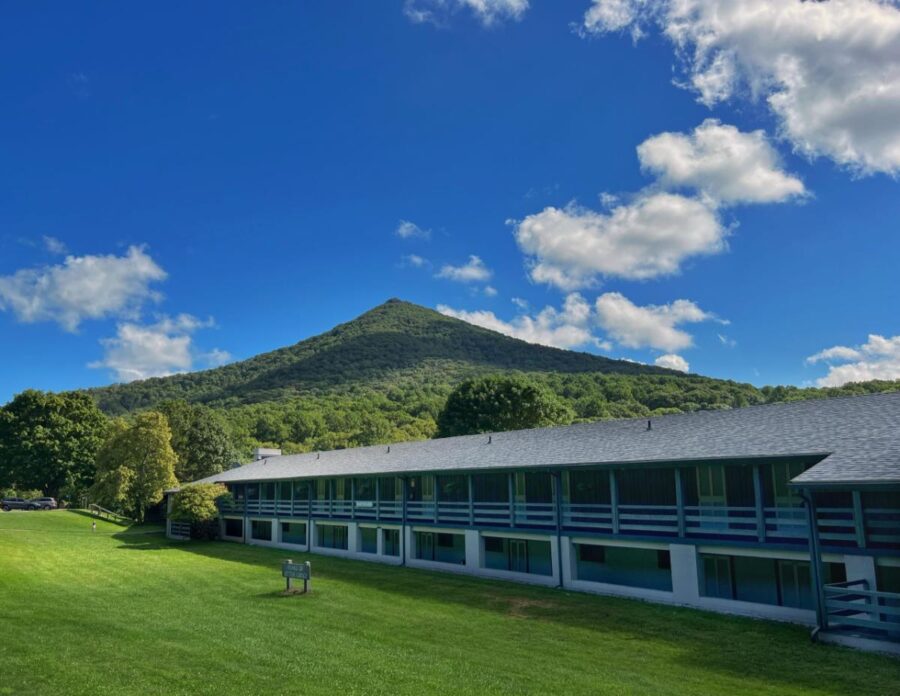
The Parkway itself has eight main National Park Service campgrounds along the route, from milepost 60 in Virginia to milepost 408 in North Carolina. These are Otter Creek, Peaks of Otter, Rocky Knob, Doughton Park, Julian Price, Linville Falls, Crabtree Falls, and Mount Pisgah. They’re set up for basic comfort, but you still feel close to the wilderness.
Peaks of Otter is especially peaceful in the morning, with birds calling over Abbot Lake. Each site usually has a fire ring, picnic table, and nearby restrooms. Most campgrounds are near short trails or waterfalls, so you can fill your day without even starting the car.
Here’s a quick look at popular mileposts:
| Campground | State | Milepost | Type |
|---|---|---|---|
| Otter Creek | VA | 60.8 | Tent & RV |
| Doughton Park | NC | 239.2 | Tent & RV |
| Julian Price | NC | 297 | Tent & RV |
| Mount Pisgah | NC | 408.8 | Tent & RV |
Family-Friendly Camping Options
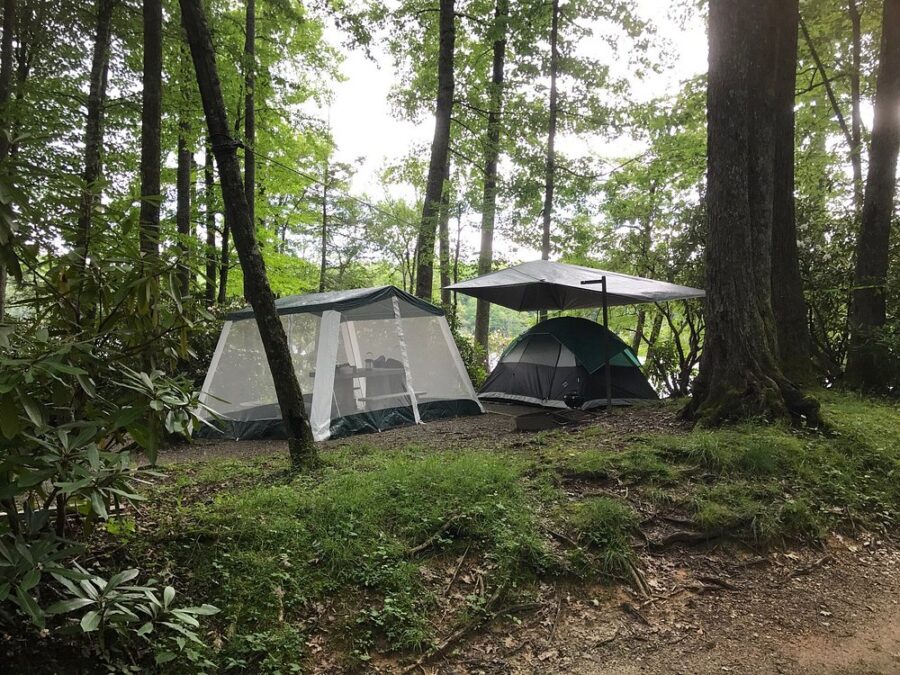
Some campgrounds work better for families or groups who want a few comforts. Julian Price Campground and Doughton Park both have easy lake access and flat ground—great for kids on bikes or short hikes. Mount Pisgah sits near a small camp store and the Pisgah Inn’s restaurant, which is handy on nights you’d rather skip the campfire cooking.
If you’re into activities, summer ranger talks run at some Virginia sites, like Peaks of Otter. I once watched one under the stars with a cup of cocoa—simple, but honestly, that’s the good stuff. Need more creature comforts? Check out nearby private parks like Explore Park in Virginia or Davidson River Campground in North Carolina. You’ll get showers and some hookups, but still keep that mountain vibe.
Amenities and Seasonal Access
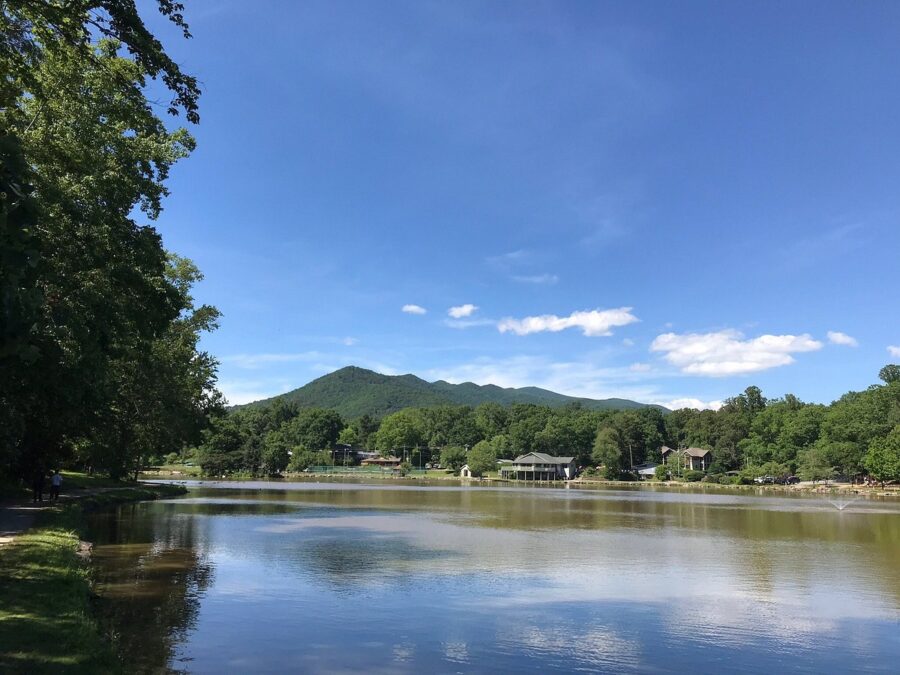
Every Parkway campground has potable water, restrooms, and picnic spots, but you won’t find electrical hookups or resort-style amenities. RVs are welcome at most sites, but check length limits for bigger rigs.
Parkway campgrounds open May through October. In winter, many roads close due to ice, but off-parkway spots like Black Mountain or Toe River Campground usually stay open a bit longer.
Bring cash or a check for fees—some unmanned sites can’t process cards. Cell service is spotty along the ridges, so download your maps ahead of time. That little prep can spare you a lot of wandering when the fog comes in.
See Related: The Top Vacation Spot in the World: Discover the Ultimate Destination
Luxury Resorts and Unique Stays
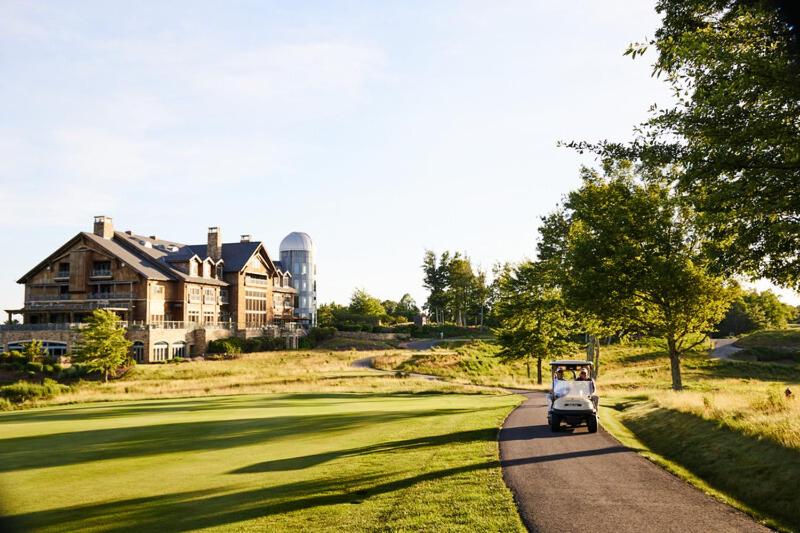
Where you stay on the Blue Ridge Parkway can really shape your trip. Some places put you right in the lap of comfort with mountain views you’ll want to wake up early for. Others offer an intimate inn vibe—think private hot tubs and quiet decks for stargazing.
Luxury Resorts with Mountain Views
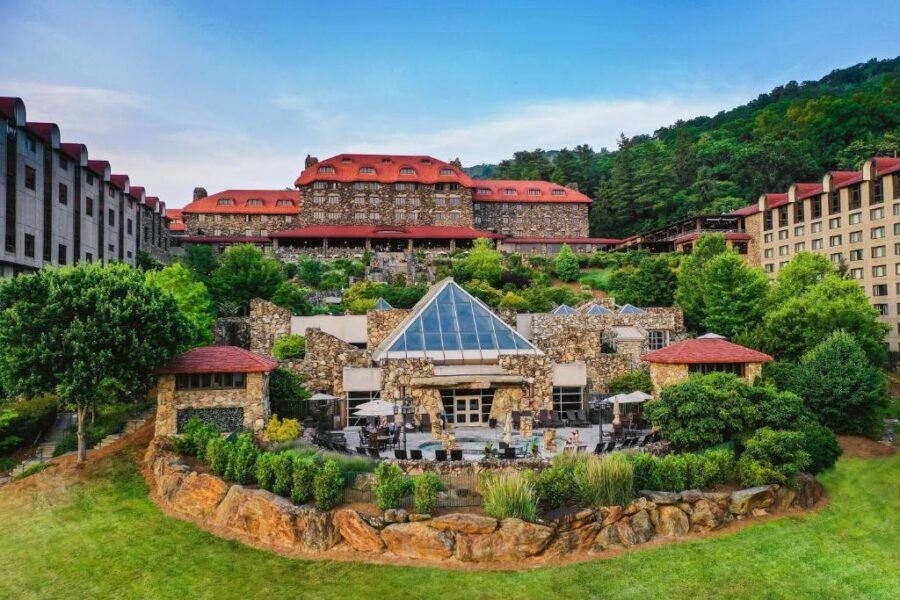
If you’re after a resort that blends comfort and scenery, The Omni Grove Park Inn in Asheville is a standout. Its stone terraces overlook the Blue Ridge Mountains, and there’s nothing quite like morning coffee watching fog drift through the valleys. You get fine dining, a hillside spa, and golf if you want it.
Primland Resort in Virginia brings a different flavor. It’s a mountain lodge meets sleek luxury—private observatory, off-road trails, suites with glass walls. The views stretch on forever, especially at dusk when the ridges turn blue.
For a cozier feel without losing out on service, Chetola Resort at Blowing Rock offers lakefront rooms and quick Parkway access. You can fish in the morning, dress up for dinner, and never have to drive far.
| Resort | Location | Notable Feature |
|---|---|---|
| Omni Grove Park Inn | Asheville, NC | Historic resort spa with panoramic mountain views |
| Primland Resort | Meadows of Dan, VA | Private observatory and luxury lodge setting |
| Chetola Resort | Blowing Rock, NC | Lakefront rooms and outdoor recreation |
Inns with Hot Tub Amenities
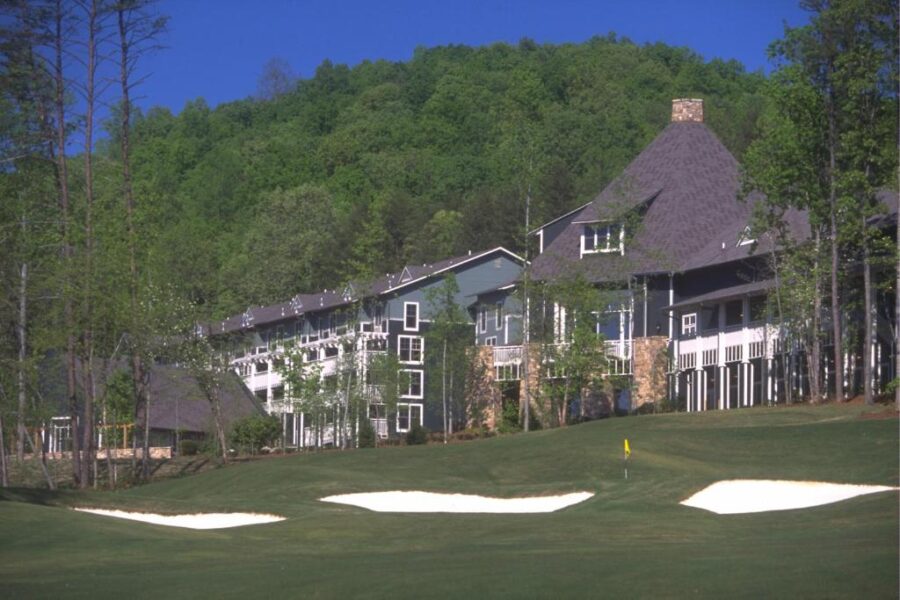
After a day of hiking, a private hot tub just feels right. Brasstown Valley Resort & Spa in Georgia has cottages with whirlpool tubs and wood-burning fireplaces. There’s an on-site spa, too, in case you want to go all-in on relaxation.
For something quieter, Lakeview at Fontana Inn near Bryson City features treetop soaking cabanas—semi-open-air tubs perched above the forest. No TVs, not much staff around, but the peace is kind of the point.
Plenty of smaller, rustic inns near Floyd, VA or Little Switzerland, NC, add outdoor hot tubs behind decks or along creeks. Ask ahead—some limit hot tub access to certain rooms, and they fill up fast during peak fall colors.
Motels and Budget-Friendly Accommodations
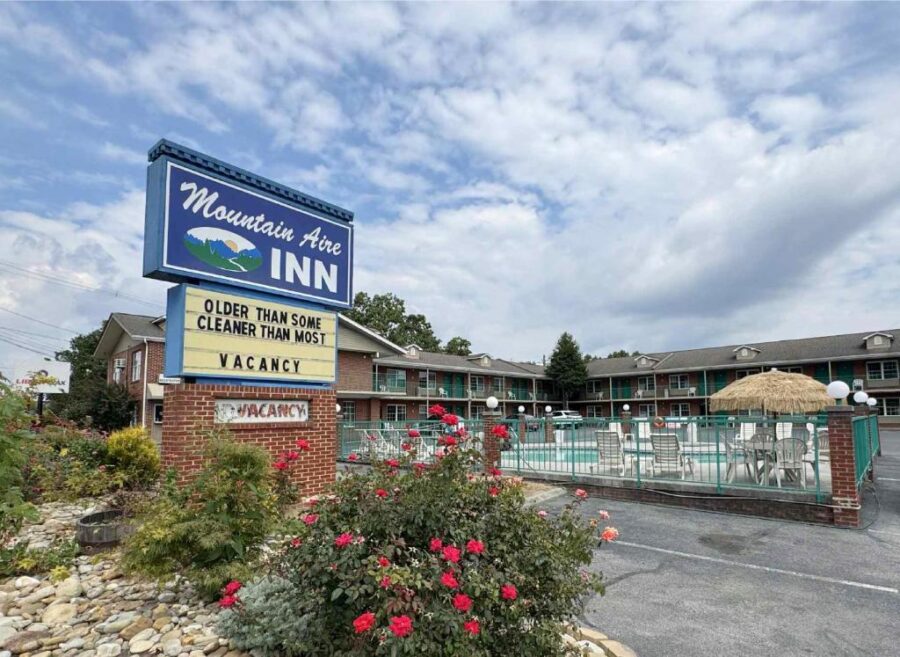
Staying affordably along the Blue Ridge Parkway doesn’t mean roughing it. Lots of small motels, classic roadside lodges, and simple inns offer clean rooms, scenic views, and quick access to the Parkway—without emptying your wallet.
Convenient Motels Near Main Route
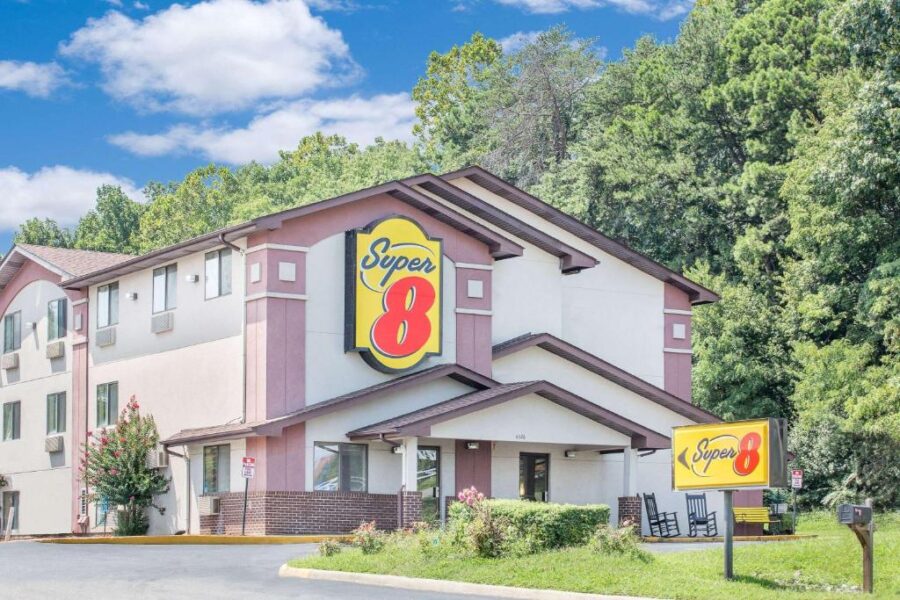
You’ll see plenty of independent motels and old-school motor lodges near Parkway towns like Waynesboro, Roanoke, and Asheville. Most are family-run, which keeps things flexible and friendly. Expect free parking, Wi-Fi, and simple hot breakfasts—no frills, but it makes road trips smoother.
Travelers often mention Mountain Aire Inn near Pigeon Forge, Super 8 by Wyndham in Roanoke, and several budget motels around Blowing Rock. Most sit within a few miles of a Parkway entrance, so you’ll save time if you’re driving the route over several days.
Prices swing by season, but you can usually get better deals if you book early or midweek. If you’re hopping between stops, look for clusters near exits 85–100 in Virginia or around Asheville in North Carolina. These are practical stops when daylight’s fading and you just want a shower and a quiet bed.
They might not have mountain-view patios, but you’ll be close to gas stations, diners, and overlooks—handy if you’re here for the drive. I once stayed outside Boone in a plain motel that looked dull from the street, but opening the blinds to rolling fog over the hills the next morning made it memorable. That’s the kind of surprise you can’t plan.
Affordable Inns in Key Towns
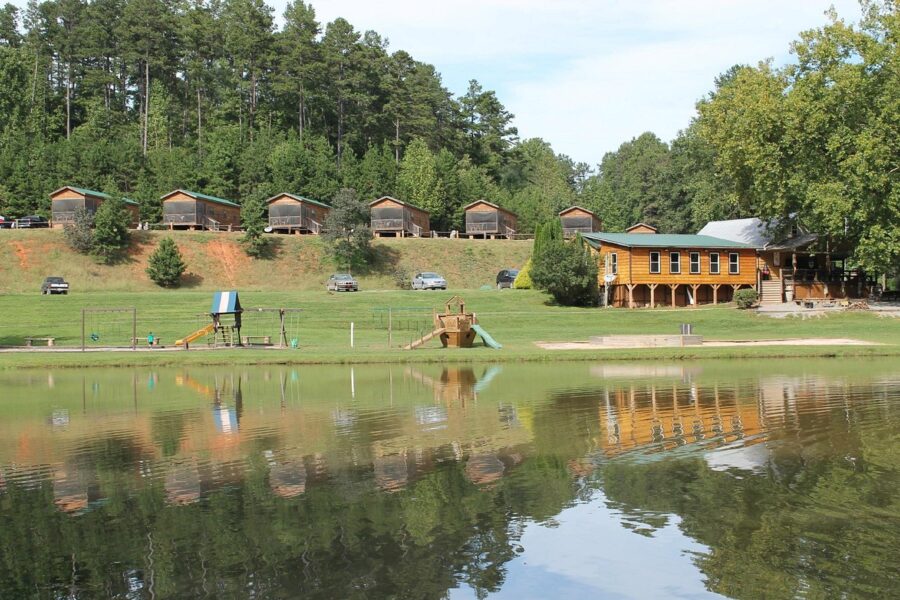
If you want more comfort than a basic motel, smaller inns and B&B-style lodgings in Parkway towns strike a nice balance between price and charm. In Marion, NC, Wytheville, VA, and Blowing Rock, you’ll find friendly spots with clean rooms, home-cooked breakfasts, and little extras like maps or hiking tips from the owners.
Many of these inns are walkable to restaurants and breweries, so you can skip the drive after a long day. Some offer package deals, which help if you’re also searching for cheap flights to kick off your Parkway trip.
Watch for weekly discounts during the off-season. Asheville, for example, has historic homes converted into budget inns with shared porches and gardens—great if you’d rather avoid crowds.
If you’re mixing national parks and Parkway stops, it’s easy to check ratings on Skyscanner before booking. So, finding the right budget stay isn’t about the lowest price—it’s about picking a place that fits your style: simple, scenic, and restful enough to get you back on the road the next morning.
See Related: Best Winter Destinations in the US: Snowy Escapes You Can’t Miss
Frequently Asked Questions
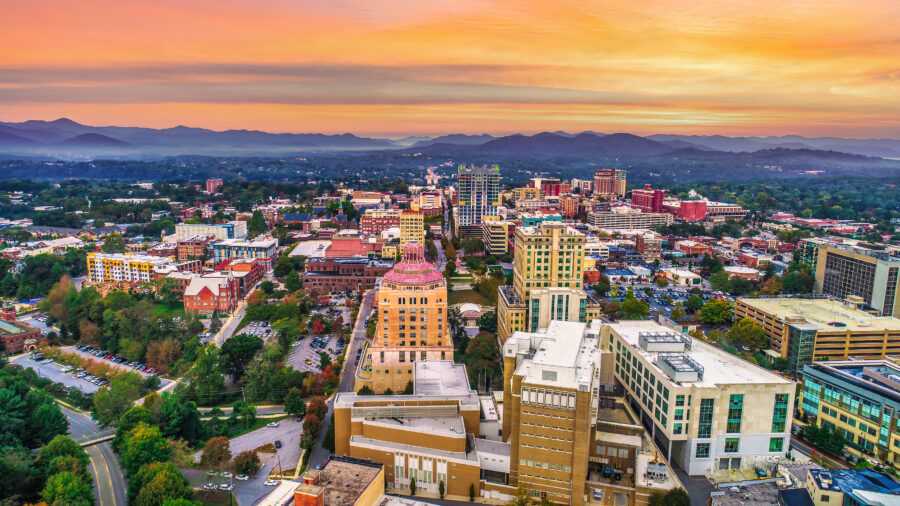
Driving the Blue Ridge Parkway is about mountain views, small towns, and quiet stays tucked into the trees. You’ll find everything from cozy cabins to treehouse suites, and each town has its own local flavor if you take the time to linger.
A few lesser-known spots make a big impression. Steeles Tavern Manor in Virginia is private and peaceful, surrounded by fields and hills. In North Carolina, Mena’s Place in Banner Elk stands out—a restored 1930s house with a homey touch.
If you want something rustic but well-kept, Peaks of Otter Lodge near Bedford sits right off the Parkway by Abbott Lake. It’s simple, but sunsets from the balconies are worth the stay.
How can I find pet-friendly lodging along the Blue Ridge Parkway?
Pet policies vary, so it pays to check details first. Lots of cabin rentals and small hotels allow dogs, especially near towns like Asheville, Boone, and Blowing Rock. I usually use official Parkway lodging lists and travel platforms with a “pet-friendly” filter.
Local visitor guides or a quick call ahead can help, too—sometimes an owner will make exceptions if you ask. Bringing a few basics like collapsible bowls and compact travel gear makes things smoother on the road with a pet.
Which towns along the Blue Ridge Parkway are ideal for an overnight stay?
Waynesboro and Roanoke in Virginia are solid first-night stops if you’re coming from the north. Both sit just minutes from the Parkway and have plenty of inns and places to eat.
Further south, Blowing Rock, Asheville, and Cherokee offer more options for walkable downtowns and a mix of food and culture. Each has its own vibe—Cherokee brings cultural stops, Asheville adds music and art to the mountain scenery.
What unique lodging experiences are available near the Blue Ridge Parkway?
You’ve got options. Some resorts offer treehouses (like Primland Resort in Virginia) or glass-walled cabins with valley views. Others go for simplicity—campgrounds and eco-lodges beneath the oaks.
If you want hands-on exploring, book a guided activity or tour nearby. Pair your lodging with local experiences like waterfall hikes or scenic drives.
For a comprehensive Blue Ridge Parkway trip, how many days are recommended to fully explore the area?
Four to five days gives you a good pace if you plan to stop often. The Parkway runs 469 miles—driving it straight takes about 12 hours, but honestly, that’s missing the best part.
Add a few days if you want to explore side trails, mountain towns, or detours into the forests and farms. If you love photography or slow mornings with coffee on a porch, six or seven days lets you really settle in.
What are the top rated hotels or inns close to the Asheville section of the Blue Ridge Parkway?
Pisgah Inn sits just south of Asheville—one of the rare lodges perched right on the Parkway. It’s no wonder it fills up quickly; those ridge views are hard to beat.
If you’d rather stay in town, check out smaller inns like Pinecrest or Cumberland Falls B&B. Both offer a personal touch, solid breakfasts, and easy access to walkable neighborhoods.
Prefer something bigger? Downtown Asheville has polished resorts and reliable city hotels, all with quick access to the Parkway. You can also line up day trips or quick local excursions without much hassle.