Where to Stay in Menorca: Best Areas & Hotels for Every Budget
Updated December 22, 2025
Choosing where to stay in Menorca can feel tricky when every beach and village looks perfect on a map. You’ve got calm coves, quiet countryside, lively towns, and more boutique hotels than you can count—so how do you even start? You’ll find clear answers here on the best areas to stay in Menorca, who they’re best for, and which hotels actually deliver good value.
This guide quickly breaks down the island’s top spots—from Mahón’s harbor views to Ciutadella’s old-town charm and the peaceful beaches of Son Bou or Cala Galdana. You’ll also see picks for families, couples, and first-timers who want to skip the endless research and enjoy the island instead.
Key Takeaways
- Find which parts of Menorca match your travel style and budget
- Get a snapshot of Menorca’s standout beach towns and quiet hideouts
- Save time with straightforward hotel and area recommendations
Table of Contents
- Overview of Menorca’s Top Areas
- Map of Key Locations
- How the Island Is Divided
- Choosing the Right Area for Your Trip
- Best Places to Stay for First-Time Visitors
- Mahon (Mahón): The Capital
- Ciutadella: Historic Old Town
- Southeast Menorca Highlights
- Menorca’s Best Beach Destinations
- Cala Galdana: Family-Friendly Paradise
- Son Bou: Longest Beach on the Island
- Santo Tomas: Relaxed and Peaceful
- Punta Prima: Calmest Waters
- Authentic Villages and Rural Retreats
- Binibeca: Iconic Fishing Village
- Alaior: Inland Charmer
- Fornells: Gastronomy and Watersports
- Es Mercadal: Heart of the Island
- Best Boutique and Luxury Hotels in Menorca
- Historic Mansions and Converted Fincas
- Adults-Only Stays with Sea Views
- Hotels with Spa and Wellness Facilities
- Unique Stays with Pools and Rooftops
- Best Areas for Outdoor Activities and Experiences
- Water Sports Hotspots
- Cycling and Hiking Base Areas
- Nature Reserves and Hidden Coves
- Frequently Asked Questions
- What are the top recommended areas for first-time visitors to Menorca?
- Which part of Menorca is most suitable for a romantic couples’ retreat?
- Can you suggest family-friendly accommodations in Menorca?
- What locations in Menorca offer the best access to pristine beaches?
- Where should I consider staying in Menorca to enjoy the local nightlife?
- Which villages in Menorca are known for their exceptional beauty and charm?
- Book Your Dream Experience
- More Travel Guides
Overview of Menorca’s Top Areas
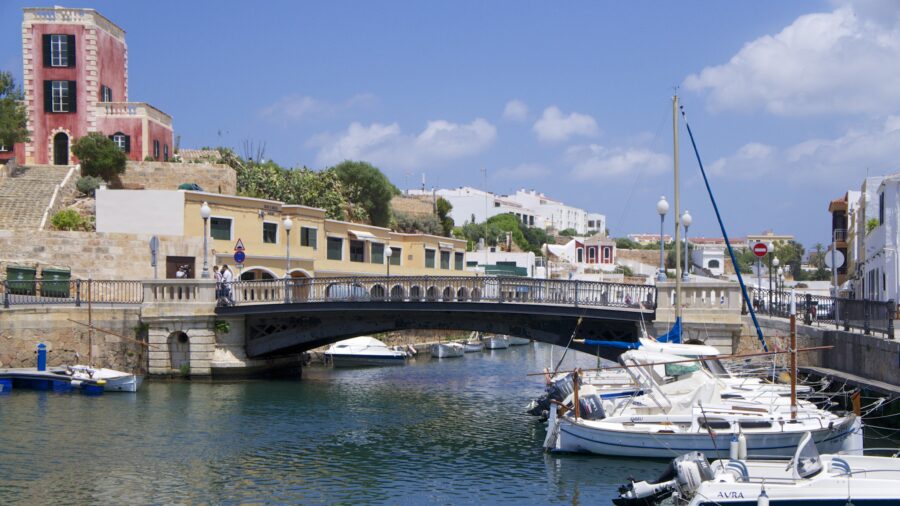
Menorca may be smaller than its Balearic neighbors, but it packs a lot in. You get a mix of quiet beaches, lively harbor towns, and peaceful inland villages. Each corner has its own rhythm—from the bustle of Mahon (Maó) to the calm coves near Cala Galdana and Son Bou.
Map of Key Locations
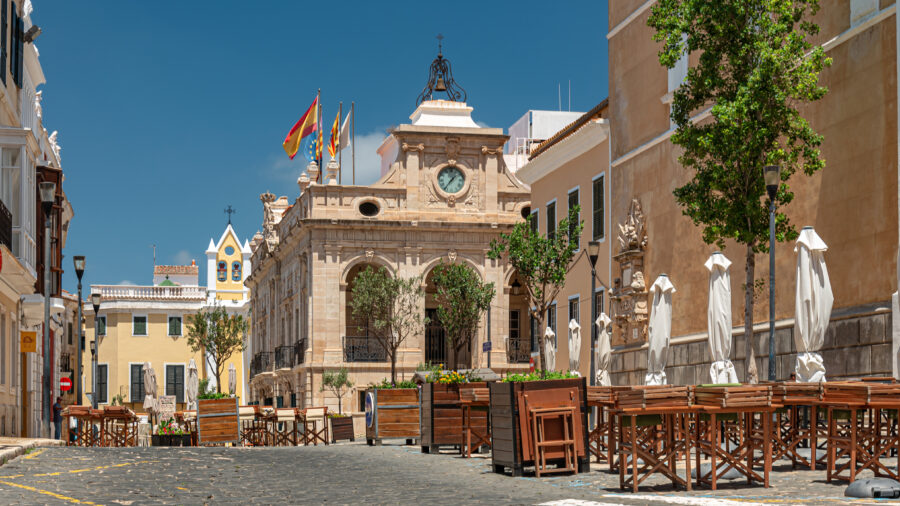
Picture Menorca as a long, narrow oval in the western Mediterranean. Mahon anchors the east, famous for one of Europe’s largest natural harbors.
On the other end, Ciutadella offers old streets, Gothic buildings, and sunset views at its port. The main road, ME-1, connects nearly every major village.
If you’re visual, here’s a quick table:
| Area | Highlights | Vibe |
|---|---|---|
| Mahon (Maó) | Harbor, museums, airport | Urban and cultural |
| Ciutadella | Old town, historic sites | Historic and charming |
| Cala Galdana | Wide beach, cliffs | Relaxed and family-friendly |
| Son Bou | Long beach, dunes | Easygoing seaside |
| Es Mercadal | Monte Toro, local dining | Central and quiet |
Distances are short—nothing is more than an hour’s drive, so you can see a lot without much hassle.
How the Island Is Divided
Most people break Menorca into three zones: east, west, and center. The east, around Mahon and Es Castell, feels more urban and convenient, with good restaurants and public transport.
The west, centered on Ciutadella, holds much of the island’s history and nightlife. The center—villages like Es Mercadal and Alaior—is rural, quieter, and great for hiking or cycling.
The north coast is wilder and more rugged, especially near Fornells and Addaia. The south coast has calm, turquoise coves, perfect for swimming.
If you want to reach both sides easily, staying near the middle makes sense. Beach lovers might pick the south to step outside and see the water first thing.
Choosing the Right Area for Your Trip
Your best base depends on your pace. Want cafés, architecture, and nightlife? Mahon or Ciutadella will keep you happy.
For long beaches and resort comforts, check out Son Bou, Cala en Bosc, or Cala Galdana. If you want solitude, small inland fincas around Es Mercadal or Ferreries are peaceful with a touch of local life.
Families often prefer flat beaches with nearby eateries. Couples might lean toward hillside hotels in Binibeca or Cala’n Porter, where you get sea views without the crowds.
If you plan to explore the whole island, the center cuts travel time and keeps you close to the main roads. Menorca is compact, but picking the right area shapes your trip.
Best Places to Stay for First-Time Visitors
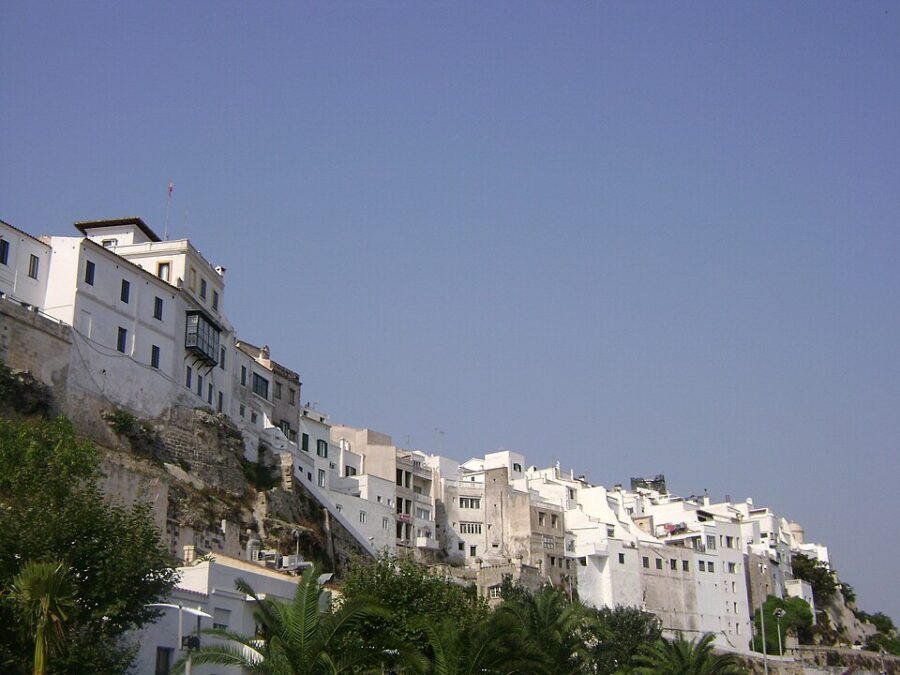
Menorca keeps things calm but never dull. You’ll find busy harbor life, quiet medieval lanes, and beaches that look painted in soft blue watercolor. Some areas are easier to navigate on your first trip, with good food, walkable streets, and easy access to the island’s highlights.
Mahon (Mahón): The Capital
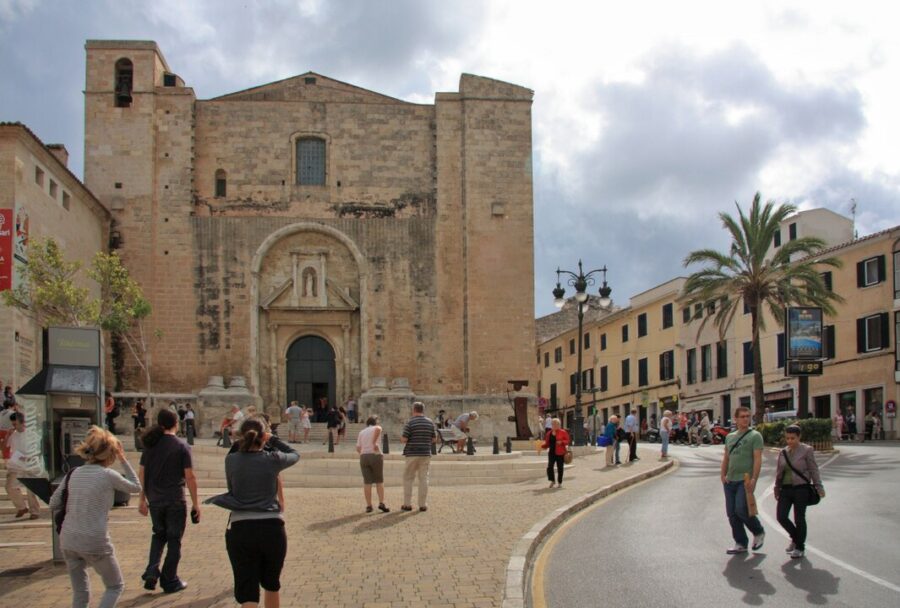
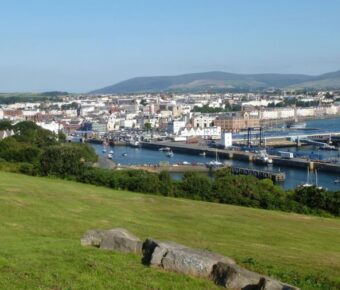
Mahon sits high above a deep natural harbor—one of Europe’s largest. You’ll likely land here first since the airport’s just outside town. It’s easy to settle in, especially if you want shops, cafés, and the sense of everyday life beyond the resorts.
Early mornings near the Mercat des Peix (fish market) are worth it. Locals chat at tapas stalls while buying their daily catch, and you can grab a cheap coffee that tastes better than you’d expect. Walk the old quarter’s short hills and peek into small design stores or bakeries tucked under limestone arches.
The city isn’t all bustle. Hotels near the harbor often sit inside remodeled townhouses, with quiet views across the water. Staying here means you’re never far from a ferry ride, a seafood lunch, or a quick drive to the south coast beaches.
Ciutadella: Historic Old Town
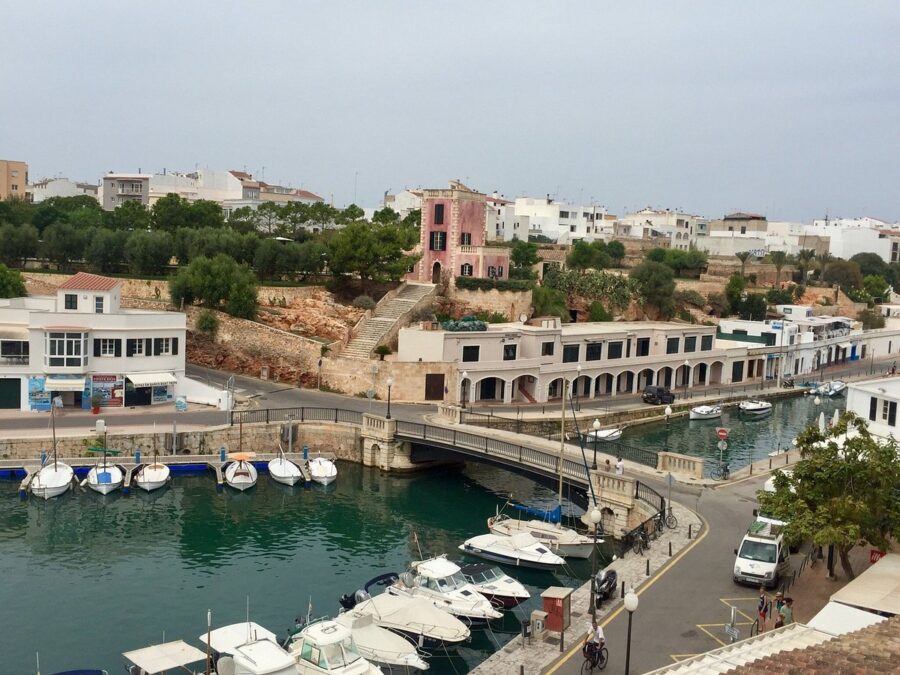
At the island’s opposite end, Ciutadella trades noise for atmosphere. Its narrow alleys lead to courtyards that look like stage sets for a centuries-old drama. Once the capital of the Balearic Islands’ western edge, it still feels proud and old-fashioned in the best way.
You’ll find small guesthouses hidden behind carved wooden doors, where the smell of stone and sea air mix. Walk to the harbor at sunset; the light hits the sandstone buildings just right. Dinner’s easy—tiny seafood taverns line the docks, and you can stroll everywhere on foot.
For first-time visitors who like history and slower evenings, Ciutadella fits the bill. It’s also a handy base for exploring secluded beaches like Cala Turqueta or Cala Blanca, just a short drive away.
Southeast Menorca Highlights
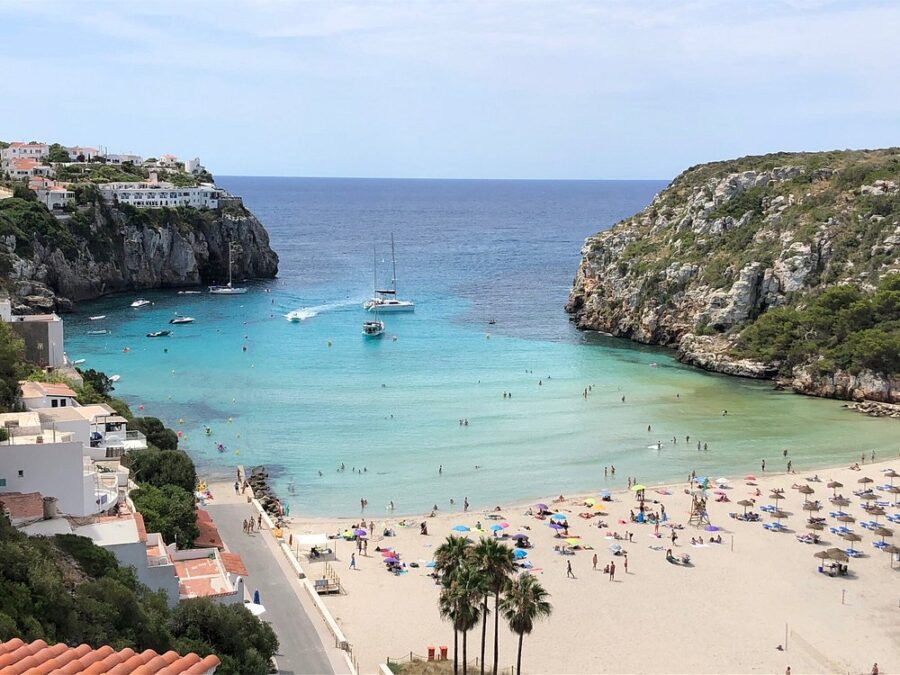
The southeast coast, from Punta Prima through Binibeca, suits anyone picturing warm evenings on the terrace and calm swimming coves instead of nightlife. It’s quieter but not remote. Many travelers rent small villas here instead of hotels, enjoying privacy but still close to Mahon’s shops and airport.
Table: Good Base Spots
| Area | Notable Feature | Travel Time to Airport |
|---|---|---|
| Punta Prima | Family-oriented beach, gentle waves | ~20 min |
| Binibeca | White houses, calm setting, good snorkeling | ~25 min |
| Cala en Porter | Scenic cliffs, lively beach bars | ~15 min |
These spots aren’t about rushing from site to site. You just wake up, splash into the sea, and let the day unfold—a gentle pace that sums up Menorca.
See Related: The Most Surreal Places in the World: Where Reality Feels Like a Dream
Menorca’s Best Beach Destinations
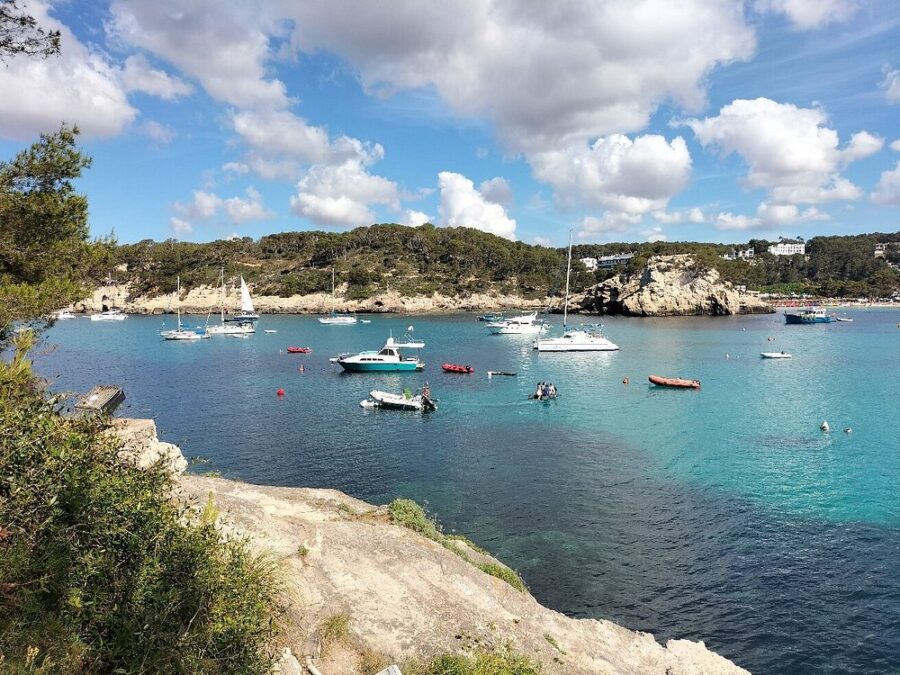
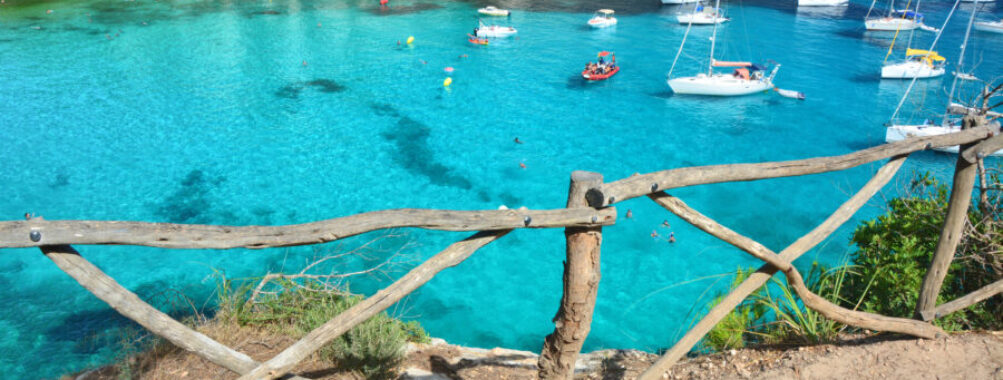
Menorca’s southern coast offers a rare mix of shallow turquoise coves, long sands, and quiet headlands. Each stretch of shoreline has its own feel—some buzz with families, while others feel like private escapes.
Cala Galdana: Family-Friendly Paradise
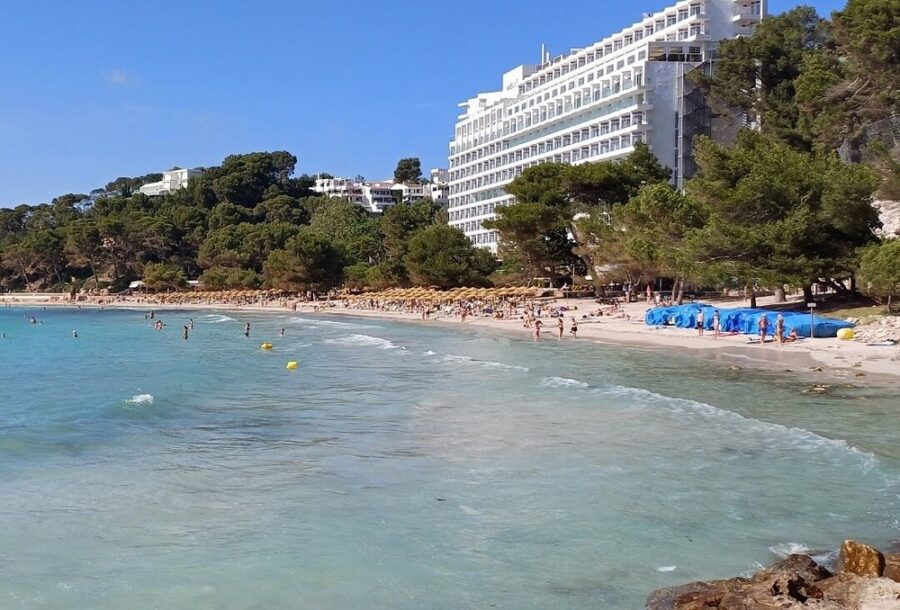
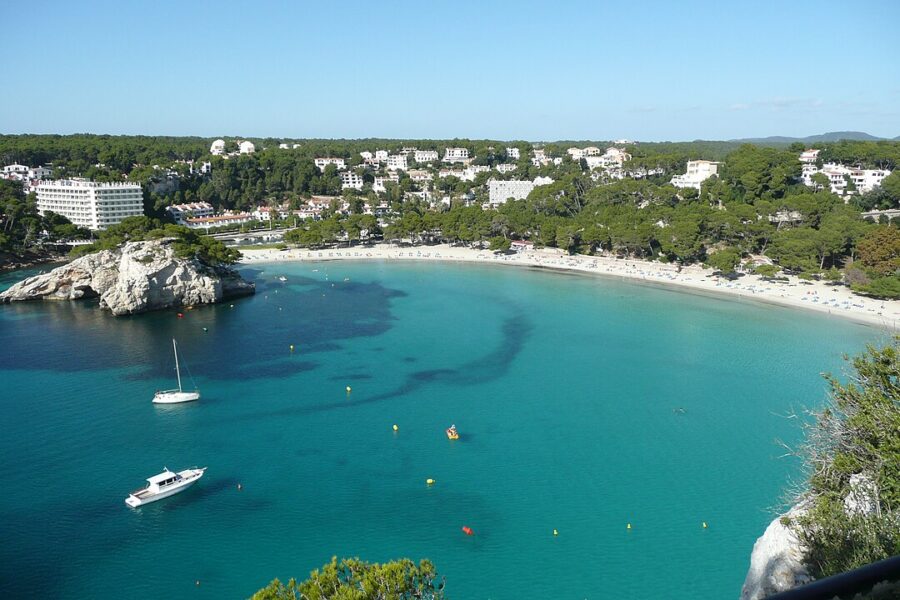
Cala Galdana might be the most polished of Menorca’s beaches, but it keeps its charm. The bay is shaped like a crescent, sheltered by cliffs covered in pine trees. The water stays shallow for a long distance, making it a safe spot for children and less confident swimmers.
You can rent kayaks, try stand-up paddleboarding, or follow the coastal path Camí de Cavalls for even better views. That walk early in the morning, when the sun’s barely up and the cliffs glow pink, is something special—quiet except for gulls.
Most families stay at Meliá Cala Galdana, which sits right by the beach. It’s convenient without being overwhelming. You’ll also find small apartments along the hillside for a bit more peace and simplicity.
Son Bou: Longest Beach on the Island
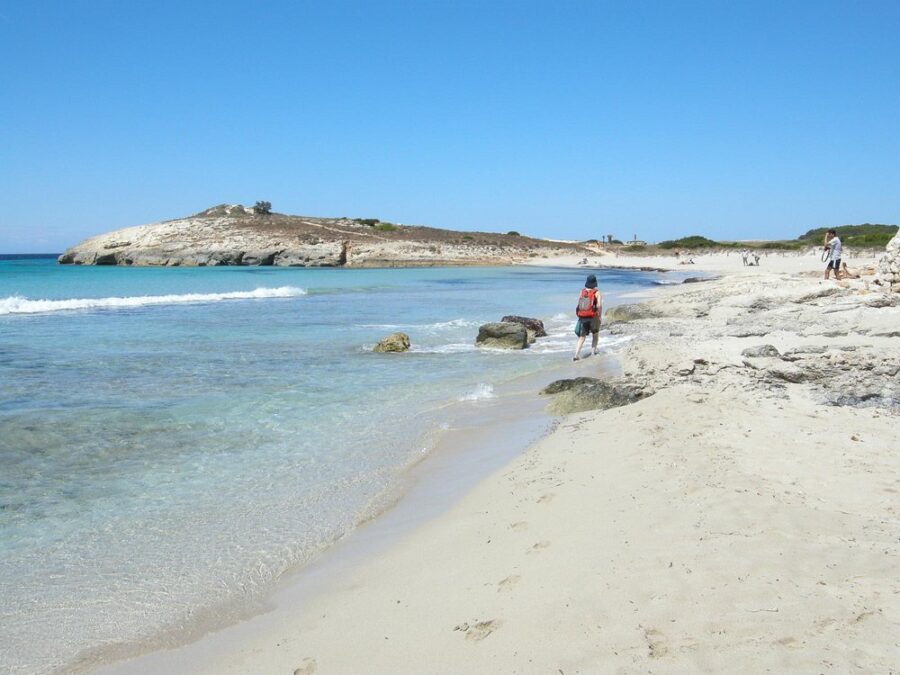
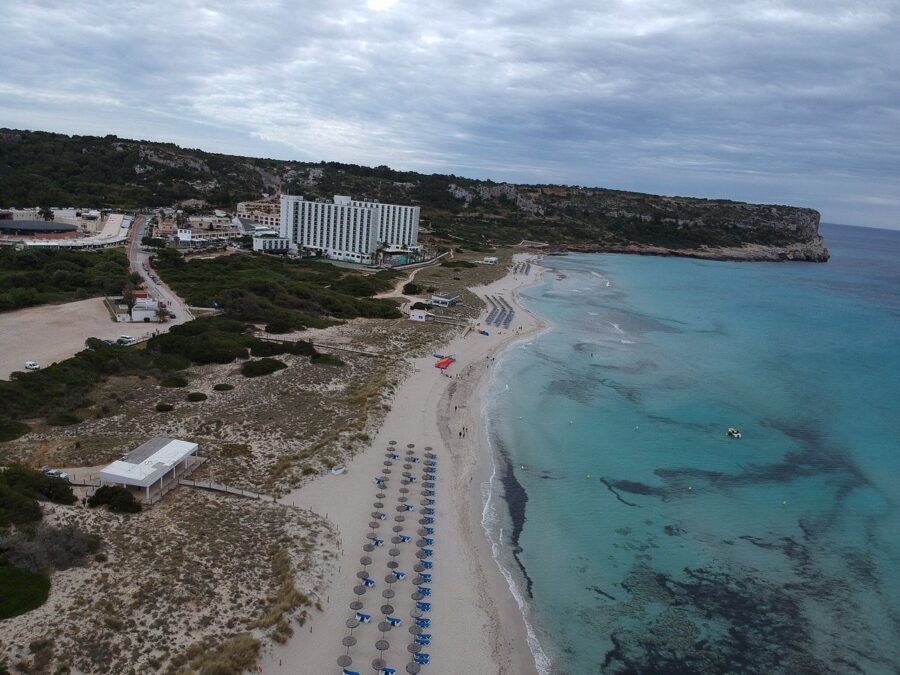
Son Bou Beach stretches nearly two kilometers, which is rare for Menorca’s tight coves. The sand is soft and golden, and there’s enough space that you never feel shoulder-to-shoulder, even in August. Windsurfers often appear near the far end, while families stick close to the lifeguard stations and snack bars.
Facilities line the promenade—umbrellas, small cafes, and supermarkets—so you can stay out the whole day. The Royal Son Bou Family Club is one of the area’s best family hotels, with direct access to the beach and activities for kids that run all day.
Just behind the beach, a wetland reserve keeps the area feeling open and natural. Walking there near sunset, when the dunes turn gold, is a quiet highlight.
Santo Tomas: Relaxed and Peaceful
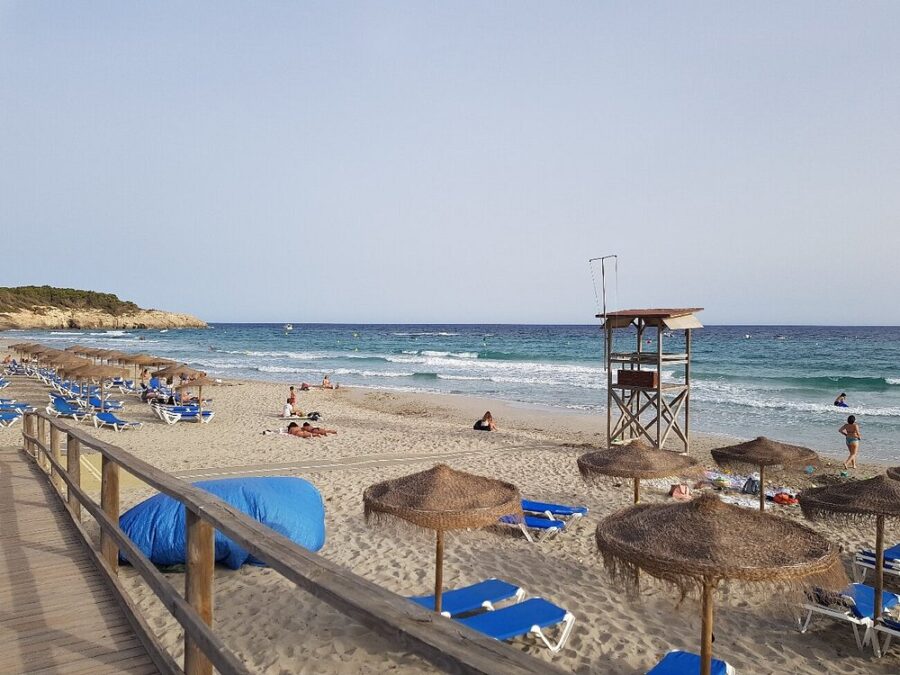
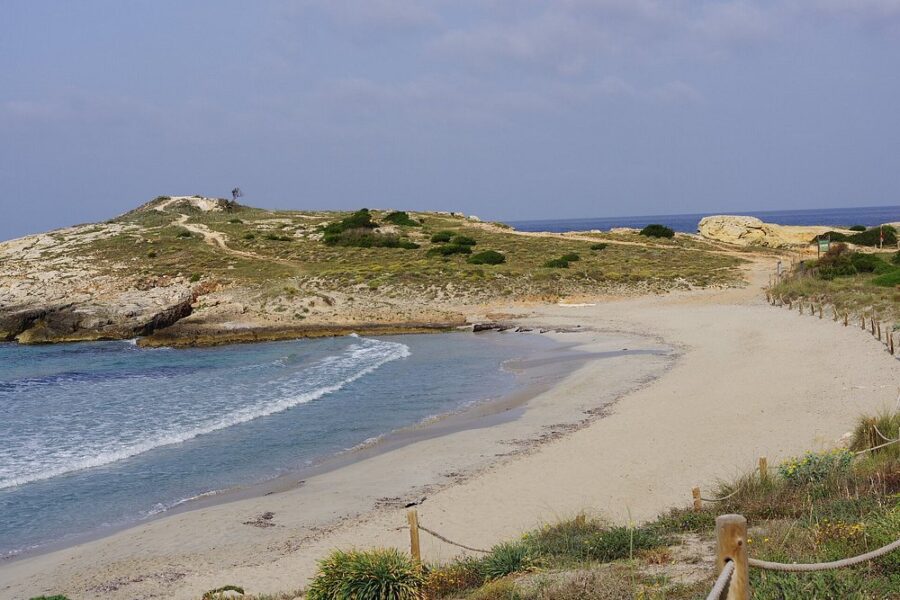
If you want something slower, head for Santo Tomás on the south coast. It’s quieter than Son Bou, which sits just to the east. The beach runs along a small resort village with a mix of hotels and private villas.
There’s a gentle walking path to Playa Binigaus, a wilder neighboring beach you can reach in about 20 minutes. Bring water—there’s nothing to buy once you leave the main strip. The water stays clear and still, perfect for swimming.
If you prefer countryside lodging, Finca Atalis sits just inland, surrounded by fig trees and silence at night. It’s ideal if you like mornings with just the sound of cicadas and the sea in the distance.
Punta Prima: Calmest Waters
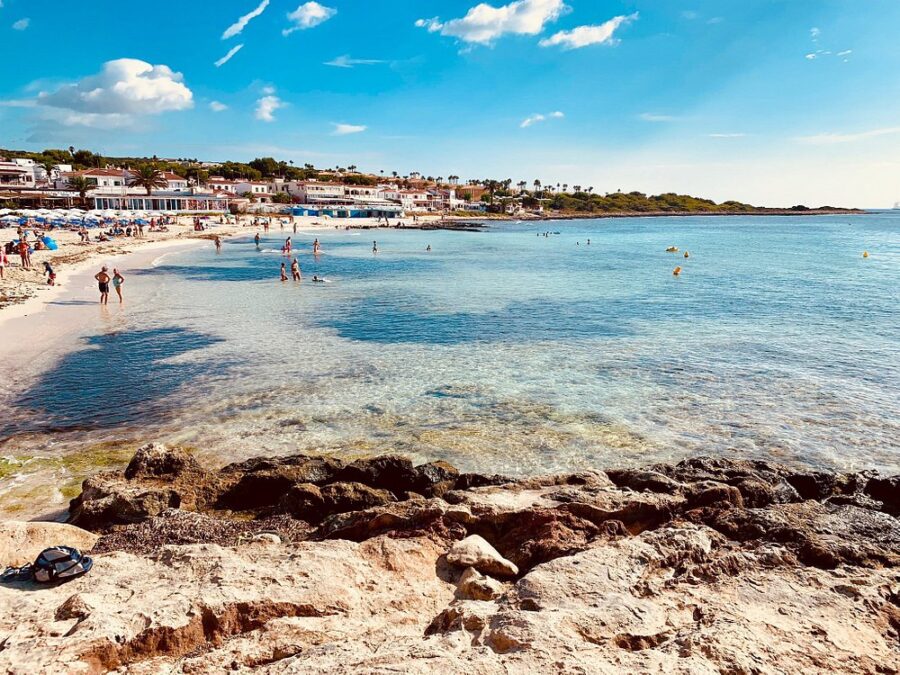
Punta Prima sits close to Menorca’s southeastern tip and to the airport—about a 20‑minute drive. The beach is small but known for its calm, glassy water. Many days, it looks like a giant swimming pool, with barely any surf.
Families love it. So do snorkelers. The sea bottom here stays sandy and easy to see through. And if you forget your goggles or sunscreen, shops and cafés are right there.
For stays, Occidental Menorca and smaller villas nearby keep you close to the shore. Try an afternoon hopping the short ferry to Illa de l’Aire, the little island with a lighthouse offshore—it’s a simple trip that feels like a mini adventure.
Authentic Villages and Rural Retreats
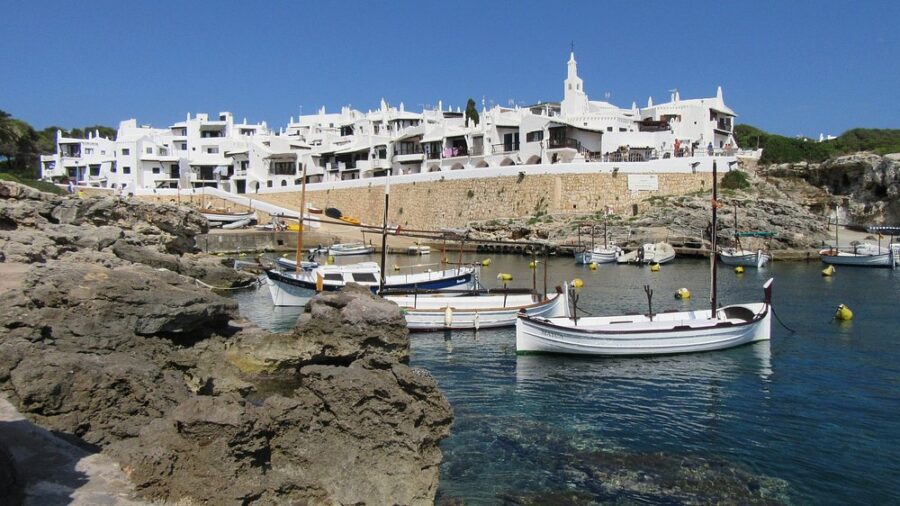
Menorca’s quiet inland and coastal corners show a softer, slower side of the island. Small fishing villages and country towns highlight local food, family-run hotels, and rural traditions that still shape everyday life. You find whitewashed alleys, stone farmhouses, and the kind of calm that makes time feel unhurried.
Binibeca: Iconic Fishing Village
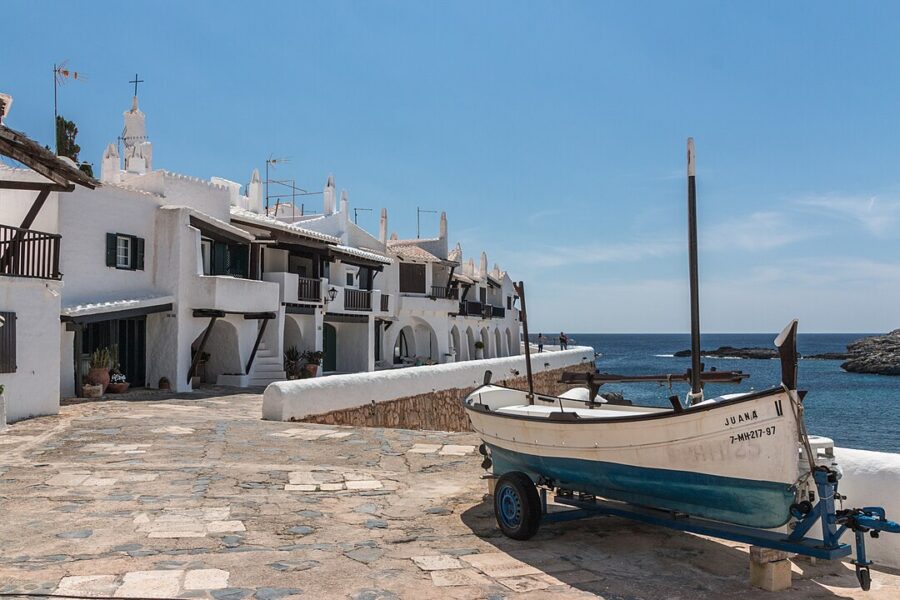
Binibeca has that postcard look everyone talks about—in real life, it’s even better. Walking through its maze of white cottages feels like wandering through a film set, except real families still live behind those thick walls.
You’ll hear gulls, smell grilled octopus from a seaside bar, and see the sunlight bounce off painted doors. The Binibeca Beach Villas give you space to unwind without losing that village feel; they often sit just a short walk from the small sandy cove known for its clear, shallow water.
Coming early in the morning, when locals sweep their porches and the streets are quiet, is the sweet spot. Grab coffee from one of the small cafés before the day’s crowd drifts in.
Alaior: Inland Charmer
Alaior sits away from the coastline, ringed by farmlands and dry-stone walls that stretch into the hills. You’ll find narrow streets lined with faded palaces and old churches, a reminder of how central this town once was to Menorca’s trade routes.
It’s home to several agroturismos, traditional farm stays that still produce cheese and olive oil. Many places, like Alcaufar Vell nearby, mix rustic design with quiet luxury—big terraces, stone floors, and organic breakfast under olive trees.
On a rainy afternoon, sipping pomada with a local cheesemaker, I heard that Alaior’s secret is its rhythm—it never rushes. You’ll notice that slowness, too, after a day wandering its streets or hiking the nearby countryside trails.
Fornells: Gastronomy and Watersports
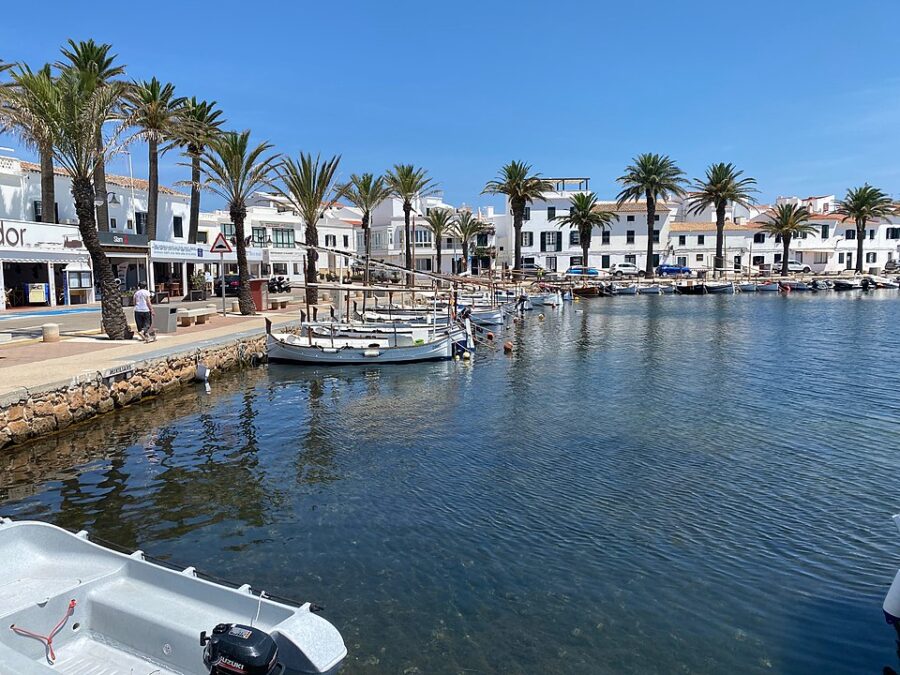
On the north coast, Fornells is all about food and the sea. The old port looks unassuming, but this village built its name on caldereta de langosta, a rich lobster stew that locals claim just doesn’t taste right anywhere else. Seafood restaurants line the harbor—grab an outdoor table if you can, and watch the boats drift in as the sun drops.
If you’re into water sports, Fornells is a solid pick. The bay stays calm most days, so you can kayak or sail for hours before heading back for fresh fish and a drink at sunset. There’s an easygoing rhythm here: quiet adventure, honest food, nothing showy.
Es Mercadal: Heart of the Island
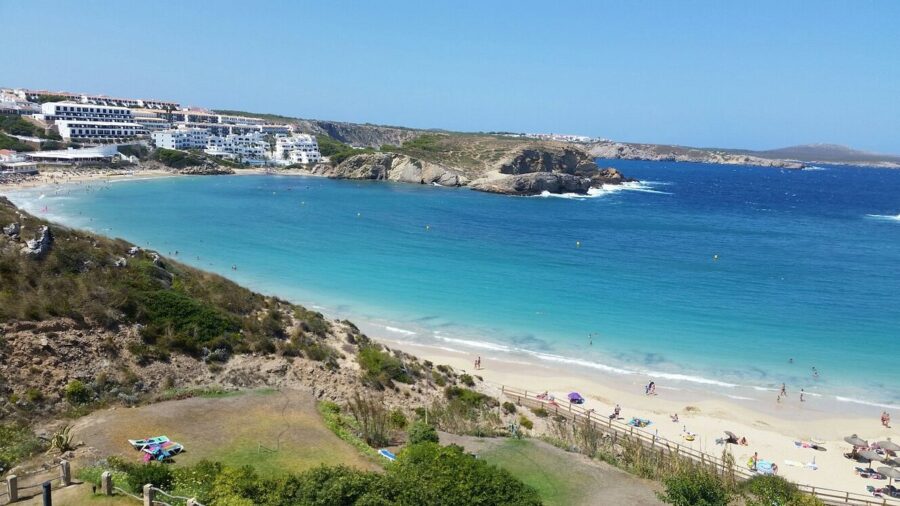
Es Mercadal sits almost dead center on Menorca, and it feels like the island’s heart. From the village, you can spot the slopes of Monte Toro, Menorca’s highest point. Drive up and you’ll see the whole island stretching out beneath you in just a few minutes.
The town itself is all whitewashed houses, shaded squares, and family-run businesses that keep things grounded. Hotel Es Mercadal, tucked inside a restored townhouse, offers a simple, comfortable stay right by the main plaza.
One evening, I had grilled lamb at a tavern off the square—the rosemary in the air, the locals chatting about fishing nearby. It’s the kind of place that makes you want to linger, maybe just one more night.
See Related: The Top Vacation Spot in the World: Discover the Ultimate Destination
Best Boutique and Luxury Hotels in Menorca
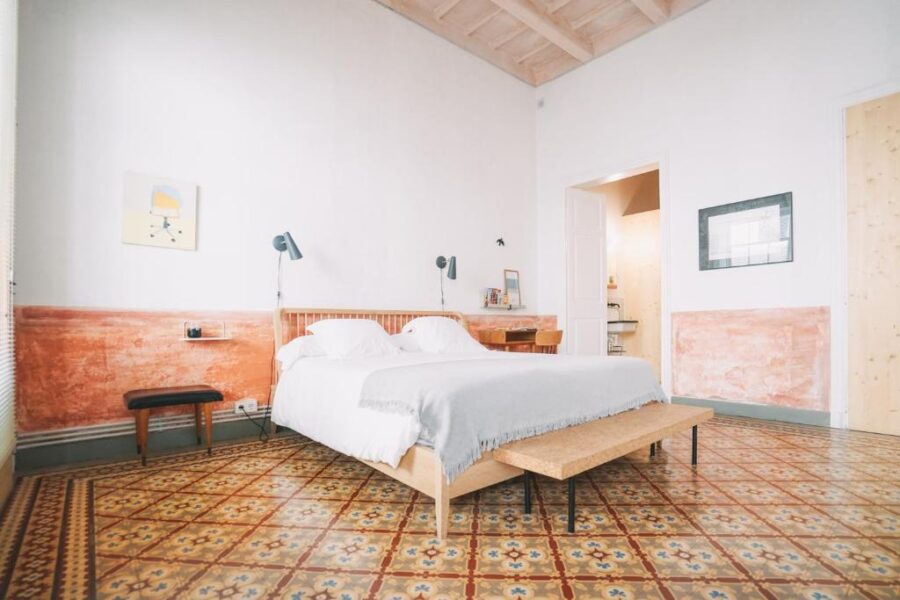
Menorca’s top hotels blend character and comfort without losing that quiet island feel. Expect old mansions turned boutique retreats, adults-only hideaways with sea views, tranquil spas, and creative boutique spaces with rooftop pools that feel indulgent but never over the top.
Historic Mansions and Converted Fincas
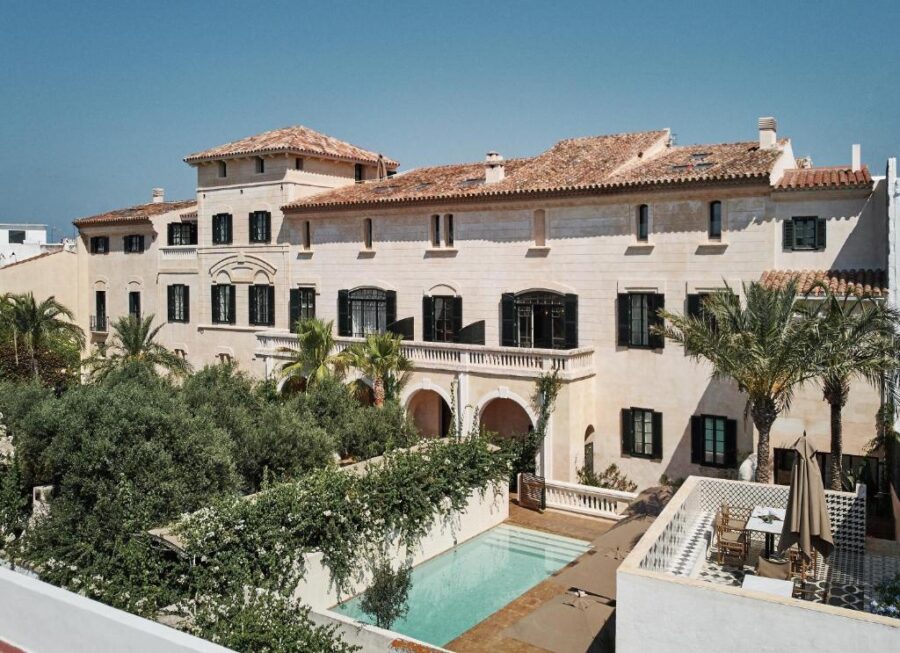
Some of Menorca’s most memorable hotels sit inside historic manor houses and fincas that still feel alive with stories. Faustino Gran in Ciutadella is really four palaces linked together—think arched courtyards, quiet gardens, and sunlit rooms. It’s easy to lose track of time over a slow breakfast here.
In Mahón, Hotel Hevresac Singular & Small transforms a 200-year-old townhouse with exposed beams, handmade tiles, and local furniture. Down the street, Jardí de Ses Bruixes adds warmth with patterned floors and a café that spills into a leafy courtyard—perfect for your first coffee.
For countryside calm, Hotel Rural Sant Ignasi delivers space and quiet among olive trees and horses, just outside Ciutadella. These spots look back at Menorca’s past, but they feel totally current.
Adults-Only Stays with Sea Views
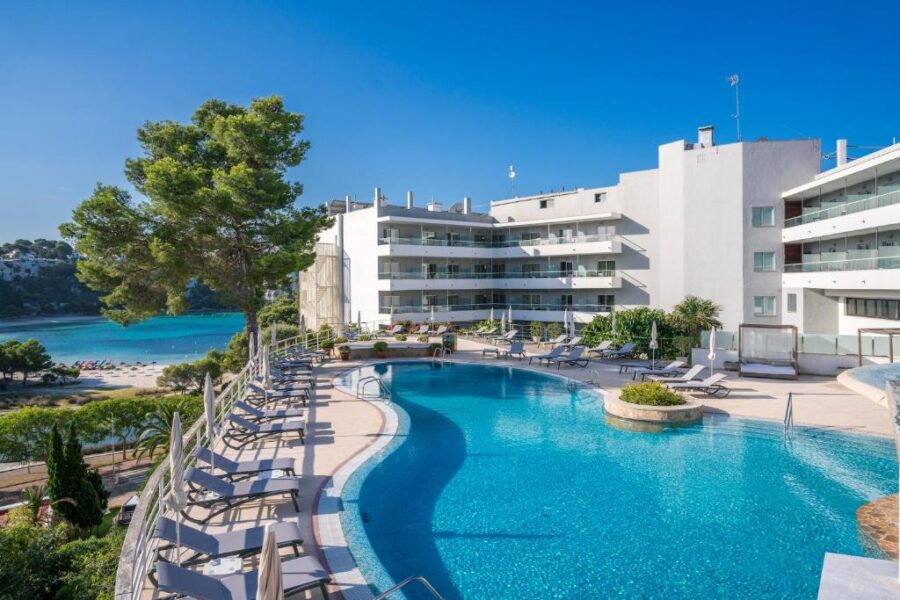
If you want total peace, Menorca’s adults-only hotels are worth the splurge. Artiem Audax in Cala Galdana sits above the marina—think long mornings on the terrace, minimalist rooms, and that turquoise sea right in front of you.
Along the coast, Barceló Hamilton Menorca in Es Castell stands out for its rooftop jacuzzis and open harbor views. The Sky Bar is a great perch for sunset drinks. Hotel Sa Barrera, a smaller adult-only spot near Cala en Porter, has a relaxed, homey vibe and clifftop views.
Life runs slower at these hotels. Fewer guests, fewer interruptions—just sunshine, water, and you. Many adults-only stays also offer spa access or yoga, so it’s easy to unwind without ever leaving.
Hotels with Spa and Wellness Facilities
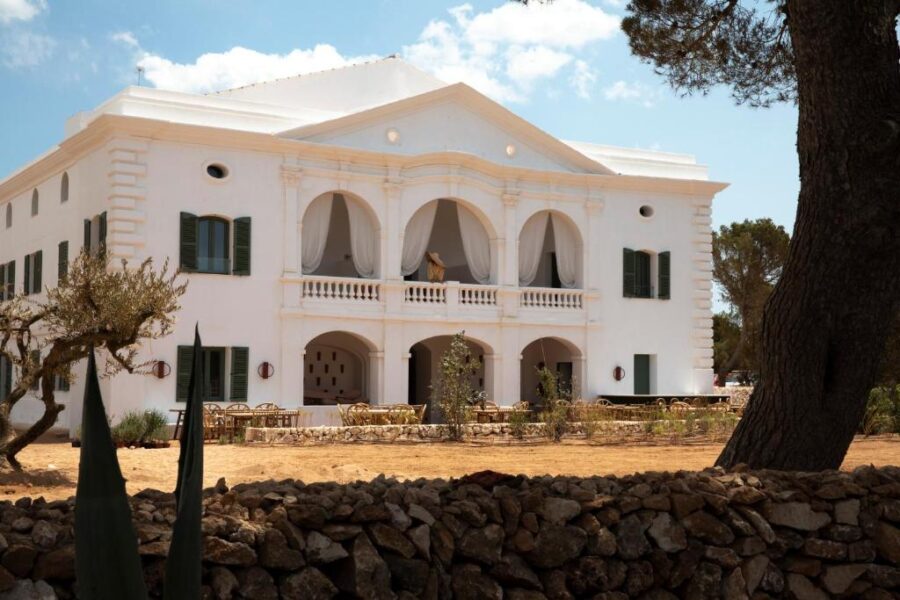
Menorca’s spa hotels take the island’s laid-back feel and turn it into something restorative. Menorca Experimental mixes bold design with wellness: outdoor yoga decks, a hammam, and natural products from nearby farms.
Cristine Bedfor in Mahón feels like staying at a friend’s gorgeous house—if your friend had a private spa. I spent an afternoon by the plunge pool, so quiet you could hear the church bells. Jardí de Ses Bruixes also stands out for its candlelit spa and treatments using Menorcan herbs.
Some travelers come just for the food: healthy Mediterranean menus, seasonal produce, and breezy terraces make wellness feel natural. If you want to keep things easy from the start, book cheap flight tickets early and save your energy for those long spa afternoons.
Unique Stays with Pools and Rooftops
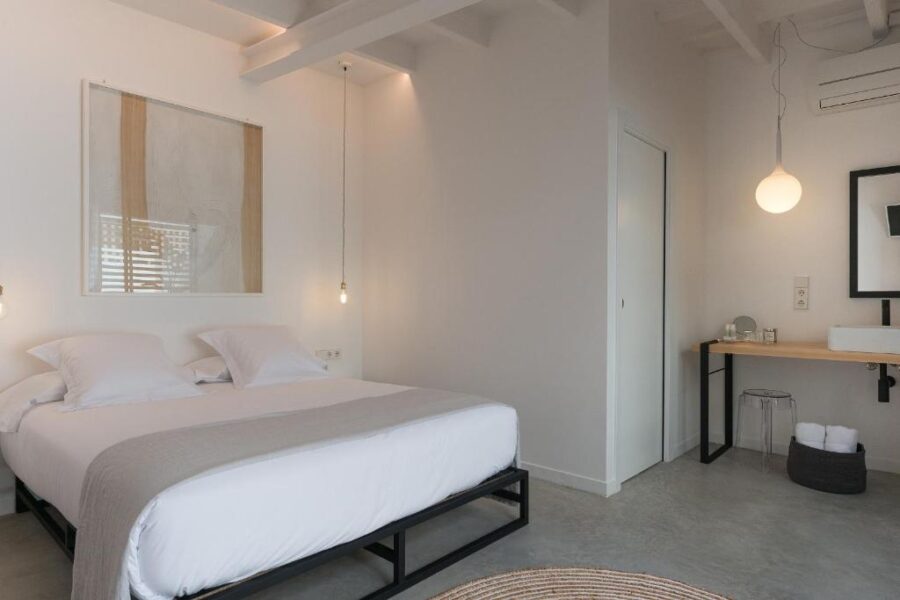
Menorca’s modern design hotels manage to be creative without losing their relaxed edge. Sodium Boutique Hotel in Ciutadella is small, filled with local art, and its rooftop pool gives you sunset views over the old town’s rooftops—a quiet luxury.
In Es Migjorn, Sindic Hotel keeps things bright, with balconies over narrow lanes and a rooftop terrace for evening drinks. Ses Sucreres in Ferreries leans bohemian: handmade decor, an open courtyard, and a gentle, off-grid vibe.
If you dream of afternoons by the pool and sky views, these places deliver. Some are near beaches, others tucked into town squares where you can wander out for tapas.
What they all have in common: hospitality that feels personal, not overly polished. When you’re ready to plan, it’s smart to search hotels and cars in advance—those small rooftops book up fast.
Best Areas for Outdoor Activities and Experiences
Menorca packs in more outdoor activities than you’d expect for its size. The coast mixes calm bays and rugged cliffs, while inland you’ll find scenic trails and pine-covered hills that are perfect for hiking or cycling. Smaller villages like Ferreries or Alaior make great bases for nature lovers who want quiet, authentic stays.
Water Sports Hotspots
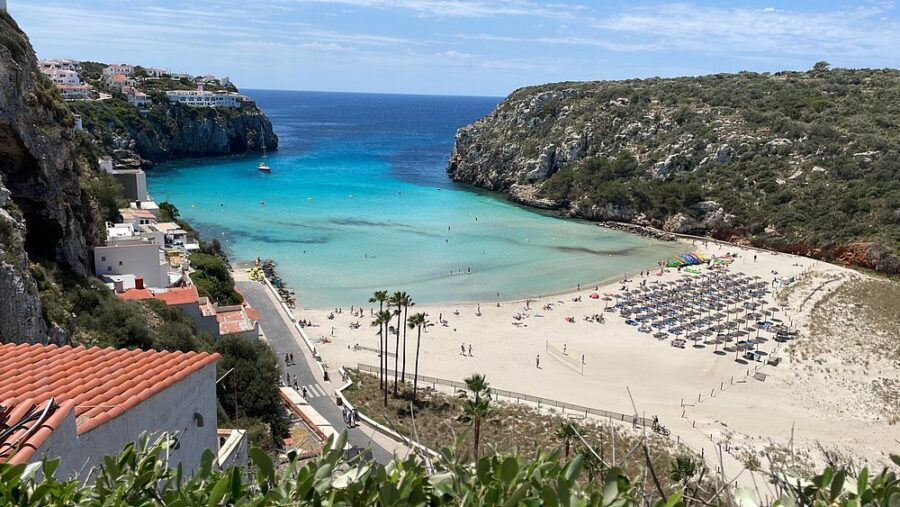
If you’re into water sports, the south and east coasts are where most of the action happens. S’Algar is a hub for diving and paddleboarding—calm, clear water, and gear rentals by the hour. You can also book sessions on GetYourGuide.
Want more adrenaline? Head for the cliffs near Cala’n Porter—Cova d’en Xoroi is a surreal backdrop for kayaking or sunset swims. Windsurfers love Arenal d’en Castell in late spring when the breeze kicks up.
At Sa Mesquida Beach, locals mix kitesurfing with relaxed morning swims before anyone else arrives. After a day on the water, hotels around Mahón’s harbor often have small pools and easy access to coastal trails—ideal for winding down.
Cycling and Hiking Base Areas
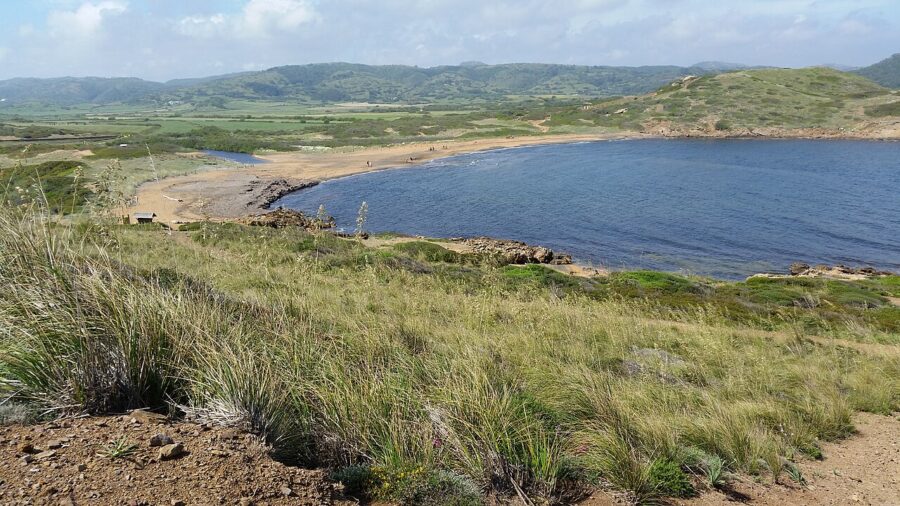
Menorca is compact enough to explore by bike if you plan your route. Es Mercadal and Ferreries are both central, with direct access to winding rural roads through farmland and pine forests. Some agritourism stays even offer a tennis court and secure bike storage.
You can ride sections of the Camí de Cavalls, the old trail circling the island. I’ve biked between Son Bou and Cala Galdana—the mix of coastal views and hills is tough but worth it.
For guided outdoor tours, Viator lists rides and hikes if you want a local to show you the hidden paths. Beginners will find easy, flat stretches near Mahón, with roadside cafés for quick breaks and cold drinks before you continue.
Nature Reserves and Hidden Coves
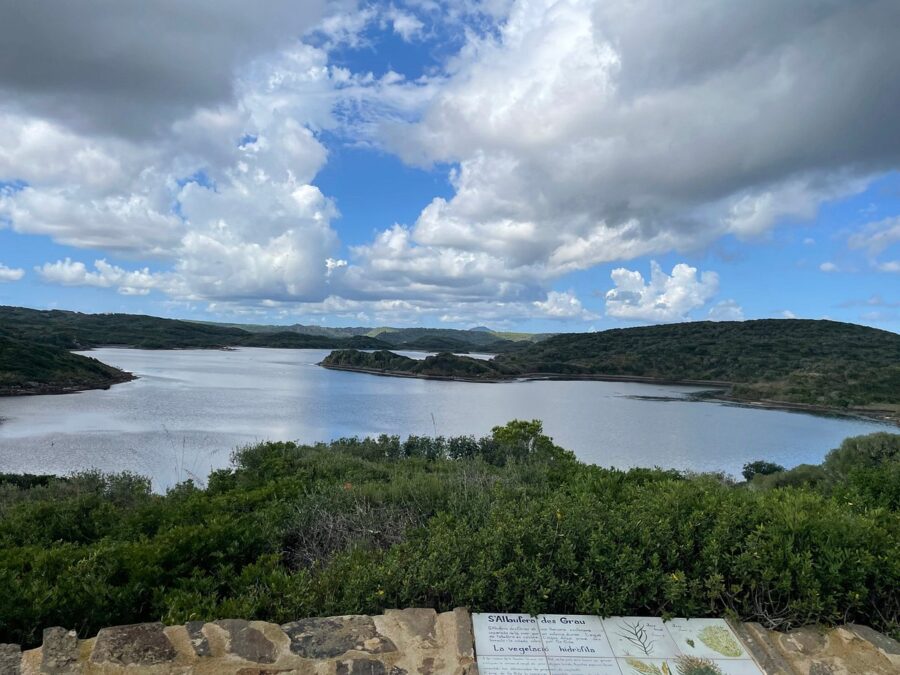
Some landscapes in Menorca still feel wild, especially up north near S’Albufera des Grau Nature Reserve. It’s a haven for birds and wetlands, but also hides coves that most people miss. If you value quiet scenery over beach bars, this is your area.
For a mix of sea and forest, drive toward Algendar Canyon near Ferreries. The limestone, olive trees, and shaded trails stay cool even in the height of summer. Some people rent kayaks to reach the coves beyond the canyon—water so blue it almost looks fake.
Unlike other Balearic islands, Menorca’s natural sites stay open and uncrowded. Bring sturdy shoes, water, and a camera—you’ll want proof of how untouched it feels.
See Related: Spain vs. Italy Nomad Visas: Key Differences Digital Nomads Need to Know
Frequently Asked Questions
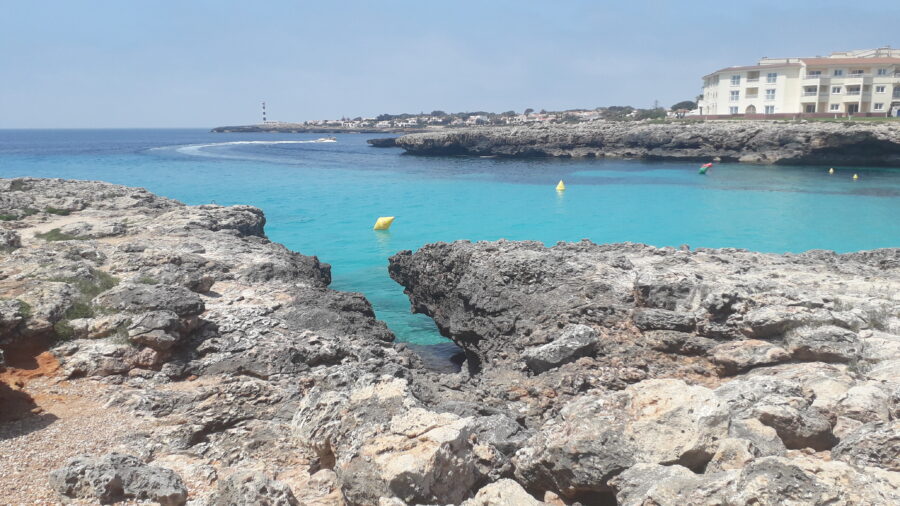
Menorca has a calm, grounded vibe that’s a world away from its busier neighbors. Each area brings something new—quiet fishing villages, elegant old towns, and beaches where the water barely moves.
What are the top recommended areas for first-time visitors to Menorca?
For a first trip, Ciutadella is a great base. The old stone streets, lively squares, and independent restaurants feel real, but everything’s still convenient. Beaches like Cala’n Blanes or Cala Santandria are just minutes away.
Mahón, the eastern capital, is another smart choice. It’s close to the airport, has a deep natural harbor, and plenty of boat tours that give you a feel for the island’s coastline.
Which part of Menorca is most suitable for a romantic couples’ retreat?
Binibeca on the south coast is made for couples. The white houses and quiet lanes look almost unreal, and the sunsets linger. Even in late May, it stays peaceful.
If you want something less “resorty,” Fornells in the north is a quieter, more local option. Small boutique hotels and fresh seafood by the water—no crowds, just the essentials.
Can you suggest family-friendly accommodations in Menorca?
Families usually head for Cala Galdana, Son Bou, or Santo Tomás. Expect wide beaches, gentle water, and easy access to supermarkets and playgrounds. Cala Galdana has walking paths to hidden coves for quick adventures.
Most mid-range apartment complexes here include pools, kitchenettes, and kids’ clubs. The setup makes travel with younger kids much easier.
What locations in Menorca offer the best access to pristine beaches?
For soft white sand and turquoise water, the south coast is your best bet. Cala Mitjana, Cala Mitjaneta, and Cala Macarella are all famous for clear swimming, surrounded by cliffs. Arrive early—parking goes fast.
The north coast is wilder, with beaches like Cavalleria and Cala Pilar (red sand, fewer people). They’re perfect if you’re up for a hike and want something more untouched.
Where should I consider staying in Menorca to enjoy the local nightlife?
Menorca isn’t a party island, but Mahón and Ciutadella both have lively evenings. In Mahón, bars along the port stay open late, especially in summer. Ciutadella leans more toward wine bars and open-air terraces that buzz past midnight.
For live music, keep an eye out for small festivals or local “fiestas” in June and July. The vibe is friendly, not wild.
Which villages in Menorca are known for their exceptional beauty and charm?
Fornells draws you in with its old fishing vibe and a waterfront dotted with whitewashed houses. It’s unpretentious and feels truly local. Es Mercadal sits right in the center, offering narrow lanes and bakeries turning out some of the island’s best pastries.
You might overlook Alaior, perched on a hill with winding streets. It packs in history, independent shops, and—on a clear day—a sea view that goes on forever.