
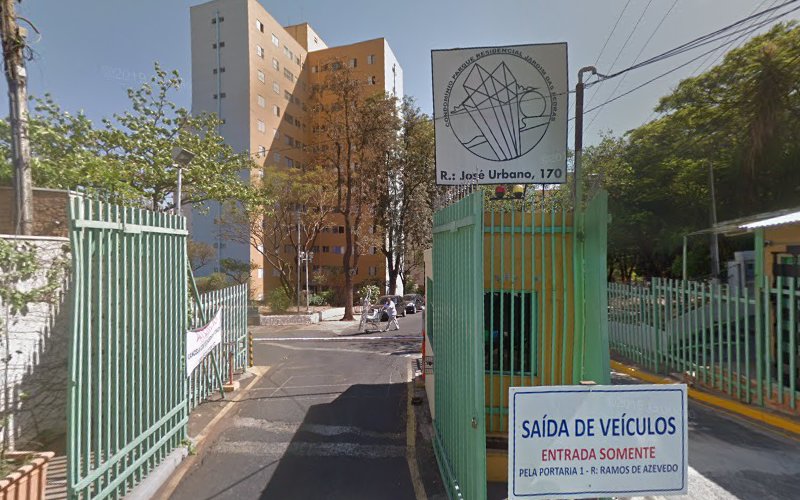
Condomínio Parque Residencial Jardim das Pedras
About Condomínio Parque Residencial Jardim das Pedras
Description
Condomínio Parque Residencial Jardim das Pedras represents one of those unexpected discoveries that seasoned travelers occasionally stumble upon when they're looking beyond the typical hotel circuit. This residential condominium complex offers a completely different perspective on accommodation – one that lets you live like a local rather than just passing through as another tourist. I've always believed that the best travel experiences happen when you step outside the traditional lodging bubble. And honestly, staying in a residential complex like this one gives you that authentic Brazilian living experience that no hotel concierge can replicate. You're not just visiting a destination; you're temporarily becoming part of a community. The complex itself functions as a self-contained residential area, which means travelers who choose to stay here – whether through rental arrangements or as guests of residents – get access to amenities typically reserved for long-term inhabitants. It's designed with families in mind, featuring multiple residential buildings surrounded by thoughtfully planned outdoor spaces that encourage community interaction. What strikes most visitors first is the sense of security and privacy that permeates the entire property. Brazilian condominiums take their security protocols seriously, and this one is no exception. The gated environment provides peace of mind that's particularly valuable for travelers unfamiliar with the area or those traveling with children. The architectural layout emphasizes green spaces and pedestrian-friendly pathways, creating an environment where kids can play safely and adults can enjoy evening walks without worrying about traffic. It's this residential character that makes it appealing for extended stays – you're not confined to a hotel room, constantly eating out, and feeling like you're living out of a suitcase.Key Features
When evaluating Condomínio Parque Residencial Jardim das Pedras as a potential accommodation option, travelers should consider these distinctive features:- Residential Authenticity: Experience daily life as Brazilian residents do, with access to local shops, markets, and neighborhood establishments that cater to permanent inhabitants rather than tourists
- Secured Access: 24-hour security monitoring and controlled entry points provide a safe environment for families and solo travelers alike
- Recreational Facilities: Common areas typically include playground equipment for children, communal gathering spaces, and maintained green areas perfect for morning jogs or evening relaxation
- Residential Units: Accommodation options range from compact apartments suitable for couples to larger units that can comfortably house families or groups of friends traveling together
- Self-Catering Capabilities: Full kitchen facilities in residential units allow travelers to shop at local markets and prepare meals, significantly reducing daily expenses while providing flexibility in dining schedules
- Parking Availability: Dedicated parking spaces for residents and their guests make this an excellent choice for travelers exploring the region by rental car
- Community Atmosphere: Unlike impersonal hotel stays, the residential setting creates opportunities for genuine interactions with Brazilian families and long-term residents
- Cost Efficiency: For extended stays of a week or longer, residential rentals typically offer better value than comparable hotel accommodations, especially for groups
- Laundry Facilities: Access to washing machines means travelers can pack lighter and maintain fresh clothing throughout their stay
- Local Services: Proximity to essential services like pharmacies, grocery stores, and transportation options that serve the residential community
Best Time to Visit
Here's where things get a bit nuanced. Since we're talking about a residential complex rather than a seasonal tourist attraction, the "best time" depends more on your travel goals and tolerance for different weather conditions than on peak tourist seasons. The Brazilian climate in this region experiences distinct wet and dry periods, and I've found that many travelers don't adequately prepare for this reality. The dry season, typically running from May through September, offers the most comfortable weather for those unused to tropical humidity. Temperatures remain warm but manageable, and you'll have fewer rainy afternoons disrupting outdoor plans. But here's the thing – visiting during the shoulder seasons of April or October can actually work in your favor. Accommodation rates sometimes drop slightly, and you're dealing with fewer tourists competing for resources in the surrounding area. Sure, you might encounter occasional rain showers, but they usually pass quickly and leave behind that fresh, clean smell that I personally love. The summer months from December through February bring intense heat and humidity. If you're coming from a cooler climate, this can feel overwhelming at first. However, this is also when Brazilian families take their summer holidays, which means the condominium community becomes more lively and social. You'll see more kids playing outside, more families gathering in common areas, and generally more activity that gives you a fuller picture of residential life here. One practical consideration that often gets overlooked: school holidays in Brazil affect the character of residential areas significantly. During July (winter break) and January (summer vacation), you'll notice increased activity and noise levels as children are home from school. For some travelers, this creates a more authentic family atmosphere; for others seeking quiet, it might be less ideal. I'd personally recommend visiting between April and June or September and November. You get pleasant weather without the peak summer heat, more availability in rental properties, and a balanced experience of the residential community during its normal rhythm.How to Get There
Reaching Condomínio Parque Residencial Jardim das Pedras requires understanding the local transportation infrastructure, which frankly isn't always intuitive for international visitors. The nearest major airport typically serves as your primary entry point, and from there you'll need to arrange ground transportation. Rental cars offer the most flexibility, especially if you're planning to explore the broader region during your stay. Having your own vehicle means you're not dependent on public transportation schedules or expensive taxi services for grocery runs and day trips. The condominium provides parking, which is a significant advantage that many travelers underestimate until they're actually here dealing with it. If you're going the rental car route, make sure your GPS or navigation app is downloaded with offline maps. Cell service can be spotty in certain areas, and the last thing you want is losing your directions halfway there. I've learned this lesson the hard way more than once. Ride-sharing services like Uber operate in many Brazilian cities and can provide door-to-door service from the airport directly to the condominium. This works well for arrivals but becomes less practical if you're planning multiple outings during your stay. The costs add up quickly. Public buses serve the area, but navigating the bus system requires either Portuguese language skills or a good translation app on your phone. Bus routes and schedules aren't always clearly posted in English, and drivers generally don't speak multiple languages. However, if you're adventurous and budget-conscious, local buses offer an authentic glimpse into daily life that sanitized tourist transportation never provides. For your initial arrival, especially with luggage, I'd recommend arranging a private transfer or using a ride-sharing service. Once you're settled and have your bearings, you can explore more economical transportation options for getting around. Many residential guests find that a combination approach works best – using public transportation for routine trips to nearby shops while reserving rental cars or ride-shares for longer excursions. One tip that saved me considerable frustration: get specific directions from your rental host or property contact before arriving. Condominium complexes can have multiple entrance points, and GPS sometimes directs you to a service entrance rather than the main visitor gate. Having clear instructions about which entrance to use and what information you'll need to provide security guards streamlines your arrival considerably.Tips for Visiting
Living in a residential complex requires a different mindset than staying in a hotel, and travelers who adjust their expectations accordingly have much better experiences. Let me share some practical insights that most guidebooks completely ignore. First off, establish a relationship with the security staff early. These folks are your first line of contact for everything from receiving deliveries to getting local recommendations. A friendly greeting in Portuguese – even if it's the only phrase you know – goes remarkably far. And honestly, they often have better insider knowledge about the neighborhood than any tourist information center. Stock your kitchen strategically within the first day of arrival. Having coffee, breakfast basics, and snack supplies on hand prevents those desperate early morning or late evening hunts for food when you're exhausted. Local supermarkets carry familiar brands alongside Brazilian products, so don't hesitate to try regional items. Some of my best culinary discoveries have happened in ordinary grocery stores. Understand the waste disposal and recycling protocols. Brazilian condominiums typically have specific systems for garbage collection, and not following them marks you as an inconsiderate visitor. Your host should explain this, but if they don't, ask. It matters more than you might think for maintaining good relationships with neighbors. Be mindful of noise levels, particularly during evening hours and weekends. Residential areas have community standards about noise that differ from hotel environments where some level of guest commotion is expected. This is especially important if you're traveling with children or planning social gatherings. Learn the emergency contact information for your specific unit and the condominium management. In a hotel, you'd just call the front desk. Here, you need to know who to contact for maintenance issues, security concerns, or other problems that might arise. Keep these numbers saved in your phone and written down somewhere accessible. Take advantage of the residential setting to establish routines. One unexpected benefit of staying in a condominium is the opportunity to exercise healthier travel habits. You can maintain regular meal times, get proper sleep without hotel hallway noise, and establish a temporary "home base" that reduces the constant stimulation of traditional tourism. Interact with neighbors when appropriate, but respect privacy boundaries. Some residents will be curious and friendly toward visitors; others prefer to keep to themselves. Follow social cues and don't take offense if people aren't interested in chatting. You're in their home environment, not a tourist district designed for visitor interaction. If you're planning to cook, shop at local markets rather than exclusively at supermarkets. The produce is fresher, prices are better, and the experience itself becomes a memorable part of your trip. Many residential areas have weekly markets where vendors sell fruits, vegetables, cheese, bread, and prepared foods. Keep your accommodation tidy throughout your stay rather than leaving everything for the final day. When you're living in a full apartment or house, the space can become chaotic quickly. Daily maintenance prevents the overwhelming cleanup session that nobody enjoys before checkout. Finally, document any existing damage or issues within the first 24 hours of arrival. Take photos and notify your host immediately. This protects you from being held responsible for pre-existing problems and establishes clear communication from the start. It might feel overly cautious, but this simple step has saved countless travelers from deposit disputes and misunderstandings. Remember that you're experiencing a slice of real Brazilian residential life – with all the authenticity, challenges, and rewards that entails. Embrace the experience for what it is rather than comparing it to hotel amenities, and you'll discover why so many travelers prefer this style of accommodation once they've tried it.Key Features
- Key Features
- Best Time to Visit
- How to Get There
- Tips for Visiting
More Details
Updated April 5, 2026
Table of Contents
- Description
- Key Features
- Best Time to Visit
- How to Get There
- Tips for Visiting
- Key Highlights
- Location
- Places to Stay Near Condomínio Parque Residencial Jardim das Pedras
- Find and Book a Tour
- Explore More Travel Guides
- Key Takeaways
- About Condomínio Parque Residencial Jardim das Pedras
- History and Significance
- What Makes It Special
- What to See and Do
- Main Attractions and Highlights
- Best Time to Visit
- Visitor Information
- Location and How to Get There
- Tips for Visitors
- Nearby Places You Might Like
- Traveler Reviews for Condomínio Parque Residencial Jardim das Pedras
- Share Your Experience
Description
Condomínio Parque Residencial Jardim das Pedras represents one of those unexpected discoveries that seasoned travelers occasionally stumble upon when they’re looking beyond the typical hotel circuit. This residential condominium complex offers a completely different perspective on accommodation – one that lets you live like a local rather than just passing through as another tourist.
I’ve always believed that the best travel experiences happen when you step outside the traditional lodging bubble. And honestly, staying in a residential complex like this one gives you that authentic Brazilian living experience that no hotel concierge can replicate. You’re not just visiting a destination; you’re temporarily becoming part of a community.
The complex itself functions as a self-contained residential area, which means travelers who choose to stay here – whether through rental arrangements or as guests of residents – get access to amenities typically reserved for long-term inhabitants. It’s designed with families in mind, featuring multiple residential buildings surrounded by thoughtfully planned outdoor spaces that encourage community interaction.
What strikes most visitors first is the sense of security and privacy that permeates the entire property. Brazilian condominiums take their security protocols seriously, and this one is no exception. The gated environment provides peace of mind that’s particularly valuable for travelers unfamiliar with the area or those traveling with children.
The architectural layout emphasizes green spaces and pedestrian-friendly pathways, creating an environment where kids can play safely and adults can enjoy evening walks without worrying about traffic. It’s this residential character that makes it appealing for extended stays – you’re not confined to a hotel room, constantly eating out, and feeling like you’re living out of a suitcase.
Key Features
When evaluating Condomínio Parque Residencial Jardim das Pedras as a potential accommodation option, travelers should consider these distinctive features:
- Residential Authenticity: Experience daily life as Brazilian residents do, with access to local shops, markets, and neighborhood establishments that cater to permanent inhabitants rather than tourists
- Secured Access: 24-hour security monitoring and controlled entry points provide a safe environment for families and solo travelers alike
- Recreational Facilities: Common areas typically include playground equipment for children, communal gathering spaces, and maintained green areas perfect for morning jogs or evening relaxation
- Residential Units: Accommodation options range from compact apartments suitable for couples to larger units that can comfortably house families or groups of friends traveling together
- Self-Catering Capabilities: Full kitchen facilities in residential units allow travelers to shop at local markets and prepare meals, significantly reducing daily expenses while providing flexibility in dining schedules
- Parking Availability: Dedicated parking spaces for residents and their guests make this an excellent choice for travelers exploring the region by rental car
- Community Atmosphere: Unlike impersonal hotel stays, the residential setting creates opportunities for genuine interactions with Brazilian families and long-term residents
- Cost Efficiency: For extended stays of a week or longer, residential rentals typically offer better value than comparable hotel accommodations, especially for groups
- Laundry Facilities: Access to washing machines means travelers can pack lighter and maintain fresh clothing throughout their stay
- Local Services: Proximity to essential services like pharmacies, grocery stores, and transportation options that serve the residential community
Best Time to Visit
Here’s where things get a bit nuanced. Since we’re talking about a residential complex rather than a seasonal tourist attraction, the “best time” depends more on your travel goals and tolerance for different weather conditions than on peak tourist seasons.
The Brazilian climate in this region experiences distinct wet and dry periods, and I’ve found that many travelers don’t adequately prepare for this reality. The dry season, typically running from May through September, offers the most comfortable weather for those unused to tropical humidity. Temperatures remain warm but manageable, and you’ll have fewer rainy afternoons disrupting outdoor plans.
But here’s the thing – visiting during the shoulder seasons of April or October can actually work in your favor. Accommodation rates sometimes drop slightly, and you’re dealing with fewer tourists competing for resources in the surrounding area. Sure, you might encounter occasional rain showers, but they usually pass quickly and leave behind that fresh, clean smell that I personally love.
The summer months from December through February bring intense heat and humidity. If you’re coming from a cooler climate, this can feel overwhelming at first. However, this is also when Brazilian families take their summer holidays, which means the condominium community becomes more lively and social. You’ll see more kids playing outside, more families gathering in common areas, and generally more activity that gives you a fuller picture of residential life here.
One practical consideration that often gets overlooked: school holidays in Brazil affect the character of residential areas significantly. During July (winter break) and January (summer vacation), you’ll notice increased activity and noise levels as children are home from school. For some travelers, this creates a more authentic family atmosphere; for others seeking quiet, it might be less ideal.
I’d personally recommend visiting between April and June or September and November. You get pleasant weather without the peak summer heat, more availability in rental properties, and a balanced experience of the residential community during its normal rhythm.
How to Get There
Reaching Condomínio Parque Residencial Jardim das Pedras requires understanding the local transportation infrastructure, which frankly isn’t always intuitive for international visitors. The nearest major airport typically serves as your primary entry point, and from there you’ll need to arrange ground transportation.
Rental cars offer the most flexibility, especially if you’re planning to explore the broader region during your stay. Having your own vehicle means you’re not dependent on public transportation schedules or expensive taxi services for grocery runs and day trips. The condominium provides parking, which is a significant advantage that many travelers underestimate until they’re actually here dealing with it.
If you’re going the rental car route, make sure your GPS or navigation app is downloaded with offline maps. Cell service can be spotty in certain areas, and the last thing you want is losing your directions halfway there. I’ve learned this lesson the hard way more than once.
Ride-sharing services like Uber operate in many Brazilian cities and can provide door-to-door service from the airport directly to the condominium. This works well for arrivals but becomes less practical if you’re planning multiple outings during your stay. The costs add up quickly.
Public buses serve the area, but navigating the bus system requires either Portuguese language skills or a good translation app on your phone. Bus routes and schedules aren’t always clearly posted in English, and drivers generally don’t speak multiple languages. However, if you’re adventurous and budget-conscious, local buses offer an authentic glimpse into daily life that sanitized tourist transportation never provides.
For your initial arrival, especially with luggage, I’d recommend arranging a private transfer or using a ride-sharing service. Once you’re settled and have your bearings, you can explore more economical transportation options for getting around. Many residential guests find that a combination approach works best – using public transportation for routine trips to nearby shops while reserving rental cars or ride-shares for longer excursions.
One tip that saved me considerable frustration: get specific directions from your rental host or property contact before arriving. Condominium complexes can have multiple entrance points, and GPS sometimes directs you to a service entrance rather than the main visitor gate. Having clear instructions about which entrance to use and what information you’ll need to provide security guards streamlines your arrival considerably.
Tips for Visiting
Living in a residential complex requires a different mindset than staying in a hotel, and travelers who adjust their expectations accordingly have much better experiences. Let me share some practical insights that most guidebooks completely ignore.
First off, establish a relationship with the security staff early. These folks are your first line of contact for everything from receiving deliveries to getting local recommendations. A friendly greeting in Portuguese – even if it’s the only phrase you know – goes remarkably far. And honestly, they often have better insider knowledge about the neighborhood than any tourist information center.
Stock your kitchen strategically within the first day of arrival. Having coffee, breakfast basics, and snack supplies on hand prevents those desperate early morning or late evening hunts for food when you’re exhausted. Local supermarkets carry familiar brands alongside Brazilian products, so don’t hesitate to try regional items. Some of my best culinary discoveries have happened in ordinary grocery stores.
Understand the waste disposal and recycling protocols. Brazilian condominiums typically have specific systems for garbage collection, and not following them marks you as an inconsiderate visitor. Your host should explain this, but if they don’t, ask. It matters more than you might think for maintaining good relationships with neighbors.
Be mindful of noise levels, particularly during evening hours and weekends. Residential areas have community standards about noise that differ from hotel environments where some level of guest commotion is expected. This is especially important if you’re traveling with children or planning social gatherings.
Learn the emergency contact information for your specific unit and the condominium management. In a hotel, you’d just call the front desk. Here, you need to know who to contact for maintenance issues, security concerns, or other problems that might arise. Keep these numbers saved in your phone and written down somewhere accessible.
Take advantage of the residential setting to establish routines. One unexpected benefit of staying in a condominium is the opportunity to exercise healthier travel habits. You can maintain regular meal times, get proper sleep without hotel hallway noise, and establish a temporary “home base” that reduces the constant stimulation of traditional tourism.
Interact with neighbors when appropriate, but respect privacy boundaries. Some residents will be curious and friendly toward visitors; others prefer to keep to themselves. Follow social cues and don’t take offense if people aren’t interested in chatting. You’re in their home environment, not a tourist district designed for visitor interaction.
If you’re planning to cook, shop at local markets rather than exclusively at supermarkets. The produce is fresher, prices are better, and the experience itself becomes a memorable part of your trip. Many residential areas have weekly markets where vendors sell fruits, vegetables, cheese, bread, and prepared foods.
Keep your accommodation tidy throughout your stay rather than leaving everything for the final day. When you’re living in a full apartment or house, the space can become chaotic quickly. Daily maintenance prevents the overwhelming cleanup session that nobody enjoys before checkout.
Finally, document any existing damage or issues within the first 24 hours of arrival. Take photos and notify your host immediately. This protects you from being held responsible for pre-existing problems and establishes clear communication from the start. It might feel overly cautious, but this simple step has saved countless travelers from deposit disputes and misunderstandings.
Remember that you’re experiencing a slice of real Brazilian residential life – with all the authenticity, challenges, and rewards that entails. Embrace the experience for what it is rather than comparing it to hotel amenities, and you’ll discover why so many travelers prefer this style of accommodation once they’ve tried it.
Key Highlights
- Key Features
- Best Time to Visit
- How to Get There
- Tips for Visiting
Location
Places to Stay Near Condomínio Parque Residencial Jardim das Pedras
Find and Book a Tour
Explore More Travel Guides
No reviews found! Be the first to review!
Finding a spot that lets you soak up Ribeirão Preto like a true local? That’s a game-changer. Condomínio Parque Residencial Jardim das Pedras, tucked away in the Jardim Palma Travassos neighborhood, nails that vibe.
This residential complex lets you ditch the generic hotel scene for something more authentic. It’s a real slice of daily life in one of São Paulo state’s most energetic cities.
You’ll find the building on Rua José Urbano, in a pocket of town most visitors just breeze past. Locals, though, know this is the sweet spot—close to the action but far from chaos.
It’s peaceful here, but not isolated. The amenities are solid, especially if you’re hanging around for more than a few days.
Key Takeaways
- Condomínio Parque Residencial Jardim das Pedras is in Jardim Palma Travassos, Ribeirão Preto.
- It’s a real alternative to cookie-cutter hotels—think local life, not tourist traps.
- The property is at Rua José Urbano, 170 and has plenty of perks for longer stays.
About Condomínio Parque Residencial Jardim das Pedras
This place isn’t just another building in Ribeirão Preto’s Jardim Paulista neighborhood—it’s been part of the community since the 1980s. If you want to see what Brazilian condo living really feels like, this is your chance.
The vibe is relaxed, and the amenities are genuinely useful. Locals have counted on this spot for decades.
History and Significance
Condomínio Parque Residencial Jardim das Pedras opened its doors back in 1984. You’ll spot it at Rua José Urbano, 170, right where Jardim Paulista meets Palma Travassos.
It’s managed to stay relevant over the years by keeping that neighborly feeling alive, while also making some smart updates. The whole area, Jardim Paulista, grew up as a quiet residential zone with solid infrastructure—just what families wanted.
This building fit right in from the beginning.
What Makes It Special
You might not expect much from an older complex, but this one surprises you. There’s a 24-hour front desk—huge for peace of mind.
The shared spaces are actually inviting:
- Salão de festas (party room) that’s always in use for birthdays or Sunday get-togethers
- Playground for the kids to burn off energy
- Sports court for a quick game after work
- Gourmet space for those long, chatty dinners
- Green areas that make it feel less like a concrete box
- Elevator (because, honestly, who wants to lug groceries up the stairs?)
The atmosphere is just… calm. You’re away from downtown noise, but not cut off from what you need.
Most units are practical 2-bedroom apartments, about 53 square meters. It’s perfect for small families or couples who want a bit of space.
Residents consistently give it high marks—4.5 out of 5, which says a lot about how well it’s run.
What to See and Do
Let’s be real: Condomínio Parque Residencial Jardim das Pedras isn’t a tourist attraction. It’s a home base, and that’s what makes it special.
You’re right in the middle of one of Ribeirão Preto’s most convenient neighborhoods. Schools, shops, and city highlights are all within easy reach.
Main Attractions and Highlights
The building is technically in Jardim Paulista, but it’s right next to Palma Travassos—locals use that as shorthand.
So what’s nearby? Plenty, honestly:
- Shopping centers just a quick drive away
- Parks and green spaces for those morning walks (or late-night strolls if you’re like me)
- Restaurants serving proper regional dishes—forget fast food, go local
- Cultural venues in downtown Ribeirão Preto, just 15 minutes by car
Inside the building, you’ve got portaria 24 horas (round-the-clock security), elevators, a sports court, party room, playground, game room, and a gourmet area. It’s more than just a place to sleep.
Schools like Colégio Anchieta and Colégio Cognitivo are close by, which is handy if you’re staying longer or visiting family.
The real win, though, is the location. You get the peace of a residential area, but downtown is never far off.
Best Time to Visit
Honestly, Ribeirão Preto works any time of year if you’re staying here. The building’s amenities don’t care if it’s summer or winter.
If you want specifics:
- April to September is drier and pretty comfortable.
- December to February can be hot and sticky, with the odd afternoon rainstorm.
- May through August brings cooler evenings—maybe pack a light sweater.
There’s no real “tourist season” here. Jardim das Pedras keeps its laid-back, local feel all year. If you’re coming for business or family, pick whatever month suits you.
Just check the forecast and pack for the heat if you’re here in summer. Winters are mild, but a jacket never hurts.
Visitor Information
Condomínio Parque Residencial Jardim das Pedras is firmly in Jardim Paulista, Ribeirão Preto. It’s a residential spot, but if you’re planning to meet someone here or just want to see a different side of the city, a little info goes a long way.
Location and How to Get There
Plug in Rua José Urbano, 170—Jardim Paulista district—and you’re set. Palma Travassos is right next door, so if you get lost, just ask for that.
Driving from downtown? Aim north, toward the residential neighborhoods. It’s about 15-20 minutes, depending on how the traffic gods are feeling.
GPS works fine here. Pop in the address and you’ll get there without much fuss.
For taxis or rideshares, just say “Jardim das Pedras no Jardim Paulista.” Most drivers know the area, or at least the nearby landmarks.
Street lighting is good, and signs are clear—way less confusing than some of the newer developments in Ribeirão Preto.
Public transport exists, but honestly, buses can be a bit sporadic in residential areas. If you’re relying on them, double-check the latest routes and schedules. Otherwise, rideshare is the way to go.
Tips for Visitors
So, here’s the thing—Condomínio Parque Residencial Jardim das Pedras isn’t the sort of place you can just stroll into on a whim. It’s a private residential community, and the 24-hour security is no joke.
You’ll need an invite from someone who actually lives there. Residents usually let the front desk know you’re coming, so don’t forget to bring your ID—they’re definitely going to ask.
This place has been around since 1984, which gives it that settled, almost nostalgic vibe. You won’t find gleaming new amenities, but honestly, the mature trees and peaceful corners more than make up for it.
If you’re thinking about renting here, you’re signing up for a genuine slice of Ribeirão Preto life, not the usual tourist buzz. No shops or restaurants inside the gates, which might be a dealbreaker for some.
But hey, Jardim Paulista is right nearby and has some solid local markets and food spots. Just be ready to head out if you need anything beyond the basics.
Daytime is hands-down the best for wandering the tree-lined streets and soaking up the neighborhood charm. Evenings are calm, maybe even a little too quiet—depends what you’re after.
Traveler Reviews for Condomínio Parque Residencial Jardim das Pedras
There are no reviews yet. Be the first one to write one.
Have you visited Condomínio Parque Residencial Jardim das Pedras? Help other travelers by sharing your review.
You Might Also Like
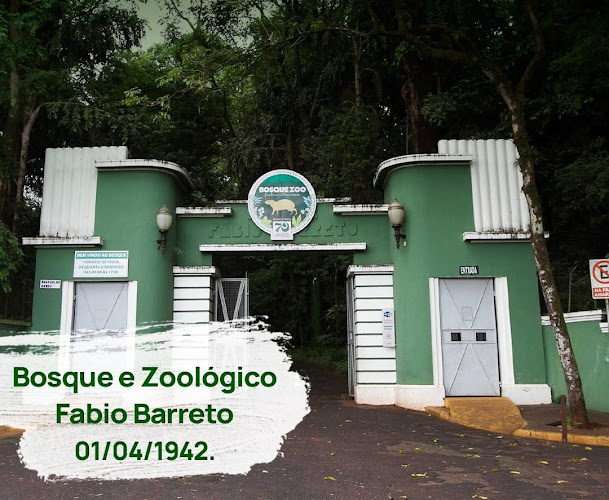
Bosque Zoo Fábio Barreto
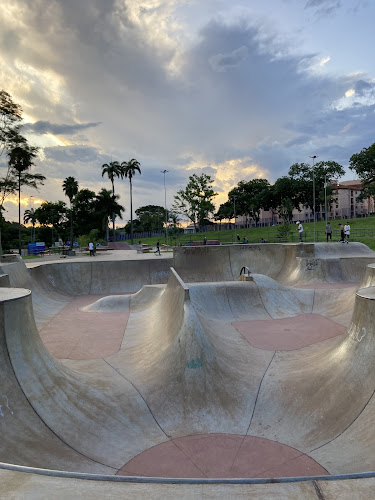
Parque Ecológico Maurilio Biaggi

Quarteirão Paulista
Find Accommodations Nearby
Recommended Tours & Activities
Visitor Reviews
There are no reviews yet. Be the first one to write one.
Share Your Experience
Have you visited Condomínio Parque Residencial Jardim das Pedras? Help other travelers by leaving a review.