
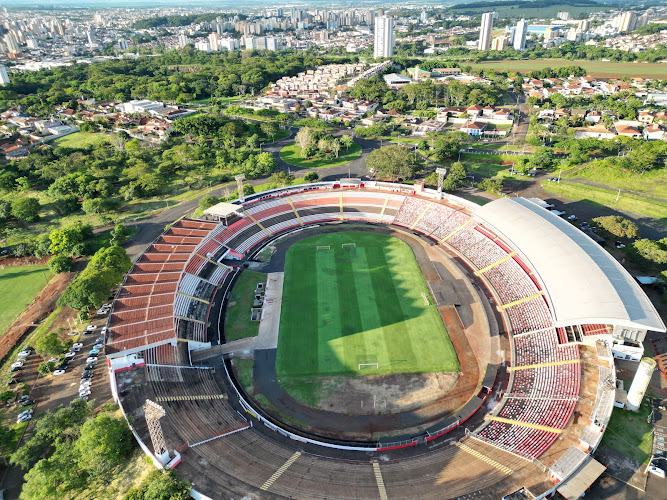
Stadium Santa Cruz
About Stadium Santa Cruz
Description
Stadium Santa Cruz stands as one of those places where football culture truly comes alive in a way that feels different from your typical sports venue. I've always believed that the best stadiums aren't just about the game itself - they're about the atmosphere, the community, and that electric feeling you get when thousands of people come together for something they're passionate about. This soccer stadium delivers exactly that experience. What makes this place interesting is how it manages to serve multiple purposes beyond just hosting football matches. Sure, you'll catch exciting soccer games here throughout the season, but the venue also opens its doors for live music events that draw crowds from all over the region. There's something special about a space that can transform from a roaring football arena on Saturday afternoon to a concert venue on Friday night. And honestly, venues that adapt like this tend to have more character than those single-purpose facilities that feel empty half the time. The stadium has built a solid reputation over the years, and you can feel it when you walk through those gates. Most visitors leave with positive impressions, appreciating both the sporting events and the overall experience the venue provides. But like any popular gathering place, it has its quirks and occasional shortcomings - which we'll get into later in the tips section because nobody wants to show up unprepared.Key Features
The practical elements of Stadium Santa Cruz really show that management has put thought into making the experience accessible and convenient for everyone who visits: • Full wheelchair accessibility throughout the facility, including dedicated entrances that don't make mobility-challenged visitors feel like an afterthought • Accessible parking areas positioned close to entry points - something I always notice because my uncle uses a wheelchair, and trust me, those extra fifty yards make a huge difference • Wheelchair-accessible restrooms that actually meet proper standards rather than being barely-compliant token facilities • Modern payment systems accepting credit cards, debit cards, and NFC mobile payments - finally catching up with how people actually want to pay for things in 2024 • Clean restroom facilities available throughout the stadium grounds • Flexible venue space that accommodates both traditional soccer matches and live music performances • Seating arrangements designed to provide decent sightlines for most spectators • Concession areas where you can grab food and drinks during events The accessibility features deserve special mention because they're not just checkboxes on a compliance form. The stadium genuinely seems to have considered how people with different mobility needs experience large events. That wheelchair-accessible entrance isn't hidden around back - it's integrated into the main flow of the venue.Best Time to Visit
Timing your visit to Stadium Santa Cruz really depends on what kind of experience you're after. If you're a football enthusiast who wants to see the stadium at its most authentic, you'll want to plan around the soccer season which typically runs during the cooler months. The energy during home games is completely different from what you'll experience during an off-season tour or concert. Weather-wise, the region enjoys fairly pleasant conditions year-round, but the shoulder seasons - spring and fall - offer the most comfortable temperatures for sitting in stadium seats for a couple hours. Summer can get pretty warm, especially if you're in sections with limited shade. I learned this the hard way at a different stadium once and spent half the match wishing I'd brought a hat and more water. For the best atmosphere, try to catch a match when the home team is playing a rival. These games bring out the most passionate fans, the loudest chants, and that competitive edge that makes live sports memorable. But fair warning - these matches also draw the biggest crowds, so you'll need to plan accordingly and probably arrive earlier than you normally would. If live music is more your thing, check the venue's event calendar several weeks in advance. Concert dates fill up quickly, and popular acts can sell out faster than you'd expect. The stadium's acoustics have been praised for outdoor music events, and there's something undeniably cool about seeing a performance in a space usually reserved for football. Mid-week events tend to be less crowded than weekend ones, which can be either positive or negative depending on your personality. Some people love the packed, energetic weekend crowds while others prefer the slightly more relaxed midweek vibe.How to Get There
Getting to Stadium Santa Cruz requires a bit of planning, but it's definitely manageable once you understand your options. The stadium's location makes it accessible through several transportation methods, though some work better than others depending on where you're staying. If you're driving, parking is available on-site with designated accessible spaces near the entrances. However - and this is important - you'll want to arrive at least an hour before major events start. Stadium parking fills up quickly, and nothing ruins the pre-game excitement quite like circling endlessly looking for a spot while the opening whistle approaches. I've watched too many stressed-out drivers miss kickoff because they underestimated how early they needed to arrive. Public transportation offers another viable option for reaching the venue. Local buses service the area around the stadium, and on game days some routes increase their frequency to handle the extra passenger load. The walk from nearby bus stops to the stadium entrance is reasonable for most people, though it can get congested right before events start when everyone's moving in the same direction. Taxis and rideshare services work well for getting to the stadium, but leaving after events ends can be trickier. Thousands of people requesting rides simultaneously creates surge pricing and long wait times. If you go this route, consider walking a few blocks away from the immediate stadium area before requesting your ride - you'll often get faster service and better prices. For visitors staying in nearby hotels, some establishments offer shuttle services on event days. It's worth asking your accommodation about this option when you book because it solves both the getting-there and getting-back problems in one go. The surrounding area has decent walkability if you're staying relatively close by, though you'll want to check your route beforehand to make sure it's well-lit and safe, especially for evening events.Tips for Visiting
Here's where I share some practical wisdom that'll make your Stadium Santa Cruz experience smoother. These aren't the polished tourism-board recommendations - they're the real-deal tips based on what actually matters when you're there. First off, arrive earlier than you think you need to. I know I already mentioned this for parking, but it bears repeating for other reasons too. Security lines before major events can stretch surprisingly long, and nobody wants to miss the opening moments because they're still shuffling through bag checks. Plus, getting there early lets you soak in the pre-game atmosphere, grab food before the concession lines get ridiculous, and find your seats without that rushed, stressed feeling. Speaking of security, pack light and smart. Large bags often require additional screening or aren't permitted at all, so check the stadium's policies before you leave your hotel. A small backpack or purse with your essentials usually works fine - just make sure water bottles are empty if you're bringing reusable ones. Dress in layers because stadium temperatures can be unpredictable. Even if the forecast looks perfect, conditions change as the sun goes down or clouds roll in. And if you're sitting in the upper sections, it often gets breezier than you'd expect. The payment systems accept cards and mobile payments, which is great, but don't rely entirely on technology. I've seen payment systems go down at crowded venues, leaving people unable to buy food or merchandise. Bringing a small amount of cash as backup never hurts. For the best experience, do a little research on where different fan sections sit. Some areas are known for more passionate, louder supporters while others attract families with young kids or more casual spectators. Neither is better or worse - they're just different vibes, and you should pick whichever matches your preferences. The accessible facilities get used heavily during popular events, so if you or someone in your group needs these amenities, factor in potentially longer wait times during breaks or halftime. Don't leave immediately when the final whistle blows unless you absolutely must. The post-match rush creates bottlenecks everywhere - in the aisles, at the exits, in the parking lot, on public transport. Hanging back for fifteen or twenty minutes lets the initial surge clear out, and you'll actually get home faster by waiting than by joining the immediate exodus. If you're attending a concert rather than a match, the dynamics change a bit. Sightlines matter differently, acoustics vary depending on where you sit, and the crowd behavior shifts. Stadium concerts can be fantastic but they're a different beast than football matches in the same space. One thing visitors sometimes overlook is checking whether there are any local traditions or customs around attending matches at this particular venue. Football culture varies regionally, and what's normal at one stadium might be different elsewhere. A quick online search or asking at your hotel can prevent any awkward moments. Finally, keep your expectations realistic. Stadium Santa Cruz offers a solid experience for both sports and music events, but it's a real working venue, not a polished tourist attraction. You might encounter long bathroom lines, mediocre concession food, or other minor inconveniences that come with large-scale events anywhere. The key is focusing on why you're there - whether that's the beautiful game, live music, or just being part of something bigger with thousands of other people who showed up for the same reason.Key Features
- Historic home of Botafogo Futebol Clube (Botafogo-SP), opened 1968
- Intimate bowl with lively local supporter atmosphere
- Seating capacity around 29,000 offering good sightlines
- Located in the Santa Cruz neighborhood, easy to pair with local bars and eateries
- Occasional club-run tours, matchday vendors and memorabilia
More Details
Updated April 5, 2026
Table of Contents
- Description
- Key Features
- Best Time to Visit
- How to Get There
- Tips for Visiting
- Key Highlights
- Location
- Places to Stay Near Stadium Santa Cruz
- Find and Book a Tour
- Explore More Travel Guides
- Key Takeaways
- About Stadium Santa Cruz
- History and Significance
- What Makes It Special
- What to See and Do
- Main Attractions and Highlights
- Best Time to Visit
- Visitor Information
- Location and How to Get There
- Tips for Visitors
- Nearby Places You Might Like
- Traveler Reviews for Stadium Santa Cruz
- Share Your Experience
Description
Stadium Santa Cruz stands as one of those places where football culture truly comes alive in a way that feels different from your typical sports venue. I’ve always believed that the best stadiums aren’t just about the game itself – they’re about the atmosphere, the community, and that electric feeling you get when thousands of people come together for something they’re passionate about. This soccer stadium delivers exactly that experience.
What makes this place interesting is how it manages to serve multiple purposes beyond just hosting football matches. Sure, you’ll catch exciting soccer games here throughout the season, but the venue also opens its doors for live music events that draw crowds from all over the region. There’s something special about a space that can transform from a roaring football arena on Saturday afternoon to a concert venue on Friday night. And honestly, venues that adapt like this tend to have more character than those single-purpose facilities that feel empty half the time.
The stadium has built a solid reputation over the years, and you can feel it when you walk through those gates. Most visitors leave with positive impressions, appreciating both the sporting events and the overall experience the venue provides. But like any popular gathering place, it has its quirks and occasional shortcomings – which we’ll get into later in the tips section because nobody wants to show up unprepared.
Key Features
The practical elements of Stadium Santa Cruz really show that management has put thought into making the experience accessible and convenient for everyone who visits:
• Full wheelchair accessibility throughout the facility, including dedicated entrances that don’t make mobility-challenged visitors feel like an afterthought
• Accessible parking areas positioned close to entry points – something I always notice because my uncle uses a wheelchair, and trust me, those extra fifty yards make a huge difference
• Wheelchair-accessible restrooms that actually meet proper standards rather than being barely-compliant token facilities
• Modern payment systems accepting credit cards, debit cards, and NFC mobile payments – finally catching up with how people actually want to pay for things in 2024
• Clean restroom facilities available throughout the stadium grounds
• Flexible venue space that accommodates both traditional soccer matches and live music performances
• Seating arrangements designed to provide decent sightlines for most spectators
• Concession areas where you can grab food and drinks during events
The accessibility features deserve special mention because they’re not just checkboxes on a compliance form. The stadium genuinely seems to have considered how people with different mobility needs experience large events. That wheelchair-accessible entrance isn’t hidden around back – it’s integrated into the main flow of the venue.
Best Time to Visit
Timing your visit to Stadium Santa Cruz really depends on what kind of experience you’re after. If you’re a football enthusiast who wants to see the stadium at its most authentic, you’ll want to plan around the soccer season which typically runs during the cooler months. The energy during home games is completely different from what you’ll experience during an off-season tour or concert.
Weather-wise, the region enjoys fairly pleasant conditions year-round, but the shoulder seasons – spring and fall – offer the most comfortable temperatures for sitting in stadium seats for a couple hours. Summer can get pretty warm, especially if you’re in sections with limited shade. I learned this the hard way at a different stadium once and spent half the match wishing I’d brought a hat and more water.
For the best atmosphere, try to catch a match when the home team is playing a rival. These games bring out the most passionate fans, the loudest chants, and that competitive edge that makes live sports memorable. But fair warning – these matches also draw the biggest crowds, so you’ll need to plan accordingly and probably arrive earlier than you normally would.
If live music is more your thing, check the venue’s event calendar several weeks in advance. Concert dates fill up quickly, and popular acts can sell out faster than you’d expect. The stadium’s acoustics have been praised for outdoor music events, and there’s something undeniably cool about seeing a performance in a space usually reserved for football.
Mid-week events tend to be less crowded than weekend ones, which can be either positive or negative depending on your personality. Some people love the packed, energetic weekend crowds while others prefer the slightly more relaxed midweek vibe.
How to Get There
Getting to Stadium Santa Cruz requires a bit of planning, but it’s definitely manageable once you understand your options. The stadium’s location makes it accessible through several transportation methods, though some work better than others depending on where you’re staying.
If you’re driving, parking is available on-site with designated accessible spaces near the entrances. However – and this is important – you’ll want to arrive at least an hour before major events start. Stadium parking fills up quickly, and nothing ruins the pre-game excitement quite like circling endlessly looking for a spot while the opening whistle approaches. I’ve watched too many stressed-out drivers miss kickoff because they underestimated how early they needed to arrive.
Public transportation offers another viable option for reaching the venue. Local buses service the area around the stadium, and on game days some routes increase their frequency to handle the extra passenger load. The walk from nearby bus stops to the stadium entrance is reasonable for most people, though it can get congested right before events start when everyone’s moving in the same direction.
Taxis and rideshare services work well for getting to the stadium, but leaving after events ends can be trickier. Thousands of people requesting rides simultaneously creates surge pricing and long wait times. If you go this route, consider walking a few blocks away from the immediate stadium area before requesting your ride – you’ll often get faster service and better prices.
For visitors staying in nearby hotels, some establishments offer shuttle services on event days. It’s worth asking your accommodation about this option when you book because it solves both the getting-there and getting-back problems in one go.
The surrounding area has decent walkability if you’re staying relatively close by, though you’ll want to check your route beforehand to make sure it’s well-lit and safe, especially for evening events.
Tips for Visiting
Here’s where I share some practical wisdom that’ll make your Stadium Santa Cruz experience smoother. These aren’t the polished tourism-board recommendations – they’re the real-deal tips based on what actually matters when you’re there.
First off, arrive earlier than you think you need to. I know I already mentioned this for parking, but it bears repeating for other reasons too. Security lines before major events can stretch surprisingly long, and nobody wants to miss the opening moments because they’re still shuffling through bag checks. Plus, getting there early lets you soak in the pre-game atmosphere, grab food before the concession lines get ridiculous, and find your seats without that rushed, stressed feeling.
Speaking of security, pack light and smart. Large bags often require additional screening or aren’t permitted at all, so check the stadium’s policies before you leave your hotel. A small backpack or purse with your essentials usually works fine – just make sure water bottles are empty if you’re bringing reusable ones.
Dress in layers because stadium temperatures can be unpredictable. Even if the forecast looks perfect, conditions change as the sun goes down or clouds roll in. And if you’re sitting in the upper sections, it often gets breezier than you’d expect.
The payment systems accept cards and mobile payments, which is great, but don’t rely entirely on technology. I’ve seen payment systems go down at crowded venues, leaving people unable to buy food or merchandise. Bringing a small amount of cash as backup never hurts.
For the best experience, do a little research on where different fan sections sit. Some areas are known for more passionate, louder supporters while others attract families with young kids or more casual spectators. Neither is better or worse – they’re just different vibes, and you should pick whichever matches your preferences.
The accessible facilities get used heavily during popular events, so if you or someone in your group needs these amenities, factor in potentially longer wait times during breaks or halftime.
Don’t leave immediately when the final whistle blows unless you absolutely must. The post-match rush creates bottlenecks everywhere – in the aisles, at the exits, in the parking lot, on public transport. Hanging back for fifteen or twenty minutes lets the initial surge clear out, and you’ll actually get home faster by waiting than by joining the immediate exodus.
If you’re attending a concert rather than a match, the dynamics change a bit. Sightlines matter differently, acoustics vary depending on where you sit, and the crowd behavior shifts. Stadium concerts can be fantastic but they’re a different beast than football matches in the same space.
One thing visitors sometimes overlook is checking whether there are any local traditions or customs around attending matches at this particular venue. Football culture varies regionally, and what’s normal at one stadium might be different elsewhere. A quick online search or asking at your hotel can prevent any awkward moments.
Finally, keep your expectations realistic. Stadium Santa Cruz offers a solid experience for both sports and music events, but it’s a real working venue, not a polished tourist attraction. You might encounter long bathroom lines, mediocre concession food, or other minor inconveniences that come with large-scale events anywhere. The key is focusing on why you’re there – whether that’s the beautiful game, live music, or just being part of something bigger with thousands of other people who showed up for the same reason.
Key Highlights
- Historic home of Botafogo Futebol Clube (Botafogo-SP), opened 1968
- Intimate bowl with lively local supporter atmosphere
- Seating capacity around 29,000 offering good sightlines
- Located in the Santa Cruz neighborhood, easy to pair with local bars and eateries
- Occasional club-run tours, matchday vendors and memorabilia
Location
Places to Stay Near Stadium Santa Cruz
Find and Book a Tour
Explore More Travel Guides
No reviews found! Be the first to review!
Stadium Santa Cruz sits right in the heart of Ribeirão Preto. This is a city that breathes football in ways you might not expect—especially if you know it more for coffee and sugarcane than stadiums.
The 29,292-seat stadium has been home to Botafogo Futebol Clube since 1968. It’s where you’ll find a genuine slice of Brazilian football culture—but without the chaos of São Paulo or Rio’s mega-venues.
Santa Cruz really made its name when France used it as a base during the 2014 World Cup. If you wander over now, you’ll notice it’s grown well beyond just match days.
There’s the Arena Eurobike section, packed with restaurants and even a Hard Rock Cafe. It’s a spot you can visit even when the pitch is quiet.
What really stands out here is the local vibe. There’s no wall between you and the community—unlike those giant stadiums that feel a bit detached.
It’s easy to reach in the Santa Cruz neighborhood, and you’ll get a look at how football weaves into daily life in a city most tourists overlook.
Key Takeaways
- Stadium Santa Cruz has a 29,292 capacity and once hosted France’s World Cup squad in 2014.
- The complex packs in dining and entertainment, with restaurants and a concert venue for up to 15,000 people.
- If you catch a match, you’ll get a real local football experience—way more intimate than Brazil’s big-name stadiums.
About Stadium Santa Cruz
Estádio Santa Cruz has been pulling in football fans since 1968. It’s not just a stadium; it’s a full-blown entertainment complex that somehow manages to bottle up the spirit of Brazilian football.
History and Significance
The stadium first opened its gates on January 21, 1968, right in the Santa Cruz neighborhood. It’s the home turf for Botafogo Futebol Clube (Botafogo-SP).
Over the years, it’s become a landmark for football in São Paulo’s interior. With space for nearly 29,000 fans, Santa Cruz has seen its share of unforgettable matches.
It’s had a facelift recently and now goes by Arena Nicnet Eurobike officially. Still, if you ask around, everyone just calls it Santa Cruz.
What’s cool is how tightly it’s woven into Ribeirão Preto’s identity. For almost 60 years, this has been the spot for wild celebrations and tough losses alike.
The stadium isn’t just about football—it’s a cultural anchor for the city.
What Makes It Special
Santa Cruz isn’t only about matches anymore. There’s a boulevard with restaurants, bars, and shops—so there’s always something happening.
Inside, you can grab a burger at Hard Rock Cafe or catch some live music at Bar do Zeca Pagodinho. There’s even a Falaguasta pizzeria if that’s more your speed.
The place has 34 corporate suites, VIP lounges like the Johnnie Walker space, and covered stands. You’ll stay dry even if the weather turns.
Major concerts and festivals roll through here, not just football matches. It’s worth checking the schedule before you show up.
On match days, about 15,000 fans fill the stands and the energy is infectious. If you’re chasing that authentic Brazilian football buzz, you’ll find it here.
What to See and Do
Estádio Santa Cruz gives you a real taste of Brazilian football in Ribeirão Preto. The crowd’s passionate, and the atmosphere is a world away from tourist-heavy cities.
You’ll find it in the Santa Cruz neighborhood, serving as the home base for Botafogo FC. It’s a chance to experience interior São Paulo football up close.
Main Attractions and Highlights
The stadium holds 29,292 people and has seen some pretty epic moments since 1968. It’s the only stadium in Brazil’s interior to have hosted the national team—once in 1982 and again in 1992.
Honestly, catching a Botafogo FC home game is the move. The vibe is different from the big cities—closer, louder, and somehow more personal.
You’ll hear people call it Arena Eurobike now, thanks to sponsorship. But, let’s be real, locals still say Santa Cruz.
Football matches run throughout the Brazilian season, from April to December. If you’re into football history, this stadium is the heart of interior football. It’s not flashy, but that’s kind of the charm.
Best Time to Visit
Aim for the football season when Botafogo FC is at home. Match days are a riot of food stalls, fans decked out in team colors, and that nervous energy before kickoff.
Weekends are best—the crowds are bigger and the buzz is real. Always double-check the schedule, though. Fixtures can shift around.
Skip January and February if you’re chasing football—the season’s on pause for summer holidays. The stadium still hosts other events, but the main draw is missing.
Evening matches are more comfortable, especially with Ribeirão Preto’s heat. Trust me, you’ll thank yourself for skipping those sweltering afternoon games.
Visitor Information
You’ll find the stadium in the Ribeirânia neighborhood, right on Avenida Costábile Romano. Getting there is simple, whether you’re driving or using public transport.
Match days are when the place really comes alive, but it’s smart to check opening hours ahead of time. Sometimes access is limited if there’s no event.
Location and How to Get There
Stadium Santa Cruz’s official address is Avenida Costábile Romano S/N, postal code 14096-380, in the Ribeirânia district of Ribeirão Preto.
If you’re driving, it’s well-connected to the city’s main roads. Look out for signs to Ribeirânia once you’re in town.
Parking is usually available near the stadium, especially if you arrive early on match days. For public transport, a handful of bus lines stop close to Avenida Costábile Romano.
Ask locals or check the latest routes—things change. Taxis and ride-shares like Uber are easy options too, especially if you’re coming from downtown or your hotel.
The stadium is home to Botafogo Futebol Clube, and there’s nothing quite like the energy here when the team is playing.
Tips for Visitors
Before you set out for Stadium Santa Cruz, it’s smart to give them a ring at (16) 3964-5410. Hours can be unpredictable, and public access isn’t always a given unless there’s a match or a big event.
Honestly, if you want the real experience, time your visit with a Botafogo game. There’s nothing quite like the roar of the crowd and the electric buzz that fills the air in Ribeirão Preto on match day.
Get there early—seriously, the pre-game energy is half the fun. You’ll find all sorts of local snacks and street food outside, and the vendors set up well before kickoff.
Most of these folks prefer cash, so bring some bills. Not everyone’s got a card machine, and you don’t want to miss out on a cold drink or a pastel just because you’re empty-handed.
The stadium’s got that classic Brazilian vibe—huge, open, and a little rough around the edges. With a capacity over 29,000, it can get packed, and the stairs are steeper than you might expect.
Some seats are pretty tight, especially in the older sections, so don’t expect luxury. If you’re after a keepsake, the Pantera Shop right at the stadium sells all the official Botafogo gear you could want.
Accessibility can be hit or miss, especially since the place dates back to 1968. If mobility’s an issue, definitely check ahead about ramps or alternative entrances.
Traveler Reviews for Stadium Santa Cruz
There are no reviews yet. Be the first one to write one.
Have you visited Stadium Santa Cruz? Help other travelers by sharing your review.
Nearby Attractions
You Might Also Like
APRM - Ribeirao Preto Art Museum

Quarteirão Paulista
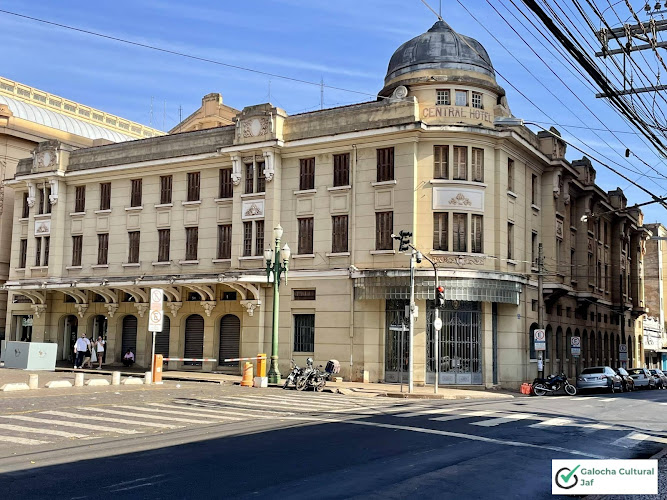
Centro Cultural Palace
Find Accommodations Nearby
Recommended Tours & Activities
Visitor Reviews
There are no reviews yet. Be the first one to write one.
Share Your Experience
Have you visited Stadium Santa Cruz? Help other travelers by leaving a review.