
SJDM
About SJDM
Description
San Jose del Monte, or SJDM as locals fondly call it, sits in the province of Bulacan in the Philippines and has quietly transformed itself into one of those places that doesn't get nearly enough attention from travelers. You know the type – a city that's growing fast, changing almost daily, but still manages to hold onto bits and pieces of what made it special in the first place. I've always found SJDM fascinating because it exists in this interesting space between rural charm and urban development. The city sprawls across a pretty substantial area, and depending on which part you find yourself in, you might think you're in completely different places. Some neighborhoods feel like they could be in Metro Manila with their shopping centers and residential developments, while other areas still have that provincial feel with rolling hills and agricultural land that stretches as far as you can see. What strikes most visitors first is how the city sits at the foot of the Sierra Madre mountain range. This geography gives SJDM a completely different vibe compared to the flatter areas of Bulacan. The elevation changes mean cooler temperatures in certain parts, especially as you head toward the mountainous sections. And honestly, that alone makes it worth visiting if you're tired of the intense heat that blankets most of the Philippines. The city has this dual personality that I think makes it genuinely interesting for travelers who want to see a different side of the Philippines. It's not your typical tourist destination with ancient ruins or pristine beaches, but that's exactly why some people fall in love with it. SJDM represents modern Filipino life in transition – you can see how communities are adapting to rapid urbanization while trying to preserve their agricultural heritage and natural surroundings.Key Features
San Jose del Monte offers travelers a unique mix of experiences that you won't find in your standard guidebook destinations. Here's what makes this city stand out:- Gateway location to the Sierra Madre mountain range with opportunities for hiking and nature exploration that most tourists completely miss
- Growing food scene that blends traditional Bulacan cuisine with modern dining concepts – the local restaurants here serve some seriously underrated Filipino dishes
- Cooler climate compared to nearby cities, particularly in the higher elevation barangays where temperatures drop noticeably
- Agricultural areas where you can still see traditional farming practices and even participate in farm tours if you arrange things in advance
- Mix of modern commercial centers and traditional markets where local life happens authentically without the tourist theater
- Proximity to Metro Manila makes it accessible for day trips or weekend getaways without the usual tourist crowds
- Developing eco-tourism initiatives in the mountain areas that appeal to adventure seekers and nature enthusiasts
- Local festivals and community events that give genuine insight into Bulacan culture and traditions
- Affordable accommodation options ranging from budget-friendly homestays to newer hotel developments
- Less commercialized attractions mean you can actually interact with locals and experience daily Filipino life
Best Time to Visit
Timing your visit to SJDM depends a lot on what kind of experience you're after, and I'll be straight with you – there's no perfect season that works for everyone. The dry season from November through April generally offers the most predictable weather. December through February brings the coolest temperatures, which is particularly nice if you're planning to explore the mountain areas or do any hiking. The higher elevations can actually get quite cool during early mornings and evenings, and you might even want a light jacket. Sounds crazy for the Philippines, right? But it's true. But here's something most visitors don't consider – the wet season from June to October has its own appeal. Yeah, you'll deal with rain, sometimes heavy downpours that seem to come out of nowhere. However, the landscape transforms completely. The agricultural areas become incredibly lush, waterfalls in the mountain regions flow with more force, and frankly, everything just looks greener and more alive. Plus, there are fewer visitors during these months, so you'll have a more authentic experience without competing with crowds. March through May gets hot. Really hot. The combination of rising temperatures and the urban heat from developed areas can be uncomfortable if you're not used to tropical heat. That said, if you stick to the higher elevation areas or plan indoor activities during peak afternoon hours, it's manageable. I'd personally recommend visiting during the shoulder months – November or late April. You get decent weather without the peak season prices or crowds. The local festivals also tend to happen during these periods, giving you a chance to see the community come alive with celebrations that tourists rarely witness. One more thing – if you're interested in the agricultural side of SJDM, visiting during harvest seasons can be incredibly rewarding. You can see the farming process in action and sometimes even participate if you connect with local farm tours.How to Get There
Getting to San Jose del Monte is relatively straightforward, though it requires a bit more effort than reaching major tourist destinations. The city's location in Bulacan puts it within reach of Metro Manila, which is where most international travelers will be coming from. If you're flying into the Philippines, you'll likely arrive at Ninoy Aquino International Airport in Manila. From there, you've got several options. The most comfortable is hiring a private car or using ride-hailing services, which will take roughly 1.5 to 2 hours depending on traffic. And trust me, traffic is a real factor here – Manila's notorious congestion can add significant time to your journey, especially if you're traveling during rush hours. Public transportation works too, though it requires some patience and a willingness to navigate the local system. You can take a bus from various terminals in Manila heading to points north in Bulacan. Look for buses going to San Jose del Monte specifically, or to areas beyond it. The journey takes longer via public transport, usually around 2 to 3 hours, but it costs a fraction of private transportation and gives you a more authentic travel experience. Once you're in the general Bulacan area, jeepneys and tricycles are your go-to options for getting around within SJDM itself. The city's quite spread out, so having a local SIM card with data to use navigation apps really helps. I can't stress this enough – download offline maps before you arrive because some areas have spotty signal. For the more adventurous travelers, renting a motorcycle or car gives you freedom to explore the mountain areas and more remote barangays at your own pace. Just be prepared for roads that vary significantly in quality – some areas have smooth highways while others feature narrow, winding roads that require careful driving.Tips for Visiting
SJDM isn't your typical tourist city, which means you'll need to approach it differently than you would Boracay or Palawan. Here's what I've learned works best for getting the most out of a visit. First off, learn a few basic Tagalog phrases before you arrive. While you'll find English speakers, especially in commercial areas, many locals – particularly in the more rural sections – primarily speak Tagalog or the local dialect. A simple "Magandang araw" (good day) or "Salamat" (thank you) goes a long way in building connections. Filipinos genuinely appreciate when visitors make an effort with the language, even if your pronunciation isn't perfect. Bring cash. Yes, larger establishments accept cards, but many smaller restaurants, markets, and local businesses operate on cash only. ATMs are available in the commercial centers, but they can be sparse in outlying areas. I learned this the hard way once and had to backtrack significantly just to find an ATM. Dress appropriately for the activity and area you're visiting. The commercial centers are pretty casual, but if you're heading to rural or mountain areas, wear practical clothing and proper footwear. And if you plan to visit any churches or religious sites, modest clothing is expected and appreciated. The local food scene deserves your attention. Don't just stick to familiar chain restaurants. SJDM has small eateries serving traditional Bulacan dishes that you won't find in tourist areas. Ask locals for recommendations – they usually know the best spots that don't show up in online searches. Transportation can be tricky if you're not familiar with the jeepney system. Don't be shy about asking for help. Filipinos are generally helpful to travelers who are clearly trying to navigate the local transport system. Just make sure you know your destination and have small bills ready for fare. Weather changes quickly, especially near the mountain areas. Even if it looks sunny when you leave, throw a light rain jacket in your bag. Afternoon showers can appear seemingly from nowhere, and you'll be glad you prepared. Respect local customs and traditions. SJDM is still very much a community-oriented city where people know their neighbors and value social harmony. Being polite, smiling, and showing respect will open more doors than any amount of money. If you're interested in hiking or exploring the Sierra Madre foothills, hire a local guide. It's not just about safety (though that's important) – local guides know the best trails, can point out things you'd otherwise miss, and their knowledge of the area's ecology and history enriches the entire experience tremendously. Finally, don't rush. SJDM isn't a place you check off a list. It's a city you experience by slowing down, observing daily life, and letting unexpected moments surprise you. The best experiences I've had there weren't planned – they happened because I took time to wander, talk with people, and remain open to wherever the day led me.Key Features
- Gateway location to the Sierra Madre mountain range with opportunities for hiking and nature exploration that most tourists completely miss
- Growing food scene that blends traditional Bulacan cuisine with modern dining concepts – the local restaurants here serve some seriously underrated Filipino dishes
- Cooler climate compared to nearby cities, particularly in the higher elevation barangays where temperatures drop noticeably
- Agricultural areas where you can still see traditional farming practices and even participate in farm tours if you arrange things in advance
- Mix of modern commercial centers and traditional markets where local life happens authentically without the tourist theater
- Proximity to Metro Manila makes it accessible for day trips or weekend getaways without the usual tourist crowds
- Developing eco-tourism initiatives in the mountain areas that appeal to adventure seekers and nature enthusiasts
- Local festivals and community events that give genuine insight into Bulacan culture and traditions
More Details
Updated April 5, 2026
Table of Contents
- Description
- Key Features
- Best Time to Visit
- How to Get There
- Tips for Visiting
- Key Highlights
- Location
- Places to Stay Near SJDM
- Find and Book a Tour
- Explore More Travel Guides
- Key Takeaways
- About SJDM
- History and Significance
- What Makes It Special
- What to See and Do
- Main Attractions and Highlights
- Best Time to Visit
- Visitor Information
- Location and How to Get There
- Tips for Visitors
- Nearby Places You Might Like
- Traveler Reviews for SJDM
- Share Your Experience
Description
San Jose del Monte, or SJDM as locals fondly call it, sits in the province of Bulacan in the Philippines and has quietly transformed itself into one of those places that doesn’t get nearly enough attention from travelers. You know the type – a city that’s growing fast, changing almost daily, but still manages to hold onto bits and pieces of what made it special in the first place.
I’ve always found SJDM fascinating because it exists in this interesting space between rural charm and urban development. The city sprawls across a pretty substantial area, and depending on which part you find yourself in, you might think you’re in completely different places. Some neighborhoods feel like they could be in Metro Manila with their shopping centers and residential developments, while other areas still have that provincial feel with rolling hills and agricultural land that stretches as far as you can see.
What strikes most visitors first is how the city sits at the foot of the Sierra Madre mountain range. This geography gives SJDM a completely different vibe compared to the flatter areas of Bulacan. The elevation changes mean cooler temperatures in certain parts, especially as you head toward the mountainous sections. And honestly, that alone makes it worth visiting if you’re tired of the intense heat that blankets most of the Philippines.
The city has this dual personality that I think makes it genuinely interesting for travelers who want to see a different side of the Philippines. It’s not your typical tourist destination with ancient ruins or pristine beaches, but that’s exactly why some people fall in love with it. SJDM represents modern Filipino life in transition – you can see how communities are adapting to rapid urbanization while trying to preserve their agricultural heritage and natural surroundings.
Key Features
San Jose del Monte offers travelers a unique mix of experiences that you won’t find in your standard guidebook destinations. Here’s what makes this city stand out:
- Gateway location to the Sierra Madre mountain range with opportunities for hiking and nature exploration that most tourists completely miss
- Growing food scene that blends traditional Bulacan cuisine with modern dining concepts – the local restaurants here serve some seriously underrated Filipino dishes
- Cooler climate compared to nearby cities, particularly in the higher elevation barangays where temperatures drop noticeably
- Agricultural areas where you can still see traditional farming practices and even participate in farm tours if you arrange things in advance
- Mix of modern commercial centers and traditional markets where local life happens authentically without the tourist theater
- Proximity to Metro Manila makes it accessible for day trips or weekend getaways without the usual tourist crowds
- Developing eco-tourism initiatives in the mountain areas that appeal to adventure seekers and nature enthusiasts
- Local festivals and community events that give genuine insight into Bulacan culture and traditions
- Affordable accommodation options ranging from budget-friendly homestays to newer hotel developments
- Less commercialized attractions mean you can actually interact with locals and experience daily Filipino life
Best Time to Visit
Timing your visit to SJDM depends a lot on what kind of experience you’re after, and I’ll be straight with you – there’s no perfect season that works for everyone.
The dry season from November through April generally offers the most predictable weather. December through February brings the coolest temperatures, which is particularly nice if you’re planning to explore the mountain areas or do any hiking. The higher elevations can actually get quite cool during early mornings and evenings, and you might even want a light jacket. Sounds crazy for the Philippines, right? But it’s true.
But here’s something most visitors don’t consider – the wet season from June to October has its own appeal. Yeah, you’ll deal with rain, sometimes heavy downpours that seem to come out of nowhere. However, the landscape transforms completely. The agricultural areas become incredibly lush, waterfalls in the mountain regions flow with more force, and frankly, everything just looks greener and more alive. Plus, there are fewer visitors during these months, so you’ll have a more authentic experience without competing with crowds.
March through May gets hot. Really hot. The combination of rising temperatures and the urban heat from developed areas can be uncomfortable if you’re not used to tropical heat. That said, if you stick to the higher elevation areas or plan indoor activities during peak afternoon hours, it’s manageable.
I’d personally recommend visiting during the shoulder months – November or late April. You get decent weather without the peak season prices or crowds. The local festivals also tend to happen during these periods, giving you a chance to see the community come alive with celebrations that tourists rarely witness.
One more thing – if you’re interested in the agricultural side of SJDM, visiting during harvest seasons can be incredibly rewarding. You can see the farming process in action and sometimes even participate if you connect with local farm tours.
How to Get There
Getting to San Jose del Monte is relatively straightforward, though it requires a bit more effort than reaching major tourist destinations. The city’s location in Bulacan puts it within reach of Metro Manila, which is where most international travelers will be coming from.
If you’re flying into the Philippines, you’ll likely arrive at Ninoy Aquino International Airport in Manila. From there, you’ve got several options. The most comfortable is hiring a private car or using ride-hailing services, which will take roughly 1.5 to 2 hours depending on traffic. And trust me, traffic is a real factor here – Manila’s notorious congestion can add significant time to your journey, especially if you’re traveling during rush hours.
Public transportation works too, though it requires some patience and a willingness to navigate the local system. You can take a bus from various terminals in Manila heading to points north in Bulacan. Look for buses going to San Jose del Monte specifically, or to areas beyond it. The journey takes longer via public transport, usually around 2 to 3 hours, but it costs a fraction of private transportation and gives you a more authentic travel experience.
Once you’re in the general Bulacan area, jeepneys and tricycles are your go-to options for getting around within SJDM itself. The city’s quite spread out, so having a local SIM card with data to use navigation apps really helps. I can’t stress this enough – download offline maps before you arrive because some areas have spotty signal.
For the more adventurous travelers, renting a motorcycle or car gives you freedom to explore the mountain areas and more remote barangays at your own pace. Just be prepared for roads that vary significantly in quality – some areas have smooth highways while others feature narrow, winding roads that require careful driving.
Tips for Visiting
SJDM isn’t your typical tourist city, which means you’ll need to approach it differently than you would Boracay or Palawan. Here’s what I’ve learned works best for getting the most out of a visit.
First off, learn a few basic Tagalog phrases before you arrive. While you’ll find English speakers, especially in commercial areas, many locals – particularly in the more rural sections – primarily speak Tagalog or the local dialect. A simple “Magandang araw” (good day) or “Salamat” (thank you) goes a long way in building connections. Filipinos genuinely appreciate when visitors make an effort with the language, even if your pronunciation isn’t perfect.
Bring cash. Yes, larger establishments accept cards, but many smaller restaurants, markets, and local businesses operate on cash only. ATMs are available in the commercial centers, but they can be sparse in outlying areas. I learned this the hard way once and had to backtrack significantly just to find an ATM.
Dress appropriately for the activity and area you’re visiting. The commercial centers are pretty casual, but if you’re heading to rural or mountain areas, wear practical clothing and proper footwear. And if you plan to visit any churches or religious sites, modest clothing is expected and appreciated.
The local food scene deserves your attention. Don’t just stick to familiar chain restaurants. SJDM has small eateries serving traditional Bulacan dishes that you won’t find in tourist areas. Ask locals for recommendations – they usually know the best spots that don’t show up in online searches.
Transportation can be tricky if you’re not familiar with the jeepney system. Don’t be shy about asking for help. Filipinos are generally helpful to travelers who are clearly trying to navigate the local transport system. Just make sure you know your destination and have small bills ready for fare.
Weather changes quickly, especially near the mountain areas. Even if it looks sunny when you leave, throw a light rain jacket in your bag. Afternoon showers can appear seemingly from nowhere, and you’ll be glad you prepared.
Respect local customs and traditions. SJDM is still very much a community-oriented city where people know their neighbors and value social harmony. Being polite, smiling, and showing respect will open more doors than any amount of money.
If you’re interested in hiking or exploring the Sierra Madre foothills, hire a local guide. It’s not just about safety (though that’s important) – local guides know the best trails, can point out things you’d otherwise miss, and their knowledge of the area’s ecology and history enriches the entire experience tremendously.
Finally, don’t rush. SJDM isn’t a place you check off a list. It’s a city you experience by slowing down, observing daily life, and letting unexpected moments surprise you. The best experiences I’ve had there weren’t planned – they happened because I took time to wander, talk with people, and remain open to wherever the day led me.
Key Highlights
- Gateway location to the Sierra Madre mountain range with opportunities for hiking and nature exploration that most tourists completely miss
- Growing food scene that blends traditional Bulacan cuisine with modern dining concepts – the local restaurants here serve some seriously underrated Filipino dishes
- Cooler climate compared to nearby cities, particularly in the higher elevation barangays where temperatures drop noticeably
- Agricultural areas where you can still see traditional farming practices and even participate in farm tours if you arrange things in advance
- Mix of modern commercial centers and traditional markets where local life happens authentically without the tourist theater
- Proximity to Metro Manila makes it accessible for day trips or weekend getaways without the usual tourist crowds
- Developing eco-tourism initiatives in the mountain areas that appeal to adventure seekers and nature enthusiasts
- Local festivals and community events that give genuine insight into Bulacan culture and traditions
Location
Places to Stay Near SJDM
Find and Book a Tour
Explore More Travel Guides
No reviews found! Be the first to review!
San Jose del Monte—locals call it SJDM—isn’t just another city in Bulacan. It’s a fast-growing urban hub that’s honestly surprised me with its energy.
With a population of 685,688 as of 2024, SJDM now tops the charts as the largest city in both Bulacan province and all of Central Luzon. The city’s transformation is wild when you realize it started out as a sleepy town way back in 1752.
If you’re looking for an easy escape from Metro Manila’s relentless noise, SJDM is just north of the city. It’s close enough to be convenient, but far enough to let you breathe.
Don’t get stuck thinking it’s all malls and subdivisions. Tucked between the concrete, you’ll stumble upon green spaces and community gardens—little pockets of calm where you can actually hear yourself think.
Locals have carved out peaceful walking paths, lined with native plants. If you’re a fan of tropical landscaping, you’ll get plenty of ideas just wandering around.
What I love most about SJDM is how it’s managed to grow without losing its soul. It’s a major resettlement area, sure, but the San Joseños really own their city’s story.
You’ll feel the pride, especially when you catch little reminders of its mountain-town roots and the city’s namesake, Saint Joseph.
Key Takeaways
- SJDM is Bulacan’s biggest city, closing in on 700,000 residents and still expanding.
- The city hides community gardens and green corners—perfect for a breather away from the urban grind.
- Located just north of Metro Manila, SJDM is where city life and Spanish-era history cross paths.
About SJDM
San Jose del Monte didn’t always look like this. It’s grown from a remote mountain settlement into Bulacan’s largest city, and you can still trace its history all the way back to Spanish colonial days.
History and Significance
The story kicks off on March 2, 1752, when Spanish authorities made it official and named it “San Jose del Monte”—literally “Saint Joseph of the Mountain.”
Early settlers picked these foothills for the views and the fresh air. But here’s where it gets interesting: SJDM became a city of new beginnings.
In the 1960s, the Sapang Palay Resettlement Area opened up—752 hectares of possibility. By the 1980s, thousands of families from Metro Manila had moved in, turning SJDM into one of the country’s biggest resettlement communities.
SJDM became Bulacan’s first component city on September 10, 2000, thanks to Republic Act No. 8797. Fast forward to December 4, 2020, and President Duterte declared it a highly-urbanized city.
Now, you’ll find nearly 700,000 people spread across 59 barangays. It’s officially Central Luzon’s largest city by population.
What Makes It Special
SJDM sits right at the edge of Metro Manila, earning its nickname: the “Balcony of the Metropolis.” You get the perks of the city, but with way more space and a little less chaos.
There’s this strong sense of community here. In 2017, locals pulled off the world’s largest lantern parade—over 14,000 people carrying lanterns made from recycled cans. Two years later, they set another record for the world’s biggest living nativity scene.
It’s a mash-up of old and new. One minute you’re passing historic churches, the next you’re in a modern subdivision with mountain views peeking through.
The original Aeta and Dumagat communities once called these mountains home, and if you look closely, you’ll still spot their quiet influence in local culture.
What to See and Do
SJDM is your gateway to the Sierra Madre mountains. There’s a real mix of nature trails, local flavor, and—best part—cooler air than the lowlands.
Higher-elevation barangays mean you can actually enjoy walking around without melting. It’s a welcome break from the city heat.
Main Attractions and Highlights
Mount Balagbag is the star here, rising about 750 meters above sea level. The hiking trails work for both newbies and seasoned hikers.
If you’re up for a sunrise trek, it’s totally worth the early alarm. There are a few jump-off points, and most people finish the hike in two to three hours.
La Mesa Eco Park sprawls across 33 hectares—plenty of room to stretch your legs. There are walking paths through local flora, a lagoon for boating, and even zip lines if you’re feeling brave.
Photographers love it here, especially when the flowers are in bloom or the light hits just right.
Don’t skip the agricultural barangays on the outskirts. You’ll find working farms growing traditional Bulacan crops—a slice of rural life that’s getting harder to find this close to Metro Manila.
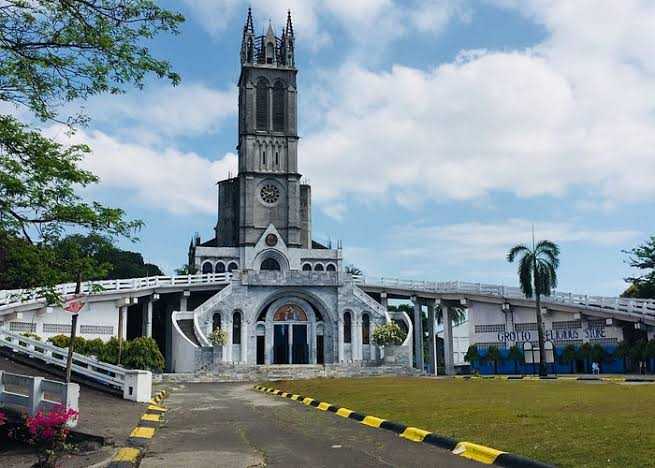
Gesu Church (Shrine of the Holy Face of Jesus) is another must-see. The architecture blends modern and Filipino touches, and the stained glass inside is honestly gorgeous, even if you’re not religious.
Best Time to Visit
If you want the best weather, aim for November through February. The cooler months make those outdoor adventures way more comfortable.
Dry season (November to April) is prime time for hiking and exploring the eco parks. Less mud, fewer storms, and better views all around.
Early mornings are perfect for catching the best light on the trails or just beating the crowds. If you’re here for the food scene—local Bulacan dishes with a twist—don’t worry about timing. Most spots are indoors, so you’re good year-round.
Visitor Information
SJDM sits right on Manila’s northern edge, so getting there is pretty painless if you know your options.
Location and How to Get There
San Jose del Monte is in Bulacan, just north of Metro Manila. You’re basically neighbors with Quezon City and Caloocan, and it’s only about 20 kilometers from Manila proper.
The drive is straightforward: head north on EDSA, then take Quirino Highway straight into SJDM. If you’re coming via the North Luzon Expressway (NLEX), exit at Bocaue or Sta. Rita, then follow local roads.
Public transport is easy, too. Buses from Cubao and Monumento go north along Quirino Highway, and jeepneys run regular routes from Fairview in Quezon City.
Depending on traffic, expect the trip to take anywhere from 45 minutes to an hour. Not too bad, honestly.
Most resorts and attractions don’t bother posting strict operating hours online. It’s best to call ahead or ask around once you’re there.
A lot of private pool resorts work on a reservation basis, so don’t count on just walking in—plan ahead if you can.
Tips for Visitors
Bring cash—trust me, you’ll need it. Most of the smaller resorts and sari-sari stores in SJDM don’t bother with cards.
ATMs do exist, but you’ll mostly find them in the busy commercial centers. Out in the foothills, they’re almost mythical.
SJDM sprawls across old resettlement zones, so don’t expect Google Maps to always get it right. It’s smart to save your destination’s contact number; I’ve had to call for directions more than once.
Honestly, GPS pins are more reliable than street names in some barangays. Don’t be shy about double-checking, either.
You’ll want to pack for heat, no matter the month. But I’d toss in a light rain jacket too—afternoon showers like to sneak up on you.
Most resorts offer shaded spots by the pools and function halls. If you’re hoping for peace and quiet, weekdays are your best bet—weekends get lively with family gatherings.
Do your part to respect local conservation, especially up near the Sierra Madre foothills. The watersheds are fragile, and locals are serious about protecting them.
Filipino hospitality is alive and well here. If you get turned around, someone will probably go out of their way to help—seriously, it’s almost uncanny.
Traveler Reviews for SJDM
There are no reviews yet. Be the first one to write one.
Have you visited SJDM? Help other travelers by sharing your review.
You Might Also Like
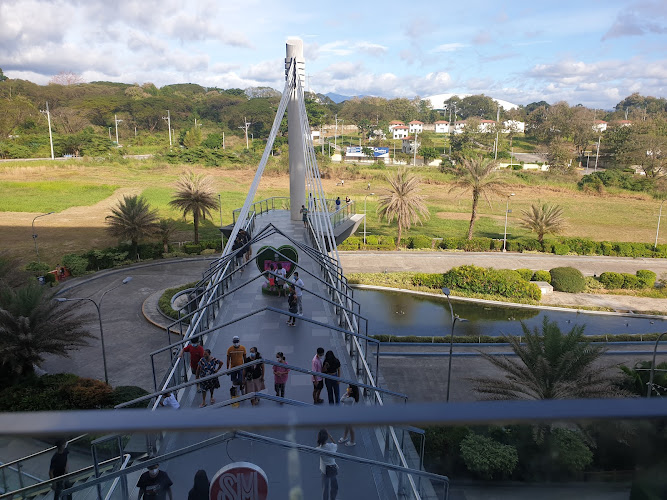
SM SJDM View Deck
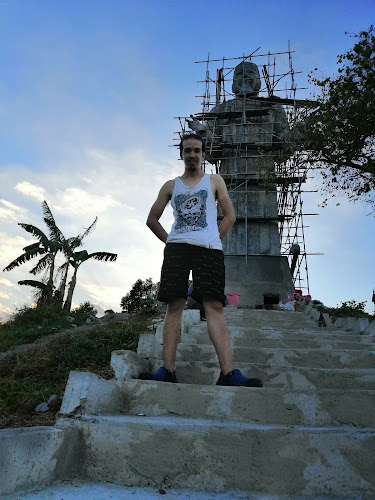
Kaybanban
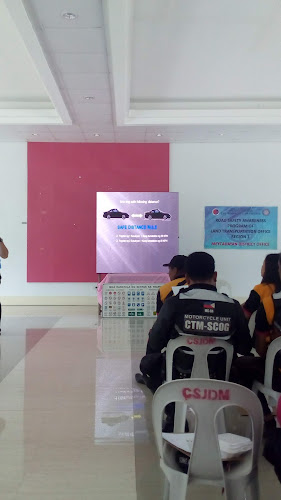
San Jose Del Monte Activity Center, Bulacan
Find Accommodations Nearby
Recommended Tours & Activities
Visitor Reviews
There are no reviews yet. Be the first one to write one.
Share Your Experience
Have you visited SJDM? Help other travelers by leaving a review.