GREEN AND NATURAL HERITAGE CONSERVATION GARDEN
About GREEN AND NATURAL HERITAGE CONSERVATION GARDEN
Description
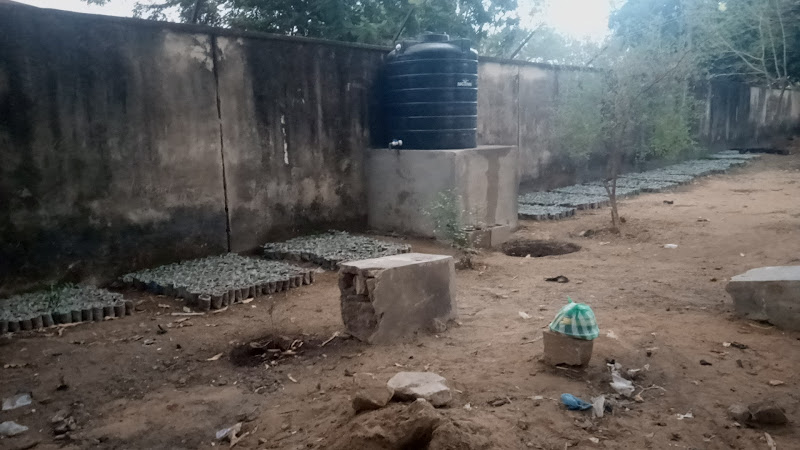
The Green and Natural Heritage Conservation Garden is one of those rare places that feels like time slows down the moment you step inside. It’s not just a garden—it’s a living, breathing story of nature’s resilience and human care. Located in the heart of Bauchi, this garden is a quiet sanctuary where the hum of city life fades into the background, replaced by the soft rustle of leaves and the occasional chirp of a bird that seems to know it’s safe here. I remember the first time I visited—it wasn’t a planned trip, just one of those spontaneous detours that end up being the highlight of your day. The air felt cleaner, the colors sharper, and there was this sense of calm that’s hard to describe but impossible to forget.
What makes this garden truly special is its purpose. It’s not just about pretty flowers or neat pathways. It’s a conservation space—a place that honors both natural and cultural heritage. The garden’s layout reflects careful thought, blending native plant species with sustainable landscaping techniques that protect local biodiversity. It’s the kind of place where you can learn something new about the environment without even realizing you’re learning. The thoughtful design and the dedication behind it show how much care has gone into preserving this green space for future generations.
Families often come here for a peaceful afternoon, and it’s easy to see why. There’s plenty of open space for kids to explore safely, and the presence of public restrooms makes it convenient for longer visits. You’ll often find locals enjoying quiet walks, students sketching plants for their projects, or travelers simply sitting under a tree, taking in the serenity. It’s not a flashy tourist spot, and that’s actually part of its charm—it feels authentic, grounded, and deeply connected to the land it protects.
Key Features
- Beautifully maintained green spaces that highlight native Nigerian flora and sustainable gardening practices.
- Educational displays about local ecosystems, biodiversity, and heritage conservation.
- Peaceful walking paths ideal for reflection, photography, or simply enjoying the natural surroundings.
- Child-friendly areas where young visitors can safely explore and learn about plants and wildlife.
- Public restrooms and shaded seating areas for comfort during your visit.
- Community-driven conservation projects and occasional guided tours that share the garden’s story.
- Accessibility for all visitors, making it a welcoming destination for families, researchers, and eco-travelers alike.
Best Time to Visit
If you ask me, the best time to experience the Green and Natural Heritage Conservation Garden is early in the morning or late in the afternoon, when the sunlight filters through the trees just right. The cooler months, from November to February, are especially pleasant—the air feels crisp, and the plants seem to glow with renewed life. During the rainy season, the garden transforms into a lush paradise, though you might want to bring a pair of sturdy shoes if you plan to wander off the main paths. Each season has its own personality here, and that’s part of what keeps people coming back. Whether you’re a nature photographer chasing the perfect shot or just someone who wants a quiet break from the noise of everyday life, this garden offers something that feels deeply restorative.
How to Get There
Reaching the garden is fairly straightforward. It’s located along a main route that’s accessible by both private car and local transport. If you’re staying in Bauchi, you can easily catch a taxi or a motorbike ride to the entrance—it’s a short, scenic drive that gives you a glimpse of local life along the way. For those who prefer a bit of adventure, walking or cycling to the garden can be surprisingly enjoyable, especially in the early morning when the streets are calm and the air is cool. Just remember to carry some water and maybe a hat—the sun can be quite strong during the day.
I’ve found that arriving a bit before midday gives you the best of both worlds—you can explore while it’s still quiet, then relax under the shade as the day warms up. Parking is usually available nearby, and the staff are always friendly and willing to help with directions or information about the garden’s conservation work.
Tips for Visiting
A few things I’ve learned from my visits (and from chatting with other travelers) can make your experience even better. First, wear comfortable shoes. The paths are well-kept, but you’ll want to wander—trust me, you’ll end up exploring more than you planned. Bring a reusable water bottle; there are shaded spots perfect for a short rest and a sip of water. If you’re into photography, mornings are magical—the light hits the leaves in a way that makes every shot look like a painting.
Respect the conservation rules. It’s tempting to pick a flower or touch the plants, but remember this garden is a living museum of sorts, protecting species that might not thrive elsewhere. Also, if you’re traveling with kids, this is a great opportunity to teach them about sustainability and the importance of protecting natural spaces. The staff are approachable and often share fascinating tidbits about the local environment if you show interest.
And a small personal tip—take a moment to just sit quietly. No phone, no camera, just you and the sound of the wind through the trees. It’s easy to rush through places like this, ticking them off a list, but the real magic happens when you slow down. The Green and Natural Heritage Conservation Garden isn’t just a destination—it’s an experience that reminds you of how deeply connected we are to the earth. Whether you spend an hour or an entire afternoon, you’ll leave with a lighter heart and a clearer mind.
Key Features
- Beautifully maintained green spaces that highlight native Nigerian flora and sustainable gardening practices.
- Educational displays about local ecosystems, biodiversity, and heritage conservation.
- Peaceful walking paths ideal for reflection, photography, or simply enjoying the natural surroundings.
- Child-friendly areas where young visitors can safely explore and learn about plants and wildlife.
- Public restrooms and shaded seating areas for comfort during your visit.
- Community-driven conservation projects and occasional guided tours that share the garden’s story.
- Accessibility for all visitors, making it a welcoming destination for families, researchers, and eco-travelers alike.
More Details
Updated November 7, 2025
Table of Contents
- Description
- Key Features
- Best Time to Visit
- How to Get There
- Tips for Visiting
- Key Highlights
- Location
- Places to Stay Near GREEN AND NATURAL HERITAGE CONSERVATION GARDEN
- Find and Book a Tour
- Explore More Travel Guides
- Nearby Places You Might Like
- Traveler Reviews for GREEN AND NATURAL HERITAGE CONSERVATION GARDEN
- Share Your Experience
Description
The Green and Natural Heritage Conservation Garden is one of those rare places that feels like time slows down the moment you step inside. It’s not just a garden—it’s a living, breathing story of nature’s resilience and human care. Located in the heart of Bauchi, this garden is a quiet sanctuary where the hum of city life fades into the background, replaced by the soft rustle of leaves and the occasional chirp of a bird that seems to know it’s safe here. I remember the first time I visited—it wasn’t a planned trip, just one of those spontaneous detours that end up being the highlight of your day. The air felt cleaner, the colors sharper, and there was this sense of calm that’s hard to describe but impossible to forget.
What makes this garden truly special is its purpose. It’s not just about pretty flowers or neat pathways. It’s a conservation space—a place that honors both natural and cultural heritage. The garden’s layout reflects careful thought, blending native plant species with sustainable landscaping techniques that protect local biodiversity. It’s the kind of place where you can learn something new about the environment without even realizing you’re learning. The thoughtful design and the dedication behind it show how much care has gone into preserving this green space for future generations.
Families often come here for a peaceful afternoon, and it’s easy to see why. There’s plenty of open space for kids to explore safely, and the presence of public restrooms makes it convenient for longer visits. You’ll often find locals enjoying quiet walks, students sketching plants for their projects, or travelers simply sitting under a tree, taking in the serenity. It’s not a flashy tourist spot, and that’s actually part of its charm—it feels authentic, grounded, and deeply connected to the land it protects.
Key Features
- Beautifully maintained green spaces that highlight native Nigerian flora and sustainable gardening practices.
- Educational displays about local ecosystems, biodiversity, and heritage conservation.
- Peaceful walking paths ideal for reflection, photography, or simply enjoying the natural surroundings.
- Child-friendly areas where young visitors can safely explore and learn about plants and wildlife.
- Public restrooms and shaded seating areas for comfort during your visit.
- Community-driven conservation projects and occasional guided tours that share the garden’s story.
- Accessibility for all visitors, making it a welcoming destination for families, researchers, and eco-travelers alike.
Best Time to Visit
If you ask me, the best time to experience the Green and Natural Heritage Conservation Garden is early in the morning or late in the afternoon, when the sunlight filters through the trees just right. The cooler months, from November to February, are especially pleasant—the air feels crisp, and the plants seem to glow with renewed life. During the rainy season, the garden transforms into a lush paradise, though you might want to bring a pair of sturdy shoes if you plan to wander off the main paths. Each season has its own personality here, and that’s part of what keeps people coming back. Whether you’re a nature photographer chasing the perfect shot or just someone who wants a quiet break from the noise of everyday life, this garden offers something that feels deeply restorative.
How to Get There
Reaching the garden is fairly straightforward. It’s located along a main route that’s accessible by both private car and local transport. If you’re staying in Bauchi, you can easily catch a taxi or a motorbike ride to the entrance—it’s a short, scenic drive that gives you a glimpse of local life along the way. For those who prefer a bit of adventure, walking or cycling to the garden can be surprisingly enjoyable, especially in the early morning when the streets are calm and the air is cool. Just remember to carry some water and maybe a hat—the sun can be quite strong during the day.
I’ve found that arriving a bit before midday gives you the best of both worlds—you can explore while it’s still quiet, then relax under the shade as the day warms up. Parking is usually available nearby, and the staff are always friendly and willing to help with directions or information about the garden’s conservation work.
Tips for Visiting
A few things I’ve learned from my visits (and from chatting with other travelers) can make your experience even better. First, wear comfortable shoes. The paths are well-kept, but you’ll want to wander—trust me, you’ll end up exploring more than you planned. Bring a reusable water bottle; there are shaded spots perfect for a short rest and a sip of water. If you’re into photography, mornings are magical—the light hits the leaves in a way that makes every shot look like a painting.
Respect the conservation rules. It’s tempting to pick a flower or touch the plants, but remember this garden is a living museum of sorts, protecting species that might not thrive elsewhere. Also, if you’re traveling with kids, this is a great opportunity to teach them about sustainability and the importance of protecting natural spaces. The staff are approachable and often share fascinating tidbits about the local environment if you show interest.
And a small personal tip—take a moment to just sit quietly. No phone, no camera, just you and the sound of the wind through the trees. It’s easy to rush through places like this, ticking them off a list, but the real magic happens when you slow down. The Green and Natural Heritage Conservation Garden isn’t just a destination—it’s an experience that reminds you of how deeply connected we are to the earth. Whether you spend an hour or an entire afternoon, you’ll leave with a lighter heart and a clearer mind.

Key Highlights
- Beautifully maintained green spaces that highlight native Nigerian flora and sustainable gardening practices.
- Educational displays about local ecosystems, biodiversity, and heritage conservation.
- Peaceful walking paths ideal for reflection, photography, or simply enjoying the natural surroundings.
- Child-friendly areas where young visitors can safely explore and learn about plants and wildlife.
- Public restrooms and shaded seating areas for comfort during your visit.
- Community-driven conservation projects and occasional guided tours that share the garden’s story.
- Accessibility for all visitors, making it a welcoming destination for families, researchers, and eco-travelers alike.
Location
Places to Stay Near GREEN AND NATURAL HERITAGE CONSERVATION GARDEN
Find and Book a Tour
Explore More Travel Guides
No reviews found! Be the first to review!
Traveler Reviews for GREEN AND NATURAL HERITAGE CONSERVATION GARDEN
There are no reviews yet. Be the first one to write one.
Have you visited GREEN AND NATURAL HERITAGE CONSERVATION GARDEN? Help other travelers by sharing your review.
Find Accommodations Nearby
Recommended Tours & Activities
Visitor Reviews
There are no reviews yet. Be the first one to write one.
Share Your Experience
Have you visited GREEN AND NATURAL HERITAGE CONSERVATION GARDEN? Help other travelers by leaving a review.