
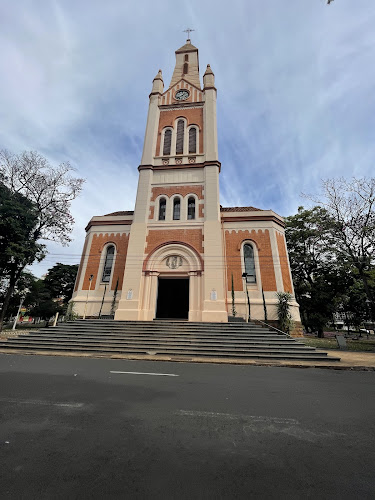
Metropolitan Cathedral Of San Sebastian – Ribeirão Preto
About Metropolitan Cathedral Of San Sebastian – Ribeirão Preto
Description
The Metropolitan Cathedral of San Sebastian in Ribeirão Preto, known locally as Catedral Metropolitana de São Sebastião, is the kind of landmark that travelers remember long after the bags are unpacked back home. This is the seat of the Roman Catholic Archdiocese of Ribeirão Preto and a defining piece of the city’s skyline. While some Brazilian cathedrals go heavy on modernist bravado, this church leans into a soaring neo-Gothic vocabulary: tall vertical lines, pointed arches, and an interior that glows with stained-glass color when the sun does its thing. From the first step inside, the hush changes—city noise fades, and visitors naturally slow down. They look up. They breathe a bit deeper.
There is a pleasant contrast at play. The exterior, restrained and a touch minimalist, sets up the surprise of the interior: ornate altars, classic iconography of Saint Sebastian (the city’s patron), and stained-glass windows casting blues, ambers, and rubies across the nave. It’s a peaceful place of worship, but it’s also a living cultural anchor. Locals come to pray, to mark life’s milestones, to listen to music on special evenings. Tourists stop by to admire the architecture and the play of light, and then drift back out into the Centro streets with a calmer head and a stronger sense of Ribeirão Preto’s history.
Founded as a parish in 1870 and later elevated to cathedral status, the church has grown alongside the city. It reflects the region’s prosperity and its distinct identity in Brazil’s interior. Travelers who know Rio de Janeiro’s conical cathedral sometimes arrive expecting the same vibe. Not the case. Ribeirão Preto’s Metropolitan Cathedral of Saint Sebastian is traditional in spirit, with crisp Gothic lines and a warm, devotional atmosphere. It invites contemplation instead of spectacle. And that’s exactly the charm.
Inside, the craftsmanship rewards slow attention. The windows don’t just brighten the nave; they tell stories—biblical scenes, saints, and symbols rendered in glass, each panel working like a chapter. Visitors often remark on the sense of balance: the symmetry of the side chapels, the clean perspective down the central aisle, the way the light shifts hour by hour. For photographers, mornings and late afternoons are particularly generous. For those who simply like to sit and soak up the moment, any quiet weekday will do just fine.
As an active Catholic church, the cathedral hosts Masses throughout the week, and it becomes especially moving during Holy Week and the feast of São Sebastião in January. On those days the spirit of the city gathers here; the doors do not just open—they welcome. Travelers who enjoy cultural immersion will appreciate attending a service, even if only to hear the cadence of Portuguese prayer and the gentle swell of hymnody.
A few practicalities that matter: the cathedral is peaceful, and the staff maintain it with care. It’s wheelchair accessible at the entrance, with accessible restrooms, and there’s designated parking for visitors with mobility needs. Families will find it easy to navigate with strollers. Photography is generally fine; just be mindful and avoid flash during services. And while the Centro area is busy by day, common-sense travel habits—keeping valuables tucked away, staying aware—go a long way, as in any city center.
Most visitors leave impressed, some even a little moved. The occasional grumble tends to focus on timing—arriving during a service when sightseeing must pause, or dropping by at midday when interior heat rises. Easy fixes: come early or late, and check the schedule on the day. The result is a far more comfortable, contemplative visit. In short, this is a must-see attraction for travelers who love architecture, sacred art, or simply a quiet, beautiful space right in the heart of the city.
Key Features
- Architectural identity: A striking example of neo-Gothic design in Brazil’s interior, with pointed arches, grand verticals, and a dignified façade that opens into a richly detailed interior.
- Stained-glass windows: Colorful stained-glass windows bathe the nave in shifting light, especially rewarding in the morning and late afternoon. The panels are not only decorative; they serve as devotional storytelling in glass.
- Sacred art and iconography: Classic depictions of Saint Sebastian, the church’s namesake, alongside statues and altars that reflect the Catholic tradition and local devotions.
- Active place of worship: Regular Masses, special liturgies, and seasonal events (Holy Week, Christmas, and the January feast of São Sebastião) that offer a window into community life.
- Peaceful atmosphere: A quiet interior well suited for reflection and prayer, with the gentle sound of footsteps and soft echoes under the high ceiling.
- Accessibility: Wheelchair accessible entrance, accessible restrooms, and wheelchair-friendly circulation inside the church, along with designated accessible parking nearby.
- Amenities: Clean restrooms on site and spaces to sit, gather, and pause before stepping back into Centro’s bustle.
- Music moments: On select dates, the cathedral hosts choral or instrumental performances. Even when informal, the acoustics give music a warm presence that lingers.
- Community initiatives: A clothing recycling collection point supports local charitable programs. It’s a small but thoughtful touch that reflects the cathedral’s ongoing role in civic life.
- Photography friendly: Non-flash photography is typically welcome when no service is in progress. The interior lends itself to detail shots and full-nave compositions.
- Safety and serenity: Daytime visits feel calm within the church. As with all downtown areas, staying aware and traveling light is a good call.
Best Time to Visit
Ribeirão Preto runs warm most of the year, with a rainy season roughly from October to March and a drier stretch from April through September. If heat isn’t your favorite travel companion, the drier months are a comfortable choice. That said, any season works for the cathedral—this is an indoor highlight, after all—and the drama of rainy-season skies can actually amplify the play of light inside.
For photographers and light-chasers, aim for:
- Early morning: Softer light filters through the stained-glass windows, creating gentle, colorful pools across the pews and floor.
- Late afternoon: Warm tones lend depth to the interior, and the glow is magic for wide shots of the nave.
- Golden hour outside: The façade looks its best within an hour of sunset, with calmer foot traffic and less harsh contrast.
Crowd-savvy travelers may prefer weekday visits, especially mid-morning or mid-afternoon. Saturdays can be lively with weddings and parish activities, which add local color but may restrict interior wandering for short stretches. Sundays are wonderful for attending Mass (and understanding the cathedral’s role as a living church), but not ideal for guided-style exploration. If a quiet, contemplative visit is the goal, weekdays win.
Calendar highlights worth considering:
- Feast of São Sebastião (January 20): The patron’s day brings special liturgies and community energy. It’s unforgettable for culture-focused travelers, though expect fuller pews.
- Holy Week and Christmas: Rich liturgical music, nativity displays, and candlelit moments heighten the cathedral’s solemn beauty.
How to Get There
The cathedral stands in the Centro district, making it easy to fold into a day of downtown exploration. Travelers arriving by air will land at Ribeirão Preto’s state airport, from which taxis and ride-hailing apps provide the most direct route into the city center. Traffic ebbs and flows, but outside of peak rush hours the drive is straightforward.
By car, Ribeirão Preto is well connected to São Paulo and the broader region via the Anhanguera (SP-330) and other major highways. Parking in the Centro area can be competitive on busy weekdays; look for signed public spots or use a nearby garage if you prefer the certainty. For stress-free visits, consider arriving a touch earlier than your planned time—easier parking, calmer streets, less heat.
Public transport works, too. City buses converge on Centro, and drivers or attendants are used to pointing visitors in the right direction when asked. While there’s no metro in Ribeirão Preto, buses and ride-hailing cover the last mile reliably. Once in Centro, walking is the pleasant option: many of the city’s classic stops are within a few blocks in a compact radius. Keep an eye on crosswalks and one-way streets, and bring a hat and water if the sun is dialed up to typical inland-Brazil levels.
If you enjoy day plans that flow, consider this simple route: arrive mid-morning, tour the cathedral in the gentler light, pause for a coffee or a fresh juice nearby, then continue toward other downtown icons such as Theatro Pedro II, the local art museum, or a traditional chopp at a historic bar. Centro rewards curiosity; the cathedral is a smart anchor.
Tips for Visiting
- Entry and tickets: There is no ticketed entry. Donations help with maintenance and community programs and are always appreciated.
- Dress code: As with most Catholic churches, modest attire is respectful—shoulders covered, hats off inside, and avoid loud conversations. If the day runs hot (it often does), a light shawl or scarf works well.
- Photography etiquette: Non-flash photos are typically fine when services are not in progress. During Mass or private ceremonies, put the camera away and enjoy the moment.
- Quiet hours: If you plan to sit and reflect, target weekdays between services. The atmosphere is serene, and you’ll hear the soft creak of pews and distant city hum instead of chatter.
- Accessibility: Wheelchair accessible entrance and restrooms make visiting straightforward. If you or someone in your group has mobility needs, aim for off-peak times for easier seating and circulation.
- Heat and comfort: Ribeirão Preto’s midday sun can make interiors feel warm. Morning and late afternoon are kinder to both visitors and camera sensors. Bring water—hydration makes any cathedral nicer.
- Safety and belongings: Centro is busy, which is part of its charm. Keep phones and wallets secure and avoid flashing valuables. If traveling alone at night, use rideshares and well-lit routes.
- Pair it with downtown favorites: Before or after the cathedral, consider a quick cultural loop—Theatro Pedro II, local cafés, and the municipal market are all a short stroll away. It turns a single stop into a signature Ribeirão Preto day.
- Music lovers: Ask about upcoming choir or instrumental recitals. Even brief performances can be deeply satisfying in the cathedral’s acoustics.
- Local heartbeat: Notice the clothing recycling point on site. It’s a small sign of a larger truth—this is not just a monument; it’s a community hub with real, human work happening quietly.
- Not to be confused: The Metropolitan Cathedral of Saint Sebastian in Rio de Janeiro is the famous conical building. Ribeirão Preto’s cathedral is different—classical, neo-Gothic, more intimate—and absolutely worth the visit.
- Plan around services: If your goal is architectural photography, check Mass times the morning of your visit and aim to arrive 45 minutes before or after. It helps ensure calm access to side chapels and the central nave.
- Mind the floor: In rainy months, entrance floors can become slick. Walk carefully and use handrails where available.
- Souvenirs of the spirit: If you collect small devotional items, inquire inside about rosaries or prayer cards. They make thoughtful, lightweight keepsakes with genuine local meaning.
Ribeirão Preto might be known to many travelers for coffee, business trips, or a football match that ran late into the night. But the Metropolitan Cathedral of San Sebastian adds a layer of depth that’s easy to miss if you don’t slow down. It’s architecture you can feel as much as see: the hush, the height, the light. Visit in the right hour and it turns a normal day into a quietly memorable one. A simple promise for your itinerary: stop here, breathe, and let the city’s story meet you where you stand.
Key Features
- Architectural identity: A striking example of neo-Gothic design in Brazil’s interior, with pointed arches, grand verticals, and a dignified façade that opens into a richly detailed interior.
- Sacred art and iconography: Classic depictions of Saint Sebastian, the church’s namesake, alongside statues and altars that reflect the Catholic tradition and local devotions.
- Active place of worship: Regular Masses, special liturgies, and seasonal events (Holy Week, Christmas, and the January feast of São Sebastião) that offer a window into community life.
- Peaceful atmosphere: A quiet interior well suited for reflection and prayer, with the gentle sound of footsteps and soft echoes under the high ceiling.
- Accessibility: Wheelchair accessible entrance, accessible restrooms, and wheelchair-friendly circulation inside the church, along with designated accessible parking nearby.
- Amenities: Clean restrooms on site and spaces to sit, gather, and pause before stepping back into Centro’s bustle.
- Music moments: On select dates, the cathedral hosts choral or instrumental performances. Even when informal, the acoustics give music a warm presence that lingers.
More Details
Updated October 30, 2025
Table of Contents
- Description
- Key Features
- Best Time to Visit
- How to Get There
- Tips for Visiting
- Key Highlights
- Location
- Places to Stay Near Metropolitan Cathedral Of San Sebastian - Ribeirão Preto
- Find and Book a Tour
- Explore More Travel Guides
- Nearby Places You Might Like
- Traveler Reviews for Metropolitan Cathedral Of San Sebastian – Ribeirão Preto
- Share Your Experience
Description
The Metropolitan Cathedral of San Sebastian in Ribeirão Preto, known locally as Catedral Metropolitana de São Sebastião, is the kind of landmark that travelers remember long after the bags are unpacked back home. This is the seat of the Roman Catholic Archdiocese of Ribeirão Preto and a defining piece of the city’s skyline. While some Brazilian cathedrals go heavy on modernist bravado, this church leans into a soaring neo-Gothic vocabulary: tall vertical lines, pointed arches, and an interior that glows with stained-glass color when the sun does its thing. From the first step inside, the hush changes—city noise fades, and visitors naturally slow down. They look up. They breathe a bit deeper.
There is a pleasant contrast at play. The exterior, restrained and a touch minimalist, sets up the surprise of the interior: ornate altars, classic iconography of Saint Sebastian (the city’s patron), and stained-glass windows casting blues, ambers, and rubies across the nave. It’s a peaceful place of worship, but it’s also a living cultural anchor. Locals come to pray, to mark life’s milestones, to listen to music on special evenings. Tourists stop by to admire the architecture and the play of light, and then drift back out into the Centro streets with a calmer head and a stronger sense of Ribeirão Preto’s history.
Founded as a parish in 1870 and later elevated to cathedral status, the church has grown alongside the city. It reflects the region’s prosperity and its distinct identity in Brazil’s interior. Travelers who know Rio de Janeiro’s conical cathedral sometimes arrive expecting the same vibe. Not the case. Ribeirão Preto’s Metropolitan Cathedral of Saint Sebastian is traditional in spirit, with crisp Gothic lines and a warm, devotional atmosphere. It invites contemplation instead of spectacle. And that’s exactly the charm.
Inside, the craftsmanship rewards slow attention. The windows don’t just brighten the nave; they tell stories—biblical scenes, saints, and symbols rendered in glass, each panel working like a chapter. Visitors often remark on the sense of balance: the symmetry of the side chapels, the clean perspective down the central aisle, the way the light shifts hour by hour. For photographers, mornings and late afternoons are particularly generous. For those who simply like to sit and soak up the moment, any quiet weekday will do just fine.
As an active Catholic church, the cathedral hosts Masses throughout the week, and it becomes especially moving during Holy Week and the feast of São Sebastião in January. On those days the spirit of the city gathers here; the doors do not just open—they welcome. Travelers who enjoy cultural immersion will appreciate attending a service, even if only to hear the cadence of Portuguese prayer and the gentle swell of hymnody.
A few practicalities that matter: the cathedral is peaceful, and the staff maintain it with care. It’s wheelchair accessible at the entrance, with accessible restrooms, and there’s designated parking for visitors with mobility needs. Families will find it easy to navigate with strollers. Photography is generally fine; just be mindful and avoid flash during services. And while the Centro area is busy by day, common-sense travel habits—keeping valuables tucked away, staying aware—go a long way, as in any city center.
Most visitors leave impressed, some even a little moved. The occasional grumble tends to focus on timing—arriving during a service when sightseeing must pause, or dropping by at midday when interior heat rises. Easy fixes: come early or late, and check the schedule on the day. The result is a far more comfortable, contemplative visit. In short, this is a must-see attraction for travelers who love architecture, sacred art, or simply a quiet, beautiful space right in the heart of the city.
Key Features
- Architectural identity: A striking example of neo-Gothic design in Brazil’s interior, with pointed arches, grand verticals, and a dignified façade that opens into a richly detailed interior.
- Stained-glass windows: Colorful stained-glass windows bathe the nave in shifting light, especially rewarding in the morning and late afternoon. The panels are not only decorative; they serve as devotional storytelling in glass.
- Sacred art and iconography: Classic depictions of Saint Sebastian, the church’s namesake, alongside statues and altars that reflect the Catholic tradition and local devotions.
- Active place of worship: Regular Masses, special liturgies, and seasonal events (Holy Week, Christmas, and the January feast of São Sebastião) that offer a window into community life.
- Peaceful atmosphere: A quiet interior well suited for reflection and prayer, with the gentle sound of footsteps and soft echoes under the high ceiling.
- Accessibility: Wheelchair accessible entrance, accessible restrooms, and wheelchair-friendly circulation inside the church, along with designated accessible parking nearby.
- Amenities: Clean restrooms on site and spaces to sit, gather, and pause before stepping back into Centro’s bustle.
- Music moments: On select dates, the cathedral hosts choral or instrumental performances. Even when informal, the acoustics give music a warm presence that lingers.
- Community initiatives: A clothing recycling collection point supports local charitable programs. It’s a small but thoughtful touch that reflects the cathedral’s ongoing role in civic life.
- Photography friendly: Non-flash photography is typically welcome when no service is in progress. The interior lends itself to detail shots and full-nave compositions.
- Safety and serenity: Daytime visits feel calm within the church. As with all downtown areas, staying aware and traveling light is a good call.
Best Time to Visit
Ribeirão Preto runs warm most of the year, with a rainy season roughly from October to March and a drier stretch from April through September. If heat isn’t your favorite travel companion, the drier months are a comfortable choice. That said, any season works for the cathedral—this is an indoor highlight, after all—and the drama of rainy-season skies can actually amplify the play of light inside.
For photographers and light-chasers, aim for:
- Early morning: Softer light filters through the stained-glass windows, creating gentle, colorful pools across the pews and floor.
- Late afternoon: Warm tones lend depth to the interior, and the glow is magic for wide shots of the nave.
- Golden hour outside: The façade looks its best within an hour of sunset, with calmer foot traffic and less harsh contrast.
Crowd-savvy travelers may prefer weekday visits, especially mid-morning or mid-afternoon. Saturdays can be lively with weddings and parish activities, which add local color but may restrict interior wandering for short stretches. Sundays are wonderful for attending Mass (and understanding the cathedral’s role as a living church), but not ideal for guided-style exploration. If a quiet, contemplative visit is the goal, weekdays win.
Calendar highlights worth considering:
- Feast of São Sebastião (January 20): The patron’s day brings special liturgies and community energy. It’s unforgettable for culture-focused travelers, though expect fuller pews.
- Holy Week and Christmas: Rich liturgical music, nativity displays, and candlelit moments heighten the cathedral’s solemn beauty.
How to Get There
The cathedral stands in the Centro district, making it easy to fold into a day of downtown exploration. Travelers arriving by air will land at Ribeirão Preto’s state airport, from which taxis and ride-hailing apps provide the most direct route into the city center. Traffic ebbs and flows, but outside of peak rush hours the drive is straightforward.
By car, Ribeirão Preto is well connected to São Paulo and the broader region via the Anhanguera (SP-330) and other major highways. Parking in the Centro area can be competitive on busy weekdays; look for signed public spots or use a nearby garage if you prefer the certainty. For stress-free visits, consider arriving a touch earlier than your planned time—easier parking, calmer streets, less heat.
Public transport works, too. City buses converge on Centro, and drivers or attendants are used to pointing visitors in the right direction when asked. While there’s no metro in Ribeirão Preto, buses and ride-hailing cover the last mile reliably. Once in Centro, walking is the pleasant option: many of the city’s classic stops are within a few blocks in a compact radius. Keep an eye on crosswalks and one-way streets, and bring a hat and water if the sun is dialed up to typical inland-Brazil levels.
If you enjoy day plans that flow, consider this simple route: arrive mid-morning, tour the cathedral in the gentler light, pause for a coffee or a fresh juice nearby, then continue toward other downtown icons such as Theatro Pedro II, the local art museum, or a traditional chopp at a historic bar. Centro rewards curiosity; the cathedral is a smart anchor.
Tips for Visiting
- Entry and tickets: There is no ticketed entry. Donations help with maintenance and community programs and are always appreciated.
- Dress code: As with most Catholic churches, modest attire is respectful—shoulders covered, hats off inside, and avoid loud conversations. If the day runs hot (it often does), a light shawl or scarf works well.
- Photography etiquette: Non-flash photos are typically fine when services are not in progress. During Mass or private ceremonies, put the camera away and enjoy the moment.
- Quiet hours: If you plan to sit and reflect, target weekdays between services. The atmosphere is serene, and you’ll hear the soft creak of pews and distant city hum instead of chatter.
- Accessibility: Wheelchair accessible entrance and restrooms make visiting straightforward. If you or someone in your group has mobility needs, aim for off-peak times for easier seating and circulation.
- Heat and comfort: Ribeirão Preto’s midday sun can make interiors feel warm. Morning and late afternoon are kinder to both visitors and camera sensors. Bring water—hydration makes any cathedral nicer.
- Safety and belongings: Centro is busy, which is part of its charm. Keep phones and wallets secure and avoid flashing valuables. If traveling alone at night, use rideshares and well-lit routes.
- Pair it with downtown favorites: Before or after the cathedral, consider a quick cultural loop—Theatro Pedro II, local cafés, and the municipal market are all a short stroll away. It turns a single stop into a signature Ribeirão Preto day.
- Music lovers: Ask about upcoming choir or instrumental recitals. Even brief performances can be deeply satisfying in the cathedral’s acoustics.
- Local heartbeat: Notice the clothing recycling point on site. It’s a small sign of a larger truth—this is not just a monument; it’s a community hub with real, human work happening quietly.
- Not to be confused: The Metropolitan Cathedral of Saint Sebastian in Rio de Janeiro is the famous conical building. Ribeirão Preto’s cathedral is different—classical, neo-Gothic, more intimate—and absolutely worth the visit.
- Plan around services: If your goal is architectural photography, check Mass times the morning of your visit and aim to arrive 45 minutes before or after. It helps ensure calm access to side chapels and the central nave.
- Mind the floor: In rainy months, entrance floors can become slick. Walk carefully and use handrails where available.
- Souvenirs of the spirit: If you collect small devotional items, inquire inside about rosaries or prayer cards. They make thoughtful, lightweight keepsakes with genuine local meaning.
Ribeirão Preto might be known to many travelers for coffee, business trips, or a football match that ran late into the night. But the Metropolitan Cathedral of San Sebastian adds a layer of depth that’s easy to miss if you don’t slow down. It’s architecture you can feel as much as see: the hush, the height, the light. Visit in the right hour and it turns a normal day into a quietly memorable one. A simple promise for your itinerary: stop here, breathe, and let the city’s story meet you where you stand.
Key Highlights
- Architectural identity: A striking example of neo-Gothic design in Brazil’s interior, with pointed arches, grand verticals, and a dignified façade that opens into a richly detailed interior.
- Sacred art and iconography: Classic depictions of Saint Sebastian, the church’s namesake, alongside statues and altars that reflect the Catholic tradition and local devotions.
- Active place of worship: Regular Masses, special liturgies, and seasonal events (Holy Week, Christmas, and the January feast of São Sebastião) that offer a window into community life.
- Peaceful atmosphere: A quiet interior well suited for reflection and prayer, with the gentle sound of footsteps and soft echoes under the high ceiling.
- Accessibility: Wheelchair accessible entrance, accessible restrooms, and wheelchair-friendly circulation inside the church, along with designated accessible parking nearby.
- Amenities: Clean restrooms on site and spaces to sit, gather, and pause before stepping back into Centro’s bustle.
- Music moments: On select dates, the cathedral hosts choral or instrumental performances. Even when informal, the acoustics give music a warm presence that lingers.
Location
Places to Stay Near Metropolitan Cathedral Of San Sebastian - Ribeirão Preto
Find and Book a Tour
Explore More Travel Guides
No reviews found! Be the first to review!
Traveler Reviews for Metropolitan Cathedral Of San Sebastian – Ribeirão Preto
There are no reviews yet. Be the first one to write one.
Have you visited Metropolitan Cathedral Of San Sebastian – Ribeirão Preto? Help other travelers by sharing your review.
You Might Also Like
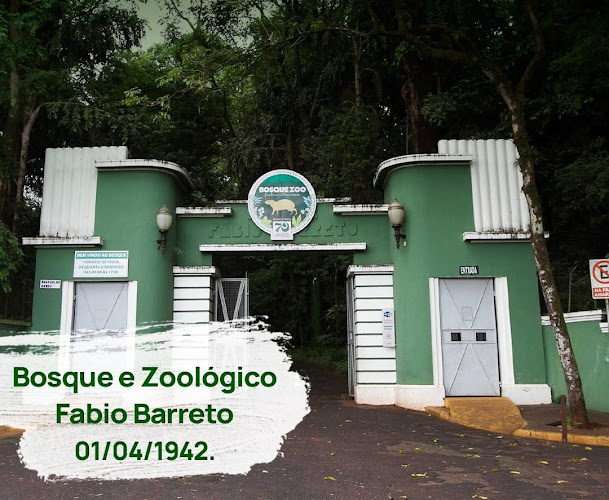
Bosque Zoo Fábio Barreto
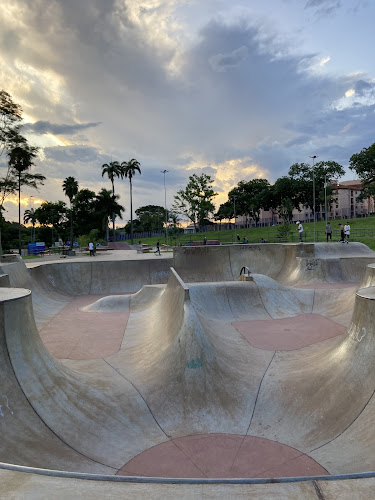
Parque Ecológico Maurilio Biaggi
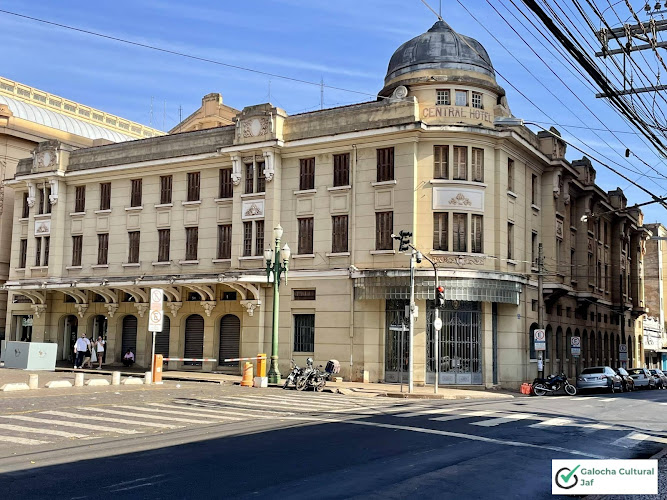
Centro Cultural Palace
Find Accommodations Nearby
Recommended Tours & Activities
Visitor Reviews
There are no reviews yet. Be the first one to write one.
Share Your Experience
Have you visited Metropolitan Cathedral Of San Sebastian – Ribeirão Preto? Help other travelers by leaving a review.