
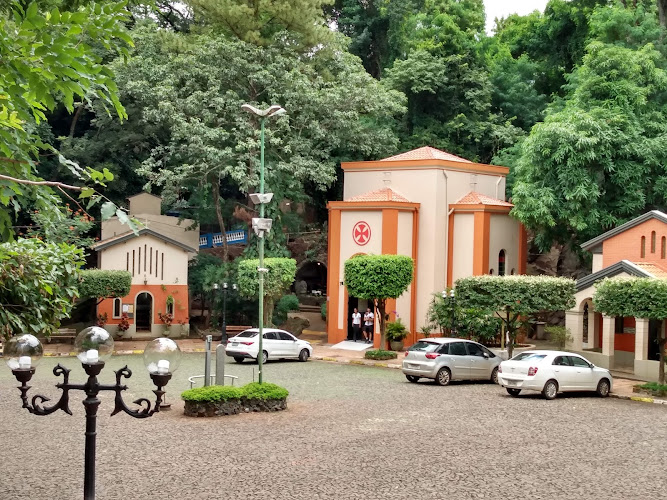
Santuário Nossa Senhora da Medalha Milagrosa (Sete Capelas)
About Santuário Nossa Senhora da Medalha Milagrosa (Sete Capelas)
Description
Santuário Nossa Senhora da Medalha Milagrosa, affectionately called Sete Capelas (Seven Chapels), is the kind of place travelers remember long after they’ve closed their camera roll. In the quiet Jardins Mosteiro area of Ribeirão Preto, within the rolling green of Morro do São Bento, seven intimate Catholic chapels form a graceful semi-circle under tall trees. Each chapel is dedicated to a saint or Marian devotion, and together they shape a contemplative courtyard where visitors pause, breathe, light a candle, and—whether religious or not—feel a calm, steadying presence.
It’s a sanctuary in the truest sense: small-scale spaces where the details matter. The gentle curve of the chapels pulls the eye toward a central point, often anchored by a cross or statue, and the landscaping softens everything—breezes, birdsong, dappled light. Although understated from the outside, the chapels reward unhurried attention inside. You may notice hand-painted tiles, tender statues polished by decades of devotion, or stained-glass shards that scatter color across the floors in the late afternoon. The overall effect is simple and sincere rather than grandiose, which is precisely why many travelers describe the site as soulful.
Historically, the sanctuary is tied to a Benedictine ideal: spaces designed for prayer, work, and reflection. Built and expanded over time—locals often mention a near-decade-long construction phase—the ensemble showcases a Brazilian blend of practicality and devotion. While the chapels are not vast, the symbolism is. Many regulars follow a loop, visiting the seven chapels in sequence and meditating on different intentions, saints, or moments in the life of Christ. The dedication to Nossa Senhora das Graças, associated with the Miraculous Medal, gives the sanctuary its formal name and adds a layer of Marian tenderness that’s palpable on feast days and novenas.
As a functioning Catholic sanctuary within the Archdiocese of Ribeirão Preto, Sete Capelas isn’t a frozen museum. It’s alive with Masses, processions, and community gatherings—especially around dates that punctuate the Brazilian Catholic calendar, like the Feast of Nossa Senhora Aparecida (October 12), the novena of São Judas Tadeu later in October, and celebrations honoring beloved saints such as Santa Teresinha. On these days the semicircle fills with families, the scent of wax and flowers lingers in the air, and music spills from one chapel to the next.
On quieter weekdays, the atmosphere shifts. Travelers who prefer to experience the sanctuary in a more introspective way will appreciate the soft hush of mornings, when caretakers sweep the grounds and the chapels sit open like cupped hands. Even those with no particular religious background often comment that the place “feels right.” That’s the word that keeps popping up: right. Right scale, right shade, right amount of space between people and their thoughts.
From a traveler’s perspective, a few practical notes help set expectations. Parking is available, including wheelchair-accessible spaces, but during peak liturgies and special events, spaces fill rapidly. The sanctuary offers a wheelchair-accessible entrance and a wheelchair-accessible restroom, making it more inclusive than many historic religious sites. Restrooms are on site and generally clean, though during busy times a short wait is normal. Maintenance is ongoing—in older chapels, small imperfections show the passage of time rather than neglect, but the caretakers do a good job keeping things tidy and welcoming.
It’s also fair to say that Sete Capelas is less about “wow” architecture and more about atmosphere. If someone is expecting the largest church in Ribeirão Preto, that’s not this place. What it offers instead is a rare, semi-circular ensemble that’s unexpectedly photogenic and deeply human. And if this writer can be a bit candid: there’s a simple joy in seeing grandparents pointing out favorite saints to younger generations, locals greeting each other with warm nods, and a steady stream of visitors who come not for spectacle but for peace. That blend of neighborhood devotion and open-armed hospitality is what turns a short visit into a meaningful stop on a Brazilian itinerary.
Given its hilltop setting on Morro do São Bento, nature plays a supporting role. Expect birds (sometimes bold little micos peek from the trees), seasonal blossoms, and, yes, the occasional mosquito if you’re visiting in the late rainy season. Bring repellent if you’re sweet-blooded; it’s a small price to pay for the shade and birdsong. Nearby, the Morro do São Bento parklands and a Japanese-style garden offer more green spaces to pair with your visit, making this area one of the most interesting corners of Ribeirão Preto for a slow morning or contemplative afternoon.
In short, Santuário Nossa Senhora da Medalha Milagrosa (Sete Capelas) balances tradition with accessibility, quiet reflection with community life. It has earned a loyal following across Ribeirão Preto and beyond, and the steady trickle of first-time travelers typically leaves with a little less hurry in their step. That’s the sanctuary’s quiet gift.
Key Features
- Seven-chapel semicircle: A unique layout in Ribeirão Preto, with seven small chapels arranged in a semi-circle, each dedicated to a saint or Marian devotion, fostering a natural flow for prayer walks and reflection.
- Dedications visitors often mention: Nossa Senhora das Graças (Miraculous Medal), Nossa Senhora Aparecida, Nossa Senhora do Perpétuo Socorro, São Judas Tadeu, São Jorge, and Santa Teresinha are among the most beloved.
- Tranquil grounds on Morro do São Bento: Shaded paths, mature trees, and a calm courtyard create a soothing microclimate perfect for contemplation and photography.
- Active Catholic sanctuary: Regular Masses, novenas, and feast-day celebrations connected to the Archdiocese of Ribeirão Preto; on event days the sanctuary hums with families and pilgrims.
- Wheelchair accessibility: Wheelchair-accessible entrance, wheelchair-accessible parking lot, and a wheelchair-accessible restroom improve comfort and inclusion for all visitors.
- On-site amenities: Clean restrooms, devotional candle stands, and—on some event days—a simple kiosk or shop with religious items.
- Photographic appeal: The curved line of chapels, devotional statues, and soft natural light make for striking yet respectful photos.
- Quiet corners for meditation: Benches and low-traffic nooks let visitors pause without disrupting the prayerful atmosphere.
- Family-friendly environment: A gentle setting where children can move around safely under supervision, especially outside peak services.
- Free entry: Visiting the sanctuary and chapels typically does not require a ticket; contributions and candle offerings are appreciated.
Best Time to Visit
Early mornings and late afternoons are the sweet spot—cooler, softer light, and fewer people. In Ribeirão Preto, daytime highs can climb sharply, especially between October and March, when the rainy season adds humidity to the warmth. If timing allows, aim for a 7:30–9:30 a.m. or a 4:30–6:00 p.m. window. The golden light slants through the trees, the chapels glow without harsh shadows, and the courtyard becomes a painterly scene that photographers love.
Weekdays tend to be quieter, perfect for travelers seeking a meditative atmosphere. Weekends bring more movement, with locals attending liturgies and families making a spiritual outing of it. Feast days—particularly Nossa Senhora Aparecida on October 12 and the São Judas Tadeu novena later that month—transform the sanctuary into a lively spiritual hub. If the goal is to mingle with community life, those moments are ideal. If one prefers silence and stillness, avoid major feast days or simply arrive early, before the main services.
Seasonally, April to September is the drier stretch in the State of São Paulo, with clearer skies and milder temperatures—great for long walks around Morro do São Bento. The rainy season from October through March isn’t a deal-breaker, but afternoon showers are common; bring a compact umbrella and wear walking shoes with good grip, as tree-lined paths can get slick after a downpour.
Sunset gets special mention here. The angled light warms the façades and turns the semicircle into a quietly dramatic stage. It’s the time when the sanctuary feels both intimate and open—private prayer coexists with the gentle murmur of families packing up and caretakers making their rounds. Just remember that service schedules change; some chapels may close earlier than expected on certain days, so it’s wise to plan the photo moments before dusk.
How to Get There
The sanctuary sits on Morro do São Bento in the Jardim Mosteiro neighborhood, a short, generally straightforward drive from central Ribeirão Preto. Ride-hailing apps operate reliably in the city and are often the easiest option for visitors who prefer not to navigate unfamiliar one-way streets. For anyone driving, signage toward Morro do São Bento is your beacon; once on the hill, local signs point to Sete Capelas. Parking is available, including dedicated wheelchair-accessible spaces, but during busy liturgies and feast days the lot can fill quickly—arrive early or consider being dropped off at the entrance.
Public buses serving the Morro do São Bento area typically stop within a reasonable walking distance, though routes and frequencies vary by day and time. Ask your accommodation provider for the current bus line and stop closest to the sanctuary, since local advice tends to be more accurate than any outdated map screenshot. If walking from nearby park areas, expect a gentle slope; comfortable shoes are a must, especially after rain.
Cyclists sometimes pair a visit to Sete Capelas with a loop around the parklands. The climb can be short but punchy; helmets and lights are recommended if you’re rolling in the early morning or late afternoon. Taxis remain a practical fallback if ride-hail surge pricing kicks in after a big event or a sudden rain shower—Morro do São Bento is well-known, and drivers rarely need more than “Sete Capelas” as a destination cue.
Tips for Visiting
Plan like a local, enjoy like a traveler. These suggestions help first-timers make the most of the experience:
- Check service times in advance: Masses and novenas vary by day and season. For a more contemplative visit, aim outside main services; to experience the community atmosphere, align with feast days.
- Dress with respect and comfort: Light, breathable clothing works best in Ribeirão Preto’s heat. Shoulders covered and knee-length bottoms are a considerate choice for sacred spaces.
- Bring small bills and coins: Candles, small donations, and occasional kiosks often work best with cash. It’s a gracious way to support upkeep and community programs.
- Photography etiquette: Photos are welcome outdoors and in most chapels, but keep flash off, silence devices during services, and be mindful of worshipers. A few chapels may restrict interior photography—always defer to posted signs or staff guidance.
- Go early for parking: On Sundays and feast days, parking fills up quickly. Arriving 20–30 minutes early reduces stress and lets you enjoy the grounds before services begin.
- Use the accessible features: The sanctuary provides a wheelchair-accessible entrance, wheelchair-accessible parking, and a wheelchair-accessible restroom. If someone in your group has mobility needs, ask attendants for the smoothest path between chapels.
- Pack water and repellent: Heat and humidity can sneak up on even seasoned travelers. A refillable bottle and some mosquito repellent are simple, high-impact comforts.
- Allow at least 45–90 minutes: The chapels reward slow visiting. Time enough to step inside each one, light a candle, and sit quietly—no rush, no pressure.
- Combine with nearby green spaces: If the day is fair, pair your visit with a stroll through the Morro do São Bento parklands or the Japanese-style garden nearby. The contrast of nature and devotion is part of the hill’s charm.
- Mind the weather: In the rainy season, plan for sudden showers, and watch your footing on tree-lined paths. In the dry season, sunscreen is your friend.
- Expect a living sanctuary: Doors may open or close earlier than anticipated due to services, funerals, rehearsals, or maintenance. Flexibility helps; there’s always another chapel in the semicircle to visit while you wait.
- Respect quiet zones: Even outside Mass, some chapels may have people praying silently. Whispered conversations and gentle footsteps keep the sanctuary’s peace intact.
- Ask attendants for context: Local volunteers and staff often share insights about the dedications, artwork, and the best times to catch stained-glass light. They know the rhythm of Sete Capelas like nobody else.
Travelers looking for “the biggest church” in Ribeirão Preto won’t find it here, and that’s okay. What Santuário Nossa Senhora da Medalha Milagrosa (Sete Capelas) offers instead is intimacy, authenticity, and a rare semicircular composition that feels both intentional and organic. For many, it becomes a highlight because it slows time just enough to notice small graces—tilework catching the sun, the gentle scent of candles, and a community that holds its traditions with quiet pride.
For those designing a broader itinerary around Ribeirão Preto in the State of São Paulo, consider pairing Sete Capelas with the city’s historic and cultural stops, then circling back to the sanctuary for a sunset farewell. It’s a simple travel strategy with outsize payoff: the day’s noise fades, the chapels glow softly, and leaving becomes just a little harder than expected. That’s usually the sign of a meaningful place.
Key Features
- Seven small chapels arranged in a semicircle, each dedicated to a different saint
- Historic first chapel (Nossa Senhora das Graças) inaugurated in 1950
- Penitential staircase that visitors may climb on their knees as a devotional practice
- Scenic hilltop location (Morro do São Bento) with views over Ribeirão Preto
- Active religious life with masses, devotional events and a small local craft/altar shop
More Details
Updated November 1, 2025
Table of Contents
- Description
- Key Features
- Best Time to Visit
- How to Get There
- Tips for Visiting
- Key Highlights
- Location
- Places to Stay Near Santuário Nossa Senhora da Medalha Milagrosa (Sete Capelas)
- Find and Book a Tour
- Explore More Travel Guides
- Nearby Places You Might Like
- Traveler Reviews for Santuário Nossa Senhora da Medalha Milagrosa (Sete Capelas)
- Share Your Experience
Description
Santuário Nossa Senhora da Medalha Milagrosa, affectionately called Sete Capelas (Seven Chapels), is the kind of place travelers remember long after they’ve closed their camera roll. In the quiet Jardins Mosteiro area of Ribeirão Preto, within the rolling green of Morro do São Bento, seven intimate Catholic chapels form a graceful semi-circle under tall trees. Each chapel is dedicated to a saint or Marian devotion, and together they shape a contemplative courtyard where visitors pause, breathe, light a candle, and—whether religious or not—feel a calm, steadying presence.
It’s a sanctuary in the truest sense: small-scale spaces where the details matter. The gentle curve of the chapels pulls the eye toward a central point, often anchored by a cross or statue, and the landscaping softens everything—breezes, birdsong, dappled light. Although understated from the outside, the chapels reward unhurried attention inside. You may notice hand-painted tiles, tender statues polished by decades of devotion, or stained-glass shards that scatter color across the floors in the late afternoon. The overall effect is simple and sincere rather than grandiose, which is precisely why many travelers describe the site as soulful.
Historically, the sanctuary is tied to a Benedictine ideal: spaces designed for prayer, work, and reflection. Built and expanded over time—locals often mention a near-decade-long construction phase—the ensemble showcases a Brazilian blend of practicality and devotion. While the chapels are not vast, the symbolism is. Many regulars follow a loop, visiting the seven chapels in sequence and meditating on different intentions, saints, or moments in the life of Christ. The dedication to Nossa Senhora das Graças, associated with the Miraculous Medal, gives the sanctuary its formal name and adds a layer of Marian tenderness that’s palpable on feast days and novenas.
As a functioning Catholic sanctuary within the Archdiocese of Ribeirão Preto, Sete Capelas isn’t a frozen museum. It’s alive with Masses, processions, and community gatherings—especially around dates that punctuate the Brazilian Catholic calendar, like the Feast of Nossa Senhora Aparecida (October 12), the novena of São Judas Tadeu later in October, and celebrations honoring beloved saints such as Santa Teresinha. On these days the semicircle fills with families, the scent of wax and flowers lingers in the air, and music spills from one chapel to the next.
On quieter weekdays, the atmosphere shifts. Travelers who prefer to experience the sanctuary in a more introspective way will appreciate the soft hush of mornings, when caretakers sweep the grounds and the chapels sit open like cupped hands. Even those with no particular religious background often comment that the place “feels right.” That’s the word that keeps popping up: right. Right scale, right shade, right amount of space between people and their thoughts.
From a traveler’s perspective, a few practical notes help set expectations. Parking is available, including wheelchair-accessible spaces, but during peak liturgies and special events, spaces fill rapidly. The sanctuary offers a wheelchair-accessible entrance and a wheelchair-accessible restroom, making it more inclusive than many historic religious sites. Restrooms are on site and generally clean, though during busy times a short wait is normal. Maintenance is ongoing—in older chapels, small imperfections show the passage of time rather than neglect, but the caretakers do a good job keeping things tidy and welcoming.
It’s also fair to say that Sete Capelas is less about “wow” architecture and more about atmosphere. If someone is expecting the largest church in Ribeirão Preto, that’s not this place. What it offers instead is a rare, semi-circular ensemble that’s unexpectedly photogenic and deeply human. And if this writer can be a bit candid: there’s a simple joy in seeing grandparents pointing out favorite saints to younger generations, locals greeting each other with warm nods, and a steady stream of visitors who come not for spectacle but for peace. That blend of neighborhood devotion and open-armed hospitality is what turns a short visit into a meaningful stop on a Brazilian itinerary.
Given its hilltop setting on Morro do São Bento, nature plays a supporting role. Expect birds (sometimes bold little micos peek from the trees), seasonal blossoms, and, yes, the occasional mosquito if you’re visiting in the late rainy season. Bring repellent if you’re sweet-blooded; it’s a small price to pay for the shade and birdsong. Nearby, the Morro do São Bento parklands and a Japanese-style garden offer more green spaces to pair with your visit, making this area one of the most interesting corners of Ribeirão Preto for a slow morning or contemplative afternoon.
In short, Santuário Nossa Senhora da Medalha Milagrosa (Sete Capelas) balances tradition with accessibility, quiet reflection with community life. It has earned a loyal following across Ribeirão Preto and beyond, and the steady trickle of first-time travelers typically leaves with a little less hurry in their step. That’s the sanctuary’s quiet gift.
Key Features
- Seven-chapel semicircle: A unique layout in Ribeirão Preto, with seven small chapels arranged in a semi-circle, each dedicated to a saint or Marian devotion, fostering a natural flow for prayer walks and reflection.
- Dedications visitors often mention: Nossa Senhora das Graças (Miraculous Medal), Nossa Senhora Aparecida, Nossa Senhora do Perpétuo Socorro, São Judas Tadeu, São Jorge, and Santa Teresinha are among the most beloved.
- Tranquil grounds on Morro do São Bento: Shaded paths, mature trees, and a calm courtyard create a soothing microclimate perfect for contemplation and photography.
- Active Catholic sanctuary: Regular Masses, novenas, and feast-day celebrations connected to the Archdiocese of Ribeirão Preto; on event days the sanctuary hums with families and pilgrims.
- Wheelchair accessibility: Wheelchair-accessible entrance, wheelchair-accessible parking lot, and a wheelchair-accessible restroom improve comfort and inclusion for all visitors.
- On-site amenities: Clean restrooms, devotional candle stands, and—on some event days—a simple kiosk or shop with religious items.
- Photographic appeal: The curved line of chapels, devotional statues, and soft natural light make for striking yet respectful photos.
- Quiet corners for meditation: Benches and low-traffic nooks let visitors pause without disrupting the prayerful atmosphere.
- Family-friendly environment: A gentle setting where children can move around safely under supervision, especially outside peak services.
- Free entry: Visiting the sanctuary and chapels typically does not require a ticket; contributions and candle offerings are appreciated.
Best Time to Visit
Early mornings and late afternoons are the sweet spot—cooler, softer light, and fewer people. In Ribeirão Preto, daytime highs can climb sharply, especially between October and March, when the rainy season adds humidity to the warmth. If timing allows, aim for a 7:30–9:30 a.m. or a 4:30–6:00 p.m. window. The golden light slants through the trees, the chapels glow without harsh shadows, and the courtyard becomes a painterly scene that photographers love.
Weekdays tend to be quieter, perfect for travelers seeking a meditative atmosphere. Weekends bring more movement, with locals attending liturgies and families making a spiritual outing of it. Feast days—particularly Nossa Senhora Aparecida on October 12 and the São Judas Tadeu novena later that month—transform the sanctuary into a lively spiritual hub. If the goal is to mingle with community life, those moments are ideal. If one prefers silence and stillness, avoid major feast days or simply arrive early, before the main services.
Seasonally, April to September is the drier stretch in the State of São Paulo, with clearer skies and milder temperatures—great for long walks around Morro do São Bento. The rainy season from October through March isn’t a deal-breaker, but afternoon showers are common; bring a compact umbrella and wear walking shoes with good grip, as tree-lined paths can get slick after a downpour.
Sunset gets special mention here. The angled light warms the façades and turns the semicircle into a quietly dramatic stage. It’s the time when the sanctuary feels both intimate and open—private prayer coexists with the gentle murmur of families packing up and caretakers making their rounds. Just remember that service schedules change; some chapels may close earlier than expected on certain days, so it’s wise to plan the photo moments before dusk.
How to Get There
The sanctuary sits on Morro do São Bento in the Jardim Mosteiro neighborhood, a short, generally straightforward drive from central Ribeirão Preto. Ride-hailing apps operate reliably in the city and are often the easiest option for visitors who prefer not to navigate unfamiliar one-way streets. For anyone driving, signage toward Morro do São Bento is your beacon; once on the hill, local signs point to Sete Capelas. Parking is available, including dedicated wheelchair-accessible spaces, but during busy liturgies and feast days the lot can fill quickly—arrive early or consider being dropped off at the entrance.
Public buses serving the Morro do São Bento area typically stop within a reasonable walking distance, though routes and frequencies vary by day and time. Ask your accommodation provider for the current bus line and stop closest to the sanctuary, since local advice tends to be more accurate than any outdated map screenshot. If walking from nearby park areas, expect a gentle slope; comfortable shoes are a must, especially after rain.
Cyclists sometimes pair a visit to Sete Capelas with a loop around the parklands. The climb can be short but punchy; helmets and lights are recommended if you’re rolling in the early morning or late afternoon. Taxis remain a practical fallback if ride-hail surge pricing kicks in after a big event or a sudden rain shower—Morro do São Bento is well-known, and drivers rarely need more than “Sete Capelas” as a destination cue.
Tips for Visiting
Plan like a local, enjoy like a traveler. These suggestions help first-timers make the most of the experience:
- Check service times in advance: Masses and novenas vary by day and season. For a more contemplative visit, aim outside main services; to experience the community atmosphere, align with feast days.
- Dress with respect and comfort: Light, breathable clothing works best in Ribeirão Preto’s heat. Shoulders covered and knee-length bottoms are a considerate choice for sacred spaces.
- Bring small bills and coins: Candles, small donations, and occasional kiosks often work best with cash. It’s a gracious way to support upkeep and community programs.
- Photography etiquette: Photos are welcome outdoors and in most chapels, but keep flash off, silence devices during services, and be mindful of worshipers. A few chapels may restrict interior photography—always defer to posted signs or staff guidance.
- Go early for parking: On Sundays and feast days, parking fills up quickly. Arriving 20–30 minutes early reduces stress and lets you enjoy the grounds before services begin.
- Use the accessible features: The sanctuary provides a wheelchair-accessible entrance, wheelchair-accessible parking, and a wheelchair-accessible restroom. If someone in your group has mobility needs, ask attendants for the smoothest path between chapels.
- Pack water and repellent: Heat and humidity can sneak up on even seasoned travelers. A refillable bottle and some mosquito repellent are simple, high-impact comforts.
- Allow at least 45–90 minutes: The chapels reward slow visiting. Time enough to step inside each one, light a candle, and sit quietly—no rush, no pressure.
- Combine with nearby green spaces: If the day is fair, pair your visit with a stroll through the Morro do São Bento parklands or the Japanese-style garden nearby. The contrast of nature and devotion is part of the hill’s charm.
- Mind the weather: In the rainy season, plan for sudden showers, and watch your footing on tree-lined paths. In the dry season, sunscreen is your friend.
- Expect a living sanctuary: Doors may open or close earlier than anticipated due to services, funerals, rehearsals, or maintenance. Flexibility helps; there’s always another chapel in the semicircle to visit while you wait.
- Respect quiet zones: Even outside Mass, some chapels may have people praying silently. Whispered conversations and gentle footsteps keep the sanctuary’s peace intact.
- Ask attendants for context: Local volunteers and staff often share insights about the dedications, artwork, and the best times to catch stained-glass light. They know the rhythm of Sete Capelas like nobody else.
Travelers looking for “the biggest church” in Ribeirão Preto won’t find it here, and that’s okay. What Santuário Nossa Senhora da Medalha Milagrosa (Sete Capelas) offers instead is intimacy, authenticity, and a rare semicircular composition that feels both intentional and organic. For many, it becomes a highlight because it slows time just enough to notice small graces—tilework catching the sun, the gentle scent of candles, and a community that holds its traditions with quiet pride.
For those designing a broader itinerary around Ribeirão Preto in the State of São Paulo, consider pairing Sete Capelas with the city’s historic and cultural stops, then circling back to the sanctuary for a sunset farewell. It’s a simple travel strategy with outsize payoff: the day’s noise fades, the chapels glow softly, and leaving becomes just a little harder than expected. That’s usually the sign of a meaningful place.
Key Highlights
- Seven small chapels arranged in a semicircle, each dedicated to a different saint
- Historic first chapel (Nossa Senhora das Graças) inaugurated in 1950
- Penitential staircase that visitors may climb on their knees as a devotional practice
- Scenic hilltop location (Morro do São Bento) with views over Ribeirão Preto
- Active religious life with masses, devotional events and a small local craft/altar shop
Location
Places to Stay Near Santuário Nossa Senhora da Medalha Milagrosa (Sete Capelas)
Find and Book a Tour
Explore More Travel Guides
No reviews found! Be the first to review!
Traveler Reviews for Santuário Nossa Senhora da Medalha Milagrosa (Sete Capelas)
There are no reviews yet. Be the first one to write one.
Have you visited Santuário Nossa Senhora da Medalha Milagrosa (Sete Capelas)? Help other travelers by sharing your review.
Nearby Attractions
You Might Also Like
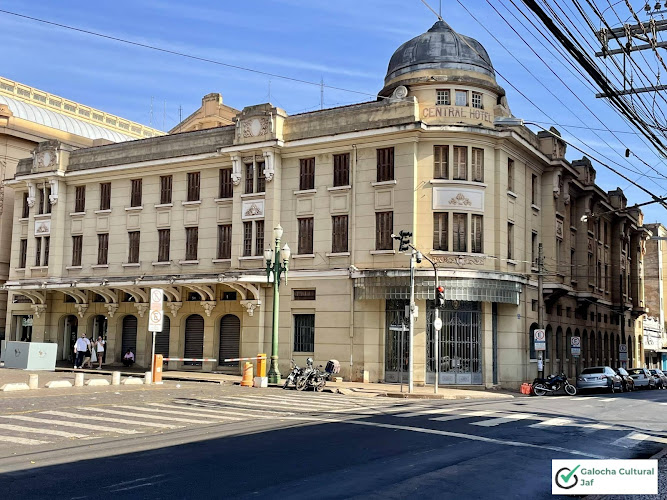
Centro Cultural Palace
R. Piracicaba, 2010 - Jardim Paulistano
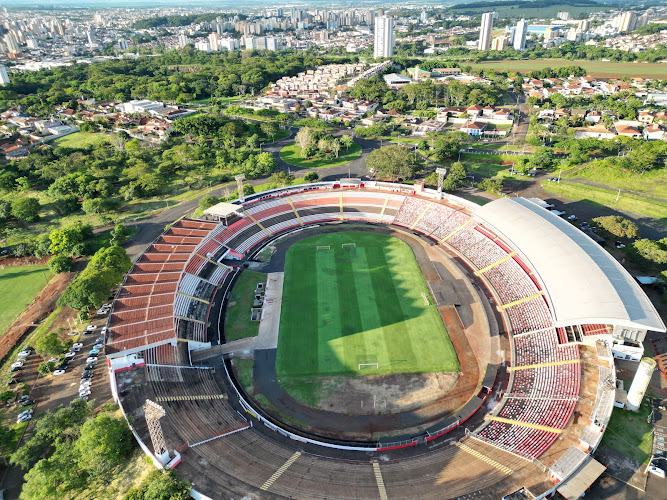
Stadium Santa Cruz
Find Accommodations Nearby
Recommended Tours & Activities
Visitor Reviews
There are no reviews yet. Be the first one to write one.
Share Your Experience
Have you visited Santuário Nossa Senhora da Medalha Milagrosa (Sete Capelas)? Help other travelers by leaving a review.