
Sekido Museum of Art
About Sekido Museum of Art
Description
The Sekido Museum of Art in Tokyo is one of those places that quietly sneaks up on you. It’s not the kind of museum that shouts for attention with massive billboards or flashy architecture, but once you step inside, you realize it has a soul. Founded in 2006 by the Satoh Artcraft Research & Scholarship Foundation, this museum was created to promote cultural exchange through traditional Japanese artcraft. The name “Sekido” actually comes from the pseudonym of Senju Satoh, whose private collection forms the heart of the museum’s holdings. It’s a lovely story, really—one person’s lifelong passion for art and craftsmanship blossoming into a public treasure.
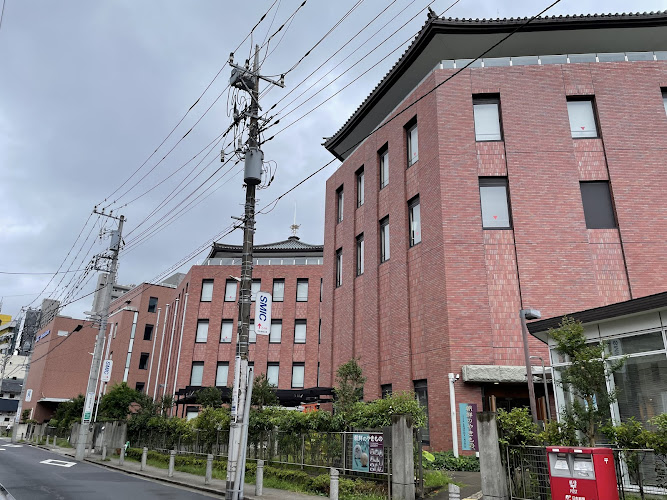
The building itself is a bit of a surprise. It’s tucked within the headquarters of Senju Metal Industry Co., Ltd.—yes, a company that makes solder. You wouldn’t expect to find an art museum there, but that’s part of its charm. The museum’s hexagonal brick-tile structure with a copper-sheet roof feels like something out of a design magazine. And once inside, you’re greeted by a serene, almost meditative atmosphere. The lighting is soft, the air smells faintly of wood and lacquer, and the exhibits are arranged in a way that feels personal, almost like stepping into someone’s private collection rather than a formal institution.
The Sekido Museum’s collection focuses on Japanese ceramics, lacquerware, and tea kettles—about 2,000 pieces in total. These are not just decorative objects; they tell stories of craftsmanship, patience, and cultural continuity. I remember standing in front of a centuries-old tea kettle, its surface worn smooth by time and touch, and thinking about how many hands must have held it before me. It’s humbling. And that’s what this museum does best—it connects you to the human side of art.
What’s refreshing about this place is that it doesn’t try too hard to impress. There’s a quiet confidence in how the pieces are displayed, letting the art speak for itself. Some visitors might find it small compared to Tokyo’s bigger museums, but that intimacy is part of its magic. You can take your time, linger by a piece that catches your eye, and not feel rushed by crowds. The staff, too, are incredibly kind and knowledgeable, always ready to share stories about the artists or techniques behind the works.
Key Features
- Home to around 2,000 pieces of traditional Japanese artcraft, including ceramics, lacquerware, and tea utensils.
- Founded by the Satoh Artcraft Research & Scholarship Foundation to promote cultural exchange and appreciation of Japanese craftsmanship.
- Housed within a unique hexagonal building with copper roofing, located at the Senju Metal Industry headquarters.
- Exhibitions rotate periodically, offering fresh perspectives on Japanese aesthetic traditions.
- Wheelchair-accessible facilities, including entrance and restrooms, ensuring comfort for all visitors.
- On-site amenities such as a restaurant and restrooms for convenience during your visit.
- Educational programs for students pursuing museum studies, emphasizing preservation and exhibition techniques.
Best Time to Visit
Tokyo has its charm year-round, but if you’re planning to visit the Sekido Museum of Art, I’d say spring or autumn are your best bets. The weather is mild, and the walk through the Kita-Senju area feels pleasant. In spring, cherry blossoms often bloom nearby, adding a poetic touch to the experience. Autumn, on the other hand, brings crisp air and soft light that makes the museum’s copper roof gleam like an old coin.
Weekdays are generally quieter, and that’s when the museum’s peaceful atmosphere really shines. If you visit in the morning, you might even have entire galleries to yourself. I once spent nearly half an hour sketching a lacquered box in one of the smaller rooms without seeing another soul. It’s that kind of place—unhurried, introspective, and deeply rewarding if you give it time.
During special exhibitions, which often feature rare or newly acquired works, the museum can get a little busier. But even then, it never feels overcrowded. The curators do a lovely job of balancing accessibility with serenity. If you’re the type who enjoys slow travel—taking time to really absorb a place—this museum fits perfectly into that rhythm.
How to Get There
Getting to the Sekido Museum of Art is straightforward, though it’s not right in the middle of Tokyo’s tourist-heavy zones. Located in Adachi City, it’s accessible via the Kita-Senju area, which is well connected by several train lines. From central Tokyo, you can hop on the JR Joban Line, the Chiyoda Line, or the Hibiya Line and reach Kita-Senju Station in about 20–30 minutes. From there, it’s a short walk or taxi ride to the museum.
If you’re anything like me and love exploring neighborhoods off the beaten path, the journey itself is part of the fun. Kita-Senju has a more local feel—small restaurants, cozy cafés, and that everyday Tokyo vibe that’s hard to find in touristy districts. You can easily pair your museum visit with a stroll through the area, maybe grabbing lunch at a nearby soba shop before heading back.
For those with mobility needs, the museum’s entrance and facilities are wheelchair accessible. Taxis can drop you off right near the entrance, and the staff are always happy to assist if needed. It’s clear that accessibility was thoughtfully considered when designing the space.
Tips for Visiting
First things first—don’t rush. The Sekido Museum of Art isn’t huge, but it’s layered. Take your time to really look at the textures, the brushwork, the way light falls on a ceramic glaze. You’ll notice details that you might otherwise miss. I once overheard a visitor remark that the museum “feels like a conversation between the past and present,” and I couldn’t agree more.
Photography policies can vary depending on the exhibition, so always check with the staff before snapping pictures. They’re friendly and will let you know what’s allowed. And if you’re someone who enjoys sketching or journaling, bring your notebook—you’ll find plenty of inspiration here.
If you get hungry, the small restaurant on-site serves simple but delicious Japanese meals. It’s not fancy, but it’s perfect for a quiet lunch or tea break. I still remember the matcha I had there—it was earthy, slightly bitter, and paired beautifully with a small sweet bean cake. Those small moments, honestly, are what make travel memorable.
Another tip: check the museum’s schedule before visiting. They occasionally host special exhibitions or workshops that dive deeper into specific art forms, like the art of lacquer repair (kintsugi) or the philosophy behind the tea ceremony. These events often require advance registration, but they’re absolutely worth it if you want a more hands-on experience.
And while you’re in the area, take a little time to wander. The neighborhood around the museum has a calm, lived-in feel—local bakeries, tiny shrines, and quiet residential streets. It’s a side of Tokyo that many travelers miss, and it adds context to the art you’ve just seen. After all, the crafts displayed in the Sekido Museum were born from everyday life, from the hands of artisans who lived in communities much like this one.
If you’re traveling with kids or anyone who doesn’t usually gravitate toward museums, don’t worry. The exhibits are engaging enough to hold attention, and the staff are great at explaining the stories behind the objects in a way that’s easy to understand. Plus, the building itself—with its geometric shape and copper sheen—is interesting even from an architectural standpoint.
Lastly, I’d say go with an open mind. The Sekido Museum of Art isn’t about grand gestures or blockbuster exhibits—it’s about subtlety, craftsmanship, and the quiet power of beauty made by hand. It’s the kind of place that stays with you long after you’ve left, the memory of it resurfacing unexpectedly, like the faint scent of incense on a breeze. If you’re looking for a more personal, reflective art experience in Tokyo, this is one spot you shouldn’t miss.
Key Features
- Home to around 2,000 pieces of traditional Japanese artcraft, including ceramics, lacquerware, and tea utensils.
- Founded by the Satoh Artcraft Research & Scholarship Foundation to promote cultural exchange and appreciation of Japanese craftsmanship.
- Housed within a unique hexagonal building with copper roofing, located at the Senju Metal Industry headquarters.
- Exhibitions rotate periodically, offering fresh perspectives on Japanese aesthetic traditions.
- Wheelchair-accessible facilities, including entrance and restrooms, ensuring comfort for all visitors.
- On-site amenities such as a restaurant and restrooms for convenience during your visit.
- Educational programs for students pursuing museum studies, emphasizing preservation and exhibition techniques.
More Details
Updated November 7, 2025
Table of Contents
Description
The Sekido Museum of Art in Tokyo is one of those places that quietly sneaks up on you. It’s not the kind of museum that shouts for attention with massive billboards or flashy architecture, but once you step inside, you realize it has a soul. Founded in 2006 by the Satoh Artcraft Research & Scholarship Foundation, this museum was created to promote cultural exchange through traditional Japanese artcraft. The name “Sekido” actually comes from the pseudonym of Senju Satoh, whose private collection forms the heart of the museum’s holdings. It’s a lovely story, really—one person’s lifelong passion for art and craftsmanship blossoming into a public treasure.
The building itself is a bit of a surprise. It’s tucked within the headquarters of Senju Metal Industry Co., Ltd.—yes, a company that makes solder. You wouldn’t expect to find an art museum there, but that’s part of its charm. The museum’s hexagonal brick-tile structure with a copper-sheet roof feels like something out of a design magazine. And once inside, you’re greeted by a serene, almost meditative atmosphere. The lighting is soft, the air smells faintly of wood and lacquer, and the exhibits are arranged in a way that feels personal, almost like stepping into someone’s private collection rather than a formal institution.
The Sekido Museum’s collection focuses on Japanese ceramics, lacquerware, and tea kettles—about 2,000 pieces in total. These are not just decorative objects; they tell stories of craftsmanship, patience, and cultural continuity. I remember standing in front of a centuries-old tea kettle, its surface worn smooth by time and touch, and thinking about how many hands must have held it before me. It’s humbling. And that’s what this museum does best—it connects you to the human side of art.
What’s refreshing about this place is that it doesn’t try too hard to impress. There’s a quiet confidence in how the pieces are displayed, letting the art speak for itself. Some visitors might find it small compared to Tokyo’s bigger museums, but that intimacy is part of its magic. You can take your time, linger by a piece that catches your eye, and not feel rushed by crowds. The staff, too, are incredibly kind and knowledgeable, always ready to share stories about the artists or techniques behind the works.
Key Features
- Home to around 2,000 pieces of traditional Japanese artcraft, including ceramics, lacquerware, and tea utensils.
- Founded by the Satoh Artcraft Research & Scholarship Foundation to promote cultural exchange and appreciation of Japanese craftsmanship.
- Housed within a unique hexagonal building with copper roofing, located at the Senju Metal Industry headquarters.
- Exhibitions rotate periodically, offering fresh perspectives on Japanese aesthetic traditions.
- Wheelchair-accessible facilities, including entrance and restrooms, ensuring comfort for all visitors.
- On-site amenities such as a restaurant and restrooms for convenience during your visit.
- Educational programs for students pursuing museum studies, emphasizing preservation and exhibition techniques.
Best Time to Visit
Tokyo has its charm year-round, but if you’re planning to visit the Sekido Museum of Art, I’d say spring or autumn are your best bets. The weather is mild, and the walk through the Kita-Senju area feels pleasant. In spring, cherry blossoms often bloom nearby, adding a poetic touch to the experience. Autumn, on the other hand, brings crisp air and soft light that makes the museum’s copper roof gleam like an old coin.
Weekdays are generally quieter, and that’s when the museum’s peaceful atmosphere really shines. If you visit in the morning, you might even have entire galleries to yourself. I once spent nearly half an hour sketching a lacquered box in one of the smaller rooms without seeing another soul. It’s that kind of place—unhurried, introspective, and deeply rewarding if you give it time.
During special exhibitions, which often feature rare or newly acquired works, the museum can get a little busier. But even then, it never feels overcrowded. The curators do a lovely job of balancing accessibility with serenity. If you’re the type who enjoys slow travel—taking time to really absorb a place—this museum fits perfectly into that rhythm.
How to Get There
Getting to the Sekido Museum of Art is straightforward, though it’s not right in the middle of Tokyo’s tourist-heavy zones. Located in Adachi City, it’s accessible via the Kita-Senju area, which is well connected by several train lines. From central Tokyo, you can hop on the JR Joban Line, the Chiyoda Line, or the Hibiya Line and reach Kita-Senju Station in about 20–30 minutes. From there, it’s a short walk or taxi ride to the museum.
If you’re anything like me and love exploring neighborhoods off the beaten path, the journey itself is part of the fun. Kita-Senju has a more local feel—small restaurants, cozy cafés, and that everyday Tokyo vibe that’s hard to find in touristy districts. You can easily pair your museum visit with a stroll through the area, maybe grabbing lunch at a nearby soba shop before heading back.
For those with mobility needs, the museum’s entrance and facilities are wheelchair accessible. Taxis can drop you off right near the entrance, and the staff are always happy to assist if needed. It’s clear that accessibility was thoughtfully considered when designing the space.
Tips for Visiting
First things first—don’t rush. The Sekido Museum of Art isn’t huge, but it’s layered. Take your time to really look at the textures, the brushwork, the way light falls on a ceramic glaze. You’ll notice details that you might otherwise miss. I once overheard a visitor remark that the museum “feels like a conversation between the past and present,” and I couldn’t agree more.
Photography policies can vary depending on the exhibition, so always check with the staff before snapping pictures. They’re friendly and will let you know what’s allowed. And if you’re someone who enjoys sketching or journaling, bring your notebook—you’ll find plenty of inspiration here.
If you get hungry, the small restaurant on-site serves simple but delicious Japanese meals. It’s not fancy, but it’s perfect for a quiet lunch or tea break. I still remember the matcha I had there—it was earthy, slightly bitter, and paired beautifully with a small sweet bean cake. Those small moments, honestly, are what make travel memorable.
Another tip: check the museum’s schedule before visiting. They occasionally host special exhibitions or workshops that dive deeper into specific art forms, like the art of lacquer repair (kintsugi) or the philosophy behind the tea ceremony. These events often require advance registration, but they’re absolutely worth it if you want a more hands-on experience.
And while you’re in the area, take a little time to wander. The neighborhood around the museum has a calm, lived-in feel—local bakeries, tiny shrines, and quiet residential streets. It’s a side of Tokyo that many travelers miss, and it adds context to the art you’ve just seen. After all, the crafts displayed in the Sekido Museum were born from everyday life, from the hands of artisans who lived in communities much like this one.
If you’re traveling with kids or anyone who doesn’t usually gravitate toward museums, don’t worry. The exhibits are engaging enough to hold attention, and the staff are great at explaining the stories behind the objects in a way that’s easy to understand. Plus, the building itself—with its geometric shape and copper sheen—is interesting even from an architectural standpoint.
Lastly, I’d say go with an open mind. The Sekido Museum of Art isn’t about grand gestures or blockbuster exhibits—it’s about subtlety, craftsmanship, and the quiet power of beauty made by hand. It’s the kind of place that stays with you long after you’ve left, the memory of it resurfacing unexpectedly, like the faint scent of incense on a breeze. If you’re looking for a more personal, reflective art experience in Tokyo, this is one spot you shouldn’t miss.
Key Highlights
- Home to around 2,000 pieces of traditional Japanese artcraft, including ceramics, lacquerware, and tea utensils.
- Founded by the Satoh Artcraft Research & Scholarship Foundation to promote cultural exchange and appreciation of Japanese craftsmanship.
- Housed within a unique hexagonal building with copper roofing, located at the Senju Metal Industry headquarters.
- Exhibitions rotate periodically, offering fresh perspectives on Japanese aesthetic traditions.
- Wheelchair-accessible facilities, including entrance and restrooms, ensuring comfort for all visitors.
- On-site amenities such as a restaurant and restrooms for convenience during your visit.
- Educational programs for students pursuing museum studies, emphasizing preservation and exhibition techniques.
Location
Places to Stay Near Sekido Museum of Art
Find and Book a Tour
Explore More Travel Guides
No reviews found! Be the first to review!
Traveler Reviews for Sekido Museum of Art
There are no reviews yet. Be the first one to write one.
Have you visited Sekido Museum of Art? Help other travelers by sharing your review.
You Might Also Like

Mibasyou
Toneri Park
Oukatei
Find Accommodations Nearby
Recommended Tours & Activities
Visitor Reviews
There are no reviews yet. Be the first one to write one.
Share Your Experience
Have you visited Sekido Museum of Art? Help other travelers by leaving a review.