
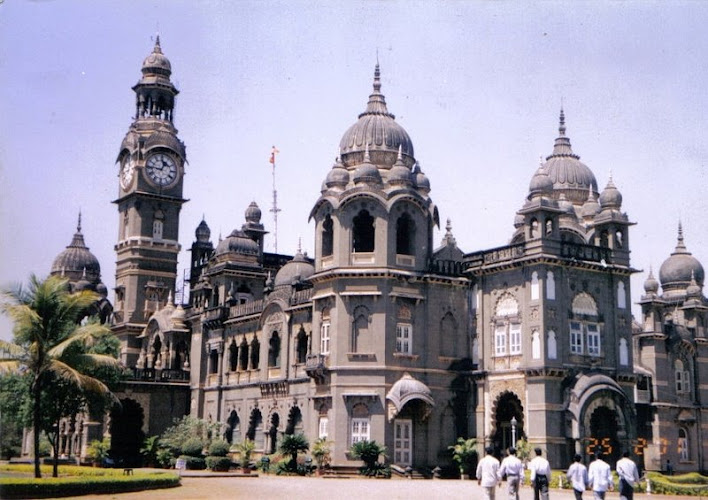
Kolhapur
About Kolhapur
Description
Kolhapur, tucked along the banks of the Panchaganga River in Maharashtra, is one of those cities that quietly steals your heart before you even realize it. It’s not the kind of place that shouts for attention. Instead, it hums with a rhythm of its own — a mix of temple bells, the aroma of spicy misal pav, and the sound of rickshaws weaving through narrow lanes. The city’s soul lies in its deep-rooted traditions, royal history, and the warmth of its people. And if you’ve ever chatted with a local over a cup of strong Kolhapuri chai, you’ll know exactly what I mean.
The Mahalakshmi Temple is undoubtedly the crown jewel of Kolhapur. This ancient shrine, dedicated to Goddess Mahalakshmi (or Ambabai as locals lovingly call her), draws thousands of pilgrims every day. The temple’s black stone architecture, intricate carvings, and the spiritual energy that fills the air make it more than just a religious site — it’s an experience. I remember standing in that temple courtyard once, watching the flickering oil lamps as the evening aarti began, and feeling something shift inside me. It’s that kind of place — quiet yet powerful.
Beyond the temples, Kolhapur has a royal charm that lingers in its palaces and old buildings. The Bhavani Mandap, once a royal court, now houses a small museum that gives you a peek into the city’s regal past. There’s something oddly fascinating about the old taxidermy displays and the faded portraits of kings and queens — like stepping into a forgotten chapter of history. And then there’s Rankala Lake, a favorite hangout spot for both locals and visitors. It’s the kind of place where time slows down — couples strolling hand in hand, kids chasing pigeons, and vendors selling roasted corn by the water’s edge. If you’re lucky, you might catch a fiery sunset painting the lake gold and red.
For those who love a bit of adventure, the Jyotiba Temple on the hilltop is worth the climb. The drive itself is scenic, winding through lush greenery and small villages. The temple, dedicated to Lord Jyotiba, offers sweeping views of the surrounding countryside. During the annual fair, the whole area turns into a sea of pink as devotees throw gulal (colored powder) in celebration — it’s chaotic, colorful, and completely unforgettable.
Kolhapur is also famous for its craftsmanship and food — two things that define its identity as much as its temples do. The city’s leather chappals (sandals) are iconic, handmade by skilled artisans who’ve been perfecting their craft for generations. And the food — oh, the food! From fiery Kolhapuri mutton to the humble tambda and pandhra rassa (red and white curries), every dish here tells a story. I still remember the first time I tried authentic Kolhapuri misal — I thought I could handle spice, but Kolhapur had other plans. It’s not just hot; it’s flavorful, layered, and addictive.
What makes Kolhapur stand out is its balance — it’s modern enough to be comfortable but traditional enough to retain its essence. The people here are proud of their heritage, yet open-minded and welcoming. Whether you’re a history buff, a foodie, a pilgrim, or just someone looking to wander off the usual tourist trail, Kolhapur has a way of making you feel at home.
Key Features
- Ancient Temples: The Mahalakshmi Temple and Jyotiba Temple are major pilgrimage sites with centuries-old traditions.
- Royal Heritage: Bhavani Mandap and the New Palace showcase Kolhapur’s regal Maratha history.
- Scenic Beauty: Rankala Lake and Panhala Fort offer serene views and a touch of nature’s calm.
- Art & Craft: Famous for Kolhapuri chappals and intricate jewelry, the city’s artisans are its true pride.
- Authentic Cuisine: Spicy Kolhapuri dishes, especially misal pav and mutton rassa, are culinary highlights.
- Cultural Festivals: Local fairs, wrestling tournaments, and traditional performances keep the city’s spirit alive.
Best Time to Visit
If you ask me, winter is hands down the best time to visit Kolhapur — between November and February. The weather is pleasant, perfect for temple visits and evening strolls by Rankala Lake. Summers can be quite warm (and humid too), so unless you’re used to the heat, it’s best to avoid April and May. Monsoon, though, has its own charm. The city turns lush and green, and a drive up to Panhala Fort during the rains feels like stepping into a painting. Just remember to carry an umbrella — Kolhapur rains don’t believe in subtlety.
Festivals like Navratri and the Mahalakshmi Yatra bring the city alive with lights, music, and devotion. If you enjoy cultural experiences, plan your trip around these times. The energy is something you have to feel to believe.
How to Get There
Kolhapur is well-connected, which makes getting there pretty straightforward. The city has its own airport — Chhatrapati Rajaram Maharaj Airport — with flights connecting to major cities like Mumbai and Hyderabad. If you’re more of a road-trip person (like me), the drive from Pune or Goa is absolutely worth it. The roads are smooth, and the scenery along the way — fields, hills, and tiny roadside stalls selling sugarcane juice — makes the journey as enjoyable as the destination.
The Kolhapur Railway Station is another convenient option, with regular trains from Mumbai, Bengaluru, and Pune. For local travel, auto-rickshaws and cabs are easy to find, though I always recommend walking through the older parts of the city if you can. That’s where you’ll find the real Kolhapur — the smell of freshly ground spices, the chatter of shopkeepers, and the occasional cow blocking traffic (it’s all part of the charm).
Tips for Visiting
Here’s the thing about Kolhapur — it’s not a city you rush through. Take your time to soak it all in. Start your mornings early with a visit to the Mahalakshmi Temple before the crowds pour in. Then grab breakfast — misal pav or poha — at one of the local joints. And if you’re shopping for Kolhapuri chappals, don’t settle for the first pair you see. Wander around, talk to the artisans, and you’ll find something truly special.
Also, be prepared for spice. Kolhapuri cuisine is legendary for its heat, and while it’s delicious, it can be intense for those not used to it. Keep some buttermilk or curd handy — locals swear by it as the best antidote. If you’re visiting during a festival, book accommodation in advance; the city gets packed. And please, don’t litter near the temples or lakes — the locals take pride in keeping their city clean, and so should visitors.
One last thing — talk to people. Kolhapuris are some of the most genuine folks you’ll meet. Ask them about the city, their favorite eateries, or stories from the old days. You’ll learn more from those conversations than any guidebook could ever tell you. And when you leave, you’ll carry a bit of Kolhapur with you — maybe in the form of a pair of chappals, maybe a jar of spicy chutney, or maybe just a warm memory of a city that feels timeless.
Kolhapur isn’t just another stop on a travel map. It’s a living, breathing story — one that invites you to slow down, listen, and be part of it, even if just for a while.
Key Features
- Key Features
- Best Time to Visit
- How to Get There
- Tips for Visiting
More Details
Updated November 7, 2025
Table of Contents
Description
Kolhapur, tucked along the banks of the Panchaganga River in Maharashtra, is one of those cities that quietly steals your heart before you even realize it. It’s not the kind of place that shouts for attention. Instead, it hums with a rhythm of its own — a mix of temple bells, the aroma of spicy misal pav, and the sound of rickshaws weaving through narrow lanes. The city’s soul lies in its deep-rooted traditions, royal history, and the warmth of its people. And if you’ve ever chatted with a local over a cup of strong Kolhapuri chai, you’ll know exactly what I mean.
The Mahalakshmi Temple is undoubtedly the crown jewel of Kolhapur. This ancient shrine, dedicated to Goddess Mahalakshmi (or Ambabai as locals lovingly call her), draws thousands of pilgrims every day. The temple’s black stone architecture, intricate carvings, and the spiritual energy that fills the air make it more than just a religious site — it’s an experience. I remember standing in that temple courtyard once, watching the flickering oil lamps as the evening aarti began, and feeling something shift inside me. It’s that kind of place — quiet yet powerful.
Beyond the temples, Kolhapur has a royal charm that lingers in its palaces and old buildings. The Bhavani Mandap, once a royal court, now houses a small museum that gives you a peek into the city’s regal past. There’s something oddly fascinating about the old taxidermy displays and the faded portraits of kings and queens — like stepping into a forgotten chapter of history. And then there’s Rankala Lake, a favorite hangout spot for both locals and visitors. It’s the kind of place where time slows down — couples strolling hand in hand, kids chasing pigeons, and vendors selling roasted corn by the water’s edge. If you’re lucky, you might catch a fiery sunset painting the lake gold and red.
For those who love a bit of adventure, the Jyotiba Temple on the hilltop is worth the climb. The drive itself is scenic, winding through lush greenery and small villages. The temple, dedicated to Lord Jyotiba, offers sweeping views of the surrounding countryside. During the annual fair, the whole area turns into a sea of pink as devotees throw gulal (colored powder) in celebration — it’s chaotic, colorful, and completely unforgettable.
Kolhapur is also famous for its craftsmanship and food — two things that define its identity as much as its temples do. The city’s leather chappals (sandals) are iconic, handmade by skilled artisans who’ve been perfecting their craft for generations. And the food — oh, the food! From fiery Kolhapuri mutton to the humble tambda and pandhra rassa (red and white curries), every dish here tells a story. I still remember the first time I tried authentic Kolhapuri misal — I thought I could handle spice, but Kolhapur had other plans. It’s not just hot; it’s flavorful, layered, and addictive.
What makes Kolhapur stand out is its balance — it’s modern enough to be comfortable but traditional enough to retain its essence. The people here are proud of their heritage, yet open-minded and welcoming. Whether you’re a history buff, a foodie, a pilgrim, or just someone looking to wander off the usual tourist trail, Kolhapur has a way of making you feel at home.
Key Features
- Ancient Temples: The Mahalakshmi Temple and Jyotiba Temple are major pilgrimage sites with centuries-old traditions.
- Royal Heritage: Bhavani Mandap and the New Palace showcase Kolhapur’s regal Maratha history.
- Scenic Beauty: Rankala Lake and Panhala Fort offer serene views and a touch of nature’s calm.
- Art & Craft: Famous for Kolhapuri chappals and intricate jewelry, the city’s artisans are its true pride.
- Authentic Cuisine: Spicy Kolhapuri dishes, especially misal pav and mutton rassa, are culinary highlights.
- Cultural Festivals: Local fairs, wrestling tournaments, and traditional performances keep the city’s spirit alive.
Best Time to Visit
If you ask me, winter is hands down the best time to visit Kolhapur — between November and February. The weather is pleasant, perfect for temple visits and evening strolls by Rankala Lake. Summers can be quite warm (and humid too), so unless you’re used to the heat, it’s best to avoid April and May. Monsoon, though, has its own charm. The city turns lush and green, and a drive up to Panhala Fort during the rains feels like stepping into a painting. Just remember to carry an umbrella — Kolhapur rains don’t believe in subtlety.
Festivals like Navratri and the Mahalakshmi Yatra bring the city alive with lights, music, and devotion. If you enjoy cultural experiences, plan your trip around these times. The energy is something you have to feel to believe.
How to Get There
Kolhapur is well-connected, which makes getting there pretty straightforward. The city has its own airport — Chhatrapati Rajaram Maharaj Airport — with flights connecting to major cities like Mumbai and Hyderabad. If you’re more of a road-trip person (like me), the drive from Pune or Goa is absolutely worth it. The roads are smooth, and the scenery along the way — fields, hills, and tiny roadside stalls selling sugarcane juice — makes the journey as enjoyable as the destination.
The Kolhapur Railway Station is another convenient option, with regular trains from Mumbai, Bengaluru, and Pune. For local travel, auto-rickshaws and cabs are easy to find, though I always recommend walking through the older parts of the city if you can. That’s where you’ll find the real Kolhapur — the smell of freshly ground spices, the chatter of shopkeepers, and the occasional cow blocking traffic (it’s all part of the charm).
Tips for Visiting
Here’s the thing about Kolhapur — it’s not a city you rush through. Take your time to soak it all in. Start your mornings early with a visit to the Mahalakshmi Temple before the crowds pour in. Then grab breakfast — misal pav or poha — at one of the local joints. And if you’re shopping for Kolhapuri chappals, don’t settle for the first pair you see. Wander around, talk to the artisans, and you’ll find something truly special.
Also, be prepared for spice. Kolhapuri cuisine is legendary for its heat, and while it’s delicious, it can be intense for those not used to it. Keep some buttermilk or curd handy — locals swear by it as the best antidote. If you’re visiting during a festival, book accommodation in advance; the city gets packed. And please, don’t litter near the temples or lakes — the locals take pride in keeping their city clean, and so should visitors.
One last thing — talk to people. Kolhapuris are some of the most genuine folks you’ll meet. Ask them about the city, their favorite eateries, or stories from the old days. You’ll learn more from those conversations than any guidebook could ever tell you. And when you leave, you’ll carry a bit of Kolhapur with you — maybe in the form of a pair of chappals, maybe a jar of spicy chutney, or maybe just a warm memory of a city that feels timeless.
Kolhapur isn’t just another stop on a travel map. It’s a living, breathing story — one that invites you to slow down, listen, and be part of it, even if just for a while.
Key Highlights
- Key Features
- Best Time to Visit
- How to Get There
- Tips for Visiting
Location
Places to Stay Near Kolhapur
Find and Book a Tour
Explore More Travel Guides
No reviews found! Be the first to review!
Traveler Reviews for Kolhapur
There are no reviews yet. Be the first one to write one.
Have you visited Kolhapur? Help other travelers by sharing your review.
You Might Also Like
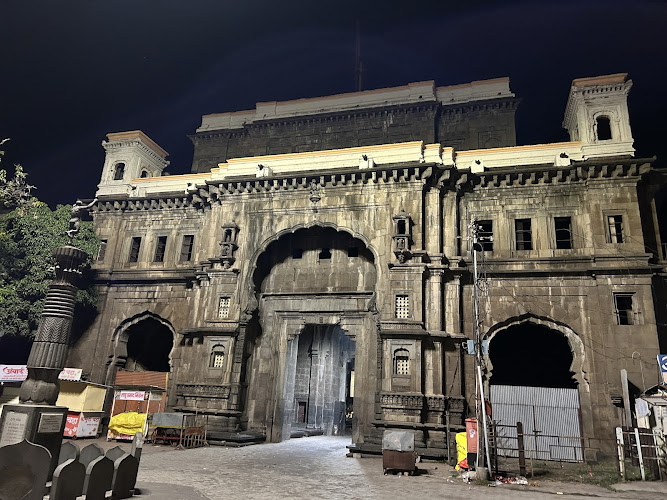
Chhattrapati Shahu Maharaj Rajmahal, Kolhapur
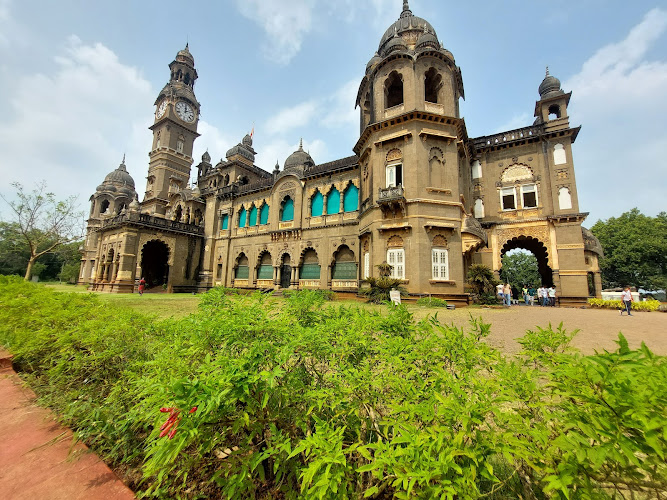
New Palace
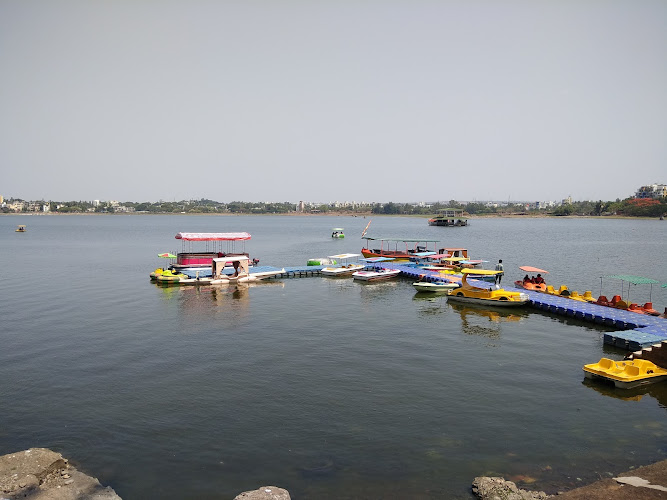
Devraj Boating Club
Find Accommodations Nearby
Recommended Tours & Activities
Visitor Reviews
There are no reviews yet. Be the first one to write one.
Share Your Experience
Have you visited Kolhapur? Help other travelers by leaving a review.