
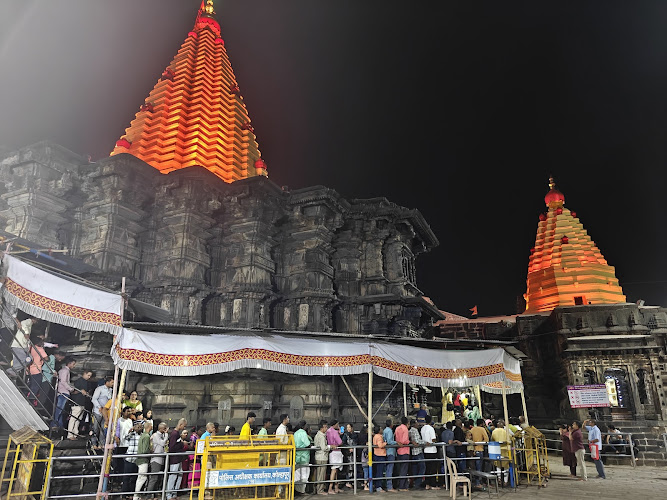
Shree Ambabai (Mahalaxmi) Temple, Kolhapur
About Shree Ambabai (Mahalaxmi) Temple, Kolhapur
Description
The Shree Ambabai Mahalaxmi Temple in Kolhapur is one of those places that somehow manages to feel both deeply ancient and startlingly alive. Dedicated to Goddess Mahalaxmi—known lovingly as Ambabai by the locals—this temple stands as one of India’s most revered Shakti Peethas. It’s said that this is where the goddess herself resides, not just symbolically but in spirit, blessing those who come with faith in their hearts. The temple’s history stretches back to the 12th century, and you can feel the weight of those centuries in every stone, every carving, every faint echo of temple bells that ring through the air.
What makes it so special isn’t just its religious significance, though that’s certainly profound—it’s the atmosphere. The temple complex hums with energy. You’ll see families offering flowers, priests chanting mantras, and travelers like me just standing there, trying to absorb it all. The sculptural details are mesmerizing—intricate carvings of deities, mythological scenes, and floral motifs that seem to whisper stories from another era. The black stone used in its construction glows softly under the morning sun, giving it a quiet grandeur that’s hard to describe unless you’re standing right there.
Now, I’ll be honest—like any popular pilgrimage site, it gets crowded. Lines can be long, especially during Navratri and Fridays (which are considered auspicious for Goddess Mahalaxmi). But there’s something oddly grounding about being part of that crowd. Everyone’s there for the same reason—to seek blessings, peace, maybe even a bit of clarity. And when you finally reach the sanctum and see the idol of Ambabai, adorned in gold jewelry and flowers, it’s hard not to feel a lump in your throat. Whether you’re deeply spiritual or just curious, the energy here pulls you in.
Key Features
- Ancient Architecture: Built in the 12th century, the temple showcases Hemadpanti-style architecture with detailed stone carvings that depict various Hindu deities and mythological tales.
- Spiritual Significance: Recognized as one of the three and a half Shakti Peethas in India, it’s believed to be a site where devotees can attain moksha (liberation).
- Deities Worshipped: The temple primarily honors Goddess Mahalaxmi, but you’ll also find shrines dedicated to Lord Vishnu, Lord Shiva, and Goddess Durga.
- Accessible Facilities: The temple is wheelchair accessible with dedicated parking, seating, and entry points for differently-abled visitors.
- Offerings and Amenities: Devotees can purchase prasad within the temple premises. Clean restrooms and digital payment options like Google Pay are available for convenience.
- Festivals: The temple comes alive during Navratri, Diwali, and the Kirnotsav festival, when sunlight falls directly on the idol—a sight that gives goosebumps even to non-believers.
Best Time to Visit
If you’re planning a trip, timing can make all the difference. The temple is open year-round, but the best time to visit is between October and February when the weather in Kolhapur is pleasantly cool. The mornings are crisp, and the afternoons are perfect for exploring the markets nearby (which, by the way, sell some of the best Kolhapuri chappals and jaggery you’ll ever find).
If you enjoy cultural experiences, plan your visit around Navratri or the Kirnotsav festival. During Kirnotsav, the setting sun’s rays fall directly on the idol of Goddess Mahalaxmi—a celestial alignment that happens twice a year. I remember standing there one evening, watching the golden light touch the goddess’s face, and honestly, it felt like time stopped for a moment. It’s one of those things that photos can’t quite capture.
Avoid peak summer months (April to June) if you can—the heat can be intense, and the crowds don’t thin out much. Early mornings are best for darshan if you prefer a quieter, more meditative experience.
How to Get There
Kolhapur is well-connected by road, rail, and air, making it easy to reach from major cities like Mumbai, Pune, and Goa. The nearest airport is Kolhapur Airport, which has regular flights from Mumbai. From there, it’s just a short drive to the temple. If you’re coming by train, Kolhapur Railway Station (Chhatrapati Shahu Maharaj Terminus) is about 5 kilometers away and has good connectivity to major cities across Maharashtra and Karnataka.
If you prefer a scenic route, driving down from Pune or Mumbai is a treat—the highways are smooth, and you’ll pass through lush countryside and small towns that give you a taste of rural Maharashtra. I once took the drive during monsoon season, and the rolling green hills along the route were so beautiful that I stopped more times than I’d planned, just to take it all in.
Once in Kolhapur, local transport options like auto-rickshaws and app-based taxis are easily available. Parking near the temple can get tricky on weekends, so it’s wise to arrive early or use public transport if possible.
Tips for Visiting
Visiting the Shree Ambabai Mahalaxmi Temple is not just a sightseeing stop—it’s an experience that stays with you. Here are a few tips that can make your visit smoother and more meaningful:
- Arrive Early: The temple opens early in the morning, and that’s the best time to avoid long queues. The morning aarti is particularly beautiful—soft chants, the smell of incense, and golden light filtering through the temple corridors.
- Dress Modestly: As with any sacred site in India, modest clothing is appreciated. Light cotton clothes work best, especially if you’re visiting during warmer months.
- Respect the Rituals: Even if you’re not deeply religious, observing the rituals quietly can be a moving experience. Don’t rush—just let yourself be part of the rhythm of the place.
- Stay Hydrated: Kolhapur can get warm, so carry a bottle of water. There are plenty of shops around the temple selling refreshments too.
- Explore Nearby: After your darshan, take a short walk around the temple area. There are small stalls selling flowers, sweets, and souvenirs. And if you’re a foodie like me, don’t miss trying Kolhapuri misal or tambda rassa at local eateries—they’re legendary!
- Photography: Photography inside the sanctum is usually restricted, so check with temple authorities before clicking pictures. Outside, though, the architecture and local life provide plenty of photo-worthy moments.
- Plan for Festivals: If you’re visiting during major festivals, book your accommodation well in advance. Hotels fill up quickly, and prices can spike.
Honestly, what makes the Mahalaxmi Temple so unforgettable isn’t just the architecture or the rituals—it’s the feeling of devotion that hangs in the air. You might come here looking for spiritual solace, or maybe just to see what all the fuss is about, but you’ll likely leave with a little more peace than you came with. And that’s something rare these days.
Kolhapur’s Ambabai Temple isn’t just a stop on a travel itinerary—it’s a reminder of India’s living heritage, of faith that’s been passed down through generations. Whether you’re a pilgrim, a history buff, or a curious traveler, you’ll find something here that speaks to you. And when you walk out through those ancient stone gates, with the sound of temple bells fading behind you, you’ll probably find yourself already planning your next visit.
Key Features
- Key Features
- Best Time to Visit
- How to Get There
- Tips for Visiting
More Details
Updated November 7, 2025
Table of Contents
- Description
- Key Features
- Best Time to Visit
- How to Get There
- Tips for Visiting
- Key Highlights
- Location
- Places to Stay Near Shree Ambabai (Mahalaxmi) Temple, Kolhapur
- Find and Book a Tour
- Explore More Travel Guides
- Nearby Places You Might Like
- Traveler Reviews for Shree Ambabai (Mahalaxmi) Temple, Kolhapur
- Share Your Experience
Description
The Shree Ambabai Mahalaxmi Temple in Kolhapur is one of those places that somehow manages to feel both deeply ancient and startlingly alive. Dedicated to Goddess Mahalaxmi—known lovingly as Ambabai by the locals—this temple stands as one of India’s most revered Shakti Peethas. It’s said that this is where the goddess herself resides, not just symbolically but in spirit, blessing those who come with faith in their hearts. The temple’s history stretches back to the 12th century, and you can feel the weight of those centuries in every stone, every carving, every faint echo of temple bells that ring through the air.
What makes it so special isn’t just its religious significance, though that’s certainly profound—it’s the atmosphere. The temple complex hums with energy. You’ll see families offering flowers, priests chanting mantras, and travelers like me just standing there, trying to absorb it all. The sculptural details are mesmerizing—intricate carvings of deities, mythological scenes, and floral motifs that seem to whisper stories from another era. The black stone used in its construction glows softly under the morning sun, giving it a quiet grandeur that’s hard to describe unless you’re standing right there.
Now, I’ll be honest—like any popular pilgrimage site, it gets crowded. Lines can be long, especially during Navratri and Fridays (which are considered auspicious for Goddess Mahalaxmi). But there’s something oddly grounding about being part of that crowd. Everyone’s there for the same reason—to seek blessings, peace, maybe even a bit of clarity. And when you finally reach the sanctum and see the idol of Ambabai, adorned in gold jewelry and flowers, it’s hard not to feel a lump in your throat. Whether you’re deeply spiritual or just curious, the energy here pulls you in.
Key Features
- Ancient Architecture: Built in the 12th century, the temple showcases Hemadpanti-style architecture with detailed stone carvings that depict various Hindu deities and mythological tales.
- Spiritual Significance: Recognized as one of the three and a half Shakti Peethas in India, it’s believed to be a site where devotees can attain moksha (liberation).
- Deities Worshipped: The temple primarily honors Goddess Mahalaxmi, but you’ll also find shrines dedicated to Lord Vishnu, Lord Shiva, and Goddess Durga.
- Accessible Facilities: The temple is wheelchair accessible with dedicated parking, seating, and entry points for differently-abled visitors.
- Offerings and Amenities: Devotees can purchase prasad within the temple premises. Clean restrooms and digital payment options like Google Pay are available for convenience.
- Festivals: The temple comes alive during Navratri, Diwali, and the Kirnotsav festival, when sunlight falls directly on the idol—a sight that gives goosebumps even to non-believers.
Best Time to Visit
If you’re planning a trip, timing can make all the difference. The temple is open year-round, but the best time to visit is between October and February when the weather in Kolhapur is pleasantly cool. The mornings are crisp, and the afternoons are perfect for exploring the markets nearby (which, by the way, sell some of the best Kolhapuri chappals and jaggery you’ll ever find).
If you enjoy cultural experiences, plan your visit around Navratri or the Kirnotsav festival. During Kirnotsav, the setting sun’s rays fall directly on the idol of Goddess Mahalaxmi—a celestial alignment that happens twice a year. I remember standing there one evening, watching the golden light touch the goddess’s face, and honestly, it felt like time stopped for a moment. It’s one of those things that photos can’t quite capture.
Avoid peak summer months (April to June) if you can—the heat can be intense, and the crowds don’t thin out much. Early mornings are best for darshan if you prefer a quieter, more meditative experience.
How to Get There
Kolhapur is well-connected by road, rail, and air, making it easy to reach from major cities like Mumbai, Pune, and Goa. The nearest airport is Kolhapur Airport, which has regular flights from Mumbai. From there, it’s just a short drive to the temple. If you’re coming by train, Kolhapur Railway Station (Chhatrapati Shahu Maharaj Terminus) is about 5 kilometers away and has good connectivity to major cities across Maharashtra and Karnataka.
If you prefer a scenic route, driving down from Pune or Mumbai is a treat—the highways are smooth, and you’ll pass through lush countryside and small towns that give you a taste of rural Maharashtra. I once took the drive during monsoon season, and the rolling green hills along the route were so beautiful that I stopped more times than I’d planned, just to take it all in.
Once in Kolhapur, local transport options like auto-rickshaws and app-based taxis are easily available. Parking near the temple can get tricky on weekends, so it’s wise to arrive early or use public transport if possible.
Tips for Visiting
Visiting the Shree Ambabai Mahalaxmi Temple is not just a sightseeing stop—it’s an experience that stays with you. Here are a few tips that can make your visit smoother and more meaningful:
- Arrive Early: The temple opens early in the morning, and that’s the best time to avoid long queues. The morning aarti is particularly beautiful—soft chants, the smell of incense, and golden light filtering through the temple corridors.
- Dress Modestly: As with any sacred site in India, modest clothing is appreciated. Light cotton clothes work best, especially if you’re visiting during warmer months.
- Respect the Rituals: Even if you’re not deeply religious, observing the rituals quietly can be a moving experience. Don’t rush—just let yourself be part of the rhythm of the place.
- Stay Hydrated: Kolhapur can get warm, so carry a bottle of water. There are plenty of shops around the temple selling refreshments too.
- Explore Nearby: After your darshan, take a short walk around the temple area. There are small stalls selling flowers, sweets, and souvenirs. And if you’re a foodie like me, don’t miss trying Kolhapuri misal or tambda rassa at local eateries—they’re legendary!
- Photography: Photography inside the sanctum is usually restricted, so check with temple authorities before clicking pictures. Outside, though, the architecture and local life provide plenty of photo-worthy moments.
- Plan for Festivals: If you’re visiting during major festivals, book your accommodation well in advance. Hotels fill up quickly, and prices can spike.
Honestly, what makes the Mahalaxmi Temple so unforgettable isn’t just the architecture or the rituals—it’s the feeling of devotion that hangs in the air. You might come here looking for spiritual solace, or maybe just to see what all the fuss is about, but you’ll likely leave with a little more peace than you came with. And that’s something rare these days.
Kolhapur’s Ambabai Temple isn’t just a stop on a travel itinerary—it’s a reminder of India’s living heritage, of faith that’s been passed down through generations. Whether you’re a pilgrim, a history buff, or a curious traveler, you’ll find something here that speaks to you. And when you walk out through those ancient stone gates, with the sound of temple bells fading behind you, you’ll probably find yourself already planning your next visit.
Key Highlights
- Key Features
- Best Time to Visit
- How to Get There
- Tips for Visiting
Location
Places to Stay Near Shree Ambabai (Mahalaxmi) Temple, Kolhapur
Find and Book a Tour
Explore More Travel Guides
No reviews found! Be the first to review!
Traveler Reviews for Shree Ambabai (Mahalaxmi) Temple, Kolhapur
There are no reviews yet. Be the first one to write one.
Have you visited Shree Ambabai (Mahalaxmi) Temple, Kolhapur? Help other travelers by sharing your review.
You Might Also Like
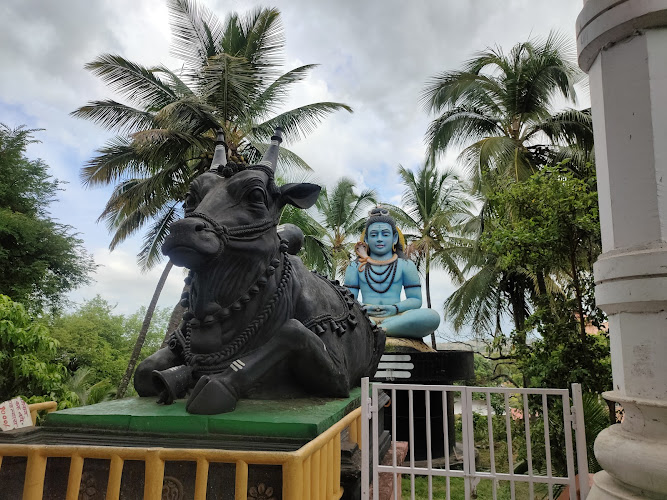
Kanheri Math Parking
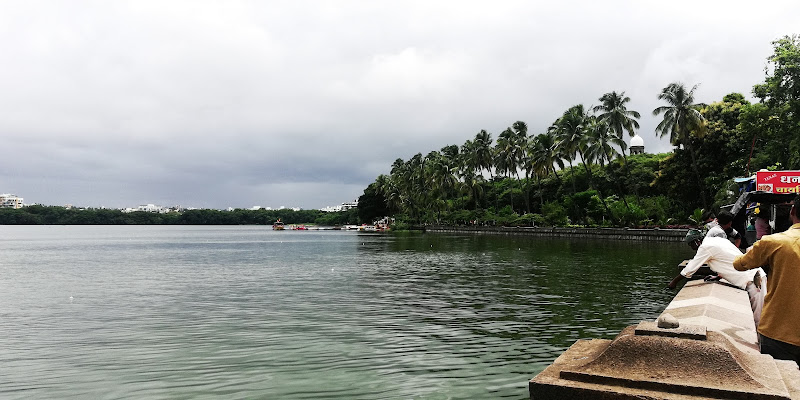
Rankala Lake
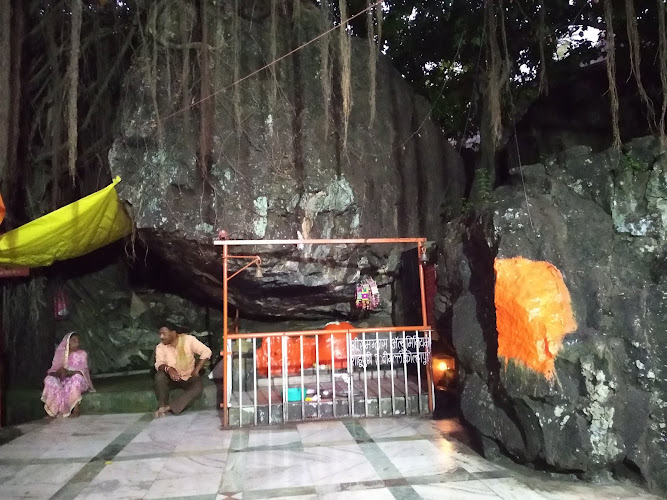
Ujalai Devi temple
Find Accommodations Nearby
Recommended Tours & Activities
Visitor Reviews
There are no reviews yet. Be the first one to write one.
Share Your Experience
Have you visited Shree Ambabai (Mahalaxmi) Temple, Kolhapur? Help other travelers by leaving a review.