
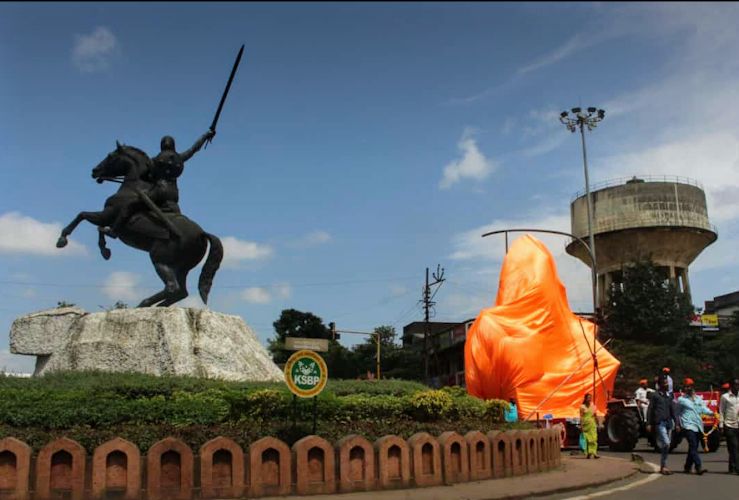
Chhatrapati Maharani TaraRani Statue
About Chhatrapati Maharani TaraRani Statue
Description
There’s something quietly powerful about standing before the Chhatrapati Maharani TaraRani Statue in Kolhapur. It’s not just another monument—it’s a reminder of courage, loyalty, and the kind of leadership that doesn’t fade with time. The statue honors Maharani TaraRani, the brave queen who took charge of the Maratha kingdom after her husband’s death. She wasn’t just a royal figure; she was a strategist, a warrior, and a woman who refused to let her people lose hope. And honestly, when you’re there, you can almost feel that strength in the air.
The statue itself is beautifully crafted, with intricate details that capture the queen’s regal posture and commanding presence. The sculptor clearly poured heart and soul into every curve, every line of her armor, and the expression that seems to say, “I will protect my land.” It’s not flashy or overdone—it’s dignified, just like the woman it represents. You’ll see locals pausing for a moment of respect, and travelers snapping photos, trying to capture the essence of her spirit. But no picture really does it justice. You’ve got to stand there, see the sunlight glint off the bronze, and take it all in yourself.
What’s interesting is how this spot has become more than a historical landmark—it’s a part of daily life in Kolhapur. You’ll find school kids learning about Maratha history nearby, vendors selling flowers and snacks, and families stopping by after evening walks. It’s both a place of reflection and a slice of the city’s rhythm. Some might say it’s just a statue, but to many, it’s a symbol of pride and resilience. And that’s something worth seeing for yourself.
Key Features
- Majestic Sculpture: The statue stands tall, depicting Maharani TaraRani in a commanding stance that reflects her strength and leadership.
- Historical Significance: Celebrates the legacy of a Maratha queen who played a crucial role during one of the kingdom’s most challenging times.
- Detailed Craftsmanship: Every feature—from the folds of her attire to the expression on her face—tells a story of bravery and determination.
- Cultural Hub: The area around the statue often hosts local events, patriotic gatherings, and cultural performances, especially on national holidays.
- Family-Friendly Spot: The open surroundings make it a comfortable place for families, with nearby shops and food stalls adding to the experience.
- Photogenic Location: The lighting, especially during sunrise and sunset, makes it a favorite spot for photographers and history enthusiasts alike.
Best Time to Visit
If you’re planning a visit, the cooler months from November to February are ideal. The weather in Kolhapur during this time is pleasant enough to walk around and truly appreciate the statue without melting under the sun. Early mornings or late evenings are particularly special—there’s a calmness in the air, and the statue seems to glow in the soft light. I once visited just after dawn, and the way the first rays of sunlight touched the bronze surface—it was almost poetic. Plus, you’ll avoid the heavier traffic and can take your time soaking in the atmosphere.
That said, if you happen to be there during a local festival or national day celebration, you’re in for something memorable. The area comes alive with flags, music, and a sense of unity that’s hard to describe. It’s chaotic, yes, but in the best way possible—like being part of something bigger than yourself.
How to Get There
Kolhapur is well-connected by road, rail, and air, making it relatively easy to reach the statue no matter where you’re coming from. If you’re arriving by train, the statue isn’t far from the main station, and you can grab an auto-rickshaw or taxi for a short ride. The drivers usually know exactly where to go—just mention “TaraRani Chowk,” and you’ll be there in minutes. For those driving in, parking can get a bit tricky during peak hours, so it’s smart to plan your visit early in the day.
I once made the mistake of visiting on a weekend afternoon, and let’s just say, finding parking felt like winning a lottery. So, if you’re not a fan of crowds, weekday mornings are your best bet. Public transport is convenient too, and there are plenty of local buses that stop nearby. Walking from the main market area is also an option if you’re up for a short stroll—it’s actually quite nice to wander through the bustling streets and then suddenly find yourself standing before a piece of history.
Tips for Visiting
Here’s the thing—visiting a historical landmark like this isn’t just about checking it off your list. It’s about understanding what it represents and taking a moment to connect with that story. So, here are a few tips that might make your visit more meaningful (and a bit smoother):
- Go early or late: Avoid the midday heat and crowds. Morning light makes for the best photos too.
- Respect the space: It’s a monument of cultural and historical importance, so be mindful of your behavior and avoid climbing or touching the statue.
- Talk to locals: If you get the chance, chat with a local vendor or guide. They often share fascinating stories about the queen that you won’t find in guidebooks.
- Stay hydrated: Kolhapur can get quite warm, especially outside the winter months. Carry a bottle of water and wear comfortable shoes.
- Combine your visit: The statue is close to other attractions, so you can plan a small walking tour of nearby historical spots and markets.
- Photography tip: Try capturing the statue from a lower angle to emphasize its grandeur. Sunset shots here are particularly striking.
And if you’re like me and love learning about strong women in history, this place will leave an impression. It’s not just about the aesthetics—it’s about standing in front of a reminder that leadership isn’t defined by gender or circumstance, but by courage and conviction. You might walk away inspired, maybe even a little humbled. I certainly did.
So, whether you’re a history buff, a photographer, or just someone curious about the stories that shaped Maharashtra, the Chhatrapati Maharani TaraRani Statue is worth your time. It’s one of those places that quietly stays with you long after you’ve left. And honestly, that’s the mark of a truly great landmark, isn’t it?
Key Features
- Key Features
- Best Time to Visit
- How to Get There
- Tips for Visiting
More Details
Updated November 7, 2025
Table of Contents
- Description
- Key Features
- Best Time to Visit
- How to Get There
- Tips for Visiting
- Key Highlights
- Location
- Places to Stay Near Chhatrapati Maharani TaraRani Statue
- Find and Book a Tour
- Explore More Travel Guides
- Nearby Places You Might Like
- Traveler Reviews for Chhatrapati Maharani TaraRani Statue
- Share Your Experience
Description
There’s something quietly powerful about standing before the Chhatrapati Maharani TaraRani Statue in Kolhapur. It’s not just another monument—it’s a reminder of courage, loyalty, and the kind of leadership that doesn’t fade with time. The statue honors Maharani TaraRani, the brave queen who took charge of the Maratha kingdom after her husband’s death. She wasn’t just a royal figure; she was a strategist, a warrior, and a woman who refused to let her people lose hope. And honestly, when you’re there, you can almost feel that strength in the air.
The statue itself is beautifully crafted, with intricate details that capture the queen’s regal posture and commanding presence. The sculptor clearly poured heart and soul into every curve, every line of her armor, and the expression that seems to say, “I will protect my land.” It’s not flashy or overdone—it’s dignified, just like the woman it represents. You’ll see locals pausing for a moment of respect, and travelers snapping photos, trying to capture the essence of her spirit. But no picture really does it justice. You’ve got to stand there, see the sunlight glint off the bronze, and take it all in yourself.
What’s interesting is how this spot has become more than a historical landmark—it’s a part of daily life in Kolhapur. You’ll find school kids learning about Maratha history nearby, vendors selling flowers and snacks, and families stopping by after evening walks. It’s both a place of reflection and a slice of the city’s rhythm. Some might say it’s just a statue, but to many, it’s a symbol of pride and resilience. And that’s something worth seeing for yourself.
Key Features
- Majestic Sculpture: The statue stands tall, depicting Maharani TaraRani in a commanding stance that reflects her strength and leadership.
- Historical Significance: Celebrates the legacy of a Maratha queen who played a crucial role during one of the kingdom’s most challenging times.
- Detailed Craftsmanship: Every feature—from the folds of her attire to the expression on her face—tells a story of bravery and determination.
- Cultural Hub: The area around the statue often hosts local events, patriotic gatherings, and cultural performances, especially on national holidays.
- Family-Friendly Spot: The open surroundings make it a comfortable place for families, with nearby shops and food stalls adding to the experience.
- Photogenic Location: The lighting, especially during sunrise and sunset, makes it a favorite spot for photographers and history enthusiasts alike.
Best Time to Visit
If you’re planning a visit, the cooler months from November to February are ideal. The weather in Kolhapur during this time is pleasant enough to walk around and truly appreciate the statue without melting under the sun. Early mornings or late evenings are particularly special—there’s a calmness in the air, and the statue seems to glow in the soft light. I once visited just after dawn, and the way the first rays of sunlight touched the bronze surface—it was almost poetic. Plus, you’ll avoid the heavier traffic and can take your time soaking in the atmosphere.
That said, if you happen to be there during a local festival or national day celebration, you’re in for something memorable. The area comes alive with flags, music, and a sense of unity that’s hard to describe. It’s chaotic, yes, but in the best way possible—like being part of something bigger than yourself.
How to Get There
Kolhapur is well-connected by road, rail, and air, making it relatively easy to reach the statue no matter where you’re coming from. If you’re arriving by train, the statue isn’t far from the main station, and you can grab an auto-rickshaw or taxi for a short ride. The drivers usually know exactly where to go—just mention “TaraRani Chowk,” and you’ll be there in minutes. For those driving in, parking can get a bit tricky during peak hours, so it’s smart to plan your visit early in the day.
I once made the mistake of visiting on a weekend afternoon, and let’s just say, finding parking felt like winning a lottery. So, if you’re not a fan of crowds, weekday mornings are your best bet. Public transport is convenient too, and there are plenty of local buses that stop nearby. Walking from the main market area is also an option if you’re up for a short stroll—it’s actually quite nice to wander through the bustling streets and then suddenly find yourself standing before a piece of history.
Tips for Visiting
Here’s the thing—visiting a historical landmark like this isn’t just about checking it off your list. It’s about understanding what it represents and taking a moment to connect with that story. So, here are a few tips that might make your visit more meaningful (and a bit smoother):
- Go early or late: Avoid the midday heat and crowds. Morning light makes for the best photos too.
- Respect the space: It’s a monument of cultural and historical importance, so be mindful of your behavior and avoid climbing or touching the statue.
- Talk to locals: If you get the chance, chat with a local vendor or guide. They often share fascinating stories about the queen that you won’t find in guidebooks.
- Stay hydrated: Kolhapur can get quite warm, especially outside the winter months. Carry a bottle of water and wear comfortable shoes.
- Combine your visit: The statue is close to other attractions, so you can plan a small walking tour of nearby historical spots and markets.
- Photography tip: Try capturing the statue from a lower angle to emphasize its grandeur. Sunset shots here are particularly striking.
And if you’re like me and love learning about strong women in history, this place will leave an impression. It’s not just about the aesthetics—it’s about standing in front of a reminder that leadership isn’t defined by gender or circumstance, but by courage and conviction. You might walk away inspired, maybe even a little humbled. I certainly did.
So, whether you’re a history buff, a photographer, or just someone curious about the stories that shaped Maharashtra, the Chhatrapati Maharani TaraRani Statue is worth your time. It’s one of those places that quietly stays with you long after you’ve left. And honestly, that’s the mark of a truly great landmark, isn’t it?
Key Highlights
- Key Features
- Best Time to Visit
- How to Get There
- Tips for Visiting
Location
Places to Stay Near Chhatrapati Maharani TaraRani Statue
Find and Book a Tour
Explore More Travel Guides
No reviews found! Be the first to review!
Traveler Reviews for Chhatrapati Maharani TaraRani Statue
There are no reviews yet. Be the first one to write one.
Have you visited Chhatrapati Maharani TaraRani Statue? Help other travelers by sharing your review.
You Might Also Like
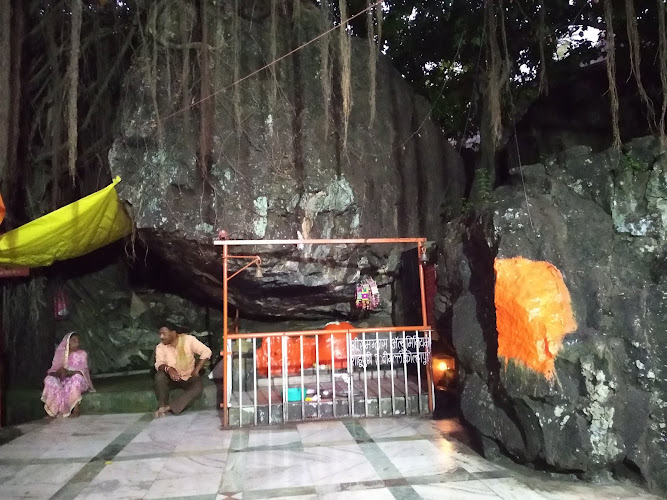
Ujalai Devi temple

Kolhapur Zoo
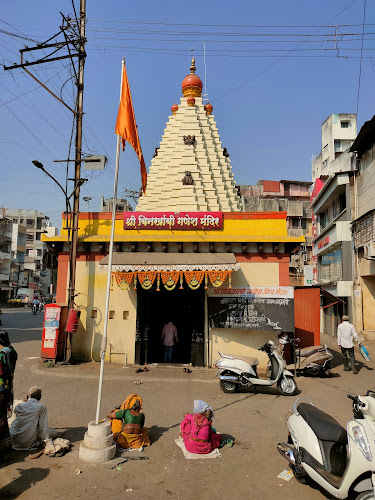
Shri Binkhambi Ganesh Mandir
Find Accommodations Nearby
Recommended Tours & Activities
Visitor Reviews
There are no reviews yet. Be the first one to write one.
Share Your Experience
Have you visited Chhatrapati Maharani TaraRani Statue? Help other travelers by leaving a review.